

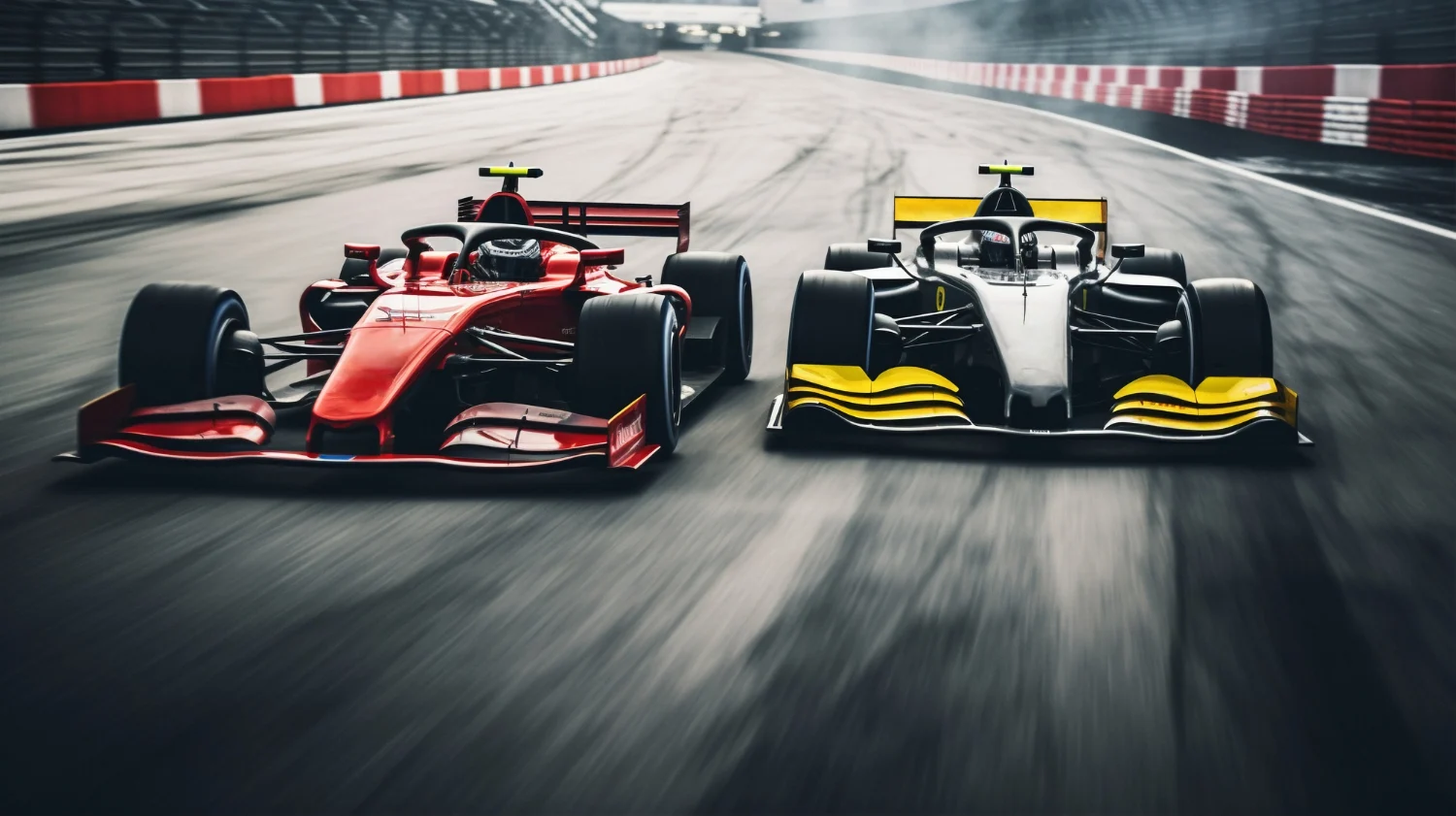
If you are wondering how does F1 qualifying work under the newly updated 2026 regulations, you are not alone. Qualifying is arguably the most thrilling hour in motorsports, setting the stage for Sunday’s main event. It is a high-stakes shootout where drivers push their cars to the absolute physical limit.
While attending the 2026 Bahrain Grand Prix testing sessions, I spent an afternoon speaking directly with a senior trackside engineer about this exact topic. He explained that while the cars have changed drastically under the new regulations, the psychological pressure of the knockout system remains the ultimate test. It requires absolute perfection from both the driver and the pit wall.
This complete guide will break down the entire structure of the modern format. We will explore everything from Q1, Q2, and Q3 to sprint formats and the major rule changes spanning from 2020 to 2026. By the end, you will understand exactly how the starting grid is formed.
What Is F1 Qualifying?
To understand what is F1 qualifying, you must look at the primary objective of a Formula 1 weekend. Qualifying is a dedicated session that determines the starting grid positions for the main Grand Prix. The fastest driver starts at the very front, a highly coveted spot known as pole position.
In simple terms, Formula 1 qualifying explained boils down to pure speed over race distance. Unlike the actual race on Sunday, where drivers must manage tyre degradation and fuel consumption, this session is entirely about single-lap performance. Drivers run the lightest fuel loads possible to extract maximum pace.
When new fans ask how does the qualifying work in F1, the answer highlights its strategic importance. Securing a good starting spot makes it significantly easier to control the race pace and avoid first-lap collisions. A poor performance on Saturday often guarantees a highly difficult recovery drive on Sunday.
How Does F1 Qualifying Work? (Main Format Explained)
The modern era relies on a highly engaging, three-part knockout system. If you want to know how does qualifying work F1 style, it is all about surviving each progressively difficult session. The format is designed to weed out the slowest cars until only the elite remain to fight for pole.
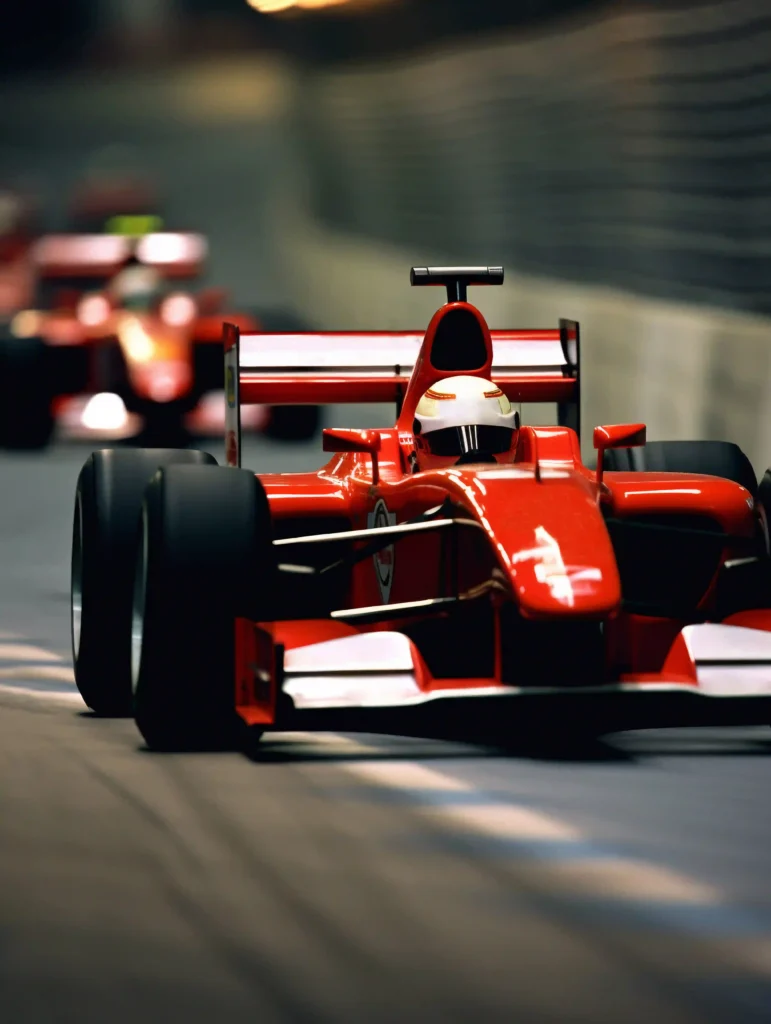
This structured format keeps track of action continuous and gives fans multiple moments of high drama. Below is the detailed breakdown of what happens in F1 qualifying and how the grid is progressively finalised.
Q1 (First Session)
The opening segment is known as Q1, and it lasts for exactly 18 minutes. All drivers on the grid take to the track simultaneously to set their fastest lap times. The sheer volume of cars on the circuit often leads to intense battles for track position, as no one wants their lap ruined by slower traffic.
At the end of the 18 minutes, the slowest five drivers are officially eliminated from the rest of the session. These drivers will start the Sunday Grand Prix in positions 16 through 20 based on their respective lap times. The remaining drivers successfully advance to the next stage.
Q2 (Second Session)
After a brief intermission, the times are completely reset, and the Q2 session begins. This segment lasts for 15 minutes and features the top 15 drivers who survived the initial elimination zone. The pressure intensifies here, as the performance gap between the midfield cars is usually razor-thin.
Just like the first segment, the slowest five drivers at the end of the 15 minutes are eliminated from the competition. These drivers will fill grid slots 11 through 15 for the main race. The surviving top 10 cars secure their ticket to the final, most prestigious shootout.
Q3 (Final Session)
This is where the magic happens. Q3 is a frantic 12-minute session featuring only the fastest 10 drivers of the weekend. With the track at its absolute grippiest, drivers bolt on the softest tyre compounds available to fight for the ultimate prize: pole position.
How does Q3 work in F1? Every millisecond counts as drivers usually get two attempts at a flying lap. The driver who sets the absolute fastest lap time claims first place on the grid, while the others fill positions two through ten.
These F1 qualifying positions, explained, dictate the leading pack heading into turn one on Sunday.
How Many Laps Do You Get in F1 Qualifying?
A common question among new viewers is how many laps in F1 qualifying are drivers actually allowed to complete? Interestingly, there is no official cap on the number of laps a driver can run. The only absolute limitation is the ticking clock for each respective session.
However, in reality, drivers usually only complete two “flying laps” (maximum effort laps) per session. This limitation is dictated by tyre strategy and fuel loads. The soft Pirelli tyres used for these sessions degrade incredibly fast and often only provide peak grip for a single timed lap.
Drivers also carry just enough fuel to complete their out-lap, their flying lap, and their in-lap. Carrying any extra fuel adds unnecessary weight to the car, which costs valuable fractions of a second. Therefore, strategic precision in timing these limited attempts is crucial.
How Does F1 Qualifying Work With 22 Drivers?
Historically, the grid features 20 cars, but rumours of grid expansion frequently prompt the question: how does F1 qualifying work with 22 drivers? The core knockout structure remains exactly the same, but the elimination math requires a slight adjustment to accommodate the extra cars.
Instead of eliminating five cars in the first two sessions, the FIA adjusts the rules to drop six cars in Q1 and six cars in Q2. This ensures that the final Q3 session still exclusively features the fastest 10 drivers fighting for pole position.
The biggest challenge with an expanded grid is severe track congestion during Q1. With 22 cars fighting for clean air on a tight circuit like Monaco, slower traffic can easily ruin drivers’ laps, creating a massive risk. Team strategists must carefully monitor GPS data to release their cars into clear gaps.
Year-by-Year Breakdown of F1 Qualifying Rules (2020–2026)
To fully grasp the current state of the sport, we must look at how the regulations have evolved over the current decade. The FIA constantly tweaks the weekend format to maximise entertainment value while balancing the physical demands on the teams.
This evolution explains why searching for ‘how does F1 qualifying work 2020’ yields slightly different results than a search for current regulations. Here is the complete timeline of the major shifts in the Saturday shootout structure.
2020 Format Dynamics
During the 2020 season, the world was navigating severe pandemic disruptions. The FIA relied heavily on the traditional three-part knockout system (Q1, Q2, and Q3) without any experimental weekend structures. The focus was entirely on executing safe and standardised race weekends.
One unique rule during this era was the Q2 tyre regulation. Drivers who advanced to Q3 had to start Sunday’s race on the exact set of tyres they used to set their fastest lap in Q2. This forced top teams into complex strategic gambles.
2021 Sprint Introduction
The 2021 season marked a massive shift in the sport’s history with the introduction of sprint qualifying. Trialed at specific venues like Silverstone, the traditional qualifying session was moved to Friday afternoon. This Friday session set the grid for a short, 100km dash on Saturday.
The finishing order of that Saturday dash then determined the final starting grid for Sunday’s main event. This experiment proved highly divisive among traditionalists but succeeded in boosting Friday television viewership significantly.
2022 Cost Cap Impact
Entering 2022, the sport introduced a strict financial cost cap alongside a massive overhaul of the aerodynamic regulations. Teams could no longer spend unlimited funds on specialised qualifying engine modes or bespoke aerodynamic parts just for Saturday.
The format remained the standard knockout system, but the Q2 tyre rule was officially scrapped. This allowed all drivers in the top 10 a free choice of starting tyres for Sunday, creating much more aggressive racing strategies across the entire grid.
2023 Parc Fermé Adjustments
In 2023, the FIA expanded sprint weekends to six races and heavily refined the weekend structure. It also adjusted Parc Fermé rules, which dictate when teams cannot change their car setups.
These adjustments meant teams had to lock in their suspension and aerodynamic choices after just one hour of practice on Friday. This extreme limitation placed massive pressure on simulator drivers to perfect the car setup before the weekend even began.
2024 Schedule Standardization
The 2024 season saw further refinement to the increasingly complex sprint weekends. Officials reorganised the schedule for better logistical flow: they moved sprint qualifying to Friday, held the sprint race on Saturday morning, and scheduled the main Grand Prix qualifying for Saturday afternoon.
This specific change was universally praised by the paddock. It allowed teams to change car setups between the Sprint race and the main qualifying session, eliminating the penalty of starting the weekend with a poor initial setup.
2025 Sprint Expansion
By 2025, the sprint format had deeply solidified its place on the calendar. Teams focused heavily on optimising single-lap performance to secure points in both the short Saturday dash and the main Sunday event.
The standard three-part knockout system remained the gold standard for non-sprint weekends. However, the intensity of tyre management reached new heights as Pirelli introduced highly sensitive compounds that required perfect warm-up procedures on the out-lap.
2026 Regulatory Reset
The current 2026 season represents one of the largest regulatory resets in motorsport history. With the introduction of heavily revised power units and active aerodynamics, fans actively asked, ‘How does qualifying work in F1 2026?
Despite the radically different machinery, the FIA firmly retained the beloved Q1, Q2, and Q3 knockout structure. The primary difference now is how drivers utilise the new active aerodynamic modes to reduce drag on the straights during their flying laps.
How Does F1 Sprint Qualifying Work?
To understand how does F1 sprint qualifying work, you must look at the standalone session officially known as the Sprint Shootout. This session exclusively dictates the starting order for the short Saturday sprint race, leaving Sunday’s Grand Prix grid completely unaffected.
Sprint Qualifying Format
The Sprint Shootout uses a compressed version of the traditional knockout system. SQ1 lasts only 12 minutes, SQ2 is shortened to 10 minutes, and the final SQ3 shootout is a frantic 8-minute dash. This shortened timeframe means drivers often only have time for one single flying lap per session.
Furthermore, the FIA mandates specific tyre compounds for each segment—usually mediums for SQ1 and SQ2, and softs for SQ3—to level the playing field.
Sprint Race Impact
The result of the sprint race awards championship points to the top eight finishers, providing a vital boost in tight title fights. However, under the modern ruleset, an accident or poor finish in the sprint does not ruin a driver’s Sunday grid slot.
How Does F1 Academy Qualifying Work?
For fans following the highly successful all-female feeder series, understanding how does F1 Academy qualifying work is essential. Unlike the complex knockout system of Formula 1, the academy utilises a more straightforward time-trial approach designed to maximise track time for developing talent.
Typically, the series runs two shorter qualifying sessions. The fastest lap in the first session dictates the grid for Race 1. The fastest lap in the second session dictates the grid for Race 2, ensuring that raw pace directly correlates to starting positions without complex elimination math.
What Is the Elimination Zone in F1 Qualifying?
If you listen to the television broadcast, you will constantly hear commentators screaming about the “drop zone”. What is an elimination zone in F1 qualifying? It refers to the bottom five positions on the timing tower during Q1 and Q2.
When the session timer hits zero, the system knocks out any driver sitting in these bottom five slots. Track evolution—where more rubber makes the circuit faster—often causes drivers to plummet into the elimination zone in the final seconds, creating massive suspense.
How Does F1 Qualifying Race Work?
It is crucial to clarify a major point of confusion for newcomers: how does F1 qualifying race work is a trick question. Qualifying is strictly a time trial against the clock, not a wheel-to-wheel race.
Drivers are actively trying to find clear, empty space on the track to avoid aerodynamic turbulence from the cars ahead. The only “racing” that happens is when drivers jostle for track position on their slow out-laps to ensure they start their timed run with optimal tyre temperatures.
How Does Qualifying Work in F1 Sprint Weekend?
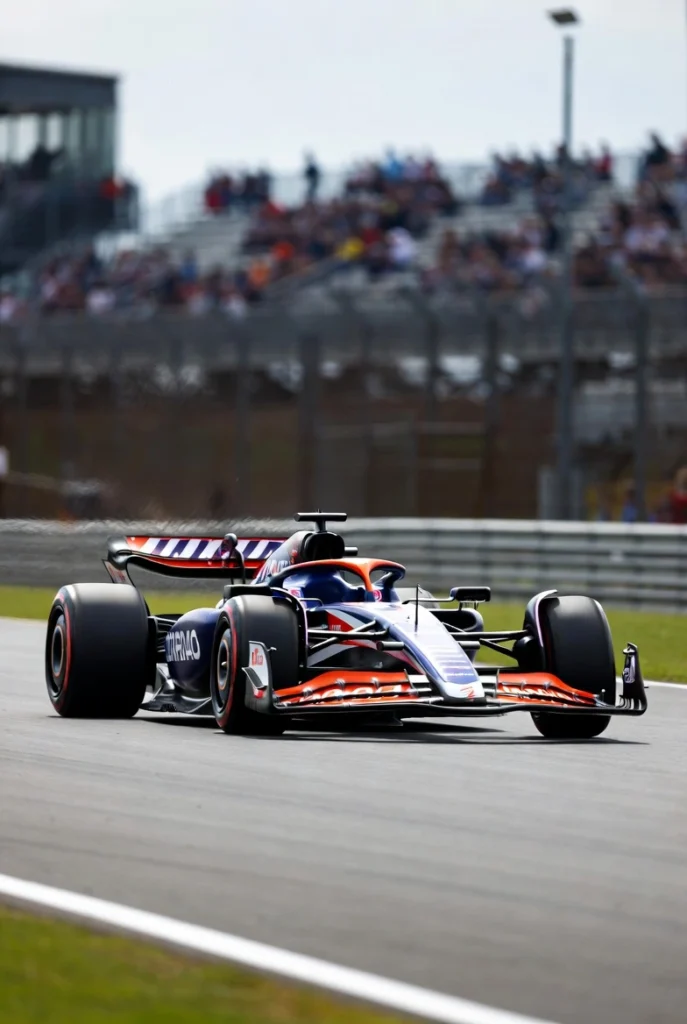
Understanding how does qualifying work in F1 sprint weekend requires looking at the segmented schedule. The weekend features two entirely separate qualifying sessions with distinct purposes.
Friday afternoon hosts the Sprint Shootout, which sets the grid solely for Saturday morning’s 100km sprint race. Then, on Saturday afternoon, the traditional Q1-Q2-Q3 qualifying session takes place to determine the starting order for Sunday’s main Grand Prix.
Reddit & Fan Discussions
If you browse online forums searching for how does F1 qualifying work Reddit, you will find incredibly deep technical debates. Fans frequently discuss the dark art of the “tow”—where teammates strategically drive close together on straights to punch a hole in the air and reduce drag.
Another major topic of debate is track evolution. Reddit users meticulously analyse how dropping track temperatures and increasing rubber levels make the final seconds of Q3 the absolute optimal time to set a lap, leading to dramatic traffic jams in the pit lane.
Frequently Asked Questions
What does Q1, Q2, and Q3 mean in F1?
These terms refer to the three distinct phases of the knockout qualifying system. Q1 is the 18-minute opening session where the slowest five cars are eliminated. Q2 is the 15-minute middle phase where five more cars drop out. Q3 is the final 12-minute shootout among the top 10 drivers for pole position.
How exactly does qualifying work in F1?
Qualifying is a time trial competition to set the starting grid for the race. All drivers take to the track to set their fastest single-lap times. Through a three-part elimination process, the field is whittled down from the full grid to just the fastest ten, who then battle for the number one starting spot.
How many laps in F1 qualifying?
There is no mandated lap limit during a session. Drivers are only constrained by the session time limit, the amount of fuel in their cars, and the rapid degradation of their soft tyres. In practice, drivers usually manage one or two maximum-effort flying laps per session.
Are any F1 drivers LGBTQ?
Currently, there are no openly LGBTQ drivers racing on the active Formula 1 grid. However, motorsport inclusivity is steadily improving across global feeder series. The sport continues to focus on respect and diversity initiatives, such as Racing Pride, to create a more welcoming environment in the paddock.
What is the Formula 1 qualifying format?
The standard format is a three-stage knockout time trial. The bottom five drivers are eliminated in the first segment (Q1), and another five are eliminated in the second segment (Q2). The surviving top 10 drivers compete in the final segment (Q3) to determine the front of the starting grid.
Conclusion: Mastering the Saturday Shootout
Understanding how does F1 qualifying work is essential for truly appreciating the strategic depth of modern motorsport. The Saturday shootout is where the raw, unrestricted pace of the machinery and the undeniable skill of the driver perfectly align.
Whether it is the standard Q1, Q2, and Q3 knockout format or the frenetic Friday Sprint Shootout, the pressure to deliver a flawless flying lap remains unmatched. The continued evolution of these rules from 2020 right through the 2026 regulatory reset proves the sport’s dedication to high-stakes entertainment.
As new active aerodynamic packages and complex power units define the current grid, mastering track evolution and tyre warm-up will remain the ultimate test. The next time you tune in for a Grand Prix weekend, you will know exactly how the starting grid is forged and why securing pole position is so vital to winning.

