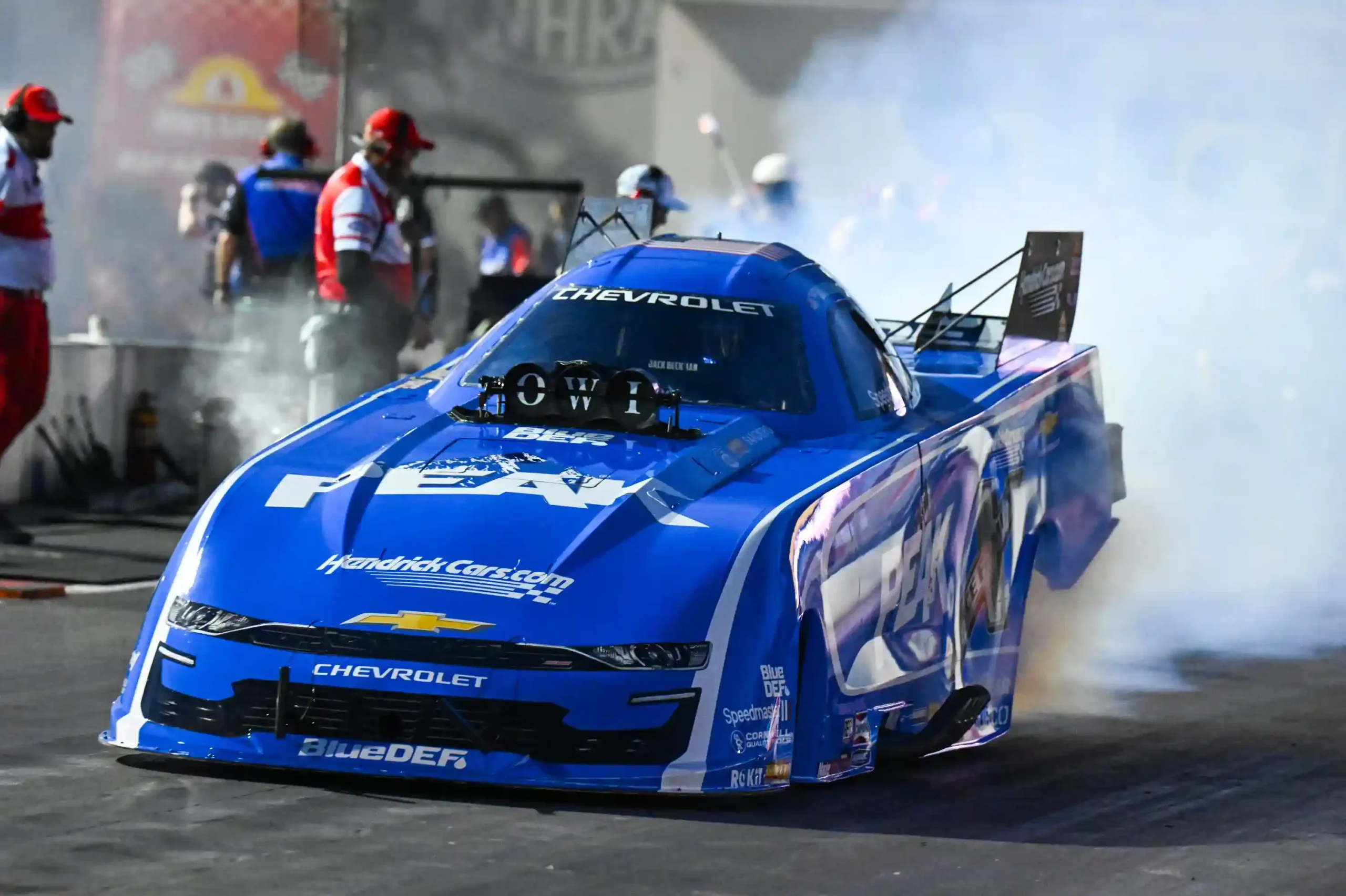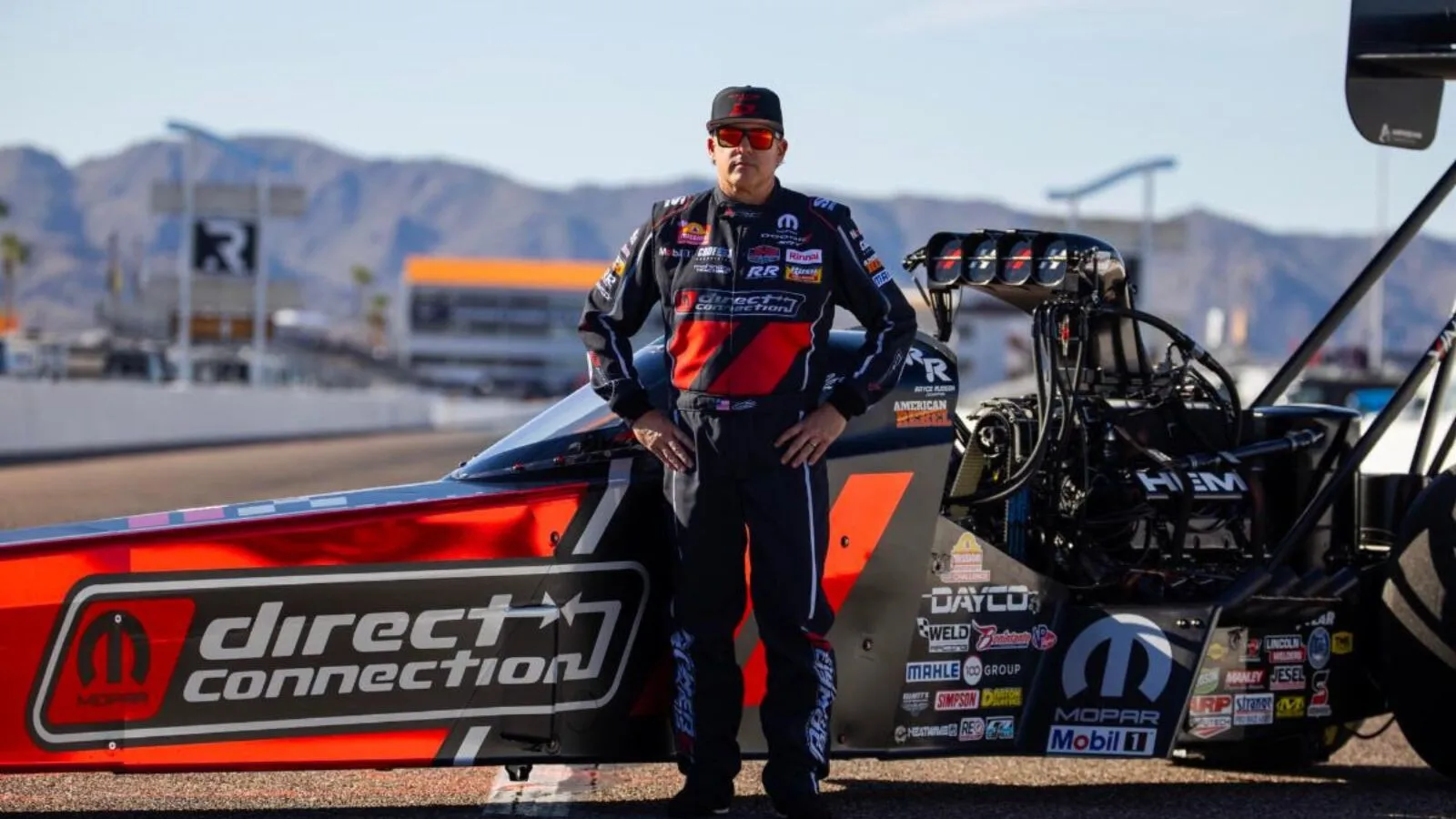

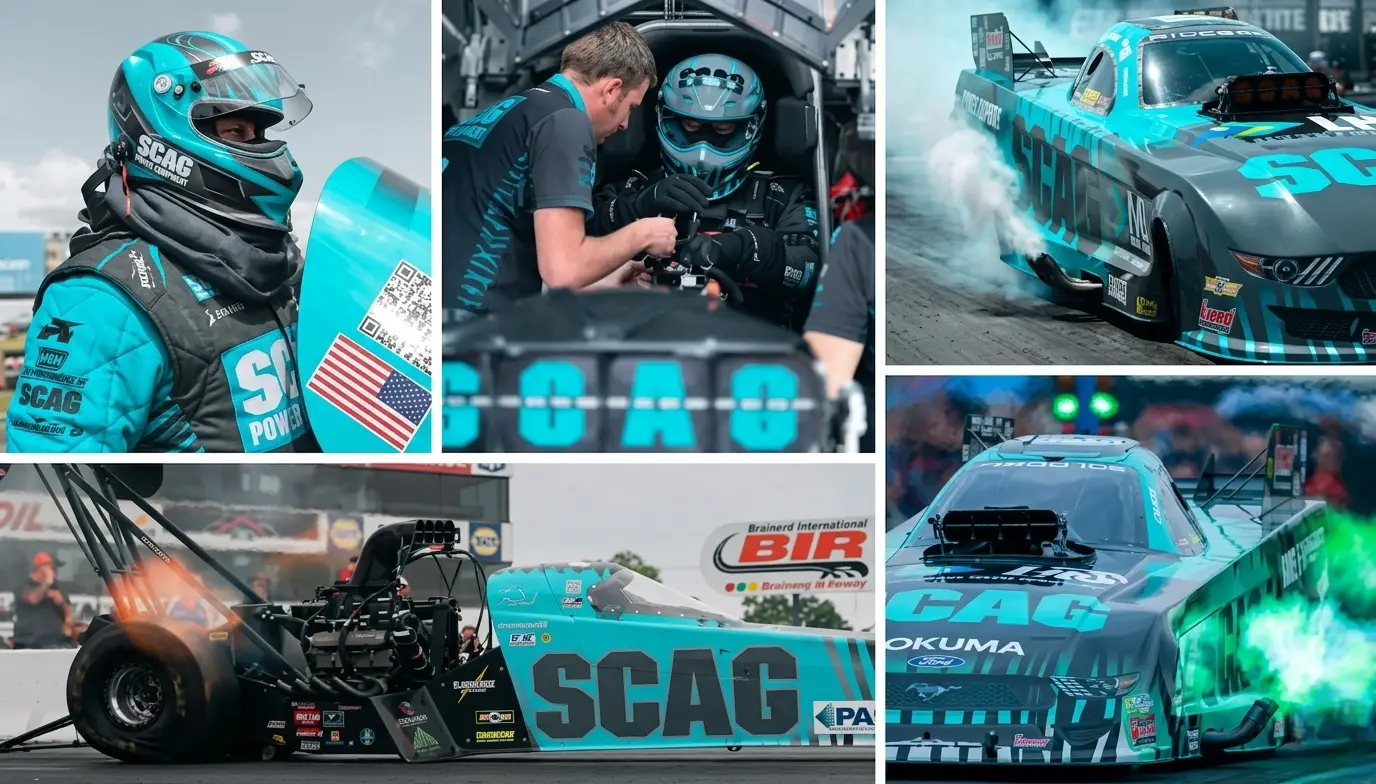
Welcome to the pit wall, where the smell of nitromethane is thicker than the morning coffee and the stakes are higher than a supercharger on a hot day. If you’ve ever stood behind a Top Fuel dragster when it launches, you know it’s not just a race; it’s a physical assault on your senses. But behind the 11,000-horsepower screams and the 330-mph blurred horizons, there is a complex, high-stakes financial machine churning.
In the world of professional motorsport, the question “how much do NHRA drivers make?” is more complicated than just a paycheck. Unlike Formula 1 or NASCAR, where massive television contracts often dictate driver salaries, NHRA (National Hot Rod Association) economics are a unique blend of performance-based prize money, corporate sponsorship activation, and brutal operating costs. As we celebrate the NHRA’s 75th Anniversary in 2026, the financial landscape has shifted, offering bigger purses but demanding even more from the teams. Let’s pull back the curtain on the business of speed.
Race Weekend Overview: The 2026 Landscape
In 2026, the NHRA Mission Foods Drag Racing Series is operating at its highest financial level in decades. To understand the earnings, you first have to understand the grind. A typical race weekend consists of qualifying sessions on Friday and Saturday, leading into a 16-car knockout tournament on Sunday.
For a driver, every session is an opportunity to earn. In 2026, the NHRA introduced the Wally Parks 75th Anniversary Appreciation Fund, a $500,000 pool designed to reward teams for their participation and fan engagement. This sits on top of a season purse exceeding $27 million. Whether you’re a rookie trying to keep the rods inside the block or an elite veteran chasing a Wally, the weekend is a relentless pursuit of “round wins”—because in drag racing, if you don’t win rounds, you don’t get paid.
Average NHRA Driver Salary in 2026
So, let’s get to the numbers. How much money does an NHRA driver make a year? The answer depends entirely on your seat. Drivers in the professional categories—Top Fuel, Funny Car, Pro Stock, and Pro Stock Motorcycle—operate on vastly different pay scales.
Most professional drivers are not “employees” in the traditional sense; they are either team owners themselves or contracted professionals whose pay is a mix of a base salary and a percentage of the prize money (typically 10–20%).
2026 NHRA Driver Salary Estimates
| Driver Level | Estimated Annual Income | Primary Income Source |
| Rookie / Part-time | $40,000 – $100,000 | Personal Sponsors / Family Teams |
| Mid-Tier Professional | $150,000 – $500,000 | Team Salary + Bonus + Personal Deals |
| Elite Nitro Driver | $1,000,000 – $3,000,000 | Major Corporate Endorsements |
An average NHRA salary for a full-time professional driver in the nitro classes usually hovers around $200,000 to $400,000, but that doesn’t account for the “superstars” who have leveraged their brands into multi-million-dollar empires.
How NHRA Drivers Actually Make Money
A driver’s bank account is fed by three distinct streams. If one dries up, the whole operation usually grinds to a halt.
Sponsorship Deals: The Lifeblood
In 2026, sponsorship money is the primary driver of income. Because the cost of running a Top Fuel team is roughly $3 million to $5 million per year, drivers must be expert salesmen. A primary sponsor (like Mission Foods, Cornwell Tools, or SCAG) doesn’t just pay for a sticker on the car; they pay for the driver to be a brand ambassador. Elite drivers often sign personal endorsement deals that can double their base team salary.
Prize Money & Race Winnings
The NHRA prize money explained for 2026 shows a significant increase for winners.
- Standard 4-Session Event: The winner takes home between $51,000 and $54,000.
- Major 5-Session Event: The winner’s check can jump to $100,000.
- Runner-up: Usually nets around $22,000 to $30,000.
Even losing in the first round provides a “participation” payout of roughly $10,000, which barely covers the fuel and travel, but keeps the lights on for smaller teams.
Merchandise & Endorsements
Ever seen a line at the John Force Racing merchandise trailer? That “souvenir” money is massive. Drivers receive a royalty on every T-shirt, die-cast car, and hat sold. For a popular driver, merchandise can add a “quiet” six-figure sum to their annual earnings.
Highest Paid NHRA Drivers Ever
When we talk about the richest NHRA drivers, one name sits atop the mountain: John Force. With 16 championships and a multi-car team, Force has a net worth estimated over $20 million. He revolutionized the “corporate” side of the sport.
Other high earners include:
- Tony Schumacher: The “Sarge” benefited from long-term, lucrative U.S. Army deals during his peak.
- Antron Brown: Now a team owner-driver, Brown has successfully transitioned from “hired gun” to a business mogul with major tech and tool sponsorships.
- Brittany Force: As an elite Top Fuel talent with Monster Energy backing, she represents the modern era of high-earning, high-visibility athletes.
How Much Do Top Fuel Drivers Earn?
Top Fuel driver earnings are generally the highest in the sport because the cars are the “kings” of the drag strip. However, the pressure is immense. A Top Fuel driver isn’t just steering; they are managing a bomb that hasn’t gone off yet.
An elite Top Fuel driver salary for a hired driver (someone who doesn’t own the team) typically ranges from $250,000 to $600,000. If they win the NHRA Championship in 2026, they net a $500,000 bonus for the team, of which the driver usually keeps a pre-negotiated percentage.
How Much Do Funny Car Drivers Make?
Financially, Funny Car driver net worth and salaries are very similar to Top Fuel. The cars are just as expensive to run, and the TV visibility is nearly identical. Some fans argue Funny Cars are harder to drive due to the short wheelbase and the engine being in front of the driver, which can sometimes lead to slightly higher “danger pay” in contract negotiations.
Why NHRA Racing Is So Expensive
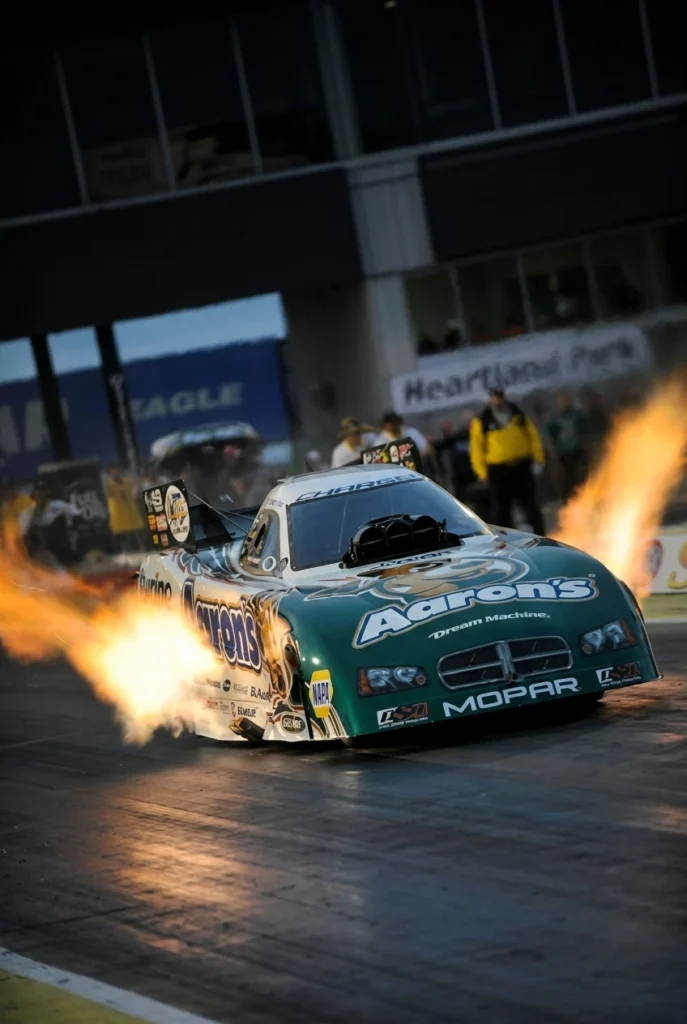
To understand why drivers don’t take home $20 million a year like F1 stars, you have to look at the Top Fuel costs per run. In drag racing, the “overhead” is terrifying.
Top Fuel Costs Per Pass: $15,000
Every time the light turns green, the team is effectively lighting $15,000 on fire.
- Fuel: A dragster consumes 15–20 gallons of Nitromethane per pass. At roughly $40–$50 per gallon, that’s $1,000 just in “juice.”
- Tires: A set of rear slicks costs $1,000 and only lasts for 2–4 passes.
- Parts: Every pass requires a complete teardown. Conrod bearings and spark plugs are replaced every single run.
NHRA Engine Costs
An NHRA engine cost is approximately $100,000, but they don’t last a season. They barely last a day. A “dropped valve” or a “supercharger sneeze” can turn $50,000 worth of aluminum and titanium into a paperweight in 0.005 seconds.
Team Budgets
Running a top-tier nitro team in 2026 requires a budget of $3.5M to $5M. This covers:
- Staff: 8–10 full-time mechanics per car.
- Logistics: The massive “transporters” that haul the cars across the country.
- Research & Development: Testing is where the championships are won, and testing costs just as much as racing.
NHRA vs. NASCAR vs. Formula 1 Salaries
The financial disparity between series is staggering. While the NHRA payout per event is respectable, it doesn’t compare to the “global” sports.
| Motorsport | Top Driver Earnings (2026) | Primary Revenue Driver |
| Formula 1 | $70,000,000 (Verstappen) | Global TV / Constructor Payouts |
| NASCAR | $15,000,000 – $20,000,000 | TV Rights / Licensing |
| IndyCar | $3,000,000 – $7,000,000 | Sponsor / Indy 500 Purse |
| NHRA | $1,000,000 – $3,000,000 | B2B Sponsorships |
Can You Make Good Money in NHRA?
Can you make money in NHRA? Yes, but you have to be more than a driver. You have to be a brand. The drivers who make “good money” are those who understand the B2B (business-to-business) nature of racing.
For example, a sponsor like a tool company isn’t just looking for TV time; they are looking to host 1,000 mechanics in a hospitality tent at the race. The driver who can go into that tent, shake hands, and sell those tools is the one who gets the $1 million contract.
Life of an NHRA Driver: Behind the Scenes
The NHRA driver lifestyle isn’t all podiums and champagne.
- Travel: Drivers spend 200+ days a year on the road.
- Physical Toll: Pulling 4Gs on launch and 5Gs when the chutes hit is brutal on the neck and spine.
- The Danger: You are sitting behind a 500-cubic-inch Hemi engine that is essentially a controlled explosion.
“In an F1 car, you’re a pilot. In a Top Fueler, you’re the fuse on a firework.” — Anonymous Race Engineer
Wild NHRA Facts Most Fans Don’t Know
- Horsepower: One cylinder of a Top Fueler produces more horsepower than a whole NASCAR engine.
- Acceleration: An NHRA car hits 100 mph in 0.8 seconds. That’s faster than a falling object.
- Fuel Flow: The fuel pump delivers 100 gallons per minute. That’s the same flow rate as a standard fire hydrant.
FAQ Section
How much does an NHRA driver make per race?
A winning nitro driver can net around $50,000 to $100,000 in prize money, though most of this goes to the team to cover operating costs. The driver usually receives a 10–20% bonus from this purse.
Who is the richest NHRA driver?
John Force is widely considered the richest driver in NHRA history, with an estimated net worth of over $20 million, built through his multi-car racing empire and massive sponsorship portfolio.
Do NHRA drivers get paid a salary?
Yes, most professional drivers for established teams (like Kalitta, Torrence, or JFR) receive a base salary plus a percentage of prize winnings and merchandise royalties.
How expensive is a Top Fuel car?
To build a competitive car from scratch costs about $150,000 to $200,000, but the annual cost to run the car competitively is closer to $4 million.
What is the NHRA championship prize money in 2026?
The 2026 Champion in Top Fuel and Funny Car receives a $500,000 bonus from the points fund.
How much horsepower do NHRA cars have?
Modern Nitro cars are estimated to produce over 11,000 horsepower, though because no dynamometer can hold them, the number is calculated based on fuel flow and torque.
Conclusion: The Real Price of 300 MPH
In the end, how much do NHRA drivers make? They make enough to sustain a lifestyle of high-speed addiction, but very few become “private jet wealthy” solely from their driver’s salary. It is a sport of passion and grit. The earnings are a reflection of a driver’s ability to market themselves in a world where the costs are astronomical and the margin for error is zero.
As the NHRA moves through its 75th year, the focus is on sustainability and growth. With new sponsors and increased purses, the “professional drag racer salary” is on the rise—but it remains one of the hardest-earned paychecks in all of sports.