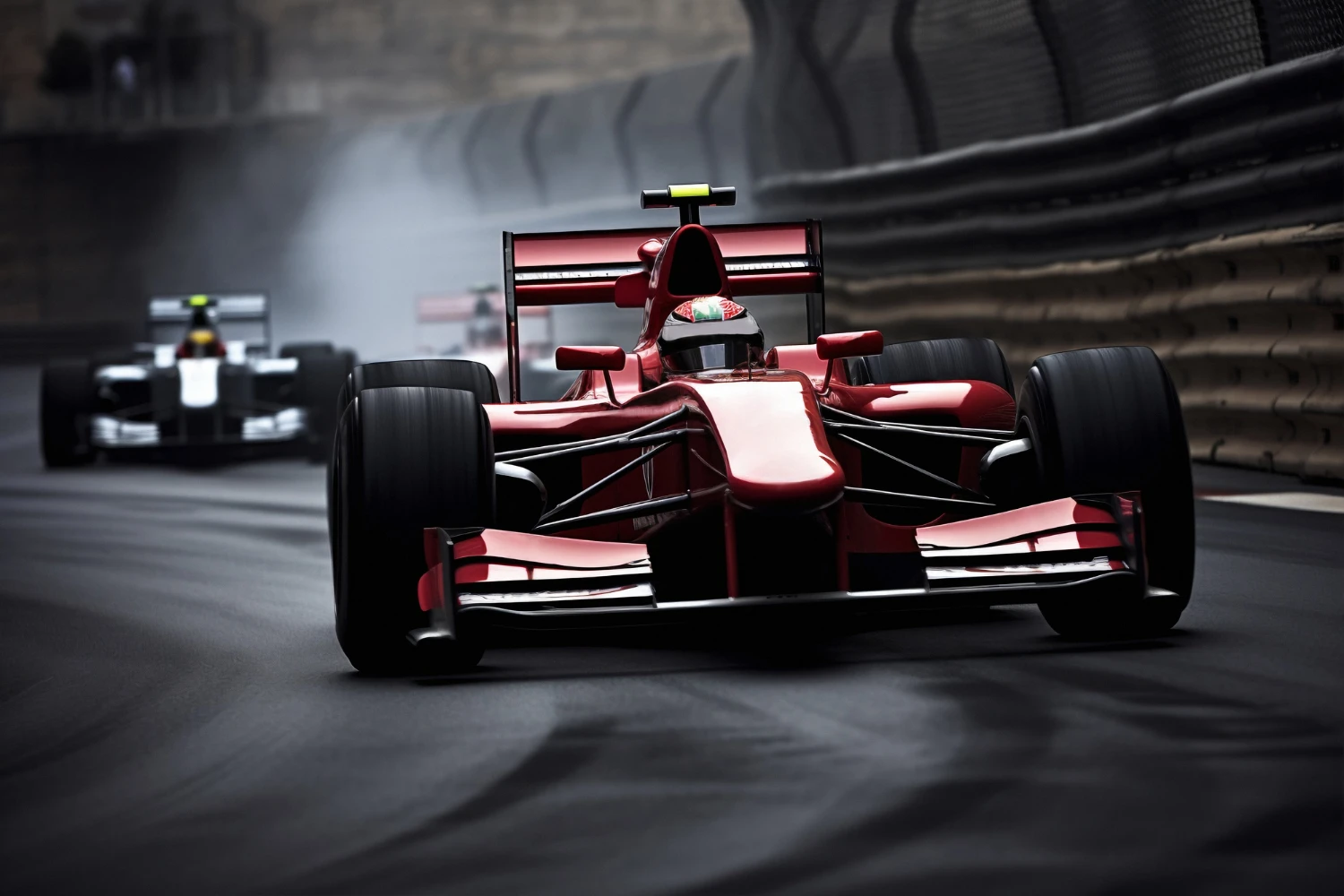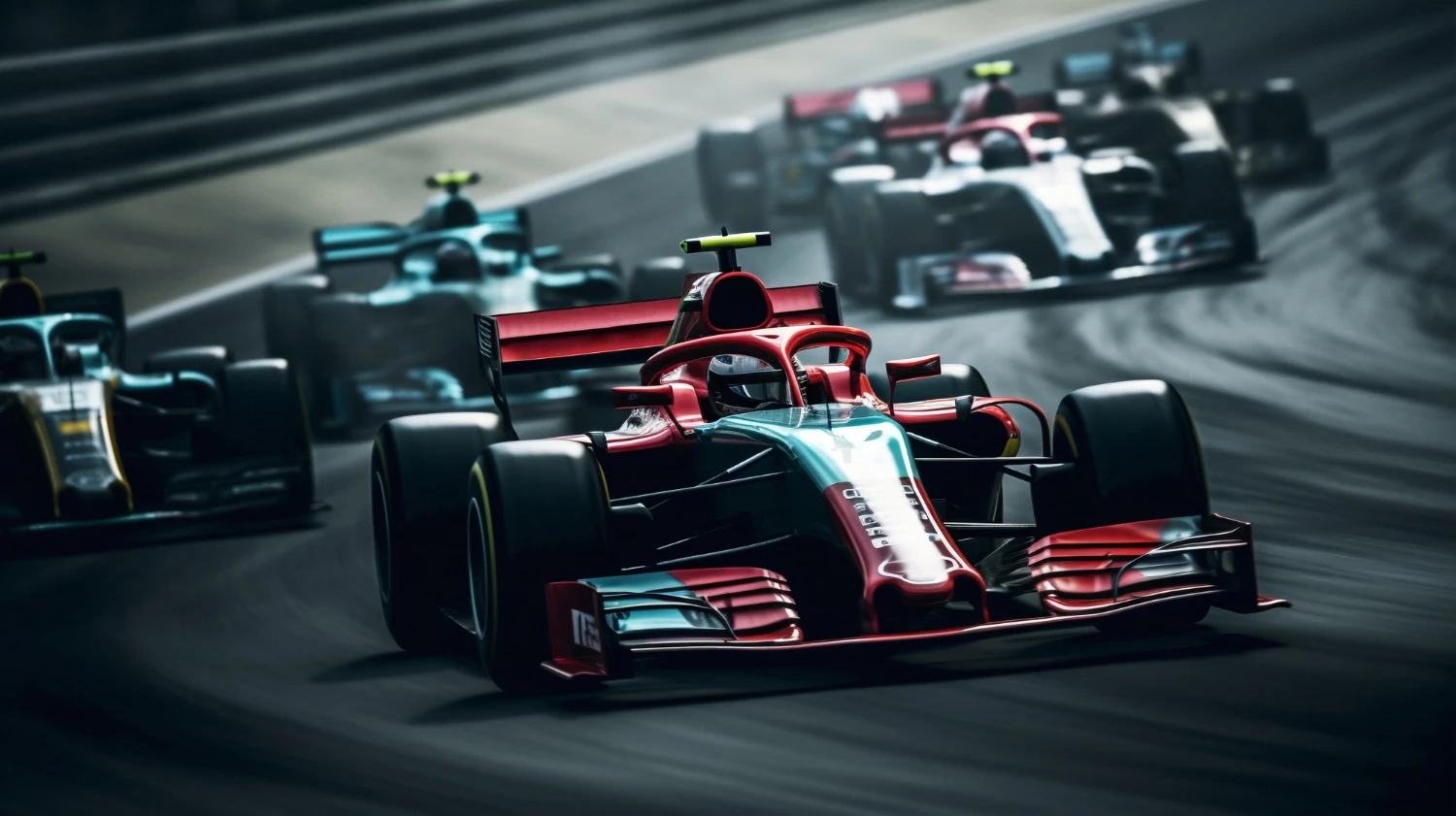

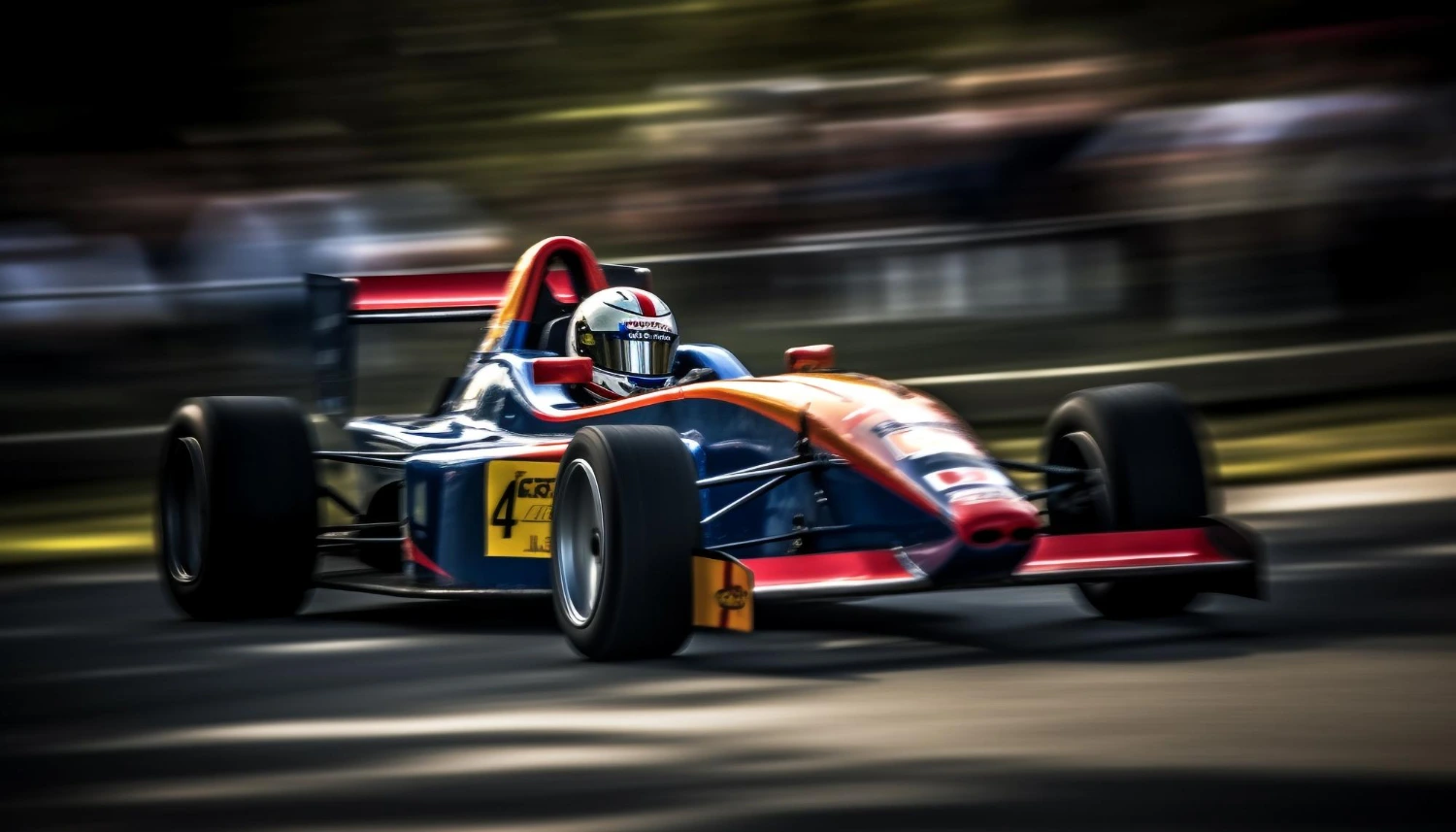
If you have ever felt the earth-shaking rumble of open-wheel machines tearing down a straightaway at 230 mph, you know there is nothing quite like IndyCar racing. As the premier level of open-wheel motorsport in North America, the NTT IndyCar Series represents the ultimate test of speed, endurance, and driver skill.
Known for its incredible versatility, the series challenges drivers across a demanding mix of superspeedways, tight street circuits, and sprawling permanent road courses. While global fans often debate the merits of various motorsports, the popularity of the sport in the United States continues to surge, fueled by record-breaking television ratings and the undeniable spectacle of the Indianapolis 500.
Unlike other series where the car often dictates the winner, this championship relies heavily on the bravery and tactical brilliance of the athlete behind the wheel. In this comprehensive 2026 update, we will break down the schedule, explore the hybrid technology inside the cockpit, and highlight what makes this American racing institution entirely unique compared to Formula 1.
What Is IndyCar Racing?
To truly appreciate the sport, we have to look under the hood of its definition, structure, and rich history. From casual fans catching a Sunday broadcast to die-hard enthusiasts tracking qualifying times, understanding the foundational elements of the series is crucial.
Core Definition
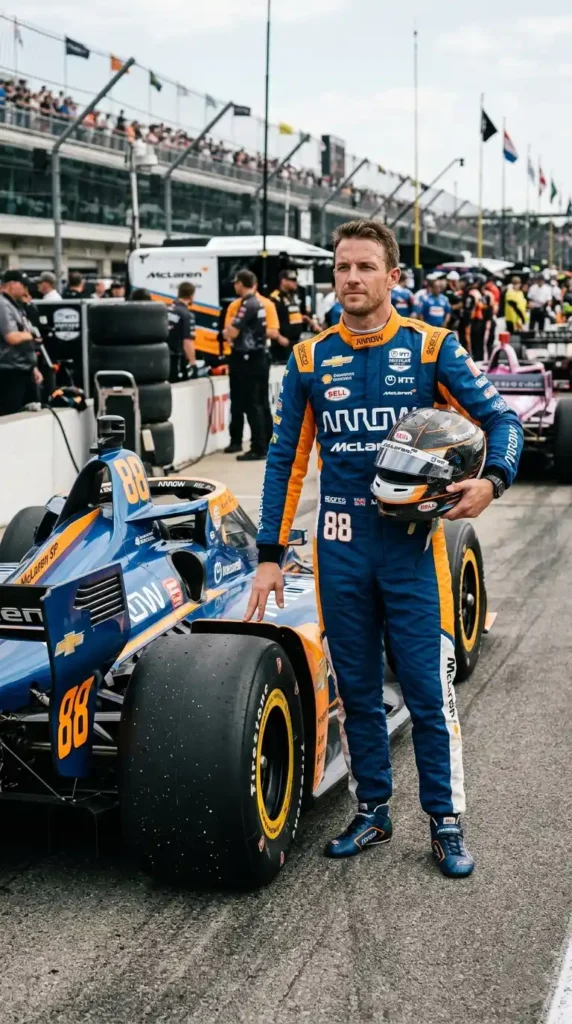
So, exactly what is IndyCar racing? At its core, it is the highest class of regional formula racing in the United States. It features purpose-built, single-seater, open-wheel race cars. Unlike stock cars (such as NASCAR), which resemble heavily modified street vehicles, these machines are ground-up aerodynamic marvels designed purely for competitive track use.
The defining characteristic of the series is its diverse track schedule. Drivers must master high-banked ovals where average speeds exceed 230 mph, as well as incredibly bumpy temporary street circuits through cities like Long Beach and Arlington. This demand for extreme adaptability is what separates the series’ champions from the rest of the global motorsports pack.
Who Owns IndyCar?
The series, officially known as the NTT IndyCar Series due to a naming rights sponsorship with the global technology giant NTT, is owned by Penske Entertainment Corp. This entity, a subsidiary of the Penske Corporation (led by automotive magnate Roger Penske), purchased both the series and the iconic Indianapolis Motor Speedway in late 2019.
Since the acquisition, the Penske Corporation has invested heavily in modernizing track facilities, expanding the digital media footprint, and securing a monumental broadcasting partnership with FOX Sports starting in 2025 and continuing through the 2026 season.
When Did IndyCar Racing Start?
For fans asking when IndyCarracing started or where IndyCarracing started, the roots trace all the way back to 1905 with the American Automobile Association (AAA) creating a national driving championship. However, the true spiritual birthplace and defining moment of the sport occurred in 1911 with the inaugural running of the Indianapolis 500.
The event was held at the Indianapolis Motor Speedway, a massive 2.5-mile rectangular oval paved with millions of bricks, which earned it the nickname “The Brickyard.” Meanwhile, Ray Harroun won that first 500-mile endurance test in his Marmon “Wasp,” a vehicle that was revolutionary for its single-seat design and, additionally, featured the very first rearview mirror.
Since then, the sport has evolved through various sanctioning bodies—including USAC, CART, and the IRL—before unifying into the modern series we watch today.
IndyCar Racing Schedule (2025–2026)
The championship calendar is one of the most grueling in all of motorsports, stretching from early spring through late summer. The 2026 season features a dynamic mix of historic venues and exciting new markets.
IndyCar Racing Schedule 2026
The IndyCar racing schedule 2026 expands the series’ footprint with a robust 17-race calendar, completely broadcast on the FOX network. The highly anticipated season features traditional favorites alongside massive stadium events.
Key highlights of the IndyCar 2026 schedule include:
- Streets of St. Petersburg (March 1): The traditional season opener in sunny Florida.
- Streets of Arlington (March 15): A spectacular early-season street race wrapping around the sports stadiums in Texas.
- Acura Grand Prix of Long Beach (April 19): The historic and glamorous street circuit in Southern California.
- 110th Running of the Indianapolis 500 (May 24): The “Greatest Spectacle in Racing” and the crown jewel of the calendar.
- Milwaukee Mile (August 29-30): A grueling late-season double-header on the historic oval.
- WeatherTech Raceway Laguna Seca (September 6): The dramatic season finale in California.
IndyCar Racing Schedule 2025 (Comparison Section)
Looking back briefly, the 2025 schedule laid the groundwork for the current momentum. It marked the first year of the exclusive FOX Sports broadcasting deal and introduced the Arlington street circuit. Comparing 2025 to 2026, the series has maintained immense stability in its venue selection, focusing heavily on date equity so fans know exactly when their favorite race returns to town.
When Does IndyCar Racing Start?
The start of the season traditionally falls in late February or early March. If you search for past trends, like “when does IndyCar racing start 2021″ (which began in April due to pandemic delays), you will see the series has firmly returned to its preferred early-March kickoff. For 2026, the green flag officially drops on March 1st at St. Petersburg.
IndyCar Racing Today – Live Updates & Viewing Guide
Keeping up with the high-speed action has never been easier, thanks to a streamlined television package and expansive digital coverage.
Is IndyCar Racing Today?
If you are wondering, “Is IndyCar racing today?” the easiest way to find out is to check the official series app or website. Races typically occur on Sunday afternoons, with practice and qualifying sessions dominating Fridays and Saturdays. With 17 races packed between March and September, there is action nearly every other weekend during the summer.
Where Is IndyCar Racing Today / This Weekend?
Because the series travels across North America, the location changes rapidly. One weekend, the paddock might be setting up in the tight, concrete-lined streets of downtown Detroit.
The very next weekend, the teams could be unloading at the massive, high-speed 1.25-mile oval at World Wide Technology Raceway just outside St. Louis. This rotating circus requires teams to constantly adapt their logistical setups and engineering data.
IndyCar Race Today Live & TV Channels
For those searching “IndyCar racing today on TV” or “What channel is IndyCar on?”, the answer for 2026 is universally straightforward: FOX.
As part of a historic media rights agreement, all 17 championship races air live on the main FOX broadcast network. This offers unprecedented free-to-air network TV exposure for the sport. Furthermore, practice and qualifying sessions are heavily featured across FS1, FS2, and the FOX Sports app, ensuring fans do not miss a single lap of the weekend.
IndyCar Cars Explained
To truly respect the sport, you must understand the ferocious machines these athletes pilot. Having stood in the paddock at the Indianapolis Motor Speedway, the sheer engineering complexity of these vehicles up close is staggering.
IndyCar Car Specifications
The modern IndyCar car (often referred to simply as an IndyCar is a marvel of aerodynamic grip and mechanical efficiency. Every team uses a spec chassis—the Dallara IR-18, manufactured in Italy with assembly facilities in Speedway, Indiana. Because the chassis is identical across the grid, the racing is incredibly tight, putting the onus on team engineers to find microscopic advantages in suspension geometry and aero tuning.
Powering these machines are custom-built, twin-turbocharged V6 engines produced by two fierce rivals: Honda and Chevrolet. These engines produce upwards of 700 to 750 horsepower depending on the aerodynamic package and track type.
Are IndyCars Rear-Wheel Drive?
Yes, they are strictly rear-wheel drive. Sending over 700 horsepower exclusively to the rear slick tires requires immense throttle control from the driver, especially coming out of slow-speed corners on bumpy street circuits where traction is incredibly limited.
What Is Hybrid in IndyCar Racing?
In a massive evolutionary step introduced midway through the 2024 season and then fully realized in both 2025 and 2026, the series adopted hybrid power units. As a result, the traditional 2.2-liter twin-turbo V6 internal combustion engine is now paired with an Energy Recovery System (ERS).
In addition to this, the system consists of a Motor Generator Unit (MGU) and an Energy Storage System (ESS) powered by ultracapacitors. Furthermore, the system captures kinetic energy under braking, stores it efficiently, and, in turn, allows the driver to deploy it manually for instant electrical horsepower boosts.
What Is “Push to Pass” in IndyCar Racing?
Overtaking on tight road and street courses is notoriously difficult due to aerodynamic wash. To solve this, the series utilizes a unique driver-controlled system designed to increase passing opportunities and strategic drama.
Simple Explanation
So, what is push-to-pass IndyCar technology? It is a button on the steering wheel that provides the driver with a temporary horsepower boost. Historically, this system increased the turbocharger boost pressure of the V6 engine, thereby adding roughly 50 extra horsepower for a brief duration.
However, with the introduction of modern hybrid power units, Push to Pass now works in tandem with electrical deployment, resulting in even more explosive straight-line speed.
Strategy & Limits
Drivers cannot simply hold the button down for the entire race. The series strictly limits the total amount of push to pass time available per event, typically around 150 to 200 seconds per race.
While walking the paddock at the Long Beach Grand Prix, I spoke directly with a lead race strategist about managing this system. He explained that drivers must carefully hoard their seconds for late-race restarts or defensive maneuvers. If a driver burns their allotment too early, they become a sitting duck in the closing laps.
IndyCar Racing Teams & Drivers
The paddock is a fiercely competitive environment populated by legendary team owners and fearless drivers from around the globe. Because the chassis is standard, the quality of the team personnel often dictates who stands on the podium.
Top IndyCar Teams
Three massive organizations historically dominate the championship, often referred to as the “Big Three.”
- Team Penske: The standard-bearer of the series, known for immaculate preparation and a staggering number of Indianapolis 500 victories.
- Chip Ganassi Racing: A relentless organization that consistently produces series champions, famously utilizing the motto “I like winners.”
- Andretti Global: Owned by racing legend Michael Andretti, this massive operation is always a constant threat for race wins and pole positions.
IndyCar Standings & Championships
The championship utilizes a point-based system awarded based on finishing positions. The winner of a standard race receives 50 points, with sliding scale points awarded down the finishing order.
Bonus points are also crucial; drivers earn extra points for securing pole position, leading a lap, and leading the most laps in a race. Keeping track of the IndyCar standings is essential as the championship fight frequently comes down to the final race of the season.
Driver Salaries
Fans frequently ask, “What is the salary of an Indy driver?” The financial landscape of the sport varies wildly. Rookies or drivers bringing their own sponsorship might earn base salaries around $500,000 per year.
Conversely, established series champions and Indy 500 winners can command multi-year contracts ranging from $3 million to over $10 million annually, heavily supplemented by race win bonuses and personal endorsements.
Is Jimmie Johnson Racing IndyCar?
Newer fans often look for familiar names from other disciplines. Seven-time NASCAR Cup Series champion Jimmie Johnson famously transitioned to the series in 2021 and ran the full schedule in 2022. While he no longer races full-time in open-wheel competition, his highly publicized participation brought massive mainstream attention to the sport and proved how incredibly difficult these cars are to master.
IndyCar vs Formula 1 – Key Differences
The debate surrounding IndyCar vs. F1 is a daily occurrence among motorsport fans. While both feature incredibly fast, open-wheel machines, their philosophies, rules, and racing styles are fundamentally different.
Overview Comparison Table
Understanding the difference between F1 and IndyCar racing requires looking at the technical structures of both global championships.
| Feature | IndyCar Series | Formula 1 |
| Chassis | Spec (All teams use Dallara IR-18) | Constructor (Every team builds their own.) |
| Budget | Millions (Accessible to smaller teams) | Hundreds of Millions (Massive corporate spending) |
| Tracks | Ovals, Street Circuits, Road Courses | Street Circuits, Road Courses (No Ovals) |
| Overtaking | Frequent, assisted by Push to Pass | Difficult, assisted by DRS (Drag Reduction System) |
Speed Comparison
Is F1 faster than IndyCar? The answer depends entirely on the track. Formula 1 cars generate vastly more downforce and possess immensely powerful hybrid engines, making them significantly faster around twisty road courses and through high-speed corners.
However, on long straightaways and oval tracks, IndyCars achieve much higher top speeds, frequently exceeding 235 mph at the Indianapolis Motor Speedway.
Technology vs Competition
Because Formula 1 is a constructor’s championship, the team with the most funding and smartest aerospace engineers usually builds a car that dominates the field.
IndyCar racing vs. Formula 1 highlights a different approach. Because the American series is a spec series (using the same chassis and limited aerodynamic development), the racing is much closer. It is common to see over half a dozen different race winners in a single season.
How to Get Into IndyCar Racing
Reaching the pinnacle of American open-wheel motorsport is a grueling, expensive, and fiercely competitive journey. It requires raw talent combined with substantial financial backing.
Career Path
The traditional ladder begins in local karting at a very young age. From there, drivers progress into the USF Pro Championships, an official ladder system. This starts with USF Juniors, moves up to the USF2000 Championship, progresses to USF Pro 2000, and finally culminates in Indy NXT (formerly Indy Lights). Winning the Indy NXT championship provides crucial scholarship money to secure a seat in the main series.
Costs & Sponsorship
The financial reality of the sport is daunting. In fact, funding a season in the junior formula categories can cost hundreds of thousands of dollars. Moreover, securing a seat in the premier series without immense raw talent usually requires millions of dollars in corporate sponsorship backing. As a result, drivers must be as skilled in the boardroom pitching to CEOs as they are on the racetrack hitting apexes.
Alternative Paths
Recently, we are seeing alternative entry points. Highly successful drivers from other global disciplines, such as Supercars in Australia or Formula 2 in Europe, frequently transition to the American paddock. Furthermore, advanced sim racing programs are increasingly helping teams identify raw talent that might lack traditional funding.
IndyCar Racing Experience for Fans
The series prides itself on being one of the most accessible top-tier sporting events in the world. The fan experience is highly interactive and immersive.
Attending a Race
Unlike Formula 1, where paddock access is highly restricted and astronomically expensive, fans attending these races can purchase relatively affordable paddock passes. This allows you to walk directly behind the pit boxes, watch mechanics tear down gearboxes, and easily secure autographs from your favorite drivers as they ride their scooters to team meetings.
IndyCar Racing Experience Packages
For thrill-seekers, the IndyCar racing experience packages are unmatched. Through programs like the Indy Racing Experience, fans can ride shotgun in a custom-built, two-seater race car driven by a legendary driver (like Mario Andretti) around the actual Indianapolis Motor Speedway at speeds exceeding 180 mph.
Mini IndyCar Racing
If you want to feel the grip yourself, mini indycar racing via high-speed karting is the best starting point. Tracks around the country offer leagues using specialized karts that mimic the intense lateral G-forces and quick steering ratios of the real machines.
Unique Terms & Concepts in IndyCar
The sport features a unique lexicon that can sometimes confuse new viewers. Understanding the broadcast terminology makes watching the tactical battles much more enjoyable.
What Is the “Dragon” in IndyCar Racing?
If you watch the Indianapolis 500, you will hear commentators talk about the “dragon.” This refers to a defensive driving maneuver where the lead car weaves aggressively back and forth across the long straightaways. They do this to break the aerodynamic slipstream, or “draft,” preventing the trailing car from sucking up behind them and slingshotting past before the corner.
What Is the First Car Out in Indy Racing?
The phrase “first car out” typically refers to the pole sitter leading the field out during the parade laps. However, it can also refer to the pace car, which safely leads the massive pack of screaming machines around the track before pulling onto pit lane to drop the green flag for a rolling start.
IndyCar Results & News
Staying updated with live sessions and post-race analytics is essential for any dedicated fan, especially with the championship utilizing a rapidly rotating schedule across multiple time zones.
Who Won the IndyCar Race in Texas Today?
With the series bringing massive street races to the state, such as the Arlington Grand Prix in 2026, fans frequently search for live results. If you are ever wondering who won a specific event, the official series app provides instantaneous timing, scoring, and post-race technical inspection updates.
IndyCar Standings
The championship hunt changes weekly. For instance, a single crash on a street circuit or a blown engine at a superspeedway can instantly ruin a championship campaign. As a result, fans are encouraged to bookmark the official series points page so they can track live updates and see exactly how many points separate the top contenders heading into the season finale.
Frequently Asked Questions
What is IndyCar racing?
It is North America’s premier open-wheel motorsport series. It features purpose-built, single-seat race cars competing on a diverse schedule of high-speed ovals, permanent road courses, and temporary street circuits.
Where is IndyCar racing today?
Because it is a traveling series, the location changes almost every weekend from March through September. Check the official 2026 schedule to see if they are racing in cities like St. Petersburg, Long Beach, or Indianapolis.
Is IndyCar racing today?
Races are typically held on Sunday afternoons during the active season. You can verify live track activity, including Friday and Saturday practice sessions, via the series app or your local sports listings.
What channel is IndyCar on?
For the 2026 season, every single championship race is broadcast live on the main FOX network. Practice and qualifying sessions are broadcast across FS1, FS2, and the FOX Sports digital app.
Is F1 faster than IndyCar?
Formula 1 cars are faster through corners and around road courses due to massive aerodynamic downforce. However, IndyCars achieve much higher absolute top speeds (over 235 mph) when trimmed out for superspeedway oval racing.
Conclusion: Gearing Up for the 2026 IndyCar Season
The 2026 IndyCar season marks a monumental era for North American open-wheel racing. By blending its rich, century-old heritage at the Indianapolis Motor Speedway with cutting-edge hybrid power units and a landmark exclusive broadcasting partnership with FOX Sports, the series has, in doing so, positioned itself as a thrilling and highly accessible alternative to Formula 1.
What truly sets this championship apart is its sheer unpredictability and the immense physical demand it places on the athletes. Because teams utilize the exact same Dallara chassis, victory relies entirely on raw driver skill, tactical mastery of the “Push to Pass” system, and the unique ability to adapt to a grueling mix of high-speed ovals, pristine road courses, and bumpy street circuits.
Whether you are tracking live timing and scoring from your phone, feeling the 230 mph roar trackside with an affordable paddock pass, or following the fierce championship battles between powerhouses like Team Penske and Chip Ganassi Racing, there has never been a better time to be a motorsports fan.
As the green flag drops on this historic season, keep your schedule handy, tune into the network broadcasts, and prepare for unparalleled open-wheel racing action.