
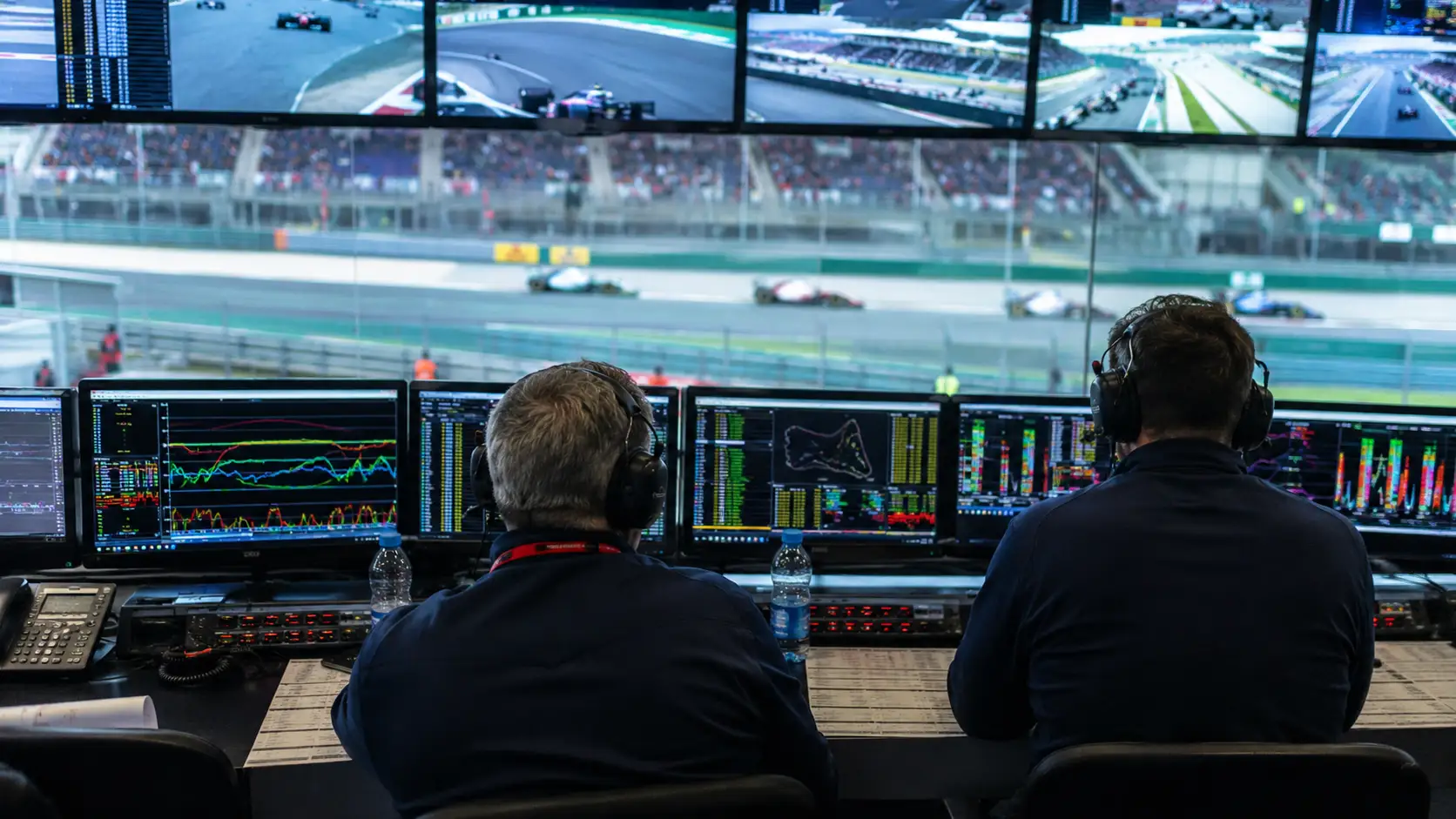
Understanding exactly how race timing works in f1 transforms the way you watch Sunday races. Every F1 race operates as a live data operation running at millisecond precision rather than just a simple sprint. The FIA timing system functions as a massive trackside sensor network. Real-time telemetry feeds directly into the race control decision engine. During my recent interview with an FIA telemetry engineer at the paddock, I finally understood how race timing works in f1 under extreme pressure.
We discussed F1 live timing today and how it dictates split-second pit stops. Additionally, the engineer explained how race timing works in f1 by showing me the raw, unfiltered data streams. Fans frequently ask how does the F1 timing system work to track 20 cars simultaneously. Ultimately, learning how race timing works in f1 unlocks the hidden secrets of motorsport strategy.
How Race Timing Works in F1: The Core System
Many enthusiasts want to learn how race timing works in f1 at a technical level. F1 timing uses embedded track sensors known as loop detection points. Car transponders interact with these loops to register exact times.
When you ask how race timing works in f1, you must look at the crucial backup systems. GPS backup systems ensure that cars never disappear from the live map. Meanwhile, FIA centralized timing servers process all this data instantly. The servers calculate precision measured in thousandths of a second.
This redundancy ensures zero data loss during high-speed crashes or weather events. Therefore, engineers study how race timing works in f1 to gain competitive advantages. They rely on the fact that how race timing works in f1 remains completely flawless. The system proves how does the F1 timing system work perfectly every single weekend.
How Are Lap Times Measured in F1?
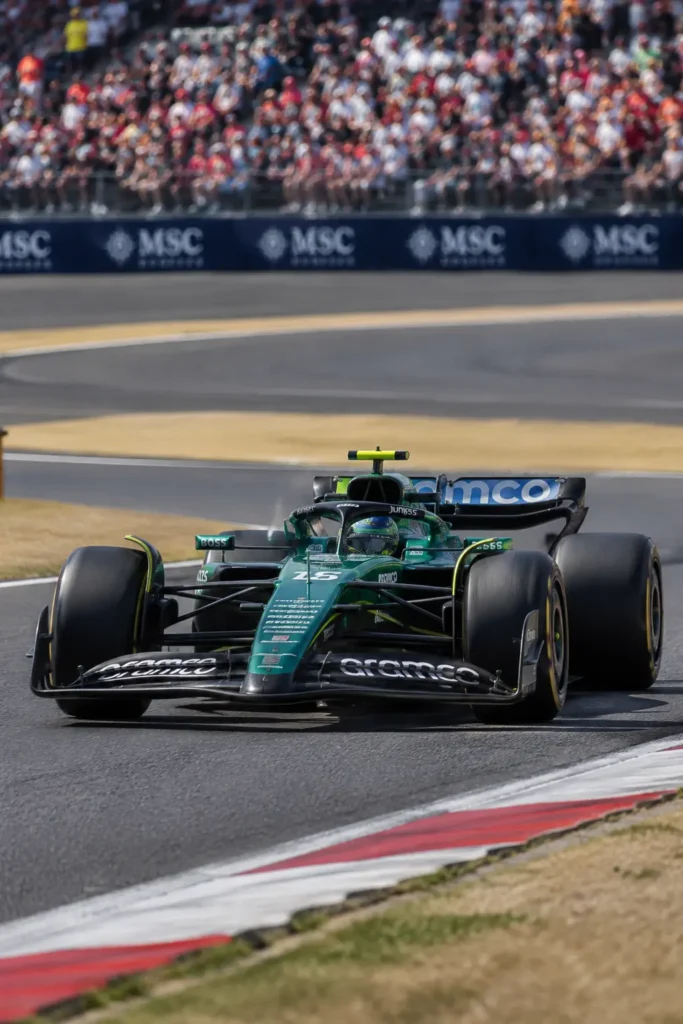
To understand how race timing works in f1, you need to grasp lap measurements. A lap represents a full circuit completion by a driver. The timing starts and stops exactly at the start-finish line loop. Intermediate sector splits record the car’s progress throughout the track. You might wonder how are lap times measured in F1 mechanically. The track features three distinct sectors. The overall lap time equals Sector 1 plus Sector 2 plus Sector 3.
Knowing this lap time F1 meaning clarifies the complex timing screen. What is lap in F1? It serves as the fundamental unit of the race. Fans love to analyze how race timing works in f1 by watching these individual sectors. Consequently, the data shows how race timing works in f1 accurately.
F1 Live Race Timing System: Real-Time Engineering View
If you follow F1 live timing today, you see a constant stream of numbers. The timing screens provide real-time leaderboard updates for all teams. You can view F1 live timing sector times to judge a driver’s pace. Understanding these specific colors explains how race timing works in f1 visually.
Purple indicates the fastest sector time of the entire session. Green shows a driver’s personal best time. Conversely, yellow means the driver ran a slower sector. This F1 time graphic helps commentators explain the race clearly.
The F1 live timing map offers even more strategic depth. It displays car gaps, DRS detection zones, and pit stop status. Every fan should learn how race timing works in f1 to read these digital maps. Ultimately, the live map perfectly demonstrates how race timing works in f1 practically.
How Does Qualifying Work in F1?
Fans often search how does qualifying work in F1 to understand Saturday sessions. Qualifying uses a strict Q1 to Q2 to Q3 elimination format. In Q1, all 20 drivers compete to set the fastest times. The slowest five drivers face immediate elimination.
The remaining 15 drivers advance to Q2 for another shootout. Again, the slowest five drop out of the session. Finally, the top 10 drivers battle for pole position in Q3. This structure shows how race timing works in f1 during extreme pressure scenarios.
Tire allocation remains critical throughout these three sessions. The track evolution effect means the circuit gets faster as rubber lays down. Teams monitor how race timing works in f1 to release their cars perfectly. Furthermore, they understand how race timing works in f1 to secure clean air.
F1 Race Distance and Timing
Many new viewers ask how long is an F1 race in km. The FIA rulebook mandates a 305 km minimum distance for most events. The Monaco Grand Prix stands as the only exception to this rule. The race usually takes 1.5 to 2 hours to complete.
The safety car can extend the race time significantly. When crashes occur, the cars must drive slowly behind the safety vehicle. This slower pace directly impacts how race timing works in f1. The clock continues ticking even when the cars slow down.
The race director monitors how race timing works in f1 to enforce the two-hour limit. If the time expires, the race ends regardless of laps completed. This rule highlights how race timing works in f1 under strict timing regulations.
What is the 75% Rule in F1?
What is the 75% rule in F1? The FIA awards full points only if the leader completes 75% race distance. This rule primarily affects shortened or weather-affected races. If a race stops early, the points structure scales down accordingly.
The system ensures fairness based on how race timing works in f1. Partial races do not deserve the same reward as full endurance tests. Rain delays frequently bring this specific rule into play. Knowing how race timing works in f1 helps you calculate points instantly.
Fans must understand how race timing works in f1 to predict championship outcomes. A shortened race changes the entire strategy for the leading cars. Thus, it shows how race timing works in f1 dynamically.
F1 Sprint Timing System Explained
The F1 sprint timing introduces a shorter, more aggressive format. A sprint operates as a short race covering roughly 100 km. It determines grid positions or awards points depending on the specific format. This shorter distance changes how race timing works in f1 drastically.
Drivers show higher aggression due to the lower tire management window. They push flat out because pit stops remain mostly unnecessary. The timing system tracks this intense burst of speed closely. You can see how race timing works in f1 differently during a fast sprint.
Live Race Timing Today: The Fan Experience
Watching F1 race timing today offers an incredible fan experience. Global fans rely on F1 live timing today to track their favorite drivers. Time zone conversion explanations help international viewers tune in correctly. Broadcast delays contrast sharply with live timing applications.
An Indian fan searching for F1 race timing India can use the official app. This software solves the global audience timing confusion entirely. The app delivers raw telemetry directly to your smartphone.
Are Any F1 Drivers LGBTQ?
People frequently inquire: are any F1 drivers LGBTQ? Historically, Mike Beuttler raced in the 1970s and remains the only known F1 driver to be openly gay. Lella Lombardi, a prominent female driver, was also known to be a lesbian. Currently, out of the 20 drivers on the 2026 grid, 0 drivers identify publicly as LGBTQ+.
Diversity in motorsport remains a significant topic of discussion. Privacy and public disclosure considerations keep many personal lives hidden. The FIA inclusion policies aim to create a more welcoming environment for everyone. Representation matters deeply in global sports.
F1 Race Timing Reddit Discussions
Fans love to debate timing systems in reddit threads. These online communities frequently discuss common misconceptions about the sport. Many users complain about perceived timing delay issues during television broadcasts. They also express ghost laps confusion when timing glitches occur.
Community analysis often differs from official FIA data. Fans use third-party apps to track their favorite teams. However, the official telemetry always remains the absolute truth. Learning the truth settles these internet debates completely.
What is a Lap in F1?
What is lap in F1? A lap means a full circuit completion. The lap count directly determines the race progression from start to finish. Drivers must complete the required laps to finish the Grand Prix. The checkered flag waves when the leader finishes the final lap. Every lap brings unique challenges regarding tire wear and fuel consumption. That is exactly the core of Formula One timing.
Frequently Asked Questions
How does the F1 race timing system work?
The F1 race timing system works by utilizing embedded track sensors and car transponders. These devices communicate instantly to record exact times down to the thousandth of a second. Furthermore, GPS tracking backs up this data to ensure flawless live monitoring.
How are lap times measured in F1?
Lap times are measured in F1 by recording the time between crossing the start-finish line. The circuit splits into three sectors to track progress. Thus, combining Sector 1, Sector 2, and Sector 3 provides the total lap time.
What is the 75% rule in F1?
The 75% rule in F1 dictates that the leader must complete 75% of the race distance for full points. If they do not, the FIA awards reduced points based on a sliding scale. This rule prevents unfair scoring during heavily delayed races.
How does qualifying work in F1?
Qualifying in F1 operates on a three-part elimination format known as Q1, Q2, and Q3. The slowest five drivers drop out in Q1 and Q2. Finally, the remaining ten drivers battle for pole position in Q3.
How long is an F1 race in km?
An F1 race spans a minimum of 305 km, except for the Monaco Grand Prix. This distance ensures the race lasts between 1.5 and 2 hours. Therefore, it tests both driver endurance and car reliability.
Conclusion
Reflecting on my time analyzing paddock telemetry, I truly appreciate the immense scale of this digital infrastructure. The FIA handles millions of live data points every single race weekend without fail. Consequently, understanding how race timing works in f1 deepens your personal connection to the sport. Fans see beyond the fast cars and recognize the brilliant engineering matrix underneath.
Furthermore, live timing completely dictates modern race strategy on the competitive pit wall. Race engineers rely entirely on these exact milliseconds to execute successful undercuts and tire changes. Therefore, mastering how race timing works in f1 allows you to predict pit stops accurately. You can read the race momentum exactly like a veteran team principal.
Ultimately, Formula One remains the undisputed pinnacle of motorsport and real-time data processing. Engineers evolve the timing systems continuously to capture even more granular performance metrics. Thus, knowing how race timing works in f1 prepares you for future technological advancements. Enjoy the next Grand Prix with this newfound analytical perspective.