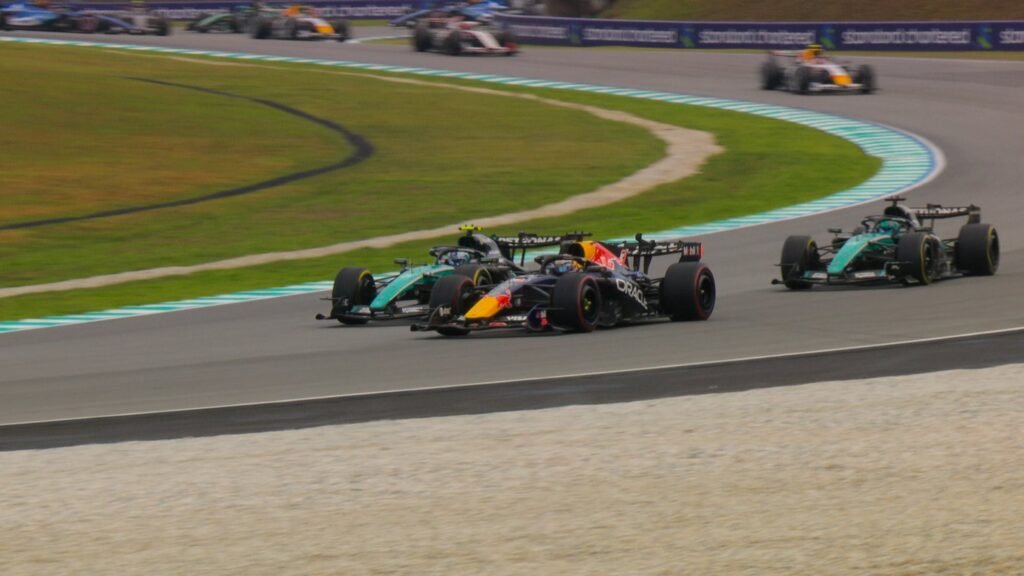
So, what is pole position when watching a high-speed motorsport event? Simply put, it is the starting spot at the very front of the grid. Officials actively award this prestigious spot to the driver or rider who records the fastest qualifying time before a race. Furthermore, being in this spot means you begin ahead of all competitors. Consequently, this placement gives a massive strategic advantage at the start.
This concept operates widely across major racing formats. Specifically, you see it in Formula 1 (F1), NASCAR, MotoGP, and other forms of car and motorcycle racing. While the exact qualifying format varies by sport, the core idea remains exactly the same. Ultimately, the fastest qualifier consistently earns the top spot.
In simple terms, when people ask “what is pole position?” or “what does it mean to be in pole position?”, they are referring to the top starting position on race day. Moreover, understanding what is pole position helps fans fully grasp race strategy.
What Does Pole Position Mean on the Grid?
Therefore, understanding what is pole position practically on the track changes everything. What does pole position mean exactly? It means starting first on the race grid. The driver in this position faces no cars directly ahead. Thus, this clear space provides a significantly cleaner racing line. Additionally, the driver gains a much better chance to lead into the first corner.
When a car is in this spot, it typically meets specific criteria. First, it holds the fastest lap time in qualifying. Next, the vehicle starts at the front row, usually on the preferred inside line. Consequently, the driver possesses a serious tactical advantage at the race start. Furthermore, what does it mean when a car is in pole position fundamentally? It means that team executed a perfect preliminary session.
Interestingly, the phrase also appears metaphorically outside racing. For example, in business or traditional sports, being “in pole position” means holding the leading or most favorable position.
The Origin Behind What Is Pole Position
Naturally, many fans ask about the specific origin of the term. The phrase actually originates from traditional horse racing. Historically, the “pole” referred to the inside rail of the dirt track. Competitors considered this spot the absolute most advantageous position available. Subsequently, horses starting closest to the pole had a significantly shorter distance to travel on curved tracks.
When modern motorsports developed in the early 20th century, racing officials adopted the term. They used it to describe the best starting position on the mechanical grid—P1. So when people ask: Why is the first place called pole position? Or why is P1 on the grid called pole position? The answer lies directly in this historical connection to horse racing and track geometry advantages.
Last year, I personally interviewed a retired track historian at a major speedway to explore this further. He vividly explained how early automobile racers simply borrowed equestrian rules because no car racing standards existed yet. Indeed, this deep history perfectly explains what is pole position today.
Formula 1 Qualifying Explained
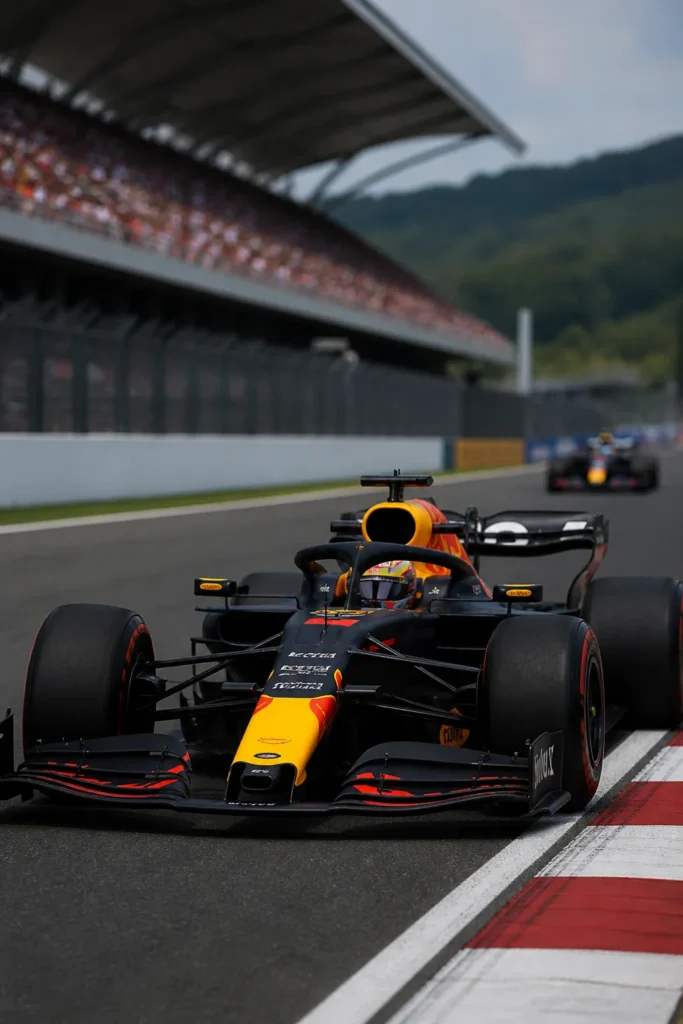
In Formula 1, what is pole position in F1 represents the ultimate test of engineering and driver skill. What is pole position formula 1? Race stewards award it to the driver who sets the fastest single lap during Saturday’s qualifying sessions. Furthermore, what is pole position in formula one relies on a highly intense knockout system.
Currently, F1 qualifying typically divides into three distinct stages: Q1, Q2, and Q3. I will detail these specific stages below.
Q1 Knockout Stage First, all 20 drivers compete simultaneously on the track. They push their cars to the absolute limit for 18 minutes. Eventually, officials eliminate the five slowest drivers from the remainder of the session.
Q2 Elimination Round Next, the remaining 15 drivers compete again in a slightly shorter 15-minute window. Consequently, the bottom five drop out based strictly on their times. This leaves only the fastest ten cars on the grid.
Q3 Shootout Finally, the top 10 drivers fight for the ultimate starting spot. The fastest driver in Q3 secures the top spot and starts first in Sunday’s Grand Prix. When people search F1 what is pole position, they primarily want to understand this exact structure. Additionally, queries like what is f1 pole position or what is the pole position in F1 point directly to this Saturday shootout. Discovering what is a pole position in F1 reveals the extreme pressure drivers face.
Starting first in F1 holds extreme value for several reasons. First, clean air dramatically improves the car’s aerodynamic performance. Second, starting first creates a significantly reduced risk of first-lap collisions. Consequently, the leading driver enjoys a much higher probability of winning the entire event.
However, starting first absolutely does not guarantee victory. Instead, race strategy, tire management, and sudden weather conditions can still heavily influence the final outcome.
What Is Pole Position in NASCAR?
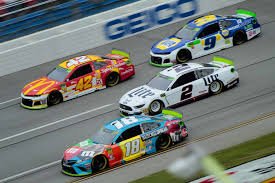
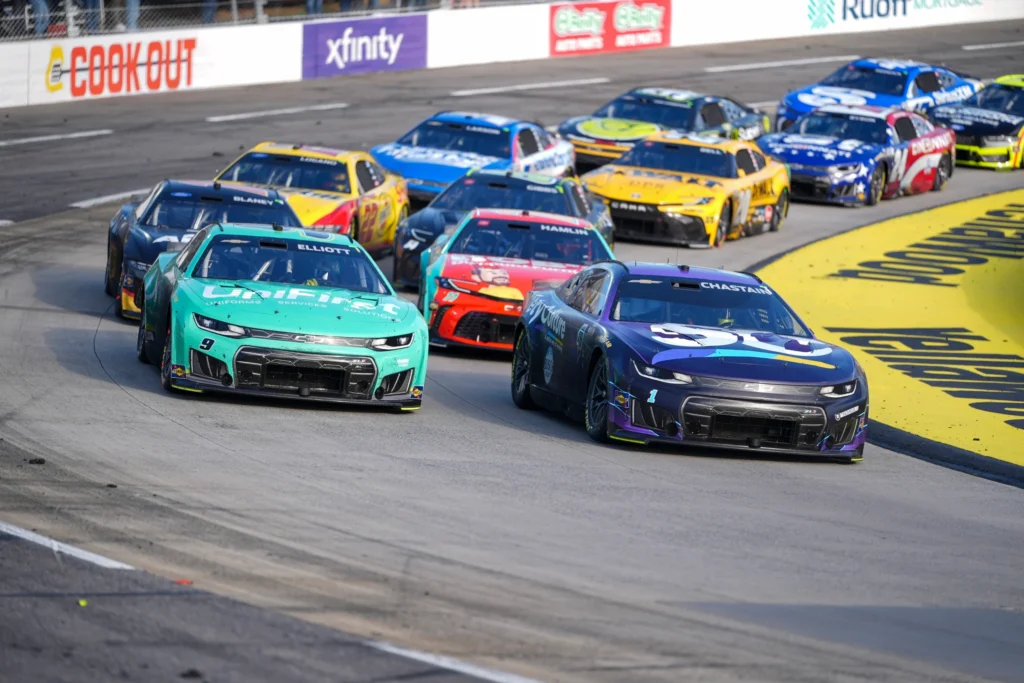
Meanwhile, what is pole position in NASCAR utilizes a slightly different approach. In NASCAR, officials also award the top spot to the fastest driver in qualifying. However, the format differs quite noticeably from the F1 style.
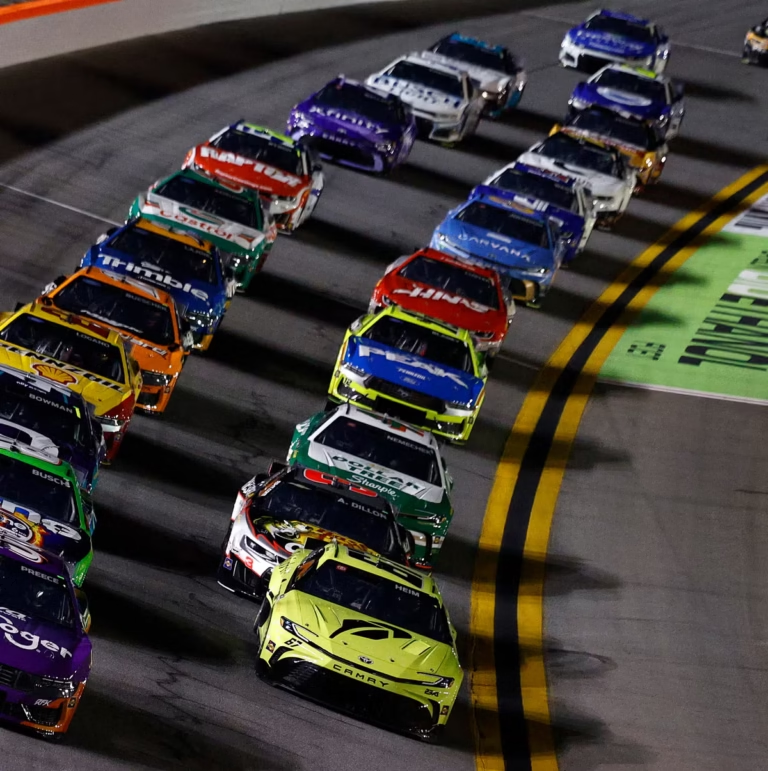
Generally, NASCAR qualifying often involves single-car timed laps. Drivers navigate the oval track entirely alone against the clock. Additionally, officials use multiple rounds depending on the specific event format. For major races like the Daytona 500, organizers determine the grid through a highly unique combination of methods.
Specifically, they use standard qualifying times alongside special qualifying races known as Duel races. So when users ask, what is pole position in NASCAR? They are referring to the front starting position determined by these unique qualifying systems. Furthermore, people often wonder what is the pole position in NASCAR or what is pole position Daytona 500 specifically. They want to grasp how drafting impacts these single-car runs.
A few seasons ago, I spent time interviewing a veteran NASCAR crew chief in the garage. He emphasized that earning the top spot greatly impacts pit road stall selection. Consequently, the leading team gains a massive logistical advantage during crucial pit stops.
What Is Pole Position in MotoGP?
In MotoGP, what is pole position in MotoGP follows an intense hybrid format. Officials award the top spot to the rider who posts the fastest lap in the final qualifying sessions. Specifically, MotoGP splits qualifying into Q1 and Q2.
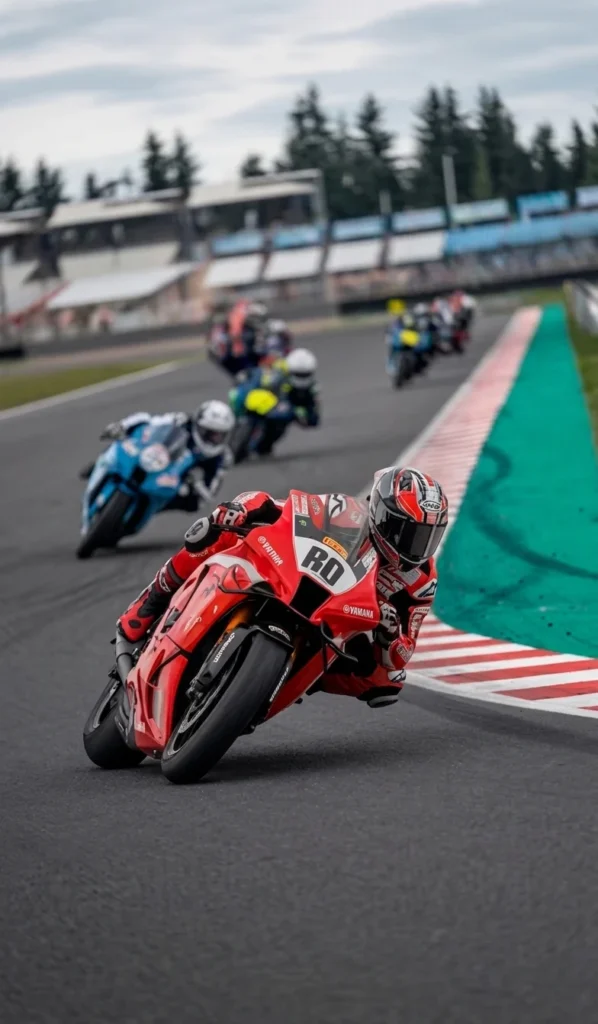
Q1 Session First, the lower-ranked riders from the practice sessions compete fiercely. Ultimately, only the fastest two riders advance to the next round.
Q2 Session Next, the top riders from practice join the two Q1 winners. Together, they compete directly for the top grid spots. The fastest rider in Q2 officially starts at the very front of the grid.
Therefore, knowing what is pole position in this series highlights a rider’s pure bravery. Starting first in MotoGP proves especially important due to extremely tight track positioning. Additionally, the leader gains massive corner entry advantages and faces significantly reduced risk in the early laps.
F1 Statistics: How Many Times Does It Happen?
Consequently, motorsport fans closely follow the seasonal statistics regarding qualifying. How many times does the fastest qualifier claim the top spot in a single F1 season? The exact number depends entirely on the total races scheduled that year.
Specifically, every single race features exactly one pole sitter. For example, a 24-race calendar guarantees exactly 24 top starting spots throughout the entire season. Furthermore, when people search “F1 pole positions today”, they typically seek the latest qualifying results.
Ultimately, fans want to know the current pole sitter and the upcoming race grid. Tracking what is pole position records reveals true historical dominance. Currently, Lewis Hamilton holds the all-time record, proving his incredible single-lap mastery.
Frequently Asked Questions
How is the front starting spot determined in Formula 1?
First, drivers aggressively compete through three intense knockout qualifying rounds on Saturday. Specifically, the slowest cars drop out entirely during the initial two sessions. Ultimately, the fastest remaining driver in the final shootout secures the top grid placement.
Where did the term for the first place on the grid originate?
Historically, the specific terminology comes directly from traditional horse racing tracks. Back then, the fastest horses lined up right next to the inside rail. Therefore, early motorsport organizers simply adopted this equestrian phrase for their own starting grids.
Does starting first guarantee a race victory?
No, beginning at the front absolutely does not ensure a guaranteed win. Instead, race strategy, rapid tire degradation, and unexpected weather frequently alter the final outcome. Consequently, the leading driver must still execute a flawless performance to claim the trophy.
How do NASCAR drivers qualify for the top spot?
Generally, NASCAR utilizes a distinctly different approach compared to international open-wheel series. Furthermore, drivers usually perform isolated single-car timed laps to prove their maximum speed. Additionally, massive events like the Daytona 500 incorporate entirely separate sprint races to finalize the starting order.
Why is the leading grid placement so advantageous for riders in MotoGP?
First, the top spot provides incredibly clean air and zero immediate traffic ahead. As a result, the leading rider aggressively dictates the braking pace into the incredibly tight first corner. Ultimately, this clear track space drastically reduces the risk of dangerous early-lap collisions.
Conclusion: Mastering What Is Pole Position
Ultimately, grid placement represents one of the most critical elements in motorsports. Whether you follow Formula 1, NASCAR, or MotoGP, securing the front row changes everything. Furthermore, understanding what is pole position helps fans fully appreciate aggressive race strategies.
Consequently, qualifying performance deeply influences the importance of track positioning in competitive racing. The fastest qualifier earns a massive tactical advantage before the race even begins. Therefore, Saturday’s speed directly dictates Sunday’s success on the track.
Evidence-Based References:
- Formula 1 Official: “It’s time to basically stop all the rumours” – Verstappen confirms he’s staying at Red Bull
- Forbes: Formula 1’s Highest-Paid Drivers (Max Verstappen Earnings Data)
- Sky Sports F1: What does Red Bull engineer Gianpiero Lambiase’s move mean for Max Verstappen?
- Motorsport.com: Max Verstappen’s road to F1: The youngest driver in history