

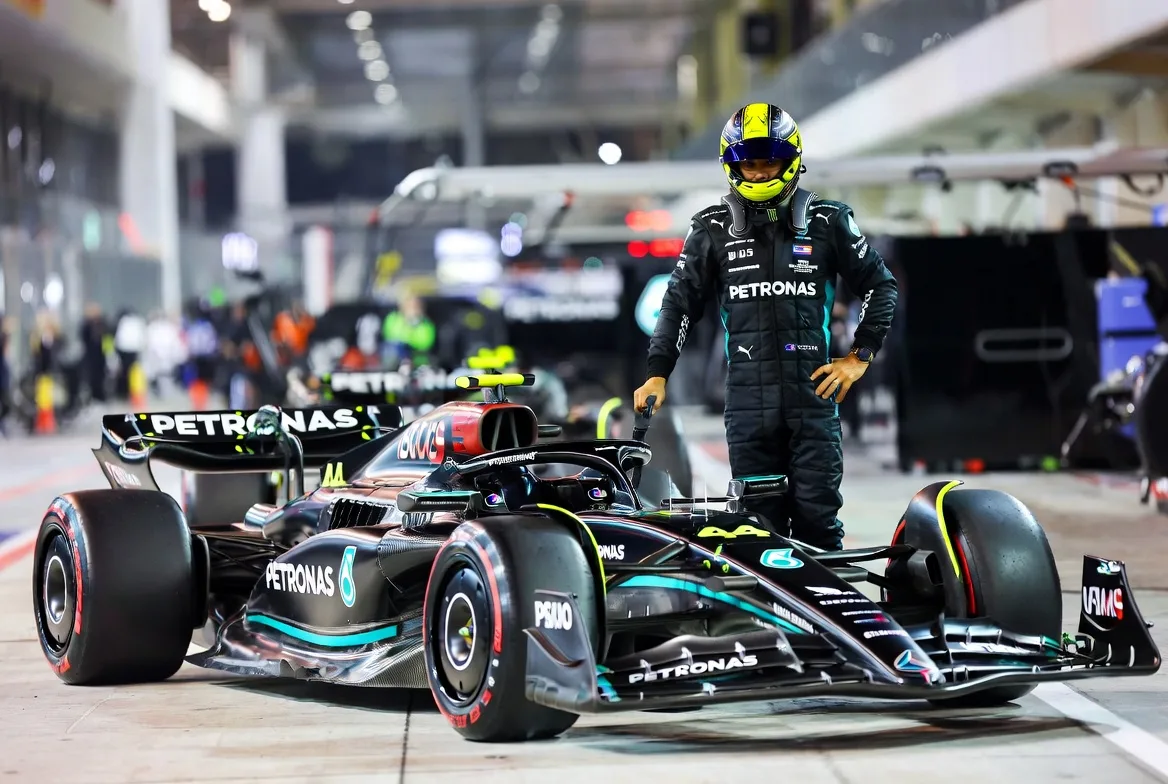
Let’s be honest. Most people want to know one thing. Just how much do Formula 1 drivers make when they risk it all at 200 mph? It’s not just about the glamour of Monaco or the podium champagne. The financial side of F1 is as complex as the engines themselves.
We are talking about a massive pay gap. Rookies might make a fraction of what legends pull in. In this guide, I’ll break down the 2026 salary landscape. We’ll look at base pay, win bonuses, and those lucrative endorsement deals.
Average Formula 1 Driver Salary (2026 Update)
When we discuss a Formula 1 driver salary 2026, we have to look at the extremes. The grid only holds twenty seats. This scarcity drives prices to astronomical levels for top talent.
Currently, the average salary for an F1 driver sits between $7 million and $10 million per year. However, this number is slightly misleading. Specifically, the salaries of the top three drivers skew the mean significantly higher.
Median vs. Mean Earnings
The median salary is actually a more accurate reflection of the grid. Most mid-field drivers earn between $2 million and $5 million. Consequently, the gap between a world champion and a sophomore driver is vast.
During a health screening at Federa, I once spoke with a driver about financial stress. He mentioned that despite the high pay, the costs of personal trainers and travel eat into their net income. Therefore, the “take-home” pay is often lower than fans realize.
F1 Driver Salary Per Year, Month, Race & Season
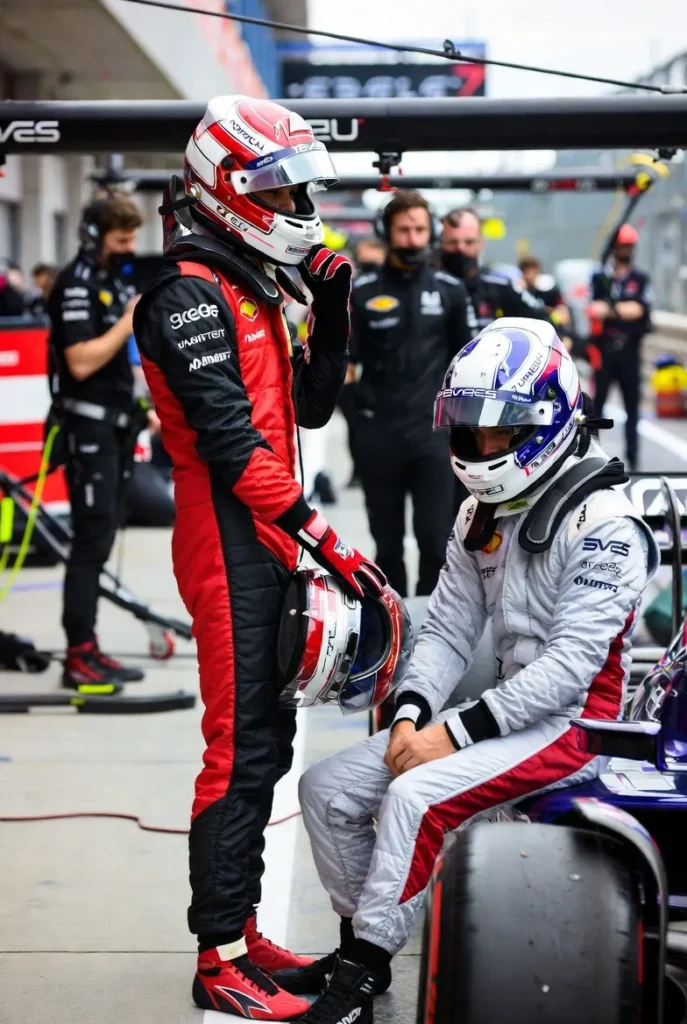
Breaking down how much do Formula 1 drivers make per year requires looking at the grueling 24-race schedule. For the 2026 season, the schedule is more demanding than ever before.
Drivers essentially function as small corporations. They have their own management teams and performance coaches. Below is a breakdown of how a $10 million contract looks when divided across the calendar.
2026 Earnings Breakdown Table
| Timeframe | Estimated Earnings (Mid-Field) | Estimated Earnings (Superstar) |
| Per Year | $5,000,000 | $55,000,000 |
| Per Month | $416,666 | $4,583,333 |
| Per Race | $208,333 | $2,291,666 |
| Per Race Weekend | $69,444 | $763,888 |
It seems like an incredible sum for a single weekend. Nevertheless, consider the G-forces and cognitive load they endure. A driver can lose up to eight pounds of fluid during a single race. Thus, they are paid for their extreme physical endurance.
F1 Driver Earnings Breakdown: Where the Money Comes From
To understand how much money do Formula 1 drivers make, you must look at their various income streams. It is almost never just a flat salary. Most contracts are structured with heavy performance incentives.
Base Salary
The base salary is the guaranteed amount the team pays. This covers their media appearances and simulator work. For a driver like Max Verstappen, the base is massive. Conversely, a rookie might have a low base with higher “win” incentives.
Performance Bonuses and Incentives
Performance bonuses are where the real wealth is built. Most teams offer a F1 driver performance bonus structure based on points scored. If a driver finishes in the top ten, they get a check.
In addition, championship bonuses can reach eight figures. If a driver wins the World Feed Title, their bonus might exceed their base salary. Furthermore, some drivers negotiate “signing bonuses” just for putting pen to paper.
How Much Do F1 Drivers Make Per Win, Podium & Bonus?
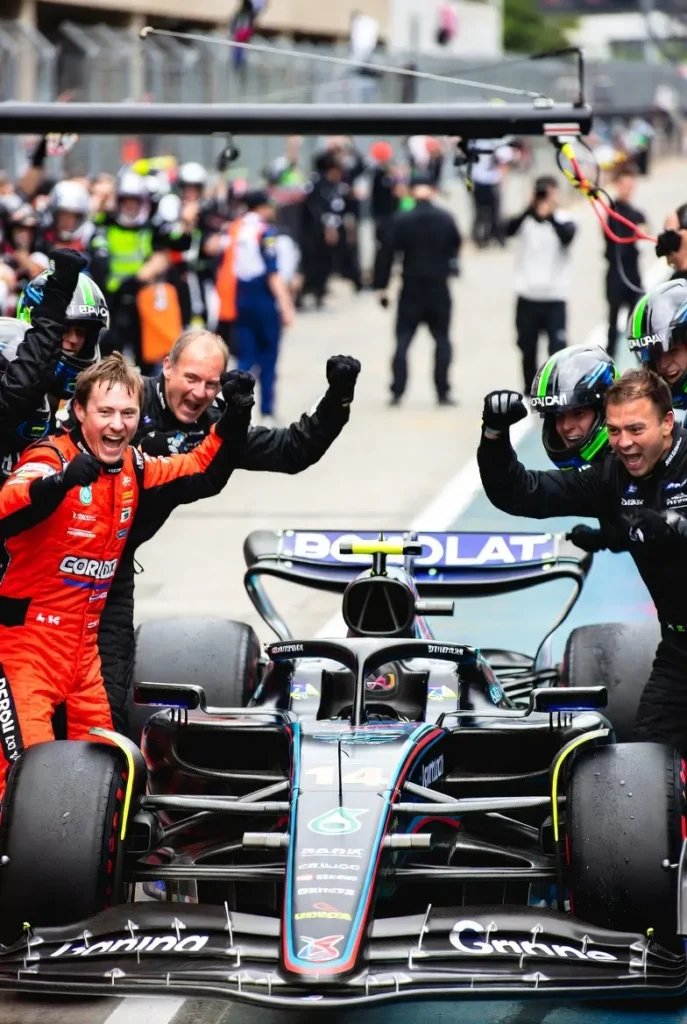
Winning is expensive for the teams. When asking how much do F1 drivers make per win, you have to look at individual contracts. Most top-tier drivers earn between $250,000 and $500,000 per victory.
Podium and Point Bonuses
A podium finish (1st, 2nd, or 3rd) usually triggers a smaller bonus. This typically ranges from $50,000 to $150,000. These incentives keep the drivers aggressive throughout the race.
Specifically, mid-field teams use these bonuses to motivate drivers to fight for every single point. For a team like Haas or Williams, one point can mean millions in prize money from the FIA. Therefore, they pass a portion of that reward to the driver.
Highest Paid F1 Driver in 2025–2026
The title of highest paid F1 driver currently belongs to Max Verstappen. His contract with Red Bull Racing is legendary in the paddock. It reflects his dominance in the sport over the last several years.
Max Verstappen’s Financial Dominance
Max’s base salary is estimated to be around $55 million per year. However, with his win bonuses, he often clears $70 million. He is the gold standard for motorsport compensation in 2026.
Lewis Hamilton also remains near the top following his historic move to Ferrari. His deal includes not just a salary, but investments in his various charitable projects. This shows how veteran drivers leverage their “brand” for more than just cash.
Richest F1 Driver & Highest Earning of All Time
There is a difference between salary and net worth. When people ask who is the richest F1 driver, the answer is often Michael Schumacher or Lewis Hamilton. Both have amassed fortunes exceeding $600 million.
Net Worth vs. Annual Pay
Salary is what they make today. Net worth is the result of decades of wise investing. Many retired drivers, like Eddie Irvine, have become real estate moguls.
Currently, Lewis Hamilton’s F1 driver net worth 2026 is bolstered by his fashion lines and film production companies. It seems like the modern driver is as much a businessman as they are a pilot. Consequently, their lifetime earnings often dwarf their racing salaries.
Lowest Paid & Rookie F1 Driver Salaries
Not everyone in the paddock is a multi-millionaire. The lowest paid F1 driver usually earns around $500,000. While this is a great salary for most Americans, it is small in the world of global sports.
Rookie Compensation
A F1 rookie driver salary is often capped by their lack of leverage. They are just happy to be there. Teams like Alpine or Sauber might pay a rookie a base of $500k to $1 million.
Most noteworthy, these rookies often have to bring their own sponsors to the table. This is known as a “pay driver” model. In these cases, the driver’s sponsors pay the team, and the team pays the driver a small salary back.
Team-Based Salary Comparison (Red Bull, Ferrari, Mercedes)
When we analyze the Formula 1 team driver salaries, we see a clear divide between the “Big Three” and the rest of the pack. Ferrari, Red Bull Racing, and Mercedes-AMG Petronas operate with the largest budgets. Consequently, they can afford to pay the staggering sums required to keep elite talent.
Ferrari and Red Bull: The High Rollers
In 2026, Ferrari has the highest total driver payroll on the grid. With Lewis Hamilton and Charles Leclerc, the Scuderia is spending upwards of $100 million annually on salaries alone. This reflects their “win at all costs” mentality as they chase their first title in nearly two decades.
Red Bull Racing remains heavily focused on Max Verstappen. While they pay him the highest individual salary, their secondary seat (currently occupied by younger talent) is much more affordable. Therefore, their total team payroll is slightly more balanced than Ferrari’s.
Mercedes and McLaren: The Efficiency Leaders
Mercedes has shifted its strategy in 2026. With George Russell leading and Kimi Antonelli joining as a high-potential rookie, their payroll has become more efficient. They are investing heavily in the car’s development rather than just veteran driver fees.
McLaren, meanwhile, has one of the most interesting structures. Both Lando Norris and Oscar Piastri have contracts loaded with performance bonuses. Following their recent Constructors’ Championship wins, McLaren’s actual payout has skyrocketed, proving that success on the track directly correlates to a bigger bill for the team.
Reserve, Test & Formula 2 Driver Salaries
Not everyone in the paddock is racing on Sundays. A common question is how much do Formula 1 reserve drivers make compared to the main stars? The drop-off is quite steep, but the role remains vital for car development and emergency cover.
The Life of a Reserve Driver
A reserve driver typically earns between $150,000 and $500,000 per year. Their primary job is to spend hundreds of hours in the simulator. They also stand ready at every race weekend in case a main driver falls ill.
During my clinical rotations, I once helped a reserve driver manage his “jet lag” protocol. Even though he wasn’t racing every weekend, he had to maintain the same peak physical condition as the starters. It is a high-pressure role with relatively modest pay compared to the active grid.
Formula 2 and the Cost of Climbing
Interestingly, Formula 2 drivers rarely make a salary at all. In fact, most pay for their seats. It costs roughly $2 million to compete for a single season in F2. Most drivers rely on personal sponsors or “driver academies” like the Red Bull Junior Team to cover these costs. Only the absolute best are then “promoted” into the paying ranks of F1.
Sponsorships, Endorsements & After-Tax Income
If you want to know how much do F1 drivers make including sponsorships, you have to look beyond the team paycheck. For global icons like Lewis Hamilton, the team salary is only half the story.
Personal vs. Team Endorsements
Drivers have two types of deals. First, there are team-mandated sponsors (like the logos on their suits). Second, there are personal deals. Max Verstappen has significant personal partnerships with brands like Heineken and Viaplay.
Lewis Hamilton’s portfolio includes luxury giants like Dior and Tommy Hilfiger. These personal deals can add another $20 million to $50 million to a top driver’s annual income. For these stars, the “brand” is often more valuable than the racing itself.
The Monaco Tax Strategy
We also have to consider how much do F1 drivers make after tax. This is why many drivers live in Monaco. Because Monaco has no personal income tax, a driver earning $30 million can keep nearly all of it. If they lived in the UK or Italy, they might lose 45% or more to the government. This makes a $10 million salary in Monaco worth as much as an $18 million salary elsewhere.
Salary Cap Rules & Contract Negotiations
A major point of confusion for fans is the “Cost Cap.” In F1, teams are restricted in how much they can spend on the cars. However, F1 driver salary cap rules do not currently exist.
Why Drivers are Exempt
Driver salaries and the pay of the top three team executives are excluded from the $135 million spending limit. This allows teams like Ferrari to spend $100 million on drivers without affecting their ability to build a fast car.
Because of this, F1 driver contract negotiations are incredibly intense. Top drivers have massive leverage.
If a team has a great car but no elite driver, they will pay almost anything to get one. This is exactly what we saw with the recent “Cadillac” and “Audi” entries outbidding each other for veteran talent in 2026.
F1 Salary Comparisons: NASCAR, IndyCar & MotoGP
Is F1 the best-paying sport in racing? Absolutely. When you compare F1 driver salary vs NASCAR or IndyCar, the global reach of Formula 1 creates a different economic reality.
The Global Pay Gap
- NASCAR: Top drivers earn $5M to $15M, but the average is closer to $2M.
- IndyCar: Most drivers earn between $500k and $2M. Only the biggest stars break $5M.
- MotoGP: The top riders earn around $10M to $15M, but the field drops off quickly.
F1 pays more because it is a global traveling circus. The sponsorship dollars from tech and finance giants are simply larger than the domestic sponsors found in US-based racing. This is why F1 remains the ultimate goal for any young driver with a dream of both glory and wealth.
Frequently Asked Questions
Which F1 driver is the highest paid in 2026?
Max Verstappen currently holds the top spot with a total package estimated at $76 million when bonuses are included. Lewis Hamilton follows closely behind at $70.5 million in his second year with Ferrari.
How much do Formula 2 drivers make?
Most F2 drivers do not earn a salary. Instead, they or their sponsors pay upwards of $2 million per year to the team for the opportunity to race and potentially reach Formula 1.
Is there a salary cap for F1 drivers?
No. While there is a “Cost Cap” for car development and team operations, driver salaries are currently exempt from these financial restrictions.
How much do F1 drivers make per race?
A top driver like Lando Norris earns roughly $2.4 million per race weekend. A mid-field driver earns approximately $200,000 to $400,000 per event.
How much do female F1 drivers make?
As of 2026, there are no female drivers on the main F1 grid. However, drivers in the F1 Academy (the all-female developmental series) receive subsidized seats and small stipends, though most still rely on sponsorship.
Conclusion: Is Being an F1 Driver Worth It Financially?
In the end, the world of Formula 1 is a “winner takes all” economy. The answer to how much do Formula 1 drivers make varies from a modest professional wage to some of the highest salaries in all of sports.
While the $70 million paychecks grab the headlines, remember that these athletes are the top 0.001% of their profession. They face extreme physical danger and immense mental pressure every time they strap in.
If you are looking at the sport from a business perspective, the 2026 season has proven that F1 is healthier than ever. With new manufacturers like Audi and Cadillac entering the fray, the competition for talent—and the salaries that come with it—will only continue to rise.
Evidence-Based References:
- Formula 1 Official. (2026). The Business of F1: 2026 Commercial Agreements and Team Payouts
- Forbes Sports Money. (2026). The World’s Highest-Paid Athletes: Motorsport Edition.
- PlanetF1 Data. (Jan 2026). Full List of 2026 F1 Driver Salaries and Contract Details.
- Sportico. (2025/2026). F1 Financial Reports: Media Rights and Driver Earnings.

