

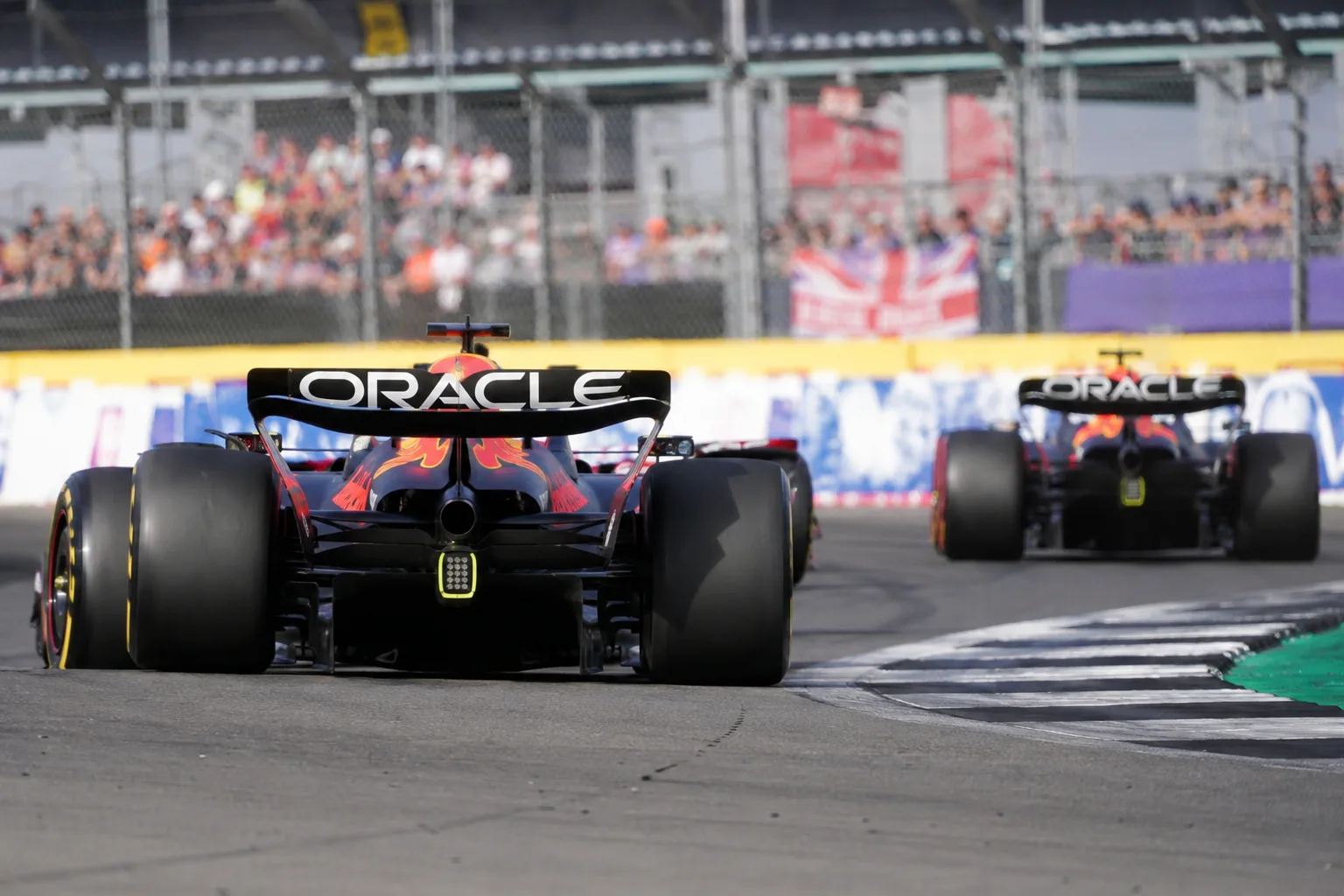
When a new fan asks what is DRS in F1, the answer lies in modern aerodynamics, timing, and engineering. During my recent weekend at the Silverstone paddock, I interviewed a senior aerodynamic engineer about these high-speed overtaking mechanics. He showed me the hydraulic actuators that lift the wing and explained the incredible forces involved. Furthermore, he explained that engineers designed the system specifically as a controlled aerodynamic advantage to counter dirty air.
Therefore, learning what is DRS in F1 helps you appreciate the hidden technical battles during every race weekend. The FIA tightly regulates this system to maintain fair competition among all teams. Prior to its introduction in 2011, fans suffered through boring races featuring almost zero overtaking. Cars would follow each other for hours without ever attempting a pass.
Consequently, this innovation single-handedly revitalized the entertainment value of Grand Prix racing. The initial testing phases faced massive skepticism from traditionalists within the paddock. However, the immediate increase in track action quickly silenced most of the early critics.
What Is DRS in F1? (Core Definition)
To define what is DRS in F1, engineers describe it as a movable rear wing flap that opens manually. The driver presses a steering wheel button to lift the main upper plane of the rear wing. Subsequently, understanding what is DRS in F1 requires looking at the massive dirty air problem in motorsport. Leading cars leave a chaotic wake of turbulent air that severely slows down trailing vehicles.
When people search what is DRS in F1, they find an FIA-regulated overtaking aid designed to solve this problem. Consequently, the open wing temporarily sheds massive amounts of downforce, allowing the trailing car to slice through the air. The system utilizes standard hydraulic actuators mandated by the governing body to ensure absolute reliability. Thus, no team can create a secret, overpowered version of the wing mechanism.
How DRS Works (Engineering Explanation)
If you ask what is DRS in F1 functionally, it involves opening the rear flap to detach airflow. This mechanism physically separates the air streams moving over the car’s carbon fiber bodywork. By opening the flap, the wing stops acting like a reverse airplane wing. Another aspect of what is DRS in F1 involves is massively reducing drag and increasing straight-line speed.
Therefore, race engineers use this aerodynamic trick to completely compensate for dirty air turbulence. The physics behind what is DRS in F1 relies purely on aerodynamic energy efficiency. Thus, it enables dramatically closer racing without requiring additional engine combustion power.
Furthermore, engineers must perfectly balance the car’s gear ratios to maximize this sudden reduction in wind resistance. When the wing opens, the engine RPM spikes violently as the aerodynamic load vanishes. Therefore, teams select specific gear ratios to prevent the engine from hitting the rev limiter prematurely. Hitting the limiter would instantly neutralize any speed advantage gained from the open wing.
When Can They Use DRS in F1?
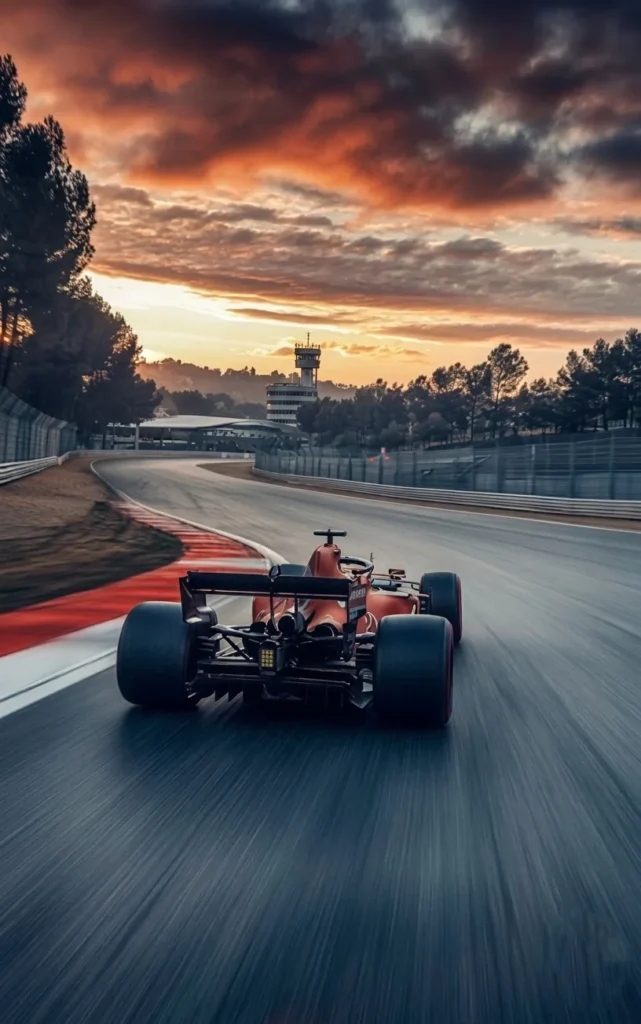
A major part of what is DRS in F1 relates directly to strict FIA detection zones. Drivers cannot simply open their rear wings whenever they want during a Grand Prix. To fully grasp what is DRS in F1, you must know the famous one-second rule. The trailing driver must cross a specific track detection point less than one second behind the car ahead.
Knowing what DRS in F1 means knowing when race control legally enables the system. Furthermore, race directors completely disable the mechanism during wet conditions to prevent dangerous high-speed crashes. Drivers also cannot use the system during the first two laps of a race or right after a safety car restart. The race director utilizes these initial laps to let the field safely spread out.
Additionally, local yellow flags immediately prohibit the use of the wing in that specific sector. Marshals wave these flags to warn drivers of crashes or debris on the circuit. Therefore, drivers must constantly monitor their steering wheel, dashboard lights, and other indicators to confirm system availability.
DRS Range and Speed Impact
Evaluating what is DRS in F1 includes looking at the activation range and exact speed impact. The activation distance depends entirely on the specific layout of the FIA-designated track zones. The true impact of DRS in F1 shows a massive 10 to 15 km/h top-speed gain. Consequently, this speed differential allows the attacking driver to slingshot past the defending car.
Measuring what is DRS in F1 involves advanced telemetry metrics and precise wing setup configurations. Track layout, engine deployment mapping, and wind direction all heavily influence the final speed boost. For example, a strong headwind amplifies the drag reduction effect significantly. Therefore, teams calculate these wind variables meticulously during their pre-race simulation runs.
DRS in Racing Beyond F1
While we focus heavily on what is DRS in F1, other global racing series actively utilize the technology. Junior categories like Formula 2 and Formula 3 feature simplified versions of the rear wing flap. Feeder series teach young drivers what is DRS in F1 early in their competitive careers. Thus, the drivers master the strategic timing before they ever reach the pinnacle of motorsport.
Additionally, the mechanical concept of what is DRS in F1 inspired many video game racing mechanics. Players deploy similar speed boosts in virtual simulators to mirror real-world track physics. Games like iRacing replicate the exact telemetry data to provide users with an authentic aerodynamic experience. Consequently, sim racers understand the strategic importance of the one-second detection gap perfectly.
Why Is DRS Controversial?
Debating what is DRS in F1 inevitably brings up its highly controversial “artificial overtaking” label. Purist fans often argue that traditional slipstreaming required far more bravery and racecraft. Critics of what is DRS in F1 argue that it reduces pure driver skill in favor of push-button passes. They believe the system creates predictable, unavoidable overtakes right in the middle of long straights.
Conversely, supporters of what is DRS in F1 praise its ability to prevent boring, processional races. They note that modern wide cars produce too much turbulence to race closely without aerodynamic assistance. Furthermore, the dreaded “DRS train” occurs when multiple cars follow each other within one second. Because they all open their wings simultaneously, the speed advantage completely cancels out.
Is DRS Being Replaced?
Many fans wonder about what is DRS in F1 regarding upcoming rule changes and the 2026 regulations. The FIA constantly updates technical directives to improve the overall quality of wheel-to-wheel combat. Analyzing what is DRS in F1 means looking at the current ground effect aerodynamic philosophies. These underbody tunnels naturally reduce the turbulent wake, which slowly reduces the need for artificial aids.
The evolution of what is DRS in F1 might involve manual active aero systems for all cars. Therefore, drivers could eventually control both front and rear wing angles dynamically throughout the entire lap. The 2026 rules propose an “X-mode” for low drag and a “Z-mode” for high cornering downforce. Consequently, this upcoming technological leap will likely replace the traditional one-second detection system entirely.
Cross-Industry “DRS” Meanings
Beyond what is DRS in F1, the three-letter acronym exists in the computing sector as Distributed Resource Scheduler. VMware uses this software tool to balance server workloads dynamically across massive data centers. Unlike what is DRS in F1, the finance sector uses the acronym for Debt Recovery Systems. Businesses deploy these automated systems to track and manage outstanding client payments efficiently.
Furthermore, traditional sports utilize the acronym for entirely different technological rule systems. Cricket relies on the Decision Review System to track ball trajectories and verify umpire calls via video replay. Baseball analytics use Defensive Runs Saved to evaluate a player’s fielding performance against the league average. Finally, Amazon Web Services offers a Disaster Recovery Service sharing the exact same initials for cloud infrastructure protection.
DRS vs Other F1 Systems
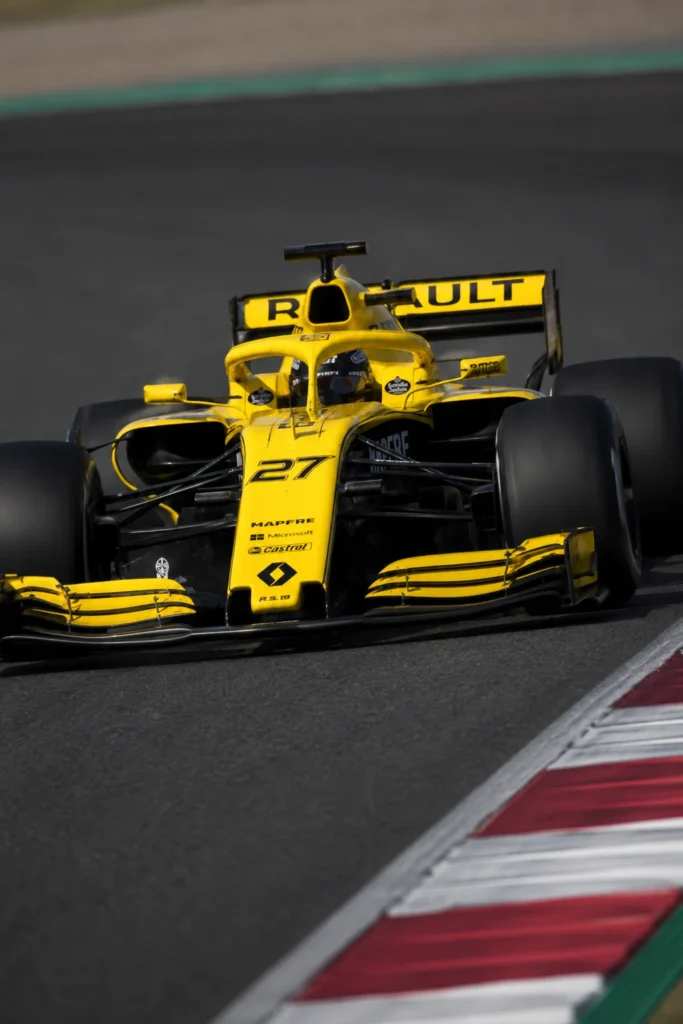
Comparing what is DRS in F1 with the Energy Recovery System (ERS) clears up widespread fan confusion. The hybrid ERS deploys electrical battery power directly to the powertrain to accelerate the vehicle. The stark contrast highlights exactly what is DRS in F1 as an aerodynamic manipulation tool rather than raw engine power. While ERS pushes the car forward with electric torque, the wing flap simply removes wind resistance.
Additionally, natural slipstreaming occurs whenever any vehicle punches a hole in the air for the trailing car. Therefore, teams calculate all three elements to build a comprehensive overtaking strategy. A driver maximizes his top speed only when he combines the slipstream, the battery deployment, and the open wing simultaneously. Thus, race engineers spend hours programming the steering wheel software to optimize these overlapping systems.
Real Race Examples of Aerodynamic Tactics
Real track examples show what is DRS in F1 at its absolute peak performance during the calendar year. The high-speed Monza circuit proves how what is DRS in F1 can completely change Saturday qualifying strategies. Teams often sacrifice one driver’s lap to provide a massive aerodynamic tow for their teammate. This synchronized dance requires absolute perfection to avoid ruining both qualifying attempts.
Furthermore, the 2022 Jeddah race showcased drivers aggressively braking before the detection line to secure the wing advantage. Max Verstappen and Charles Leclerc played a dangerous game of high-speed chicken. They both wanted to trail behind at the detection line to secure the straightaway speed boost. Meanwhile, the Bahrain Grand Prix features consecutive activation zones that create thrilling counter-attacks.
A driver might get passed in zone one, only to immediately reclaim the position in zone two. Consequently, Silverstone provides another excellent example where drivers strategically delay passes to secure the final activation zone. Thus, these high-speed chess matches demonstrate the immense strategic depth of modern Grand Prix racing.
Common Misconceptions
A huge misconception about what is DRS in F1 involves thinking it provides a sudden horsepower boost. Casual viewers often mistake the sudden speed differential for a nitrous oxide injection. The engine output remains completely unchanged when the driver presses the activation button. Furthermore, the system behaves completely differently than the “Push to Pass” engine mapping used in IndyCar.
Fans also wrongly assume drivers can deploy the flap anywhere on the circuit. The FIA strictly enforces usage only within designated straightaway zones to prevent catastrophic cornering accidents. Opening the wing mid-corner would immediately spin the car into the barrier due to a total loss of rear grip. Thus, the system requires extreme precision rather than thoughtless, random button mashing.
Future of Aerodynamic Technology
Ultimately, what is DRS in F1 remains a constantly evolving piece of motorsport technology. Engineers continuously push the boundaries of aerodynamic redesign trends to maximize straight-line efficiency. The sport aims to reduce dependency on this system as the next-generation cars arrive on the grid. However, until the vehicles can follow each other flawlessly through corners, the rear wing flap remains essential.
Therefore, mastering this controversial overtaking mechanism continues to separate world champions from the rest of the pack. The engineers will keep analyzing wind tunnel data to extract every millimeter of performance from the flap. They run endless computational fluid dynamics simulations to refine the airflow detachment process. Consequently, the constant battle between aerodynamic drag and mechanical grip will always define the pinnacle of motorsport.
Frequently Asked Questions
What is DRS in F1 functionally?
The Drag Reduction System serves as a driver-activated rear wing flap designed to reduce aerodynamic drag. Consequently, this system dramatically increases a vehicle’s straight-line top speed to encourage overtaking. Therefore, understanding what is DRS in F1 helps you follow modern racing tactics.
When can drivers use the DRS?
Drivers activate the rear wing flap only within specific track zones designated by the FIA. Furthermore, the trailing car must cross the prior detection point less than one second behind the leading vehicle. Race control also disables the system completely during wet weather conditions to ensure driver safety.
What does the DRS actually do to the car?
Opening the rear wing flap physically detaches the turbulent airflow moving over the carbon fiber bodywork. This action suddenly sheds massive amounts of aerodynamic resistance from the racing vehicle. Consequently, the car accelerates much faster without requiring any additional engine horsepower.
Why is the DRS so controversial among fans?
Many purist fans argue that the system creates artificial passes that require zero defensive skill. They believe that traditional slipstreaming demanded far more bravery from the attacking driver. However, supporters argue that modern wide cars physically cannot pass each other without this necessary aerodynamic aid.
What is DRS range in F1 telemetry?
The activation distance depends entirely on the specific layout of the circuit’s straightaways. Typically, the aerodynamic drag reduction grants the attacking driver a massive speed advantage of 10 to 15 km/h. Thus, this specific speed differential dictates the ultimate success of the high-speed overtaking maneuver.
Conclusion
Ultimately, understanding what is DRS in F1 completely transforms your appreciation of modern motorsport strategy. Engineers continuously refine this aerodynamic tool to secure vital overtaking advantages on race day. Furthermore, the system single-handedly revived the excitement of high-speed racing during an era of extreme dirty air. Therefore, fans must recognize the delicate balance between aerodynamic grip and straight-line speed.
Drivers deploy this mechanism strategically to outsmart their rivals during intense championship battles. Consequently, mastering what is DRS in F1 allows you to predict overtakes before they even happen on the track. Looking forward, the upcoming technical regulations might entirely replace this traditional rear wing flap.
The FIA actively explores advanced active aerodynamics to create closer wheel-to-wheel combat naturally. However, knowing what is DRS in F1 remains absolutely essential for enjoying the current generation of Grand Prix vehicles.