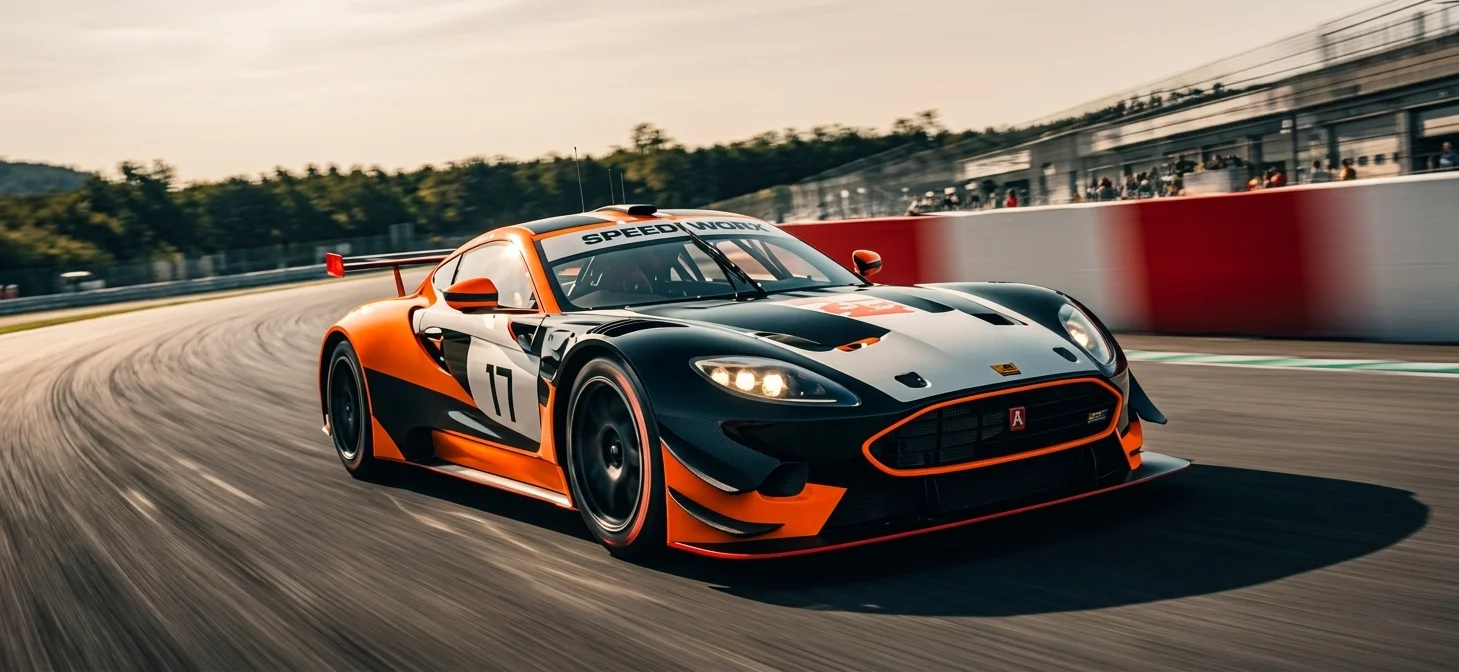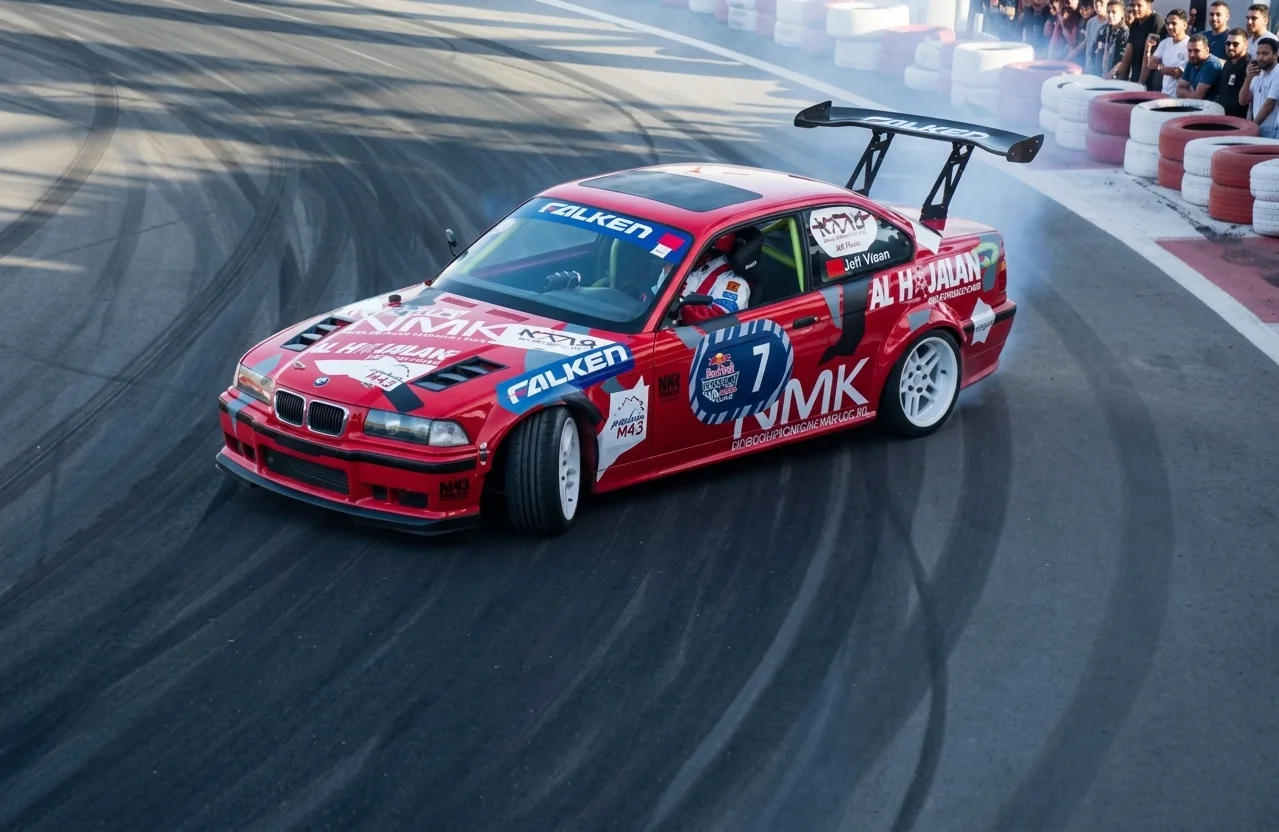

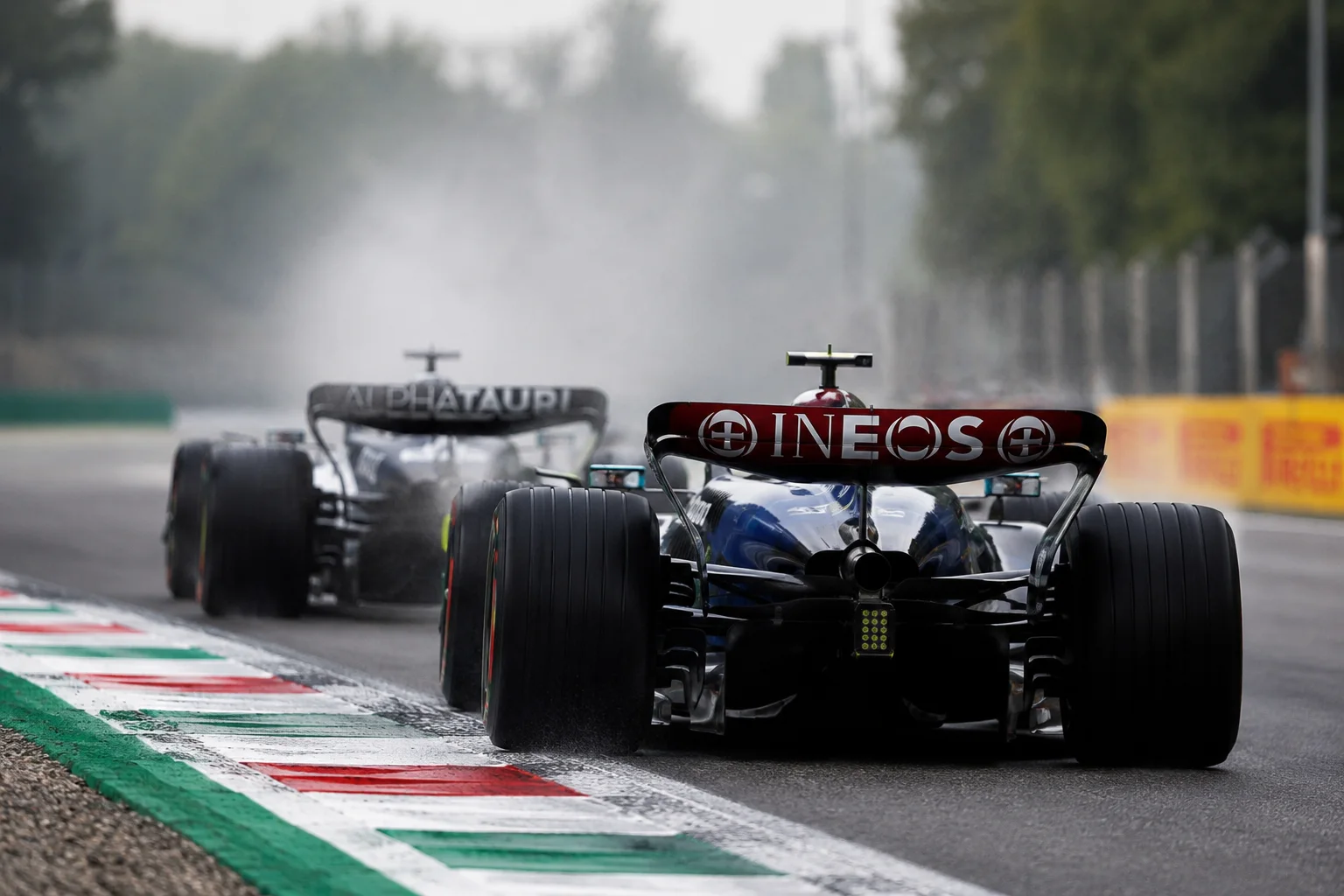
To truly understand what is a slipstream, you must observe how high-speed vehicles interact with the invisible air around them. At 200 mph in Formula 1, a car gains critical speed simply by driving directly behind another vehicle. During my recent trackside visit to the Monza circuit, I interviewed a senior aerodynamic engineer about airflow turbulence.
He explained that mastering aerodynamic drag reduction fundamentally dictates modern overtaking strategies. Therefore, learning what is a slipstream completely changes how you watch your favorite motorsport events. A slipstream is the low-pressure air pocket formed directly behind a fast-moving vehicle.
Following closely inside this pocket significantly reduces aerodynamic drag for the trailing vehicle. Consequently, you see this phenomenon frequently in Formula 1, NASCAR, professional cycling, and aviation. Furthermore, racing games constantly feature this mechanic to encourage thrilling overtakes. Understanding what is a slipstream explains why racers always tailgate before passing.
Core Definition of What Is a Slipstream
Many racing beginners immediately ask what is a slipstream when commentators mention the term on television. Fundamentally, a slipstream is the pocket of lower-pressure air created behind a fast-moving object. This trailing pocket drastically reduces wind resistance for anything following closely behind it. Consequently, the trailing vehicle requires significantly less engine power to match the leader’s exact speed.
Furthermore, this slipstreaming definition applies across multiple different disciplines involving speed. When you ask what “slipstream” means in physics, it refers specifically to the turbulence and wake effect. The leading object essentially punches a massive hole in the atmosphere. Therefore, the trailing object slips through that hole with minimal aerodynamic resistance.
How Does a Slipstream Work?
To grasp how a slipstream works, we must examine air displacement and pressure zones. A moving vehicle violently pushes stationary air out of its way, creating a high-pressure zone at the front bumper. Subsequently, this rapid forward movement leaves an empty, low-pressure wake directly behind the rear bumper. Therefore, anyone wondering what a vehicle’s slipstream is must look at this turbulent trailing wake.
Motorsport engineers constantly analyze this phenomenon using the standard aerodynamic drag equation. To understand the physics, look at this formula:
Because the lead car takes the aerodynamic impact, the trailing car encounters effectively lower air density ($\rho$). Consequently, the trailing car experiences massively reduced resistance and engine load. You can easily visualize this by watching a cyclist riding effortlessly behind another cyclist.
Technical Deep Dive: What Is a Slipstream in F1?
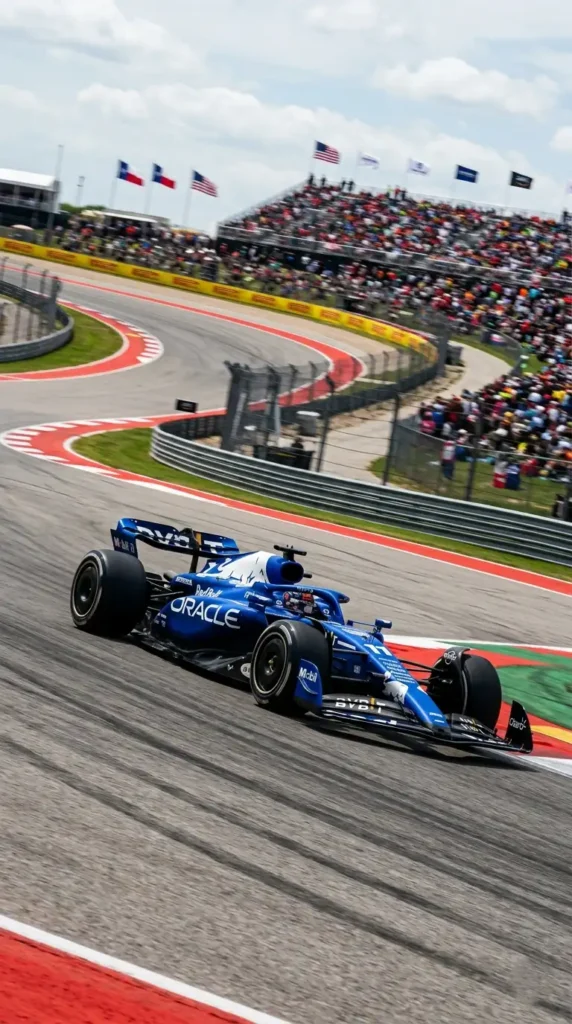
Formula 1 provides the absolute best environment to demonstrate what a slipstream is in F1 racing. Drivers combine the Drag Reduction System (DRS) with the slipstream effect to achieve massive top speeds on long straights. The leading car punches the hole, while the trailing car opens its rear wing to shed even more drag. Therefore, knowing what a slipstream is, F1 mechanics rely on explains those breathtaking overtakes at 210 mph.
During qualifying sessions, teams actively coordinate specific “tow runs” to help their drivers. One driver purposefully sacrifices his lap to punch a hole in the air for his teammate. Consequently, understanding what is a slipstream reveals the incredible teamwork hidden within a seemingly individual sport. At high-speed tracks like Monza, grabbing a good tow remains absolutely essential for securing pole position.
Category Breakdown: What Is a Slipstream in Racing?
Beyond open-wheel cars, fans frequently ask, “What is a slipstream in racing categories across the globe?” Different racing series utilize this aerodynamic advantage in vastly different ways to improve competition. In NASCAR, drivers utilize a technique called drafting to link multiple heavy cars together in massive packs. Therefore, asking what slipstream is in racing requires looking at pack racing physics on steep oval tracks.
Similarly, IndyCar drivers rely heavily on this low-pressure wake to complete overtakes at the Indianapolis 500. Furthermore, MotoGP riders use this exact same aerodynamic hole to slingshot past rivals on long motorcycle straightaways. Consequently, no matter what motorsport you watch, the physics of air resistance remain completely universal. Whenever you wonder what a slipstream is doing on track, it is actively facilitating passes.
Visualizing the Airflow
Because air remains invisible, picturing what is a slipstream requires a bit of imagination. You can visualize it as a swirling, invisible airflow trail violently following the back of a fast car. Think about a fast speedboat cutting through a calm lake and leaving a churning water wake behind it. Similarly, knowing what is a slipstream means understanding that cars leave a churning wake of air.
Engineers use advanced computational fluid dynamics (CFD) to visualize these complex turbulent wakes. Furthermore, they pump colored smoke into massive wind tunnels to watch the air curve around the car bodies. Therefore, when you ask what is a slipstream visually, it looks like a chaotic tornado stretching backward. This turbulent air trail significantly impacts any vehicle daring to drive inside it.
Real-World Proof: Is Slipstream Real?
Skeptics sometimes ask if slipstream is real or just a convenient excuse used by losing drivers. Science confirms that this aerodynamic phenomenon is absolutely real and easily measurable with basic telemetry. Motorsport teams log precise data showing massive speed gains when their cars follow competitors closely. Therefore, anyone questioning what a slipstream is only needs to look at lap time data.
Moreover, you see this effect utilized effectively outside of competitive motorsport entirely. Military fighter jets fly in tight formations specifically to save fuel over incredibly long distances. Additionally, migratory birds fly in V-formations for the exact same energy-saving aerodynamic reasons. Consequently, nature and human engineering both perfectly validate what is a slipstream.
Highway Physics: What Is a Slipstream in Driving?
Everyday commuters sometimes ask what is a slipstream in driving when they travel on busy highways. Commercial truck drivers often utilize highway drafting to improve their heavy vehicle’s fuel efficiency. By following another large truck, the trailing vehicle burns significantly less diesel fuel against the wind. Therefore, understanding what is a slipstream explains why trucks often travel in tight convoys.
However, you must exercise extreme caution regarding these physics on public roads. Trying to utilize what is a slipstream behind a semi-truck requires dangerously unsafe tailgating distances. Regular drivers lack the reaction times and high-performance brakes necessary to stop safely from those tight gaps. Consequently, while the fuel efficiency changes remain real, the safety risks drastically outweigh the benefits.
Aviation Principles: What Is Slipstream in Aviation?
The aviation industry possesses its own specific definition regarding these fluid dynamics. If you ask what is slipstream in aviation, pilots will describe the propeller airflow effects pushing backward. A spinning airplane propeller creates a helical wake of fast-moving air that wraps around the aircraft fuselage. Therefore, understanding what is a slipstream in the sky differs slightly from the racing track definition.
Furthermore, large commercial jets generate massive wingtip vortices that trail for miles behind them. Smaller aircraft must avoid this specific turbulent wake to prevent severe mid-air structural damage. Consequently, while a racing car uses the wake to gain speed, an aircraft often avoids it for safety. Thus, what is a slipstream changes meaning depending on your altitude.
Virtual Mechanics: Slipstream in Video Games
Game developers perfectly understand what is a slipstream, integrating it deeply into virtual racing titles. Players frequently search “What is a slipstream in GTA 5?” to understand the glowing white lines behind cars. Grand Theft Auto uses this drafting mechanic to give trailing players a massive, unrealistic speed boost. Therefore, knowing what is a slipstream in GTA helps you win more online street races.
Similarly, Nintendo fans wonder about the Mario Kart slipstream boost during frantic multiplayer races. Following a rival closely generates wind lines around your kart, eventually granting a powerful turbo boost. Furthermore, players ask what a slipstream is in Speedstorm when utilizing the game’s aggressive catch-up mechanics. Even battle royale players ask, “What is a slipstream in Fortnite?” referring to the large wind tunnels transporting characters quickly.
European vs American Terms of Drafting Differences
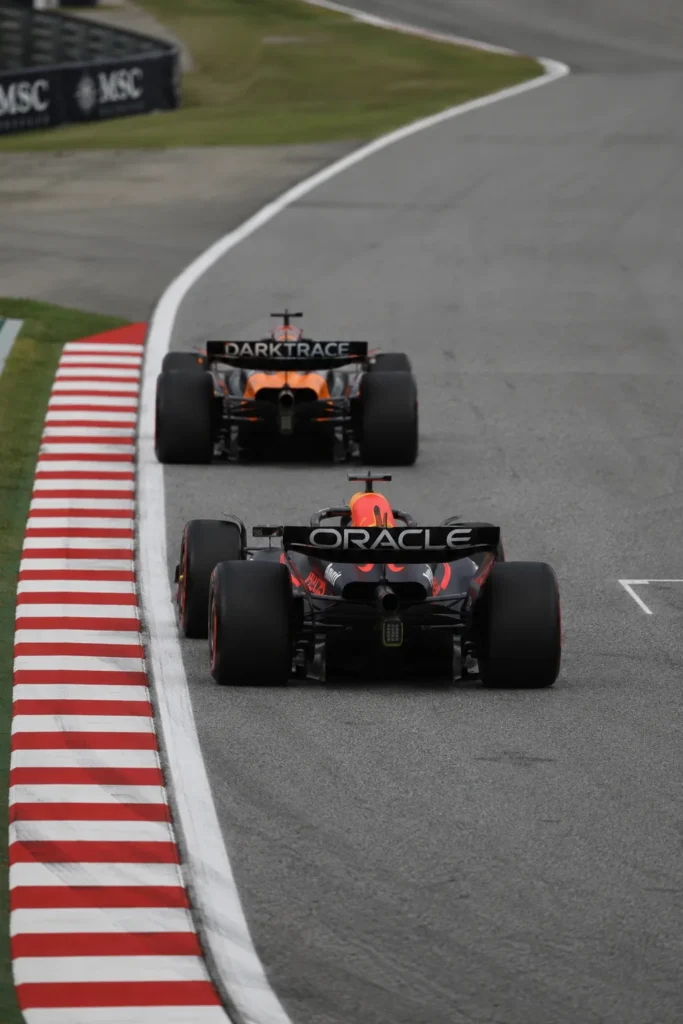
Motorsport fans often debate terminology, asking if drafting means the same thing as our primary topic. Generally, European racing broadcasters use the term “slipstream” when calling Formula 1 and MotoGP events. Conversely, American commentators exclusively use the term “drafting” when describing NASCAR and IndyCar action. Therefore, understanding what is a slipstream means recognizing these regional vocabulary differences.
Despite the different words, the underlying physics remain absolutely identical across the globe. A NASCAR stock car drafting at Daytona uses the exact same fluid dynamics as an F1 car at Silverstone. Consequently, what is a slipstream perfectly translates into drafting without any scientific changes.
Modern Engineering Importance
Aerodynamic engineers constantly fight the invisible atmosphere to create faster, more efficient vehicles. Understanding what is a slipstream remains critical for designing modern overtaking strategies and vehicle shapes. In series like Formula E, drivers use this aerodynamic tow specifically for vital battery energy saving. Furthermore, endurance racing teams calculate these drag reductions to optimize their strict fuel economy targets.
As racing regulations continue evolving, airflow management remains central to motorsport engineering. Therefore, grasping what is a slipstream gives you a massive advantage in understanding modern automotive development. The low-pressure wake will always dictate who crosses the finish line first.
Frequently Asked Questions
What does the term “slipstream” mean?
It describes the pocket of low-pressure, turbulent air created directly behind a fast-moving object. Following inside this specific pocket significantly reduces aerodynamic drag for the trailing vehicle or person.
What is a slipstream in F1?
In Formula 1, drivers position their cars directly behind competitors on long straights to reduce air resistance. This tactic grants them a massive top-speed advantage, making high-speed overtaking maneuvers possible.
Is the effect real in racing?
Yes, it is a scientifically proven aerodynamic phenomenon measured constantly by team telemetry. Engineers rely heavily on this exact drag reduction to calculate race fuel consumption and overtaking deltas.
What is it in GTA 5?
In Grand Theft Auto 5, it acts as a programmed catch-up mechanic for trailing players in online races. Driving behind an opponent triggers glowing wind lines, eventually granting your car an artificial speed boost.
How does the physics process actually work?
The leading vehicle aggressively punches a hole through the dense atmosphere. Consequently, the trailing vehicle drives through the resulting empty space, requiring far less energy to overcome wind resistance.
Conclusion
Ultimately, mastering what is a slipstream completely transforms your understanding of high-speed physics and racing strategy. Motorsport engineers spend countless hours analyzing this invisible wake to secure every possible competitive advantage on the track. Furthermore, this fundamental aerodynamic concept perfectly connects seemingly distinct disciplines, from Formula 1 racing to professional cycling and virtual gaming.
Therefore, whenever you witness a dramatic, high-speed overtake on the final lap, you will know exactly how the trailing driver achieved it. The trailing car simply utilized the low-pressure pocket to maximize its top speed and secure the victory. Consequently, you can now fully appreciate the brilliant intersection of strategic driving and complex fluid dynamics that defines modern motorsport.
Evidence-Based References:
- Motorsport.com – What is DRS in Formula 1 and how does it work?
- NASCAR com – NASCAR Acceleration Nation offers at-home STEM learning
- Sky Sports F1: What does Red Bull engineer Gianpiero Lambiase’s move mean for Max Verstappen?
- Motorsport.com: Max Verstappen’s road to F1: The youngest driver in history