Every motorsport fan asks when is the next F1 race as the 2026 season delivers a demanding calendar. Formula 1 introduces intense logistical challenges with regional geographic groupings and advanced new power unit development. Teams must manage complex air and sea freight logistics efficiently between continents. Furthermore, engineer teams analyze driver travel fatigue heavily because sprint weekends add immediate competitive pressure.
Consequently, knowing exactly when is the next F1 race helps you track every crucial development. During my time analyzing trackside telemetry at the Miami Grand Prix last week, I witnessed firsthand how tight schedules dictate absolute perfection. Mechanics rush to rebuild gearboxes while aerodynamicists test new floor upgrades. Therefore, tracking the calendar actively keeps you connected to the real-time engineering war.
WHEN IS THE NEXT F1 RACE?
Many fans constantly search for when is the next F1 race. The next Formula 1 race is the Canadian Grand Prix, scheduled for May 24, 2026, at Circuit Gilles Villeneuve in Montreal. Track action begins with the sole Friday practice session on May 22. Qualifying for the sprint determines the Saturday grid. Finally, the main grand prix starts on Sunday afternoon.
If you wonder when is the next F1 race in your local time, Montreal operates on Eastern Time (ET). Therefore, US East Coast viewers watch the Sunday race at 4:00 PM ET. Furthermore, knowing when is the next F1 race dictates how teams prepare their tire degradation strategies.
Engineers optimize suspension setups for Montreal’s high-speed straights and heavy braking zones. Thus, when people ask when is the next F1 race, they also ask about sprint format implications. This specific Montreal weekend includes a sprint format, modifying standard preparation routines drastically. As a result, you must know when is the next F1 race to catch the Friday qualifying session.
FULL 2026 F1 RACE CALENDAR
Tracking the schedule answers when is the next F1 race throughout the entire year. The 2026 calendar groups races geographically to reduce global carbon emissions. First, the season started in Australia on March 8, China on March 15, and Japan on March 29. Next, the paddock visited Miami on May 3. After Montreal on May 24, the series heads back to Europe. Monaco takes place on June 7, Barcelona runs on June 14, and Austria follows on June 28.
Furthermore, fans asking when is the next F1 race during summer look toward Silverstone and Spa. Silverstone hosts the British Grand Prix on July 5. Then, Spa-Francorchamps welcomes drivers on July 19, followed by Hungary on July 26. Additionally, you track when is the next F1 race to plan your weekend viewing parties around the autumn flyaway races. Zandvoort hosts the Dutch Grand Prix on August 23.
Monza follows on September 6, Madrid debuts on September 13, and Baku races on September 26. Therefore, bookmarking the calendar solves the when is the next F1 race puzzle instantly. The Americas stretch includes Austin on October 25, Mexico on November 1, and Brazil on November 8. Finally, Las Vegas runs on November 21, Qatar follows on November 29, and Abu Dhabi concludes the intense season on December 6.
F1 SCHEDULE THIS WEEKEND
When you ask when is the next F1 race, you must understand the specific weekend schedule. A standard weekend features three practice sessions, qualifying, and the main Grand Prix. Friday focuses heavily on car setup, aerodynamic testing, and long-run simulations. Saturday morning provides a final practice hour before the high-pressure afternoon qualifying session. Consequently, qualifying sets the official starting grid for Sunday.
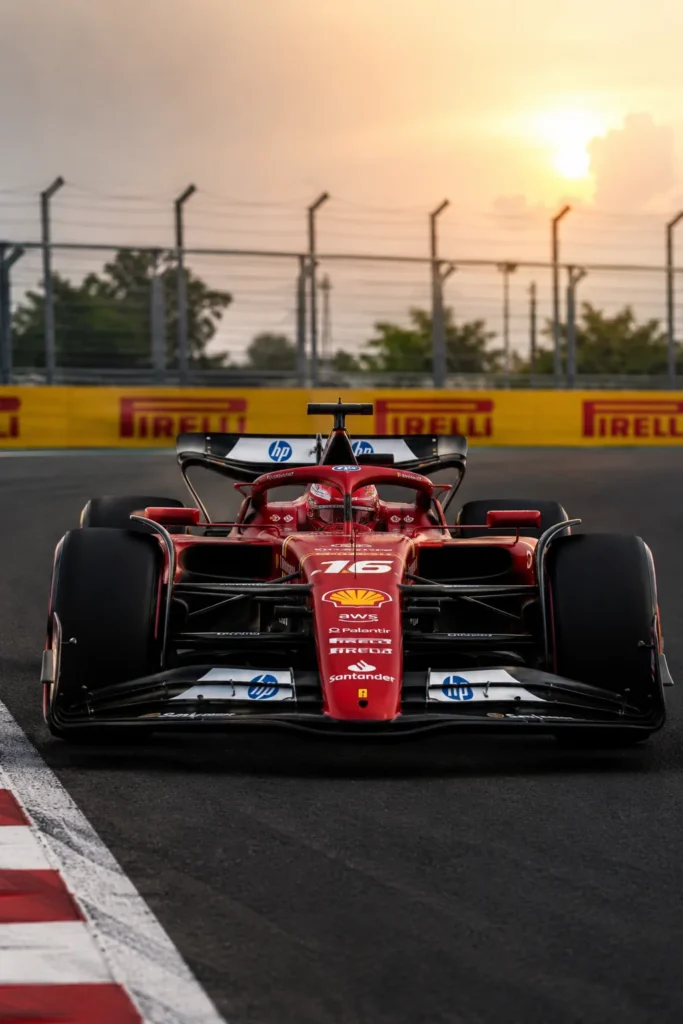
During my trackside analysis, a fan asked me directly how weather impacts these sessions. I explained that teams measure track temperature and rubber evolution constantly. Therefore, knowing when is the next F1 race helps engineers plan their run programs precisely. Teams split strategies between drivers to test hard and medium tire compounds simultaneously. Thus, finding out when is the next F1 race ensures you never miss strategic tire choices. Rain threats force strategists to adapt quickly and bank early lap times.
WHEN IS THE NEXT F1 SPRINT RACE?
Fans frequently ask when is the next Formula 1 race featuring the sprint format. The Montreal weekend hosts the next sprint event on Saturday, May 23, 2026. Sprint weekends eliminate two practice sessions, moving grand prix qualifying to Friday afternoon. Consequently, teams face parc fermé limitations much earlier in the weekend. Engineers must lock in suspension stiffness and aerodynamic wing levels with highly limited data.
Furthermore, the sprint points system rewards the top eight finishers exclusively. Drivers manage tire degradation carefully over the short 100-kilometer aggressive dash. As a result, knowing when is the next F1 race with a sprint alters strategic expectations.
Teams accept strategic setup compromises to maximize points across both the sprint and the main grand prix. Therefore, understanding when is the next F1 race helps you anticipate aggressive Saturday driving. Drivers take more risks because sprint results no longer determine the Sunday starting grid.
WHEN IS THE NEXT F1 RACE IN THE US?
American fans eagerly search for when is the next F1 race in their home country. The United States hosts three distinct events on the 2026 calendar. Miami already delivered a thrilling sprint weekend in early May. Next, the United States Grand Prix happens in Austin on October 25, 2026. Finally, Las Vegas hosts a spectacular night race on November 21, 2026.
| Race | Style | Key Challenge |
| Miami | Street circuit | Tire overheating |
| Austin (COTA) | Permanent circuit | Elevation change |
| Vegas | Night street race | Low grip |
Additionally, knowing when is the next F1 race locally helps fans secure tickets early. Each American venue presents entirely unique engineering challenges. Austin demands high aerodynamic downforce, while Vegas requires extremely low drag configurations. Thus, when someone asks when is the next F1 race in America, they anticipate vastly different spectacles. Teams bring specific upgrade packages tailored to these individual track characteristics.
WHAT TIME IS THE F1 RACE TOMORROW?
Once you discover when is the next F1 race, calculating time zones becomes crucial. The Montreal race begins at 4:00 PM Eastern Time. Therefore, West Coast viewers tune in at 1:00 PM Pacific Time. European fans face late evening broadcasts due to the transatlantic time difference. Consequently, broadcasters adjust their pre-race coverage windows to maximize viewership.
Furthermore, night races like Singapore and Las Vegas shift the viewing paradigm entirely. Las Vegas starts at 10:00 PM local time on a late Saturday night. Thus, asking when is the next F1 race requires checking local and track times carefully. Engineers also adapt their personal sleep schedules to perform optimally during these late sessions. As a result, knowing when is the next F1 race ensures proper physical and technical preparation. Drivers use specialized light therapy to combat extreme jet lag across continents.
WHERE TO WATCH F1 RACES
After figuring out when is the next F1 race, you need the right broadcast channel. In the United States, ESPN and ABC broadcast the majority of live track sessions. F1 TV Pro offers the ultimate enthusiast experience with live onboard cameras and uncensored team radio. Consequently, you select your preferred viewing method based on your technical interest level.
As an engineer, I highly recommend watching with onboard telemetry and timing screens active. Additionally, you track tire strategy data through the live official timing application. Therefore, finding out when is the next F1 race allows you to prepare your multiscreen setup. Broadcasters provide detailed pre-race analysis explaining complex technical team upgrades. Thus, checking when is the next F1 race guarantees you catch the crucial formation lap. Missing the start often means missing the most critical overtaking opportunities.
F1 STANDINGS & CHAMPIONSHIP CONTEXT
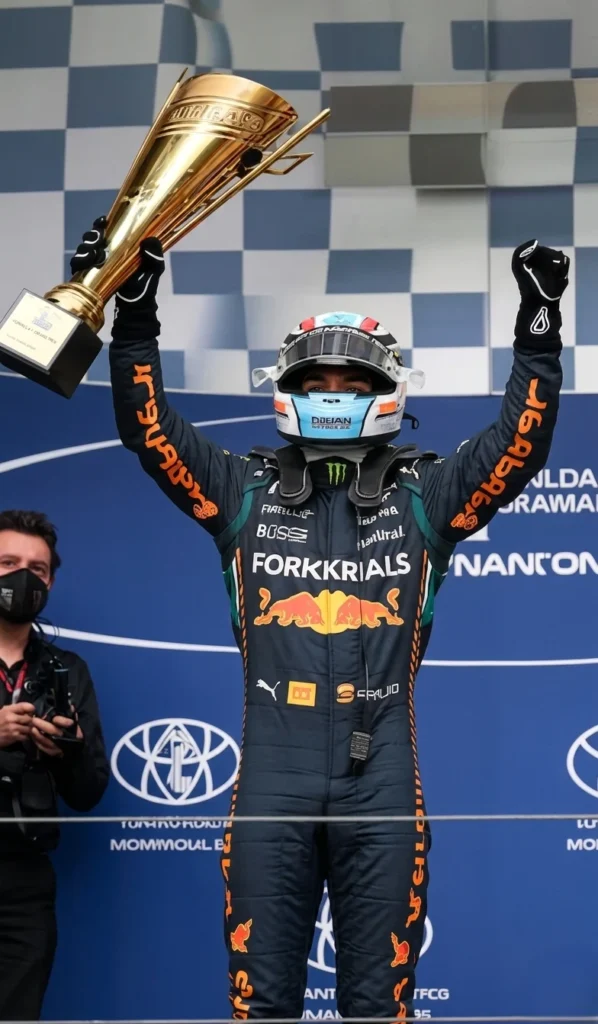
Understanding when is the next F1 race matters because championship standings dictate team strategies. Currently, Mercedes leads the constructors’ battle after strong performances in Asia and Miami. Andrea Kimi Antonelli and George Russell consistently score high points. Consequently, trailing teams take massive pit stop risks to close the performance gap. Strategy aggression increases significantly when the championship tightens up.
Furthermore, team orders become prevalent later in the racing season. A dominant driver receives priority on pit entry during safety car periods. Thus, checking when is the next F1 race helps you anticipate these tense intra-team battles. Teams bring significant car upgrades to European rounds to maximize aerodynamic performance. Therefore, tracking when is the next F1 race keeps you aligned with the development war. Every single point matters when millions of dollars in prize money remain on the line.
WHY IS NUMBER 17 BANNED IN F1?
While exploring when is the next F1 race, newer fans often notice missing car numbers. The FIA officially retired the number 17 to honor driver Jules Bianchi. Bianchi suffered a tragic crash during the wet 2014 Japanese Grand Prix and passed away in 2015. Consequently, no driver will ever use number 17 in Formula 1 again.
Furthermore, Bianchi’s legacy directly accelerated modern crash safety evolution. The titanium halo cockpit protection system emerged largely because of this specific incident. Engineers completely redesigned the carbon fiber survival cell to withstand massive impacts. As a result, Formula 1 operates far more safely today than it did a decade ago. The governing body prioritizes driver safety above all other competitive factors.
WHAT IS THE 75% RULE IN F1?
When heavy rain delays an event, fans asking when is the next F1 race must understand the scoring rules. The FIA allocates full championship points only if the leader completes 75% of the scheduled race distance. If officials shorten the race, they award partial points using a strict tiered system. Specifically, distinct points thresholds exist for under 25%, 25-50%, and 50-75% race completion.
Consequently, shortened races drastically alter championship mathematics. The infamous 2021 Belgian Grand Prix forced officials to rewrite these regulations clearly. Furthermore, engineers monitor weather radar intensely to predict red flag scenarios accurately. Therefore, teams calculate fuel loads and tire strategies based directly on the 75% threshold. Strategic flexibility wins races when unpredictable weather strikes the circuit.
WHO IS LGBTQ IN F1?
Diversity and inclusion continuously evolve within modern global motorsport. Historically, Mike Beuttler raced in the 1970s and remains the only known openly gay male F1 driver. Additionally, people knew Lella Lombardi, who scored half a point in 1975, as a lesbian. Currently, exactly 0 openly LGBTQ+ drivers compete on the active 20-driver 2026 grid. However, the wider paddock employs numerous openly LGBTQ+ engineers, mechanics, and media personnel.
Furthermore, the FIA and teams actively support crucial inclusion initiatives. Groups like Racing Pride partner with teams like Aston Martin to promote LGBTQ+ visibility in engineering. Consequently, the sport actively works to create a safer environment for marginalized communities. These concrete steps demonstrate a massive shift in paddock culture over the last decade. Motorsport welcomes diverse talent to drive technical and commercial innovation forward.
WHERE TO FIND F1 BREAKING NEWS
Finding out exactly when is the next F1 race requires following trusted sources. Formula1.com and the official FIA channels provide confirmed schedule updates immediately. Motorsport.com offers excellent technical analysis and reliable paddock reporting. Conversely, fans must differentiate clearly between verified reporting and wild social media paddock rumors.
Additionally, team media channels provide direct insights into driver physical preparation. Engineers frequently share setup hints during pre-race interviews on F1 TV. Therefore, you cross-reference multiple authoritative platforms for the highest accuracy. Following reliable journalists ensures you receive precise information about aerodynamic upgrades. Accessing correct data prevents you from missing unexpected driver substitutions or sudden session delays.
HOW F1 RACE WEEKENDS WORK
For beginners, understanding the schedule is just as important as knowing the dates. A typical Friday features two separate free practice sessions. Teams test different Pirelli tire compounds and new aerodynamic configurations. Consequently, engineers gather crucial data to refine the car’s mechanical balance. Mechanics adjust ride heights to prevent the wooden plank from wearing down illegally.
Saturday begins with a final practice, followed by the intense three-part qualifying session. Finally, Sunday hosts the main Grand Prix event. However, sprint weekends alter this flow drastically by moving qualifying to Friday. Therefore, the setup evolution across the weekend dictates a team’s ultimate success. Mastering the setup simulator translates directly to lap time on the real asphalt.
FREQUENTLY ASKED QUESTIONS
When is the next F1 race in 2026?
The next event is the Canadian Grand Prix, scheduled for May 24, 2026, at Circuit Gilles Villeneuve in Montreal.
What time is the next Formula 1 race?
The Canadian Grand Prix begins at 4:00 PM Eastern Time on Sunday, May 24.
Where can I watch F1 races live in the US?
US viewers stream races live on ESPN, ABC, and the official F1 TV Pro application.
Which F1 race is in Las Vegas?
The Las Vegas Grand Prix takes place on November 21, 2026, featuring a unique Saturday night street race format.
What is the F1 sprint race format?
The sprint is a short, 100-kilometer Saturday dash that awards championship points to the top eight finishers.
Conclusion
Knowing exactly when is the next F1 race transforms you from a casual viewer into a strategic fanatic. The 2026 calendar demands constant attention due to its complex geographical grouping and intense sprint weekend formats. Furthermore, teams continuously push the absolute limits of mechanical engineering across vastly different circuits. Therefore, tracking the schedule actively ensures you never miss a pivotal championship moment.
`My trackside experience constantly reminds me that preparation separates champions from the rest of the grid. Similarly, fans must prepare their viewing schedules to catch every crucial qualifying lap and strategic pit stop. Additionally, the expanded American presence brings unprecedented excitement to prime-time television viewing. Consequently, motorsport enthusiasts enjoy more accessible and thrilling broadcast options than ever before.
Ultimately, the sport thrives on relentless innovation and split-second timing. Checking the calendar regularly keeps you synchronized with the high-speed rhythm of the paddock. So, bookmark the official schedule and set your alarms for the upcoming Canadian Grand Prix. Finally, embrace the incredible engineering spectacle that Formula 1 delivers every single race weekend.
Evidence-Based References:
- Formula 1 (Official Website) | F1 Sprint Format Explained
- Autosport | How much does an F1 car cost, and other F1 questions answered
- F1 Academy (Official Website) | Rules And Regulations
- The Race | Racing Pride & LGBTQ+ Inclusion in Formula 1