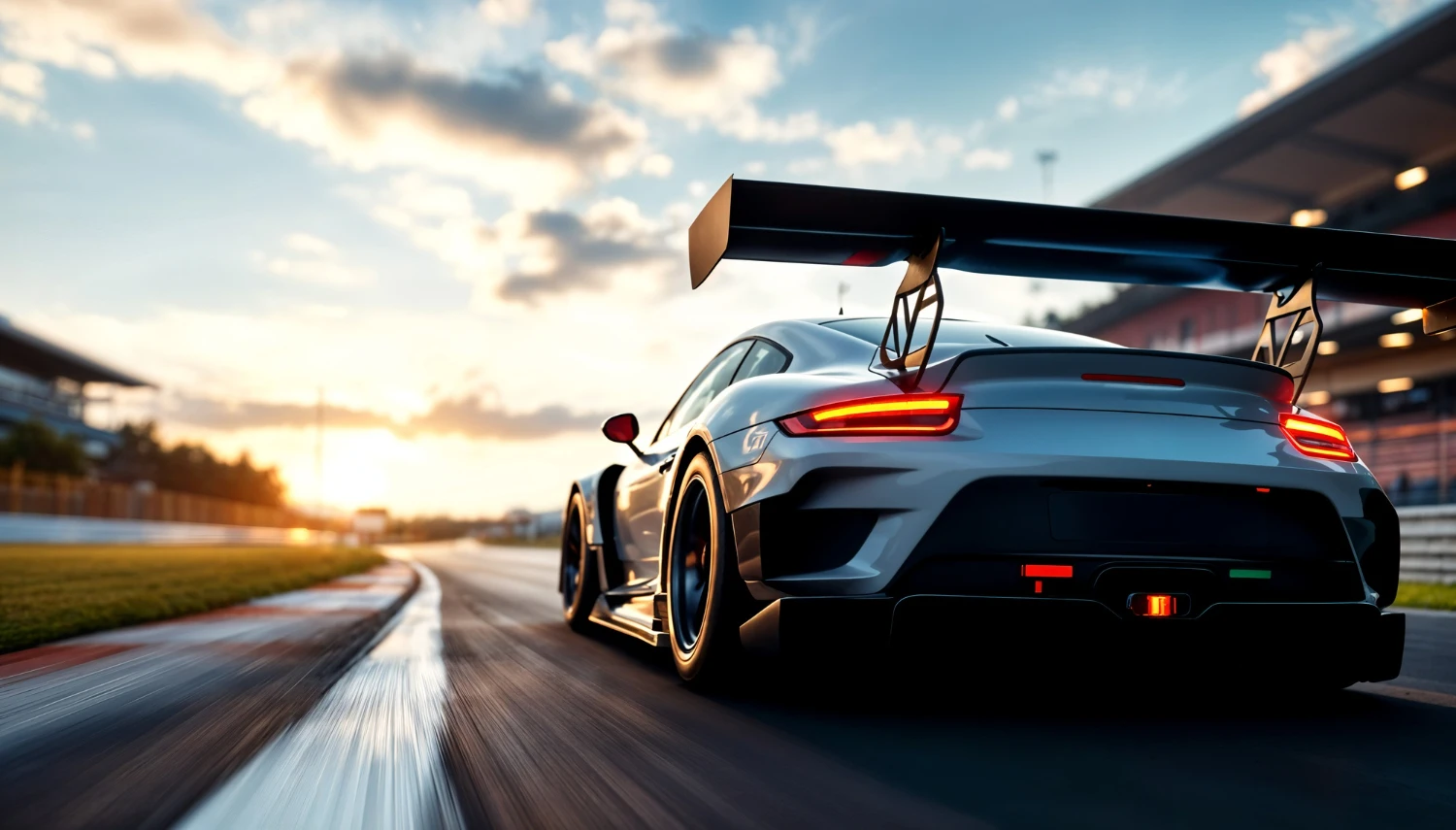

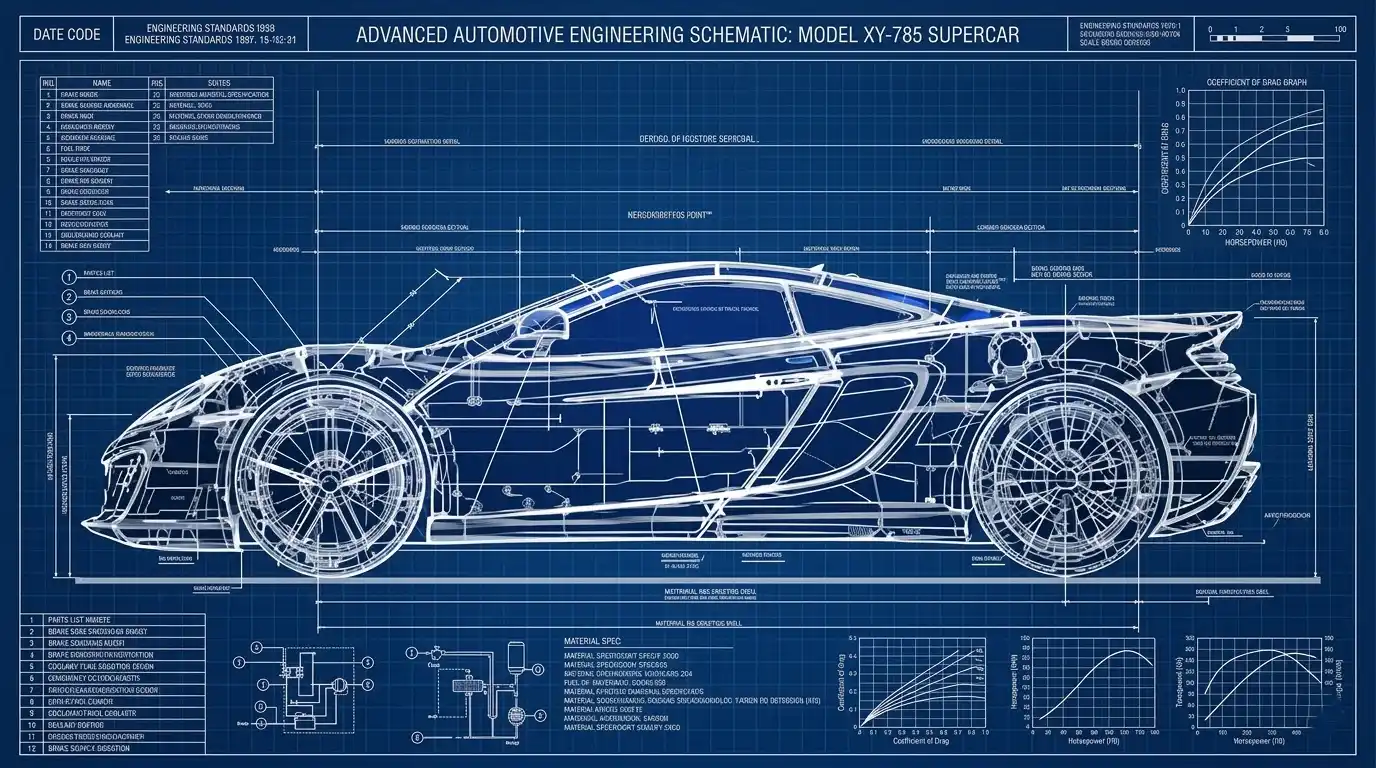
Grand Touring 3 racing represents the pinnacle of global customer motorsport, and therefore understanding a race car mid engine gt3 diagram top side is essential to grasping how these incredible machines balance weight and aerodynamics. In addition, these manufacturers derive these highly advanced vehicles directly from road-going sports cars and heavily modify them for grueling track performance.
Moreover, from the sweeping curves of the Nürburgring to the high banks at Daytona, these cars dominate the endurance racing world. In addition, brands like Ford, Ferrari, and Porsche continually push the boundaries of automotive engineering to claim victory.
Furthermore, one of the most fascinating aspects of this racing category is how different manufacturers approach vehicle dynamics. Specifically, the choice of engine placement drastically alters how a vehicle handles at the absolute limit of tire grip.
In this comprehensive guide, therefore, we will break down the fundamental elements of these incredible racing machines. You will explore detailed specifications, aerodynamic layouts, and, ultimately, the cutting-edge technology that drives modern GT3 racing.
What Does a Race Car Mid-Engine GT3 Diagram Top Side Reveal?
GT3 refers to a specific set of regulations created by the Fédération Internationale de l’Automobile (FIA) for grand tourer racing cars. Moreover, introduced in 2005, the category allows a wide variety of car types to compete on an equal playing field.
In order to achieve fairness across wildly different engine layouts and vehicle shapes, the FIA employs a system called the Balance of Performance (BoP). Specifically, this system adjusts parameters like vehicle weight, engine power, and aerodynamics to ensure no single manufacturer dominates.
When you look at a race car mid-engine GT3 diagram top side, you can instantly see how engineers package components to meet these BoP requirements. The visual layout highlights how weight is distributed between the axles.
Because of this brilliant regulatory framework, the category is utilized in prestigious racing series worldwide. You will see these cars battling in the IMSA WeatherTech SportsCar Championship, the FIA World Endurance Championship (WEC), and the GT World Challenge.
Analyzing the Race Car Mid Engine GT3 Diagram Top Side Layout
Visualizing the internal layout is crucial for understanding a vehicle’s track performance. A race car mid engine GT3 diagram top side clearly shows why brands like Lamborghini, McLaren, and Ferrari favor this configuration.
During my time covering the IMSA WeatherTech SportsCar Championship paddock in 2025, a lead race engineer walked me through a physical schematic of their new chassis. He pointed out how every carbon fiber duct was meticulously routed around the central engine block.
From a top-down view in this diagram, you can see the engine block sitting directly behind the driver’s seat and ahead of the rear axle. This placement centralizes the heaviest component of the vehicle—the powertrain—right in the middle of the chassis.
The benefits of this weight distribution become incredibly clear on the track. Keeping the mass centralized significantly reduces the vehicle’s polar moment of inertia, allowing the car to rotate into tight corners much faster and maintain greater overall stability.
Furthermore, this race car mid engine GT3 diagram’s top-side layout optimizes aerodynamic airflow perfectly. Without a massive engine blocking the front, engineers can design aggressive air channels through the nose to increase front downforce efficiently.
Race Car Mid Engine GT3 Diagram Top Side vs Rear Engine Designs
A frequent question among motorsport newcomers is whether these cars use a rear or mid-engine layout to achieve their incredible lap times. GT3 cars can be rear-engine, mid-engine, or front-engine, depending entirely on the base production car they are derived from. The rules require the race car to share its core architecture with a road-legal counterpart.
If you compare a race car mid engine GT3 diagram top side to a rear-engine blueprint, the differences are stark. The Lamborghini Huracán GT3 utilizes a mid-engine layout, placing the V10 directly behind the driver for neutral handling.
Conversely, the Porsche 911 GT3 famously utilizes a strict rear-engine layout. Meanwhile, the newly developed Ford Mustang GT3 utilizes a front-engine layout, positioning a massive V8 ahead of the driver.
The beauty of this racing category is that the FIA allows these vastly different layouts to compete together. They meticulously balance the performance, ensuring mid-engine agility races fairly against front-engine muscle.
Where Does the Engine Sit in a Porsche?
When discussing the iconic Porsche 911 platform, Porsche places the engine in a configuration that is completely unique compared to the rest of the competitive racing grid.
In a traditional Porsche 911, including its GT3 racing variants, the car utilizes a strict rear-engine layout. This means the entirety of the engine block sits completely behind the rear axle, hanging off the back of the chassis.
This specific design gives the 911 incredibly unique handling characteristics that drivers must master. The heavy rear weight bias provides immense traction out of slow corners, allowing drivers to apply full throttle much earlier than their mid-engine competitors.
Porsche keeps this design due to brand heritage, as the rear-engine layout has defined the 911 since its inception. Furthermore, Porsche has spent decades refining the suspension geometry to tame the pendulum effect inherent in rear-engine designs.
Is GT3 and GT3 RS the Same Engine?
Enthusiasts often wonder about the differences between Porsche’s standard track-focused model and its hardcore RS variant, and if they share parts.
They share a similar base engine block, but they differ significantly in tuning, internal components, aerodynamics, and overall track performance. Both utilize a 4.0-liter naturally aspirated flat-six architecture.
However, the Porsche 911 GT3 RS is tuned to deliver slightly higher horsepower and rev more aggressively. Furthermore, the RS utilizes much shorter gear ratios to prioritize track acceleration over ultimate top speed.
| Feature | 911 GT3 | 911 GT3 RS |
| Engine Base | 4.0L naturally aspirated flat-six | 4.0L naturally aspirated flat-six |
| Power Output | 502 horsepower | 518 horsepower |
| Aerodynamics | Moderate, street-friendly downforce | Extreme, active track-focused aero |
| Cooling Layout | Dual front radiators | Single central radiator (race style) |
Best GT3 Cars to Race With (Based on Layout)
Determining the absolute best car to race with is subjective and highly dependent on numerous external factors and team budgets.
Because of the Balance of Performance regulations, no single car holds a permanent straight-line or cornering advantage. Choosing the right vehicle depends entirely on driving style, specific track conditions, and the resources of the team running the operation.
The Porsche 911 GT3 R
This model is known for its incredible braking stability and tire management over long stints. Because the rear-engine layout puts so much weight over the rear tires, it is a masterclass in corner-exit acceleration.
The Ferrari 296 GT3
When analyzing a race car mid engine GT3 diagram top side for this car, you see pure aerodynamic perfection. The mid-mounted twin-turbo V6 provides a lower center of gravity, making it incredibly agile through high-speed, sweeping corners.
The Mercedes-AMG GT3
This car is widely praised by amateur and professional drivers alike for its forgiving handling. The front-mid-mounted 6.2L naturally aspirated V8 provides massive, predictable torque that makes it a dominant force in endurance racing.
Mustang GT3 Specifications
The introduction of the Ford Mustang to global GT racing has sent shockwaves through the European-dominated motorsport community. Developed by Ford Performance in partnership with Multimatic Motorsports, this vehicle is an absolute powerhouse.
To truly understand this machine, we must dive deep into the Mustang GT3 specifications. Engineers developed a heavily modified, naturally aspirated 5.4-liter Coyote-based V8 engine in collaboration with M-Sport, and it powers the car.
Because it utilizes a front-engine layout, engineers had to get creative to achieve optimal weight distribution. They moved the 6-speed Xtrac sequential gearbox to the rear of the car, creating a rear-mounted transaxle system.
Aerodynamically, the Mustang features wide carbon fiber body panels, a massive swan-neck rear wing, and a highly aggressive front splitter. It utilizes a bespoke short-long arm suspension setup with Multimatic adjustable dampers to maintain mechanical grip.
What Makes the Ford Mustang GT3 So Special?
The arrival of this American muscle car on international racing circuits is a massive milestone for Ford and global racing fans.
This is the very first time Ford has built a Mustang specifically homologated for global FIA GT3 competition, rather than just localized series. Despite its boxy muscle-car origins, the vehicle was heavily wind-tunnel optimized for aerodynamic efficiency.
The high downforce package includes aggressive dive planes and a massive rear diffuser to channel turbulent air efficiently beneath the chassis. This car proudly carries the legacy of Ford’s historic endurance battles at Le Mans.
By sticking to a naturally aspirated 5.4L V8, Ford prioritized iconic sound, linear power delivery, and extreme endurance reliability. Professional drivers note that the rear transaxle creates an incredibly balanced and forgiving handling dynamic.
What’s New in the New GT3 Regulations?
As motorsport technology rapidly evolves, the newest generation of these cars features incredible leaps in mechanical engineering and safety.
The most noticeable updates in modern racing cars revolve around improved underbody aerodynamics and thermal cooling. Manufacturers are utilizing more complex carbon fiber floor pans to generate ground-effect downforce without creating massive straight-line drag.
Furthermore, we are seeing the integration of lightweight materials in suspension components and improved tire management systems. Teams are now using highly advanced telemetry sensors to monitor tire carcass temperatures in real-time.
In the latest chassis updates across the grid, engineers have heavily refined front suspension geometry. Many have shifted to double-wishbone setups, dramatically increasing front-end grip and aerodynamic downforce stability under heavy braking.
Porsche 992 GT3 Cup Technical Manual
For racing teams and independent motorsport mechanics, the absolute holy grail of information is the official technical manual for their vehicle.
If you were to review a Porsche 992 GT3 Cup technical manual, you would find an exhaustively detailed breakdown of a purpose-built racing machine. This document dictates exactly how the car must be maintained to ensure peak track performance.
The manual highlights the specifications of the 4.0-liter, water-cooled six-cylinder boxer engine, which outputs 510 horsepower at a screaming 8,400 rpm. It details the internal pressure-oil lubrication system designed for high-G cornering.
Furthermore, the manual explains the intricate suspension setup and the shift to a double-wishbone front suspension with non-adjustable shock absorbers. It outlines the exact camber and toe adjustment ranges permitted for legal track alignment.
What Is an LMGT3 Porsche?
With the recent restructuring of global endurance racing, a brand new class designation has emerged on the track.
LMGT3 stands for the Le Mans GT3 category, which was introduced by the FIA and the Automobile Club de l’Ouest (ACO). This class officially replaced the older, much more expensive GTE class in the World Endurance Championship.
Porsche’s role in this new era is highly prominent and successful. Porsche fields the 911 GT3 R as its official entry, and engineers have specially adapted it with mandatory torque sensors and specific aerodynamic tweaks to meet strict LMGT3 regulations.
Partnered customer teams such as Manthey Racing campaign these cars, focusing primarily on dominating prestigious global endurance events like the 24 Hours of Le Mans.
What Does the New Porsche GT3 Look Like?

The visual evolution of Porsche’s dedicated track weapons is a true masterclass in highly functional aerodynamic design. If you are wondering what the new Porsche GT3 looks like, imagine a wider, much more aggressive stance compared to any standard 911. The front fascia features gaping air intakes and twin air-escape vents cut deeply into the carbon fiber hood.
Moving to the side profile, the vehicle sits incredibly low to the ground on forged center-lock racing wheels. The fenders are radically widened to accommodate the massive Michelin racing slicks required for track grip.
The rear of the vehicle is dominated by a gigantic, swan-neck mounted rear wing. This top-mounting design cleans up the critical airflow underneath the wing blade, working perfectly in tandem with the massive rear diffuser.
Evaluating a Used Race Car Mid Engine GT3 Diagram Top Side
For amateur racing teams and wealthy privateers, buying a second-hand racing chassis is a common and cost-effective entry point into the sport.
When analyzing a used race car mid engine gt3 diagram top side, potential buyers are looking for very specific wear points. Because the engine sits so low and central in the chassis, understanding this diagram helps mechanics locate crucial mounting areas.
Reviewing a race car mid engine gt3 diagram top side helps teams trace cooling lines that may have suffered severe heat degradation over time. If you are entering the market for a used racing vehicle, you must meticulously check the chassis.
Reviewing the car’s official racing logbook and verifying its homologation status is absolutely vital. This ensures the chassis is structurally sound and still fully legal to compete in modern, sanctioned racing series.
Frequently Asked Questions
Is GT3 a rear or mid engine?
Depending on the base production model, these race cars can feature a rear-engine layout (Porsche 911), a mid-engine layout (Ferrari 296), or a front-engine layout (Aston Martin Vantage).
What is the best GT3 car to race with?
There is no single “best” car because the FIA uses a Balance of Performance system to perfectly equalize lap times. The ideal car depends entirely on driver preference, specific track layouts, and tire management needs.
Where does the engine sit in a Porsche?
In the vast majority of Porsche 911 models used for racing, the engine sits completely behind the rear axle. This gives the car its signature rear-weight bias and incredible corner-exit traction.
Is GT3 and GT3 RS the same engine?
They share the exact same base 4.0L flat-six architecture, but the RS version features higher internal tuning. It utilizes modified camshaft profiles and a higher horsepower output optimized specifically for aggressive track driving.
Why do teams use a race car mid engine gt3 diagram top side?
Teams use a race car mid engine gt3 diagram top side to understand weight distribution and optimize cooling packages. It allows engineers to visually map out airflow routing and vital component placement for endurance maintenance.
Conclusion
Mid-engine GT3 race cars represent the perfect balance of performance, precision, and engineering efficiency. By placing the engine centrally, these machines achieve superior weight distribution, sharper handling, and enhanced aerodynamic potential—key advantages on competitive tracks. From their optimized layouts to cutting-edge specs, GT3 models continue to set the benchmark in modern motorsport, combining innovation with race-proven reliability.
Evidence-Based References:
- Racecar Engineering (Deep dive into race car aerodynamics and how aerodynamic downforce/ride height works)
- Motorsport.com: This is how much it costs to race a full DTM season
- Racecar Engineering: Porsche 911 GT3R
- Fortloc Motorsports: GT Car Race Cars (Grand Touring or Gran Turismo)—All All You Need to Know