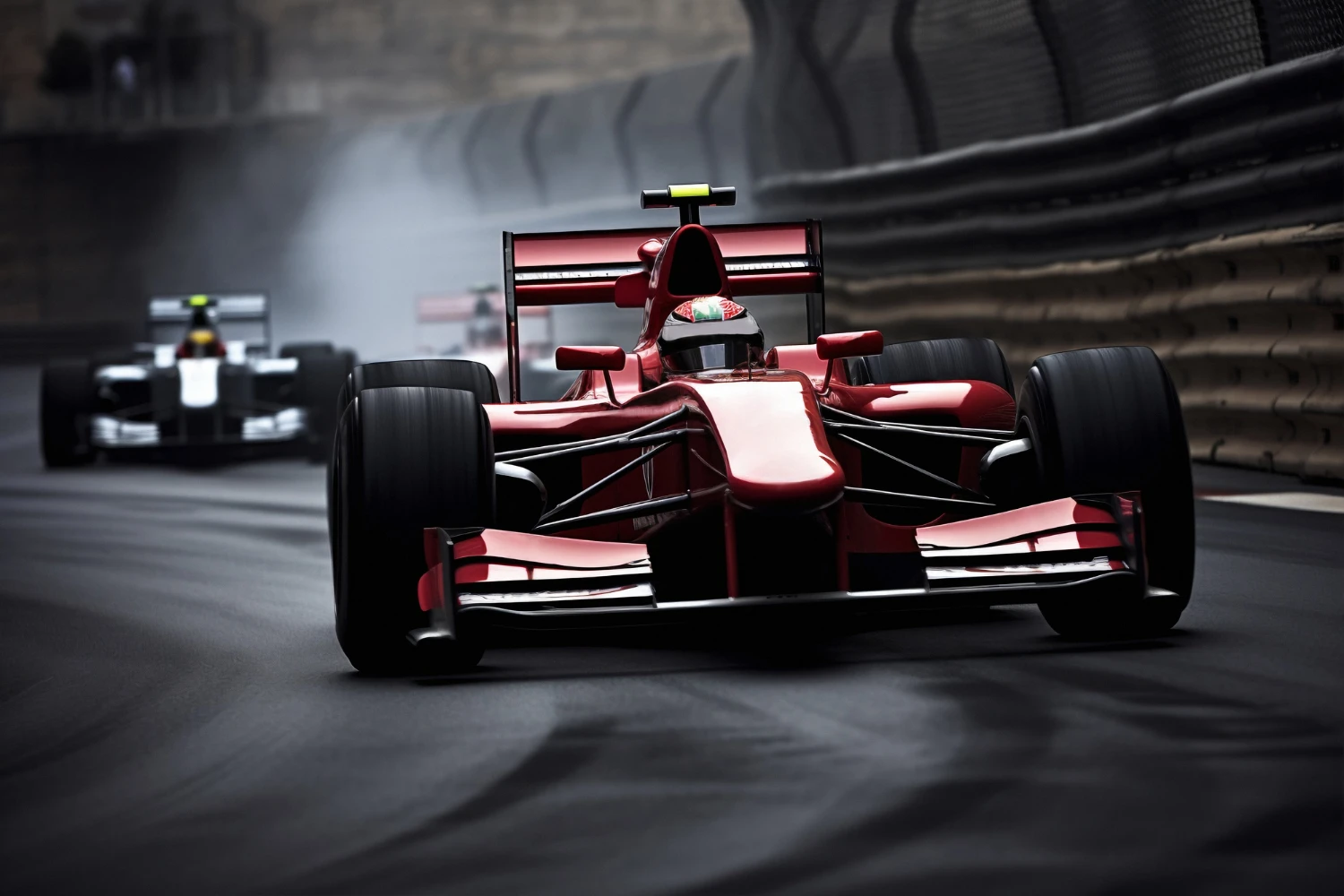

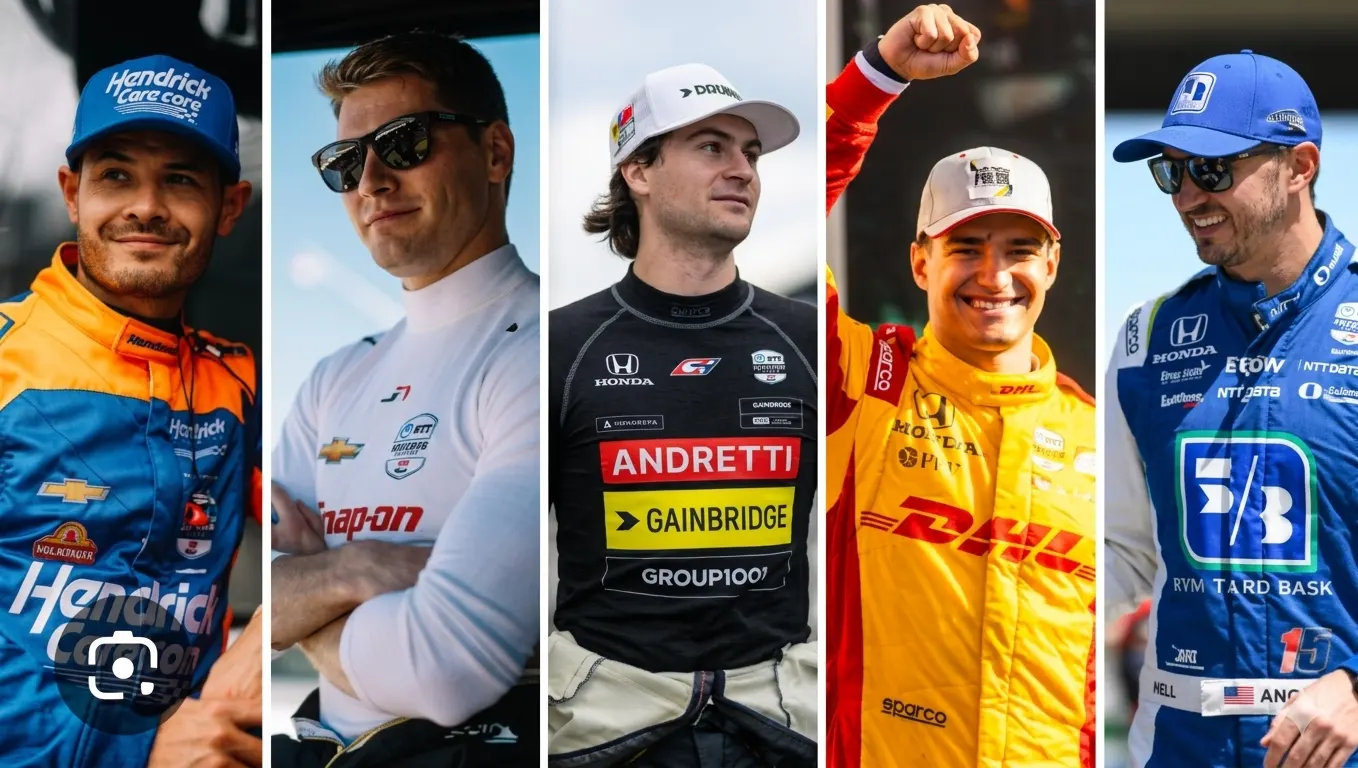
From veteran champions mastering fuel strategy to fearless rookies attacking tight street circuits, the 2026 IndyCar grid combines precision, aggression, and elite racecraft across one of motorsport’s most competitive championships. If you are searching for the ultimate IndyCar drivers list, look no further. The NTT IndyCar Series stands apart from other global motorsports because of its grueling diversity. Drivers are forced to adapt to high-speed superspeedways, sweeping natural terrain road courses, and unforgiving temporary street circuits, sometimes all within a single month.
This comprehensive 2026 guide covers everything: from the full IndyCar driver lineup, current standings, and team hierarchies, to deep-dives into driver salaries, rookie prospects, and the intricate technical rules that govern the sport.
Full IndyCar Drivers List (2026 Season)
The 2026 IndyCar full driver lineup features a thrilling mix of multi-time champions, international open-wheel stars, and rising prodigies from the Indy NXT developmental series. Below is the complete roster of full-time drivers competing in the 2026 NTT IndyCar Series.
| Driver | Team | Car Number | Nationality | Engine |
| Álex Palou | Chip Ganassi Racing | 10 | Spain | Honda |
| Scott Dixon | Chip Ganassi Racing | 9 | New Zealand | Honda |
| Kyffin Simpson | Chip Ganassi Racing | 8 | Cayman Islands | Honda |
| Josef Newgarden | Team Penske | 2 | USA | Chevrolet |
| Scott McLaughlin | Team Penske | 3 | New Zealand | Chevrolet |
| Will Power | Team Penske | 12 | Australia | Chevrolet |
| Pato O’Ward | Arrow McLaren | 5 | Mexico | Chevrolet |
| Christian Lundgaard | Arrow McLaren | 7 | Denmark | Chevrolet |
| Nolan Siegel | Arrow McLaren | 6 | USA | Chevrolet |
| Colton Herta | Andretti Global | 26 | USA | Honda |
| Kyle Kirkwood | Andretti Global | 27 | USA | Honda |
| Marcus Ericsson | Andretti Global | 28 | Sweden | Honda |
| Alexander Rossi | Ed Carpenter Racing | 20 | USA | Chevrolet |
| Christian Rasmussen | Ed Carpenter Racing | 21 | Denmark | Chevrolet |
| David Malukas | A.J. Foyt Enterprises | 4 | USA | Chevrolet |
| Santino Ferrucci | A.J. Foyt Enterprises | 14 | USA | Chevrolet |
| Felix Rosenqvist | Meyer Shank Racing | 60 | Sweden | Honda |
| Marcus Armstrong | Meyer Shank Racing | 66 | New Zealand | Honda |
| Graham Rahal | Rahal Letterman Lanigan | 15 | USA | Honda |
| Louis Foster (R) | Rahal Letterman Lanigan | 45 | UK | Honda |
| Rinus VeeKay | Dale Coyne Racing | 18 | Netherlands | Honda |
| Callum Ilott | PREMA Racing | 90 | UK | Chevrolet |
| Robert Shwartzman (R) | PREMA Racing | 83 | Israel | Chevrolet |
| Conor Daly | Juncos Hollinger Racing | 76 | USA | Chevrolet |
(R) denotes Rookie status for the 2026 season.
Top IndyCar Drivers Ranked (2026)
When establishing IndyCar driver rankings, sheer speed is only half the equation. The top IndyCar drivers are defined by their adaptability. Winning a championship requires surviving the chaos of turn one at Long Beach, executing flawless pit sequences at Road America, and maintaining 235-mph focus during the Indy 500.
Here are the top active drivers ranked by their current dominance and championship pedigree heading into 2026:
1. Álex Palou (Chip Ganassi Racing)
Palou is currently the undisputed king of modern IndyCar. Securing championships in 2021, 2023, and 2024, the Spaniard possesses a mechanical sympathy and tire-saving ability reminiscent of Alain Prost. Palou rarely makes mistakes, maximizing his points on bad days and utterly dominating on good ones.
2. Josef Newgarden (Team Penske)
If Palou owns the road courses, Newgarden is the current master of the ovals. The two-time series champion (2017, 2019) and back-to-back Indianapolis 500 winner (2023, 2024) is ruthlessly aggressive. He is arguably the most complete American driver of his generation.
3. Scott Dixon (Chip Ganassi Racing)
“The Iceman” defies aging. With six series championships and an all-time record for podium finishes (over 140), Dixon is the ultimate strategist. He can stretch a tank of fuel further than anyone else on the grid, routinely turning mid-pack qualifying efforts into spectacular podium finishes through sheer strategic brilliance.
4. Pato O’Ward (Arrow McLaren)
O’Ward brings raw, electrifying car control to the grid. The Mexican superstar possesses the fastest hands in the sport, aggressively wrestling his Arrow McLaren Chevrolet through corners that would terrify lesser drivers. While he sometimes sacrifices tire life for raw pace, he remains a persistent championship threat.
5. Scott McLaughlin (Team Penske)
Transitioning from Australian Supercars to open-wheel racing is notoriously difficult, but McLaughlin made it look easy. He has evolved into a lethal qualifier and a dominant force on natural terrain road courses.
IndyCar Drivers Championship Standings (2026)
Tracking the IndyCar drivers standings provides a real-time pulse of the season’s momentum. The points format heavily rewards consistency; a single DNF (Did Not Finish) due to a mechanical failure can instantly drop a driver out of championship contention.
Below is a snapshot of how a typical top-tier IndyCar drivers championship battle shapes up in the modern era based on early-season momentum:
| Rank | Driver | Team | Points | Wins | Top 5s |
| 1 | Álex Palou | Ganassi | 324 | 4 | 8 |
| 2 | Josef Newgarden | Penske | 299 | 3 | 6 |
| 3 | Scott Dixon | Ganassi | 285 | 1 | 7 |
| 4 | Pato O’Ward | Arrow McLaren | 260 | 1 | 5 |
| 5 | Colton Herta | Andretti | 245 | 1 | 4 |
Because the Indianapolis 500 occasionally features modified point structures, May is traditionally the make-or-break month for any driver’s IndyCar driver points haul.
IndyCar Teams & Driver Lineups
In IndyCar, teams purchase a standardized chassis from Dallara, but how they engineer the suspension, dampers (shock absorbers), and aerodynamics separates the front of the grid from the back. The indycar team list 2026 is dominated by the “Big Three,” though rising teams are constantly challenging the status quo.
Chip Ganassi Racing (Honda)
Ganassi operates under the motto “I Like Winners.” They are the reigning dynasty of the sport, known for incredible engineering depth and fuel-mapping superiority. For 2026, their lineup is incredibly potent with Álex Palou, Scott Dixon, and young talent Kyffin Simpson.
Team Penske (Chevrolet)
Roger Penske’s organization is the gold standard of motorsport professionalism. Their cars are meticulously prepared, and their pit crews are famously fast. The trio of Josef Newgarden, Will Power, and Scott McLaughlin forms arguably the most balanced and lethal lineup in the paddock.
Arrow McLaren (Chevrolet)
Backed by the massive resources of McLaren Racing CEO Zak Brown, this team has aggressively expanded to challenge Ganassi and Penske. With Pato O’Ward, Christian Lundgaard, and rising prodigy Nolan Siegel, Arrow McLaren represents the aggressive, youthful future of the sport.
Andretti Global (Honda)
Michael Andretti’s team boasts incredible single-lap speed but has historically struggled with race-day consistency and strategic blunders. Colton Herta, Kyle Kirkwood, and Marcus Ericsson make up a formidable trio capable of sweeping street-course weekends when their setups hit the ideal operating window.
Most Famous IndyCar Drivers of All Time
To appreciate the best IndyCar drivers of all time, you have to look at the history books. These are the titans who built the foundation of American open-wheel racing.
- A.J. Foyt: The ultimate ironman. Foyt holds the all-time record for IndyCar wins (67) and was the first driver to win the Indianapolis 500 four times. He won on dirt, pavement, road courses, and superspeedways.
- Mario Andretti: With 52 career victories and four championships, Andretti’s name is synonymous with speed. He is the only driver to win the Indy 500, the Daytona 500, and the Formula One World Championship.
- Scott Dixon: As the greatest driver of the modern era, Dixon is chasing Foyt’s all-time win record. His six championships place him second only to A.J. Foyt (who has seven).
- Rick Mears: “Rocket Rick” was the master of the Indianapolis Motor Speedway. A four-time Indy 500 winner and three-time series champion, Mears defined the aerodynamic era of the 1980s with Team Penske.
IndyCar Rookie Drivers 2026
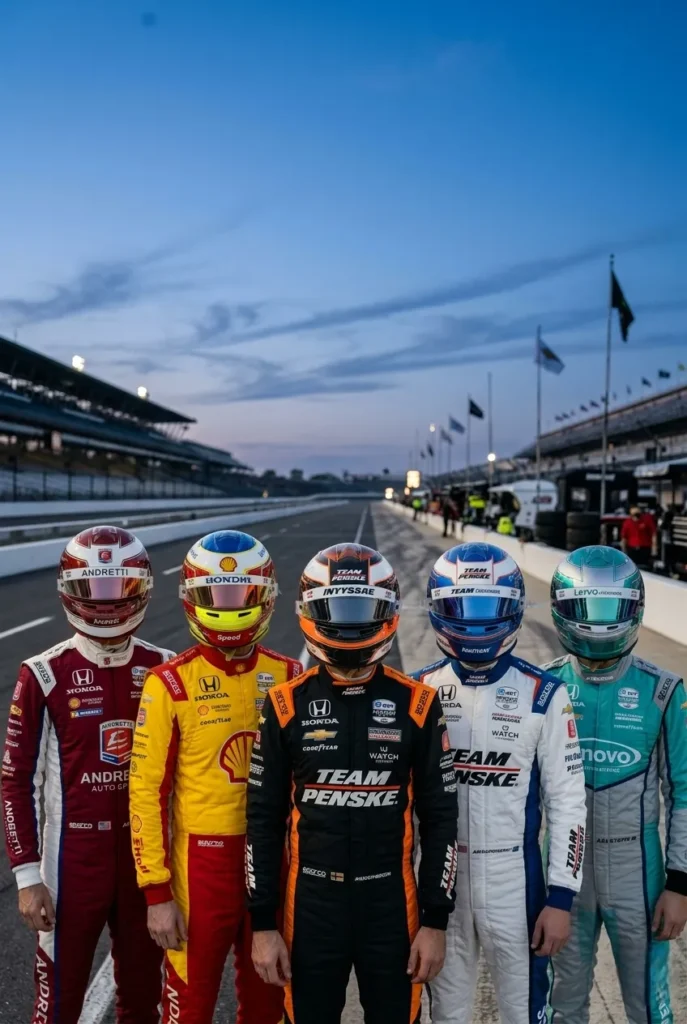
The transition from junior formulas to a full-size IndyCar is brutal. Rookies must learn to navigate 3,200 pounds of downforce without power steering, all while managing severe tire degradation.
The IndyCar rookie drivers 2026 class is highlighted by highly anticipated talent:
- Louis Foster (Rahal Letterman Lanigan): Coming off a dominant run in the Indy NXT developmental series, the British driver steps up to the main stage. His smooth driving style is well-suited for saving tires on street circuits.
- Robert Shwartzman (PREMA Racing): The former Ferrari F1 reserve driver brings his immense European road-racing pedigree to America as PREMA Racing launches its inaugural IndyCar campaign.
The steepest learning curve for these rookies will be the high-speed ovals like Texas or Indianapolis, where a tiny setup miscalculation can result in a catastrophic crash.
IndyCar Driver Salary & Net Worth Explained
Unlike Formula 1, where budgets are practically limitless, the IndyCar financial model is much more grounded, leading to significant variations in IndyCar drivers salary.
- Top Tier (Champions and Indy 500 Winners): Drivers like Álex Palou, Josef Newgarden, and Scott Dixon command base salaries between $3 million and $4 million per year.
- Mid-Tier (Consistent Podium Finishers): Solid full-time drivers typically earn between $750,000 and $1.5 million annually.
- Rookies and Pay Drivers: Entry-level drivers might make $150,000 to $300,000. In some cases, drivers must bring their own sponsorship funding just to secure a seat, taking a percentage of the sponsor money rather than a traditional salary.
Prize Money: A major component of an IndyCar drivers net worth is prize money. Winning the Indianapolis 500 yields a massive payout. For instance, recent Indy 500 winners have taken home upward of $3.8 to $4.2 million for that single race, with a significant percentage going directly to the driver depending on their contract.
IndyCar Driver Stats: Wins, Podiums & Records
When debating the greats, the numbers speak for themselves. The indycar driver stats sheet reflects careers built on longevity and adaptability.
Active Drivers: All-Time Win Leaders (Heading into 2026)
| Driver | Career Wins | Championships | Indy 500 Wins |
| Scott Dixon | 58 | 6 | 1 |
| Will Power | 41 | 2 | 1 |
| Josef Newgarden | 31 | 2 | 2 |
| Álex Palou | 11+ | 3 | 0 |
| Colton Herta | 8+ | 0 | 0 |
Note: Dixon’s 58 wins put him firmly in 2nd place on the all-time list, chasing A.J. Foyt’s historic 67.
How IndyCar Drivers Are Ranked
If you want to know how IndyCar points work, you have to look beyond just the race winner. The indycar championship format is designed to keep the title fight mathematically open until the final race of the season.
- Race Finish: The winner receives 50 points, second place gets 40, third gets 35, scaling down incrementally to 5 points for finishing 25th or lower.
- Bonus Points: * 1 point for winning the pole position.
- 1 point for leading at least one lap in the race.
- 2 points for leading the most laps in the race.
In IndyCar, a driver finishing fourth consistently (32 points per race) can easily defeat a driver who alternates between winning (50 points) and crashing out early (5 points). Consistency is paramount.
IndyCar Drivers by Age & Experience
The physical demands of an IndyCar—which does not have power steering—are immense. Drivers experience up to 5 Gs of lateral force in corners, requiring massive neck and shoulder strength.
- The Veterans: Drivers like Scott Dixon (40s) and Will Power (40s) rely on racecraft, physical endurance conditioning, and supreme strategic knowledge to outsmart the grid.
- The Prime: Drivers in their late 20s to early 30s (Palou, Newgarden, Rossi) have the ideal blend of youthful reflexes and veteran track knowledge.
- The Young Guns: Drivers under 25 (Herta, O’Ward, Siegel) bring raw aggression and lightning-fast reflexes, though they occasionally lack the tire-management patience required for long stints.
Key Drivers to Watch in 2026
- David Malukas (A.J. Foyt Enterprises): After a turbulent 2024 season marred by injury, Malukas has found a home with Foyt. Known for his bravery on ovals, he is a dark horse to steal a win at Gateway or Iowa.
- Callum Ilott (PREMA Racing): The highly respected British driver finally gets a shot with a globally renowned team entering IndyCar. His development of the PREMA chassis will be a massive storyline.
- Santino Ferrucci (A.J. Foyt Enterprises): Ferrucci has proven to be a pure savant at the Indianapolis 500, consistently battling the massive teams on a fraction of the budget. Watch him closely in May.
IndyCar Racing Explained for Beginners
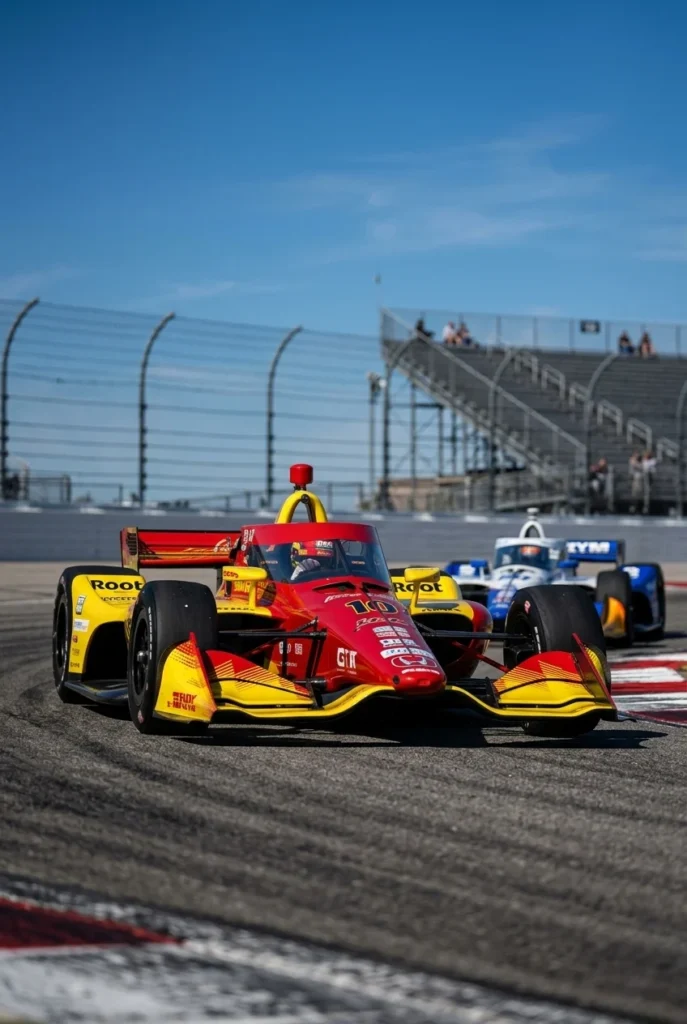
If you are new to the sport and wondering what is IndyCar racing, here is the simplified breakdown.
IndyCar is a “spec chassis” racing series. Every single team uses the exact same base car—the Dallara DW12. Because the cars are identical, the racing is incredibly close. The difference between 1st place and 20th place in qualifying is often less than one second.
Key Tactical Elements:
- Push-to-Pass: On road and street courses, drivers have a button on their steering wheel that provides an extra 60 horsepower for a limited amount of time (typically 150-200 seconds total per race). Knowing when to use it to attack, or save it to defend, is critical.
- Refueling: Unlike F1, IndyCar requires drivers to refuel during the race. This introduces the “overcut” and “undercut” pit stop strategies, where drivers try to find clear track to run fast laps while their opponents are stuck in the pits.
- Tire Compounds: On road courses, teams must use two types of Firestone tires: the “Primary” (Black sidewall – harder, lasts longer, less grip) and the “Alternate” (Red sidewall – softer, faster, degrades quickly).
IndyCar vs F1 vs NASCAR: Key Differences
To fully grasp the indycar vs f1 difference or the indycar vs nascar difference, you have to look at the philosophy of the rulebook.
| Feature | IndyCar | Formula 1 | NASCAR |
| Top Speed | ~240 mph (Indianapolis) | ~220 mph (Monza) | ~200 mph (Daytona) |
| Car Design | Spec chassis (everyone uses Dallara) | Constructor (teams build their own cars) | Spec chassis (Next Gen stock cars) |
| Engine | 2.2L Twin-Turbo V6 Hybrid | 1.6L V6 Turbo Hybrid | 5.86L Naturally Aspirated V8 |
| Track Types | Road, Street, Short Ovals, Superspeedways | Road and Street Circuits only | Predominantly Ovals, some Road |
| Pit Stops | Fuel & Tires (approx 6-8 seconds) | Tires only (approx 2-3 seconds) | Fuel & Tires (approx 9-11 seconds) |
F1 is an engineering arms race; the fastest car usually wins. NASCAR is about pack drafting and contact. IndyCar sits right in the middle: it requires the high-tech precision of F1 but features the wheel-to-wheel, chaotic combat of NASCAR.
IndyCar Cars, Engines & Speed Explained
If you are curious about how fast are IndyCar cars, the answer is staggering. At the Indianapolis Motor Speedway, cars regularly hit straightaway trap speeds of 238 mph to 240 mph.
The power comes from heavily restricted 2.2-liter twin-turbocharged V6 engines, supplied exclusively by either Honda or Chevrolet. These engines produce roughly 700 to 750 horsepower.
Beginning recently, IndyCar introduced a hybrid energy recovery system. This system captures kinetic energy under braking, stores it in supercapacitors, and allows drivers to deploy it for bursts of acceleration out of corners, adding a complex new layer to indycar engines explained.
To achieve those top speeds, teams use specific “Aero Kits.” For a street circuit, the car is bolted with massive wings to create downforce, pushing the car into the track for grip. But on a superspeedway like Indy, the cars are “trimmed out.” The wings are virtually flat to reduce aerodynamic drag, allowing the car to slice through the air like a bullet, though it makes the car incredibly unstable in the corners.
IndyCar Tracks, Strategy & Famous Races
The indycar race schedule 2026 is a gauntlet that tests every skill a driver possesses.
1. Temporary Street Circuits (e.g., Long Beach, St. Petersburg)
These are tracks built on actual city streets. They are bumpy, narrow, and lined with concrete walls. There is zero margin for error. Strategy here relies heavily on track position, as passing is incredibly difficult. Drivers will try to pit early under “green flag” conditions to jump ahead of rivals.
2. Natural Terrain Road Courses (e.g., Road America, Mid-Ohio)
Sweeping tracks with elevation changes and grass runoff areas. These tracks reward pure driving technique and aerodynamic efficiency. Tire degradation plays a massive role here, and the transition from the primary “Black” tire to the alternate “Red” tire can flip the running order instantly.
3. High-Speed Ovals (e.g., Indianapolis Motor Speedway)
The jewel in the crown. The Indianapolis 500 is the largest single-day sporting event in the world. Oval racing strategy is vastly different. It is about “the draft” (following the car ahead to reduce air resistance) and tuning the car’s mechanical grip so it naturally wants to turn left without scrubbing off speed.
“One badly timed caution flag can erase an entire fuel-saving strategy and completely reshuffle the IndyCar championship order. The driver on the radio with their race engineer must constantly adapt to the math changing at 200 miles per hour.”
FAQ Section
Who are the top IndyCar drivers in 2026?
Heading into 2026, the elite tier of IndyCar drivers is dominated by Álex Palou, Josef Newgarden, Scott Dixon, Pato O’Ward, and Scott McLaughlin.
How many drivers compete in IndyCar?
A standard IndyCar race features a full-time grid of 27 to 28 drivers. However, for the prestigious Indianapolis 500, the grid expands to exactly 33 cars, requiring intense qualifying sessions just to make the race.
Who is the highest-paid IndyCar driver?
While exact contracts are private, multi-time champions like Álex Palou, Scott Dixon, and Josef Newgarden are estimated to be the highest-paid drivers in the paddock, earning base salaries north of $3 million to $4 million annually, plus millions more in potential race-win bonuses.
What teams do IndyCar drivers race for?
The 2026 grid features several powerhouse teams, most notably Chip Ganassi Racing, Team Penske, Arrow McLaren, and Andretti Global. Smaller but highly competitive outfits include Rahal Letterman Lanigan, Meyer Shank Racing, and Ed Carpenter Racing.
How do IndyCar drivers earn points?
Drivers earn points primarily through their finishing position (50 points for 1st, 40 for 2nd, down to 5 points for 25th and below). They can also earn crucial bonus points for winning the pole position, leading a lap, and leading the most laps in a race.
What is the difference between IndyCar and Formula 1?
IndyCar utilizes a standardized spec chassis (Dallara) for all teams, meaning the cars are aerodynamically identical, which places a heavier emphasis on driver skill and damper engineering. Formula 1 is a constructor series where teams design and build their own unique cars from scratch. Additionally, IndyCar races on oval tracks and requires mid-race refueling, neither of which are present in modern Formula 1.
Conclusion: The Elite Craft of the IndyCar Driver
The 2026 NTT IndyCar Series represents a unique pinnacle in global motorsport, where the margin between victory and defeat is measured in milliseconds rather than miles. With a grid that seamlessly blends the calculated wisdom of legends like Scott Dixon with the raw, high-stakes aggression of stars like Pato O’Ward, fans are treated to a masterclass in versatility every weekend.
As the series continues to evolve with hybrid technology and record-breaking speeds, the core of its appeal remains unchanged: it is a true driver’s championship. Whether they are battling the concrete canyons of Long Beach or chasing history at the Indianapolis 500, these athletes must be masters of engineering, strategy, and physical endurance.
For the fan, the 2026 season offers more than just a race—it offers a complex, high-speed chess match played at 240 mph. By understanding the driver lineups, the technical nuances of the Dallara chassis, and the high-stakes financial landscape, you gain a deeper appreciation for why IndyCar remains one of the most respected disciplines in the world. As the green flag drops on each new event, one thing is certain: in IndyCar, every driver on the grid has a fighting chance, and every lap is a testament to elite human performance.