

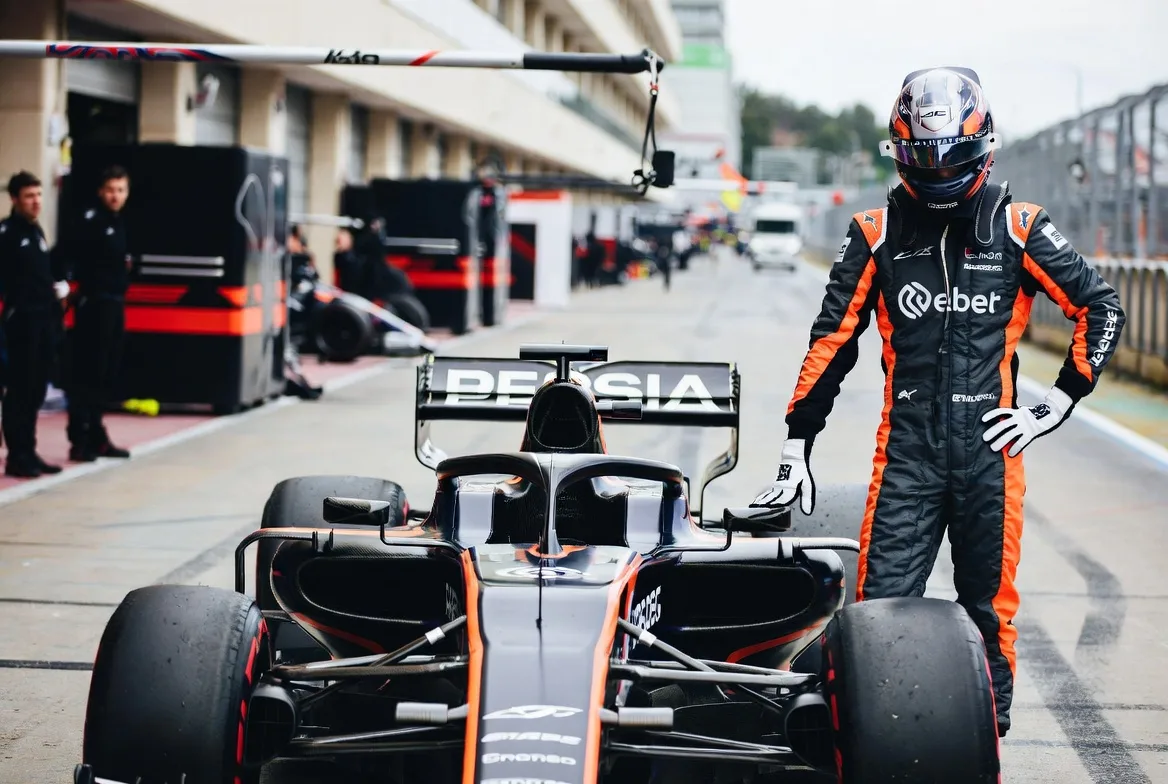
Have you ever seen a car that looks more like a fighter jet than a vehicle? That is the essence of Formula 1. If you are new to this world, you might find the screaming engines and complex rules a bit overwhelming at first.
In simple terms, what is Formula 1? It is the highest class of international racing for open-wheel, single-seater formula racing cars. The “Formula” in the name refers to a strict set of rules that all participants’ cars must follow.
Think of it as the Olympics of motorsports. It is a global championship where the world’s best drivers and most brilliant engineers compete for glory. This guide will take you from a curious spectator to a knowledgeable fan.
What Is Formula 1 Racing?
Many people ask, is Formula 1 a sport? The answer is a resounding yes. It is an elite athletic competition where drivers endure forces up to 5G while racing at speeds exceeding 220 mph.
What is Formula 1 racing at its core? It is a team sport. While you see one driver in the cockpit, there are hundreds of engineers, mechanics, and data analysts working behind the scenes to make that car move.
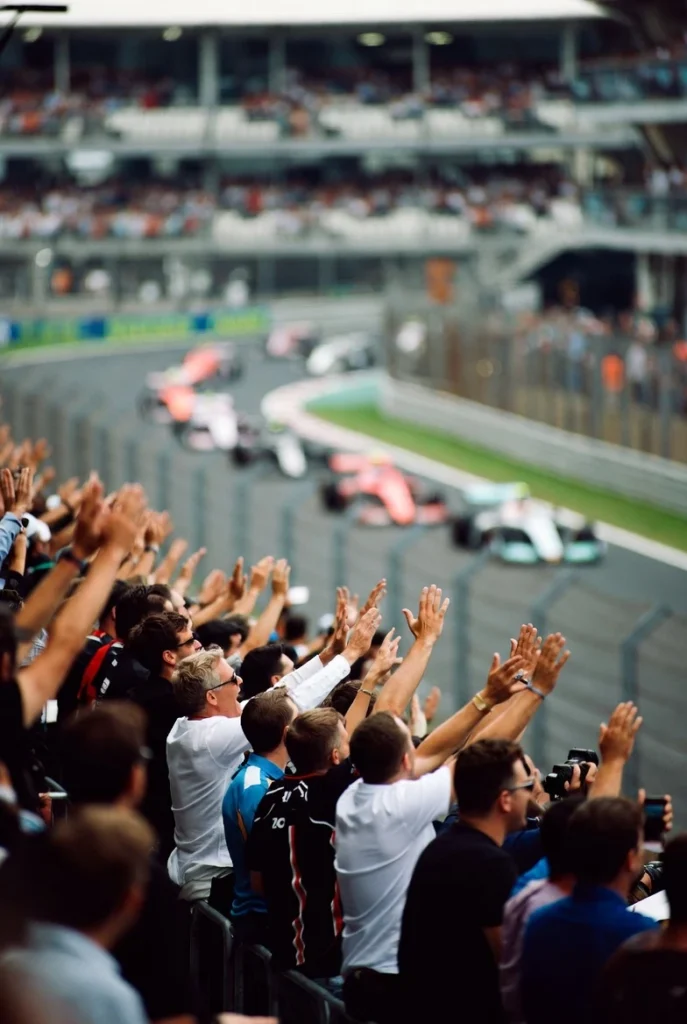
The championship is split into two titles: the World Drivers’ Championship and the World Constructors’ Championship (for the teams). This dual-layer competition makes every race a high-stakes chess match played at incredible speeds.
Formula 1 Cars Explained: Engineering Marvels
To truly understand what is a Formula 1 car, you have to look past the flashy paint. These machines are the most advanced racing vehicles on the planet, costing roughly $15 million each to build.
The Hybrid Power Unit
Modern F1 cars use a 1.6-liter V6 turbo hybrid engine. Don’t let the small size fool you; these units produce over 1,000 horsepower. They are the most efficient thermal engines ever created by humans.
During a visit to the paddock at the British Grand Prix last season, I had the chance to speak with a lead systems engineer. He explained that these cars aren’t just vehicles; they are “mobile laboratories” that harvest energy from heat and braking.
Aerodynamics and Downforce
Aerodynamics is the “secret sauce” of F1.
Engineers design the wings and bodywork to push the car down onto the track. This creates “downforce,” allowing cars to take corners at speeds that would flip a normal car.
If an F1 car drove fast enough, it could theoretically drive upside down on the ceiling of a tunnel. The air moves so quickly over the wings that the grip is essentially magnetized to the asphalt.
The Complexity of the Chassis
The chassis is made primarily of carbon fiber, which is five times stronger than steel but significantly lighter. Every gram matters in a sport where a millisecond can be the difference between winning and losing.
From the steering wheel, which has over 20 buttons and dials, to the custom-molded seats, everything is built for performance. These cars are unique prototypes; no two teams have the same design, even if they look similar to the untrained eye.
What Is a Grand Prix in Formula 1?
You will often hear the term “Grand Prix” used to describe a race. What is a Grand Prix in F1? Translated from French, it means “Great Prize.” Each race is a standalone event hosted in a different country.
From the glitz of Monaco to the neon lights of the Las Vegas Grand Prix, the locations are as famous as the drivers. Currently, there are 24 races in a season, spanning five continents.
Why is a Grand Prix important? It is the culmination of years of development. Each track presents different challenges—some test drivers on high-speed “power tracks,” while others demand maximum precision on tight, twisty street circuits.
Formula 1 Weekend Format & Race Rules
If you want to know what is the Formula 1 schedule like, you need to understand the three-day “Weekend Format.” It isn’t just a single race on Sunday; it is a progressive buildup of tension.
Practice Sessions (Friday & Saturday)
The weekend begins with Free Practice 1, 2, and 3 (FP1, FP2, FP3). These sessions allow teams to test their setups, check tire wear, and help the drivers learn the nuances of the track.
The Qualifying Shootout (Saturday)
This is often as exciting as the race itself. Qualifying is split into three parts: Q1, Q2, and Q3. The slowest five cars are eliminated in Q1, then another five in Q2. The final ten fight for “Pole Position”—the first spot on the grid.
The Main Race (Sunday)
The Grand Prix usually lasts between 90 minutes and two hours. Drivers must complete a set number of laps to cover roughly 305 kilometers (about 190 miles). The only exception is Monaco, which is slightly shorter.
Essential Rules to Know
One critical rule is the 75% rule. If a race is stopped and cannot be restarted, full points are only awarded if at least 75% of the race distance was completed. If not, a sliding scale of partial points is given.
Safety is paramount. When a crash occurs, a Safety Car or Virtual Safety Car (VSC) may be deployed. This slows down the pack to allow marshals to clear the track safely without stopping the entire race.
What Is DRS in Formula 1?
If you see a car’s rear wing flap open like a bird’s beak, you are looking at what is DRS in Formula 1. DRS stands for Drag Reduction System. It was introduced in 2011 to help with overtaking.
When a driver is within one second of the car in front, they can push a button to open their rear wing. This reduces wind resistance (drag) and increases top speed by about 10–12 km/h.
However, you can only use it in specific “DRS Zones” on the track. It’s a tactical tool. A driver must decide exactly when to deploy it to make a pass stick before the next corner.
What Is a Formula 1 Sprint Race?
Recently, F1 introduced a new format called the Sprint Race. What is a Formula 1 sprint? It is a shorter, 100km race held on Saturday before the main Grand Prix on Sunday.
The Sprint is a flat-out dash that lasts about 30 minutes. There are no mandatory pit stops, so it is pure wheel-to-wheel racing. Points are awarded to the top eight finishers, adding more stakes to the championship battle.
The goal of the Sprint is to provide fans with “meaningful” sessions on all three days. It replaces one of the practice sessions, meaning teams have less time to prepare, which often leads to more unpredictable results.
Formula 1 Schedule, Times & Race Day Info
The Formula 1 schedule for 2026 is one of the most ambitious in the sport’s history. It features 24 races across five continents. The season began in March with the Australian Grand Prix in Melbourne.
This year, the calendar has been “regionalized” to reduce travel fatigue. For example, the Canadian Grand Prix has moved to May to pair with the Miami race. This shift helps the environment and the teams’ logistics.
One major highlight is the debut of the Madrid Grand Prix in September. This new street circuit is expected to be a high-speed thriller. Always check the official F1 app for what time is the formula 1 race in your specific time zone.
If you are asking what time is the formula 1 race tomorrow, remember that sessions often start early in the US. European races usually kick off at 9:00 AM EST. However, night races like Singapore or Las Vegas start much later in the evening.
What Channel Is Formula 1 On? How to Watch & Stream
Watching the sport has changed significantly this year. For fans in the United States, the biggest news is the shift to Apple TV. It is now the exclusive home for what is formula 1 streaming on in the US.
The new “F1 Channel” on Apple TV offers 4K broadcasts and multiple camera angles. If you prefer the official experience, F1TV Pro remains a great option. It provides live timing data and onboard cameras for every driver.
In the UK, Sky Sports F1 continues to provide extensive coverage. For casual fans, Channel 4 offers free-to-air highlights after each race. Whether on a phone or a 75-inch screen, the racing has never looked better.
Formula 1 Standings & Championship System
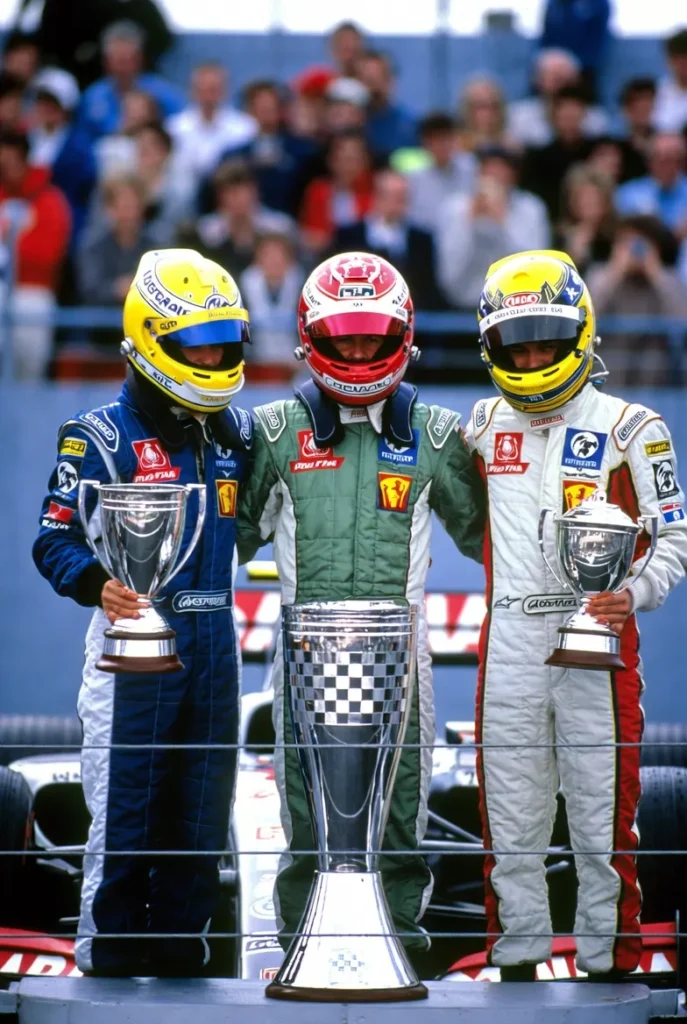
The F1 standings are currently a battlefield between established champions and rising stars. As of early 2026, McLaren and Mercedes are fighting at the front. Max Verstappen and Red Bull are chasing them closely in a thrilling title race.
The points system remains the same: 25 points for a win, 18 for second, and 15 for third. Only the top ten finishers score points. This makes every mid-field battle critical for the team’s year-end prize money.
There is also the “Constructor Standings.” This is where teams like Ferrari and Aston Martin compete for the title of the best manufacturer. It is a massive financial incentive that dictates how much they can spend on next year’s car.
What’s So Special About Formula 1?
So, what’s so special about Formula 1? It is the intersection of extreme speed and peak human intelligence. It is the only sport where the “equipment” is as famous as the athletes.
The innovation in F1 eventually trickles down to your daily driver. Hybrid technology and carbon-fiber safety cells were perfected on the track. It is a relentless pursuit of perfection that never sleeps.
Formula 1 in Las Vegas & Global Expansion
The Las Vegas Grand Prix has become the crown jewel of the American expansion. Racing down the iconic Strip at midnight is a spectacle like no other. It has helped make F1 a household name in the US.
F1 is no longer just a European sport. With races in Miami, Austin, and Vegas, the US market is booming. This expansion brings new sponsors and a younger, more diverse fanbase to the paddock.
What Is Formula 1 in Web3?
The digital world is merging with the physical track. What is formula 1 in web3? It includes things like “fan tokens” which allow holders to vote on minor team decisions or win exclusive prizes.
Some teams, like Williams, have even displayed fan-owned NFTs on their car’s rear wing. It is a new way for fans to feel part of the team. However, always be cautious with digital assets, as the market can be very volatile.
Formula 1 in Movies & Media
If you want to see what is formula 1 movie about, check out the 2025 release “F1” starring Brad Pitt. It was filmed during actual race weekends to capture the raw speed and tension of the cockpit.
Of course, “Drive to Survive” on Netflix remains the go-to documentary. Season 8 was recently released, covering the dramatic 2025 season. These shows have turned drivers into global celebrities and brought millions of new fans to the sport.
Formula 1 FAQ
What is Formula 1 in simple terms?
Formula 1 is the world’s premier open-wheel racing series. It features the fastest cars and the best drivers competing on global circuits. Teams build their own cars under strict rules to win the world championship.
Is Formula 1 a sport?
Yes, it is one of the most physically demanding sports in the world. Drivers face high G-forces and extreme temperatures for two hours. They must maintain perfect focus while their heart rates exceed 170 BPM.
What time is Formula 1 on today?
The start time depends on the race location. Most European races start at 3:00 PM local time (9:00 AM EST). Always check the official F1 website or your TV guide for the exact start time this weekend.
What channel is Formula 1 on today?
In the US, you can watch live races on Apple TV. In the UK, Sky Sports F1 is the primary broadcaster. Many regions also offer F1TV Pro for live streaming and exclusive onboard camera views.
What is DRS in Formula 1?
DRS stands for Drag Reduction System. It is a flap on the rear wing that drivers can open to reduce wind resistance. This increases top speed and helps with overtaking during specific zones on the track.
Conclusion: Join the F1 Family
In summary, what is Formula 1? It is a fascinating mix of high-speed drama, cutting-edge technology, and global travel. From the technical brilliance of the hybrid engines to the tactical masterclasses on the pit wall, there is something for everyone. Whether you are cheering for a specific driver or just love the engineering, the 2026 season promises to be legendary. Now that you know the basics, why not tune into the next session and see the speed for yourself?
References
- Formula 1 Official: The Beginner’s Guide to the F1 Drivers’ Championship
- Formula 1 Official: Everything You Need to Know About the New F1 Rules for 2026
- GPFans: F1 2026 Regulations: What are the New Qualifying Rules?
- The Guardian: The Ultimate Breakdown: Everything You Need to Know About F1’s New Regulations for 2026
- Total Motorsport: Formula 1 vs IndyCar: What’s the Difference Between F1 and IndyCar?

