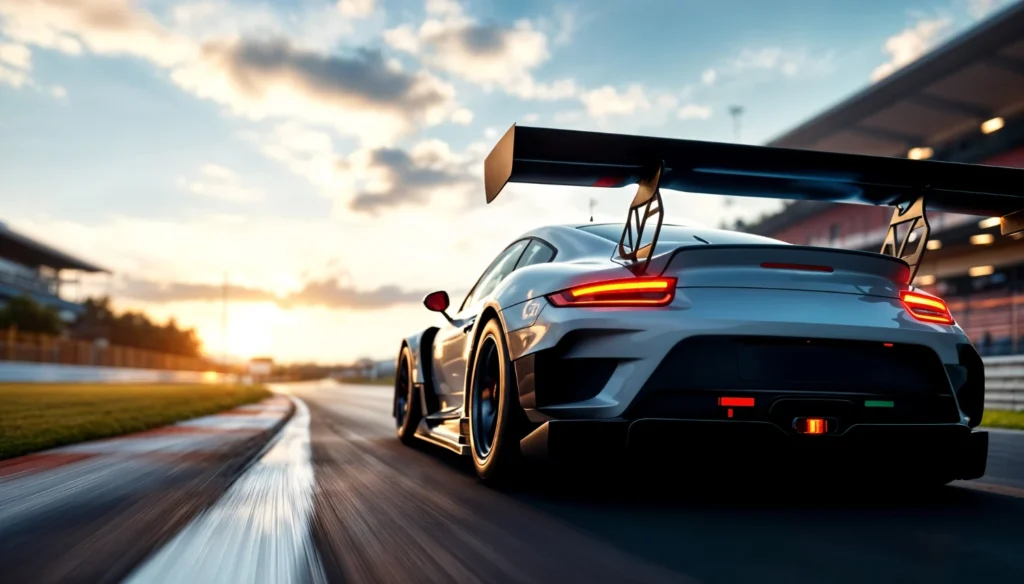
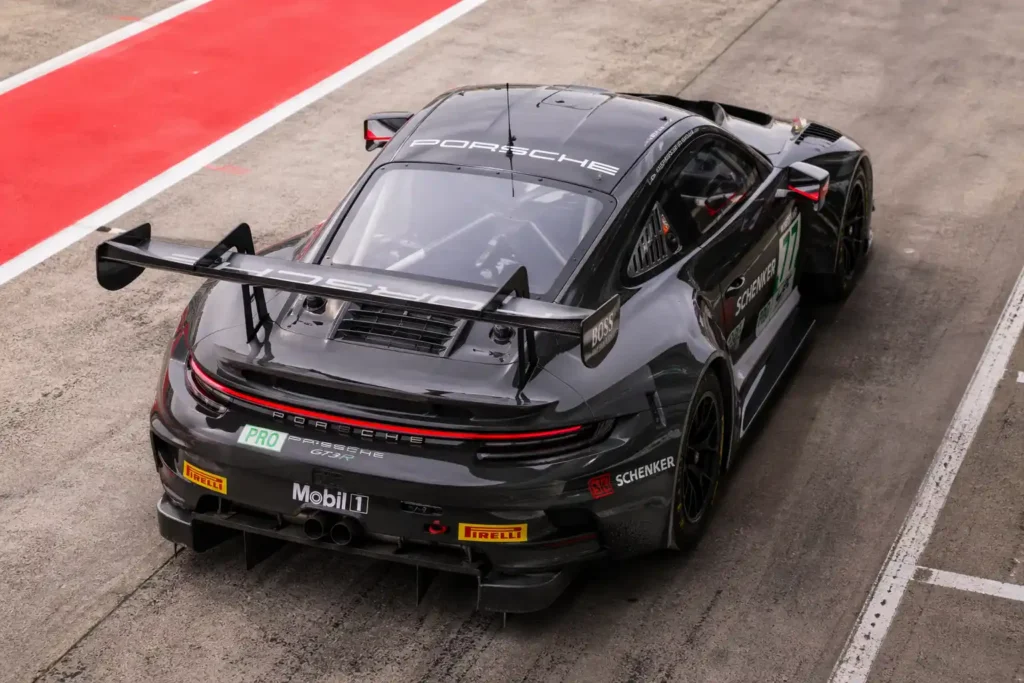
GT3 race cars, GT3 Race Car Top Side Rear, represent the perfect balance between high-end performance, striking aerodynamics, and sheer accessibility in professional motorsport. For many automotive enthusiasts, the obsession begins the moment they see these machines screaming down a straightaway.
Whether you are actively searching for a “GT3 race car top side rear view,” comparing “GT3 specs,” or trying to find out the “Porsche 911 GT3 R price,” this guide is built to break everything down. We will explore the engineering marvels that make these vehicles dominate race tracks globally.
From the aggressive rear spoilers to the precision-engineered top-mounted aerodynamics, GT3 cars are built to slice through the air. Legendary models like the Porsche 911 GT3 R and the thunderous Mercedes-AMG GT3 perfectly showcase how manufacturers push engineering limits while strictly adhering to FIA regulations.
What is a GT3 Race Car?
To understand the magic of this motorsport tier, you first need to understand the regulations. Specifically, GT3 is a globally recognized racing class regulated by the Fédération Internationale de l’Automobile. Moreover, these vehicles are heavily modified versions of road-going production sports cars.
Unlike prototype racing cars built entirely from scratch, GT3 cars must share a fundamental DNA with their street-legal counterparts. This creates a deeply relatable and highly competitive environment for manufacturers to prove their engineering dominance.
A massive part of GT3 racing is customer racing, meaning private teams can purchase these cars directly from manufacturers. To keep the racing fair, the FIA uses a “Balance of Performance” (BoP) system. BoP constantly adjusts weight, horsepower, and aerodynamics so different cars remain competitive.
Key Characteristics of GT3 Racing Cars:
- Rear-wheel drive configuration (even if the road car is all-wheel drive).
- Advanced, track-specific aerodynamics for maximum downforce.
- Strict Balance of Performance (BoP) adjustments.
- Built primarily for privateer customer racing teams.
Popular GT3 Racing Cars:
- Porsche 911 GT3 R
- Mercedes-AMG GT3
- BMW M4 GT3 (and the classic BMW Z4 GT3)
- Ferrari 296 GT3
GT3 Race Car Top-Side Rear Design Explained
Importance of the Top-Side Rear View
When automotive engineers and motorsport fans study a race car, the top side rear view is often the most scrutinized angle. The top-side rear view of a GT3 race car highlights its absolute aerodynamic efficiency and engineering philosophy.
Last season, while working trackside at a major endurance race, I had the opportunity to speak with a lead race engineer for a privateer team. He explained that while the front of the car punches a hole in the air, the rear of the car is what truly keeps it glued to the tarmac. This view reveals exactly how air flows over the roofline and into the rear wing.
Key Components in GT3 Race Car Rear Design
Rear Spoiler Dynamics
The massive rear spoiler is the most visually striking element of any GT3 race car top side rear profile. In addition, it generates immense downforce, which pushes the rear drive tires firmly into the track surface. Moreover, this wing is highly adjustable, allowing race teams to fine-tune the angle based on changing track conditions.
GT3 Race Car Rear Window and Windshield Adjustments
Standard glass is incredibly heavy and dangerous in a high-speed crash. Therefore, engineers replace the rear window and windshield with lightweight polycarbonate materials. In addition, they carefully shape these windows to direct airflow toward the rear wing, which ultimately reduces drag.
GT3 Race Car Rear Bumper and Diffuser Integration
Underneath the rear bumper sits the aggressive diffuser. The diffuser controls the turbulent air exiting from under the car, expanding it rapidly to create a low-pressure vacuum. This vacuum effectively sucks the car down onto the track, significantly enhancing high-speed cornering grip.
GT3 Race Car Rear Seat Area Modifications
In a GT3 car, luxury is entirely stripped away. The rear seat area is completely removed to shed crucial weight. In its place, engineers weld in a complex, high-tensile steel roll cage alongside vital safety systems and fire suppression equipment.
GT3 Race Car Specs (Technical Breakdown)
Engine Specifications
Engine philosophies vary wildly across the GT3 grid, making the racing incredibly dynamic. The Porsche GT3 engines are famously naturally aspirated flat-six powerplants, directly derived from decades of motorsport lineage. For instance, the latest 992-generation Porsche 911 GT3 R uses a high-revving 4.2-liter flat-six.
In stark contrast, the AMG GT3 engine relies on brutal, naturally aspirated displacement. Mercedes-AMG equips their GT3 challengers with a massive 6.2L V8 engine. Teams in the paddock praise this engine for its bulletproof durability and immense low-end torque, making it a favorite for endurance events.
GT3 Race Car Performance Specifications
While the FIA’s Balance of Performance dictates the exact numbers for any given race weekend, typical GT3 race car specs fall within a very specific window. The goal is parity, ensuring close, aggressive racing.
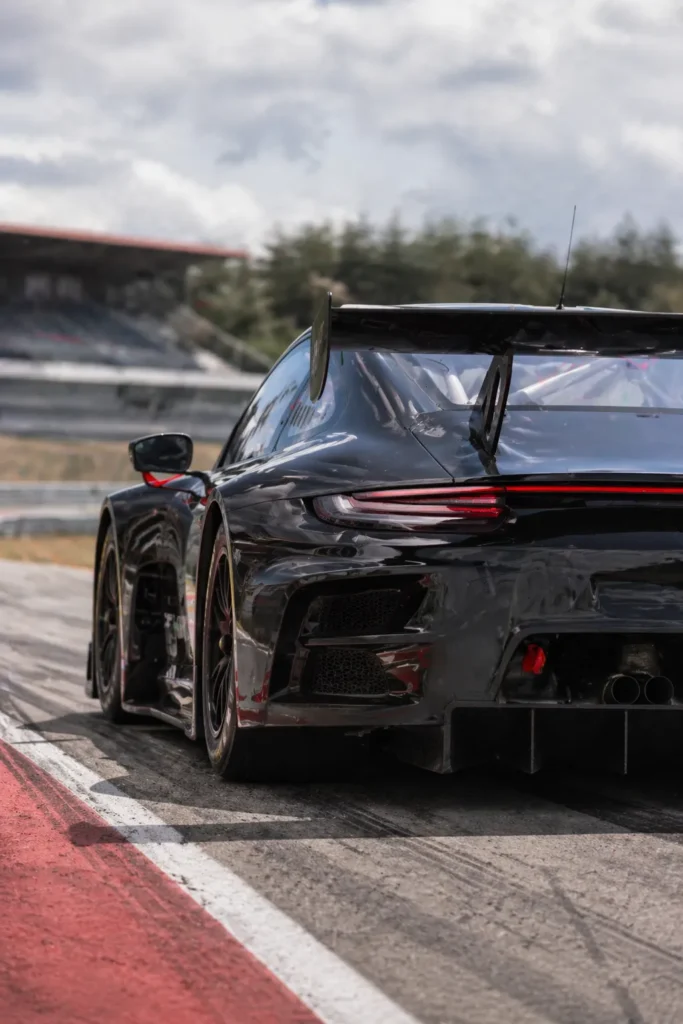
| Specification | Typical GT3 Range |
| Horsepower | 500 – 600 HP |
| Weight | ~1200 – 1300 kg (2,645 – 2,866 lbs) |
| Transmission | 6-speed sequential racing gearbox |
| 0–100 km/h | ~3.0 seconds |
| Drivetrain | Rear-Wheel Drive (RWD) |
GT3 Race Car Top Speed
A common misconception is that GT3 cars are the absolute fastest cars on the planet in a straight line. In reality, their top speed is heavily compromised by the massive aerodynamic drag created by their downforce components.
Typical GT3 top speeds range between 250 and 300 km/h (155–186 mph), depending entirely on the track setup. For instance, on a track like Monza, teams run a “low downforce” setup with a reduced wing angle, allowing for higher top speeds. In contrast, on a tight circuit like Monaco, they increase downforce, thereby sacrificing top speed in favor of superior cornering grip.
Top Speed Examples (Track Dependent):
- Porsche 911 GT3 R: ~280 km/h (174 mph)
- Mercedes-AMG GT3: ~290 km/h (180 mph)
GT3 Race Car Price Guide
Porsche 911 GT3 R Pricing
Stepping into professional customer racing requires a massive financial commitment. The Porsche 911 GT3 R price currently sits between $550,000 and $600,000 for a brand-new, factory-delivered chassis. This price secures a fully race-ready vehicle but does not include the massive seasonal running costs for tires, fuel, and crew.
General Porsche 911 GT3 Race Car Costs
If the GT3 R is too expensive, Porsche offers a structured motorsport ladder. The entry-level Porsche 911 GT3 Cup cars cost significantly less, usually retailing around $250,000 to $300,000. These Cup cars lack the advanced aerodynamics and traction control of the GT3 R, making them perfect training tools.
Purchasing GT3 Cars for Sale
Acquiring these machines is a unique process, as you cannot simply walk into a standard dealership. Instead, available GT3 cars for sale are typically procured directly through official manufacturer motorsport programs. Additionally, private racing teams often sell their lightly used, season-old chassis through specialty motorsport dealers and auctions.
Porsche 911 GT3 R: Complete Overview
Design and Aerodynamics
The Porsche 911 GT3 R is arguably the most recognizable silhouette in global motorsport. It retains the classic 911 rear-engine layout but features a drastically widened body. The massive rear wing and optimized airflow channels are engineered to provide maximum stability during grueling 24-hour races.
Engine and Performance Breakdown
At the heart of the latest 992-generation GT3 R is a naturally aspirated 4.2L flat-six engine. In fact, this high-revving masterpiece produces up to 565 horsepower, depending on restrictor plates. Moreover, it delivers power smoothly, which allows drivers to manage tire wear over long stints with precision.
Reasons for Popularity
Why is the Porsche 911 GT3 R the weapon of choice for so many teams? The answer is proven reliability. In endurance racing, finishing the race is the first hurdle. Porsche’s track dominance, robust parts supply chain, and incredibly strong resale value makes it a financially and competitively sound investment for privateers.
What Does the New Porsche GT3 Look like?
For fans curious about the visual evolution, the newest generation of the Porsche GT3 has taken an aggressive leap forward. The latest road and track models feature a significantly wider stance to accommodate massive racing slicks.
The most noticeable update is the “swan-neck” rear wing design. By mounting the wing from the top rather than the bottom, Porsche engineers cleaned up the airflow beneath the wing, creating much more efficient downforce. The new GT3 emphasizes brutal aerodynamic efficiency, enhanced cooling ducts, and an unapologetic, track-focused aesthetic.
What Does a GT3 Z4 Look like?
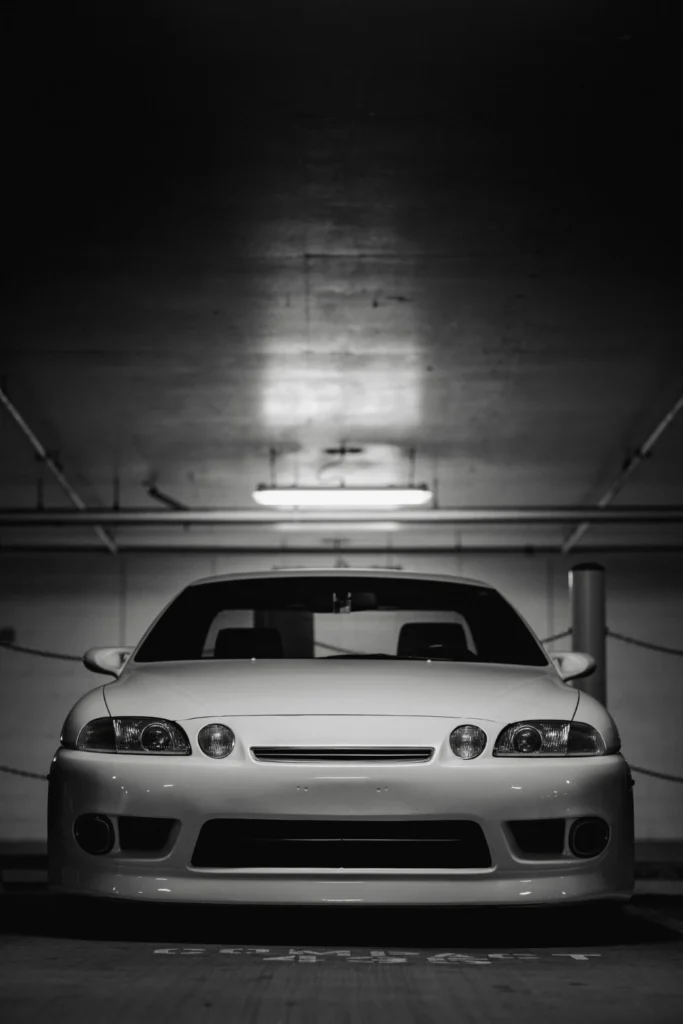
Before the M6 and M4 took over, BMW campaigned the legendary Z4 GT3. The BMW Z4 GT3 is famous for its almost comical, yet beautiful, proportions. It features an incredibly long hood design to house a thumping naturally aspirated V8 engine.
From a GT3 race car top side rear view, the Z4 looks like a classic hot rod merged with a spaceship. In addition, it features extremely wide rear fenders, a massive rear wing, and a compact cockpit pushed almost entirely over the rear axle. As a result, it achieves excellent balanced weight distribution. Moreover, it has a highly distinct, aggressive front grille that intimidates slower traffic.
Difference Between GT3 Cup and GT3 R
Many fans and amateur drivers get confused by Porsche’s naming conventions. Understanding the difference between these two distinct racing models is crucial for anyone looking to enter the sport.
| Feature | GT3 Cup | GT3 R |
| Primary Purpose | One-make racing (Porsche Carrera Cup) | Professional FIA endurance racing |
| Aerodynamics | Basic, fixed downforce | Highly advanced, fully adjustable |
| Driver Aids | Historically minimal (basic ABS) | Advanced Traction Control and Racing ABS |
| Price Point | Lower (~$250,000) | Higher (~$550,000+) |
| Performance Level | Slightly lower, excellent for training | Maximum GT3 specification and speed |
Best GT3 Car Ever (Expert Picks)
Declaring the “best” car in a category governed by balance of performance is highly subjective. However, based on historic race wins, engineering excellence, and overall team reliability, a few models stand out above the rest.
Top Contenders:
- Porsche 911 GT3 R: Holds the crown for sheer endurance racing victories and worldwide customer support.
- Mercedes-AMG GT3: Beloved by gentleman drivers for its forgiving handling and incredibly reliable V8 engine.
- BMW Z4 GT3: A fan favorite that proved front-engine cars could dominate modern technical circuits.
Coolest GT3 Cars (Design Focus)
If we strip away lap times and focus purely on visual impact, the coolest GT3 cars share several aggressive traits. These features include menacing rear spoilers, dramatically widened body kits, and unique, sponsor-backed liveries that pop under stadium lighting.
Fan Favorites:
- Mercedes-AMG GT3: With its gaping Panamericana grille and long hood, it possesses a brutal muscle car aesthetic that fans adore.
- Porsche GT3 R: Its iconic, timeless teardrop shape combined with raw, widened wheel arches makes it a masterpiece of function dictating form.
GT3 Racing Wallpapers & Visual Appeal
Because of their striking looks, fans constantly ask, “How many GT3 racing wallpapers are there?” The answer is thousands. Digital artists and motorsport photographers upload countless high-resolution images after every major race weekend.
These wallpapers frequently highlight the coveted top-side rear views, capturing the cars as they brake heavily into sharp hairpins. In addition, they often showcase intense track action shots with glowing brake rotors. Moreover, night racing scenes from iconic events such as the 24 Hours of Le Mans or Spa are incredibly popular for desktop backgrounds.
GT3 Race Car Rear Components Explained
Rear Spoiler Details
The rear spoiler is arguably the most critical aerodynamic component. It is entirely responsible for high-speed stability. Without this massive wing pushing the car into the pavement, a GT3 car would be undrivable through fast, sweeping corners.
Rear Window and Windshield Materials
To comply with strict safety and weight regulations, standard glass is forbidden. Instead, the rear window and windshield use lightweight, shatter-resistant polycarbonate. Moreover, these components are aerodynamically shaped to prevent turbulent air from disrupting the rear wing’s efficiency.
Rear Bumper Functions
The rear bumper of a GT3 car does much more than provide structural cover. It houses the complex diffuser and features large cut-outs. These cut-outs enhance airflow, allowing trapped heat from the exhaust and rear brakes to escape rapidly.
Rear Seat Area Utilization
As mentioned earlier, there are no passengers in GT3 racing. The rear seat area is completely gutted for weight reduction. The empty space is strategically utilized to mount the FIA-mandated safety cage and various electronic control units to keep the weight centered.
Car Top Carriers vs GT3 Race Cars
Interestingly, some search queries confuse motorsport aerodynamics with consumer vehicle accessories, linking terms like “car top carriers” and “car top luggage carrier” to GT3 models. This requires a brief clarification.
There is absolutely no relation between GT3 cars and roof luggage carriers. GT3 cars are pure performance-focused machines with zero cargo storage. Road cars use practical accessories like roof carriers for road trips, whereas anything attached to the roof of a GT3 car would destroy its aerodynamic profile and be incredibly dangerous at 180 mph.
Buying Guide: GT3 Cars for Sale
If you have the financial backing to transition from fan to team owner, purchasing a GT3 car is a thrilling process. Knowing where to look and what to inspect will save you hundreds of thousands of dollars.
Where to Purchase:
- Official manufacturer customer racing departments.
- Certified motorsport vehicle dealers.
- Private racing auctions and team liquidations at the end of a season.
Key Purchasing Factors:
- Maintenance Cost: GT3 engines and gearboxes require mandatory, expensive rebuilds after a certain number of running hours.
- Racing Eligibility: Ensure the chassis homologation is still valid for the specific racing series you intend to enter.
- Spare Parts Availability: Buying a discontinued model might be cheaper upfront, but sourcing replacement body panels after a crash can become a nightmare.
Frequently Asked Questions
What does a GT3 race car look like from the rear?
From the rear, a GT3 car looks incredibly aggressive. It features a massive, adjustable rear wing, a deeply channeled aerodynamic diffuser, and a significantly widened stance to house massive racing slick tires designed for maximum downforce.
How fast is a GT3 race car?
Depending on the specific track’s aerodynamic setup, most GT3 cars reach top speeds between 250 and 300 km/h (155–186 mph). Their true speed, however, lies in their ability to corner at forces exceeding 2 Gs.
How much does a Porsche 911 GT3 R cost?
A brand-new, track-ready Porsche 911 GT3 R typically costs between $550,000 and $600,000. This base price does not include the massive ongoing costs required for fuel, tires, and maintenance during a racing season.
What cars are in GT3 racing?
The grid features modified supercars from premier manufacturers. Current popular models include the Porsche 911, Ferrari 296, Audi R8 LMS, BMW M4, and the Mercedes-AMG.
What is the best GT3 car ever?
While highly debated, many motorsport experts consider the Porsche 911 GT3 R to be one of the best ever built. Its perfect blend of track performance, mechanical reliability, and outstanding factory support makes it a legend.
Conclusion
GT3 race cars represent the absolute pinnacle of customer motorsport, perfectly combining cutting-edge engineering with breathtaking, aggressive design. Whether you are exploring top-side rear views, comparing engine specs, or searching for the best GT3 car ever made, these vehicles command respect. Models like the Porsche 911 GT3 R and Mercedes-AMG GT3 stand at the top of motorsport excellence.
If you are considering entering the high-octane world of GT3 racing—or if you simply want to admire these engineering marvels from the grandstands—this category offers unmatched excitement, relentless innovation, and some of the closest racing on the planet.
Evidence-Based References:
- Porsche Newsroom (Official specifications and pricing for the Porsche 911 GT3 R)
- Racecar Engineering (Deep dive into race car aerodynamics and how aerodynamic downforce/ride height works)
- Sportscar365 (Detailed insight into how the FIA/ACO calculates the Balance of Performance for GT3 cars)
- Motorsport.com: This is how much it costs to race a full DTM season