

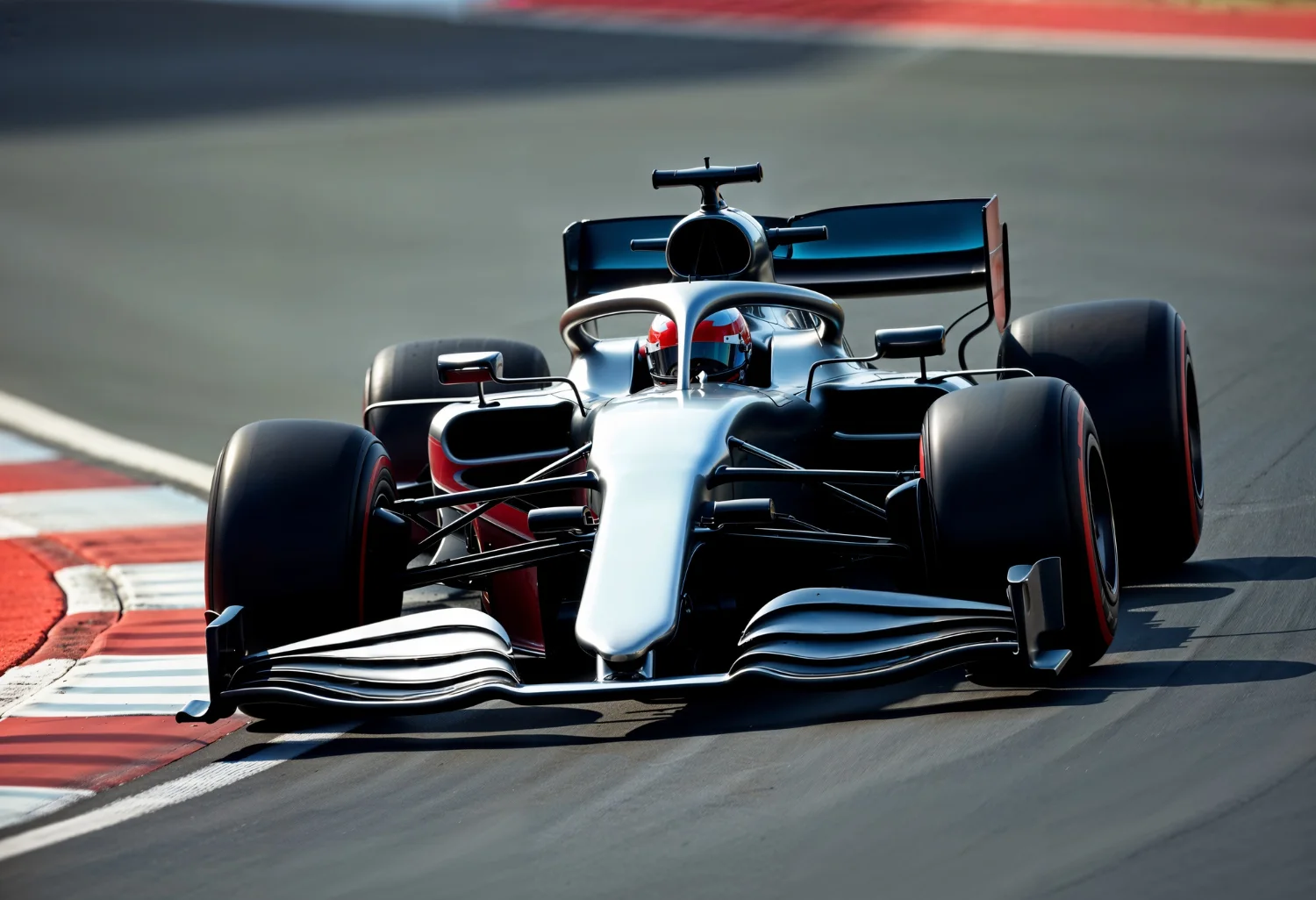
If you are a motorsport fan trying to catch the pinnacle of racing, When Is F1 Qualifying? is likely a question you find yourself asking as you constantly check time zones and weekend schedules. With 24 races stretching across five continents in the 2026 season, keeping track of the starting grid battles can quickly turn into a logistical nightmare.
During my recent trip to the 2026 season opener in Melbourne, I had the privilege of interviewing a senior trackside engineer. He told me, “Fans only see the final lap times, but the entire weekend strategy hinges on what happens during those intense qualifying sessions.”
This guide is designed to eliminate the guesswork from your race weekends. Whether you are searching for today’s live schedule, time zone conversions, or an explanation of how the knockout formats actually work, you will find everything right here.
What Is F1 Qualifying?
In Formula One, qualifying is a timed session where drivers compete for grid position before race day. The driver who sets the fastest lap starts from the first position, known as pole position.
The entire process is a high-stakes test of ultimate car performance and driver nerve. It is completely separated from the actual race, occurring a day prior, and strictly determines where a car will line up on the grid.
- Determines Starting Grid: The final classification directly builds the starting order for Sunday’s Grand Prix.
- Three Sessions: It is divided into Q1, Q2, and Q3 phases.
- Knockout Format: The slowest drivers are eliminated in the first two stages.
- Pole Position: The fastest driver in the final session claims the front spot.
How Does Formula 1 Qualifying Work in 2026?
The modern knockout format is designed to deliver maximum tension. It slowly whittles down the grid from 20 cars to a top 10 shootout. Understanding this process is vital to fully enjoying the spectacle.
Q1 (Session 1):
All 20 drivers hit the track for an 18-minute session. Their goal is simply to avoid being in the bottom five. Track evolution plays a massive part here, as the circuit gets faster the more rubber is laid down. The five slowest drivers are eliminated and will start the race in positions 16 through 20.
Q2 (Session 2):
The remaining 15 drivers have 15 minutes to secure a spot in the top 10. The lap times are completely reset; previous times from Q1 do not carry over. The five slowest drivers are eliminated, securing grid positions 11 through 15. Strategy becomes crucial, as top teams try to advance using older tyres to save fresh sets for Sunday.
Q3 (Session 3):
The top 10 drivers engage in a dramatic 12-minute shootout for pole position. Teams will typically do two runs, making adjustments to the front wing and tyre pressures in between. The driver with the fastest absolute lap time takes pole.
Beyond the raw pace, penalties and weather can severely disrupt the final grid. A driver might qualify first but take a 10-place grid penalty for replacing an engine component. Rain can cause red flags, forcing drivers to set their laps on a wet, unpredictable surface.
F1 Qualifying Time by Time Zone (EST, PST, UK, Local)
Global time zone differences cause endless confusion for fans trying to catch the live broadcasts. A race in Australia means a very early morning for European viewers, while a night race in Vegas flips the schedule entirely.
To help you calculate your local viewing time, here is a general conversion table based on a typical European afternoon race slot:
| Region | Typical Qualifying Time |
| UK (BST/GMT) | 2:00 PM – 3:00 PM |
| EST (Eastern Time) | 8:00 AM – 10:00 AM |
| PST (Pacific Time) | 5:00 AM – 7:00 AM |
| Local Circuit | Varies by GP (Usually 3:00 PM local) |
When Is F1 Qualifying This Weekend?
The structure of a standard race weekend spans three days, but the timing shifts depending on whether it is a standard Grand Prix or a sprint event.
For a standard weekend:
- Friday: Practice 1 and Practice 2.
- Saturday: Practice 3, followed by the qualifying session.
- Sunday: The main Grand Prix race.
This weekend’s exact schedule dictates when you need to tune in. If it is a Sprint weekend, you must adjust your Friday plans, as the grid setting for the main race takes place on Friday afternoon instead of Saturday.
Sprint Qualifying vs Normal Qualifying in F1
The 2026 season continues to utilise Sprint weekends, which drastically alter the traditional format. Sprint qualifying replaces the usual practice sessions to set the grid for a shorter, 100km dash.
This short-format race, held on Saturday, awards championship points to the top eight finishers. However, it does not determine the grid for the main Sunday race anymore.
The traditional qualifying session is moved to Friday afternoon. It still follows the Q1, Q2, and Q3 knockout format, and its results dictate the starting grid strictly for the main Grand Prix on Sunday.
When Is F1 Qualifying for Each Grand Prix?
To help you track the 2026 calendar, here is a breakdown of expected local times for major race destinations.
Australia / Melbourne?
The season-opening session at Albert Park usually takes place at 4:00 PM local time on Saturday. Because of the extreme time difference, this translates to early Saturday morning for UK viewers and late Friday night for American audiences on the West Coast.
Japan
At the iconic Suzuka Circuit, cars hit the track at 3:00 PM local time. For fans in the United States, watching the Japanese grid shootout requires a late-night viewing party on Friday evening into Saturday morning.
Miami
The Miami Grand Prix sets its grid at 4:00 PM local time (EST). This means European fans are treated to prime-time evening viewing on Saturday night, making it one of the most accessible races for the global audience.
Canada
The Circuit Gilles Villeneuve in Montreal is a fan favourite, typically beginning at 4:00 PM local time (EST). Similar to Miami, this allows European viewers to enjoy the action during their Saturday evening.
Brazil
The Autódromo José Carlos Pace, better known as Interlagos, usually features a sprint weekend. Traditional grid setting happens on Friday afternoon, usually around 3:00 PM local time, with the Sprint events dominating Saturday.
Vegas
The Las Vegas Strip Circuit features one of the most unique schedules in motorsport. The session takes place at midnight (12:00 AM PST) going into Saturday. It is an extraordinary visual spectacle under the neon lights.
Abu Dhabi
The season finale at Yas Marina Circuit sets the ultimate grid of the year at 6:00 PM local time. As the sun sets over the desert, the twilight session perfectly bridges the gap between Asian and European viewing times.
F1 Qualifying Today Live & How to Watch
If you are eager to watch the lap times tumble in real-time, you need the right streaming platforms. Viewing rights are strictly region-based, so your options vary depending on your location.
In the UK, Sky Sports F1 holds exclusive live broadcasting rights, alongside the NOW streaming service. In the United States, ESPN and ABC are the primary TV broadcasters, while F1 TV Pro remains the best option for dedicated fans.
F1 TV Pro offers massive benefits, including onboard cameras, live timing apps, and uncut team radio. Following the live timing data alongside the broadcast is essential for tracking sector times and understanding team strategies.
F1 Qualifying Start Times (General Guide)
While the schedule jumps around, there is a standard weekend timing overview you can memorise. For classic European rounds, Saturday afternoon at 3:00 PM or 4:00 PM local time is the golden rule.
The variation across continents simply accommodates local sunset times for night races or maximises global television viewership. Always verify whether the local venue is hosting a sprint or a standard weekend format first.
Full F1 Schedule This Weekend
To plan your viewing party, you need to understand the rhythm of a standard race weekend. The practice sessions are essential for teams to dial in their car setups before the competitive sessions begin.
- Practice 1 & 2: Held on Friday, these 60-minute sessions focus on testing aerodynamic upgrades and tyre degradation.
- Practice 3: A final 60-minute Saturday morning session dedicated to simulated qualifying runs.
- The Main Event: The grid shootout follows Practice 3, leading directly into Sunday’s Grand Prix.
F1 Standings & Why Qualifying Matters
While you do not earn direct championship points during standard Saturday sessions, the grid position advantage is statistically massive. Over 40% of modern Grand Prix races are won from pole position.
On tight street circuits like Monaco or Singapore, overtaking is incredibly difficult. Therefore, your Saturday performance indirectly dictates your Sunday points haul. A poor Saturday usually ruins any chance of securing a podium finish, severely impacting the driver standings over a 24-race season.
Frequently Asked Questions
When is F1 qualifying?
It generally takes place on Saturday afternoon for a standard race weekend or Friday afternoon during a sprint weekend. You can view the entire global schedule by referencing the official F1 race calendar to find your specific event’s exact start time.
What time is F1 qualifying today?
This completely depends on the Grand Prix schedule for the current weekend. If it is a European race, it is usually 3:00 PM local time, but night races in the Middle East and street races in America will feature evening or late-night start times.
How long is F1 qualifying?
The entire process takes exactly one hour of track time. Q1 lasts 18 minutes, Q2 lasts 15 minutes, and Q3 lasts 12 minutes, with short intervals in between to allow for TV commercial breaks and car refuelling.
Where can I watch F1 qualifying live?
You can stream it live via F1 TV Pro in available regions or watch it via national TV broadcasters. Sky Sports handles the coverage in the UK, while ESPN networks broadcast the sessions live across the United States.
What is sprint qualifying in F1?
Sprint qualifying is a special, shorter format that dictates the grid for a 100 km Saturday sprint race. It uses a condensed version of the Q1, Q2, and Q3 knockout format but does not affect the starting grid for Sunday’s main Grand Prix.
Conclusion
Navigating the F1 calendar can sometimes feel as complex as engineering the cars themselves, but mastering the schedule is the key to maximising your race weekend experience. Qualifying is the ultimate showcase of raw speed, strategy, and precision, setting the high-stakes stage for Sunday’s dramatic battles.
Whether you are setting an early alarm to catch the Australian Grand Prix or staying up late for the neon lights of Las Vegas, knowing exactly when the cars hit the track ensures you never miss a moment of the action. Keep your local time conversions handy, always double-check for Sprint format changes, and get ready to enjoy another thrilling season of Formula One racing.

