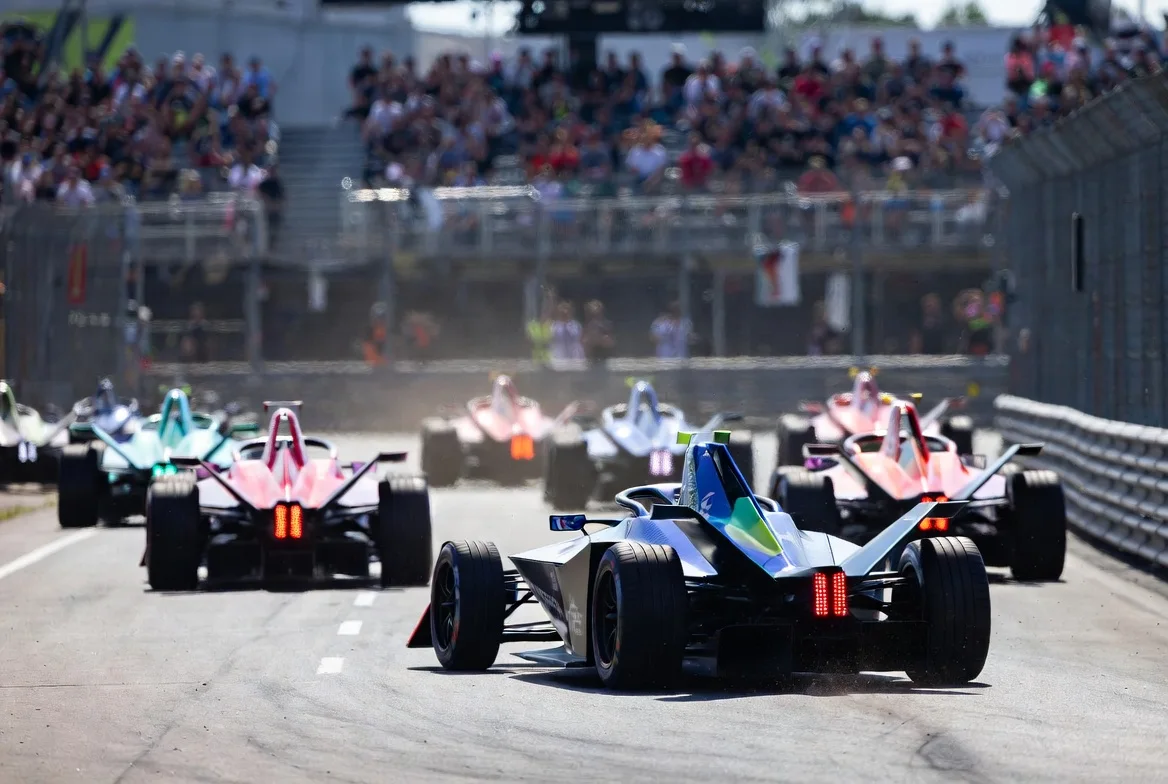

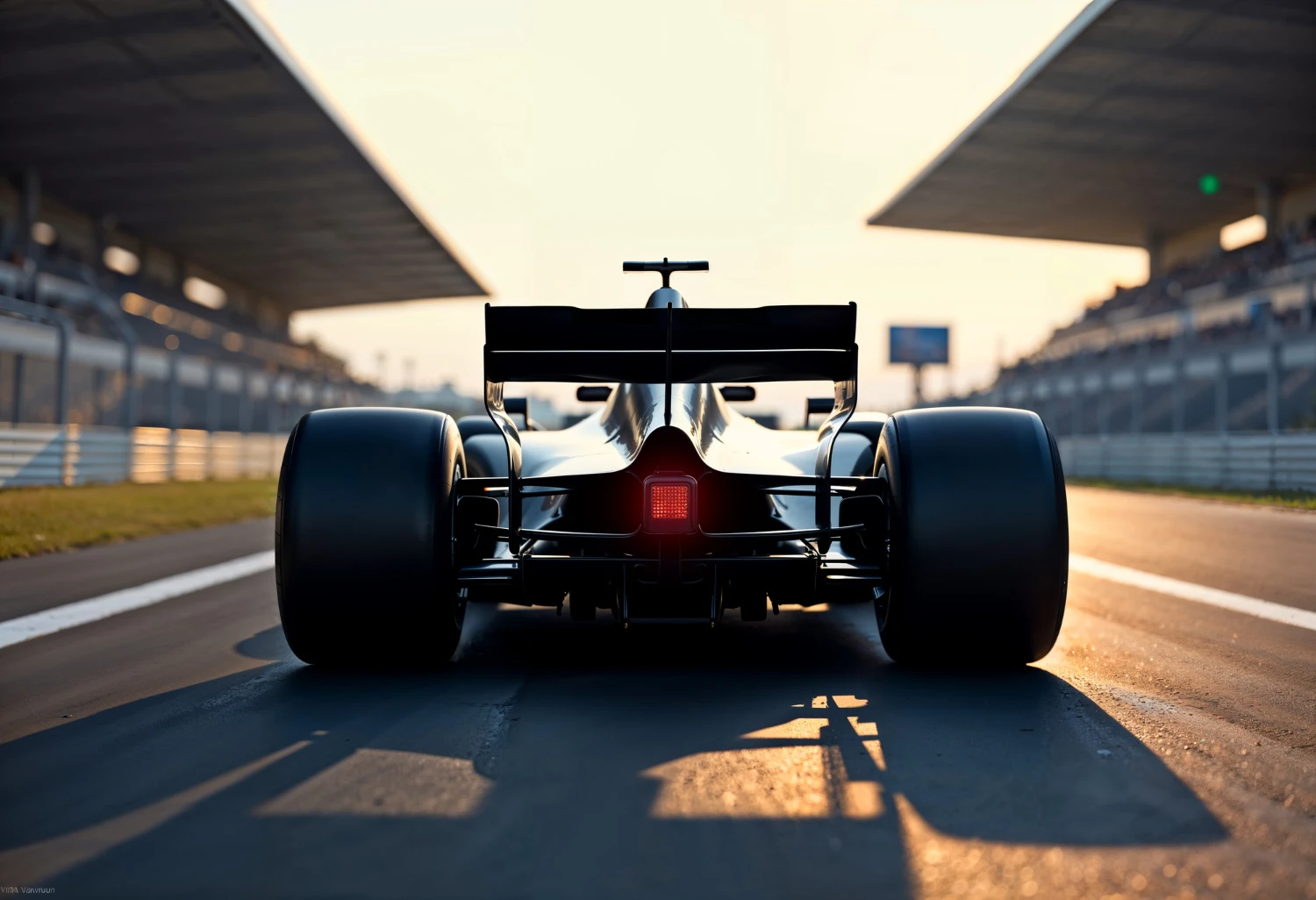
First, the total number of Formula E teams currently sits at 11 for the 2024–2025 baseline season. Furthermore, motorsport experts expect the 2026 grid size to expand slightly as new manufacturers join. Consequently, top operations like Jaguar, Porsche, and Envision dominate the current world championship standings. Ultimately, these advanced racing outfits push electric automotive innovation to its absolute limits globally.
Traditional motorsport relies heavily on raw horsepower and massive internal combustion fuel consumption. Conversely, the modern electric racing revolution prioritizes extreme aerodynamic efficiency and complex battery management systems. Last year, I realized this stark contrast firsthand while interviewing a lead powertrain engineer in the London E-Prix paddock.
He explained precisely why the structure of Formula E teams differs so drastically from traditional Formula 1 operations. Specifically, the modern electric grid features a highly unique split between major automotive manufacturers and strategic customer operations. Consequently, the rapid evolution of Formula E teams forces engineers to innovate their software continuously.
Therefore, fans must deeply understand how Formula E cars and Formula E manufacturers interact to appreciate the sport. Ultimately, grasping these complex technical dynamics makes every single race weekend significantly more entertaining.
What Are Formula E Teams?
What are the Formula E teams practically doing behind the scenes during a championship season? Essentially, they represent the official FIA Formula E World Championship entrants competing for global motorsport titles. First, the sport categorizes the list of Formula E teams into two primary and distinct operational types.
Specifically, manufacturer operations design, code, and completely build their own bespoke electric racing powertrains. Second, customer or privateer operations purchase these finished electric powertrains to race independently on the grid. Therefore, internal powertrain development remains a crucial competitive advantage for the massive factory-backed squads.
Meanwhile, a complex energy management strategy forms the critical difference between spectacular success and miserable failure. Traditional F1 squads simply manage fuel weight, but Formula E teams meticulously map incredibly complex regenerative braking profiles. Ultimately, the smartest software engineers win races just as often as the bravest drivers do.
Complete List Of Formula E Teams (2024–2025)
Fans often search for an updated Formula E teams list 2025 to track massive off-season grid changes. First, the current championship roster showcases incredible modern engineering talent and massive automotive brand investment. Below, you will find the 2025 Formula E teams list detailing the major global competitors. Furthermore, reviewing all Formula E teams helps you perfectly understand the intense manufacturer rivalries shaping the sport.
- Jaguar TCS Racing: This British factory squad masters complex software updates and consistently fights for the championship title.
- Porsche Formula E Team: German engineering precision gives them incredible straight-line efficiency and incredibly strong race pace.
- Envision Racing: This highly successful customer outfit regularly beats the massive factory operations using identical Jaguar powertrains.
- Nissan Formula E Team: The Japanese automotive manufacturer focuses heavily on aggressive qualifying setups and rapid technological development.
- Andretti Formula E: This legendary American powerhouse leverages strong Porsche powertrains to achieve massive global racing success.
- Maserati MSG Racing: The iconic Italian brand brings immense historic motorsport heritage and strong technical partnerships to the grid.
- DS Penske: This powerful alliance combines deep French electric vehicle experience with American racing operational excellence.
- Mahindra Racing: The Indian automotive manufacturer consistently tests radical engineering concepts to improve their overall racing package.
- ERT Formula E Team: This independent operation fights incredibly hard to optimize their bespoke and highly unique powertrain software.
- ABT Cupra Formula E Team: The returning German squad utilizes strong Mahindra powertrains while aggressively rebuilding their racing infrastructure.
- McLaren Formula E Team: The legendary British racing brand uses powerful Nissan powertrains to expand their massive electric footprint.
Formula E Teams And Drivers (2025 Season)
Analyzing the Formula E teams and drivers reveals a fascinating blend of highly diverse racing backgrounds. Furthermore, the Formula E teams and drivers’ 2025 market saw significant off-season movement across the paddock.
| Team | Drivers | Powertrain Supplier |
| Jaguar TCS | Mitch Evans, Nick Cassidy | Jaguar |
| Porsche | Pascal Wehrlein, Antonio Felix da Costa | Porsche |
| Envision | Sebastien Buemi, Robin Frijns | Jaguar |
| Andretti | Jake Dennis, Norman Nato | Porsche |
| DS Penske | Jean-Eric Vergne, Stoffel Vandoorne | DS E-Tense |
First, driver skillset differences matter immensely in this highly specialized and complex electric championship. Specifically, aggressive energy conservation abilities often outweigh outright raw pace over a single qualifying lap. Therefore, star drivers must calculate incredibly complex software variables while battling wheel-to-wheel at massive speeds. Consequently, these extreme mental demands naturally lead to major pay discussion setups during yearly contract negotiations.
Formula E Teams 2026 — Expected Grid
Looking ahead, the Formula E teams’ 2026 landscape promises highly exciting technological advancements and new faces. Experts expect the 2026 Formula E teams to adapt incredibly quickly to the upcoming Gen4 regulations. Currently, the aggressive FIA expansion strategy aims to heavily increase the overall Formula E season 12 teams.
Therefore, how many teams are in Formula E 2026? We confidently expect the grid to stabilize around 11 to 12 highly competitive global operations. First, potential entries actively include new OEM manufacturers eager to showcase their advanced consumer electric vehicle technologies. Additionally, tech-driven EV brands frequently evaluate the electric championship for high-profile global marketing opportunities. Thus, the grid continues to easily attract massive global automotive investments annually.
New & Leaving Formula E Teams
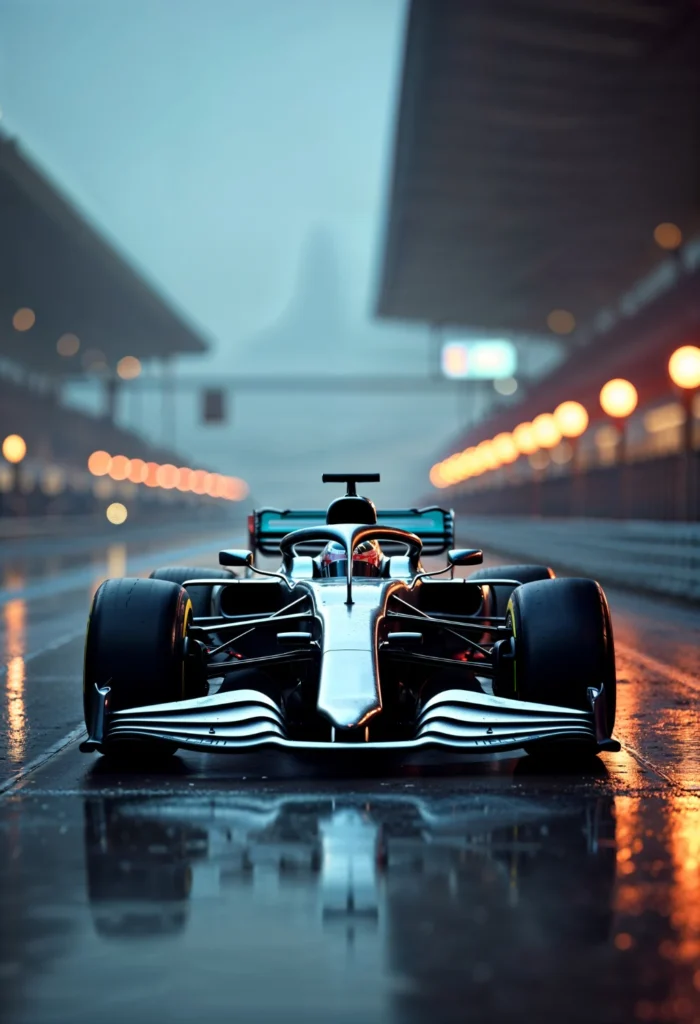
The dynamic nature of international motorsport constantly introduces new Formula E teams to the global paddock. However, we also regularly see notable Formula E teams leaving due to rapidly shifting corporate strategies. For example, the Mercedes Formula E team completely exited the sport a few years ago after dominating. First, this specific Mercedes exit primarily occurred because the brand executed a strategic shift back toward Formula 1.
Furthermore, tight budget constraints often force smaller privateer operations to reconsider their extremely expensive championship participation. Additionally, corporate executives carefully measure the EV tech ROI before committing millions to a multi-year racing program. Consequently, these constant operational entry and exit cycles heavily impact the overall grid competitiveness each season.
Formula E Manufacturers & Technology
The Formula E manufacturers actively operate under strict technical regulations to keep the racing incredibly close. First, every single squad utilizes a standard spec chassis to dramatically reduce ruinous aerodynamic development costs. However, the unique regulations permit fully custom electric powertrain designs, giving engineers absolutely vital creative freedom.
Thus, complex battery limitations remain the absolute key strategy element that dictates every single race outcome. Moreover, aggressive regenerative braking dominance clearly separates the true championship contenders from the struggling midfield runners. During my paddock interviews, engineers revealed exactly why FE is more about extreme efficiency than raw speed. Ultimately, developers prioritize perfectly mapping the software over finding extra horsepower for the short straights.
Formula E Teams Standings & Performance
Fans closely monitor the Formula E teams standings to track the fierce and dramatic manufacturer rivalries. Many enthusiasts enthusiastically debate over the absolute best team in Formula E right now online. First, determining which Formula E team is the best requires properly analyzing several critical performance metrics.
You must specifically look at the recent championship winners and their overall weekend operational consistency. Next, pure efficiency dictates championship success far more than simply having the fastest car on the grid. Qualifying pace matters significantly, but steady race consistency ultimately secures the massive global championship trophies. Thus, squads that score points extremely reliably during chaotic street races consistently win the constructor titles.
Top 10 Formula E Teams (Ranked)
Ranking the top 10 Formula E teams involves carefully evaluating historical success and modern technological brilliance. First, our strict ranking criteria strongly emphasize total championship titles, overall win rate, and technical innovation.
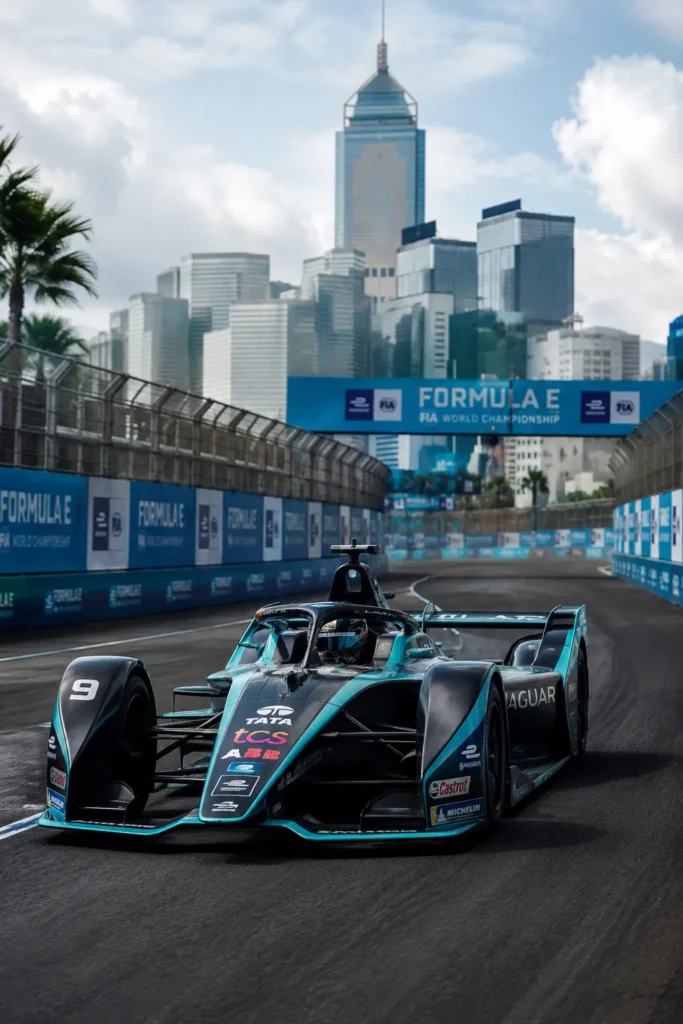
- DS Techeetah (Historical): They utterly dominated the early Gen2 era with incredible efficiency and highly unmatched driver talent.
- Jaguar TCS Racing: This modern technological powerhouse currently defines supreme engineering excellence and highly consistent podium finishes.
- Porsche: Their current advanced powertrain package delivers frightening straight-line speed and incredibly excellent energy recovery.
- Envision Racing: They consistently and brilliantly prove that a well-run customer outfit can completely conquer factory operations.
- Audi Sport ABT Schaeffler (Historical): Their incredibly strong early dominance helped legitimize the entire electric racing concept globally.
- Andretti: This brilliant American squad maximized the Porsche powertrain to secure a thoroughly deserved driver’s championship.
- Nissan: They bounce back highly consistently from setbacks by utilizing incredibly aggressive software development strategies.
- Mercedes-EQ (Historical): They entered very briefly, won double world championships consecutively, and immediately exited the sport.
- Mahindra Racing: They permanently remain a staple of the grid, constantly bringing highly innovative ideas to the track.
- Maserati MSG: They successfully and proudly carry the historic Venturi legacy forward with highly strong tactical race executions.
Ultimately, these elite outfits represent the absolute pinnacle of electric racing excellence across completely different eras.
Spotlight — Jaguar Formula E
The Jaguar Formula E team players currently operate at an incredibly elite and highly dominant level. First, their talented drivers consistently extract absolute maximum performance from the highly complex Gen3 electric racing machinery. Furthermore, their brilliant strategy strengths allow them to recover beautifully from unexpectedly poor qualifying positions.
They consistently achieve this massive success through absolute energy efficiency dominance during the most critical race phases. Additionally, the garage perfectly balances highly aggressive overtaking maneuvers with incredibly strict battery temperature management protocols. Ultimately, Jaguar proudly sets the absolute gold standard for modern electric motorsport operations today.
Driver Economics & Salaries
Fans naturally and frequently wonder: Who is the highest-paid Formula E driver on the grid today? First, top-tier world champions currently earn lucrative salaries ranging from $1 million to $3 million annually. Next, a direct financial comparison vs. F1 clearly shows that electric racing salaries remain significantly lower overall.
However, several highly specific key factors positively affect the ultimate pay for these elite electric racers. Massive practical experience with highly specific battery management software drastically increases a driver’s open market value. Furthermore, direct factory manufacturer backing often securely provides incredibly lucrative long-term contracts for top engineering talent.
Future Of Formula E Teams (2026+)
The future of Formula E teams involves aggressively integrating highly advanced next-generation automotive technologies immediately. Specifically, intelligent AI-assisted race strategy will soon completely revolutionize how engineers calculate complex energy consumption models. Furthermore, massive upcoming battery evolution will easily allow the cars to race significantly faster for longer durations.
Some paddock engineers even quietly discuss the potential autonomous racing integration for highly specific safety car procedures. Additionally, crucial automotive safety advancements pioneered here will directly and positively influence the consumer’s electric vehicles tomorrow. Thus, the electric championship proudly remains the absolute ultimate high-speed laboratory for the global automotive industry.
Reddit & Fan Questions Insight
Browsing through Formula E teams’ Reddit threads easily reveals highly deep fan engagement and intense curiosity. First, many dedicated fans ask “Why teams keep changing names,” which primarily happens due to shifting title sponsorships. Furthermore, others aggressively debate “Why FE is less popular than F1,” consistently citing the lack of traditional engine noise.
Finally, popular threads asking “Is Formula E growing?” consistently highlight the massive automotive manufacturer influx recently. Consequently, this deeply engaged online community definitively proves the electric racing concept possesses a highly dedicated global fanbase. Ultimately, the fan interactions actively shape how the sport continuously markets its extremely unique technological product.
Frequently Asked Questions
What are the Formula E teams?
They represent highly specialized and advanced motorsport operations that race fully electric vehicles in the FIA championship. First, the grid officially features both massive global automotive manufacturers and independent, privately funded racing operations.
How many Formula E teams are in 2026?
Experts project the grid will feature 11 to 12 highly competitive Formula E teams during 2026. Furthermore, the FIA actively and aggressively encourages new manufacturers to join as the Gen4 regulations approach rapidly.
Which Formula E team is the best?
Jaguar TCS Racing and the highly funded Porsche factory operation currently dominate the modern electric grid entirely. However, historical racing powerhouses like DS Techeetah proudly hold incredible performance records from the early championship eras.
Who is the highest paid Formula E driver?
Elite champions like Jean-Eric Vergne and Mitch Evans reportedly earn comfortably upwards of $2 million annually. Consequently, direct factory backing and extensive technical experience drastically inflate the financial value of top-tier electric racing drivers.
Why did Mercedes leave Formula E?
Mercedes quickly executed a massive strategic shift to focus their motorsport resources entirely on Formula 1. Furthermore, they successfully won back-to-back electric world championships before officially and proudly concluding their highly successful program.
Conclusion
First, the landscape of Formula E teams constantly evolves to push the absolute limits of electric automotive engineering globally. Furthermore, these elite racing outfits dedicate massive resources toward perfecting highly complex battery management strategies. Consequently, dedicated fans witness incredibly thrilling and deeply tactical street races every single championship weekend.
Last season, I closely observed the deeply tense garage atmosphere during a final championship title decider. Therefore, I completely understand the immense pressure these brilliant software engineers operate under constantly. Ultimately, the rapidly approaching 2026 grid promises even faster machinery and fiercely renewed manufacturer rivalries.
In conclusion, closely following your favorite Formula E teams offers a highly unique glimpse into the future of global mobility. Thus, you should actively track their rapid technological developments throughout the entire upcoming racing season. Finally, the modern electric motorsport revolution clearly possesses the necessary commercial momentum to thrive for decades.
Evidence-Based References:
- Formula E – Gen3 Evo Technical Specifications and Performance Data
- Journal of Automobile Engineering—Comparative Analysis of Hybrid vs Electric Powertrains in Motorsport
- Frontiers in Sports and Active Living — Scientific Analysis of Formula E Sustainability
- The Race — Formula E Series Hub & Technical Analysis