What Is ERS In F1? Formula 1 Energy Recovery System Explained
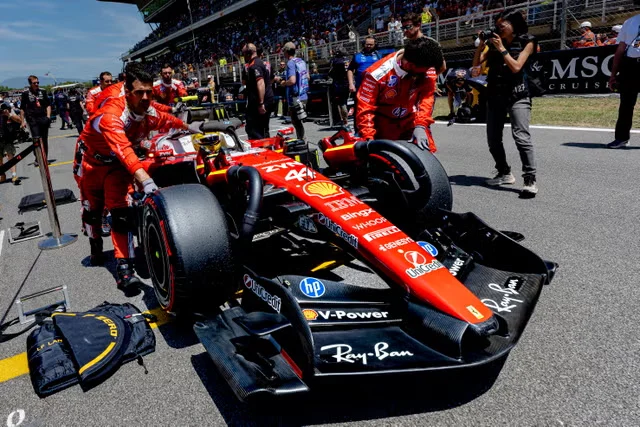
What is ERS in F1? ERS means Energy Recovery System. It recovers energy from braking, heat, or power-unit operation, stores that energy electrically, and deploys it through the hybrid system for extra performance. In modern Formula 1, ERS is one of the main reasons a power unit is called a power unit, not just an engine.
ERS is the hidden electric muscle inside a Formula 1 car. It turns wasted energy into lap time, overtaking power, and race strategy.
.jpg)
What is ERS in F1 is one of the best questions for understanding modern Formula 1. ERS is not a simple boost button. It is a complete hybrid energy system.
Formula 1 defines ERS as components that recover energy from the car, convert it into electrical energy, store it, and make it available to deploy. That means ERS is both recovery and attack.
The Energy Recovery System F1 topic connects directly with what Formula 1 is, Energy Store in F1, ECU in F1, and how fast F1 cars can go.
In plain racing language, ERS captures energy that would otherwise be wasted. Then the car uses that energy to add electric power when the driver needs acceleration, defence, or overtaking performance.
What Does ERS Stand For In Formula 1?
ERS stands for Energy Recovery System. In Formula 1, it is part of the hybrid power unit and works with the combustion engine.
Older fans may remember KERS, or Kinetic Energy Recovery System. KERS gave a short electric boost in the late V8 era. However, ERS became far more advanced when the 1.6-litre turbo-hybrid era arrived in 2014.
Formula 1’s 2014 technical guide said the new two-part ERS gave roughly 160bhp for about 33 seconds per lap. That made ERS a major performance tool, not a gimmick.
Race analyst view: ERS is not only extra power. It is how engineers decide where the car spends its energy budget around the lap.
How Does ERS Work In F1?
ERS works in three steps. First, it harvests energy. Second, it stores energy. Third, it deploys energy back to the drivetrain.
Under braking, the MGU-K can act like a generator. It converts kinetic energy from the car into electrical energy instead of letting all of that energy disappear as brake heat.
That energy goes to the Energy Store, which is the high-voltage battery. Control Electronics manage when energy moves, how much is available, and how it supports the driver’s throttle demand.
Therefore, ERS affects acceleration, braking feel, fuel use, reliability, and strategy. It also links with brake balance, G-force in F1, grip, and car handling.
What Are The Main ERS Components?
In current Formula 1 language, ERS mainly revolves around the MGU-K, Energy Store, and Control Electronics. Earlier hybrid-era cars also used the MGU-H from 2014 to 2025.
The wider F1 power unit includes the Internal Combustion Engine, turbocharger, MGU-K, Energy Store, Control Electronics, and exhaust. However, the ERS is the electrical recovery and deployment part of that larger system.
| ERS Part | Main Job | Why It Matters |
|---|---|---|
| MGU-K | Harvests braking energy and deploys electric drive | Improves acceleration and energy efficiency |
| Energy Store | Stores recovered electrical energy | Acts as the car’s high-voltage battery |
| Control Electronics | Controls electrical energy flow | Manages deployment, harvesting, and safety |
| MGU-H | Recovered exhaust heat energy in 2014–2025 cars | Helped turbo response and electrical recovery |
What Is MGU-K In Formula 1?
MGU-K means Motor Generator Unit – Kinetic. It is connected to the drivetrain and works with kinetic energy.
When the car slows, the MGU-K can recover energy. When the car accelerates, it can send electric power back to the rear wheels.
For 2026, Formula 1 says the MGU-K is almost three times as powerful as before. Its output rose from 120kW to 350kW, which makes the electrical side a much larger part of the power unit.
Mercedes lists its 2026 MGU-K at 350kW, with a 4.0MJ usable energy storage range on track. That explains why modern F1 ERS deployment is a huge strategy layer.
.svg)
What Is MGU-H In Formula 1?
MGU-H means Motor Generator Unit – Heat. It was used in the 2014 to 2025 hybrid era and sat on the turbocharger shaft.
The MGU-H recovered energy from exhaust gas flow. It could also help control turbo speed and reduce turbo lag. Honda explains that the MGU-H converted heat energy from exhaust gas into electrical energy.
However, the 2026 power-unit rules removed the MGU-H. Formula 1 said the system was effective but complicated and had limited road relevance. As a result, the modern ERS focus moved heavily toward the MGU-K.
This is why an ERS F1 article must mention both eras. If you are watching 2014–2025 technical content, MGU-H matters. If you are reading 2026 rules, the MGU-K is the headline electrical component.
How Do F1 Drivers Use ERS During A Race?
Drivers do not simply press one button and receive unlimited power. ERS deployment depends on maps, battery state, race mode, and team strategy.
The driver may use more electrical energy to attack, defend, recover after traffic, or build a qualifying lap. Meanwhile, the team may ask the driver to harvest more energy if the battery state drops.
In 2026, Formula 1 also added MGU-K override for overtaking. F1 explains that a following car can use override when within one second of the car ahead, giving extra electric deployment at high speed.
ERS therefore works with DRS in F1, slipstreaming, overcut and undercut strategy, and pit stops.
Is ERS The Same As DRS?
No. ERS and DRS are completely different systems. ERS is electrical. DRS was aerodynamic.
ERS recovers and deploys energy through the hybrid power unit. DRS opened a flap on the rear wing to reduce drag on certain straights. Therefore, one changes power delivery, while the other changes airflow.
Fans often confuse them because both can help overtaking. However, ERS is deeper than a passing aid. It shapes the whole lap.
What Happens If ERS Fails In F1?
An ERS failure can be serious. The driver may lose electric power, harvesting ability, braking balance consistency, or deployment on straights.
In the 2014 rules change, Formula 1 noted that an ERS problem could be much more damaging than an old KERS problem. That is because ERS became integrated into the full performance package.
A failure can also create grid penalties if teams need extra power-unit elements. Energy Stores and Control Electronics have seasonal allocations, so reliability matters.
Final Verdict
ERS in F1 means Energy Recovery System. It recovers wasted energy, stores it, and deploys it as electrical power through the hybrid power unit.
Older ERS systems used both MGU-K and MGU-H. However, 2026 rules removed the MGU-H and made the MGU-K far more powerful. Consequently, electric power now plays an even bigger role.
For beginners, the answer is simple. ERS is the car’s hybrid energy system. For serious fans, it is one of the biggest reasons modern Formula 1 is a battle of software, energy strategy, braking recovery, and power deployment.
FAQs About ERS In F1
What is ERS in F1?
ERS means Energy Recovery System. It recovers, stores, and deploys electrical energy in an F1 hybrid power unit.
What does ERS stand for in Formula 1?
ERS stands for Energy Recovery System.
How does ERS work in Formula 1?
It harvests energy, stores it in the Energy Store, then deploys it through the hybrid system for extra performance.
What is MGU-K?
MGU-K means Motor Generator Unit – Kinetic. It recovers braking energy and can add electric power to the drivetrain.
What is MGU-H?
MGU-H means Motor Generator Unit – Heat. It recovered exhaust heat energy in 2014–2025 hybrid-era Formula 1 cars.
Is ERS the same as DRS?
No. ERS is an electrical energy system. DRS was an aerodynamic rear-wing drag reduction system.