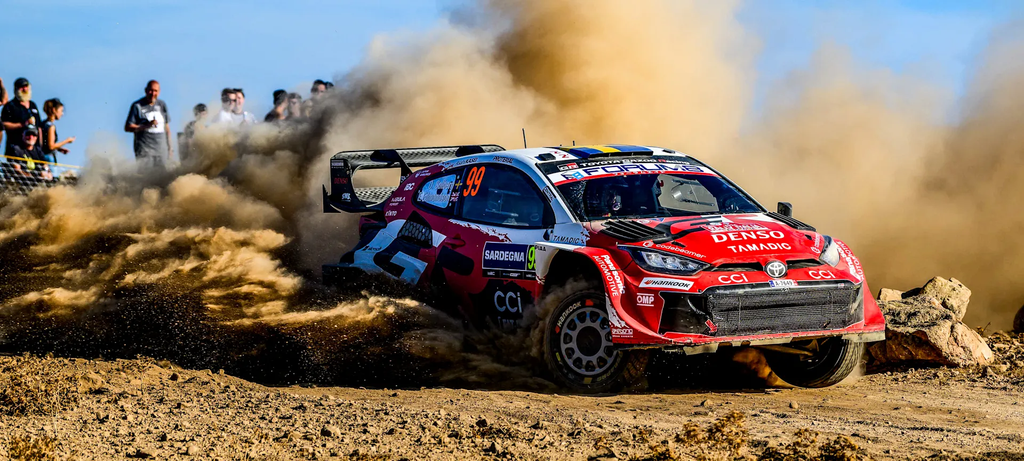
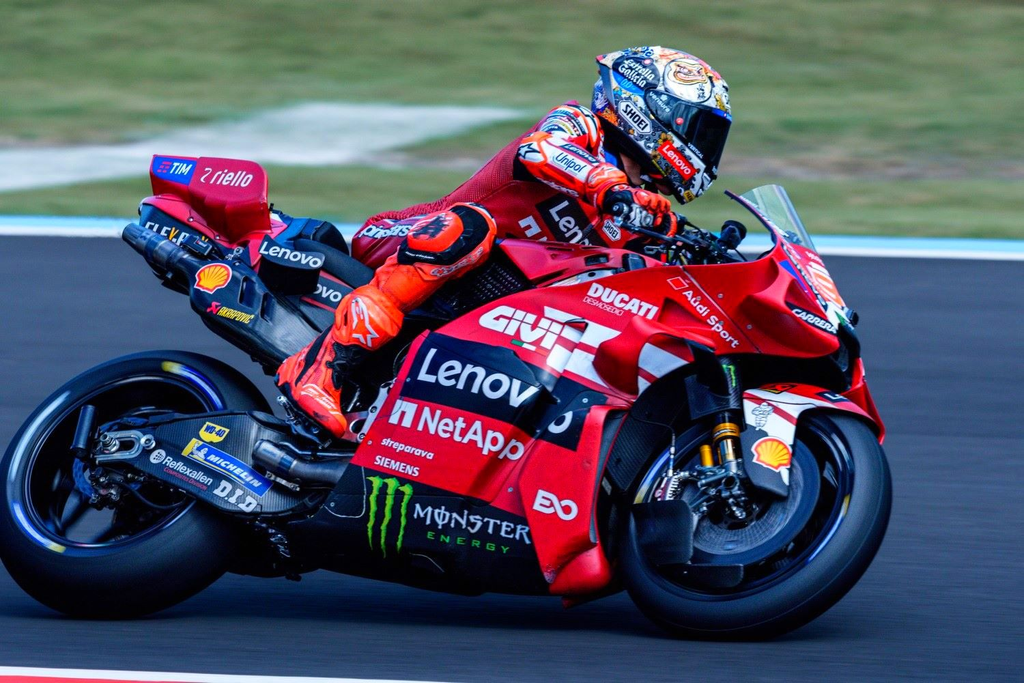
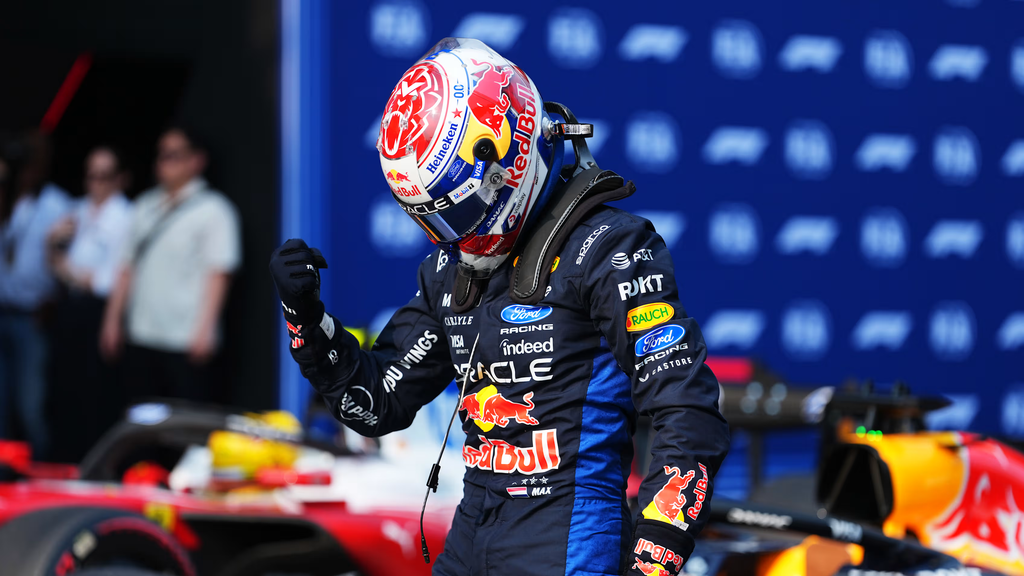
The Frisbee CANAM car driven by Al Unser Jr. is a prime example of a slippery surfaced car designed to implement downforce.

Force is an abstract concept. Defined in physics as: any interaction that will change the motion of an object when unopposed. Simply, force is an object of mass that is moving. In racing, that object is clearly the racecar in motion.

Downforce racing specifically is when air moves at high speeds over the surface of the car. The more downforce, the heavier a car appears to be. This is important because in racing, downforce is used to keep the fast moving vehicle adhered to the surface of the track. This added pressure on the tires also results in more grip that makes the car easier to handle.

Aerodynamics is the manipulation of downforce for additional speed, handling and apparent weight. The same concept used in aeronautics to lift airplanes off the ground is used in racing to keep cars on the ground. Instead of creating an upward force, fast moving air is manipulated to push the car to the ground, thus preventing airborne crashes.

Drag is the friction of wind against the exterior of the car. An aerodynamic car slices through the air, thus creating as little drag as possible. The less drag, the faster the car goes.

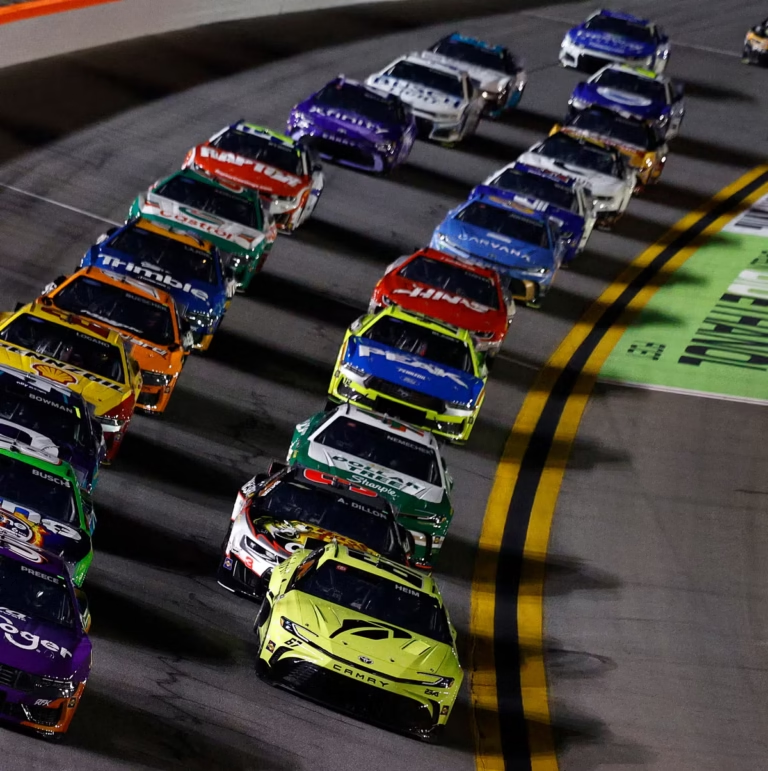
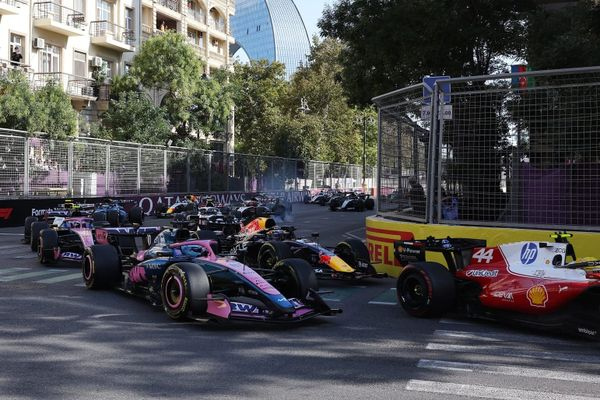
Aerodynamics, downforce and drag are essential to the design of any vehicle, whether it is in the air, on land or on water. The most obvious racing examples of aerodynamics would be in open wheel cars, where appendages called spoilers or wings are added for downforce. These attachments can often be manipulated by the driver inside the car to change the amount of drag and are hard to miss. Instead of adding anything onto landspeed, the body design is often elongated and smooth, creating a slippery shape. NASCAR vehicles also use this technique to create a stout and blocky profile. NASCAR cars however have a unique use for flaps and downforce. When going in the correct direction, the flaps aren’t visible. When moving backwards, a handful of tabs suddenly appear on the top and on the hood of the car to prevent the crash from going airborne. This innovation came about in 2013 to prevent the sanctioning body from restricting speeds.

Downforce is calculated as: ½ (wing width in meters) x (wing height in meters) x (angle of wing) x (lift coefficient) x (air density) x (velocity). Clearly this is a topic that takes a great understanding of physics and aerodynamics. More than ever, racing at all levels has become more technical. Fine calculations like this one put engineering professionals to work finding the best balance and the greatest angle of attack.

Related Artical

Why do diesel engines make more torque?

Introduction If you have ever driven a diesel-powered vehicle or watched a heavy truck pull a massive load, you may

Why a V8 Sounds Different from a V12 — Explained Simply with Real Engineering Insight

When you hear a V8 engine rumble next to a V12 engine screaming smoothly, you are not just hearing two

Turbo vs Naturally Aspirated Engines
Turbo vs Naturally Aspirated Engines — The Real Difference (Explained Simply)

Cars don’t just “make power” — they convert air and fuel into controlled explosions. The way air enters the engine

How a 4-Stroke Engine Works

Introduction: The Invisible Explosions Powering Your Car Every time a car moves, thousands of tiny explosions happen inside the engine

How Car Engines Work
How Car Engines Work: The Ultimate Beginner’s Guide

A car engine is far more than just a machine that makes a vehicle move — it is a high-speed

mercedes usa
Mercedes USA Guide 2026: Prices, Models, SUVs & Financing

Mercedes-Benz USA offers luxury sedans, SUVs, AMG performance cars, and EQ electric vehicles with prices ranging from entry-level luxury models

Related News

Markham INDYCAR 2026 Practice Results
Markham INDYCAR 2026 Practice Results: Qualifying Pace and Long Runs

Markham INDYCAR 2026 Practice Results: Qualifying Pace and Long Runs INDYCAR Practice · Markham · 2026Markham INDYCAR 2026 Practice Results:

Markham INDYCAR 2026 strategy analysis
Markham INDYCAR 2026 Strategy Analysis: Track Position, Pit Windows & Cautions

Markham INDYCAR 2026 Strategy Analysis: Track Position, Pit Windows & Cautions INDYCAR Strategy · Markham · 2026Markham INDYCAR 2026 Strategy

Markham INDYCAR 2026 Preview
Markham INDYCAR 2026 Preview: Contenders, New Track Guide & Predictions

Markham INDYCAR 2026 Preview: Contenders, New Track Guide & Predictions INDYCAR Preview · Markham · 2026Markham INDYCAR 2026 Preview: Contenders,

Ontario Grant
Markham INDYCAR 2026: Full Schedule, Race Time, TV Coverage & Streaming Guide

Markham INDYCAR 2026: Full Schedule, Race Time, TV Coverage & Streaming Guide INDYCAR · Markham · August 14–16, 2026Markham INDYCAR

NTT INDYCAR SERIES open-wheel race car
Portland INDYCAR 2026 Qualifying Results:Pole Winner, Fast Six & Full Grid

Portland INDYCAR 2026 Qualifying Results: Pole, Fast Six & Grid 🏁 NTT INDYCAR SERIES · PORTLAND · QUALIFYING Portland INDYCAR

Alex Palou turned a front-row start into his sixth win of 2026
Portland INDYCAR 2026 Race Results: Winner, Podium & Full Classification

Portland INDYCAR 2026 Race Results: Winner & Full Classification 🏁 NTT INDYCAR SERIES · PORTLAND · RACE RESULTS Portland INDYCAR