From Moonshine to NASCAR:
HOW THE PROHIBITION LEAD TO STOCK CAR RACING

MOONSHINE & BOOTLEGGERS
Made in the cover of night to prevent the detection of smoke rising from clandestine stills earned the alcohol its name: moonshine.
The high-proof distilled spirit produced illicitly, moonshine exploded in popularity when the 18th Amendment of the US Constitution instituted a total ban on alcohol. So began the Prohibition era (1920-1933) and the explosion of illegal smuggling of alcohol around the country.
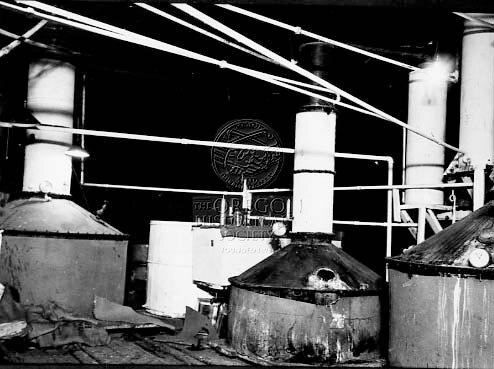
Bootleggers smuggled moonshine from clandestine distilleries to risk-taking customers, often having to outwit the cops at every turn. The original bootleggers hid flasks in their boots but with the introduction of cars, bootleggers came to refer to anyone who smuggled spirits (of the alcohol variety).

In hopes of improving their chances of outrunning prohibition cops, bootleggers modified their cars and trucks by enhancing the engines and suspensions to make their vehicles faster. These cars were called moonshine runners.
MOONSHINE RUNNING STOCK CARS

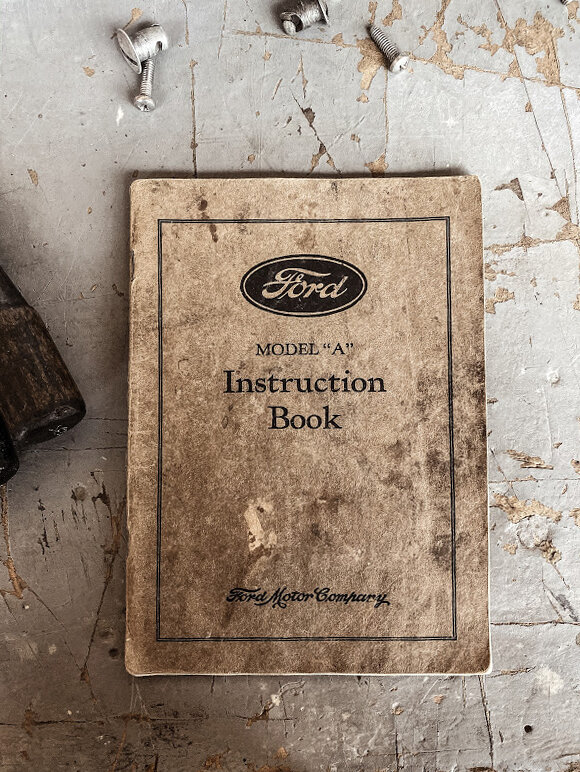
When modifying a car to make a moonshine runner, subtlety was the first rule. The vehicle had to look “stock” — it could not have any flashy modifications that would make the car attract attention. A variety of vehicles, including Dodge Coronets, Oldsmobile Rocket 88s, and Chevy Coupes, were used as moonshine runners. The most popular car of all, though, was the Ford Model A Coupe. Extremely commonplace for the time, powered by a Flathead V8 engine, with easily modifiable suspensions and a large trunk… it was perfect for the job.

Modifications made to moonshine runners included adding more carburetors so the car could burn more fuel, installing new intake manifolds to bring more air to engine, and over boring the cylinders to increase the car’s displacement for more horsepower.

These cars didn’t only need to drive fast — they needed to haul a whole lot of weight. Typically carrying 100 to 180 gallons of moonshine, these vehicles needed to drive at high speeds while carrying almost 800 pounds of alcohol — and they had to do it on twisting, curving backwoods dirt roads.
Bootleggers added leaf springs to stiffen the suspension, allowing them to carry more weight. The suspensions of the moonshine runners were so stiff that the rear of the car would be high up in the air when there was no moonshine inside but would appear normal once the car was loaded.

In order to prevent the police from tracking them down, bootleggers would use “borrowed” license plates during their runs. They would also install switches that would turn their taillights and brake lights off to help them throw off any coppers on their tail.
RACING BOOTLEGGERS

Junior Johnson, former bootlegger, moonshiner, and NASCAR driver was known to use this move. Junior Johnson was just 14 when he began running his father’s moonshine — before even he had his license: “I didn’t need one, ‘cuz I wasn’t gonna stop!”
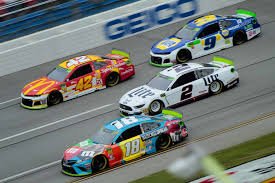
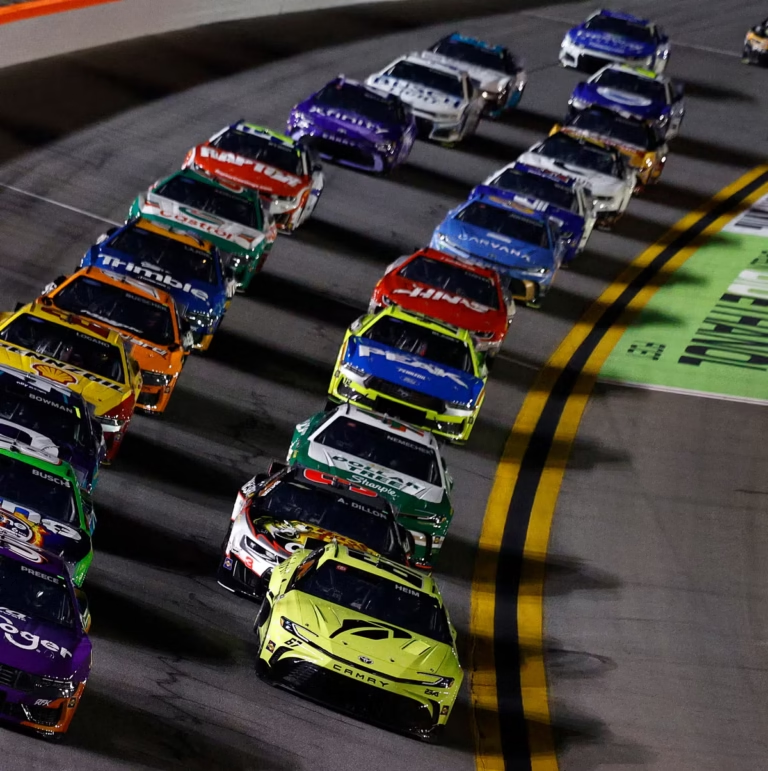
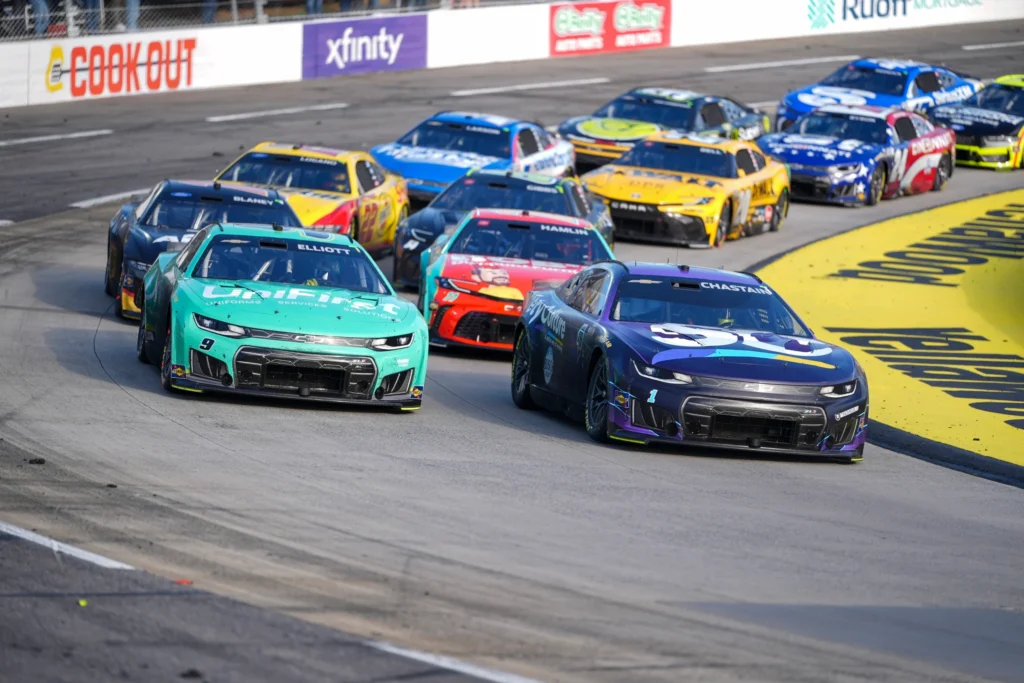
In their free time, bootleggers would race against each other in open dirt fields or on backroads, proving who had the fastest car and who was the best driver. Eventually, local fairgrounds saw a profit to be made and began inviting bootleggers to race their modified “stock” cars for prize money, selling tickets to fairground visitors to watch these cars race — and so began the rise of stock car racing.

When Prohibition was repealed in 1933, many bootleggers and moonshiners moved to legitimate liquor businesses. Some, however, like Junior Johnson, Benny Parsons, and Lee Petty transferred their skills of running from the law and driving at high speeds on dirt roads towards racing stock cars professionally.

By 1948, permanent stock car tracks had popped up around the country, and in response to the need for a formal association, Bill France Sr. formed the National Association for Stock Car Auto Racing, aka NASCAR. Years later, all three bootleggers turn stock car drivers where inducted into the NASCAR Hall of Fame.

Benny went on to write a book all about stock car driving techniques, #WOS3099.