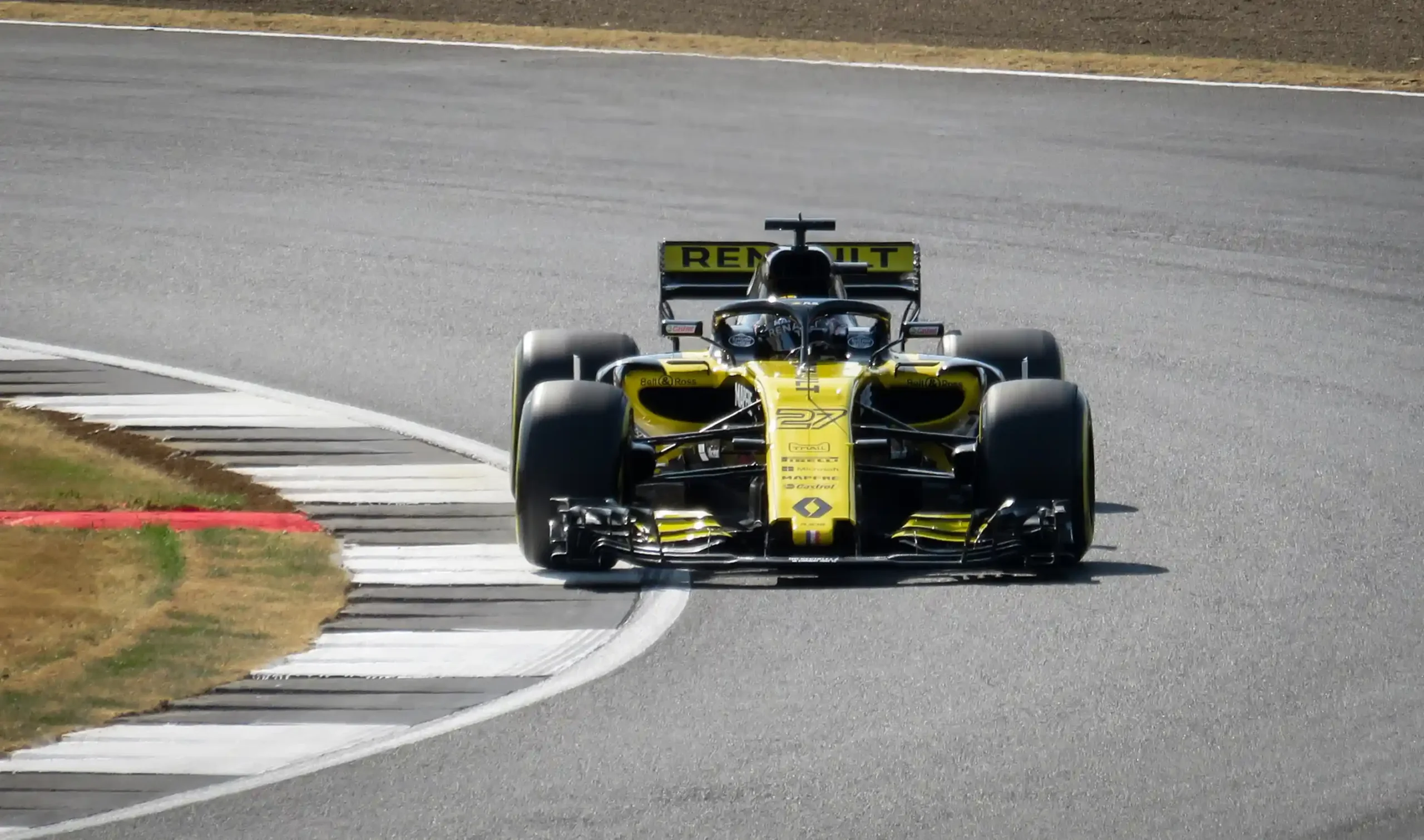
What Does an F1 Reserve Driver Do?
A reserve driver may spend weeks in a simulator and months outside the race car. Then one phone call can put them on the grid with almost no warning.
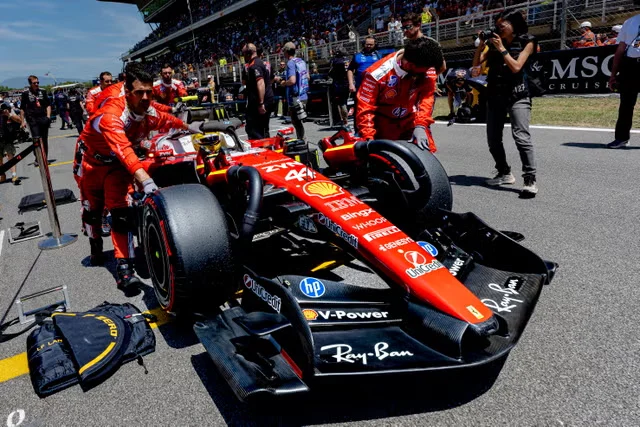
An F1 reserve driver stays ready to replace a race driver, supports simulator and development work, attends engineering meetings, studies telemetry and may complete testing or FP1 sessions. The job combines emergency readiness with year-round technical support.
The reserve driver is Formula 1’s insurance policy, test pilot and factory problem-solver in one job.
Most race weekends pass without a substitution. However, the reserve must prepare as if a call could arrive before the next session.
An illness, injury or medical decision can remove a regular driver with little warning. The replacement then inherits a car, setup and race program built for someone else.
That emergency role attracts the headlines. Yet it represents only a small part of the work.
Reserve drivers spend long hours in team simulators. They test setup ideas, compare development directions and support the race crew from the factory.
They also join briefings and debriefs. Therefore, they learn the language, procedures and personalities needed for a sudden promotion.
Some reserves attend nearly every Grand Prix. Others split the calendar because they race in IndyCar, Formula E, Super Formula or endurance competition.
Modern teams may carry more than one reserve. A shared arrangement can also make one driver available to several related teams.
The 2026 grid shows that variety clearly. Teams use young academy prospects, experienced former race drivers and active racers from other championships.
So, what does an F1 reserve driver do? They make sure the team never faces a driver emergency unprepared.
The F1 Reserve Driver Role at a Glance
An F1 reserve driver is the team’s nominated substitute. They remain available to race if a regular driver cannot compete and usually support testing, simulator development, engineering work and promotional duties.
The simplest description is “backup driver.” However, that label hides the technical depth of the position.
Formula 1’s official glossary describes a reserve as a driver on standby if a nominated racer cannot compete. It also notes that the same driver may complete testing and simulator work.
A team needs more than a name on a contact list. The replacement must know the cockpit, steering-wheel controls, radio language and operating procedures.
That preparation begins long before an emergency. A reserve usually completes a seat fitting and learns the team’s systems at the factory.
They may also train with the human-performance staff. Physical readiness matters because simulator mileage cannot reproduce every load from a race car.
| Reserve Duty | What the Driver Does | Why the Team Needs It |
|---|---|---|
| Emergency standby | Remains available to replace a race driver | Protects the team’s ability to enter both cars |
| Simulator work | Tests setups, tires, systems and development ideas | Supports trackside decisions and future upgrades |
| Engineering support | Reviews telemetry and joins debriefs | Adds a third driver perspective |
| Testing | Drives previous cars, tire tests or approved sessions | Maintains readiness and gathers data |
| FP1 running | Completes an official practice program | Provides mileage and helps meet rookie-session obligations |
| Commercial work | Attends sponsor, media and fan events | Represents the team when race drivers are unavailable |
Not every reserve performs every duty. A veteran may focus on race readiness and technical feedback.
Meanwhile, a young academy driver may use the role as a development year. Their program can include simulator work, FP1 outings and private testing.
A strong reserve is not simply the third-fastest driver. The best reserve is the person who can enter the operation without slowing it down.
What Does a Reserve Driver Do During a Grand Prix Weekend?
Many reserves attend most or all Grands Prix, although schedules vary. Some share the role or miss rounds because they compete in another championship.
A reserve’s weekend starts before the cars reach the circuit. They study the track, forecast, tire compounds and latest team procedures.
At the circuit, they attend engineering briefings. They listen to both race drivers and learn what each side of the garage expects.
The reserve may review onboard video and telemetry after practice. That work helps them stay current and can add another useful interpretation.
They also remain close to the team’s medical and sporting plans. If a driver becomes unavailable, the reserve must be reachable immediately.
Friday: Learn the Car’s Real Behavior
Friday practice reveals whether simulation matched reality. The reserve follows balance problems, tire behavior and upgrade performance.
When based at the factory, they may enter the simulator after track data arrives. The schedule can run through the night because the team needs answers before Saturday.
Saturday: Stay Ready for Qualifying
A driver change at a standard weekend must be completed before qualifying begins. Consequently, Saturday morning can become critical.
The reserve keeps their equipment ready and follows the final setup discussion. A late call leaves little time for orientation.
Sunday: Support and Observe
If no replacement is needed, the reserve watches strategy, starts and race procedures. They may sit in the garage or another team area.
The experience still matters. Understanding real radio traffic makes later simulator work more accurate.
Simulator Work Is Often the Biggest Part of the Job
The reserve tests setups, tire behavior, energy use, aerodynamic changes and race scenarios. Engineers compare those virtual results with track data before recommending changes to the race team.
The driver-in-the-loop simulator is one of the team’s most important development tools. It creates a controlled environment for repeatable testing.
Reserve drivers can run the same corner with several brake-balance or differential settings. That is impossible during a short practice session.
They may also compare wing levels, ride heights and suspension changes. Each run produces data and driver comments.
Mercedes reserve Frederik Vesti has described eight- or nine-hour simulator days. He called simulator work his main weekly contribution to the team.
That contribution becomes especially important during a race weekend. Trackside engineers send data back to the factory after practice.
The simulator crew then recreates the problem. A reserve may test several solutions while the race drivers rest or complete media duties.
Correlation Matters More Than a Fast Virtual Lap
The reserve is not trying to win a video game. Their job is to make the simulator behave like the real car.
If the model feels too stable, engineers need to know. Poor correlation can send the race team toward the wrong setup.
Development Work Looks Beyond the Next Race
Simulator programs also support future cars. A reserve can spend most of a season driving a virtual machine that has not yet appeared publicly.
They assess steering feel, energy systems and balance concepts. Therefore, the role can influence design months before manufacturing begins.
Night Shifts Are Part of Global Racing
Race locations create difficult hours for European factories. A session in Asia or the Americas can push simulator work deep into the night.
Former reserve Stoffel Vandoorne has described shifts starting in the evening and ending around dawn. The findings then travel back to the circuit.
Our history of racing simulators explains how this factory tool became central to modern competition.

What Happens When the Reserve Gets the Call?
A reserve steps in when a race driver cannot compete because of illness, injury, medical clearance, suspension or another approved reason. The team must complete the FIA entry and driver-change process.
The first step is confirmation. Medical staff, the driver and the team establish whether the regular racer can continue.
Next, the sporting department contacts the FIA. The substitute must hold the required licence and receive approval under the regulations.
The mechanics then adapt the cockpit. They may install the reserve’s seat, adjust pedals and confirm helmet clearance.
The replacement also learns the current setup. They need to understand every switch, launch setting and radio phrase before leaving the garage.
The Car Was Built Around Someone Else
A reserve often inherits another driver’s steering wheel and ergonomics. Even a prepared seat may not create a perfect fit.
Height and leg length can affect comfort, visibility and pedal movement. Small compromises become painful during a full race.
Practice Time Can Be Almost Nonexistent
Oliver Bearman replaced Carlos Sainz from FP3 onward in Saudi Arabia in 2024. Sainz had already driven both Thursday sessions.
Bearman therefore received one practice hour before qualifying at Jeddah. He missed Q3 by only 0.036 seconds and finished seventh.
The Mental Challenge Is Immediate
The reserve cannot spend several days processing the opportunity. They must absorb the excitement and begin technical work.
A calm first run is usually more valuable than a dramatic lap. The team needs clean data and a car that returns undamaged.
Key point: An emergency substitute rarely gets a perfect setup or preparation program. Success means adapting to the car that already exists.
What Do the 2026 FIA Rules Say About Driver Changes?
Yes, but timing rules apply. At a standard 2026 weekend, an approved change may be made before qualifying starts. Sprint weekends use separate deadlines for Sprint Qualifying and race qualifying.
The FIA Sporting Regulations place clear limits around substitutions. A team cannot simply change drivers whenever strategy becomes inconvenient.
For 2026, each competitor may use a maximum of four drivers in races across the championship. Any new driver can score championship points.
After initial scrutineering, the stewards must approve a proposed change. At a standard weekend, the deadline is the start of qualifying.
At a Sprint weekend, the timing depends on which session the substitute will contest. The relevant change must occur before Sprint Qualifying or race qualifying.
These rules explain why a withdrawal after qualifying creates a different situation. A fresh reserve cannot normally appear on Sunday after another driver completed qualifying.
Why the Deadline Exists
Qualifying establishes the race entry and grid. Changing the driver afterward would create sporting and procedural complications.
The FIA also needs time for licensing, medical and scrutineering checks. Safety cannot depend on informal team arrangements.
A Team Still Needs Both Sporting and Practical Readiness
Permission alone does not fit a seat or teach the steering wheel. Therefore, teams complete those preparations before an emergency.
The reserve role is strongest when paperwork, equipment and engineering knowledge are already in place.
Read what the FIA does and how the FIA differs from FIFA.
Does a Reserve Driver Need an FIA Super Licence?
A reserve needs the correct FIA Super Licence to race. A driver can perform some non-racing duties without a full race licence, while official practice running requires the relevant Free Practice Only or full Super Licence.
The job title itself does not automatically grant eligibility. A team can hire a simulator specialist who is not ready to enter a Grand Prix.
However, the person expected to substitute must satisfy FIA licensing requirements. Teams check this before naming the practical race reserve.
The normal full Super Licence pathway includes championship points, experience and other conditions. Forty points remains the standard target for a first full licence.
A Free Practice Only Super Licence uses separate conditions. It allows eligible drivers to take part in official practice sessions without holding the complete race credential.
Licence Status Can Divide the Role
One driver may handle simulator and development duties. Another may serve as the legally eligible race substitute.
Large teams can maintain several names for this reason. Availability also changes when a reserve races elsewhere.
Medical Clearance Still Matters
A valid licence does not remove medical oversight. FIA officials can require examinations during a competition.
The substitute must be physically capable of competing safely. That includes current medical documentation and driver equipment.
Our guide to becoming a race car driver covers the wider route into professional competition.
How Much Real F1 Testing Does a Reserve Driver Get?
Reserve drivers may run previous cars, official tire tests, post-season tests, promotional events or approved current-car sessions. The exact program depends on regulations, budget and team priorities.
Modern F1 limits testing because unrestricted mileage would favor the richest teams. Consequently, reserve drivers cannot drive the current car whenever they want.
Testing Previous Cars, often shortened to TPC, has become a valuable route. It gives drivers realistic speed and procedures in an older machine.
A previous car still builds neck strength and cockpit familiarity. It also lets the team practice starts, long runs and radio routines.
Pirelli Tests Serve a Different Purpose
Tire tests follow programs agreed with Pirelli and the FIA. Drivers may evaluate compounds or constructions rather than chase headline lap times.
The reserve must follow the run plan precisely. Reliable feedback matters more than the timing screen.
Post-Season Tests Create Public Benchmarks
Abu Dhabi testing often gives junior and reserve drivers meaningful mileage. Teams use the day to assess pace, feedback and physical readiness.
However, conditions differ from a Grand Prix weekend. A test result should not be treated as a direct qualifying comparison.
Promotional Running Has Strict Limits
Filming and demonstration days help with media and system checks. They do not replace a complete competitive test.
Even so, every launch and pit-lane procedure keeps the driver connected to F1 operations.
Read how a Formula 1 car works and why protecting test machinery matters.
Why Reserve Drivers Appear in FP1
Yes. Eligible reserve, test and academy drivers can take part in first practice when a team assigns them a car and the FIA licence conditions are met.
FP1 gives a reserve live experience with current systems and tires. It also lets engineers judge how simulator habits transfer to the circuit.
The run plan may include aerodynamic sensors, tire comparisons or setup work. Therefore, final position often tells little about the driver’s performance.
The team cares about clean execution. A crash can remove the regular driver’s practice time and consume valuable parts.
In 2026, the regulations continued to require each full-time racer to give up two practice sessions for eligible rookies. That increased opportunities for academy and reserve drivers.
Preparation Starts in the Simulator
The driver rehearses pit entry, starts and steering-wheel procedures before arriving. They also study expected balance changes.
That preparation allows the first laps to serve the engineering program rather than basic orientation.
FP1 Can Strengthen a Promotion Case
A disciplined session proves that the driver can work inside a Grand Prix weekend. Engineers notice communication, pace development and mistake control.
One practice outing does not guarantee a seat. However, several strong sessions can reduce the risk of a future promotion.
See how F1 qualifying works and when qualifying takes place.

How a Reserve Driver Stays Race-Ready
The driver maintains fitness, completes seat fittings, learns controls, studies procedures and stays involved with engineering work. Racing in another category can also preserve competitive sharpness.
Simulator work trains decisions and technique, but it does not fully reproduce g-force. Reserve drivers still need neck, core and cardiovascular training.
They also keep race equipment current. Helmet, HANS device, fireproof clothing and radio equipment must be ready for travel.
A Seat Is Prepared Before It Is Needed
Teams create a molded seat for likely substitutes. They record pedal positions and steering-wheel preferences.
This preparation saves hours during an emergency. However, the exact car configuration can still require adjustment.
Racing Elsewhere Protects Sharpness
Some reserves combine F1 duties with another championship. Super Formula, IndyCar, Formula E and WEC provide real starts and wheel-to-wheel pressure.
The benefit is obvious, but calendar clashes create availability problems. Teams may need a second reserve for those weekends.
Procedural Knowledge Is a Competitive Skill
The reserve practices launches, pit-lane speed control, Safety Car restarts and radio confirmations. A missed procedure can ruin an otherwise fast debut.
They must also understand the team’s preferred language. Short radio calls leave no room for confusion.
Read how the F1 formation lap works and how Safety Car procedures work.
How Reserve Drivers Help Engineers and Race Strategy
Yes. Reserve drivers compare setups, evaluate simulator models, test development parts and explain car behavior. Their feedback can influence both race-weekend choices and future design work.
A third driver perspective can expose assumptions. The two race drivers may share a habit that hides another solution.
The reserve can test that alternative without risking track time. Engineers then compare data across all three drivers.
Telemetry Turns Feel Into Evidence
The reserve studies brake, throttle and steering traces. They can see how a setup change alters the car’s response.
Good feedback identifies the corner phase and speed range. It avoids vague comments that engineers cannot use.
Strategy Simulation Tests More Than Pit Laps
Teams model undercuts, tire life and Safety Car timing. A driver helps verify whether the expected pace is realistic.
The reserve may run a long virtual stint to test degradation. They can also assess how traffic changes cooling and balance.
Future Regulations Increase the Workload
A major rule change creates unfamiliar systems and handling. Reserve drivers often complete thousands of virtual laps before the race team drives the new car.
Their comments help shape controls and operating procedures. Therefore, a reserve can influence performance without appearing on television.
Read what happens in an F1 debrief and how strategy uses undercuts and overcuts.
How Do You Become an F1 Reserve Driver?
Most reserves arrive through a driver academy, strong Formula 2 results, previous F1 experience or manufacturer links. Teams value Super Licence eligibility, technical feedback, availability and professional reliability.
There is no single recruitment path. A young driver may enter through an academy after success in Formula 3 or Formula 2.
A former race driver can return because the team trusts their experience. Meanwhile, an endurance or Formula E driver may carry strong manufacturer links.
Young Prospect Route
- Strong junior results
- Academy support
- Super Licence eligibility
- Simulator and FP1 development
- Long-term race-seat potential
Experienced Driver Route
- Known F1 procedures
- Proven technical feedback
- Immediate emergency readiness
- Lower adaptation risk
- Leadership for young race drivers
Teams Look for Trust, Not Only Lap Time
A reserve handles confidential development information. They must remain professional even when frustrated about missing a race seat.
Availability also matters. A brilliant driver is less useful if another series creates repeated clashes.
Simulator Performance Can Build a Reputation
Engineers remember the driver who finds a useful setup direction. Consistent technical work creates internal support.
That support can matter when a race seat opens. Senior management wants evidence that the candidate already improves the operation.
The Role Can Help or Delay a Career
A reserve gains F1 knowledge and visibility. However, racing elsewhere may provide stronger wheel-to-wheel development.
The best program combines both when possible. The driver stays inside F1 while maintaining real competition.
Our guide to the 2026 F1 drivers shows how varied the final routes to the grid can be.
How Much Does an F1 Reserve Driver Earn?
Reserve-driver pay is private and varies by experience, workload and commercial value. A contract may include a yearly retainer, simulator and testing duties, travel expenses and extra race-appearance payments.
There is no reliable public salary scale. Teams rarely disclose reserve contracts, while duties differ sharply.
A young academy driver may receive career funding and a modest team salary. An experienced former race winner can command a larger retainer.
Race substitution may trigger an additional fee or bonus. Exact clauses remain confidential.
Contract Value Includes More Than Cash
Testing mileage, simulator access and a future option can be more valuable than short-term pay. A reserve role can keep a driver close to the market.
Teams may also cover travel, accommodation and training support. Commercial appearances can form part of the agreement.
Shared Reserves Need Clear Availability Clauses
A driver serving several teams needs a defined priority order. The contract must also address clashes with another championship.
That legal detail matters when two race drivers become unavailable on the same weekend.
Read how much full-time F1 drivers make for the wider salary picture.
Famous F1 Reserve and Substitute Performances
Stoffel Vandoorne scored on debut in 2016, Nico Hülkenberg delivered two points finishes in 2020, Liam Lawson scored in Singapore in 2023 and Oliver Bearman finished seventh for Ferrari in 2024.
| Driver | Substitution | Result | Why It Mattered |
|---|---|---|---|
| Stoffel Vandoorne | Fernando Alonso, Bahrain 2016 | 10th | Scored McLaren’s first point of the season on debut |
| Nico Hülkenberg | Sergio Pérez, 70th Anniversary GP 2020 | 7th | Qualified third and scored after a sudden return |
| Nico Hülkenberg | Lance Stroll, Eifel GP 2020 | 8th | Started last after a call only hours before qualifying |
| Liam Lawson | Daniel Ricciardo, Singapore 2023 | 9th | Reached Q3 and scored his first F1 points |
| Oliver Bearman | Carlos Sainz, Saudi Arabia 2024 | 7th | Scored six points after only one practice session |
Stoffel Vandoorne: A Point on Debut
McLaren called Vandoorne to Bahrain after Fernando Alonso failed a medical examination in 2016. The reserve flew from Japan and entered his first Grand Prix.
He qualified 12th and finished 10th. That point strengthened his case for a full-time McLaren seat in 2017.
Nico Hülkenberg: The Modern “Super Sub”
Racing Point used Hülkenberg three times in 2020. He replaced Sergio Pérez at Silverstone, then Lance Stroll at the Nürburgring.
At the 70th Anniversary Grand Prix, he qualified third and finished seventh. At the Eifel Grand Prix, he started 20th and finished eighth.
Those performances showed why experience matters. Hülkenberg understood F1 systems and adapted without a normal preparation program.
Liam Lawson: Opportunity Through Injury
Daniel Ricciardo broke a hand during practice at Zandvoort in 2023. Red Bull reserve Lawson stepped into the AlphaTauri seat.
He improved across five races and finished ninth in Singapore. The substitute run became central to his later full-time opportunity.
Oliver Bearman: One Hour Before Qualifying
Ferrari promoted Bearman when Sainz required appendicitis surgery in Jeddah. The 18-year-old had started the weekend in Formula 2.
He adapted quickly, missed Q3 by 0.036 seconds and finished seventh. The result accelerated his path to a full-time Haas seat.

How Teams Used Reserve Drivers in 2026
The 2026 reserve pool mixed young prospects and experienced racers. Examples included Leonardo Fornaroli at McLaren, Frederik Vesti at Mercedes, Yuki Tsunoda for Red Bull and Racing Bulls, Antonio Giovinazzi at Ferrari and Zhou Guanyu at Cadillac.
Formula 1 expanded to 11 teams and 22 race seats in 2026. That increased the number of drivers and contingency plans needed each weekend.
McLaren named Formula 2 champion Leonardo Fornaroli and IndyCar racer Pato O’Ward in its reserve structure. Fornaroli also handled test and development work.
Mercedes used Frederik Vesti as its sole reserve after Valtteri Bottas returned to a race seat with Cadillac.
Red Bull placed former race driver Yuki Tsunoda in a test and reserve role. He was also available to sister team Racing Bulls.
Ferrari retained Antonio Giovinazzi, who combined the job with World Endurance Championship racing.
Williams promoted Luke Browning while he raced in Super Formula. His program combined reserve availability with competitive mileage.
Aston Martin used Jak Crawford and experienced former F1 racer Stoffel Vandoorne. Haas carried Jack Doohan and Ryo Hirakawa.
Alpine listed Paul Aron and Kush Maini, while Cadillac chose Zhou Guanyu. The exact arrangements can change during a season.
| Team Example | 2026 Reserve Approach | Strategic Logic |
|---|---|---|
| McLaren | Young F2 champion plus experienced IndyCar racer | Development pathway and broad availability |
| Mercedes | Single academy-developed reserve | Deep simulator integration and continuity |
| Red Bull group | Experienced former race driver plus junior options | Coverage across two related teams |
| Aston Martin | Young American prospect plus veteran reserve | Future development and immediate experience |
| Haas | Former F1 starter plus endurance specialist | Proven procedures and manufacturer links |
| Cadillac | Recent full-time F1 driver | Experience for a new team and Ferrari systems knowledge |
The variety proves there is no universal model. Every team balances readiness, development and calendar coverage differently.
Reserve Driver, Test Driver, Third Driver and Simulator Driver
A reserve is primarily ready to substitute in races. A test driver focuses on track programs, while a simulator driver specializes in virtual development. “Third driver” is often used as another name for the reserve role.
Teams sometimes combine all four labels in one contract. Therefore, titles alone do not reveal the complete workload.
Reserve Driver
Stays eligible and available to replace a race driver at short notice.
Test Driver
Completes approved track programs, including previous-car and tire running.
Simulator Driver
Focuses on virtual setup, correlation and future-car development.
An academy driver can also perform these tasks without holding the lead reserve title. Large teams build flexible pools around licences and availability.
The practical question is always the same: who can race this weekend, and who can best support development?
Advantages and Risks of Becoming an F1 Reserve Driver
Advantages
- Direct access to F1 engineers and data
- Simulator and testing experience
- Visibility when a race seat opens
- Knowledge of team procedures
- Chance of an emergency debut
Risks
- Limited real racing mileage
- Uncertain path to promotion
- Calendar conflicts with other series
- Physical readiness without regular F1 driving
- Years of work without a Grand Prix start
The role can launch a career, but it is not a promise. Some reserves wait several seasons without racing.
Young drivers must decide whether factory access outweighs a full campaign elsewhere. The answer depends on testing mileage and team commitment.
Experienced drivers face another calculation. A reserve contract keeps them visible, yet it can also delay a move to another championship.
The strongest arrangement includes real driving. FP1, TPC and another race series keep the driver useful and sharp.
What Makes a Good F1 Reserve Driver?
A good reserve needs adaptability, technical feedback, fitness, procedural knowledge, confidentiality and calm judgment. They must be useful every week and race-ready on the rare day that matters most.
Raw pace remains important. A substitute still represents the team in a world championship.
However, flexibility separates excellent reserves from fast outsiders. The driver must accept another racer’s setup and still perform.
Communication is equally important. The reserve works with simulator engineers, race engineers and technical leaders.
They also need patience. Months of preparation may produce no public opportunity.
Professional behavior protects trust. The reserve cannot create political pressure every time a race driver has a difficult weekend.
Finally, they must react quickly. An emergency call leaves no time for excuses or a long confidence-building program.
F1 Reserve Driver FAQs
What does an F1 reserve driver do?
A reserve stays ready to replace a race driver, supports simulator and development work, attends engineering meetings and may complete testing or FP1 sessions.
Does an F1 reserve driver need a Super Licence?
A driver needs the appropriate FIA Super Licence to race. Eligible practice appearances can use a Free Practice Only Super Licence.
Can a reserve driver become a full-time F1 driver?
Yes. Strong technical work and substitute performances can lead to promotion, as shown by Stoffel Vandoorne, Liam Lawson and Oliver Bearman.
How much does an F1 reserve driver earn?
Pay is private and varies widely. Contracts may include a retainer, simulator duties, testing, travel support and extra compensation for race appearances.
Conclusion: The Driver Who Must Be Ready Before They Are Needed
So, what does an F1 reserve driver do?
The visible answer is simple. They replace a regular driver when illness, injury or another approved issue removes them from a race weekend.
The complete answer is much larger. Reserve drivers spend the season building the knowledge that makes a sudden substitution possible.
They learn the steering wheel, procedures and radio language. They complete seat fittings and maintain the fitness needed for F1 loads.
Simulator work often forms the core of the job. The reserve tests setups, tire behavior and future-car concepts for hours at a time.
During race weekends, the factory simulator can become a live support tool. Data arrives from the circuit, and the reserve tests possible solutions overnight.
They also attend engineering meetings and study telemetry. A useful third perspective can improve setup and development decisions.
Track mileage remains limited. Therefore, TPC, tire testing, FP1 and post-season running carry major value.
The FIA rules control when a change can happen. In 2026, a standard-weekend substitution needed approval and had to occur before qualifying.
Licensing also matters. A reserve expected to race must hold the correct Super Licence and remain medically ready.
The job can lead to a full-time seat. Vandoorne, Lawson and Bearman all converted substitute opportunities into stronger career positions.
Hülkenberg showed another side. Experience allowed him to score twice in 2020 after extremely short preparation.
However, many reserves never start a Grand Prix. Their value appears in simulator data, engineering support and contingency planning.
That invisible work is still competitive work. A setup improvement found at the factory can influence qualifying thousands of miles away.
Teams therefore select reserves for trust, adaptability and feedback, not only headline speed.
The ideal reserve can wait patiently for months. Then, when the phone rings, they can become a Formula 1 race driver within hours.
That contrast defines the role. It is a job built around preparation for a moment that may never come.
Sources and Fact-Checking
This article was checked against FIA regulations, official Formula 1 reporting and official team material available on July 26, 2026. The source list is static and no interactive verification control is included.