What Is a Formation Lap in F1? Rules and Purpose Explained
Why drivers weave and brake before lights out, how the FIA controls grid order, and what happens when a car stalls or the start cannot proceed.
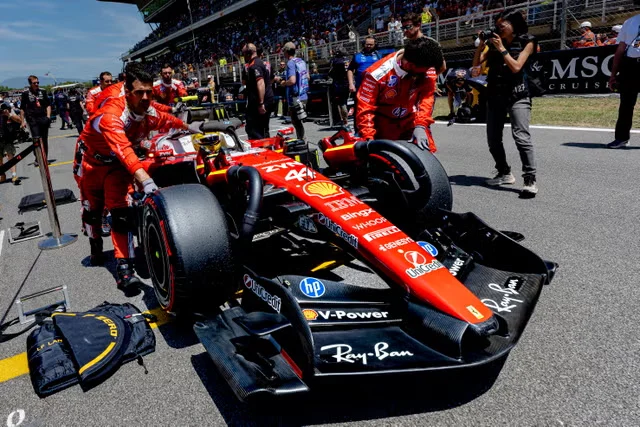
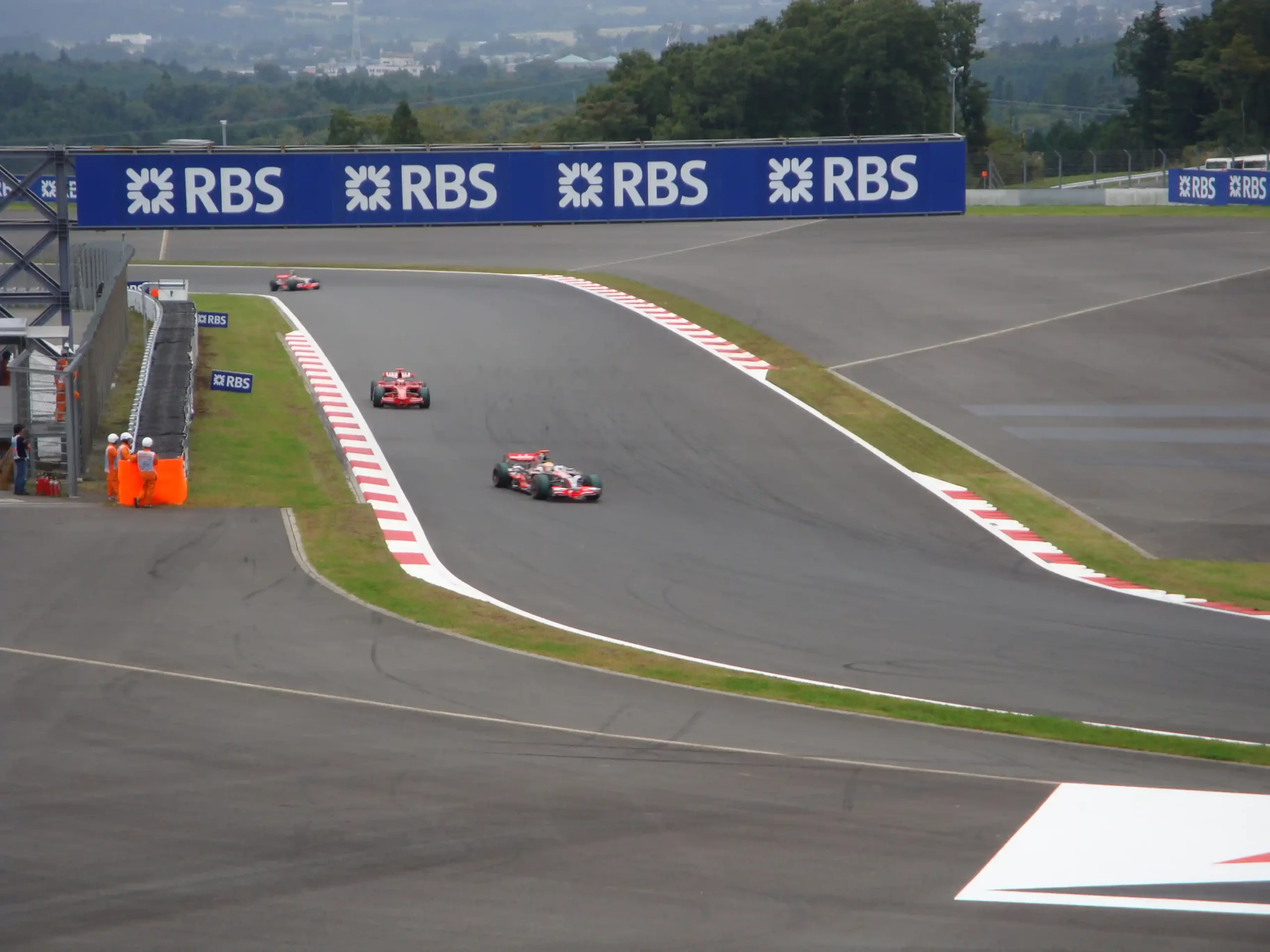
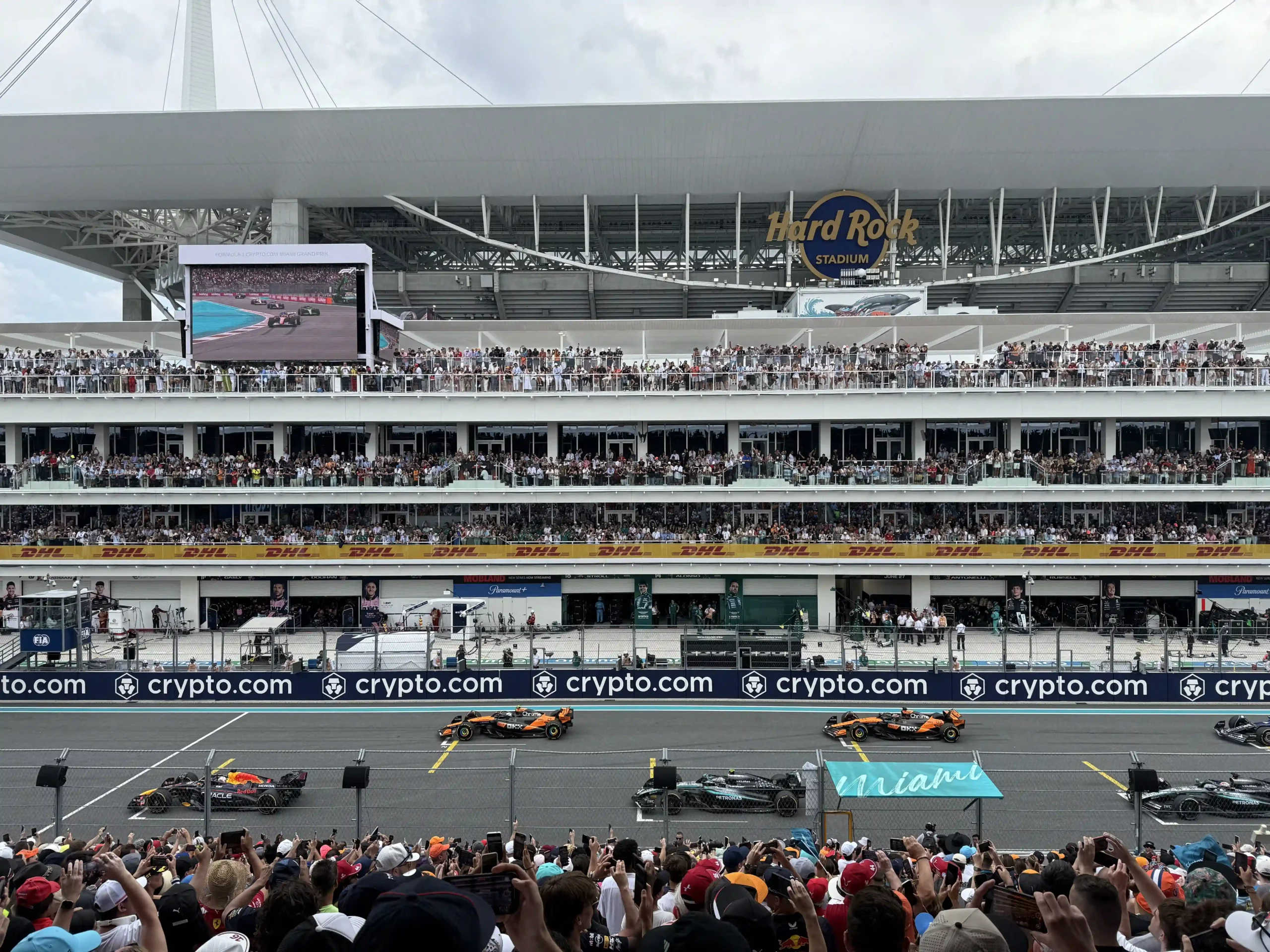
An F1 formation lap is the lap immediately before a Sprint or Grand Prix start. Drivers leave the grid behind the pole-sitter, warm their tires and brakes, check the car and return to their original grid boxes. Overtaking is normally prohibited, and practice starts are forbidden.
The formation lap looks calm on television. Inside the cockpit, it is one of the busiest laps of the weekend.
The driver must prepare four tires, two brake systems, the clutch and the power unit.
Meanwhile, the engineer watches temperatures and confirms the final start settings.
The pole-sitter leads. Every other driver leaves in the order established by the starting grid.
However, the lap is not a parade. It is a tightly controlled part of the FIA start procedure.
Drivers cannot perform practice starts. They also cannot overtake simply to find clean air.
The field must remain compact. A delayed car may be passed only to restore the original order.
Problems can change the procedure within seconds. A stalled car may trigger an extra formation lap.
A greater safety concern may cause an aborted start. In that case, team personnel can return to the grid.
Wet weather creates another option. The field can complete formation laps behind the Safety Car.
The 2026 season also changed the final moments before lights out.
Blue grid panels now flash for five seconds. This gives drivers a clear warning to build engine revs.
Current races have already shown why the rules matter. Arvid Lindblad’s clutch problem delayed the 2026 Canadian Grand Prix start.
Historic incidents are equally instructive. Confusion at São Paulo in 2024 brought reprimands and fines.
This F1 Formation Lap Explained guide covers every stage, from the green formation lights to the five red start lights.
F1 Formation Lap Explained: What Does It Mean?
Yes. “Formation lap” and “warm-up lap” usually describe the same pre-race lap in Formula 1. The official FIA term is formation lap because the cars leave and return in starting order. “Parade lap” is less accurate because drivers are actively preparing the car.
The name describes the field’s organization. Cars depart the starting grid and reform in the same order.
That order comes from qualifying and any applied penalties. Therefore, the lap protects the integrity of the start.
Older broadcasts often used “warm-up lap.” That phrase remains useful because warming equipment is a major purpose.
However, the official regulations use “formation lap.” The term covers both preparation and grid formation.
Does Every F1 Race Have a Formation Lap?
A normal standing start includes one. Formula 1 Sprints use the same basic procedure.
Nevertheless, unusual conditions can alter it. The field may complete extra laps or follow the Safety Car.
A rolling start also changes the final sequence. Yet the preparation laps still serve a formation function.
How Long Is a Formation Lap?
It covers one complete circuit lap. Therefore, the distance depends on the venue.
At Spa, it is more than four miles. At Monaco, it is slightly over two miles.
The time also varies with tire preparation, weather and circuit length.
Does the Formation Lap Count as a Race Lap?
The normal formation lap does not count toward the classified race distance.
However, an extra-formation-lap procedure shortens the scheduled race by one lap.
The distinction prevents the event from exceeding its planned fuel and time framework.
Our guide to how racing laps are counted explains the timing distinction.
What Is the Purpose of an F1 Formation Lap?
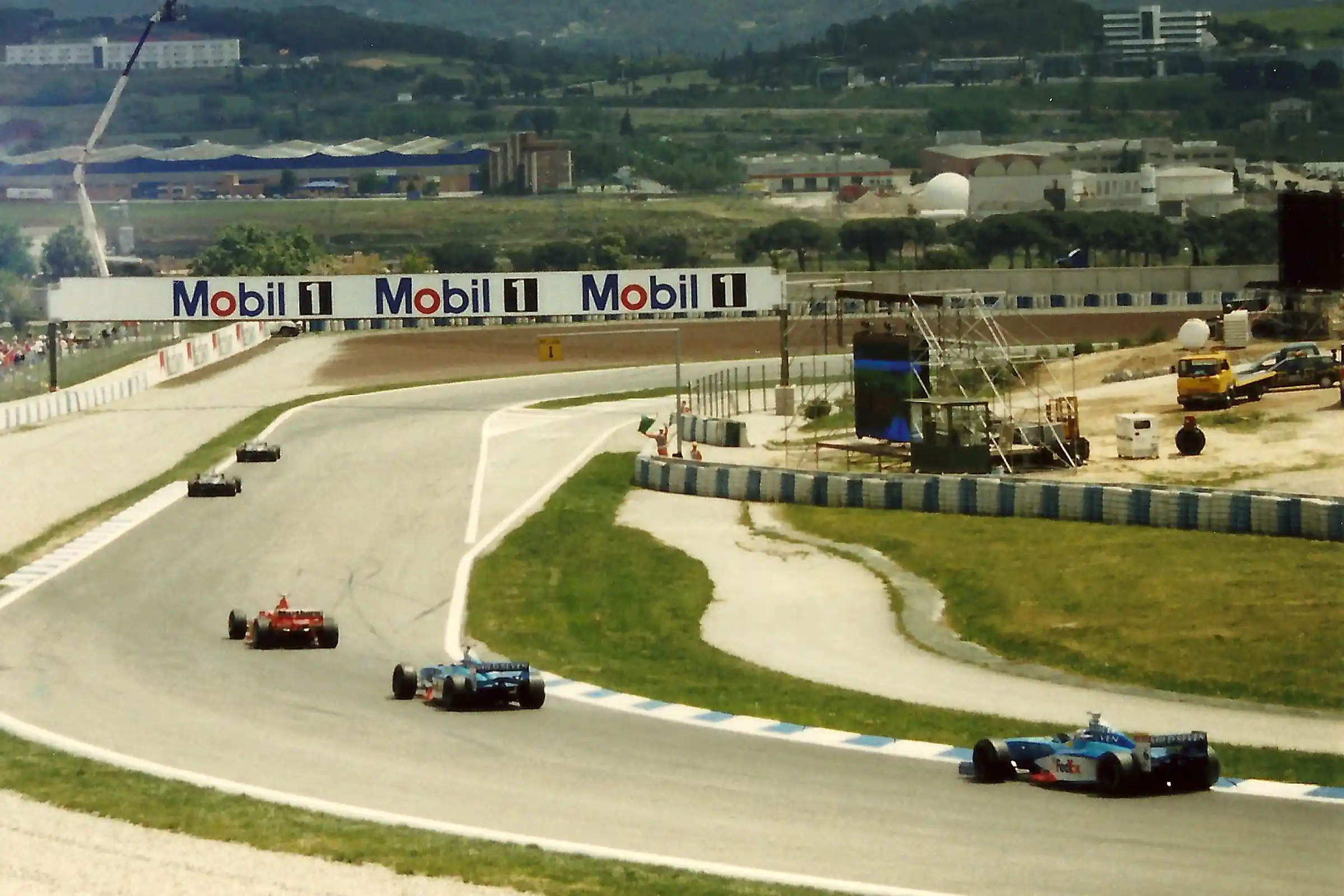
The formation lap lets drivers prepare tire, brake, clutch and power-unit temperatures before the start. It also confirms that the car can move under its own power, clears the grid, verifies starting order and gives Race Control a final chance to identify a safety problem.
A Formula 1 car leaves the garage with many systems already warm. Yet the final minutes on the grid reduce temperatures.
Tire blankets help, but the tires begin cooling once crews remove them.
Carbon brakes also lose heat. Consequently, pedal response can change before Turn 1.
The formation lap restores an operating window. It also confirms that the clutch and gearbox can complete the start procedure.
A Final Reliability Check
Drivers test throttle response, gear selection and steering feel during the lap.
They listen for unusual vibration. Meanwhile, engineers watch sensor data from the garage.
A warning can send the driver to the pits before the start. That may save the power unit from larger damage.
A Final Safety Check
Race Control sees the whole field move at once. Marshals can identify debris, fluid or a stopped car.
The lap also shows whether track grip changed after support races or rain.
Therefore, the formation lap is part of the safety system, not only a performance routine.
A Driver Focus Lap
The driver rehearses the first-corner approach. They also check wind direction and surface grip.
However, they cannot perform a practice start. The launch itself must wait for lights out.
Our guide to motorsport grip explains why the first braking zone feels different on cold tires.
What Happens Before the Formation Lap?
Cars reach the grid through reconnaissance laps before the pit lane closes. Teams fit the starting tires, complete permitted checks and clear personnel during the countdown. At the final signal, engines run, mechanics leave, and green gantry lights release the formation lap.
The grid procedure begins well before the cars move. Drivers first complete reconnaissance laps from the pit lane.
They may pass through the pits and complete more than one lap within the permitted window.
Eventually, each driver stops in the allocated grid box. Team personnel then prepare the car.
Cars begin reconnaissance laps and travel to the starting grid.
Mechanics fit starting tires, attach cooling equipment and perform final checks.
The grid closes to most late changes, while weather and start information remain under review.
Tire decisions become fixed under the applicable procedure, and crews prepare to withdraw.
Engines are running and mechanics complete their final departure.
Personnel clear the grid completely. Cars wait for green formation-lap lights.
What Is a Reconnaissance Lap?
A reconnaissance lap takes place before the car settles on the grid.
It lets the driver inspect conditions and test the car. However, it is separate from the formation lap.
Read our guide to installation and checking laps for the wider terminology.
Why Do Mechanics Crowd Around the Car?
They run cooling fans, check tire blankets and inspect bodywork. Engineers may also discuss the start with the driver.
Yet the work remains controlled by parc fermé rules. Teams cannot freely change the race setup.
Who Starts the Formation Lap?
The permanent starter operates the gantry under the Race Director’s authority.
When the green lights illuminate, every car able to move should leave. The pole-sitter leads the field.
Our article on pole position explains how the lead grid slot is earned.
Why Do F1 Drivers Weave and Brake on the Formation Lap?
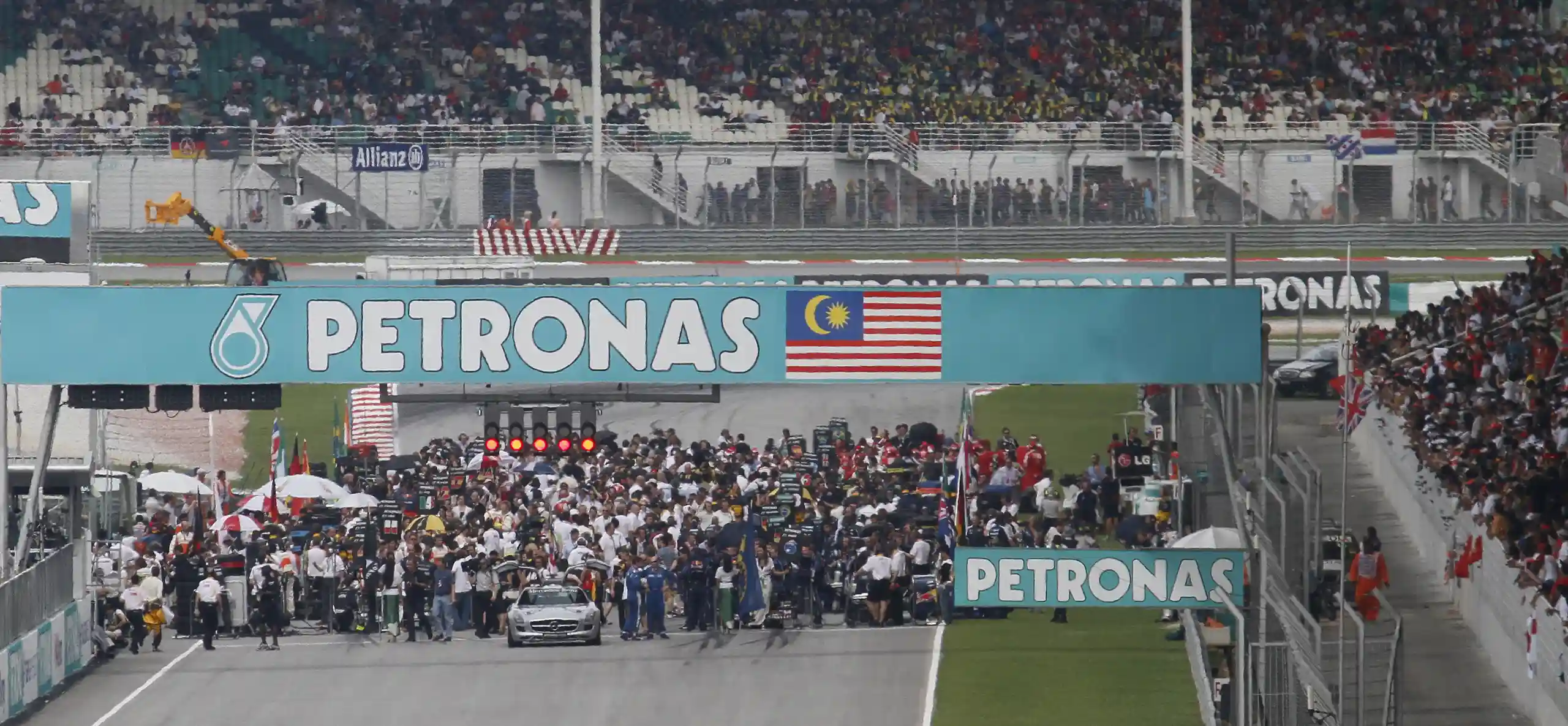
Drivers weave to place load into the tires and retain surface temperature. They also accelerate, brake hard and sometimes drag the brakes to heat carbon discs and the tire carcass. The goal is predictable grip and strong launch traction when the race starts.
Television makes weaving look dramatic. However, its effect depends on speed and steering load.
Gentle swerving creates little heat. Strong lateral load works the tire structure more effectively.
Drivers must still remain in control. They cannot endanger a nearby car while chasing temperature.
Does Weaving Really Warm the Tires?
Yes, although braking and acceleration can be more effective for the rear tires.
Weaving distorts the tire and creates internal energy. It also helps maintain surface temperature after blankets are removed.
The gain may be modest, but the first corner rewards every degree.
Why Do Drivers Brake So Hard?
F1 carbon brakes work best at very high temperatures. Cold discs can give weak initial response.
Hard braking creates disc heat. That heat then transfers into the wheel and tire assembly.
Drivers sometimes accelerate against light brake pressure. This raises temperature without allowing the car to run away.
Why Do Drivers Leave a Gap?
A temporary gap creates space for acceleration and hard braking.
However, the regulations require the formation to remain as tight as possible.
Therefore, a driver cannot create an extreme gap and delay the whole field.
How Does the Clutch Get Prepared?
The driver and engineers have already mapped the clutch bite point. The formation lap confirms the system feels correct.
Modern F1 cars use hand-operated clutch paddles. The driver must release them with precision at lights out.
Read our guide to how a clutch works for the mechanical basics.
F1 Formation Lap Explained: The Core FIA Rules
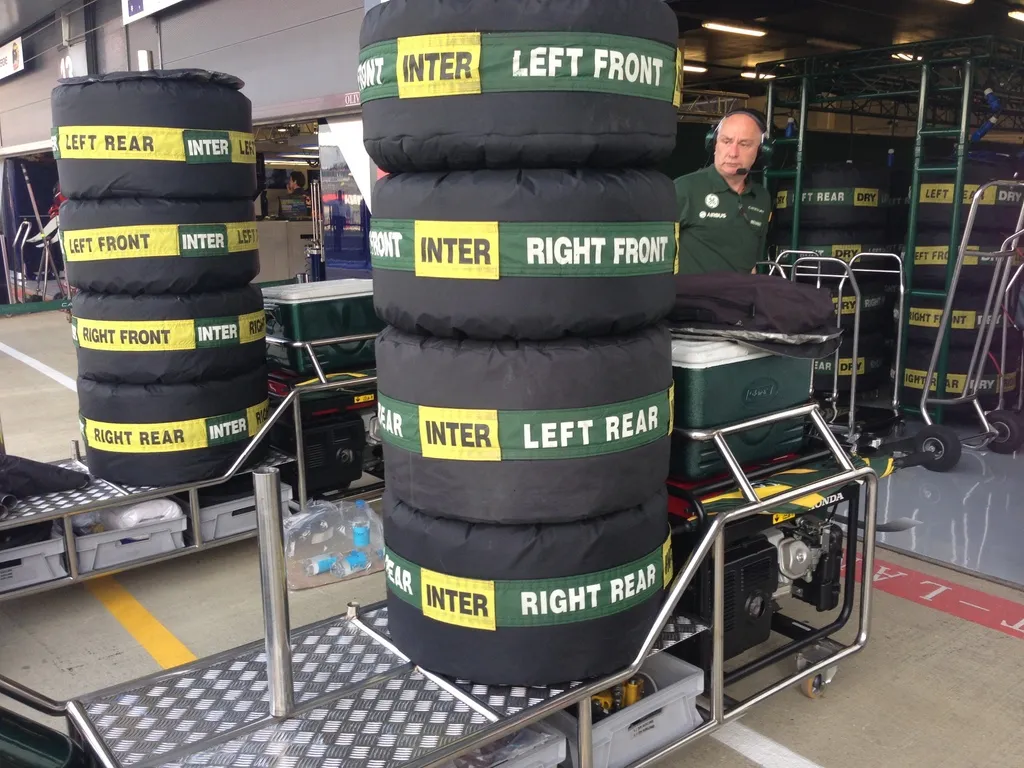
Drivers must respect the pit-lane speed limit until passing pole position, keep the field compact, avoid practice starts and maintain starting order. Overtaking is allowed only when a delayed car must be passed, and only to restore the original grid sequence.
Leave Safely
Every driver respects the pit-lane speed limit until passing the pole-position grid slot.
Keep Formation
The field should remain compact, without unnecessary gaps or deliberate delay.
Restore Order
Any necessary pass exists only to rebuild the original starting sequence.
Why Does the Pit-Lane Speed Limit Apply on the Grid?
The opening rows contain marshals and potential stopped cars. A controlled launch reduces risk.
Once drivers pass pole position, they can accelerate more strongly for preparation.
Are Practice Starts Allowed?
No. The FIA explicitly forbids them during the formation lap.
A practice start would require a car to stop or slow sharply. That could surprise following drivers.
Can a Driver Stop During the Lap?
Only a genuine problem should cause a stop. Drivers cannot pause for a launch rehearsal.
If the car stops, marshals and Race Control manage the response under the start procedure.
Can Team Radio Help the Driver?
Teams can report safety information, temperatures and procedural instructions within the applicable radio rules.
However, the driver still controls the car and must follow marshal signals.
Our FIA guide explains why the Race Director has authority over the starting procedure.
Can F1 Drivers Overtake on the Formation Lap?
Overtaking is normally prohibited. A driver may pass when another car is delayed and avoiding the pass would hold up the field. The driver may only regain the original starting order. A delayed car that cannot recover before the first Safety Car line must enter the pits.
The exception prevents one slow car from blocking every row behind it.
Suppose a driver stalls briefly while others leave. The cars behind can pass to keep the grid moving.
The delayed driver may then overtake only enough cars to recover the original slot.
What Is the First Safety Car Line?
It is a defined line near the pit entry or final part of the circuit.
A delayed driver must restore the original order before reaching it. Otherwise, the driver must enter the pit lane.
What Happens if the Driver Ignores the Pit-Lane Requirement?
The 2026 rules specify a stop-and-go penalty. That is a severe sanction.
The driver must enter the pits, stop in the penalty area and wait before rejoining.
Can the Pole-Sitter Overtake a Backmarker?
The field has not started racing, so the backmarker concept does not apply.
Every car holds a start position. The pole-sitter’s job is to lead at a suitable pace.
Read our guide to backmarkers in F1 for how that term applies after the race begins.
How Do Pit-Lane Starters Complete the Formation Lap?
After the grid cars pass the end of the pit lane, the pit exit opens. Pit-lane starters join the formation lap in their assigned order, complete the lap, then return to the pits. They line up at the exit and start only after the grid field has passed.
A pit-lane starter still needs to prepare tires and brakes. Therefore, the driver joins the formation lap briefly.
However, the car cannot take a grid slot. It must return to the end of the pit lane.
Why Must the Car Return to the Pits?
The pit-lane penalty means starting behind the full grid. Joining a grid position would defeat that purpose.
After returning, drivers proceed at constant speed and throttle to the pit exit.
They line up in the order they arrive, subject to the governing start procedure.
When Does the Pit Exit Open?
It opens after all track starters pass the end of the pit lane following lights out.
The green pit-exit light then releases the cars behind the racing field.
Our guide to F1 grid positions explains why a pit-lane start is more costly than a rear-grid slot.
What Happens if an F1 Car Stalls on the Grid?
A driver with an immobilized car must immediately raise both hands above their head. Marshals wave yellow flags and activate yellow grid panels. When safe, marshals push the car to the pit-lane inner lane, where the team may attempt to restart it.
The raised-hands signal must be obvious. Drivers behind may have limited visibility from the cockpit.
Yellow flags then warn the following rows. The start sequence cannot continue normally with a stranded car.
Can Marshals Push-Start the Car?
They can push it away from the grid. However, the driver may not attempt to start the car while being pushed.
Once the car reaches the pit-lane inner lane, team personnel can attempt a restart.
Can the Car Still Join the Race?
Yes, when the team solves the problem. The car may enter the fast lane only after the Sprint or race starts.
It then joins from the pit lane. The driver cannot return to the original grid position.
Why Does Anti-Stall Not Prevent Every Problem?
Anti-stall protects against some clutch and engine-speed errors. It cannot fix a failed sensor, hydraulic fault or clutch mechanism.
In Canada during 2026, a clutch issue prevented Arvid Lindblad from engaging first gear.
Our guide to jump starts in Formula 1 explains the opposite start problem.
What Is an Extra Formation Lap in F1?
The Race Director can order an extra formation lap when a problem could endanger the start but does not require a full aborted-start delay. Orange gantry lights and an EXTRA FORMATION LAP board appear, then green lights release the grid after two seconds.
An extra formation lap solves a problem quickly. It keeps the field moving while marshals clear a car or obstruction.
It also prevents engines and tires from cooling during a long stationary delay.
Does an Extra Formation Lap Shorten the Race?
Yes. Each completed procedure removes one lap from the Sprint or Grand Prix distance.
The rule protects fuel planning and the event timetable.
What Happens to the Driver Who Caused It?
If that driver can continue, the car must enter the pits at the end of the extra lap.
The driver then starts from the pit lane. Ignoring that requirement brings a stop-and-go penalty.
Can There Be More Than One Extra Lap?
Yes. The Race Director can repeat the procedure if another problem appears.
Each completed procedure shortens the classified distance again.
How Does It Affect Strategy?
Every extra lap consumes fuel and changes tire temperature. Teams also gain another chance to assess weather.
However, drivers cannot simply change tires on the grid during the brief extra-lap procedure.
An extra formation lap is the fast solution. It moves the field, clears the danger and avoids reopening the whole grid procedure.
What Is an Aborted Start in Formula 1?
An aborted start is used when a problem creates a greater danger or needs more time. Orange lights and an ABORTED START board appear. Cars stay in their grid positions, team personnel return, and the official countdown restarts from the 10-minute signal.
The key difference is time and access. An extra lap sends cars away again almost immediately.
An aborted start pauses the process. Mechanics can return with equipment trolleys.
Extra Formation Lap
- Short warning followed by green lights
- Cars leave for another lap
- No full grid reopening
- Race distance loses one lap
Aborted Start
- Cars remain in allocated grid slots
- Team personnel may return
- New start time is announced
- Countdown restarts from 10 minutes
What Happens to the Responsible Driver?
A driver who caused the aborted start and can continue must start from the pit lane.
Failure to do so brings a stop-and-go penalty.
Does an Aborted Start Shorten the Race?
Yes. Each completed aborted-start procedure removes one lap from the distance.
The restart remains a valid championship event even after repeated procedures.
Can Teams Change Tires?
Personnel regain grid access. Any tire work must still follow the sporting and tire rules.
Weather changes during the delay can therefore create important strategic decisions.
How Does a Wet-Weather Formation Lap Work?
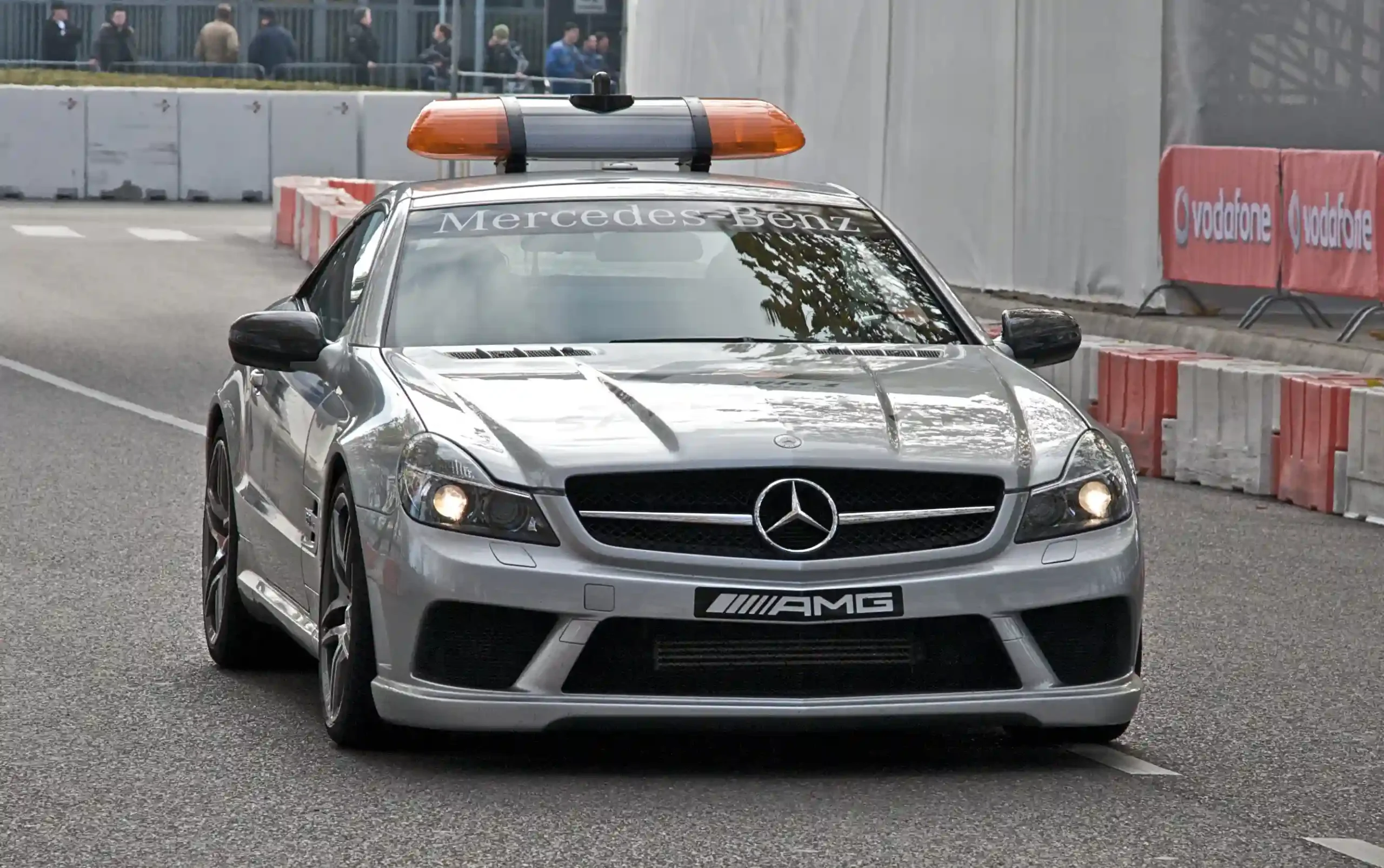
Yes. When conditions are unsuitable for a normal start, formation laps can take place behind the Safety Car. Drivers follow in grid order, usually within 10 car lengths. The Race Director may require full wet tires and later choose a rolling or standing start.
Heavy rain creates poor visibility and low grip. A normal formation lap may not provide enough information.
The Safety Car controls speed while drivers assess spray, standing water and braking zones.
When Are Wet Tires Mandatory?
The Race Director can mandate full wet-weather tires for the Safety Car formation laps.
The instruction appears through official messaging before the field leaves.
How Large Can the Gap Be?
The normal maximum is 10 car lengths. In poor visibility, Race Control can increase it to 20.
Drivers still cannot create unnecessary gaps. The field must remain organized.
Does Every Safety Car Formation Lap Count?
The race-distance rules account for laps completed under the procedure.
Therefore, prolonged wet-weather preparation can reduce the remaining competitive distance.
Rolling Start or Standing Start?
The Race Director decides which method suits the conditions.
A rolling start avoids a low-visibility grid launch. A standing start preserves the traditional lights-out contest.
Read our guide to the F1 Safety Car for the full neutralization procedure.
F1 Formation Lap Explained: The 2026 Blue Start Panels
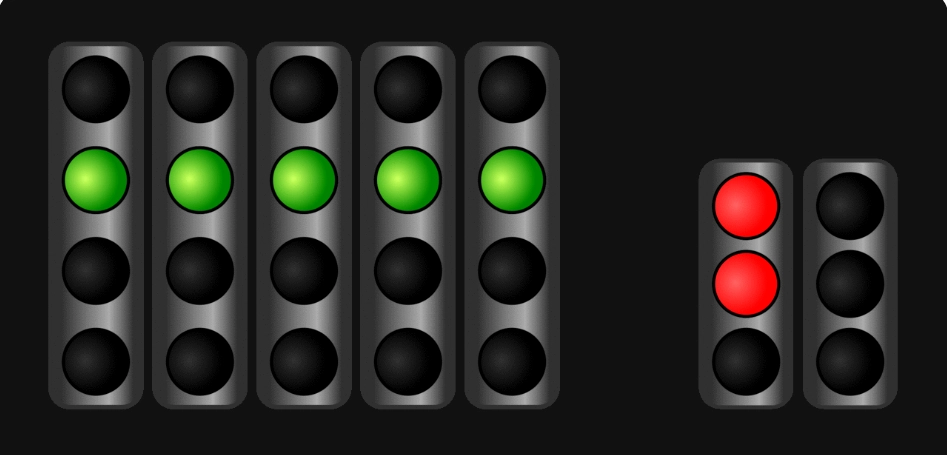
After every car returns to the grid, blue light panels now flash for five seconds before the first red light. The warning tells drivers when to begin raising engine revs. The traditional five red lights then illuminate one second apart before lights out.
The new warning responds to the 2026 power-unit architecture. Drivers need a clear moment to prepare engine speed and launch systems.
Previously, the timing before the first red light was less visually explicit.
Why Five Seconds?
The fixed warning gives every driver the same preparation window.
They can build revs without guessing when the standard sequence will begin.
Is the Delay After the Fifth Red Light Fixed?
No. The permanent starter controls the interval before all lights go out.
That uncertainty prevents drivers from predicting the start through a fixed countdown.
What Is Low-Power Start Detection?
The 2026 system can detect a car accelerating abnormally slowly.
Safety lights can warn following drivers. This reduces the risk of a rear-end collision.
Does the Blue Warning Replace the Formation Lap?
No. It follows the formation lap and applies only after the grid has reassembled.
The tire, brake and safety purposes remain unchanged.
Our guide to F1 energy recovery systems explains the electrical side of the 2026 power unit.
Canada 2026: A Current Extra-Formation-Lap Example
Arvid Lindblad’s Racing Bulls car suffered a clutch problem on the grid and could not engage first gear. Race Control ordered an extra formation lap while marshals cleared the car. The Grand Prix distance fell to 68 laps, and Lindblad did not start.
The start came in mixed conditions. Teams had selected a variety of soft, medium and intermediate tires.
That made the additional lap strategically important. Drivers gained another chance to judge the surface.
Oscar Piastri reported that intermediates felt like the wrong choice. However, the field had to complete the procedure first.
Why Was Another Lap Necessary?
A stranded car remained on the grid. Starting the race with marshals working nearby would have been unsafe.
The extra lap kept the field moving while the Racing Bulls car was removed.
Why Did the Race Fall to 68 Laps?
Each extra-formation-lap procedure reduces the scheduled distance by one lap.
Canada demonstrated the rule exactly as written in Article B5.9.
Could Lindblad Have Joined Later?
The team could not solve the clutch problem in time. Therefore, he recorded a non-start.
The case shows how a race can end before lights out.
Canada combined a mechanical problem with mixed-weather strategy. The extra lap was not empty mileage; it changed the drivers’ tire information before the real start.
Famous Formation-Lap Incidents and Penalties
Yes. A formation-lap crash can prevent a driver from taking the start. Lance Stroll crashed and became beached before the 2024 São Paulo Grand Prix, while Isack Hadjar spun out on the damp formation lap before his 2025 Australian Grand Prix debut.
São Paulo 2024: Stroll Crashes Before the Start
Lance Stroll spun on the wet formation lap and hit the barriers.
He then tried to recover but became stuck in gravel. Consequently, he could not start.
Race Control announced an aborted start because the situation required a larger reset.
Norris and Russell Leave Without a Green Signal
Pole-sitter Lando Norris led cars away for another lap despite the absence of a green signal.
George Russell followed from the front row. Several other drivers also moved because the leaders had departed.
Stewards concluded that Norris and Russell had triggered the confusion. Both received reprimands and €5,000 fines.
The case proved that the pole-sitter does not control the official start procedure.
Australia 2025: Hadjar’s Debut Ends Early
Isack Hadjar qualified strongly for his first Grand Prix. Rain made the formation lap treacherous.
He spun exiting the opening complex and hit the barrier. His race ended before the start.
The crash triggered an aborted start. It also showed how cold tires and damp paint can punish a small throttle error.
What Does DNS Mean?
DNS means “did not start.” A driver can qualify and appear on the grid but still record a DNS.
Formation-lap failures are a common route to that classification.
Read our guides to race timing and classification and what causes racing crashes.
F1 Formation Lap Explained: Common Misunderstandings
“The Formation Lap Is Only for Show”
False. Drivers prepare tires, brakes, the clutch and the power unit while Race Control checks safety.
“The Pole-Sitter Can Start Another Lap Whenever They Choose”
False. Green gantry lights and Race Control instructions control every departure.
“Drivers Can Overtake to Find Space”
False. Passing is limited to unavoidable delayed-car situations and restoring original order.
“The Formation Lap Counts as Lap 1”
False in a normal start. However, extra-lap and aborted-start procedures reduce the scheduled distance.
“A Stalled Car Is Automatically Out”
False. The team may restart it in the pit lane, although the driver must start behind the field.
“An Aborted Start Means Another Lap Immediately”
False. Cars remain on the grid, crews return and the countdown restarts from 10 minutes.
“The 2026 Blue Lights Start the Race”
False. They provide a five-second warning before the traditional red-light sequence.
F1 Formation Lap Explained FAQs
What is a formation lap in Formula 1?
It is the lap immediately before an F1 Sprint or Grand Prix. Drivers prepare the car and return to their original grid positions behind the pole-sitter.
Can F1 drivers overtake on the formation lap?
Normally, no. Passing is permitted only when another car is delayed and only to restore the original starting order.
Does an extra formation lap shorten the race?
Yes. Each completed extra-formation-lap procedure reduces the scheduled Sprint or Grand Prix distance by one lap.
What is the difference between an extra formation lap and an aborted start?
An extra lap sends cars away again quickly. An aborted start keeps them on the grid, allows teams back and restarts the countdown from 10 minutes.
F1 Formation Lap Explained: Conclusion
F1 Formation Lap Explained begins with preparation. Drivers need tire, brake and clutch temperature before lights out.
The pole-sitter leads when green gantry lights release the grid.
Every other driver should remain in original order. Practice starts and routine overtaking are forbidden.
Weaving helps retain tire energy. Meanwhile, hard braking prepares the carbon discs.
The field must still remain compact. Drivers cannot create huge gaps for personal preparation.
A delayed car creates a narrow overtaking exception. Passes can only restore the original grid sequence.
If the driver cannot recover before the first Safety Car line, the car must enter the pits.
A stalled car brings immediate yellow signals. Marshals then move it away when safe.
An extra formation lap handles a short-lived danger. Each completed procedure removes one race lap.
An aborted start creates a larger reset. Team personnel return, and the countdown restarts from 10 minutes.
Wet weather can place the field behind the Safety Car. Race Control then chooses a rolling or standing start.
The 2026 blue panels add a five-second warning before the five red lights.
Canada showed the current rules in action after Lindblad’s clutch problem.
São Paulo and Melbourne showed the human risk. A misunderstanding or small mistake can end a race before it begins.
The formation lap is therefore more than a warm-up. F1 Formation Lap Explained is ultimately the final technical, sporting and safety test before Formula 1 goes racing.
Sources
The regulations and examples in this article were checked against official FIA and Formula 1 material available on July 20, 2026.