Why Do Top Fuel Engines Last Only One Run?
The famous one-run lifespan is partly a myth. The block may race again, but the engine is opened and rebuilt because 11,000 horsepower leaves no safe place for hidden damage.
Top Fuel engines are treated as one-run machines because every pass creates extreme pressure, heat, vibration and fuel contamination. The whole engine is not normally thrown away. Instead, crews open it after each run, inspect the bearings, rods, pistons, heads and plugs, then replace anything damaged or life-limited.
A Top Fuel engine may run at full power for less than four seconds, yet those seconds can consume the useful life of several internal parts.
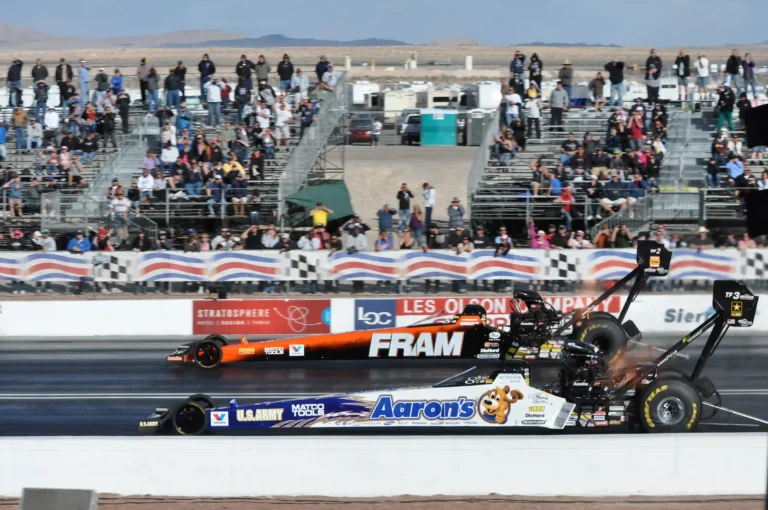
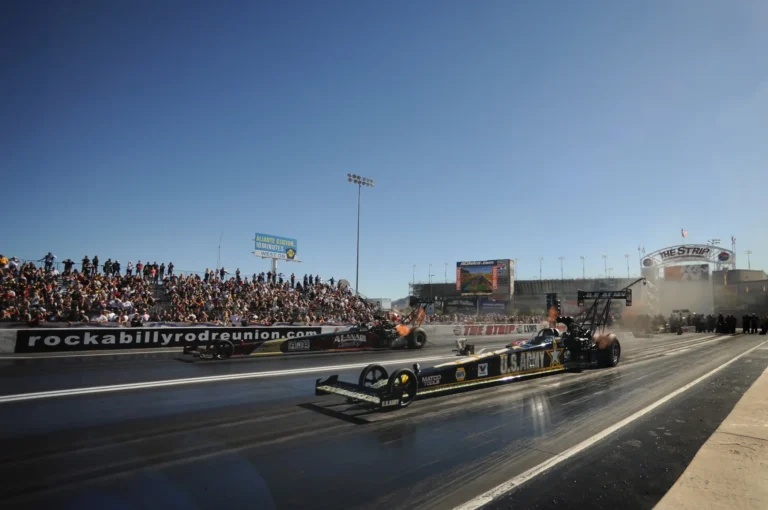
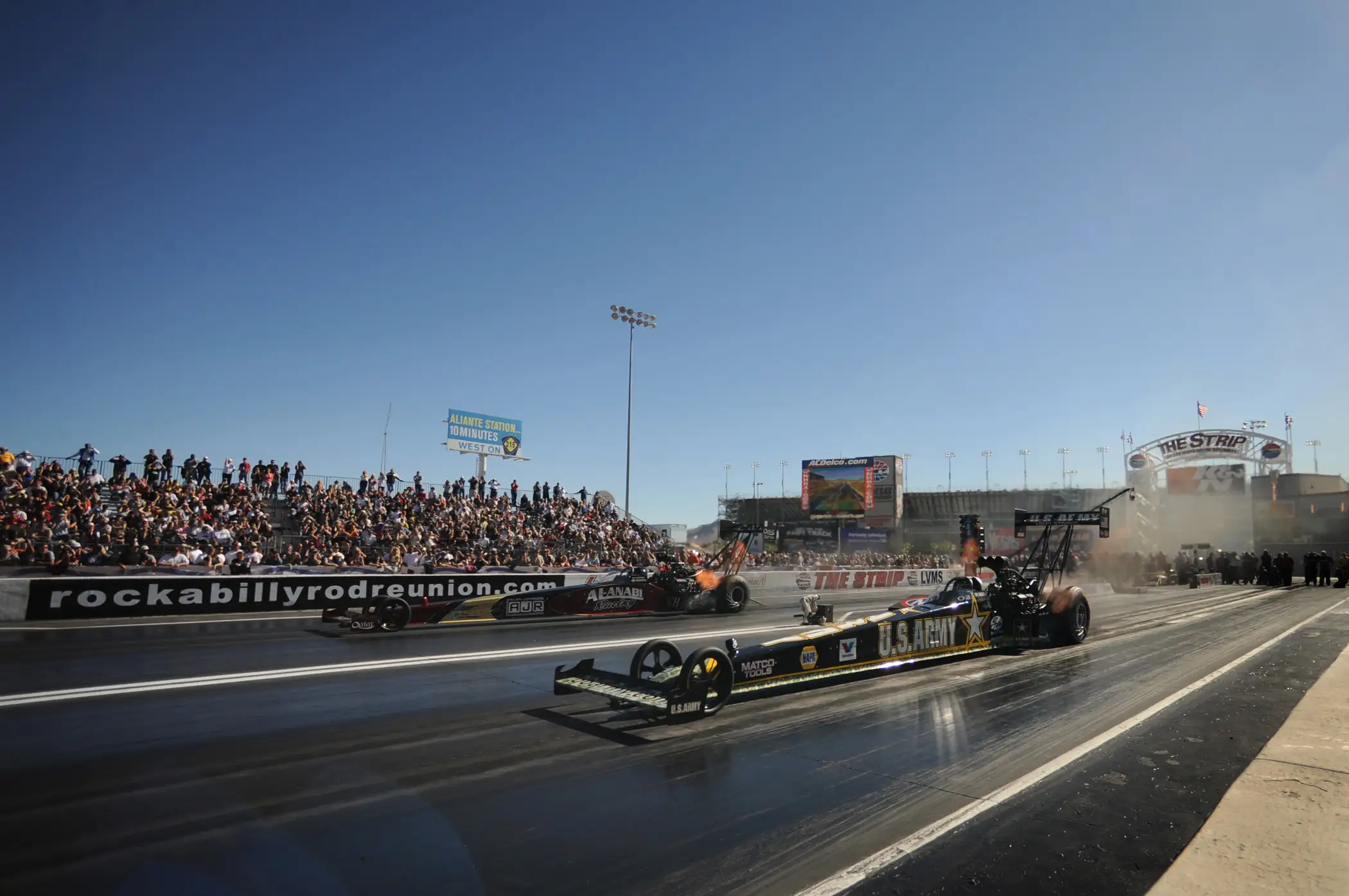
NHRA describes modern Top Fuel dragsters as 11,000-horsepower machines. They can cover 1,000 feet in less than 3.7 seconds at more than 330 mph.
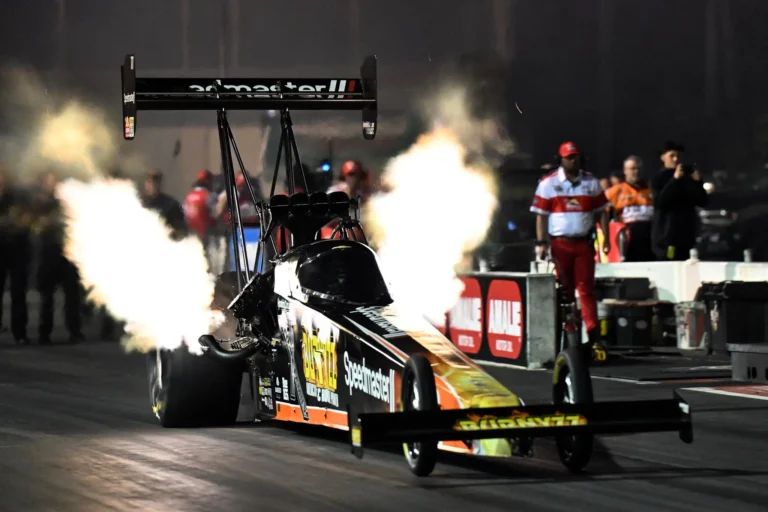
The engine is a supercharged, fuel-injected, 500-cubic-inch Hemi-style V8. It can burn up to 15 gallons of nitromethane during one run.
Those figures created the popular claim that a Top Fuel engine lasts only one pass. However, the claim needs a careful definition.
Teams do not automatically discard the aluminum block, crankshaft, heads and supercharger. Many major parts can race again after inspection.
Nevertheless, the assembled engine does not return untouched. The heads and oil pan come off, while specialists inspect evidence left by the previous run.
NHRA has described bottom-end crew members draining the oil, removing the pan, checking main bearings and knocking out all eight rod-and-piston assemblies during a 75-minute turnaround.
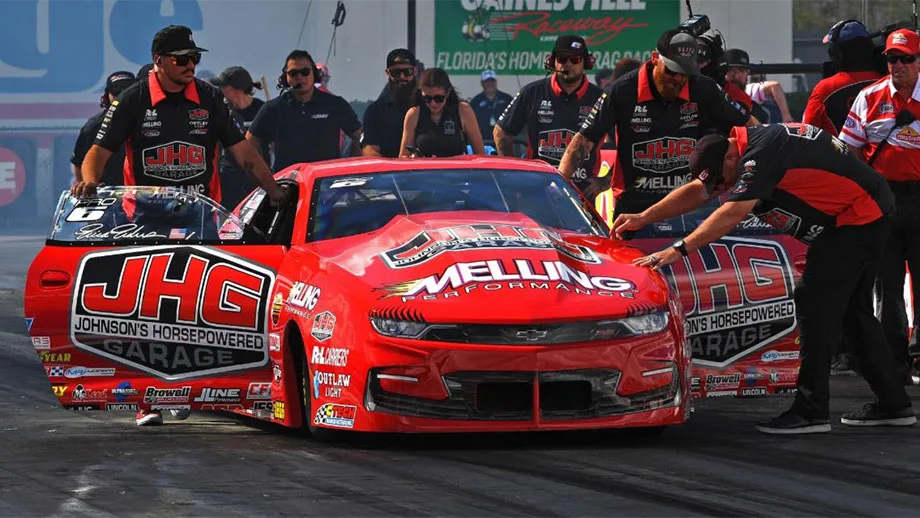
Meanwhile, other mechanics service the heads, clutch, fuel system, supercharger and tires. The race car is rebuilt through parallel work.
Therefore, “one run” describes the service interval more accurately than the life of the complete engine. The motor must prove itself again before every start.
The Quick Answer: One Run Is the Inspection Interval
Not literally. A serviceable block, crankshaft, cylinder head or supercharger can make more runs. However, the assembled engine has a one-pass service interval because crews cannot assume its bearings, pistons, rods, rings, valves and sealing surfaces remain safe.
The distinction matters. A team may correctly say that it rebuilds the engine after every pass.
That rebuild can include removing all eight pistons and connecting rods. It can also include changing bearings, oil, spark plugs and head gaskets.
Yet major parts are measured rather than discarded by default. Teams track run counts, dimensions and damage history.
A clean run may leave much of the hardware reusable. Conversely, a pass that looks perfect can leave a hot bearing or scuffed piston.
Therefore, crews inspect the engine because the cost of opening it is smaller than the cost of a broken rod, damaged block or track oil-down.
One Run as a Service Interval
The complete assembly is opened before it receives permission to make another pass.
Different Parts, Different Lives
Oil and spark plugs do not share the lifespan of a block, crankshaft or supercharger case.
Evidence Decides Reuse
Data, measurements, visual marks and run counts determine the next engine’s parts list.
Top Fuel reliability is not measured by avoiding maintenance. It is measured by finding damage before another throttle application turns it into a fireball.
The One-Run Myth vs What Crews Actually Do
The Popular Story
- The engine lasts only 3.7 seconds.
- Every internal part is destroyed.
- A totally new motor goes in after every pass.
- The engine is designed to explode at the finish.
The Real Process
- The engine receives a teardown after every pass.
- Parts are replaced by condition and run count.
- Major structures can be reused after inspection.
- The goal is a clean run with reusable hardware.
The myth survives because a Top Fuel turnaround looks like a full engine replacement. Mechanics remove enough hardware to make the motor appear empty.
The heads come off. The oil pan drops, while pistons and rods can be removed through the top.
At the same time, the clutch comes apart behind the engine. Minutes after returning to the pit, the dragster can look like a bare chassis.
However, disassembly is not proof that every part failed. It is how the team checks whether the run changed any critical component.
The familiar jobs of pistons, valves and crankshafts begin with the normal car-engine cycle. Top Fuel compresses those jobs into an extreme duty cycle.
The four-stroke engine guide explains the intake, compression, power and exhaust strokes that still occur inside a nitro Hemi.
Why the 500-Cubic-Inch Nitro Hemi Needs Immediate Service
Horsepower comes from producing torque repeatedly at speed. Each Top Fuel combustion event loads the piston, rod, crankshaft, bearings, block and head studs with exceptional force. More power brings more pressure, heat and fatigue to every revolution.
The engine uses a 500-cubic-inch displacement limit, equal to about 8.2 liters. Large Hemi chambers and valves support enormous airflow.
A 14-71 Roots-type supercharger forces air into the engine. Mechanical injection then delivers nitromethane through multiple nozzles.
Two spark plugs per cylinder and dual magnetos ignite the dense charge. Combustion pushes forged aluminum pistons against aluminum rods and a steel crankshaft.
The design appears simple beside a modern road-car hybrid. However, simplicity does not reduce load.
There is no conventional water-cooling system carrying heat through a radiator. Fuel and oil help manage temperature, while the brief run limits heat soak.
Consequently, the engine is not built to idle for hours or circulate a road course. It is built for a violent sprint and immediate service.
Power Density Changes the Maintenance Philosophy
A street engine sacrifices peak power for quiet operation, emissions control and long life. Its parts operate with generous margins during most driving.
Top Fuel uses those margins for acceleration. Crew chiefs approach the limit because a conservative car can lose by a few thousandths.
The difference between horsepower and torque matters here. Horsepower describes the rate of work, while torque is the twisting force applied to the crankshaft.
The guide to engine displacement explains why eight large cylinders create huge torque before boost and nitromethane are added.
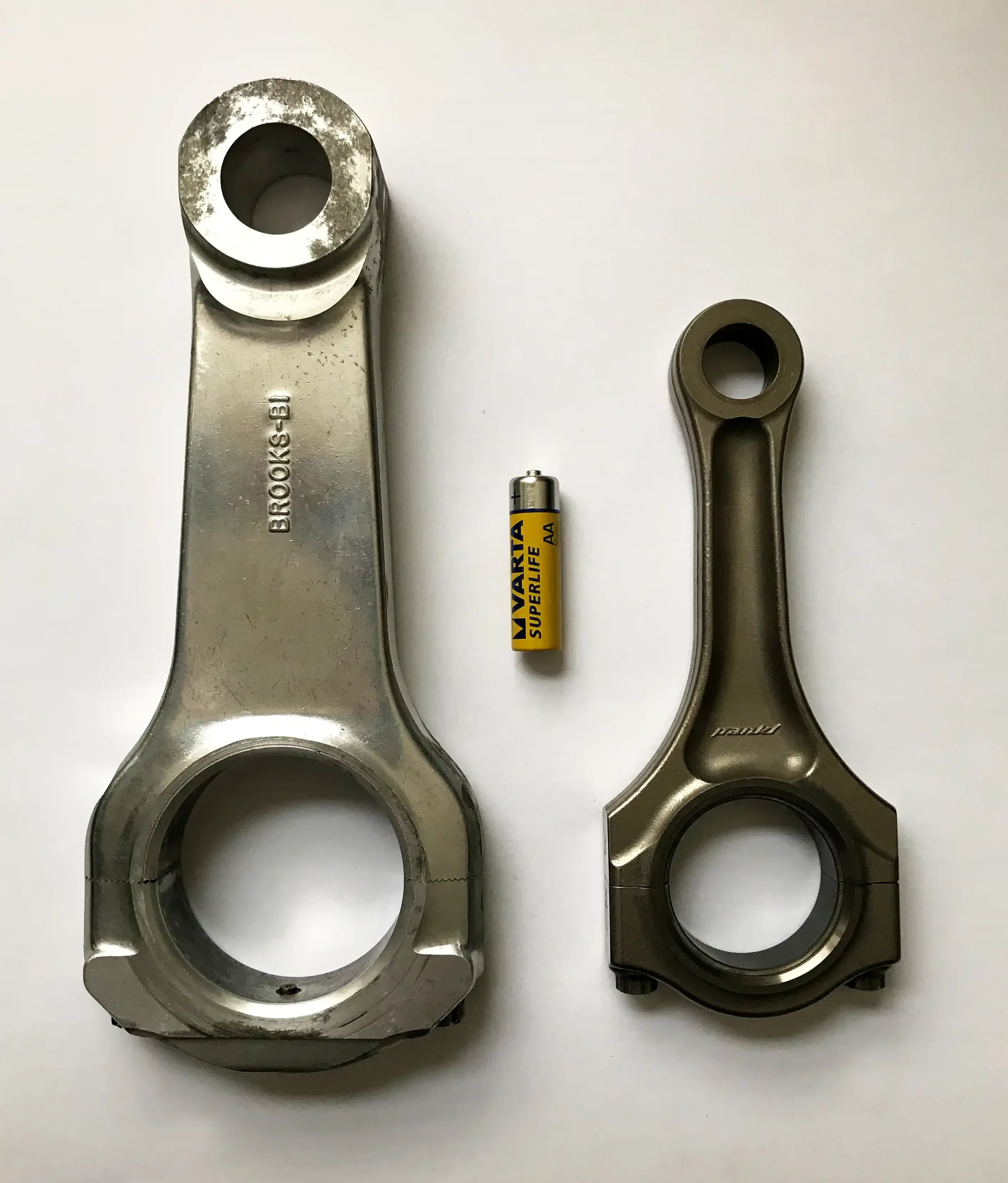
Nitromethane Creates Power and Accelerates Wear
Nitromethane carries oxygen within its chemical structure, so the engine can burn far more fuel mass than a gasoline engine using the same airflow. The pressure creates power, but excess fuel can dilute oil, wash lubrication from cylinder walls or collect as liquid in a cylinder.
Nitromethane is the central reason a Top Fuel engine can produce more than 11,000 horsepower. It allows much more fuel to participate in each combustion event.
More burned fuel creates more heat and cylinder pressure. Therefore, every piston and bearing sees a load far beyond ordinary use.
The mixture is intentionally rich because fuel cools the chamber. However, too much fuel creates a different problem.
A spark plug can stop firing, causing a dropped cylinder. Raw nitro then passes through the chamber and exhaust.
Liquid fuel may also remain after shutdown. Because it cannot compress like gas, the next engine rotation can bend a rod.
Crews reduce this risk by turning the engine backward after a run. NHRA calls the procedure “backing it down.”
Fuel Wash Attacks Lubrication
The cylinder wall needs a thin oil film between the iron liner and aluminum piston. High fuel volume can disturb that film.
Nitromethane may also enter the crankcase and dilute the oil. Consequently, used lubricant can carry fuel, heat damage and metal particles.
The broader lubrication process appears in how engine oil protects an engine.
Top Fuel crews do not wait for an oil interval measured in miles. Fresh oil and bearing inspection belong to every turnaround.
A Lean Cylinder Can Damage a Piston Immediately
Rich mixtures are normal in nitro racing, but a lean cylinder loses fuel cooling. Temperature rises quickly around the crown and rings.
Aluminum can scuff against the liner. It can also melt, crack or transfer material onto the cylinder wall.
The engine may still complete the run while damage develops. Therefore, a quick elapsed time does not prove the piston remains usable.
The general principles of abnormal combustion appear in the engine-knock guide, although Top Fuel pressures are far more extreme.
How Four Seconds Consume Component Life
Wear depends on load, heat and lubrication rather than time alone. A Top Fuel pass combines extreme pressure, piston acceleration, crankshaft twist, clutch load and vibration. Each revolution is severe enough to consume measurable fatigue life.
A normal engine spends much of its life at light throttle. It may cruise while producing only a small fraction of maximum power.
A Top Fuel engine has no comparable rest after launch. Fuel and clutch application follow an aggressive sequence.
The crankshaft bends and twists slightly under firing pulses. Main bearings must keep the journals separated from the block by a stable oil film.
Connecting rods alternate between compression and tension. Pistons accelerate, stop and reverse direction thousands of times per minute.
Meanwhile, the crankshaft must drive the supercharger before any torque reaches the tires. The blower itself consumes substantial power.
Tire Shake Adds Driveline Violence
Rear slicks can wind up and release against the track. That oscillation travels through the clutch, crankshaft and chassis.
Tire shake may not break the engine immediately. However, it can damage bearings, valvetrain parts and fasteners.
A driver often lifts because continued shake threatens the whole car. Engine rpm then changes abruptly.
The guide to engine redline explains why sudden over-speed can be destructive.
Traction Recovery Can Be as Harsh as Wheelspin
When the tires spin, the engine unloads and rpm rises. If grip returns suddenly, resistance comes back almost instantly.
That transition can shock the crankshaft and bearings. Therefore, clutch and tire behavior directly affect engine life.
The mechanical principle appears in how a clutch works, although a Top Fuel unit uses several timed stages.
Pistons and Connecting Rods
Practices vary by team and condition. Crews commonly remove all eight rod-and-piston assemblies for inspection. A part may be replaced because of visible damage, dimensional change or a planned run-count limit rather than complete failure.
Pistons and rods sit directly between combustion pressure and the crankshaft. They receive the strongest thermal and mechanical loads.
The piston crown faces burning nitromethane. Rings must seal that pressure while sliding against the liner.
Below the piston, the aluminum rod transfers force to the crankshaft. Its material absorbs shock but changes through repeated loading.
Teams measure each part and track its history. A rod can look intact while its fatigue margin has moved outside the team’s limit.
Why Aluminum Rods Have Controlled Lives
Aluminum rods cushion the crankshaft against sharp combustion pulses. They also weigh less than equivalent steel parts.
However, aluminum has different fatigue behavior. A team may rotate rods out after a set number of runs without visible damage.
That schedule remains proprietary. No universal public run count applies to every Top Fuel team and tune-up.
Pistons Tell the Story of Each Cylinder
The piston surface shows heat patterns, ring condition and contact with the liner. Small marks can identify mixture or lubrication trouble.
A scuffed piston may leave aluminum on the iron liner. The cylinder must then be cleaned, measured and sometimes relined.
Consequently, the crew investigates why a part changed instead of merely installing another piston.
Why Bearings Are Checked After Every Pass
Bearings are replaceable surfaces that protect the expensive crankshaft and rods. Their color, width and wear pattern reveal oil-film failure, heat, crankshaft movement and uneven cylinder loading before a larger part breaks.
The bottom-end specialist is often called a “diver” because the mechanic works beneath the chassis. The oil pan comes off immediately.
NHRA has described the diver draining oil, pulling main-cap bearings and removing all eight rods and pistons within the turnaround.
Bearings are valuable evidence. A dark or wiped surface can show heat or direct metal contact.
A widened pattern can reveal crank flex or cap movement. One damaged shell may identify a cylinder or driveline problem.
A Bearing Failure Can Destroy Everything Around It
If the oil film disappears, a bearing can smear or seize. Heat rises rapidly at the journal.
The crankshaft may score, crack or stop rotating. A rod bearing can also lock the rod to the journal.
Replacing a doubtful bearing is cheap compared with losing the block, crankshaft, rods and heads. That logic supports the one-pass inspection.
Cylinder Heads, Spark Plugs and Head Gaskets
Removing the heads gives direct access to the pistons, liners, valves and chambers. It also lets crews inspect head gaskets, sealing surfaces, plugs and valvetrain parts for heat or pressure damage.
The heads contain the valves and combustion chambers. Massive studs clamp them against the aluminum block.
A copper gasket and sealing system must hold combustion pressure inside each cylinder. Even slight head lift can mark the gasket.
Therefore, crews inspect the sealing path after every pass. A small leak can become a major fire on the next run.
Spark Plugs Are Tuning Evidence
Each cylinder uses two plugs. Their electrodes face heat, pressure, fuel and powerful ignition energy.
Plugs can erode during one full pass. Their appearance helps the crew chief judge mixture, timing and temperature.
A burned plug may point to a lean cylinder. A wet plug may identify an over-rich cylinder that stopped firing.
Consequently, plugs are commonly replaced after they have delivered their most valuable information.
The Supercharger Has Its Own Service Schedule
The complete blower is not necessarily rebuilt after each pass, but teams inspect its belt, pulleys, bearings, rotors and sealing strips. Boost performance and evidence of contact or heat determine whether it remains in service.
The 14-71 Roots supercharger moves a huge volume of air. It turns faster than the crankshaft through an overdrive ratio.
That speed loads the belt, shafts and bearings. Small rotor clearances matter because contact creates heat and debris.
The unit differs from an exhaust-driven turbocharger. The distinction appears in the supercharger-versus-turbocharger guide.
A blower problem can reduce power without destroying the engine. However, an intake backfire can open burst panels and damage restraints.
The Clutch, Tires and Engine Are One System
The clutch controls how 11,000 horsepower reaches the rear tires. Heat and wear change its friction during a pass, so crews measure discs, floaters and clearances before rebuilding the pack for the next track condition.
A Top Fuel dragster does not use a conventional multi-speed transmission. The clutch progressively connects the crankshaft to the rear end.
Its discs slip by design and create intense heat. That heat changes clearances and friction.
Therefore, clutch service belongs to the engine turnaround. The crew chief cannot tune combustion without knowing how the clutch will load the crankshaft.
Rear tires also grow at speed. Their temperature and condition change effective gearing and traction.
Inside the 75-Minute Top Fuel Turnaround
The work is divided among specialists and performed in parallel. One mechanic services the bottom end while others handle the heads, clutch, fuel system, supercharger, tires and data. Prepared parts and rehearsed procedures save time.
Data, driver feedback and spark plugs identify areas requiring attention.
Heads and oil pan come off while the clutch and fuel system are exposed.
Bearings, pistons and rods are removed and kept in cylinder order.
Fresh or approved parts return with verified torque and clearances.
Valves, fuel and clutch are set before the car returns to the lanes.
Data Comes Before Disassembly
The crew downloads engine rpm, driveshaft rpm, clutch behavior and pressure traces. The driver reports tire shake, sound and steering movement.
Spark plugs often come out immediately. Their condition can direct the inspection toward one cylinder.
The crew chief then decides whether the engine needs routine service or a deeper investigation.
The Top and Bottom Ends Open Together
Head specialists remove valve covers, rocker gear and cylinder heads. The bottom-end diver drains the oil and removes the pan.
Meanwhile, clutch specialists work behind the engine. Fuel technicians inspect nozzles and lines.
This parallel structure explains the speed. One mechanic could not complete the same work within the available time.
All Eight Rod-and-Piston Assemblies Can Come Out
NHRA’s feature on bottom-end divers describes knocking out eight rods and pistons during the turnaround. That exposes bearings, rings, crowns and liners.
Each part stays in cylinder order. Mixing locations would destroy valuable diagnostic evidence.
The builder compares physical marks with electronic data. One damaged piston may correspond with a fuel or ignition clue.
Reassembly Must Be Fast and Exact
Speed never removes the need for correct torque. Main caps, rod bolts and head studs need precise clamping loads.
Valve lash, ignition, fuel settings and clutch clearances are checked. The engine then starts before the team returns to staging.
A missed fastener or blocked nozzle can end the next run immediately. The best crews combine speed with a strict checklist.
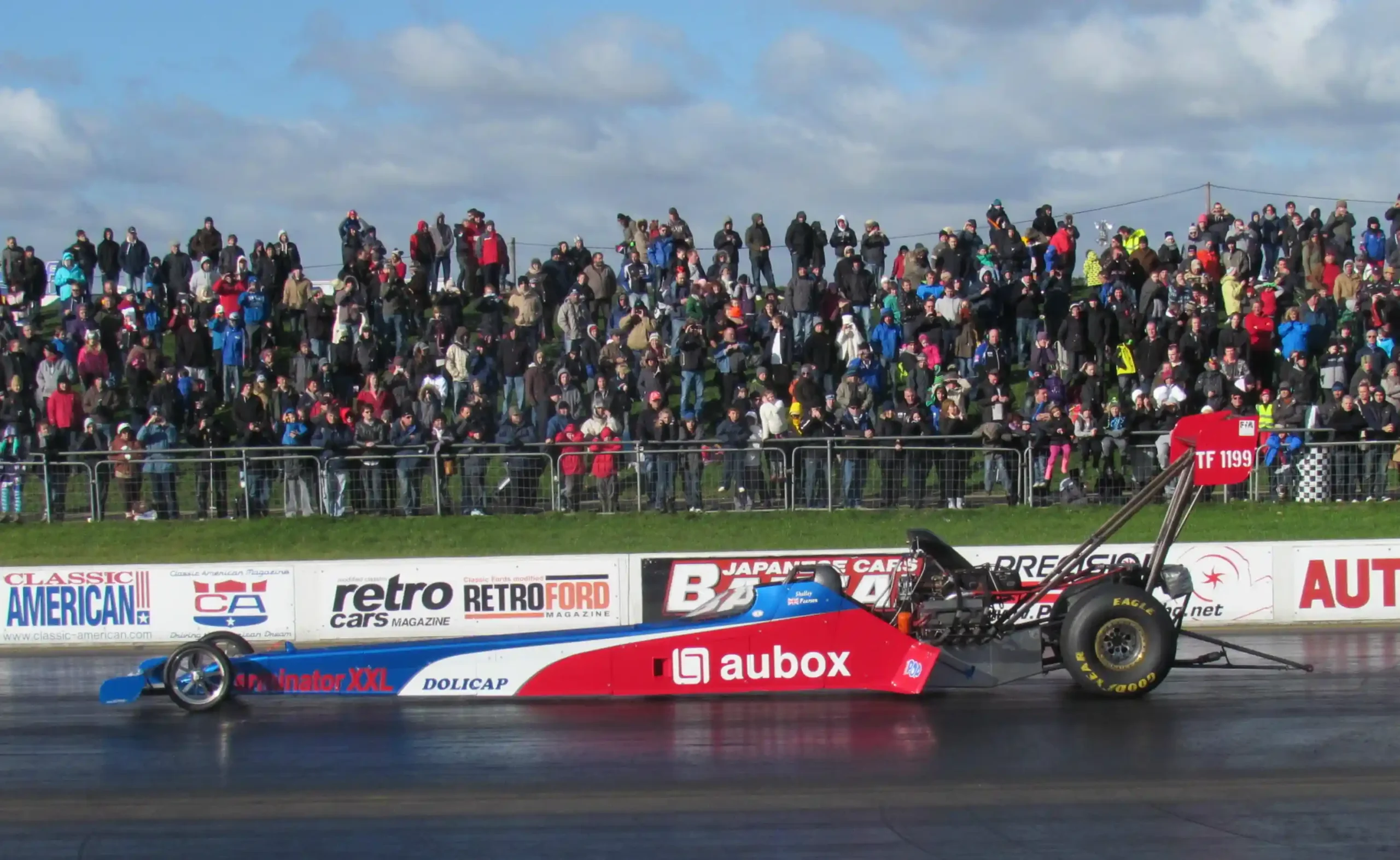
Which Parts Are Reused, Inspected or Replaced?
| Component | After-Run Work | Why It Matters | Likely Decision |
|---|---|---|---|
| Engine oil | Drained and checked for fuel, heat and metal | Reveals bearing and piston problems | Fresh oil for the next run |
| Spark plugs | Removed and read by cylinder | Shows mixture, heat and ignition quality | Commonly replaced |
| Main bearings | Inspected for color, width and surface damage | Protects the crankshaft and reveals loading | Reused or replaced by condition |
| Rod bearings | Removed with each rod and piston | Shows oil-film and cylinder-load problems | Often treated as short-life parts |
| Pistons | Checked for heat, scuffing, ring damage and cracks | Directly contains combustion | Reused only within team limits |
| Connecting rods | Measured and tracked by run count | Transfers pressure and absorbs shock | Rotated or replaced preventively |
| Crankshaft | Journals and condition checked | A failure can destroy the engine | Reused after inspection or replaced on schedule |
| Cylinder liners | Examined for scoring and aluminum transfer | Provides the piston running surface | Cleaned, honed or replaced |
| Head gaskets | Inspected for pressure leakage | Seals the block-to-head path | Frequently replaced during service |
| Valves and springs | Checked for heat, lash and damage | Controls cylinder filling and sealing | Reused or replaced by condition |
| Supercharger belt | Checked for tooth and cord damage | Loss of drive ends the run | Replaced by condition or schedule |
| Clutch discs | Measured, cleaned and resurfaced or replaced | Controls engine load | Rebuilt to the next clutch plan |
| Block and heads | Checked for cracks, threads and sealing marks | Major reusable structures | Reused when measurements remain safe |
| Blower case and rotors | Checked for contact, play and seal wear | Airflow depends on accurate clearances | Serviced over several runs unless damaged |
Important: No universal public replacement schedule covers every team. Parts strategies vary with manufacturer, tune, track conditions, budget and accumulated run history.
How Many Runs Can a Top Fuel Engine Actually Make?
There is no single number because its parts have different lives. A block or head may make many passes, while plugs, oil, bearings, pistons, rods, gaskets and clutch parts are serviced or replaced far more frequently.
Asking for one engine lifespan is like asking how long an aircraft lasts without separating its airframe, engines, tires and brakes.
The assembled motor changes after every pass. A reused block may contain fresh pistons, bearings and gaskets.
Therefore, the identity of “the engine” depends on definition. Is it the block, rotating assembly or every installed part?
Teams normally track individual components. A crankshaft has one schedule, while rods and plugs have another.
Damage also overrides planned life. A dropped cylinder, tire shake or pressure problem can retire a part early.
Run Counts Are Competitive Information
Exact service limits reveal how aggressively a team uses its hardware. That can expose tuning philosophy and cost structure.
Consequently, public numbers should be treated carefully. One team’s rod limit may not apply to another team’s design.
Official NHRA material confirms the teardown process but does not publish one universal life chart.
A Clean Run Still Uses Fatigue Life
Metal does not need a visible crack to lose useful life. Repeated stress changes its fatigue margin.
Heat cycles also change dimensions and material condition. Therefore, a perfect-looking part can still reach its retirement point.
Why Preventive Replacement Makes Financial Sense
A doubtful bearing or rod costs far less than a catastrophic failure. One broken part can destroy the block, crankshaft, heads, supercharger and clutch while ending the race weekend.
Top Fuel operating costs extend beyond the price of one assembled engine. Teams need spares, consumables, fuel, tires and trained crew.
Each pass uses parts life even when the motor remains intact. Therefore, teams budget for replacement rather than treating it as an emergency.
A major failure creates indirect costs. The car may miss qualifying or lose championship points.
Oil on the track can produce penalties and delay the session. The crew may also lose preparation time.
The detailed financial picture appears in the guide to Top Fuel engine cost.
Inventory Is Part of Reliability
Teams arrive with prepared pistons, rods, bearings, heads, superchargers and short blocks. Parts are organized for rapid installation.
This inventory makes the 75-minute turnaround possible. The crew does not wait for a machine shop between rounds.
Moreover, prepared spares maintain consistency. The next part should match the tune rather than introduce a new variable.
From Front-Engine Dragsters to Modern Turnarounds
Fuel racers have inspected bearings and repaired engines between runs for decades. Modern teams use a more systematic teardown because current power, data and prepared parts support faster diagnosis and consistent rebuilding.
Early dragsters placed the engine ahead of the driver and used simpler pit equipment. Racers often checked bearings near the staging lanes.
The basic need already existed. Nitromethane damaged parts, and racers learned to inspect the engine before another run.
Today’s process is more specialized. Pneumatic tools, data systems and prepared components support a disciplined turnaround.
NHRA marked 2026 as the 55th anniversary of Don Garlits’ influential rear-engine victory at the 1971 Winternationals. The layout changed safety and service access.
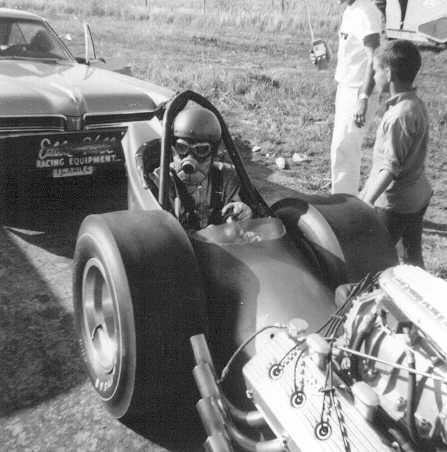
The distinctive engine note connects the eras. The guide to why a V8 sounds different from a V12 explains how firing order and exhaust pulses shape the sound.
Top Fuel Engine Life vs Street, NASCAR and Formula 1 Engines
Long-life engines operate at lower power density and use larger safety margins. They spread load across many minutes, hours or miles. Top Fuel trades that durability for maximum acceleration over 1,000 feet.
| Engine Type | Main Goal | Duty Cycle | Maintenance Approach |
|---|---|---|---|
| Top Fuel | Maximum acceleration | Seconds at extraordinary load | Open and inspect after every pass |
| Street car | Reliability and drivability | Thousands of hours, mostly light load | Long oil and service intervals |
| NASCAR Cup | Sustained race speed | Hundreds of miles | Race-length durability and post-event inspection |
| Formula 1 | Lap performance within allocations | Multiple sessions and events | Mileage management and limited components |
| Endurance prototype | Repeatable pace and efficiency | Six to 24 hours | Large durability margins |
Top Fuel Does Not Need to Survive a Long Race
A road-racing engine must cool itself while cornering, braking and following traffic. It also needs a broad operating range.
Top Fuel has one narrow mission. It starts, performs a burnout, stages and accelerates for 1,000 feet.
The exact distance is explained in how far Top Fuel cars race.
Long-Life Engines Sacrifice Peak Output
A manufacturer could reduce Top Fuel power and extend service life. However, that car would probably lose.
Endurance engines make the opposite compromise. They use less extreme pressure because finishing matters more than one launch.
Neither approach is superior outside its purpose. Each engine reflects the competition it must win.
How the Teardown Prevents Engine Explosions
It reduces risk by finding damaged bearings, stretched rods, scuffed pistons, weak valvetrain parts and sealing problems. It cannot remove every failure because the engine still operates close to combustion and material limits.
The teardown serves two safety goals. First, it replaces parts that have consumed their planned life.
Second, it identifies the cause of unusual wear. Installing fresh parts without correcting the tune would repeat the problem.
One burned piston may point to a blocked fuel nozzle. A damaged rear bearing may point to clutch or crankshaft loading.
Therefore, the rebuild is also an engineering investigation. Every removed part is evidence.
Containment Is the Final Layer
Even careful teams cannot guarantee that every engine survives. NHRA requires devices that reduce the consequences.
Engine diapers help contain oil and fragments below the crankcase. Supercharger restraints and burst panels manage intake failures.
Fuel and ignition shutdowns reduce the energy feeding a fire. The rear-engine layout keeps the main power unit behind the driver.
Why the One-Pass Teardown Still Matters in 2026
The public Top Fuel specification remains extraordinary in 2026: roughly 11,000 horsepower, 500 cubic inches and speeds above 330 mph.
That performance means the teardown is not an outdated ritual. It remains central to current professional operation.
The championship gives teams repeated qualifying and elimination runs across a full season. Current dates appear in the 2026 NHRA schedule.
The class structure and race format are covered in the NHRA drag-racing guide.
Every pass produces a new mechanical record. The crew reads that record, rebuilds the car and decides how close to the limit it can go next time.
Common Myths About One-Run Top Fuel Engines
Reality: Major parts can be reused after inspection, while short-life pieces are replaced or rotated.
Reality: A correct tune can leave clean pistons, but the crew still removes and inspects them.
Reality: Hidden bearing, ring or heat damage can remain after an excellent elapsed time.
Reality: Teams use different hardware, run counts, tune-ups and inspection standards.
Reality: Extraordinary load can consume meaningful component life almost instantly.
Reality: Teams want a clean run and reusable major hardware. The teardown helps them achieve it.
The one-run phrase remains useful when it emphasizes inspection. It becomes inaccurate when it suggests planned destruction.
A professional Top Fuel operation resembles an aircraft maintenance program more than a street-car oil change. Every part has a history and a limit.
Top Fuel Engine Life FAQs
Do Top Fuel engines really last only one run?
The complete engine is not automatically discarded. However, it receives a major teardown and inspection after every pass because hidden damage cannot be trusted for another run.
What parts are replaced after every Top Fuel run?
Practices vary. Oil, plugs, seals, bearings, pistons, rods, rings, gaskets and clutch parts may be replaced or rotated based on inspection and run counts.
How long does a Top Fuel engine rebuild take?
NHRA has documented a 75-minute turnaround. Specialists service the bottom end, heads, clutch, fuel system and supercharger at the same time.
Why does nitromethane shorten engine life?
Nitromethane allows a huge fuel mass to burn, creating exceptional heat and cylinder pressure. It can also dilute oil or wash lubrication from cylinder walls.
Conclusion: One Run Is the Inspection Interval, Not Always the Engine’s Funeral
Why do Top Fuel engines last only one run? The most accurate answer begins with the meaning of “last.”
A complete engine is not automatically destroyed or discarded after one pass. The block, crankshaft, heads and supercharger may return.
However, the assembled motor does not earn a second run without inspection. More than 11,000 horsepower leaves no room for unknown damage.
Nitromethane creates the power. Its chemistry lets the engine burn an enormous fuel mass in each cylinder.
That combustion produces extreme pressure and heat. Pistons, rods, bearings, gaskets and crankshaft journals absorb the result.
The fuel also affects lubrication. It can wash oil from cylinder walls and dilute the crankcase oil.
Therefore, fresh oil and internal inspection are part of the engine’s normal operating cycle.
Pistons and connecting rods receive direct attention. NHRA has documented crews removing all eight assemblies during a turnaround.
Bearings provide another record. Their color and wear pattern show how the crankshaft, oil film and cylinder loads behaved.
Spark plugs tell the combustion story. Each plug records heat, fuel and ignition conditions from its cylinder.
The crew compares those clues with electronic data. It then replaces parts and corrects the tune.
The blower and clutch also shape engine life. Boost raises pressure, while clutch application changes crankshaft load.
Tire shake and wheelspin add vibration or over-rev. Consequently, durability depends on the entire car.
The 75-minute turnaround succeeds because specialists work in parallel. One person handles the bottom end while others service the heads, clutch and fuel system.
Prepared parts and fixed procedures make the speed possible. Correct torque and measurements remain essential.
Not every part shares the same lifespan. Oil and plugs may be one-pass items, while a serviceable block can make many runs.
Rods, pistons, bearings and crankshafts follow team-specific limits. Exact schedules remain proprietary.
That is why no honest answer can give one universal number for Top Fuel engine life. The motor is a collection of parts with different histories.
The famous one-run statement is still useful. It reminds fans that the engine must be opened after every competitive pass.
Yet it becomes misleading when it suggests planned destruction. The goal is always a clean run and reusable major hardware.
Top Fuel teams celebrate an engine that runs on all eight cylinders and returns without damage.
The rebuild makes that repeatable. It turns a few seconds of controlled violence into a disciplined engineering process.
Sources and Fact-Checking
This article was checked on July 31, 2026 against official NHRA specifications and technical features. Exact replacement schedules remain team-specific and are not standardized publicly.
- NHRA: Top Fuel horsepower, elapsed time, speed, displacement and fuel-consumption figures
- NHRA: Bottom-end divers, eight rod-and-piston assemblies and the 75-minute turnaround
- NHRA: Top Fuel engine architecture, fuel system, supercharger and ignition specifications
- NHRA: Why crews rotate the engine backward to clear fuel from cylinders