Introduction: Torque Is Everywhere in Real Life (Even If You Don’t Notice It)
Torque is one of those words that sounds complicated, but in reality, it is something you already use every day without thinking. You don’t need to be a science student or an engineer to understand it.
👉 Torque simply means turning power or twisting force.
Whenever something rotates—like a door opening, a bottle cap twisting, a bicycle pedal turning, or a car wheel spinning—torque is involved.
In cars, torque is what makes the wheels turn and move the vehicle forward. Without torque, a car cannot even start moving from rest.
So if we simplify everything into one line:
👉 Torque is the force that makes things rotate and move.
Now let’s understand it step by step in a very simple and real-world way.
Understanding Torque Using Everyday Life
The easiest way to understand torque is to imagine a door.
When you push a door:
- If you push near the hinge, it is very hard to open
- If you push near the handle, it opens easily
Why?
Because pushing far from the hinge creates more turning force.
That turning force is torque.
Another example is a wrench:
- A short wrench is harder to turn
- A long wrench is easier to turn
Again, same idea: more distance = more torque.
So torque depends on two simple things:
- How hard you push
- How far from the center you push
In simple language:
👉 Torque = pushing power × distance
Torque in Cars: How a Vehicle Actually Moves
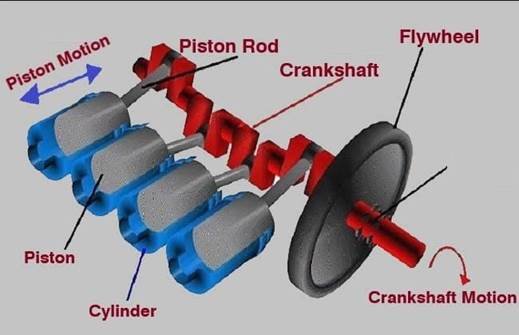
Inside a car engine, fuel burns in small controlled explosions. These explosions push pistons downward. The pistons are connected to a crankshaft, and that crankshaft rotates.
That rotation is torque.
So the process is:
- Fuel burns
- Explosion pushes piston
- Piston moves
- Crankshaft rotates
- Wheels turn
That rotation force is what we call torque.
So torque is not something abstract—it is the real physical force that makes your car move forward.
Without torque:
- The wheels would not rotate
- The car would stay still
- No movement would happen
Why Torque Matters in Real Driving (Not Just Theory)
Torque is not about racing speed. It is about real-life driving situations.
1. Starting from zero
When a car starts from a stop, it needs strong torque to begin moving.
2. Driving in traffic
In stop-and-go traffic, torque makes driving smooth and less stressful.
3. Climbing hills
Going uphill requires extra force against gravity. Torque provides that force.
4. Carrying weight
If a car is full of passengers or carrying luggage, torque helps it move without struggling.
So torque is what makes a car feel “strong” in everyday situations.
Torque vs Speed (Simple Truth Most People Miss)
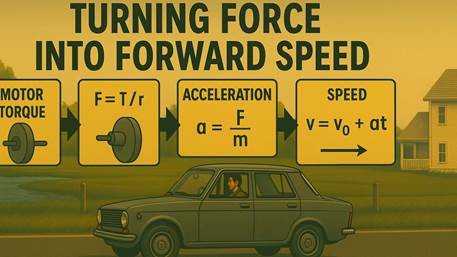
Many people think torque means speed, but that is incorrect.
Let’s simplify:
- Torque = strength to move
- Speed = how fast you move
A strong person can push a heavy object easily (high torque), but speed depends on other things.
So:
👉 Torque helps you move
👉 Speed tells how fast you go
Both are important, but they are not the same.
Simple Real-Life Examples You Already Know
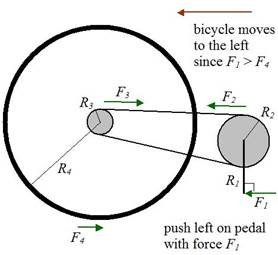
Think about riding a bicycle:
- When starting → you push hard on pedals
- When moving → you don’t need much effort
- When going uphill → you push harder again
That starting and climbing effort is torque.
Same thing happens in cars.
Another example is opening a heavy door. If you push near the handle, it is easy. That is because torque increases when force is applied far from the center.
Why Some Cars Feel Strong Even If They Are Not Fast
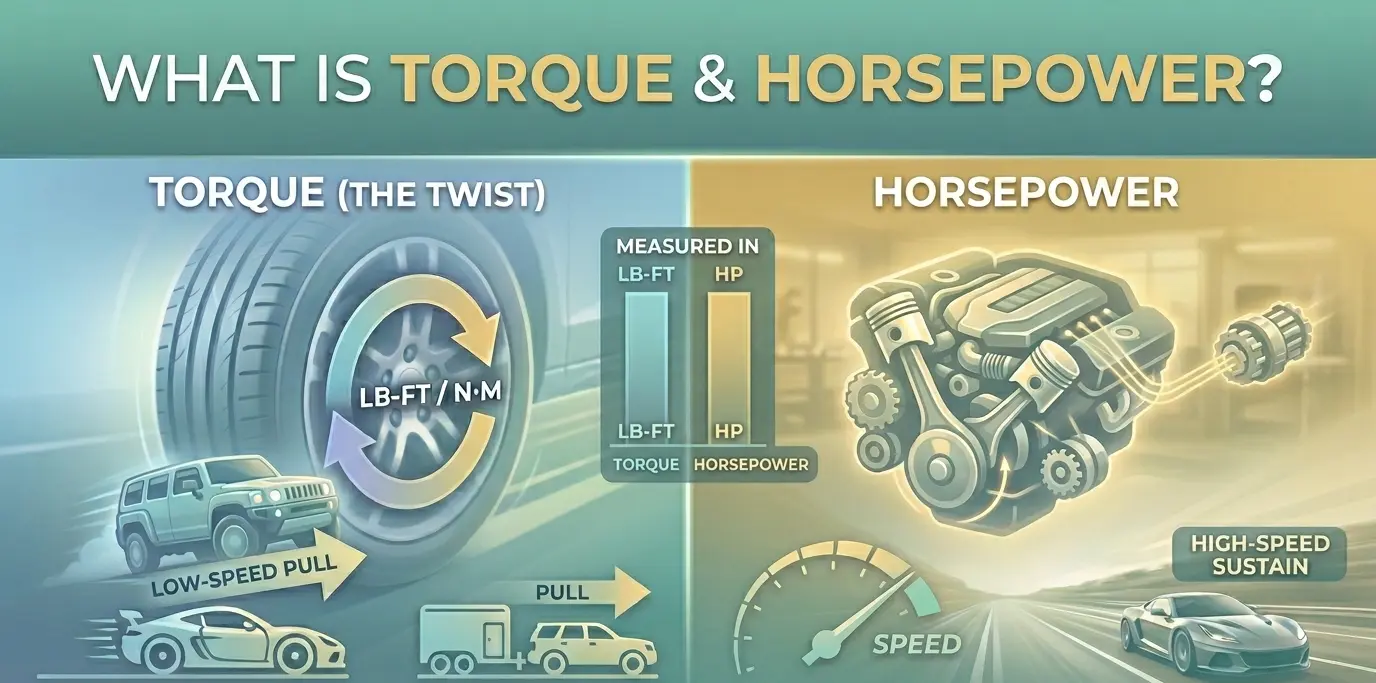
Some cars feel powerful even if they are not very fast. This is because they produce good torque.
For example:
- SUVs feel strong at low speed
- Diesel cars feel powerful when starting
- Small petrol cars feel weaker at low speed
This is not about speed—it is about how strongly the car can move.
Torque is what gives that “push back into the seat” feeling when you press the accelerator.
Diesel Engines and High Torque Feeling

Diesel engines are famous for producing strong torque.
That is why:
- Trucks use diesel
- Buses use diesel
- Heavy machinery uses diesel
Diesel engines are not always fast, but they are very strong at low speed.
So they are perfect for pulling heavy loads and climbing hills.
Electric Cars: Instant Torque Explained Simply
Electric cars are different from fuel cars.
They give torque instantly.
That means:
- No waiting for engine to build power
- Press accelerator → immediate movement
This is why electric cars feel very fast even at low speeds.
Torque in One Simple Sentence
If you remember nothing else, remember this:
👉 Torque is the turning strength that makes things move.
- No torque = no movement
- More torque = stronger pulling power
- Good torque = smooth real-life driving
Why Torque Is More Important Than People Think
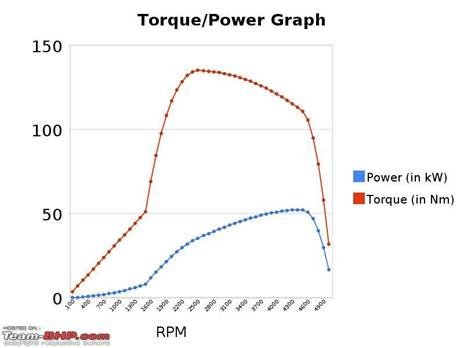
People often focus on horsepower, but torque is what you actually feel in daily driving.
Torque matters more in:
- City traffic
- Hill driving
- Carrying passengers
- Heavy load movement
It is the real “working power” of a vehicle.
Conclusion: Torque Made Simple
Torque is not complicated science. It is simply the force that makes things rotate and move.
In cars, torque is what:
- Starts movement
- Pulls weight
- Climbs hills
- Makes driving feel strong
So the simplest way to understand it is:
👉 Torque = strength to turn the wheels
👉 It is the real-life power you feel when driving
Even if you don’t know anything about engines, you already understand torque—you have been using it your whole life.
External References (Simple Reading)