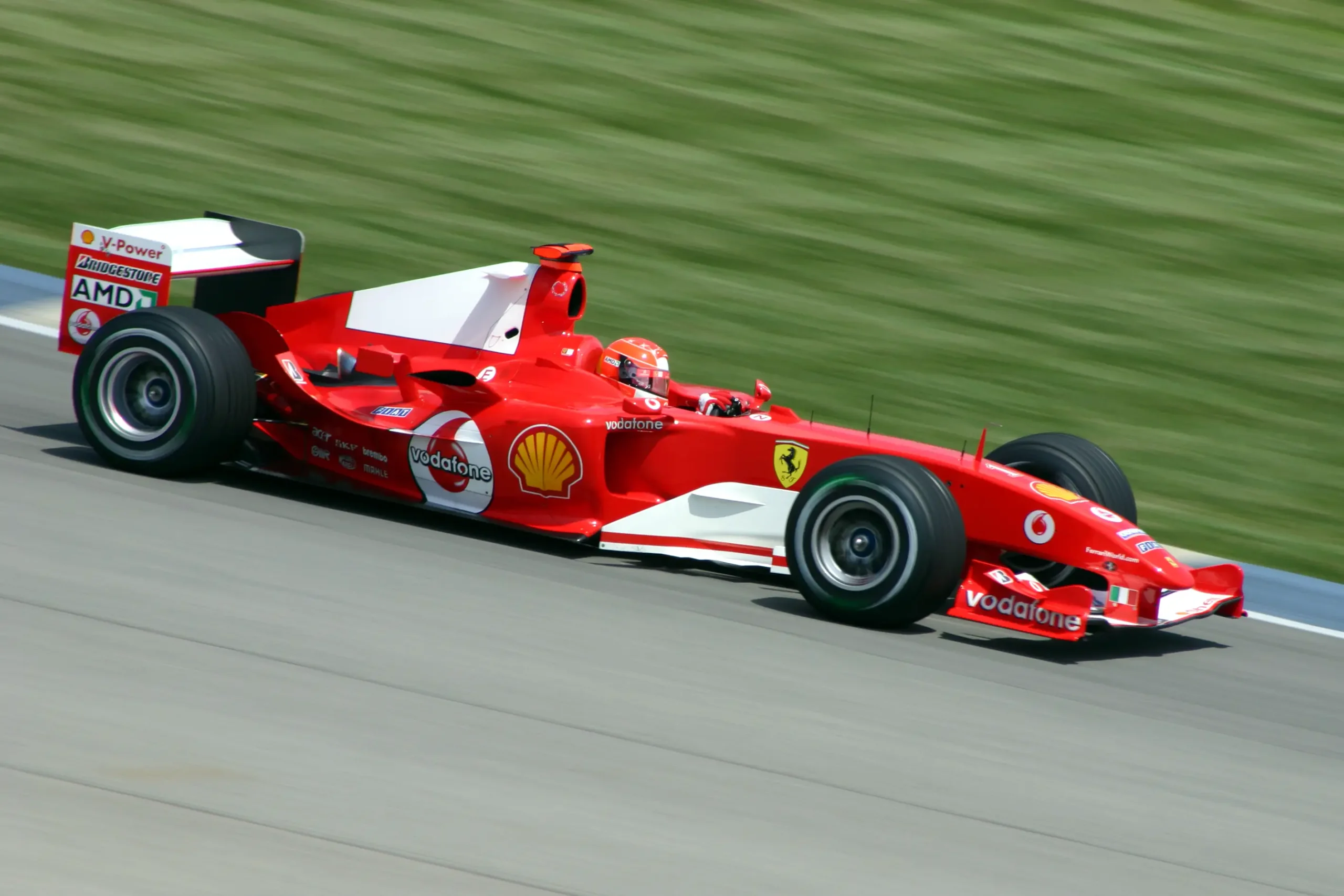
What Makes a Great F1 Driver? Speed, Racecraft and Consistency Explained
The quickest drivers find lap time. The greatest drivers combine that speed with judgment, tire control, technical intelligence and championship-level consistency.
A great F1 driver combines raw speed, racecraft, consistency, tire management, adaptability, technical feedback, fitness and mental strength. The complete driver can produce a maximum lap, manage a long race and still make accurate decisions under pressure.
Formula 1 greatness begins with speed, but it never ends there.
A driver can be spectacular over one lap and still lose too many points on Sunday. Another can finish almost every race yet lack the pace needed to win from the front.
The great drivers connect both sides. They qualify near the limit, race intelligently and repeat that level across changing cars, circuits and conditions.
They also understand that a Grand Prix is not a sequence of isolated fast laps. It is a moving problem involving tire temperatures, traffic, energy use, weather, strategy and risk.
Racecraft turns pace into position. Consistency turns position into championship points. Technical feedback helps the team create a faster car for the next session and the next season.
Meanwhile, physical conditioning protects precision. A tired driver brakes less accurately, reacts more slowly and gives weaker feedback.
Mental strength matters just as much. Great drivers recover from mistakes without carrying them into the next corner or the next weekend.
Modern Formula 1 adds another challenge. The 2026 cars introduced major power-unit and aerodynamic changes, so drivers must manage new energy systems while learning different handling traits.
The FIA and Formula 1 adjusted parts of those rules during 2026 after feedback from teams and drivers. That process underlined a central truth: adaptability now matters as much as any single driving technique.
So, what makes a great F1 driver? It is the ability to create speed, control risk and help the entire team perform better.
The Complete F1 Driver at a Glance
An F1 driver needs one-lap speed, race pace, clean racecraft, tire control, adaptability, accurate feedback, fitness, concentration and professional teamwork. Greatness comes from combining those qualities rather than relying on one strength.
Formula 1 rewards specialists, but championships usually reward complete drivers. The quickest qualifier still needs to manage starts, strategy and tire life.
Likewise, the smartest racer must begin close enough to the front to use that intelligence. Modern track position makes recovery difficult, especially at street circuits.
| Driver Quality | What It Looks Like | Why It Matters |
|---|---|---|
| Raw speed | Finding grip and lap time near the car’s limit | Creates poles, clean air and winning positions |
| Racecraft | Starts, overtakes, defense and traffic judgment | Converts pace into track position |
| Consistency | Repeatable laps and few avoidable mistakes | Builds points over a long season |
| Tire management | Controlling temperature, slip and degradation | Extends stints and expands strategy options |
| Adaptability | Changing style for cars, circuits and weather | Protects performance when conditions shift |
| Technical feedback | Describing balance clearly and accurately | Helps engineers improve setup and development |
| Mental strength | Calm decisions under pressure | Prevents one error becoming several |
| Physical fitness | Maintaining precision under heat and g-force | Keeps performance stable late in races |
| Teamwork | Working with engineers and respecting procedures | Improves both cars and the wider operation |
No driver leads every category every weekend. However, the best drivers have few serious weaknesses.
They also know when to use each strength. A qualifying lap demands commitment, while a long stint may reward restraint.
The great driver is not always the person driving at 100 percent. Often, it is the person who knows whether the moment requires 100 percent, 98 percent or patient control.
Raw Speed: The Foundation of Formula 1 Greatness
An F1 driver is fast when they brake at the latest sustainable point, carry strong minimum speed, rotate the car efficiently and return to power without wasting grip. The best drivers repeat this process across every corner.
Raw speed is the ability to approach the car’s physical limit quickly. It appears in braking confidence, steering precision and throttle control.
Natural pace often shows early. A young driver may enter a new circuit and reach competitive lap times before others understand the grip level.
Yet speed is not magic. It comes from thousands of small decisions made within seconds.
The driver chooses where to brake, how quickly to release the pedal and how much steering angle to use. They also decide when the rear tires can accept full power.
Great drivers reduce wasted motion. Extra steering scrubs speed, while unnecessary wheelspin overheats the rear tires.
They also understand the racing line. A textbook line may not be fastest when wind, tire condition or track evolution changes.
Therefore, raw speed includes interpretation. The driver must find the quickest line for the exact car and conditions in that moment.
Our guide to the racing apex explains how line choice shapes corner entry and exit.
Peak Pace Must Be Accessible
A driver who produces one extraordinary lap each month may have talent. However, a top team needs that speed on command.
Qualifying offers limited attempts. A great driver can reach the tire window and deliver before traffic or a red flag ends the session.
Speed Must Survive Imperfect Balance
F1 cars rarely feel perfect. Wind, bumps and changing fuel loads alter balance throughout a weekend.
The best drivers keep finding time even when the car understeers on entry or becomes nervous on traction.
Read oversteer and understeer in F1 for the handling problems drivers must manage.
Qualifying Pace Versus Race Pace
Qualifying pace measures maximum performance over one lap with low fuel and fresh tires. Race pace measures speed across longer stints while the driver manages fuel, tire degradation, traffic and strategy.
Qualifying rewards immediate confidence. The driver must prepare the tires, judge track evolution and attack without exceeding track limits.
A small mistake can erase the lap. Therefore, one-lap specialists often possess exceptional commitment and braking precision.
Race pace is different. The car carries more fuel, the tires age and traffic changes aerodynamic performance.
The quickest opening lap of a stint may not produce the fastest overall race. A driver who overheats the tires can lose several seconds later.
Great drivers understand the full stint. They know when to protect the front tires and when a rival’s pit stop requires an immediate push.
Qualifying Pace
- Low fuel and maximum deployment
- Fresh tire preparation
- One decisive lap
- High commitment and track-limit risk
- Strong influence on grid position
Race Pace
- Heavy fuel and changing balance
- Tire and brake management
- Traffic and dirty air
- Strategic pace variation
- Repeatability over many laps
Neither skill is optional. Poor qualifying forces a driver into traffic, while weak race pace wastes a strong grid position.
The complete driver links both. They start near the front and still have performance available late in the Grand Prix.
See how F1 qualifying works and why pole position matters.
Braking, Cornering and Car Control
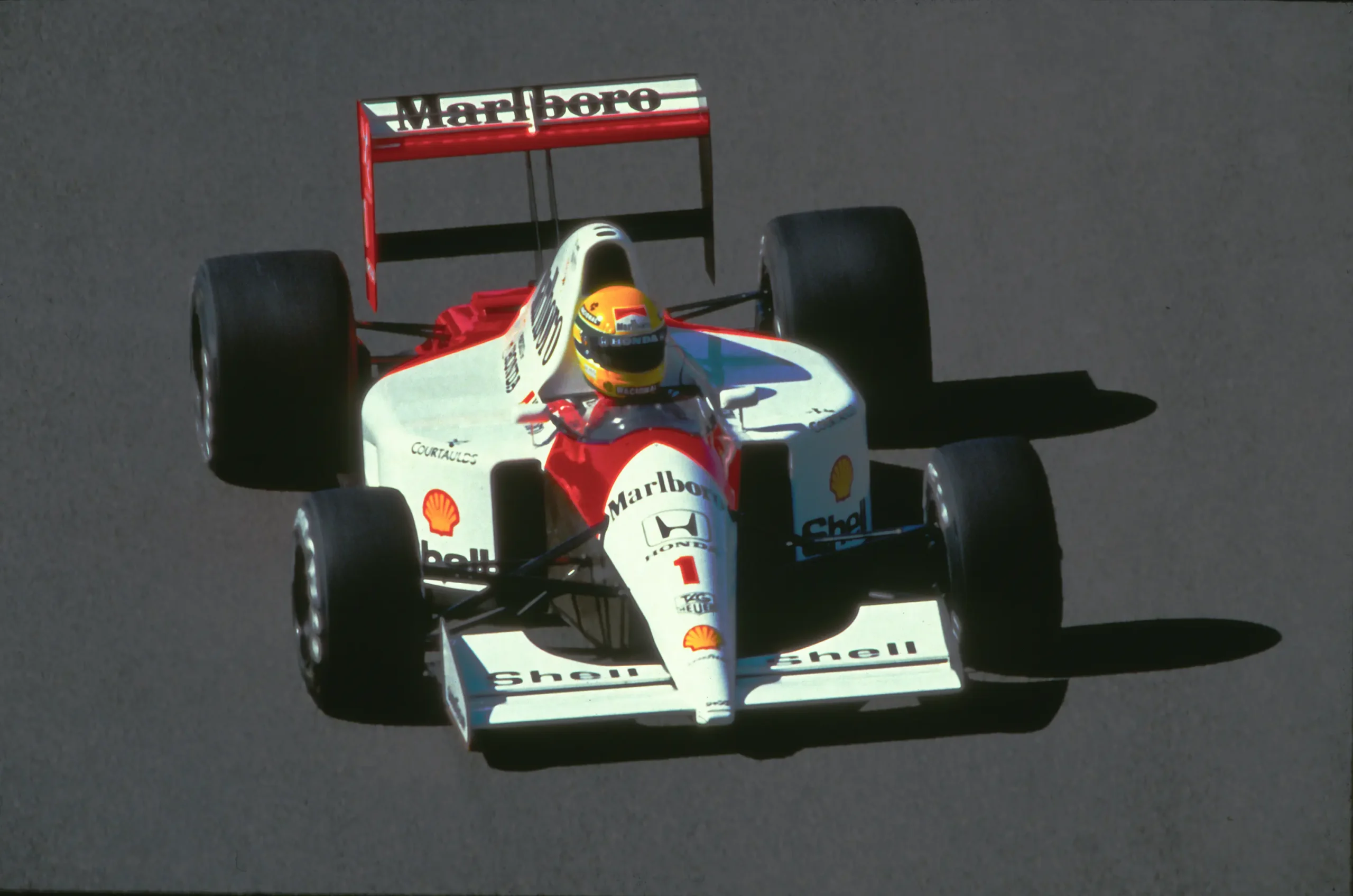
Braking skill determines how much speed a driver can carry toward a corner while keeping the car stable. Great drivers maximize deceleration, release the pedal smoothly and avoid lockups that damage tires.
Braking is not simply pressing the pedal as hard as possible. The driver must create maximum deceleration, then release pressure as aerodynamic grip falls.
This release phase controls rotation. Too much pressure can lock a tire, while too little leaves speed unused.
Formula 1’s official Racing ID series describes braking as arriving at the turning point with the correct speed. That definition captures the balance between aggression and control.
Trail braking extends braking into the corner. It can help the car rotate, although it also increases the risk of front locking or rear instability.
Driving style changes the solution. Some drivers attack the pedal and rotate sharply. Others use a smoother release and carry speed through the center.
Neither style is automatically superior. The car’s aerodynamics, suspension and tire characteristics decide which method works.
Minimum Speed Is Only Part of the Corner
Fans often focus on minimum corner speed. However, the fastest driver may sacrifice the middle of the corner for a stronger exit.
That choice matters before a long straight. Earlier throttle can deliver more total lap time than a higher apex speed.
Car Control Protects the Tires
Slides look dramatic, but they create heat and wear. Great drivers correct small movements before they become large losses.
They also distinguish useful rotation from wasted sliding. That sensitivity is one of the hardest skills to measure from television.
Read what grip means in racing for the physical foundation of these choices.
Racecraft: Turning Speed Into Position
Racecraft is the ability to manage starts, overtaking, defense, traffic, pit-stop phases and changing race situations. It combines awareness, judgment and controlled aggression.
Formula 1’s official racecraft analysis includes starts, pit-stop management and wheel-to-wheel ability. Those skills decide whether pace becomes a result.
A clean overtake begins before the braking zone. The driver studies tire condition, battery use and the rival’s likely defense.
They may force the rival to protect the inside, then switch to a better exit. Alternatively, they can pressure the opponent into overheating tires.
Defense requires similar intelligence. A driver must place the car legally without sacrificing the next corner.
Great racecraft also means choosing the correct battle. Fighting a faster car for several laps may destroy the tires and lose time to the real rivals.
Therefore, controlled aggression matters more than constant aggression. The driver must know when contact risk is justified.
The FIA updated its Formula 1 driving standards and penalty guidelines in 2026 to improve clarity around racing incidents. Great racecraft stays fast within those boundaries.
Attack
Create the move before the braking zone, use energy wisely and leave enough margin to complete it.
Defend
Control the racing line without reactive weaving, avoid penalties and protect the next corner.
Judge
Understand championship, tire and strategy consequences before committing to a high-risk fight.
Starts Are a Racecraft Test
The launch combines reaction, clutch control and wheelspin management. Then the driver must place the car safely among several rivals.
A great starter reads gaps before they fully appear. However, the opening lap also punishes impatience.
Restarts Reward Anticipation
Safety Car restarts require tire temperature, battery planning and awareness of the leader’s acceleration point.
The best drivers create distance without leaving themselves exposed. See how the Safety Car and VSC work.
Consistency: The Skill That Wins Championships
Consistency allows a driver to score near the car’s potential every weekend. It limits avoidable crashes, protects points and keeps the championship alive when victory is not available.
Consistency does not mean driving slowly. It means producing a high percentage of available performance without unnecessary errors.
A champion cannot win every race. However, they can turn difficult weekends into sixth place instead of retirement.
That difference becomes enormous across a long season. Ten recovered points can decide a title months later.
Teams measure consistency through lap-time variation, qualifying execution, incident rates and points conversion. They also compare performance after setup problems.
Mechanical reliability complicates the picture. A driver should not be blamed for failures outside their control.
Therefore, teams study process rather than results alone. They ask whether the driver made the correct decisions with the information available.
Great Drivers Stop Error Chains
One mistake often creates pressure to recover immediately. That pressure can produce a second mistake.
The best drivers reset quickly. They accept the lost tenth, rebuild tire temperature and attack when the opportunity returns.
Consistency Includes Preparation
Reliable performance begins before the race. Drivers study starts, pit entry, track limits and weather scenarios.
That preparation reduces surprises. It also lets the driver concentrate on speed when the session becomes chaotic.
Our guide to how racing championships are scored shows why steady points matter.
Tire Management and Strategic Intelligence
A strong tire manager controls sliding, temperature and energy while maintaining competitive lap time. They adapt corner approach, throttle use and pace to keep the tire inside its operating window.
Tire management is often misunderstood as gentle driving. In reality, slow driving can cool the tires too much and reduce grip.
The driver must protect the compound while keeping it alive. That means managing the balance between heat generation and wear.
Front graining can come from sliding across the surface. Rear overheating can come from wheelspin and repeated traction demand.
Great drivers feel these changes early. They adjust brake balance, entry speed and throttle before the lap time collapses.
They also understand strategy. A driver extending a stint may need to lose two tenths now to gain several seconds later.
However, tire saving is useless if a rival completes an undercut. The driver must respond when the strategic picture changes.
| Tire Problem | Driver Response | Possible Trade-Off |
|---|---|---|
| Front overheating | Reduce entry slide and follow distance | May lose immediate corner speed |
| Rear overheating | Smoother throttle and earlier short-shifting | Can reduce acceleration |
| Graining | Reduce slip and allow surface recovery | Requires patience for several laps |
| Cold tires | Increase controlled energy through braking and steering | Too much input can create a lockup |
| Long final stint | Protect early, then increase pace later | Risks losing track position early |
Strategy also demands communication. The driver must tell the team whether the tires can survive the planned distance.
Read the undercut and overcut for the timing battle around pit stops.
Adaptability Across Cars, Circuits and Regulations
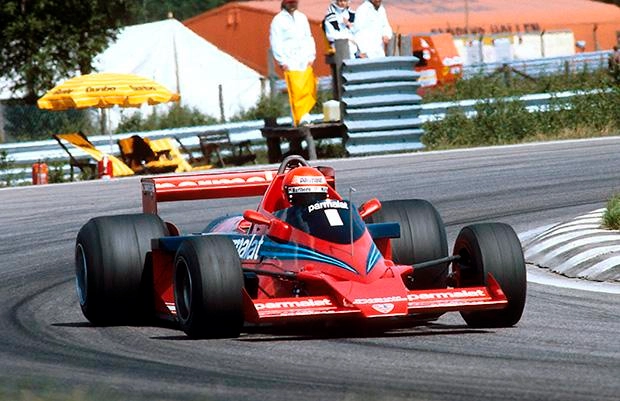
An adaptable driver changes braking, steering, throttle and setup preferences when the car or conditions demand it. They learn new behavior quickly instead of waiting for the car to match one narrow style.
Every Formula 1 car has a personality. One may reward late braking, while another needs an earlier rotation and careful traction.
A driver who depends on one balance can look brilliant in the right car and ordinary in the wrong one.
Great drivers still have preferences. However, they can work around problems while the team develops a better solution.
Circuits create another test. Monaco demands precision, while Monza rewards braking stability and low-drag confidence.
High-speed tracks test commitment. Street circuits test judgment near walls and rapid grip evolution.
Regulation changes can reset every reference. The driver must learn new tire behavior, energy deployment and aerodynamic effects.
That is why teams value learning speed. A driver who reaches the limit quickly gives engineers more useful development time.
Adaptability Does Not Mean Ignoring Preference
A driver should still explain what balance creates confidence. Engineers need a clear target.
The distinction is important. Preference guides development, while adaptability protects results before that development arrives.
Wet-Weather Ability: Finding Grip Without Fixed References
A strong wet-weather driver searches for grip, adapts the racing line, controls wheelspin and judges changing conditions. They remain confident without treating every corner as if grip is constant.
Rain removes certainty. Braking points change each lap, while one section of the circuit may be wetter than another.
The normal racing line can become polished and slippery. Drivers often search outside it for rougher asphalt and extra grip.
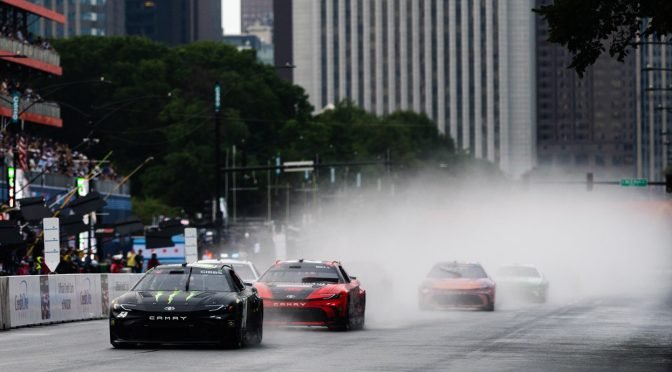
Visibility adds another problem. Spray hides cars, braking markers and standing water.
Formula 1’s official wet-driving analysis highlights reduced grip, stability and tire temperature as central challenges. The best drivers process all three at once.
Throttle control becomes critical. A small slide can quickly become a spin when water reduces rear grip.
Great wet-weather drivers are not simply brave. They build a changing grip map and update it continuously.
The 2026 season added uncertainty because the new cars and tires had limited official wet running early in the year. That made driver feel and adaptation even more valuable.
Technical Feedback and Car Development
Technical feedback helps engineers identify balance problems, compare setup changes and understand whether an upgrade behaves as expected. Clear feedback can save time and improve development direction.
A driver feels the car before the data team completes its analysis. They can identify when the rear becomes unstable or the front tire loses response.
Useful feedback must be specific. “The car feels bad” gives engineers little direction.
A strong driver describes the corner phase, speed range and exact behavior. They may report entry understeer followed by sudden rear rotation at throttle pickup.
Engineers then compare that description with telemetry. When feeling and data correlate, setup work becomes faster.
Mercedes has explained that driver feedback is vital when understanding how upgrades change car behavior. McLaren’s 2026 debrief description also shows how driver impressions combine with simulation work between sessions.
This skill matters even more during a difficult weekend. Practice time is limited, so the team cannot test every possible solution.
Great drivers also compare themselves honestly. They study the teammate’s telemetry and accept when another approach is faster.
Read what happens during an F1 debrief and the history of racing simulators.
Feedback Must Remain Stable Under Pressure
Anger can distort descriptions. A driver who blames every problem on the car makes engineering work harder.
The best drivers separate frustration from diagnosis. They give the team information that can change the next run.
Mental Strength and Championship Decision-Making
F1 drivers need enough mental strength to make accurate decisions at high speed, recover from mistakes and manage public pressure. Confidence must remain strong without becoming denial or recklessness.
Drivers process radio messages, warning lights, tire behavior and rivals while controlling a car near its limit.
That workload rises during changing weather or a Safety Car restart. The driver must filter useful information without losing rhythm.
Championship pressure adds another layer. A move that makes sense in the first race may be unnecessary in the final round.
Great drivers understand consequence. They can attack when victory matters and accept points when risk becomes excessive.
Confidence supports this process. A driver who doubts the car brakes earlier and hesitates in wheel-to-wheel situations.
However, confidence must stay connected to evidence. Ignoring tire damage or repeated mistakes is not mental strength.
Recovery Is a Competitive Skill
Bad weekends happen to every champion. The response often separates great drivers from merely fast ones.
A strong driver reviews the cause, accepts responsibility and arrives at the next race without carrying emotional baggage.
Focus Must Last the Entire Race
A Grand Prix can become quiet after the opening laps. That calm creates its own danger.
The driver must still hit braking points, manage systems and react immediately when strategy changes.
Physical Fitness: Protecting Precision Under G-Force
An F1 driver needs strong cardiovascular fitness, neck strength, core stability and heat tolerance. Fitness preserves steering, braking and concentration while the body experiences sustained g-force.
Formula 1 drivers sit in the car, but the physical load is extreme. Heavy braking can require about 160 kilograms of pedal force.
High-speed corners regularly expose drivers to sustained forces around 4g to 5g, with peaks approaching 6g at some circuits.
The neck carries the helmet while lateral force pulls the head away from the corner. Weakness changes vision and steering precision.
Core strength stabilizes the body. Leg strength supports repeated braking, while cardiovascular fitness helps manage heat and fatigue.
The official Formula 1 training guide published in January 2026 described neck work, cardio and mental exercises as core parts of preparation.
Fitness also affects feedback. An exhausted driver may struggle to describe balance accurately after a demanding session.
Therefore, physical preparation is not separate from driving skill. It protects every other skill late in the race.
Heat Tolerance Has Performance Value
Cockpit temperatures can become punishing. Dehydration reduces concentration and slows reaction.
Drivers manage fluids, nutrition and cooling before the start. They also train so the body remains efficient under heat stress.
Reaction Time Is Not Enough
Fast reactions help at starts and during sudden incidents. However, anticipation often matters more.
A great driver recognizes the pattern before the emergency fully develops. That creates time without relying on reflex alone.
Teamwork, Leadership and Professionalism
Teamwork is essential because a driver depends on engineers, mechanics, strategists and factory staff. Great drivers share useful information, respect procedures and motivate the team without weakening accountability.
Formula 1 celebrates individuals, but a driver cannot succeed alone. Hundreds of people design, build and operate the car.
The race engineer becomes the main communication link. Trust allows short radio messages to carry precise meaning.
Teammates also share data. A great driver competes hard while still contributing to the team’s understanding.
Leadership matters during difficult periods. Publicly attacking the team may satisfy frustration but damage morale and recruitment.
That does not mean drivers should hide problems. Strong leaders raise issues directly and support solutions.
Professionalism also includes media and sponsor duties. The driver represents the organization away from the circuit.
A complete driver protects the brand without becoming artificial. Honest communication and reliable behavior carry commercial value.
Work Ethic Appears in Small Details
Preparation includes simulator sessions, track walks, debriefs and physical recovery. None of these moments creates a trophy alone.
However, the combined detail can decide a qualifying gap measured in hundredths.
See how F1 driver salaries reflect status and performance.
How F1 Teams Evaluate Driver Performance
Teams compare qualifying, race pace, tire degradation, starts, mistakes, technical feedback and teammate performance. They correct those results for reliability, traffic, strategy and car damage.
The teammate remains the closest benchmark because both drivers use the same basic car. Even then, the comparison needs context.
One driver may lose track time through a mechanical failure. Another may receive an upgrade first or suffer floor damage.
Teams therefore analyze trends. They look for repeated strengths and weaknesses across different circuits.
| Metric | What Teams Review | Common Misreading |
|---|---|---|
| Qualifying gap | Average and distribution across sessions | One outlier can distort the season picture |
| Race pace | Fuel, tire age and traffic-corrected laps | Raw lap times may reflect different strategies |
| Points | Results relative to car potential | Reliability can hide driver performance |
| Incidents | Responsibility, cost and lost opportunity | Not every contact is a driver error |
| Tire use | Degradation and temperature control | Slower pace can falsely look like good management |
| Feedback | Clarity and correlation with telemetry | Private technical value is invisible to fans |
Contract decisions also consider trajectory. A rookie may receive patience because improvement is visible.
An experienced driver faces a different standard. The team expects immediate execution and leadership.
Beating a teammate remains powerful evidence. However, great evaluation separates driver contribution from the machinery.
Read the latest Formula 1 standings for the public results teams analyze in much deeper detail.
Speed, Racecraft or Consistency: Which Matters Most?
Speed is the entry requirement, racecraft converts speed into position and consistency converts position into championships. A great F1 driver needs all three, although the ideal balance changes by race and car.
Without speed, the driver cannot create winning opportunities. The fastest cars still need someone capable of reaching their limit.
Without racecraft, qualifying pace can disappear in traffic. Poor starts and weak defense waste track position.
Without consistency, individual wins do not become a title campaign. Avoidable crashes erase the value of brilliant weekends.
The three qualities reinforce each other. Confidence in raw pace can reduce desperate overtaking.
Strong racecraft protects tires and positions. Consistency creates the stable feedback needed to develop the car.
What Great F1 Drivers Teach Us
Senna demonstrated qualifying speed, Prost race calculation, Lauda technical intelligence, Schumacher work ethic, Hamilton complete performance, Verstappen racecraft and Alonso adaptability. Each built greatness through a different balance of skills.
Ayrton Senna: Maximum-Lap Commitment
Senna claimed 65 pole positions, 41 victories and three world championships. His qualifying record became a symbol of raw speed.
Formula 1’s historical profile notes that his pole total set a record at the time. It also highlights eight consecutive poles and seven straight at Imola.
However, Senna’s greatness extended beyond Saturday. Wet-weather performances and aggressive racecraft showed exceptional feel and commitment.
Alain Prost: Calculation and Efficiency
Prost won four championships and 51 races. His “Professor” reputation came from economical driving and strategic thought.
He often protected brakes and tires before increasing pressure later. That approach proves that visible aggression is not the only form of speed.
Niki Lauda: Technical Intelligence
Lauda combined pace with disciplined development. He understood setup and helped teams solve problems methodically.
His three championships came in different periods and circumstances. That longevity reflected adaptability and mental strength.
Michael Schumacher: Preparation and Team Building
Schumacher paired speed with relentless preparation. He also helped create a complete competitive structure around Ferrari.
His influence reached testing, fitness and engineering detail. The lesson is that greatness can raise the team’s standard, not only the driver’s result.
Lewis Hamilton: Range and Repeatability
Hamilton has shown elite qualifying speed, tire management and wet-weather ability across multiple regulation eras.
His longevity also demonstrates adaptation. Remaining competitive through changing cars requires more than one preferred technique.
Max Verstappen: Control Inside Aggression
Verstappen’s best races combine decisive overtaking with tire and pace control. His wet-weather performances also show rapid grip interpretation.
The visible aggression is supported by detailed car placement. That difference separates calculated attack from reckless movement.
Fernando Alonso: Adaptability and Race Intelligence
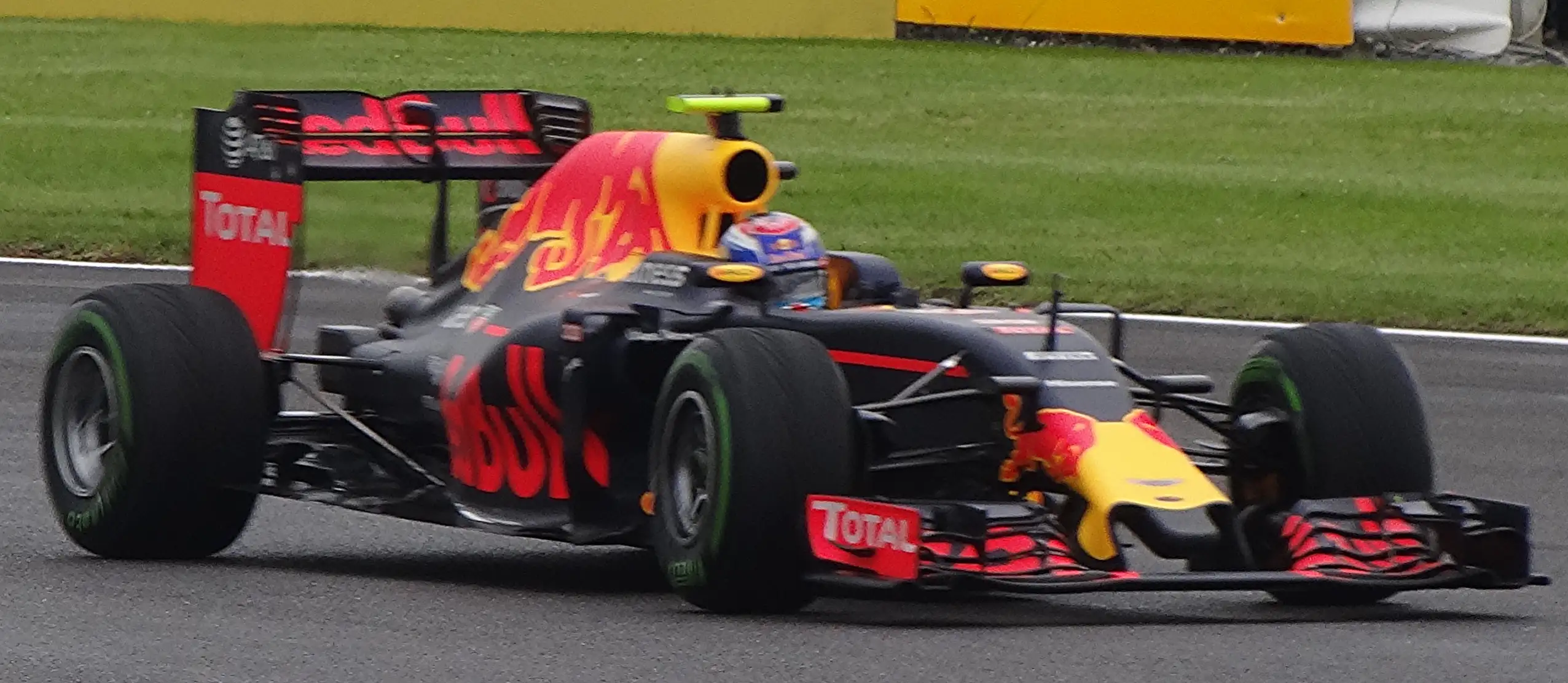
Alonso has remained effective across teams, engines and technical eras. His strength often appears in starts, positioning and difficult-car performance.
That career shows why teams value judgment and feedback alongside peak speed.
For a wider historical comparison, visit the best F1 drivers of all time.
How the 2026 Cars Changed the Driver Skill Set
The 2026 cars introduced new power-unit energy demands, different aerodynamic behavior and a shorter wheelbase. Drivers needed to learn new deployment, braking and balance characteristics.
The 2026 regulation reset became one of Formula 1’s largest recent technical changes. Drivers had to relearn how the car delivered power and recovered energy.
Early running produced feedback about energy management and consistency. The FIA then approved refinements after pre-season testing and the opening rounds.
Formula 1 reported that maximum permitted recharge was reduced from 8MJ to 7MJ from Miami, while peak superclip power increased to 350kW.
The goal was to reduce excessive harvesting and support more consistent flat-out driving. It also changed the driver’s workload and tactical choices.
These changes reward adaptability. A driver who mastered the previous generation could not simply repeat old references.
Technical feedback also became crucial. Teams needed drivers to explain new balance shifts and energy behavior accurately.
The lesson extends beyond 2026. Every major rules change creates a new test of complete driver quality.
Current-context note: The exact 2026 regulatory documents can change through published FIA revisions. This article uses the FIA and Formula 1 material available on July 26, 2026.
How Drivers Develop These Skills
Natural talent creates a head start, but Formula 1 skill develops over years. Karting teaches close racing, braking and spatial awareness.
Junior single-seaters add aerodynamics, tire preparation and technical feedback. Formula 2 introduces pit stops and Grand Prix weekend pressure.
Simulator work allows repeatable testing. Drivers can compare braking points, setups and racing scenarios without using the real car.
Fitness training protects precision. Mental coaching can improve confidence, focus and recovery.
Most importantly, drivers need strong competition. A fast teammate exposes weaknesses that solo testing cannot reveal.
The path never ends after reaching Formula 1. Champions continue studying data, adapting technique and refining preparation.
Read how to become a race car driver for the wider development route.
Common Myths About Great F1 Drivers
“The Fastest Driver Always Wins”
False. Strategy, reliability and track position shape every result.
The great driver maximizes what is controllable without pretending the car does not matter.
“Smooth Drivers Always Manage Tires Better”
Not always. Some aggressive drivers create rotation quickly and reduce time spent loading the tire.
The important factor is controlled energy, not visual smoothness alone.
“Fitness Is Only About Surviving the Race”
False. Fitness protects braking precision, vision and decision-making.
It also improves debrief quality after demanding sessions.
“A Great Driver Can Fix a Bad Car”
A driver can outperform expectations, but cannot remove fundamental aerodynamic or mechanical limits.
Great feedback may guide development, although engineering still determines the car’s ceiling.
“Aggression Equals Racecraft”
Aggression creates opportunities, but judgment completes them.
Contact, penalties and tire damage usually reveal poor racecraft rather than bravery.
“Historic and Modern Drivers Can Be Ranked Easily”
Different eras used different tires, safety standards and levels of reliability.
Comparisons are useful when they examine qualities, not when they pretend conditions were identical.
Great F1 Driver FAQs
What makes a great F1 driver?
A great F1 driver combines speed, racecraft, consistency, tire management, adaptability, technical feedback, fitness and mental strength. The best drivers deliver those qualities across a full season.
Is speed or consistency more important in Formula 1?
Speed creates winning opportunities, while consistency converts them into championship points. A complete driver needs both qualities.
What is racecraft in Formula 1?
Racecraft is the ability to manage starts, overtaking, defense, traffic, tire life and changing race situations while limiting contact and penalties.
Why is technical feedback important for an F1 driver?
Clear feedback helps engineers understand balance problems, choose setup changes and judge whether upgrades work as expected.
Conclusion: Greatness Is the Complete Performance
So, what makes a great F1 driver?
Speed provides the foundation. The driver must find braking points, racing lines and throttle application near the car’s limit.
Qualifying then tests whether that speed appears on demand. One mistake can remove the chance to start at the front.
Racecraft converts the grid position into a result. Great drivers start well, overtake cleanly and defend without creating unnecessary penalties.
Consistency carries those skills across the season. A champion limits bad weekends and stops one mistake becoming several.
Tire management adds strategic freedom. The driver controls temperature and degradation without surrendering more pace than necessary.
Adaptability protects performance when the car changes. It also matters when rain, wind or a regulation reset removes familiar references.
Technical feedback connects the cockpit to the factory. Clear descriptions help engineers improve setup and direct development.
Mental strength keeps decisions accurate under pressure. Confidence supports commitment, while self-awareness prevents reckless repetition.
Physical fitness protects every skill. Neck, core and cardiovascular conditioning allow the driver to remain precise under heat and g-force.
Teamwork completes the package. The driver depends on engineers, mechanics and strategists, so communication and professionalism matter.
History offers different versions of greatness. Senna represented qualifying commitment, Prost calculation and Lauda technical intelligence.
Schumacher raised preparation standards. Hamilton demonstrated range across regulation eras, while Verstappen and Alonso show different forms of adaptable racecraft.
The 2026 cars reinforced the same lesson. New energy and aerodynamic demands rewarded drivers who learned quickly and explained the car clearly.
No single statistic can capture all of this. Pole positions show speed, while wins and titles still depend on machinery and opportunity.
The strongest evaluation asks how often the driver reached the car’s potential. It also asks how much they helped raise that potential.
Ultimately, a great F1 driver does more than drive fast. They make speed repeatable, useful and valuable to the entire team.
Sources and Fact-Checking
This article was checked against official FIA, Formula 1, McLaren and Mercedes material available on July 26, 2026. Historical statistics and current 2026 technical context were taken from the linked primary sources. No interactive verification control is included.