What Is An Apex In Racing? Racing Apex Explained
An apex in racing is the point where a driver gets closest to the inside of a corner. It is the key clipping point on the racing line and helps decide corner entry, mid-corner balance, throttle timing, exit speed, and lap time.
The apex looks like one small point on a corner. However, it can decide whether a driver gains speed onto the next straight or loses the whole lap.

What is an apex in racing is one of the first questions every new fan, track-day driver, and sim racer asks. The answer sounds simple, but the skill behind it is not simple at all.
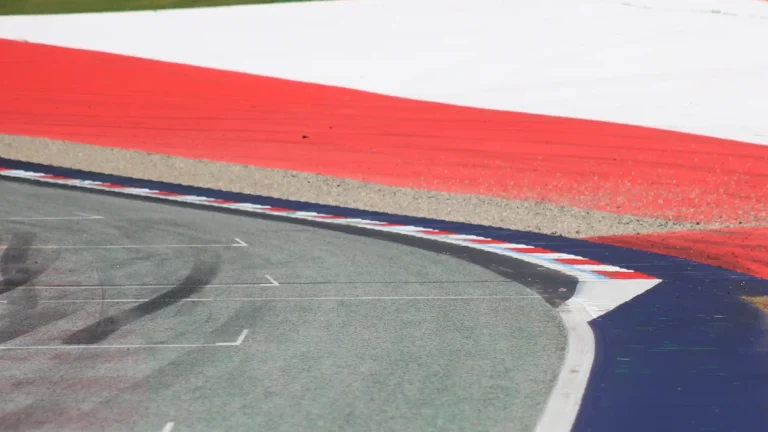
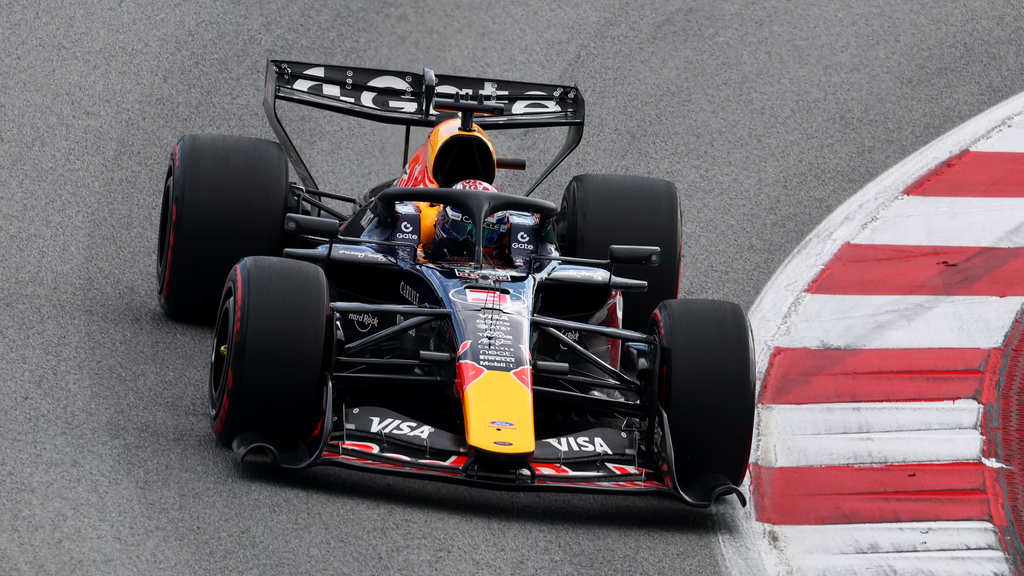
The apex is the point where the car comes closest to the inside of the corner. Drivers often call it the clipping point because they clip the inside kerb or painted edge.
This topic connects directly with grip, car handling, oversteer and understeer, and brake balance.
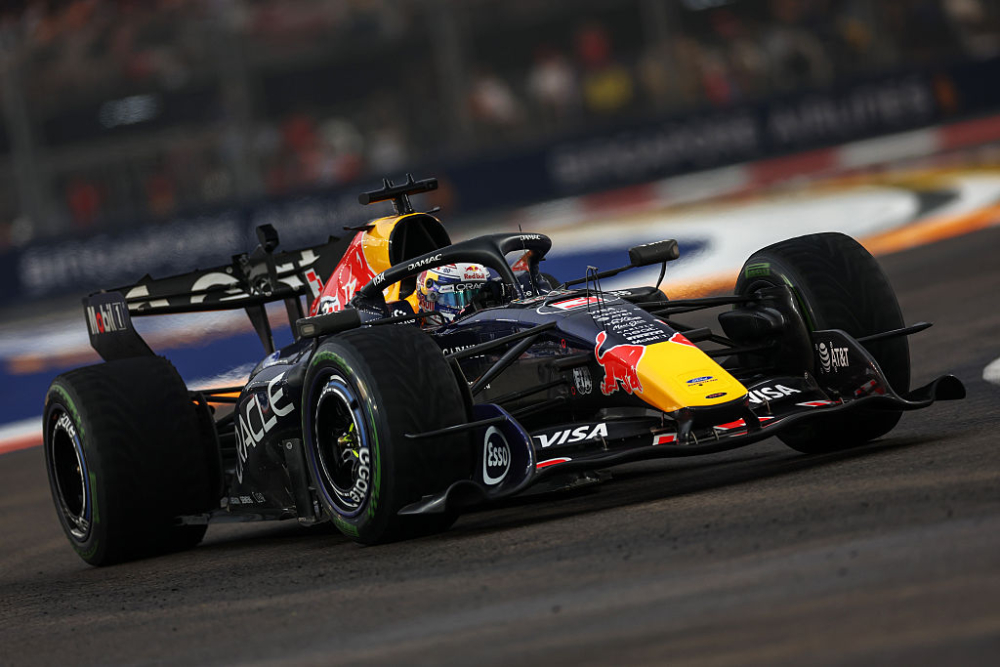
Formula 1 drivers describe the apex as the part of each corner they need to hit to set the fastest possible lap time. Therefore, apex discipline matters from Formula One to NASCAR, MotoGP, IndyCar, WEC, karting, and sim racing.
What Does Apex Mean In Motorsport?
In motorsport, the apex means the inside point of the corner that the racing line aims to touch. It sits between corner entry and corner exit.
However, the apex is not always the middle of the corner. The ideal apex can move earlier or later depending on the corner shape, track grip, car type, and following straight.
The FIA’s driving standards guidance also notes that the apex can vary depending on the racing line and the nature of the corner. That is why two drivers may use different lines through the same bend.
Race analyst view: The apex is not just a marker. It is the moment where the driver confirms whether the entry was clean and whether the exit will be fast.
How Does The Apex Fit Into The Racing Line?
The racing line is the fastest useful path through a corner. Driver61 breaks it into braking point, turn-in point, apex or clipping point, and exit point.
First, the driver brakes in the braking zone. Then they turn in toward the apex while managing grip, weight transfer, and steering angle.
After the apex, the driver starts opening the steering. As a result, they can add throttle and use the full track width on exit.
This is why the apex links with out-braking in F1, left-foot braking, Delta Time, and race timing.
| Corner Phase | Driver Action | Why It Matters |
|---|---|---|
| Braking point | Slow the car before turn-in | Sets corner entry speed |
| Turn-in point | Start steering toward the apex | Controls car rotation |
| Apex | Clip the inside of the corner | Defines mid-corner line |
| Exit point | Open steering and accelerate | Builds speed onto the straight |
Early Apex Vs Late Apex Vs Geometric Apex
An early apex means the driver reaches the inside of the corner sooner. It can feel fast on entry, but it often tightens the exit.
A late apex means the driver delays the inside clipping point. This usually helps the driver straighten the car earlier and accelerate harder out of the corner.
A geometric apex is the mathematical middle point of a constant-radius corner. However, racing rarely rewards pure geometry alone. Exit speed often matters more.
Porsche Track Experience describes track learning around choosing the line, braking at the right moment, turning in, hitting the apex, and accelerating precisely at corner exit.

How Do Drivers Hit The Apex?
Drivers hit the apex by looking early, choosing the turn-in point, and controlling speed before the car reaches the inside kerb.
Vision matters. If the driver looks only at the kerb, they may arrive late and use too much steering. Instead, professional drivers look through the apex toward corner exit.
Throttle timing also matters. If the car is still heavily loaded sideways, early throttle can create understeer or oversteer.
On corner exit, the best drivers reduce steering lock while adding power. Therefore, the ideal apex helps the car become straighter sooner.
What Happens If You Miss The Apex?
If a driver misses the apex, the car usually travels a longer or tighter path. That can cost speed and grip.
Missing the inside by running wide often forces extra steering. As a result, the tyres scrub speed and overheat faster.
Hitting the apex too early creates a different problem. The driver may run out of track at corner exit and need to lift the throttle.
This connects with flat spots, gravel traps, F1 flags, and chicanes in F1.
How Does The Apex Improve Lap Time?
The apex improves lap time because it shapes the whole corner. A clean apex lets the driver carry speed without fighting the car.
However, the apex is not only about mid-corner speed. The exit often matters more, especially before a long straight.
TrackTitan explains that a late apex can help a driver stay tight to the inside later in the corner and improve the chance of getting on throttle for the following straight.
That is why drivers adjust their apex for each corner. A hairpin, a fast sweeper, a chicane, and a decreasing-radius corner all need different choices.
Does Every Corner Have An Apex?
Almost every corner has at least one apex. However, complex corners can have more than one.
A double-apex corner may require two inside points. Meanwhile, a long corner may have a late apex that feels much later than expected.
In racing, the real apex is not always the geometric inside point. The best apex is the one that produces the fastest complete corner and strongest exit.
Apex In F1, NASCAR, MotoGP, And Sim Racing
In Formula 1, the apex is linked to downforce, brake balance, tyre temperature, and traction. Missing it can damage the whole lap.
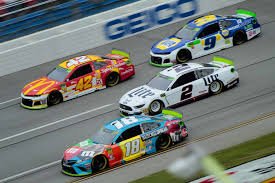
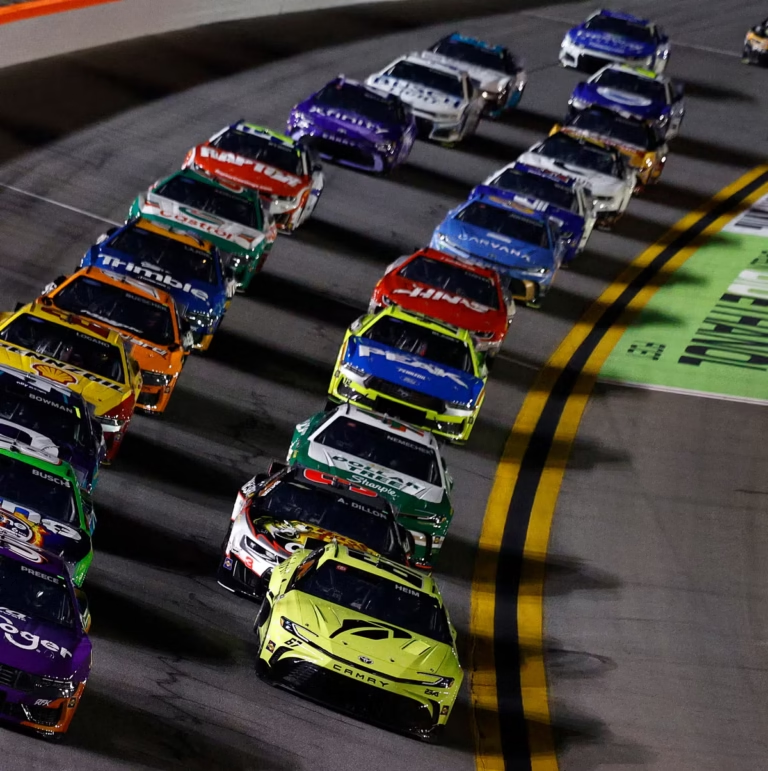
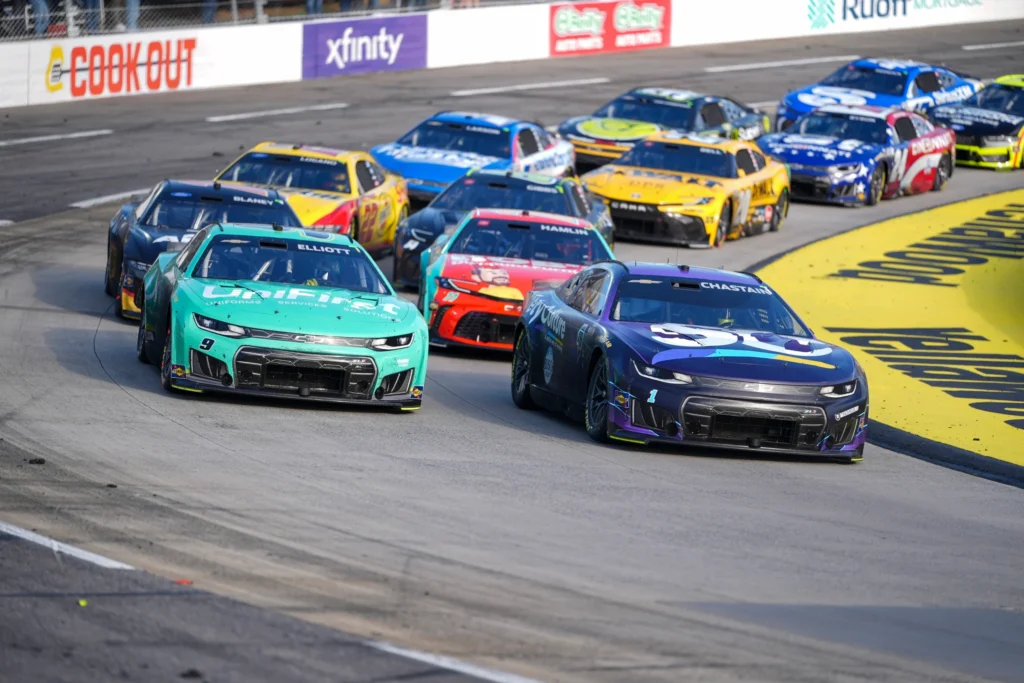
In NASCAR road-course racing, the same idea applies, but heavier cars and different tyre behaviour change the line. Meanwhile, MotoGP riders treat the apex with lean angle, throttle pickup, and body position.
In sim racing, learning the apex is one of the fastest ways to improve consistency. The principle stays the same: brake, turn in, clip the inside, and open the wheel on exit.
For more race technique, read how racing drivers qualify, F1 qualifying explained, pole position, and DRS in F1.
Final Verdict
An apex in racing is the inside clipping point of a corner. It connects the braking phase, turn-in phase, mid-corner balance, and exit phase.
The right apex helps the driver carry speed, protect tyres, and accelerate earlier. However, the wrong apex can create understeer, oversteer, missed exits, and lost lap time.
For beginners, the answer is simple. The apex is where the car gets closest to the inside of the corner. For serious fans, it is one of the clearest ways to understand race craft and driving precision.
FAQs About Apex In Racing
What is an apex in racing?
An apex is the point where a driver gets closest to the inside of a corner.
What does apex mean in motorsport?
It means the inside clipping point on the racing line between corner entry and exit.
Why is the apex important?
The apex affects corner speed, exit speed, tyre grip, throttle timing, and lap time.
What is a late apex?
A late apex means the driver reaches the inside of the corner later to improve exit speed.
What is an early apex?
An early apex means the driver reaches the inside of the corner sooner, often risking a tighter exit.
Is the apex the same as the racing line?
No. The apex is one point on the racing line. The full line includes braking point, turn-in, apex, and exit.