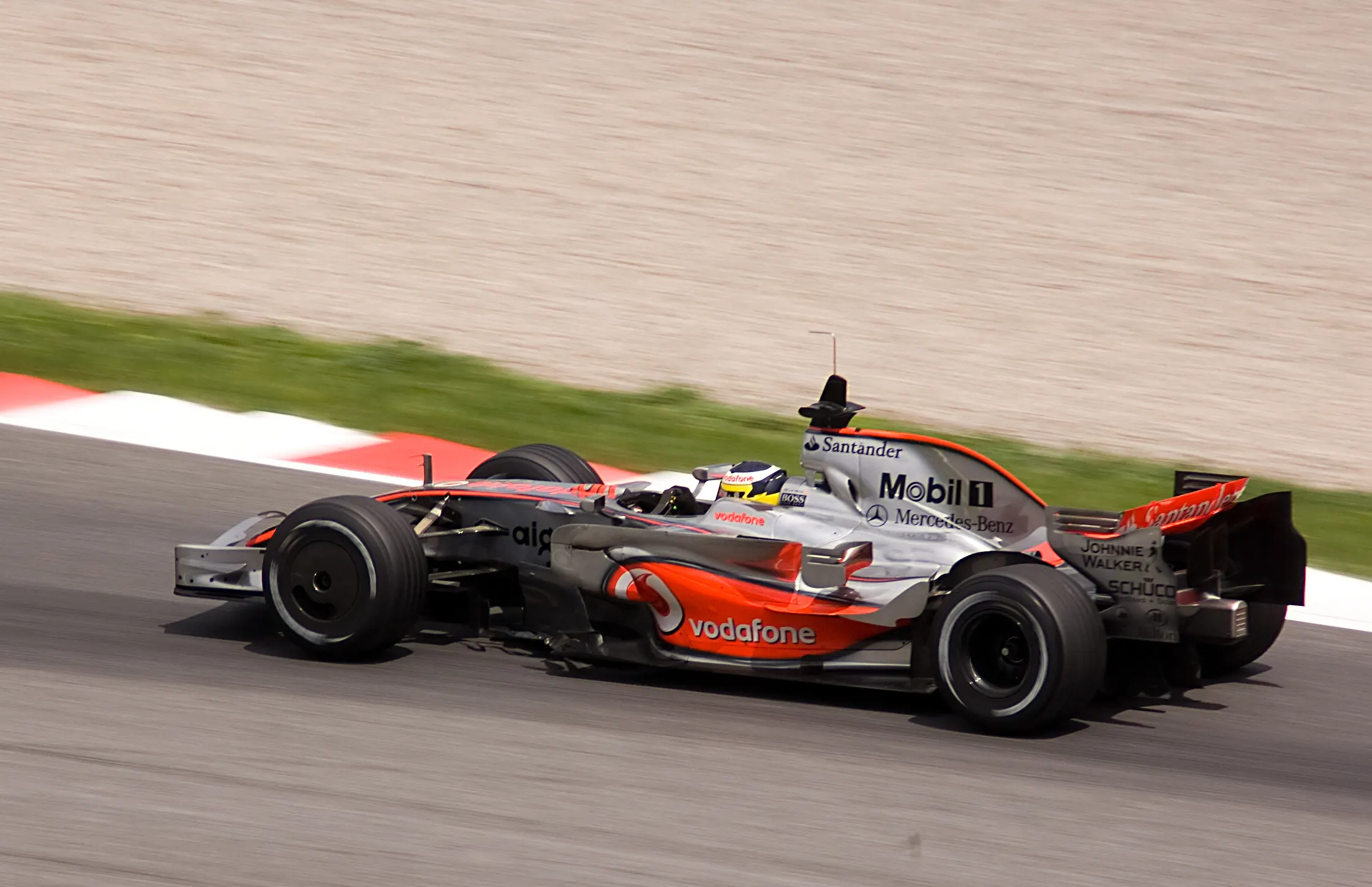
What Does an F1 Test Driver Do?
The stopwatch matters, but repeatability matters more. An F1 test driver turns laps, feel and data into decisions that can change the car.
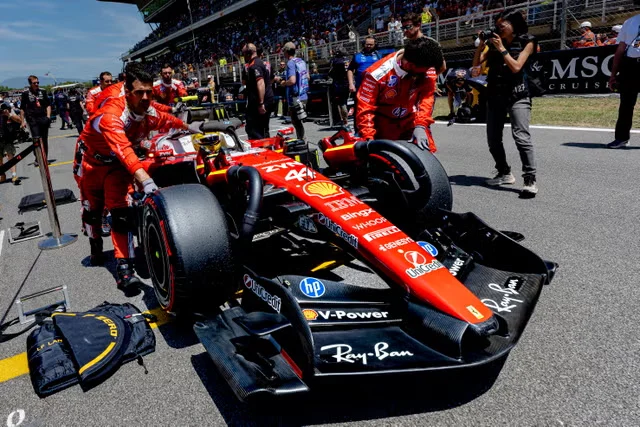
An F1 test driver evaluates setups, components, tires and vehicle behavior in simulators and approved track tests. They give engineers repeatable feedback, validate computer models and help develop both the current car and future designs.
A Formula 1 test driver is paid to notice what other people miss.
The job is not simply driving a fast car for extra laps. Modern testing follows a detailed engineering plan, and every run must answer a question.
One run may compare two front-wing settings. Another may study tire warm-up, brake stability or energy deployment.
The driver must repeat the same technique closely enough for engineers to trust the comparison. A heroic lap can be useless if the next lap looks completely different.
Most of the work now happens inside a driver-in-the-loop simulator. Track testing remains tightly regulated, so teams use virtual tools to examine hundreds of setup combinations.
However, the real car still provides the final truth. Simulator results must match track behavior before a team can trust a development direction.
That link is called correlation. A good test driver helps connect the wind tunnel, computer model, simulator and physical car.
Some test drivers also serve as reserves. Others focus almost entirely on simulator development and rarely travel to Grands Prix.
Current roles show how broad the job has become. McLaren test and simulator driver Will Stevens supports race weekends from the factory, while Williams appointed Victor Martins as a test and development driver for 2026.
Mercedes also expanded Doriane Pin’s development duties in 2026. She later completed 76 laps and 200 kilometers in the team’s 2021 W12 at Silverstone.
So, what does an F1 test driver do? They convert controlled driving into engineering evidence, then help the team decide what to build, change or reject.
The F1 Test Driver Role at a Glance
An F1 test driver is a professional driver employed to evaluate car performance and support development. Their work usually includes simulator running, telemetry analysis, setup comparison, approved track tests and detailed engineering feedback.
Formula 1’s official glossary describes a development driver as someone whose primary focus is improving the car. It also notes that simulator work dominates because on-track testing is limited.
That definition explains the modern role well. The title “test driver” no longer means unlimited days at a private circuit.
Instead, the driver operates as part of the performance department. They work with simulator engineers, vehicle dynamicists, aerodynamicists and race engineers.
The test plan controls every session. Engineers decide which variable will change and what data they need.
Meanwhile, the driver protects consistency. They must hold braking points, steering style and throttle use as steady as possible.
Without that discipline, engineers cannot separate the effect of a new part from the effect of different driving.
| Test Driver Duty | Typical Work | Engineering Purpose |
|---|---|---|
| Simulator development | Runs setups, systems and future-car models | Finds performance without using track mileage |
| Correlation | Compares virtual feel with real track data | Builds trust in simulation tools |
| Component testing | Evaluates wings, floors, suspension and controls | Confirms whether an upgrade works |
| Tire testing | Completes controlled runs on prototype specifications | Measures warm-up, balance and degradation |
| TPC running | Drives previous Formula 1 cars | Develops drivers and supports procedures |
| FP1 work | Completes practice programs in a current car | Gathers data and builds current experience |
| Debrief support | Explains handling and studies telemetry | Turns driver feel into engineering action |
The job therefore sits between driving and engineering. The driver does not design the part, but their feedback can decide whether the team keeps developing it.
A weak test driver can create noise. A strong one makes the result clearer.
The fastest test lap is not always the most valuable lap. Engineers prefer a repeatable driver who can explain why the car changed.
Test Driver vs. Reserve Driver, Simulator Driver and Development Driver
A test driver focuses on evaluating and developing the car. A reserve driver focuses on being ready to replace a race driver. Simulator and development drivers specialize in virtual work, although teams often combine several roles.
Formula 1 job titles overlap. One team may call someone a test and reserve driver, while another uses the term development driver.
The contract matters more than the title. It defines whether the driver travels, races, tests or works mainly at the factory.
Test Driver
Evaluates the real car during approved tests and supports technical development.
Reserve Driver
Stays licensed, fitted and available to replace a regular race driver.
Simulator Driver
Runs virtual setups, correlation programs and future-car development at the factory.
A development driver often combines simulator and engineering duties. They may also receive previous-car tests or FP1 sessions.
Meanwhile, a reserve can perform significant development work between races. That is why many official team announcements use two or three labels together.
A test driver can replace a race driver only when the wider conditions are met. They need the correct licence, team nomination, availability and FIA approval.
Therefore, not every simulator specialist is a practical emergency substitute. Some are hired because their technical feel is exceptional, not because a race seat is expected.
Our guide to Formula 1’s 2026 drivers shows how full-time race roles differ from factory development positions.
Simulator Work: Where Modern F1 Testing Happens
The driver evaluates setup changes, aerodynamic behavior, suspension, tires, energy use and race scenarios. Engineers compare the virtual results with track data and use the findings to support current and future cars.
A modern Formula 1 simulator is not a commercial racing game. It uses a detailed vehicle model, real team data and a motion system.
The driver sits in a representative cockpit with team controls. Visuals and steering loads recreate the circuit and car as closely as possible.
The underlying model can change rapidly. Engineers may adjust suspension geometry, aerodynamic maps or tire characteristics between runs.
That makes the simulator ideal for controlled comparison. The driver can repeat the same corner with several settings in minutes.
Race-Weekend Support Has a Deadline
McLaren test and simulator driver Will Stevens described the busiest period after Friday’s second practice session. Track data reaches the factory and the team has only a short window before Saturday.
Stevens said the post-FP2 work can involve a two- or three-hour push before the chassis performance review. The simulator team tests possible solutions and recommends an FP3 setup.
He also said he spends around 50 days each year in the simulator. A session can include about 150 virtual laps, which is more than twice many Grand Prix distances.
The Driver Must Separate Model Problems From Car Problems
A simulator can produce a faster lap for the wrong reason. The virtual tire may create too much grip, or the steering response may feel unrealistic.
The test driver must identify those differences. Otherwise, the team can chase a setup that will not work at the circuit.
Future Cars Arrive in the Simulator First
Major regulation changes increase the workload. Drivers can evaluate new control layouts, energy systems and balance concepts before the real chassis exists.
Pietro Fittipaldi’s Cadillac development role illustrated this process. He completed simulator testing and full race-weekend simulations before the new team entered Formula 1 in 2026.
Read the history of racing simulators to see how factory simulation became central to modern motorsport.
Do F1 Test Drivers Still Drive the Real Car?
Yes, but opportunities are tightly regulated. Test drivers may use previous cars, participate in official tire tests, complete post-season or approved current-car running, and take part in FP1 when eligible.
Track mileage remains essential because a simulator is only a model. The real car exposes bumps, wind, tire behavior and physical loads that are difficult to reproduce perfectly.
However, Formula 1 restricts private running to control costs and competitive inequality. Teams cannot operate unlimited test programs with current cars.
Testing of Previous Cars
Testing of Previous Cars, commonly called TPC, allows teams to run earlier machinery under FIA rules. The program has become important for driver development.
A previous car provides realistic speed, braking force and cockpit procedures. It also gives engineers a controlled environment for evaluating a driver.
Victor Martins entered Williams’ 2026 test and development program with TPC experience in the FW47 program and current FP1 experience from 2025.
McLaren also used TPC for Leonardo Fornaroli before his 2026 FP1 debut. He completed three tests in the 2023 MCL60 at Barcelona, Silverstone and Austin.
Official Pre-Season and Post-Season Tests
Pre-season testing checks reliability, systems and baseline performance. Formula 1’s 2026 regulation reset led to two official three-day Bahrain test events after an earlier Barcelona shakedown.
Race drivers usually receive most of that mileage because they need to prepare for the season. Test drivers can appear when teams have specific evaluation goals.
Post-season testing often creates more opportunities. Young or development drivers can run a current car under defined conditions.
Promotional and Demonstration Running
Filming days, promotional events and demonstrations follow separate restrictions. They can help with system checks and procedures, but they are not full performance tests.
Even limited running has value. An installation lap confirms that major systems operate before a longer program begins.
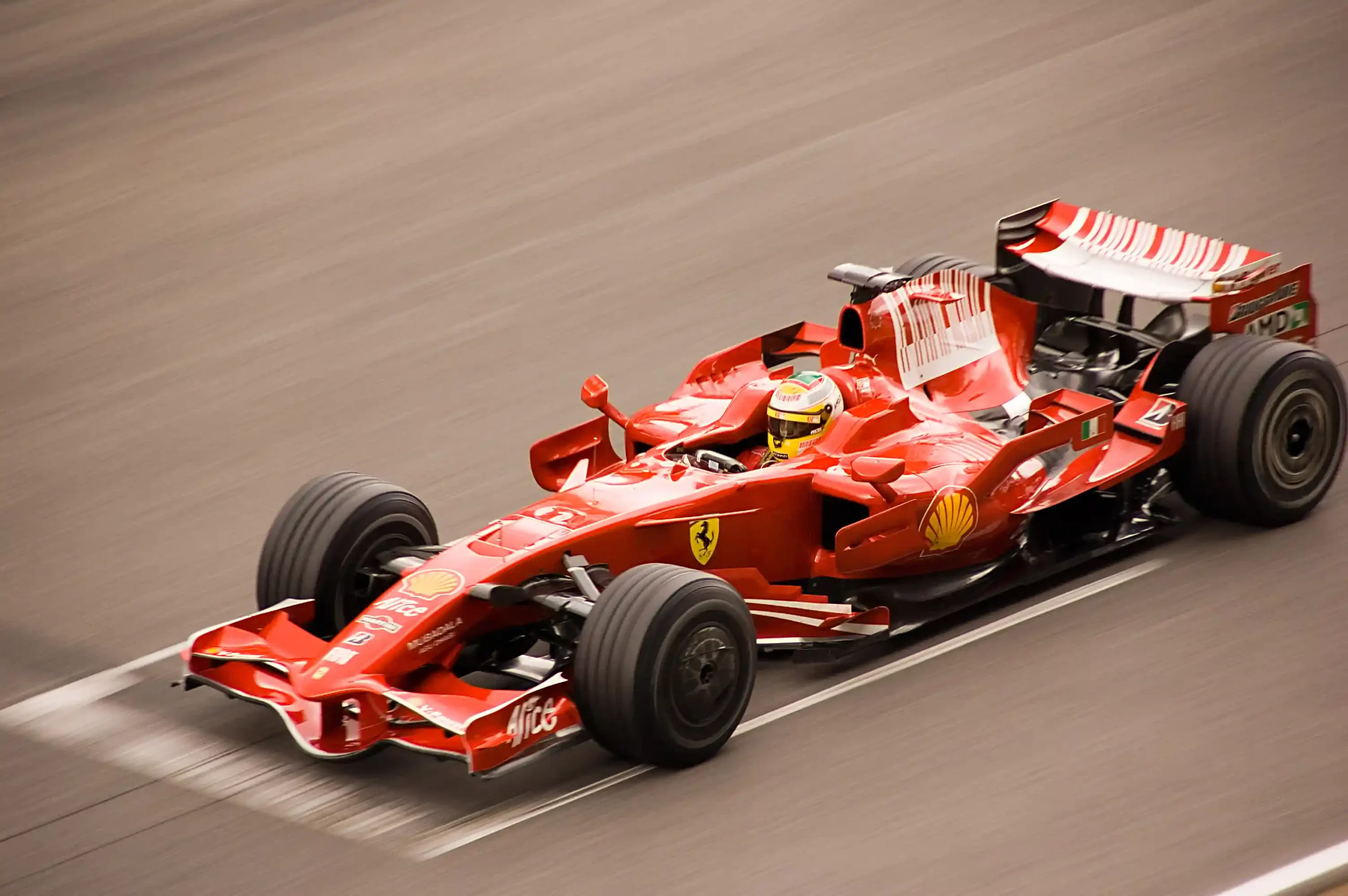
What Happens During an F1 Test Day?
The driver follows a structured run plan, establishes a baseline, evaluates controlled changes and debriefs after each run. Engineers compare lap data, sensor results and driver feedback before selecting the next test.
A test day begins before the engine starts. The driver and engineers review objectives, weather, tire allocation and safety procedures.
The first run is often an installation check. It confirms fluid systems, electronics, brakes and basic operation.
Once the car is healthy, the team creates a baseline. That reference run gives every later change a comparison point.
Back-to-back testing is especially valuable. The team switches from specification A to specification B, then sometimes returns to A.
This sequence reduces the chance that track evolution creates a false result. Wind and temperature can change enough to hide a small performance gain.
The Driver May Be Asked Not to Chase Lap Time
An aerodynamic run can require constant speed and precise positioning. A tire program may need a fixed pace over several laps.
Therefore, the fastest lap of the day can be irrelevant. The driver succeeds by following the requested procedure.
Reliability Is Part of Performance
New parts must survive vibration, heat and load. A component that gains a tenth but fails quickly cannot race.
Test drivers therefore report unusual noises, steering changes and braking behavior immediately. Protecting the car protects the program.
Technical Feedback: The Most Valuable Test Driver Skill
A test driver describes where the car changes, how the balance develops and whether the behavior matches the data. Useful feedback identifies the corner phase, speed range, load and driver input involved.
“The car feels bad” is not useful feedback. Engineers need to know when, where and how the problem appears.
A strong description might identify entry understeer in medium-speed corners, followed by sudden rear rotation during brake release.
The driver may then explain whether the issue changes with fuel load or tire age. That detail helps isolate the cause.
Feel and Telemetry Must Work Together
Telemetry records brake pressure, throttle, steering angle, speed, gear and many other channels. It shows what happened.
The driver explains what the car felt like and whether the behavior was predictable. That can reveal confidence problems that raw data misses.
Sometimes feeling and data disagree. The engineer may see more front grip, while the driver feels less confidence because the rear reacts suddenly.
Neither side should be dismissed. The team investigates why the gain is difficult to use.
Repeatability Creates Credibility
A driver who changes technique every run makes component testing difficult. Engineers cannot tell whether the part or the person changed.
The best test drivers repeat their inputs closely. They can also reproduce a problem on request.
This is why experienced racers often remain valuable after leaving full-time seats. Years of comparison build a precise technical vocabulary.
Our guide to the F1 debrief explains how teams turn driver comments into setup decisions.
Correlation: Matching Simulation With Reality
Correlation is the process of matching real car data with wind-tunnel, CFD and simulator predictions. Good correlation lets a team trust that virtual gains will produce real performance on track.
Former F1 technical leader Rob Smedley described correlation as matching measured car data with simulator data. The idea is simple, but achieving it is difficult.
If the tools agree, engineers can develop the car more efficiently. They can test many ideas virtually before manufacturing parts.
If the tools disagree, the team loses confidence. A floor may look fast in CFD but produce different balance on the circuit.
The test driver helps identify the mismatch. They compare steering feel, braking stability and load changes between environments.
Correlation Is Never Perfect
Track conditions constantly move. Wind, temperature, bumps and tire history create variation.
Therefore, teams look for useful agreement rather than a perfect copy. The model must predict the direction and scale of change accurately enough.
A New Simulator Also Needs Development
Williams brought a new driver-in-the-loop simulator online at the end of 2025. Victor Martins’ 2026 role included refining that tool and helping develop a dedicated academy simulator.
That work shows why test drivers develop the simulator itself, not only the car inside it.
A reliable model gives race drivers better preparation. It also lets engineers evaluate setup changes before limited track sessions begin.
How Test Drivers Evaluate Aerodynamics and Handling
Drivers complete controlled runs while teams collect pressure, flow and suspension data. They report balance changes, while engineers compare the results with CFD and wind-tunnel predictions.
Aerodynamic testing can look strange from trackside. Cars may carry large sensor rakes behind the wheels or use bright flow-visualization paint.
An aero rake measures pressure and airflow around a specific area. Flow-vis shows where air travels across a surface.
The driver must hold the requested speed, line and steering input. That consistency improves the quality of the measurement.
Some runs are designed around straight-line or constant-speed conditions. They are not intended to produce a representative lap time.
Balance Is More Important Than Peak Downforce
An upgrade can add total load but move the balance in an unhelpful direction. The front may gain more than the rear, creating instability.
The driver reports whether the car remains predictable through entry, apex and exit. Engineers then compare that feeling with load maps.
Read oversteer and understeer in F1 and what car handling means for the balance language used during testing.
Mechanical Setup Must Support the Aerodynamics
Ride height, suspension stiffness and curb behavior influence the aerodynamic platform. A floor cannot work correctly if the car moves outside its intended window.
Test drivers therefore evaluate mechanical and aerodynamic changes together. They also study brake balance because braking behavior changes how the car approaches the corner.
What Does a Test Driver Do in a Pirelli Tire Test?
The driver follows a program created with Pirelli and the team, completing controlled runs on prototype constructions or compounds. Feedback focuses on warm-up, grip, balance, degradation and consistency.
Tire testing serves a different purpose from normal car development. The program supports future tire specifications and safety.
McLaren’s official 2026 explanation noted that testing outside Grands Prix is tightly regulated. It also described Pirelli tests as a separate approved category alongside pre-season, post-season and TPC running.
The driver may complete short qualifying-style runs and longer stints. Engineers monitor pressure, temperature and performance drop-off.
Consistency Matters More Than Knowing the Label
The test driver must compare behavior without chasing a preferred result. The goal is accurate information.
A construction change can alter steering response and stability even when the compound appears similar. The driver reports those effects.
Long Runs Reveal the Real Story
A tire can feel quick for one lap and degrade badly. Longer runs show whether the balance remains stable.
The driver also identifies graining, overheating or sudden loss of grip. Read about F1 tire compounds and grip for the basics behind those comments.
Test Drivers Protect the Program
A lockup or spin can damage a prototype set and waste limited mileage. Therefore, the driver must push hard without losing control.
That balance makes experienced testers valuable. They can reach representative loads while preserving repeatability.
Can an F1 Test Driver Take Part in FP1?
Yes. An eligible test or development driver can take part in first practice when the team assigns a car and the required FIA licence conditions are met.
FP1 gives a development driver experience with the current car, current tires and live Grand Prix procedures.
However, the session belongs to the race weekend. The test driver must support the team without damaging the regular driver’s preparation.
A run plan may include aero sensors, baseline setup work or tire evaluation. Final position can therefore hide the quality of the session.
Clean Execution Builds Trust
Teams watch pit-lane procedure, traffic awareness, radio communication and feedback. A fast lap matters, but disciplined work matters more.
Red flags can reduce the available time sharply. The driver must adapt without forcing a risky lap.
Susie Wolff Showed the Development Path
Williams promoted Susie Wolff from development driver to official test driver for 2015. Her expanded role included simulator testing, two FP1 sessions and two test days.
She had already driven the FW35 during the 2013 Young Drivers’ Test and later entered official Grand Prix practice sessions.
Her program showed how simulator, testing and FP1 work can form one coherent role.
See how F1 qualifying works to understand why FP1 preparation matters before Saturday.
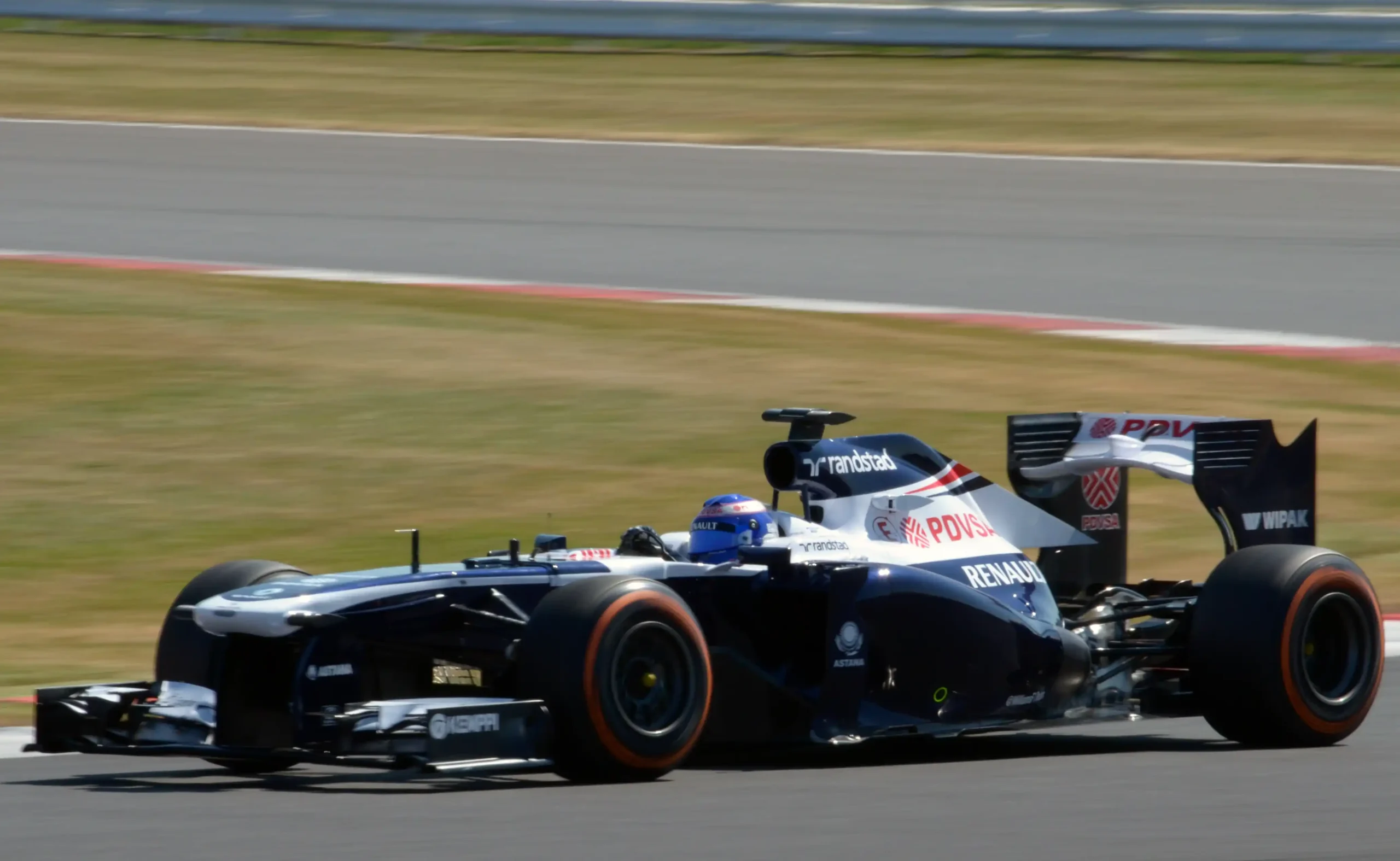
What Makes a Good Formula 1 Test Driver?
A strong test driver needs speed, consistency, technical understanding, adaptability, clear communication and patience. They must reproduce car behavior accurately and explain small differences without exaggeration.
Raw pace remains important because tests must reach realistic loads. A slow driver may not expose the behavior that appears in qualifying.
However, speed alone is not enough. The driver must create comparable data.
Driving Skills
- Representative pace
- Repeatable braking and steering
- Adaptation to unfamiliar setups
- Tire and system awareness
- Low mistake rate
Engineering Skills
- Clear technical vocabulary
- Understanding of vehicle dynamics
- Honest comparison of specifications
- Ability to isolate variables
- Confidential, professional behavior
Patience Is a Performance Skill
Testing can involve repeated low-speed runs and long pauses. Engineers may spend an hour changing sensors before the next lap.
The driver must remain focused. Frustration can reduce the quality of the next comparison.
Adaptability Protects the Result
A test driver may switch between an older car, a simulator and a current-car FP1 program. Each environment has different tires and controls.
They must adjust quickly without losing the ability to describe those differences.
Confidentiality Is Non-Negotiable
Test drivers see future parts, software and performance targets. That information carries enormous competitive value.
Contracts therefore include strict confidentiality duties. Trust can matter as much as lap time when teams choose experienced testers.
How the F1 Test Driver Role Changed
Traditional test drivers once completed extensive private track mileage. Modern restrictions moved much of that work into simulators, while approved TPC, tire tests, FP1 and official test events provide limited real-car running.
In the 1990s and early 2000s, leading teams maintained dedicated test crews. Cars ran thousands of private kilometers during the season.
Test drivers could spend entire weeks at circuits such as Fiorano, Mugello, Jerez or Barcelona. Development continued between Grands Prix.
That model rewarded large budgets and extensive infrastructure. It also created careers for specialist testers.
Luca Badoer and Ferrari’s Track-Testing Era
Luca Badoer became one of the best-known specialist test drivers. He completed long development programs for Ferrari when private mileage played a major role.
His work supported car setup, reliability and component evaluation. The public rarely saw the complete contribution because testing occurred away from race weekends.
Pedro de la Rosa Combined Testing and Racing
Pedro de la Rosa joined McLaren as a test driver in 2003. He later returned to racing when the team needed a replacement.
Formula 1’s official profiles describe his lengthy spells as a highly rated tester for McLaren and Ferrari. His career shows how technical value can extend far beyond race starts.
Restrictions Shifted the Job Toward Simulation
As track testing decreased, simulators gained importance. Teams could still compare setups and future concepts without operating a car at a circuit.
The modern test driver now spends more time with software models and remote engineers. Real-car mileage remains valuable precisely because it is scarce.
Modern F1 Test and Development Drivers
Modern teams use former Formula 1 racers, junior prospects and specialists from other championships. Examples include Will Stevens at McLaren, Victor Martins at Williams, Doriane Pin at Mercedes and Pietro Fittipaldi at Cadillac.
Will Stevens: Race-Weekend Factory Support
Stevens has combined endurance racing with McLaren test and simulator duties. His official team profile describes the role as bridging the real and virtual worlds.
He supports current-car development, future regulations and live race weekends. That mix represents the modern specialist test driver.
Victor Martins: A 2026 Development Path
Williams appointed Martins as a Test and Development Driver for 2026. His duties included helping advance the team’s driver-in-the-loop simulator programs.
The team also valued his FP1 and TPC experience. Real track context helps him judge whether the simulator feels believable.
Doriane Pin: Simulator Integration and Real-Car Testing
Mercedes promoted Pin to a Development Driver position for 2026. The role included simulator work, factory activity and selected trackside attendance.
In April, she completed her first Formula 1 test in the 2021 Mercedes W12 at Silverstone. The team reported 76 laps and 200 kilometers after extensive simulator preparation.
Pietro Fittipaldi: Building a Team Before Its Debut
Cadillac recruited Fittipaldi as a development driver before entering Formula 1. He worked on the 2026 car in the simulator and completed full race-weekend simulations.
This example shows how test drivers can help build procedures, not only lap time. A new team must rehearse complete weekends before the first official session.
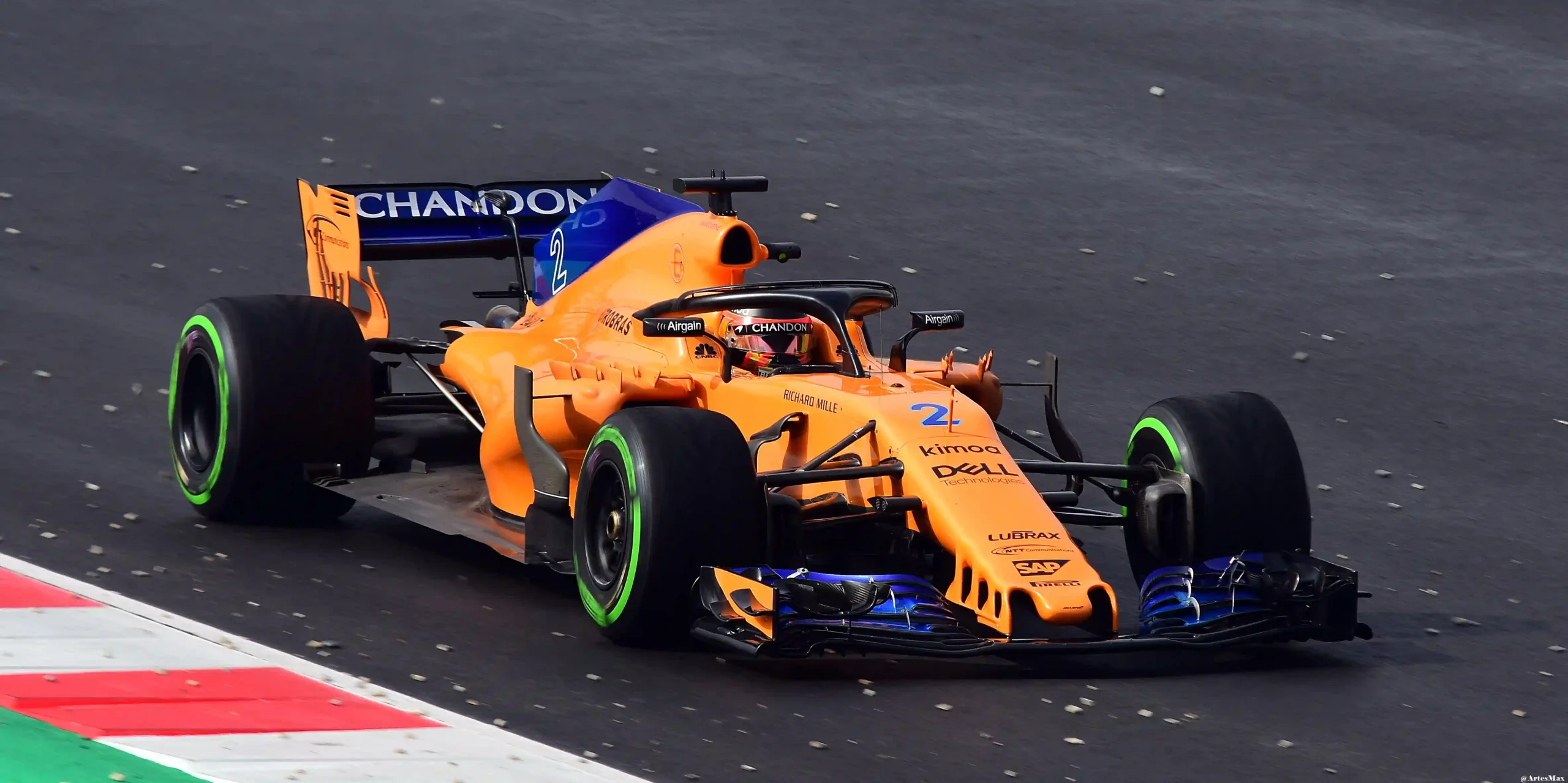
How Do You Become an F1 Test Driver?
Most F1 test drivers arrive through junior academies, strong Formula 2 results, previous Formula 1 experience or manufacturer relationships. Teams value technical feedback, consistency, simulator ability and professional trust.
There is no single route. A junior driver can earn the role after success in Formula 3 or Formula 2.
Another driver may arrive through Formula E, endurance racing, IndyCar or Super Formula. Manufacturer links can create opportunities across programs.
Former F1 race drivers remain attractive because they already understand procedures and engineering language.
Academy Drivers Build Evidence
Young drivers often start with simulator sessions and previous-car tests. The team judges learning speed, feedback and consistency.
FP1 appearances provide another test. A clean session shows whether the driver can operate inside a Grand Prix weekend.
Technical Contribution Can Matter More Than Public Results
Engineers may support a driver who repeatedly finds useful setup directions. That reputation develops inside the factory before fans notice.
However, a test role does not guarantee promotion. Teams still compare race results, market timing and available seats.
Racing Elsewhere Helps Maintain Sharpness
Many test drivers compete in another championship. Real starts and wheel-to-wheel racing preserve instincts that simulators cannot fully reproduce.
The challenge is scheduling. A team needs clear availability for tests and possible reserve duties.
Read how to become a race car driver and the 2026 F1 teams list for the wider career structure.
How Much Does an F1 Test Driver Make?
F1 test-driver salaries are private and vary widely. Contracts may include a yearly retainer, simulator days, track-test fees, FP1 appearances, travel support, commercial duties and reserve responsibilities.
There is no reliable public salary scale. The job differs too much between teams and drivers.
A junior development driver may receive academy funding and a modest team contract. An experienced former Grand Prix racer can command more because their feedback carries proven value.
A specialist simulator contract may pay by day or include an annual commitment. Track appearances can carry separate fees.
Opportunity Can Be More Valuable Than Salary
Young drivers may prioritize mileage, simulator access and FP1 sessions. Those opportunities can strengthen a future race-seat case.
Experienced drivers may value schedule flexibility. They can combine F1 development work with a paid endurance or Formula E program.
Contracts Protect Confidential Information
Test drivers work with future designs and sensitive performance data. Non-disclosure and exclusivity clauses can affect where else they race or work.
Read how much full-time Formula 1 drivers make for a separate look at race-seat pay.
Common Myths About F1 Test Drivers
“A Test Driver Just Tries to Set the Fastest Lap”
False. Many runs target constant speed, repeatability or systems checks.
The fastest lap can provide less value than a stable sequence that isolates one variable.
“Simulator Drivers Never Drive Real Cars”
Not always. Simulator specialists can receive TPC, tire-test or approved track mileage.
However, the exact program depends on team priorities and FIA rules.
“A Fast Race Driver Is Automatically a Great Tester”
Not necessarily. Testing rewards communication, patience and consistency.
A brilliant racer who gives vague feedback may be less useful than a precise technical driver.
“Testing Can Prove the Competitive Order”
Testing lap times require context. Fuel, tires, engine settings and run plans differ.
Teams focus on their own data rather than public rankings.
“Test Driver and Reserve Driver Mean the Same Thing”
The roles can overlap, but their main purposes differ. Testing develops the car, while reserve work protects the race entry.
One person may perform both jobs under a combined contract.
Why F1 Teams Still Need Human Test Drivers
Computer models can process enormous amounts of data. However, a race car must still make sense to the person controlling it.
Drivers judge predictability, confidence and workload. Those qualities are difficult to reduce to one number.
A setup can be theoretically faster but impossible to use consistently. The test driver identifies that gap.
Human feedback also helps engineers prioritize. Hundreds of possible changes may produce small gains, but only some improve the usable operating window.
The best test drivers therefore do more than confirm performance. They explain whether the gain will survive bumps, wind, tire wear and pressure.
That judgment keeps the role relevant even as simulation improves. Better models make the driver more productive, not unnecessary.
F1 Test Driver FAQs
What does an F1 test driver do?
An F1 test driver evaluates setups, components, tires and vehicle behavior in simulators and approved track tests. They provide repeatable feedback that helps engineers improve the car.
What is the difference between an F1 test driver and a reserve driver?
A test driver focuses on development and evaluation. A reserve driver focuses on replacing a race driver when needed. Teams often combine both duties.
Do F1 test drivers drive the real car?
Yes, although track testing is tightly regulated. They may drive previous cars, complete tire tests, appear in FP1 or join approved official tests.
Can an F1 test driver become a race driver?
Yes. Strong simulator work, technical feedback, testing and FP1 performances can support promotion, but the role does not guarantee a full-time seat.
Conclusion: The Driver Who Turns Feel Into Evidence
So, what does an F1 test driver do?
They help the team understand whether a car, setup or development idea works.
That job begins with controlled driving. The driver repeats braking points, steering inputs and throttle use so engineers can compare changes.
Most modern work happens in a simulator. Testing restrictions make virtual development faster, cheaper and more available than track running.
However, the simulator must match reality. Test drivers help correlate the virtual car with measurements from the circuit.
Real-car mileage remains vital. TPC, tire tests, FP1 and official sessions expose physical loads and track conditions that models cannot copy perfectly.
A test day follows a strict run plan. Engineers establish a baseline, change one variable and study the result.
The driver then explains how the car changed. Clear feedback identifies the corner phase, speed range and level of confidence.
Repeatability creates trust. A test driver who changes technique every lap produces confusing data.
Technical knowledge also matters. The driver must understand aerodynamics, suspension, tires, braking and energy systems well enough to communicate precisely.
Historic specialists such as Luca Badoer and Pedro de la Rosa completed extensive track development before testing restrictions transformed the role.
Modern drivers such as Will Stevens spend far more time in factory simulators. Their work can directly influence the setup used after Friday practice.
Young drivers also use testing as a career pathway. Victor Martins and Doriane Pin entered expanded development roles in 2026, combining simulator integration with real-car experience.
The job can lead to a race seat, but promotion is never guaranteed. Teams value the work even when the driver never starts a Grand Prix.
Salary varies because contracts vary. Some roles center on academy development, while others use experienced former racers as technical specialists.
Ultimately, the best F1 test driver is not the person who creates the most dramatic lap. It is the person who makes the car’s behavior easier to understand.
That clarity can save engineering time, prevent a bad upgrade and find performance before the next race.
The television audience may never see the decisive lap. The race team can still feel its effect on Sunday.
Sources and Fact-Checking
This article was checked against current FIA regulation listings and official Formula 1, McLaren, Williams and Mercedes material available on July 26, 2026. The source list is static and no interactive verification control is included.