F1 Teams List 2026:
Every Constructor, Driver & Engine on the Grid
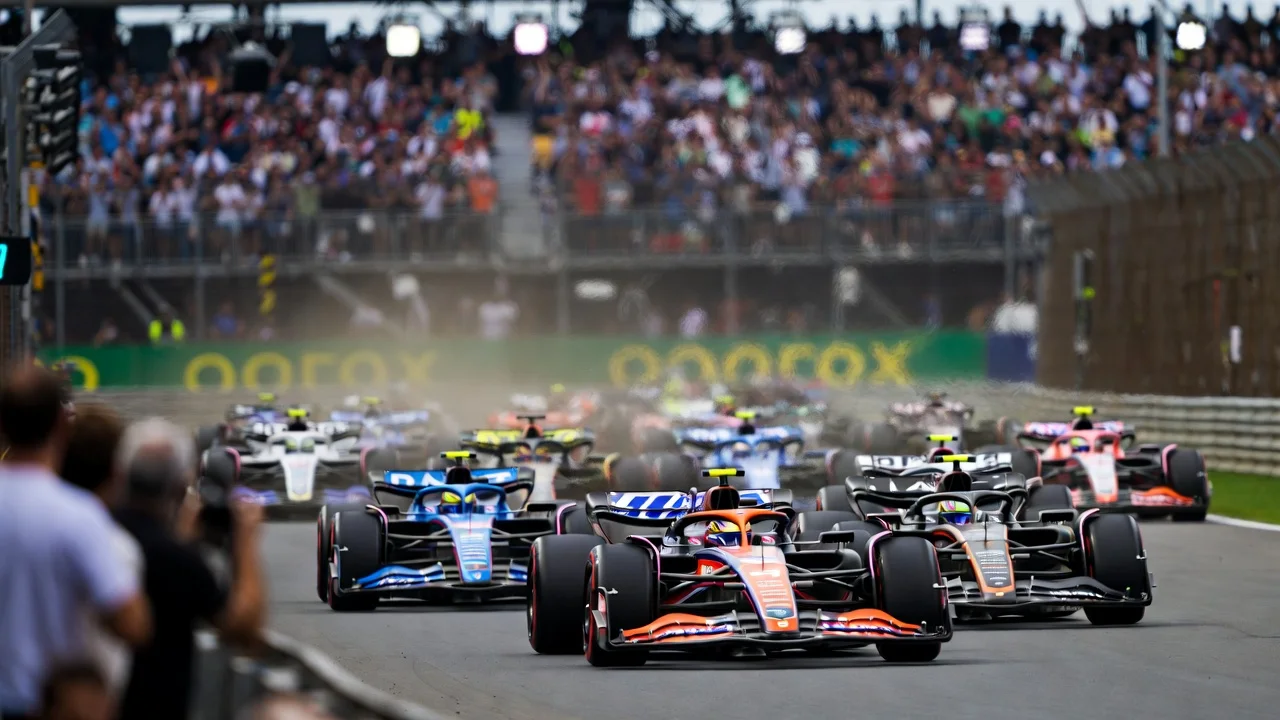
Eleven teams. Twenty-two drivers. Two new manufacturers. The most radical regulation overhaul in decades. Here is the definitive breakdown of every F1 team, driver pairing, and power unit on the 2026 Formula One grid.
F1 Teams List 2026:
Every Team & Driver
All 11 constructors, 22 drivers, Audi, Cadillac and the new regulations explained.
The 2026 Formula One season marks the most radical transformation the sport has seen in decades. A complete overhaul of both technical and sporting regulations has reset the competitive order, triggering massive manufacturer shifts, sweeping driver reshuffles, and a historic grid expansion. As a result, the definitive F1 teams list for 2026 expands to an electrifying eleven-team, 22-car grid — finally breaking the ten-team structure that defined the modern era.
Most significantly, Audi enters as a full works constructor and Cadillac makes its long-awaited debut as an American manufacturer backed by General Motors. Meanwhile, seven-time world champion Lewis Hamilton begins his second season at Ferrari alongside Charles Leclerc, while reigning champion Lando Norris defends his crown carrying the iconic Number 1 for McLaren. This guide covers every team, every driver, every power unit, and everything that has changed for 2026.
The 2026 Formula 1 Grid at a Glance
For the first time since 2016, the Formula One pit lane has grown. The official 2026 grid features eleven constructors competing across a season that introduces entirely new aerodynamic rules, a restructured hybrid power unit formula, and 100% sustainable fuels. Consequently, no two teams are facing this year from the same starting position — every single constructor has had to rethink its car from the ground up.
| Constructor | Engine / PU | Team Principal | Base |
|---|---|---|---|
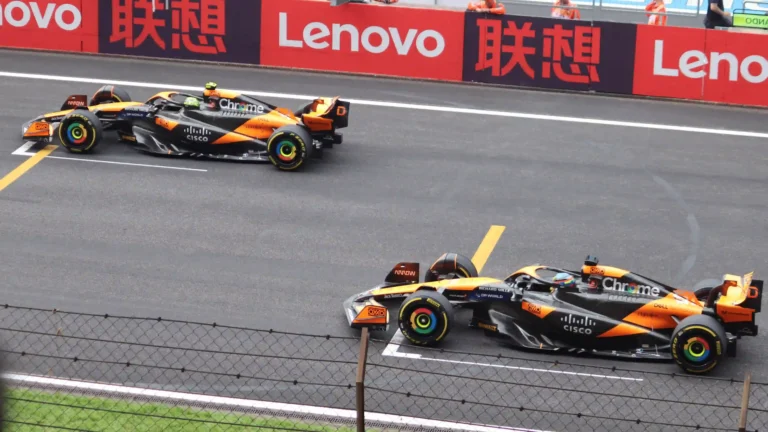
| Mastercard McLaren F1 Team | Mercedes AMG | Andrea Stella | Woking, UK |
| Scuderia Ferrari HP | Ferrari | Fred Vasseur | Maranello, Italy |
| Mercedes-AMG PETRONAS F1 Team | Mercedes AMG | Toto Wolff | Brackley, UK |
| Oracle Red Bull Racing | Red Bull Ford | Laurent Mekies | Milton Keynes, UK |
| Aston Martin Aramco F1 Team | Honda (Works) | Adrian Newey | Silverstone, UK |
| Atlassian Williams F1 Team | Mercedes AMG | James Vowles | Grove, UK |
| BWT Alpine Formula One Team | Mercedes AMG | Oliver Oakes | Enstone, UK |
| TGR Haas F1 Team | Ferrari | Ayao Komatsu | Kannapolis, USA / UK |
| Visa Cash App Racing Bulls | Red Bull Ford | Alan Permane | Faenza, Italy |
| Audi Revolut F1 Team New | Audi (Works) | Mattia Binotto | Hinwil, Switzerland |
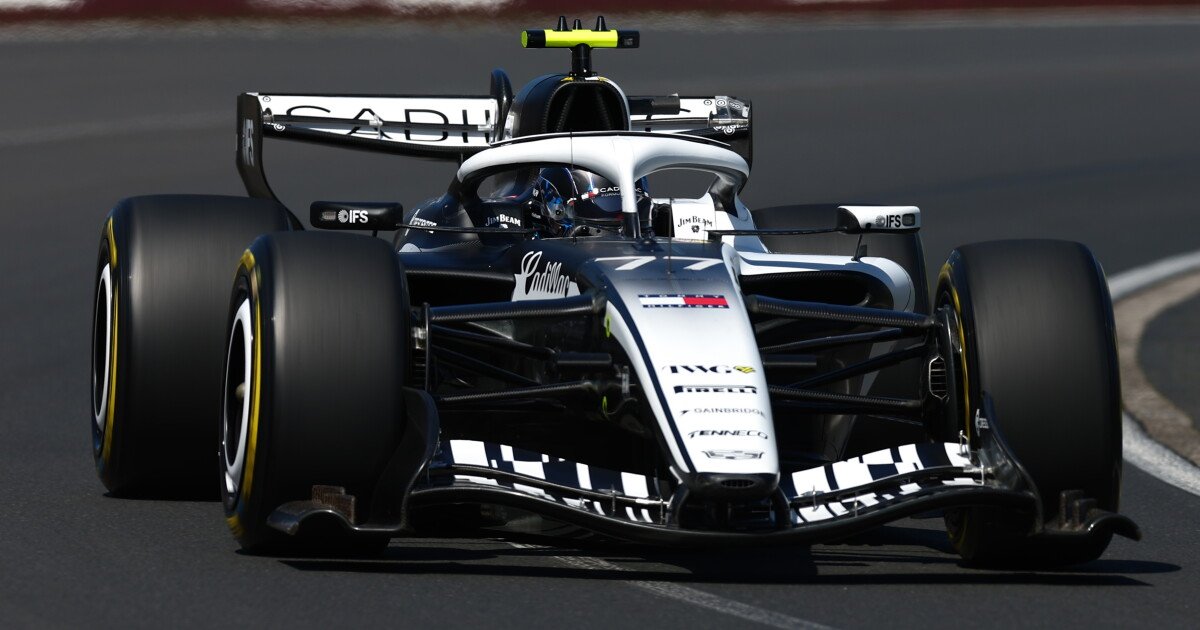
| Cadillac Formula 1 Team New | Ferrari (Customer) | Dan Towriss | Multisite, USA |
For years, the existing ten constructors aggressively protected their slice of Formula One’s prize-money structure, effectively blocking grid expansion. However, Formula 1’s surging global popularity — particularly across North America — combined with FIA regulatory changes and commercial pressure from manufacturers eventually forced the doors open. As a result, both Audi and Cadillac gained FIA approval, transforming the paddock into the biggest it has been since the 2016 season. For background on what Formula 1 is and how the championship structure works, our explainer covers the fundamentals clearly.
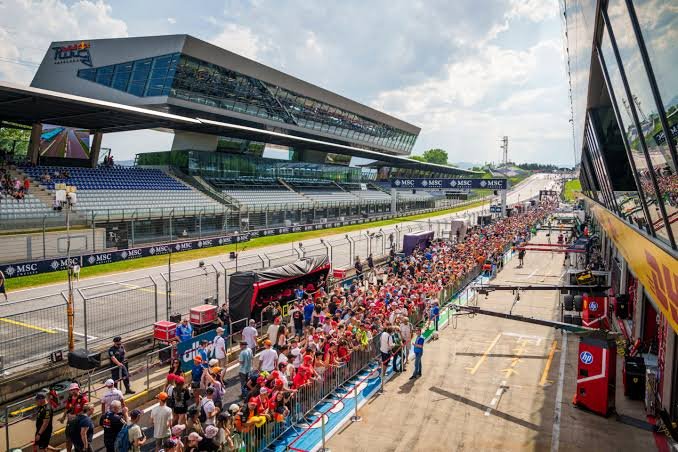
All 11 F1 Teams in 2026 — Full Constructor Profiles
Full F1 Driver Lineup 2026 — All 22 Confirmed Drivers
The driver market chaos leading into 2026 left the grid looking more different than it has in years. Icons have switched colours, prominent names have moved to incoming manufacturers, and a hyper-selective crop of young talent has broken into the stable. Reigning champion Lando Norris exercises his right to carry the Number 1. Meanwhile, Max Verstappen transitions to Number 3, and only one pure rookie — British prodigy Arvid Lindblad — takes a championship-points seat from scratch.
| # | Driver | Team | Engine |
|---|---|---|---|
| 1 | Lando Norris Champion | McLaren | Mercedes AMG |
| 81 | Oscar Piastri | McLaren | Mercedes AMG |
| 16 | Charles Leclerc | Ferrari | Ferrari |
| 44 | Lewis Hamilton | Ferrari | Ferrari |
| 63 | George Russell | Mercedes | Mercedes AMG |
| 12 | Andrea Kimi Antonelli | Mercedes | Mercedes AMG |
| 3 | Max Verstappen | Red Bull Racing | Red Bull Ford |
| 6 | Isack Hadjar | Red Bull Racing | Red Bull Ford |
| 14 | Fernando Alonso | Aston Martin | Honda |
| 18 | Lance Stroll | Aston Martin | Honda |
| 55 | Carlos Sainz | Williams | Mercedes AMG |
| 23 | Alex Albon | Williams | Mercedes AMG |
| 10 | Pierre Gasly | Alpine | Mercedes AMG |
| 43 | Franco Colapinto | Alpine | Mercedes AMG |
| 31 | Esteban Ocon | Haas (TGR) | Ferrari |
| 87 | Oliver Bearman | Haas (TGR) | Ferrari |
| 30 | Liam Lawson | Racing Bulls | Red Bull Ford |
| 41 | Arvid Lindblad Rookie | Racing Bulls | Red Bull Ford |
| 27 | Nico Hülkenberg | Audi | Audi |
| 5 | Gabriel Bortoleto | Audi | Audi |
| 11 | Sergio Pérez | Cadillac | Ferrari (Customer) |
| 77 | Valtteri Bottas | Cadillac | Ferrari (Customer) |
Ferrari’s Hamilton-Leclerc pairing is the headline driver story of 2026. Pairing Leclerc’s raw one-lap pace with Hamilton’s tactical mastery and championship experience gives Fred Vasseur the most complete driver lineup at Maranello in years. Furthermore, it creates the question every paddock analyst is asking: what happens if the car is genuinely quick enough to fight for both titles simultaneously? For background on where these drivers rank all-time and how much F1 drivers earn, our guides break both down in detail.
Audi & Cadillac: The New F1 Teams Joining in 2026
Audi F1 Team 2026 — The German Works Giant
Audi’s Formula One entry represents the sport’s most significant premium manufacturer commitment since Mercedes returned as a works team in 2010. Rather than building from scratch, Audi executed a structured acquisition of the entire Sauber Group operation in Hinwil, Switzerland — inheriting a state-of-the-art wind tunnel, an established workforce, and decades of accumulated chassis development knowledge. Therefore, the transition from Stake F1 Team Kick Sauber to the Audi Revolut F1 Team was a corporate transformation, not a reinvention.
Meanwhile, Audi’s power unit facility in Neuburg an der Donau has been purpose-built for the 2026 regulations, making them a genuine full-scale works manufacturer rather than a branding exercise on someone else’s car. Under Mattia Binotto’s leadership — the man who previously ran Ferrari’s technical operation — the team pairs the engineering feedback of Nico Hülkenberg with the raw championship ceiling of Formula 2 graduate Gabriel Bortoleto.
Chassis HQ: Hinwil, Switzerland (acquired from Sauber Group, 100% ownership) · Power Unit HQ: Neuburg an der Donau, Germany · Engine status: Full works, exclusive, self-supplied · Drivers: Hülkenberg (#27) & Bortoleto (#5) · Mission: Midfield exit within 36 months
Cadillac Formula 1 Team — America’s Historic Entry
If Audi represents calculated corporate precision, the Cadillac Formula 1 entry represents something far more culturally significant: America returning as a standalone Formula One manufacturer for the first time in modern history. The road here was genuinely difficult. General Motors and the Dan Towriss-led TWG group faced multi-year political resistance from existing constructors, commercial disputes with Formula One Management, and sustained regulatory scrutiny before the FIA ultimately granted full approval.
Consequently, Cadillac arrives not as an optimistic satellite project but as a committed long-term manufacturer backed by GM’s global infrastructure. Operating from advanced facilities in the United States alongside a European base, the team has leaned on veteran driver intelligence to navigate its debut season. Sergio Pérez brings direct Red Bull championship operational philosophy, while Valtteri Bottas injects deep Mercedes technical feedback built across years at the front of the grid. For context on Formula One’s growing American footprint — and why the US market is now so strategically important — see our guide on what the new F1 team entry means for the sport.
Cadillac’s arrival doesn’t just add a car to the back of the grid. It opens a commercial and cultural gateway to the largest and fastest-growing Formula One audience in the world.
F1 Power Units 2026 — Engine Suppliers and Partnerships
Five manufacturers supply engines to the eleven teams in 2026. The elimination of the MGU-H — the complex heat recovery component that defined the 2014–25 hybrid era — has fundamentally levelled the development playing field. As a result, new entrants like Audi and the Ford-backed Red Bull operation start this generation on more equal footing than any new engine supplier in the previous decade.
The Red Bull Ford partnership merges Red Bull Powertrains’ in-house engineering team with Ford’s global electrification R&D, producing a fully integrated hybrid power unit manufactured in Milton Keynes. It ends Red Bull’s long reliance on external Renault and Honda supply agreements and marks Ford’s return to Formula One as a works participant for the first time since their alliance with Jaguar ended in 2004.
Meanwhile, Aston Martin’s exclusive Honda partnership gives Silverstone’s green cars a genuine works-level supply agreement — a significant upgrade from the customer relationships most midfield teams accept. Combined with Adrian Newey’s technical direction and the extra investment Aston Martin has committed over recent years, Honda’s hybrid expertise applied to a Newey chassis is one of the most credible championship dark-horse combinations on the grid. For more on how these hybrid systems actually function, see our explainers on what ERS is in Formula 1 and what horsepower means in a motorsport context.
Furthermore, Alpine’s pivot away from the Renault engine program deserves attention. By absorbing a Mercedes customer supply for 2026, Alpine has sacrificed manufacturer prestige for reliability and performance — a pragmatic decision that frees the team’s engineering resource to focus entirely on chassis development rather than splitting budget and personnel between two technical disciplines.
2026 F1 Regulations Explained
The regulation overhaul is the single biggest catalyst behind every team, driver, and engine change on this grid. The FIA designed the 2026 technical rules to produce closer, more wheel-to-wheel racing while simultaneously pushing Formula One toward a credible sustainability story. Therefore, the changes aren’t merely cosmetic — they represent a fundamental rethinking of what an F1 car is and how it generates performance.
Every major Formula One regulation reset reshuffles the competitive order. In 2014, Mercedes built the best hybrid power unit and dominated for seven years. In 2022, Red Bull mastered ground-effect aerodynamics and won four titles. Now in 2026, the team that best integrates active aerodynamic deployment with electric power management will likely control the next era. Understanding how downforce works, what active aero replaces, and how much these cars cost to build gives critical context for understanding why the competitive order is so genuinely open for 2026.
For a comprehensive look at the current championship standings and what these regulation changes mean for the title fight race by race, our Formula 1 standings hub updates after every round. Meanwhile, the complete 2026 F1 schedule shows every circuit and date remaining in the season.
Frequently Asked Questions
The most open grid in a generation
The F1 teams list for 2026 is more than a roster update. It represents the beginning of a genuinely new competitive era — one where the technical hierarchy is wide open, two brand-new manufacturers are learning on the job, and the driver market has reshuffled the strongest lineups in years across multiple fronts simultaneously.
New regulations tend to create new champions. History is unambiguous on that point. The team that solves the active aerodynamic integration problem first — that finds the optimal balance between X-Mode efficiency and Z-Mode cornering load — will likely control the next three to four seasons in the same way Mercedes controlled the hybrid era and Red Bull controlled the ground-effect era. Whether that team is the defending champion McLaren, the charging Ferrari with Hamilton and Leclerc, the ever-resourceful Mercedes, or a dark-horse combination like Aston Martin with Newey and Honda, the answer will unfold across a season that is genuinely impossible to predict from where we stand now. That is the best possible argument for watching every lap.
For full standings updates after every round and the latest team news, our Formula 1 standings hub keeps everything current throughout the 2026 season.