How Much Does a Formula 1 Car Cost?
Full Breakdown by Parts, Teams & Year
A modern F1 car costs between $15 million and $22 million to build. But that figure barely scratches the surface. Here’s the complete breakdown — every part, every team, every dollar — plus what the 2026 regulations change.
How Much Does a Formula 1 Car Cost?
Every part, every team, every dollar — the complete 2026 breakdown.
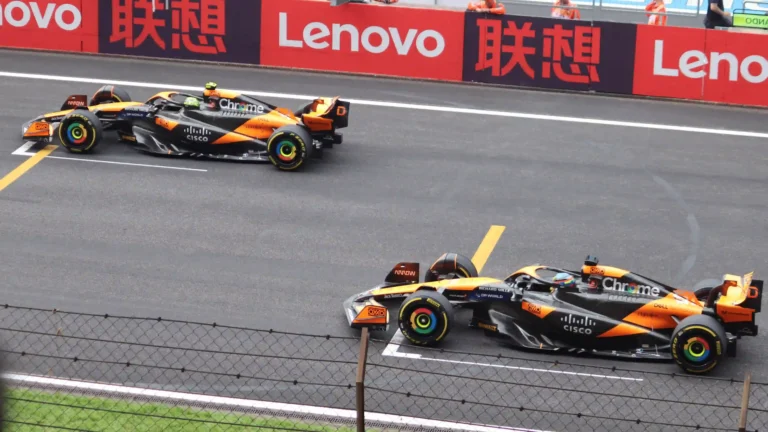
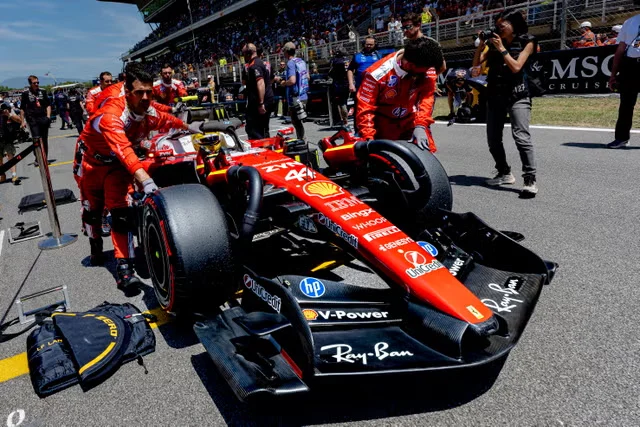
Ask someone how much a Formula 1 car costs and they’ll usually guess somewhere between “a lot” and “insane.” Both are correct. A 2026-specification F1 car costs between $15 million and $22 million to build from scratch — before a single lap is turned in anger. That figure covers the chassis, the power unit, the aerodynamic package, the gearbox, and the hundreds of custom components that make these the most technologically sophisticated racing machines ever built.
However, the build cost is only a fraction of the full picture. When you factor in the research and development, the wind tunnel hours, the CFD computing, the spare parts inventory, the team of engineers running the car at every race weekend, and the season-long development programme — the total investment per car climbs toward $140 million per season for the top outfits. This guide breaks down every number, from the $5,000 wheel nut to the $215 million budget cap.
A 2026 Formula 1 car costs $15–22 million to build. The power unit alone accounts for $7–10 million of that. Add the full season budget — R&D, upgrades, staff, logistics — and a top team invests roughly $140–215 million per car per season under the FIA budget cap framework.
Formula 1 Car Cost by Year — How the Price Has Climbed
The cost of a Formula 1 car has climbed steadily over the past decade. However, the increases aren’t arbitrary. Each jump corresponds to a significant regulatory change — a new engine formula, a switch to ground-effect aerodynamics, or an expansion of the hybrid systems. Moreover, the materials involved — aerospace-grade carbon fibre, titanium, exotic alloys — become more complex with each regulation cycle. As a result, the price tag always follows the engineering ambition.
| Year | Average Build Cost (USD) | Key Regulation Change | Context |
|---|---|---|---|
| 2015 | $7–9 million | Hybrid V6 turbo era (Year 2) | Power unit development still ramping |
| 2018 | $10–12 million | Halo device introduced | Safety systems add complexity and cost |
| 2020 | $12–14 million | COVID-shortened season | Development freeze reduces some costs |
| 2022 | $12–16 million | Ground-effect floor regulations | Full chassis redesign; floor now primary aero tool |
| 2024 | $13–18 million | Refined ground-effect era | Teams converging on optimal concepts |
| 2025 | $14–20 million | Pre-2026 transition year | Teams splitting resources between 2025 and 2026 cars |
| 2026 ★ | $16–22 million | New 50/50 hybrid power unit · No DRS · Sustainable fuel | Highest first-year build cost in F1 history |
The 2026 regulations introduce a fundamentally new Energy Recovery System — splitting power 50/50 between the combustion engine and electric motor, removing the MGU-H, and requiring 100% sustainable fuel. Every team is building a completely new power unit from scratch. Furthermore, the aerodynamic regulations change simultaneously. Consequently, every car on the 2026 grid is effectively a clean-sheet design. That’s why the build cost peaks here.
Formula 1 Car Cost Breakdown — Every Part, Every Price
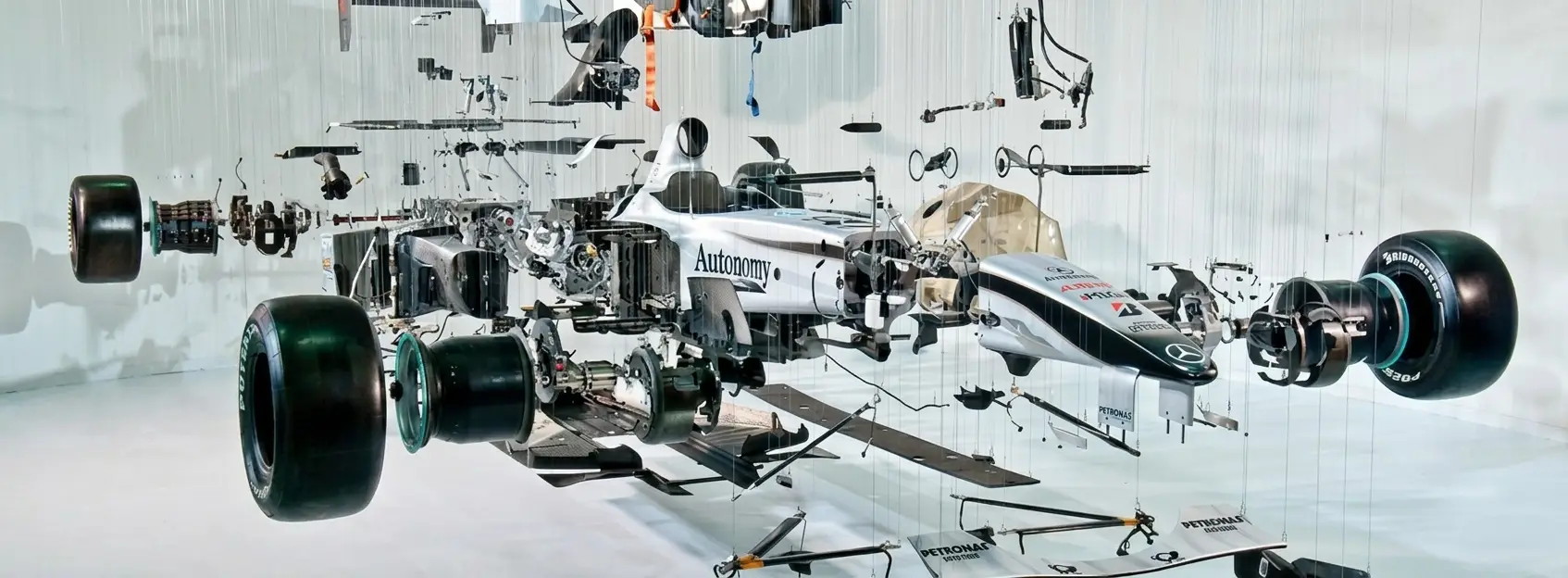
To understand the total Formula 1 car cost, you have to go part by part. Almost nothing on an F1 car is an off-the-shelf component. Therefore, every element is either custom-manufactured in-house or produced by specialist suppliers to tolerances measured in fractions of a millimetre. Furthermore, each part is designed to be as light as physically possible while surviving extraordinary stress. As a result, the price of each component reflects not just manufacturing cost, but thousands of hours of engineering, CFD simulation, and physical testing before a single lap is completed.
Cost at a Glance — The Budget Share Breakdown
How Much Does Each F1 Team’s Car Cost?
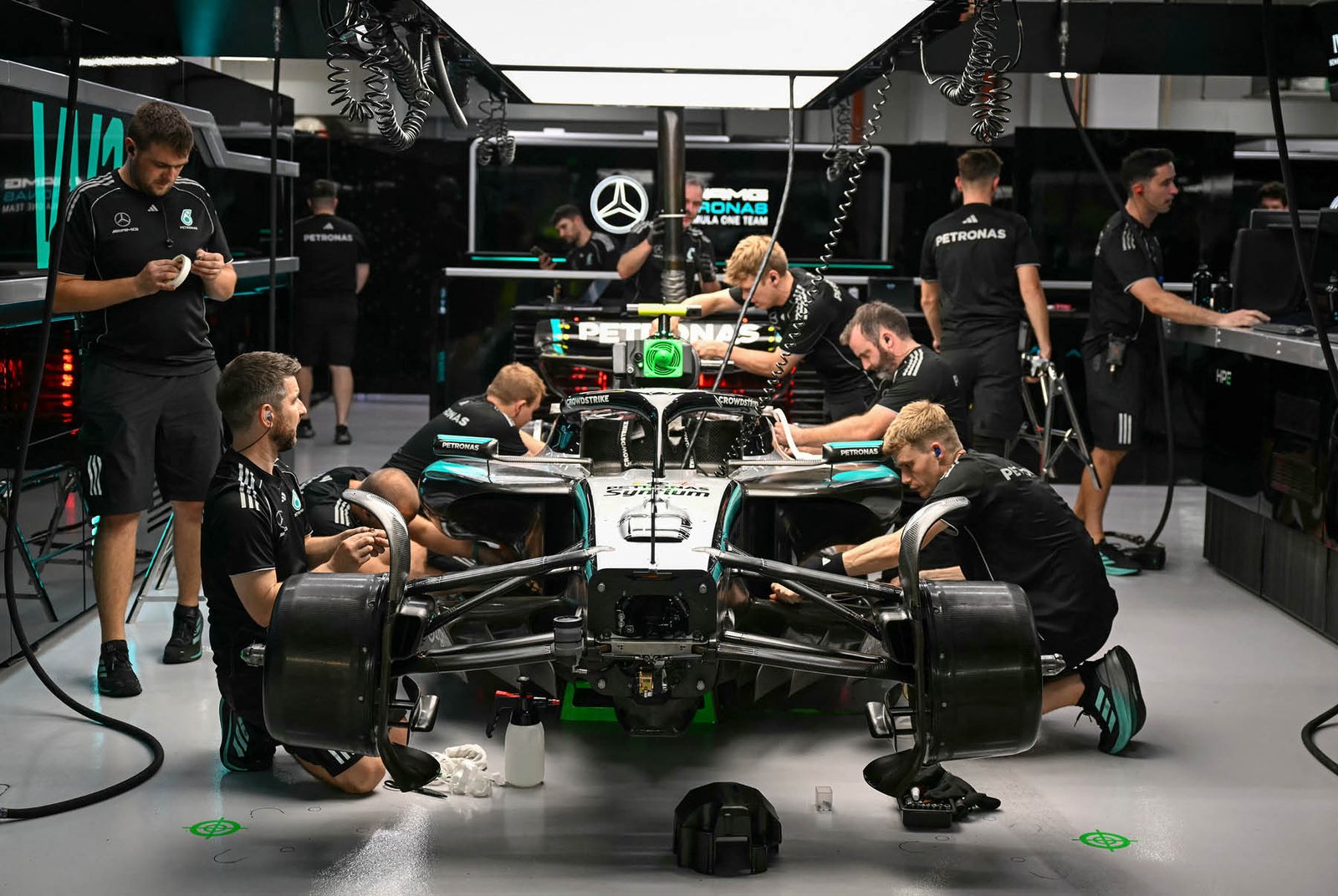
Not every F1 car carries the same price tag. The manufacturing cost varies significantly based on whether a team builds its own power unit or purchases one from a supplier, how many components are produced in-house versus sourced externally, and the depth of the team’s research infrastructure. Furthermore, the accounting gets complex for manufacturer teams — when Ferrari builds its own engine, the internal transfer price between the engine division and the race team doesn’t appear on a single “car cost” invoice.
| Team | Power Unit | Estimated 2026 Car Cost | Notes |
|---|---|---|---|
| Mercedes-AMG Petronas | Mercedes (own) | $16–19M | Integrated electronics & seamless aero; own PU gives internal cost advantage |
| Scuderia Ferrari | Ferrari (own) | $16–20M | All components manufactured in Maranello; full vertical integration. Ferrari’s legendary engineering heritage is built into every component |
| Oracle Red Bull Racing | Red Bull Ford | $17–22M | New in-house PU programme with Ford partnership; highest 2026 complexity. See our Red Bull Racing team profile |
| McLaren Formula 1 | Mercedes (customer) | $15–18M | PU lease cost adds ~$12M/season on top of chassis; strong aero efficiency programme |
| Aston Martin Aramco | Honda | $14–17M | Honda partnership strongest in 2026 given new PU; team spending heavily on factory expansion |
| Williams Racing | Mercedes (customer) | $13–15M | Smaller infrastructure than top teams; more reliant on supplier components in some areas |
| Sauber / Audi | Audi (new) | $15–19M | Audi’s first F1 power unit debut; enormous development investment. New team in F1 context |
A front-running team’s car isn’t more expensive because of better parts. It’s more expensive because the parts are made to tighter tolerances, with more development iterations, in facilities that cost hundreds of millions to build and run.
What About Cars Without Engines?
Sometimes collectors or museums want to acquire a “rolling chassis” — a complete car without the power unit. In this case, the cost typically falls between $4 million and $6 million. This covers the monocoque, suspension, bodywork, gearbox casing, electronics, and wheels. However, it’s essentially an extraordinarily beautiful, very fast-looking sculpture — without the power unit, it can’t be started, let alone driven. Furthermore, the cost to properly maintain a running historic F1 car for a single track day can exceed $100,000. These machines don’t respond well to benign neglect. For the history of legendary cars that now appear in collections, our Ferrari through the decades archive shows how these machines evolved over sixty years.
The F1 Budget Cap — How the FIA Controls Spending
The FIA introduced the Formula One budget cap ahead of the 2021 season specifically to prevent the richest teams from spending their way to permanent dominance. Before the cap, Ferrari and Mercedes were spending estimated $400 million or more annually. Meanwhile, teams like Williams and Haas were operating on a tenth of that budget. The result was predictable: the same manufacturers won everything.
The cap changed that dynamic. However, it’s important to understand what the budget cap actually covers — because the headline figure is significantly smaller than what teams actually spend in total.
| Season | Budget Cap (USD) | Key Items INCLUDED | Key Items EXCLUDED |
|---|---|---|---|
| 2021 | $145M | Car development, parts, logistics, trackside ops | Driver salaries (top 3), senior staff salaries, marketing |
| 2022–24 | $135M | Technical and operational costs | Power unit development (for manufacturer teams), driver pay |
| 2025 | $140M | More items brought in-cap than prior years | New entrant Audi/Cadillac exemptions apply |
| 2026 ★ | $215M | Expanded to include more personnel costs, inflation adjustments, and some previously exempt items | Driver salaries, top executive pay, FIA fees, certain supplier costs |
The 2026 cap jump from $135M to $215M looks dramatic. However, it largely reflects items being brought under the cap for the first time rather than a genuine doubling of permitted spending. Previously off-cap items — certain personnel costs, infrastructure investment adjustments, inflation corrections — are now included in the headline figure. Furthermore, the 2026 new power unit programme has specific financial treatment to allow all teams to build competitive units. For context on how F1 championship points and competitive regulations work together, our guide covers the broader regulatory framework.
What Does a Single Race Weekend Cost to Run?
Beyond the car itself, running an F1 team at every Grand Prix is its own financial exercise. Teams travel to 24 rounds across five continents — from the Australian Grand Prix to the Las Vegas Grand Prix to the Abu Dhabi Grand Prix. Each stop involves flying hundreds of tonnes of equipment on dedicated cargo flights, housing hundreds of staff, and covering the consumables destroyed across the race weekend. The per-race operational cost for a top team runs between $15 million and $20 million. Furthermore, every team maintains a substantial “crash fund” — a financial reserve for the two-car weekends that occasionally happen. A bad Monaco Grand Prix qualifying session that produces two destroyed chassis can destroy a mid-field team’s development budget for the following month.
The Most Expensive Formula 1 Cars Ever Sold
While a new car’s value is in its future potential — winning championships, proving concepts, demonstrating technology — a classic car’s value is in its past glory. Moreover, in no motorsport on earth is that past glory more celebrated than in Formula 1. Consequently, the collector market for historic F1 machinery produces numbers that make even the $22 million 2026 build cost look modest.
Formula 1 Car Cost vs Other Racing Series
To appreciate why a Formula 1 car costs what it costs, you need to compare it to the alternatives. The price gap between F1 and every other form of motorsport is not incremental — it’s structural. Moreover, it reflects the fundamental difference between a racing series where every team develops its own technology from scratch and a series where spec components keep costs controlled. Furthermore, the current F1 team list for 2026 shows 10 constructors, each spending at an extraordinary level.
| Series | Car Build Cost | Season Cost (Total) | Car Type |
|---|---|---|---|
| Formula 1 ★ | $15–22M | $140–215M | Fully bespoke — every component custom |
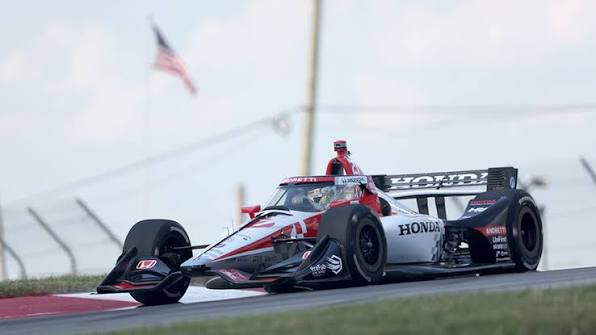
| IndyCar | $1–3M | $12–20M | Spec Dallara IR-18 chassis; Honda or Chevy engine |
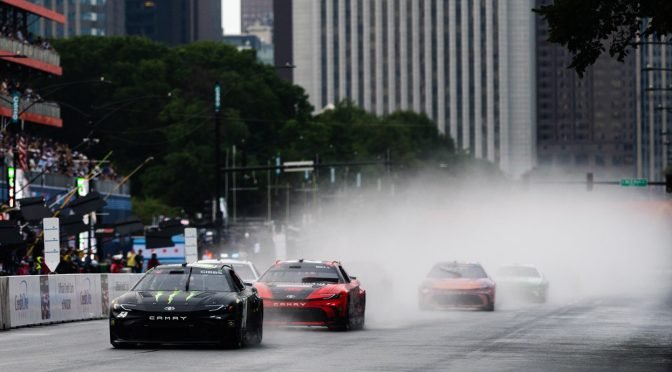
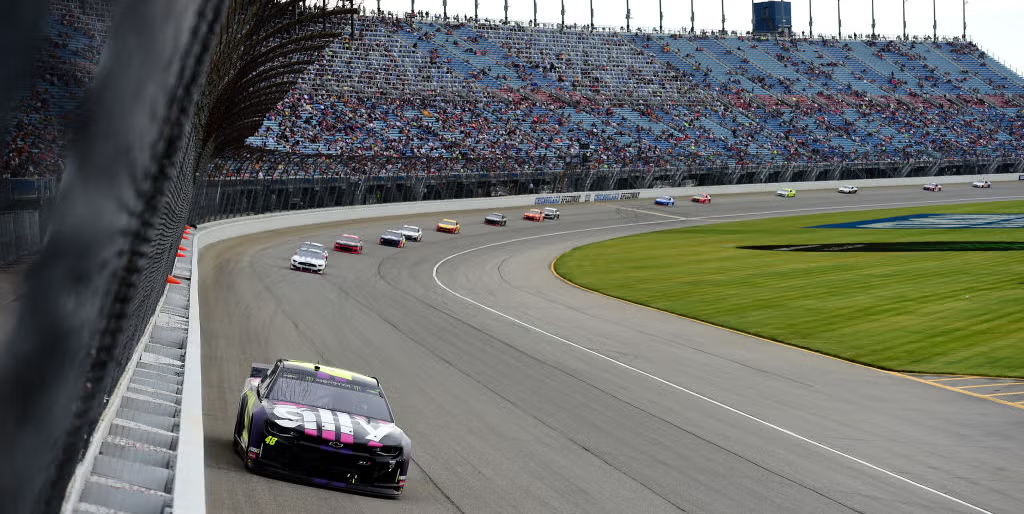
| NASCAR Cup | $400–600K | $20–35M | Next-Gen spec body; engine built in-house by team |
| Formula E | ~$1M (GEN3) | $15–30M | Spec chassis; manufacturer powertrain. Full Formula E cost breakdown |
| GT3 (top level) | $450K–600K | $3–8M | Homologated spec cars from manufacturers; lower dev cost |
| Formula 2 | ~$800K per season | $2–3M per driver | Spec chassis; bridge series to F1. See how to become a race driver |
The gap between F1 and every other series isn’t a temporary anomaly — it’s structural. F1’s rules deliberately require each constructor to develop its own car, which means every team is running what amounts to a private aerospace programme. Furthermore, the FIA changes the technical regulations frequently enough to prevent teams from simply copying solutions. Additionally, the commercial rewards for winning — prize money, sponsorship uplift, manufacturer investment — are large enough that teams can justify the investment. As long as those incentives exist, the cost will remain at an entirely different level to every other motorsport category. For a broader comparison, our IndyCar vs F1 guide examines the technical and financial differences in detail.
Why Is a Formula 1 Car So Much More Expensive Than a NASCAR?
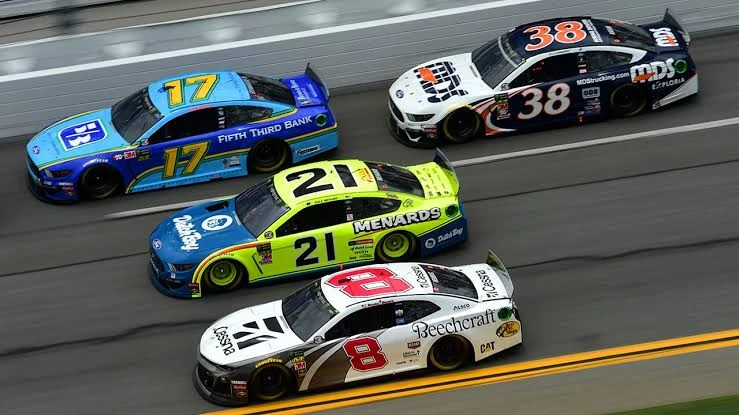
The short answer: materials, precision, and development freedom. A NASCAR Cup car uses a steel tube frame beneath a spec composite body — strong, reliable, and relatively straightforward to repair. An F1 car uses aerospace-grade carbon fibre in virtually every structural component, manufactured to tolerances of a few microns. Furthermore, NASCAR’s regulations are deliberately stable over multiple seasons, meaning teams refine rather than reinvent. Meanwhile, F1 teams essentially rebuild their entire technical concept every two to three years in response to regulation changes.
Moreover, the engines tell the same story. A NASCAR engine is a pushrod V8 that the team builds mostly in-house for around $50,000 to $100,000. An F1 power unit is a turbocharged V6 hybrid that costs $7–10 million per unit and requires its own dedicated engineering department. For a direct technical comparison of engine architectures, our guide on V6 vs V8 vs V10 vs V12 engines covers exactly what makes these configurations different in performance and cost terms.
Frequently Asked Questions — Formula 1 Car Cost
The cost of going fastest
A Formula 1 car isn’t expensive because of waste or extravagance. It’s expensive because the performance envelope it operates within demands the absolute frontier of what human engineering can produce. Every kilogram saved in the chassis must be justified by the performance gained. Every extra horsepower in the power unit must survive 8,000 km of race distance. Every millimetre of aerodynamic surface must be optimised in CFD before it’s manufactured in carbon fibre.
Moreover, the price isn’t static — it rises with every regulation change because each new ruleset demands solutions that don’t yet exist. The 2026 cars will be the most expensive ever built when they take the grid. Furthermore, they will likely be surpassed by whatever the 2030 regulations require. That’s not a failure of financial discipline. It’s the nature of a sport that defines itself by being the fastest and most technically sophisticated motorsport on the planet.
Understanding those costs is understanding what Formula 1 actually is: not just a racing series, but a permanent competition between the world’s most ambitious engineering organisations. For the full picture of what Formula 1 is and why it attracts this level of investment, our complete guide covers everything from the history of the FIA to the structure of the Formula One World Championship.