What Are Backmarkers In F1? Formula 1 Backmarkers Explained
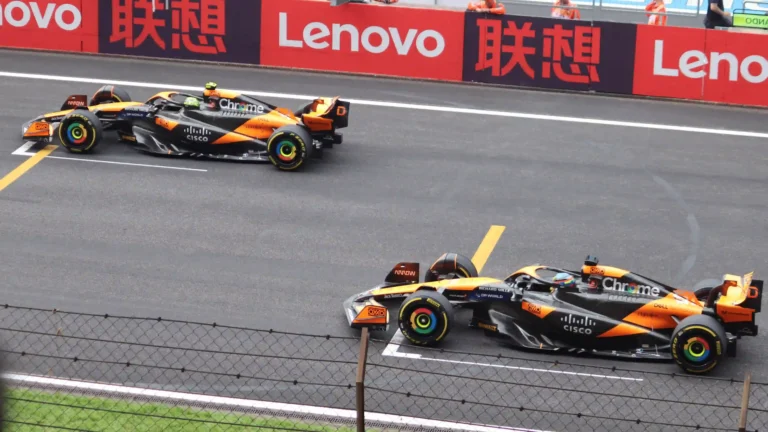
What are backmarkers in F1? Backmarkers are drivers or cars running near the back of the Formula 1 field. In races, they are often caught and lapped by the leaders. When blue flags appear, they must let the faster car pass safely.
Backmarkers may not fight for the win, but they can still change a Grand Prix through traffic, blue flags, strategy, and Safety Car timing.

What are backmarkers in F1 is a beginner-friendly question, but the answer matters at every level of race analysis.
A backmarker is usually a driver running near the back of the Formula 1 field. They may be slower because of car pace, tyre age, damage, strategy, or poor qualifying.
However, “backmarker” is not always an insult. A driver can be excellent and still drive a slow car. Formula 1 is a team sport, and machinery matters.
This topic connects directly with what Formula 1 is, F1 qualifying, grid position, and the F1 points system.
What Does Backmarker Mean In Formula 1?
Backmarker meaning in F1 is simple. It refers to a car or driver running at the back of the grid or race order.
During a Grand Prix, a backmarker can become lapped traffic. That means the race leader has completed one more lap than that car.
Formula 1’s own slang guide describes backmarkers as drivers circulating at the back of the field who are often liable to be lapped by leading cars.
Race analyst view: Backmarkers are not background noise. They are moving strategy variables that can help or hurt race leaders within seconds.
What Happens When A Backmarker Is Lapped?
When a backmarker is lapped, the faster car behind is not fighting for the same race lap. The leader is effectively one lap ahead.
Therefore, the backmarker must not unnecessarily delay the faster car. This is where blue flags become important.
The leader still has to pass safely. However, the backmarker must cooperate and avoid blocking. A poor blue-flag moment can cost the leader tyre temperature, rhythm, and time.
For more context, see Flags Of F1, how racing flags work, and delta time in F1.
What Are Blue Flags In F1?
Blue flags tell a slower driver that a faster car is approaching. During a race, they are mainly shown to a backmarker about to be lapped.
Formula 1’s glossary says a blue flag signals that the driver must let the faster car overtake as soon as possible. Repeatedly ignoring blue flags can lead to a penalty.
That does not mean a backmarker should panic. The correct move is to let the leader pass safely, usually on a straight or corner exit.
| Situation | What It Means | Driver Response |
|---|---|---|
| Backmarker on same lap as rival | Normal race fight | Can defend legally |
| Leader approaches to lap | Blue-flag situation | Let faster car pass safely |
| Practice or qualifying | Faster car on a hot lap | Avoid blocking |
| Pit exit blue flag | Traffic approaching | Rejoin carefully |
Backmarker Vs Midfield Team: What Is The Difference?
A backmarker team usually fights near the rear. A midfield team usually fights around the middle of the race order.
However, these labels change. A team can start a season slowly, bring upgrades, and move forward. Meanwhile, a strong team can fall back if development stalls.
The difference is often race pace. Qualifying may flatter a car for one lap. However, Sunday pace usually reveals the true order.
This is why backmarker discussion connects with pole position, how racing drivers qualify, and F1 debriefs.

How Do Backmarkers Affect F1 Race Strategy?
Backmarkers affect strategy because leaders must pass them without losing too much time. That sounds easy, but it rarely is.
If a leader catches traffic before a pit stop, the team may pit early. If a rival stays in clean air, the gap can change quickly.
Meanwhile, a backmarker battle can also create trouble. Two slower cars fighting each other may be harder to lap than one car driving alone.
Traffic also affects tyre life. A driver stuck behind a slower car may lose downforce, overheat tyres, and slide more. As a result, a simple lapping move can hurt a whole stint.
Useful related guides include clean air in F1, DRS in F1, overcut and undercut strategy, and pit stops.
How Do Backmarkers Matter Under The Safety Car?
Backmarkers can become important under the Safety Car. When the field bunches up, lapped cars may sit between leaders and their closest rivals.
Depending on the rules and Race Control instructions, lapped cars may be allowed to pass the Safety Car and recover a lap before the restart.
That process can change the race picture. It can give leaders direct pressure from rivals behind. However, it can also take time and delay the restart.
This topic connects with Safety Cars, formation laps, and race timing.
Are Backmarkers Important In F1?
Yes. Backmarkers are important because they are still part of the race. They fight for positions, data, upgrades, sponsor value, and Constructors’ Championship points.
A backmarker team can also develop future stars. Many drivers learn race craft, tyre management, and pressure handling in slower cars before moving to stronger teams.
Moreover, backmarkers keep the full grid competitive. Without slower teams, the sport would lose part of its ladder, development story, and race unpredictability.
Final Verdict
Backmarkers in F1 are cars or drivers running near the back of the field. During races, they are often lapped by the leaders and shown blue flags.
They can still race rivals on the same lap. However, they must not block leaders when blue flags apply.
For beginners, the answer is simple. A backmarker is a slower car near the back. For serious fans, backmarkers are strategic traffic that can shape gaps, pit timing, tyre life, and race results.
FAQs About Backmarkers In F1
What are backmarkers in F1?
Backmarkers are drivers or cars running near the back of the Formula 1 field. They are often lapped by race leaders.
What does backmarker mean in Formula 1?
It means a slower or lower-running car at the back of the race order or championship field.
Do backmarkers have to let faster cars pass?
Yes, when blue flags apply. They must allow the faster car to pass safely without blocking.
Can backmarkers defend their position?
Yes, against cars on the same lap. They cannot defend against leaders who are lapping them under blue flags.
Are backmarkers slower because of the car or driver?
It can be either, but car performance is usually a major factor in Formula 1.
Why do commentators mention backmarkers?
Commentators mention them because lapped traffic can affect strategy, timing gaps, overtaking, and race momentum.