What Is Grand Prix in F1? Formula 1 Grand Prix Explained
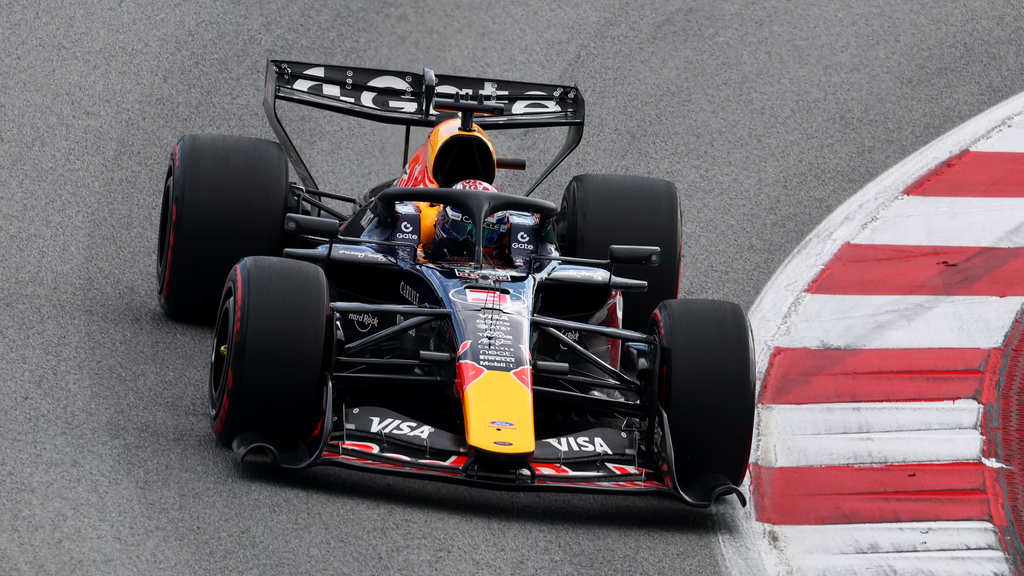
Grand Prix in F1 means a Formula 1 championship race event. A Formula 1 Grand Prix usually includes practice, qualifying, and the main race. Drivers and teams score championship points based on the final Grand Prix result.
A Formula 1 Grand Prix is more than one race. It is a full race weekend where drivers, teams, circuits, strategy, and championship pressure meet.

A Grand Prix in F1 is the main race event of a Formula 1 weekend. It is the result that matters most for the championship. Qualifying sets the grid, strategy shapes the race, and the Grand Prix decides who takes the biggest points.
The phrase sounds old-school because it is. However, it still fits Formula 1 perfectly. Every Grand Prix is a high-pressure contest between drivers, constructors, engineers, strategists, and race crews.
If you are new to Formula 1, think of a Grand Prix as one full round of the world championship. It connects with what Formula 1 is, the F1 points system, F1 qualifying, and the wider Formula 1 schedule.
Official Formula 1 guidance describes a standard race weekend as a three-day event, usually from Friday to Sunday. The Sunday Grand Prix is the main event, even when Sprint sessions add extra action earlier in the weekend.
Grand Prix Meaning in F1
The term Grand Prix comes from French. It means “grand prize” or “highest award.” In motor racing, it became linked with major racing events long before the modern Formula 1 World Championship began.
The first French Grand Prix was held in 1906. Later, Formula 1 organized the world’s most important open-wheel races into a championship structure. Therefore, today’s Formula One Grand Prix is both a single race and part of a season-long title fight.
Honda’s F1 explainer notes that Formula 1 events are known as Grands Prix and explains the French origin of the phrase. You can read that background in Honda’s Grand Prix event guide.
How Does a Formula 1 Grand Prix Weekend Work?
A normal F1 race weekend usually starts with practice. On Friday, teams run Free Practice 1 and Free Practice 2. These sessions help drivers learn the circuit and give engineers time to test setup changes.
Saturday begins with Free Practice 3 on a standard weekend. After that, qualifying decides the starting grid. Qualifying is split into Q1, Q2, and Q3, with the fastest driver in Q3 taking pole position.
Sunday is Grand Prix day. Drivers form on the grid, complete the formation lap, and wait for the start lights. When the lights go out, the Formula 1 Grand Prix begins.
| Session | Normal Role | Why It Matters |
|---|---|---|
| Practice | Setup and tyre learning | Teams find balance and race pace |
| Qualifying | Sets the starting grid | Pole position can shape the whole race |
| Grand Prix | Main championship race | Drivers and teams score points |
| Sprint | Short race on selected weekends | Adds points and extra pressure |
How Long Is a Formula 1 Grand Prix?
Most Formula 1 Grand Prix races are built around distance, not a fixed lap number. The race runs the fewest number of laps needed to exceed 305 kilometres. As a result, lap counts change from circuit to circuit.
A short circuit needs more laps. A long circuit needs fewer laps. This is why how laps are counted in racing matters when comparing one Grand Prix with another.
Monaco is the famous exception. The Monaco Grand Prix runs to just over 260 kilometres because the street circuit is slower and narrower. Formula 1’s Monaco race page lists the 2026 Monaco race distance as 260.286 km over 78 laps.
That makes Monaco unusual. However, it also explains why fans treat it as a special race. Monaco rewards precision, qualifying, track position, and nerve more than raw overtaking.

How Are Points Awarded in an F1 Grand Prix?
Championship points are awarded to the top 10 finishers in a Grand Prix. The winner receives 25 points. Second place earns 18, and third place earns 15.
The full points scale is 25, 18, 15, 12, 10, 8, 6, 4, 2, and 1. Therefore, finishing eighth or ninth still matters in a tight Constructors’ Championship fight.
These points count toward both the Drivers’ Championship and the Constructors’ Championship. The driver keeps the points personally. Meanwhile, the team adds both drivers’ points to its constructors total.
This is why midfield battles matter. A driver fighting for ninth may not be fighting for the win. However, those two points can still decide millions in championship position and prize distribution.
Race analyst view: A Grand Prix is not only about victory. It is about points efficiency, tyre execution, clean air, pit timing, and damage control.
Grand Prix vs Sprint Weekend
A Sprint is not the same as a Grand Prix. A Sprint is a shorter race on selected weekends. Formula 1 describes it as a 100 km race, which is about one-third of a normal Grand Prix distance.
Sprint events add points and pressure. However, the Grand Prix remains the main race of the weekend. Sprint results do not replace the Sunday race.
On Sprint weekends, the schedule changes. There is less practice, more competitive running, and a separate Sprint Qualifying session. Consequently, teams have less time to fix a bad setup.
That is why Sprint weekends can expose weak race operations. You can connect this with F1 debriefs, delta time, and how racing drivers qualify.
Which Is the Most Famous Grand Prix in F1?
The Monaco Grand Prix is usually the most famous Formula 1 Grand Prix. It has history, glamour, a difficult street circuit, and very little margin for error. Winning there carries a prestige beyond the points table.
However, other events also carry huge status. The British Grand Prix has deep championship history. The Italian Grand Prix at Monza is Ferrari territory. The Belgian Grand Prix at Spa is loved for speed, weather, and elevation.
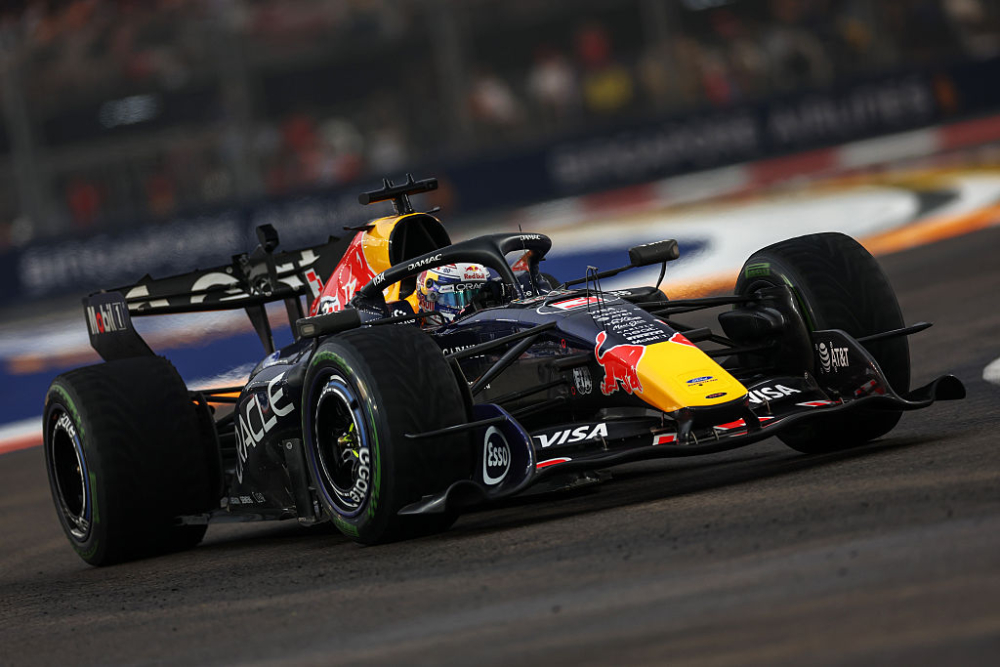
Some modern races have built their own identity. Singapore is known for its night race and heat. Las Vegas brings spectacle. Meanwhile, classic European circuits remain central to Formula 1 culture.
So, the best Grand Prix depends on what a fan values. Monaco gives history and precision. Monza gives passion and speed. Spa gives racing drama. Each event adds a different chapter to the Formula 1 season.
Grand Prix vs Formula 1: What Is the Difference?
Formula 1 is the championship. A Grand Prix is one event within that championship. That is the simplest difference.
For example, the FIA Formula One World Championship contains many Grands Prix across the season. Each Grand Prix has its own circuit, weekend schedule, qualifying session, race result, and points payout.
This is similar to saying a league season has many matches. Formula 1 is the season-long competition. The Grand Prix is the race weekend where the next result is decided.
Final Verdict
A Grand Prix in F1 is the heart of Formula 1 racing. It is where setup work, qualifying speed, strategy calls, tyre management, and driver skill become a final result.
The name means grand prize, but modern F1 gives it a sharper meaning. A Formula 1 Grand Prix is one round of the world championship. It decides points, momentum, records, and sometimes entire careers.
For beginners, the answer is simple. A Grand Prix is the main Formula 1 race event. For serious fans, it is the full weekend story: practice, qualifying, race distance, strategy, pressure, and championship consequence.
FAQs About Grand Prix in F1
What is Grand Prix in F1?
Grand Prix in F1 means a Formula 1 championship race event. It usually includes practice, qualifying, and the main race.
What does Grand Prix mean in Formula 1?
Grand Prix comes from French and means grand prize or highest award. In Formula 1, it means a race event on the championship calendar.
How does an F1 Grand Prix work?
Teams practice, qualify, then race. Qualifying sets the grid, and the Grand Prix result awards points to the top 10 finishers.
How many laps are in an F1 Grand Prix?
The lap count depends on circuit length. Most races run the fewest laps needed to exceed 305 km, while Monaco runs just over 260 km.
What is the difference between a Grand Prix and Formula 1?
Formula 1 is the championship. A Grand Prix is one race weekend inside that championship.