Scott Dixon Is Giving Up His Iconic No. 9 for 2027: Here’s Why His New No. 6 Matters
For 23 of the last 24 seasons, No. 9 has meant Scott Dixon. He won all six IndyCar titles and the 2008 Indy 500 with it. In 2027 he’ll race Arrow McLaren’s No. 6, with Felix Rosenqvist back in No. 7. Here’s the story behind the switch.
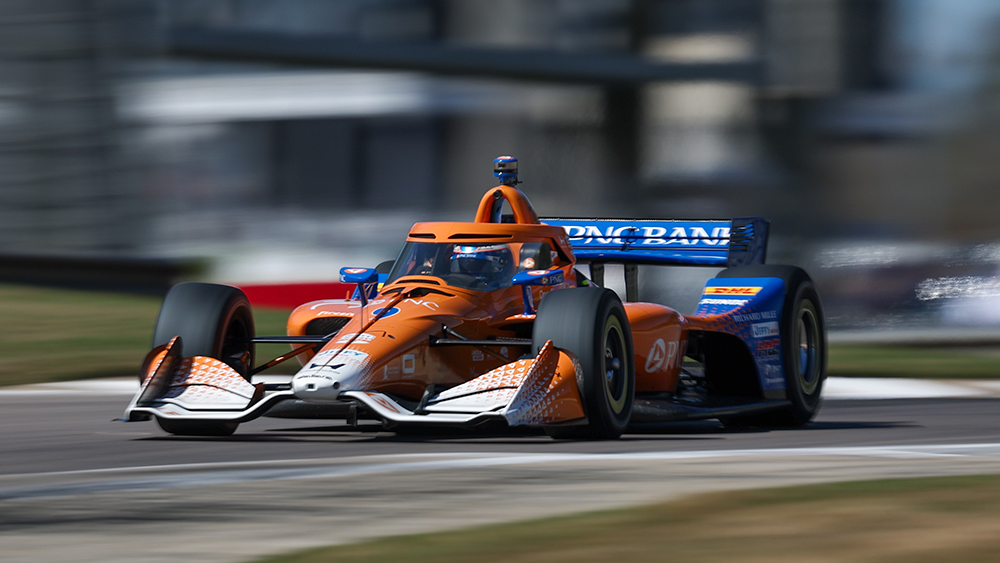
Dixon Gives Up No. 9: Why His New No. 6 Matters
Six titles in No. 9. Now Arrow McLaren’s No. 6 for 2027.
Some numbers belong to a driver. In IndyCar, No. 9 belongs to Scott Dixon. He has raced it in every season but one since 2003, and carried it to all six of his championships and his 2008 Indianapolis 500 victory. When he won titles, he could have switched to the champion’s No. 1, and after every title bar his first he chose to stay in No. 9.
That’s what makes this week’s news so striking. Arrow McLaren has confirmed that when Dixon joins the team in 2027, he’ll drive the No. 6 Chevrolet. His new team-mate Felix Rosenqvist, the 2026 Indy 500 winner, returns to the No. 7 he raced in his first two seasons with the team, and Pato O’Ward keeps No. 5. For a driver whose identity is so linked to one number, it’s the most visible sign yet that the Ganassi era is really over. Below we explain why Dixon can’t simply take No. 9 with him, why he ended up with No. 6, and what the change means. For the wider driver market, see our IndyCar 2027 silly season guide.
Arrow McLaren’s 2027 Car Numbers
Arrow McLaren announced its full 2027 line-up and car numbers on 23 September, a day after McLaren Racing revealed a new brand identity that includes a new font for the car numbers from January 2027.
| No. | Driver | Programme | Number history |
|---|---|---|---|
| 5 | Pato O’Ward | Full season | Has raced No. 5 since 2020 |
| 6 | Scott Dixon NEW | Full season | The No. 6 entry previously raced by Nolan Siegel |
| 7 | Felix Rosenqvist RETURNS | Full season | Back in the number he raced in 2021–22; vacated by Christian Lundgaard |
| 31 | Ryan Hunter-Reay | Indianapolis 500 only | Keeps No. 31 for May |
Team principal Tony Kanaan, a former Ganassi team-mate of Dixon’s, summed up the mood: “We’re excited to begin our next chapter in 2027. This team has continued to raise the bar year after year, and with Pato, Scott, Felix and Ryan in the cockpit, we believe we have the tools to achieve our goals.”
There’s a small twist, too. When the signings were announced in July, early reports had Dixon lined up for the car that became vacant with Lundgaard’s departure, the No. 7 entry, with Rosenqvist in No. 6. The final numbers are the other way round: Rosenqvist takes back his old No. 7, and Dixon gets No. 6.
The No. 9 Legacy: 23 Seasons, Six Titles
According to IndyCar, Dixon has raced No. 9 in all but one of the past 24 seasons. The one exception was 2004, when he ran No. 1 as the reigning champion after winning his first title in 2003. After that, he went back to No. 9 and never left, even after winning five more championships.
That choice says a lot. Most champions take No. 1 at least once, to show off the title. Dixon did it once and then decided the No. 9 was worth more. Over two decades, the No. 9 became one of the most recognisable cars in American racing. For many fans it’s the only Dixon they’ve ever known.
His record in it is extraordinary. With 59 wins, Dixon is second on IndyCar’s all-time list, behind only Foyt’s 67. Our guide to the most Indy 500 wins of all time puts his career in historical context.

Why No. 6, and Not No. 9?
The obvious question from fans: why doesn’t Dixon just take No. 9 with him? The answer is that in IndyCar a car number is tied to the team’s entry, not to the driver. The No. 9 is a Chip Ganassi Racing entry, and it stays at Ganassi when Dixon leaves. Reports in July said the team had signed Christian Lundgaard to replace Dixon in 2027, which would put the Dane in No. 9.
At Arrow McLaren, the choice was shaped by what already existed. The team runs No. 5 (O’Ward), No. 6 and No. 7. O’Ward has had No. 5 since 2020. Rosenqvist raced No. 7 in his first spell with the team, so giving it back to him makes sense. That leaves No. 6, the entry Nolan Siegel drove, for Dixon.
Neither Arrow McLaren nor Dixon has given a special meaning for No. 6. IndyCar’s announcement simply confirmed the number. Any story that claims a hidden meaning is guessing. The most likely explanation is the simple one: No. 6 was the available team entry once Rosenqvist returned to No. 7.
Could Dixon run No. 1 instead? Not in 2027. The No. 1 is reserved for the reigning champion, and the 2026 title went to Álex Palou, his former Ganassi team-mate, for the fifth time in six years. Our report on Palou’s fifth IndyCar title covers that season.
Why Dixon Left Ganassi After 25 Years
Dixon’s move was confirmed on 6 July: a two-year deal with Arrow McLaren from 2027, ending a partnership with Chip Ganassi Racing that began in 2002. At 46, he could easily have stayed at Ganassi until retirement. He didn’t want to.
“I think change is inevitable at some point,” he said. “I have a lot of fantastic memories with this team, and everybody there is like family, so it definitely wasn’t a decision taken lightly… It’s just time for change, and we’ll see what happens.” He’s also been clear that the decision wasn’t about falling out with the team owner: “Don’t get me wrong. I love Chip. He’s one of my best friends.”
The motivation is competitive. “You always want to be competitive. The fire still burns really strong,” Dixon said. He admitted the question of whether to try a new environment had been “nagging” at him, and that the decision had kept him awake at night.
There’s also a personal link. Dixon is a New Zealander, and McLaren was founded by another one. “I’ve always been a Bruce McLaren fan, a fellow Kiwi,” he said. Driving a McLaren in the latter stage of his career carries real meaning for him.
“You always want to be competitive. The fire still burns really strong.”
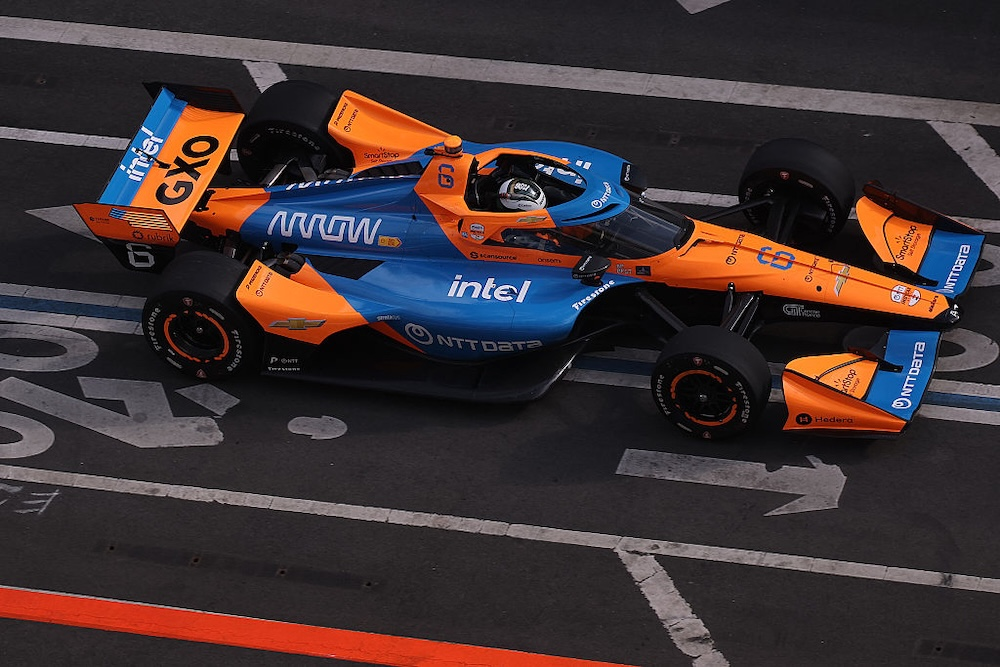
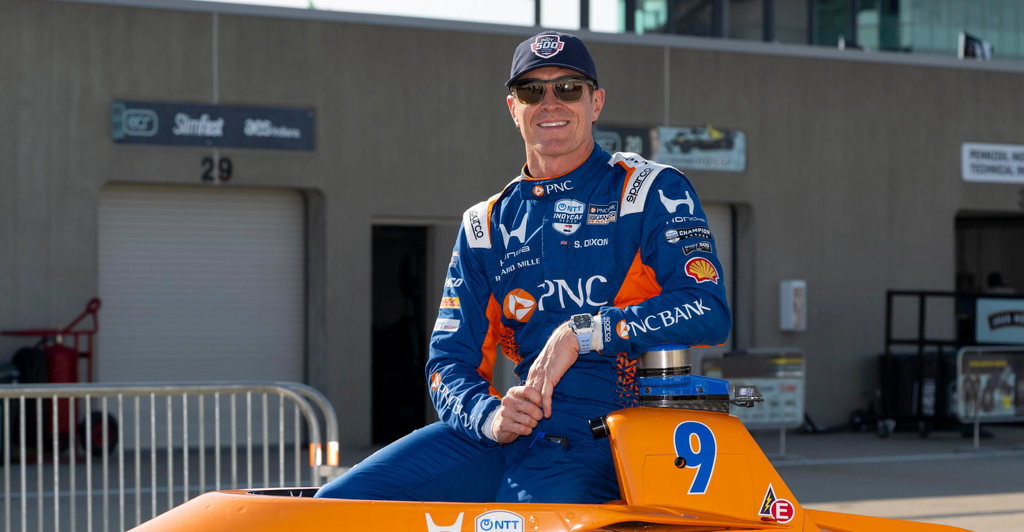
Why Dixon’s New Number Matters
It makes the break real. Contracts and press releases announce a move, but fans see the number. From the first test in 2027, the car Dixon drives will look nothing like the one he’s driven for more than two decades: papaya instead of Ganassi colours, and a 6 where the 9 used to be. For many fans, that’s the moment the change will sink in.
It shows where he fits in the team. Arrow McLaren has built its 2027 line-up around experience and results: a six-time champion, the reigning Indy 500 winner and O’Ward, one of the series’ fastest drivers. Giving Rosenqvist his old number and Dixon the third full-time entry is practical, not a statement about hierarchy, but it shows Dixon joining an established team rather than having one built around him.
It’s a fresh start, and a big challenge. Dixon will be 46 when the 2027 season begins with the opening race on 7 March. He’s switching team, engine supplier (from Honda to Chevrolet) and team-mates at an age when most drivers have retired. If he wins in No. 6, it will be one of the most impressive late-career chapters in the sport. Our IndyCar 2027 offseason briefing covers the calendar and open seats.
Why it feels bigger for Dixon
Drivers changing numbers when they change teams is common, and it rarely hurts their results. What makes Dixon’s case unusual is how long he kept one number, and that he turned down the champion’s No. 1 after winning the title five times. Very few drivers in any series are as closely tied to a single number. That’s why the change feels bigger than it would for almost anyone else.
Scott Dixon No. 6 — FAQ
The end of No. 9, the start of No. 6
For more than two decades, Scott Dixon and No. 9 have been the same thing. In 2027 that ends. The number stays at Ganassi, Rosenqvist gets his old No. 7 back, and IndyCar’s second-winningest driver starts a new chapter in papaya with a 6 on the nose.
Whether No. 6 becomes as famous as No. 9 depends on what he does with it. At 46, with the fire, in his words, “still burning really strong”, Dixon clearly isn’t finished yet.