What Is the Halo in F1? Formula 1 Halo Safety Device Explained
The Halo in F1 is a mandatory cockpit protection device fitted above and around the driver’s head. It is a titanium safety structure designed to stop or deflect major impacts from debris, another car, barriers, or cockpit intrusion during a crash.
The Formula 1 Halo was once criticised for its looks. Today, it is one of the most important safety devices in modern single-seater racing.

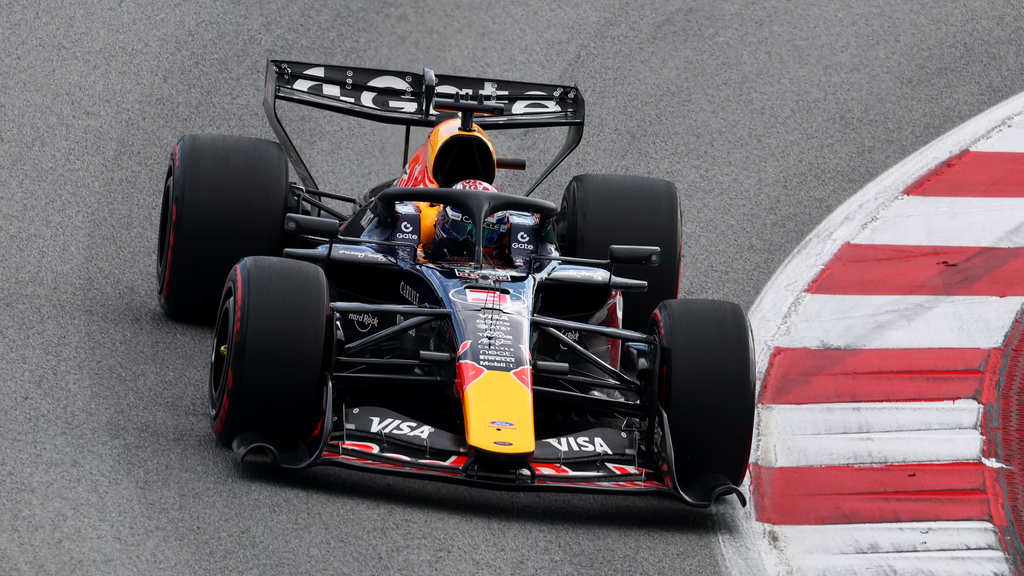
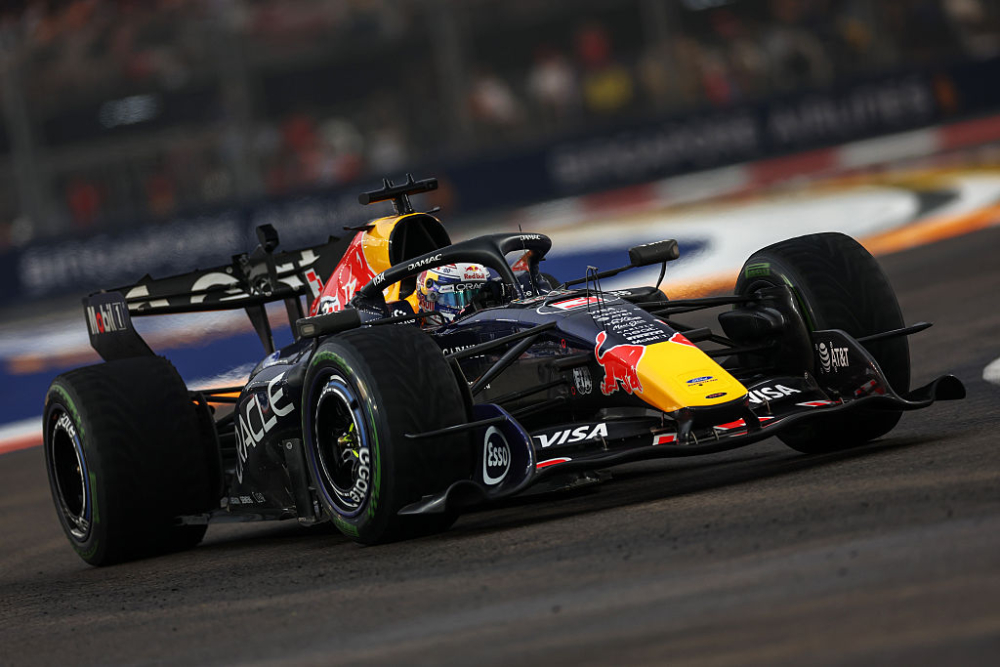
The Halo in F1 is the curved safety bar you see above the driver’s cockpit. It is not decoration. It is a regulated Formula 1 safety device built to protect the driver’s head in serious accidents.
Modern F1 cars are open-wheel and open-cockpit machines. That design gives fans a clear view of the driver. However, it also leaves the helmet area exposed to wheels, debris, barriers, and another car landing on top.
The Halo sits around that danger zone. It connects to the chassis at three points: one central front pillar and two rear mounts beside the cockpit. Therefore, it creates a protective frame over the driver without fully closing the cockpit.
It also works alongside other safety systems, including the HANS device in F1, the headrest, the F1 monocoque, and advanced materials such as Kevlar in F1 cars.
What Is the Halo in Formula 1?
The Formula 1 Halo is officially treated in FIA rules as a secondary roll structure. In simple terms, it is a strong safety frame around the cockpit opening. Its job is to keep heavy objects away from the driver’s head.
It is made from titanium, not ordinary carbon fibre. Racecar Engineering describes the Halo as a three-pronged tubular titanium structure surrounding the cockpit. That design gives it strength without adding a huge amount of weight.
Teams can shape small fairings around it for airflow. However, the core safety structure follows FIA specification. This means teams cannot simply redesign the Halo for performance and weaken the protection.
| Feature | Formula 1 Halo Role | Why It Matters |
|---|---|---|
| Material | Titanium safety structure | High strength with manageable weight |
| Mounting | Three-point cockpit attachment | Spreads crash loads into the chassis |
| Purpose | Head and cockpit protection | Reduces risk from debris and intrusion |
| Status | Mandatory FIA safety device | Every current F1 car must use it |
How Does the F1 Halo Work?
The Halo works by taking the hit before the driver’s helmet does. If a car lands over the cockpit, the Halo can carry the load. If debris flies toward the driver, the structure can deflect or slow that impact.
In a crash, the forces do not vanish. Instead, the Halo transfers those forces into the survival cell and mounting points. This is why the chassis, mounts, and Halo must work as one safety package.
That package matters because F1 crash forces can be brutal. Drivers already deal with high G-force in F1. Meanwhile, a loose wheel, barrier edge, or airborne car can create a completely different danger.
The Halo does not stop every possible injury. However, it gives the driver a stronger survival space in accidents where the helmet area would otherwise be vulnerable.

How Strong Is the Formula 1 Halo?
The Halo is one of the strongest parts of a Formula 1 car. FIA manufacturing guidance says it must withstand 125 kilonewtons of force from above for five seconds. It must also withstand 125 kilonewtons from the side.
That is roughly equivalent to 12 tonnes of weight. Therefore, the Halo is not just a thin visual hoop. It is a load-bearing safety structure built for extreme crash cases.
The FIA’s current technical regulations also define the Halo as the secondary roll structure. The rules require it to follow FIA8869-2018 and come from an FIA-designated manufacturer. That helps keep the safety standard consistent across the grid.
Race analyst view: The Halo is not there for normal racing contact. It is there for the rare accident where a few centimetres decide whether a driver walks away.
Why Was the Halo Introduced in F1?
The Halo became mandatory in Formula 1 from the 2018 season. It came after years of research into better head protection for open-cockpit cars.
Motorsport had seen several serious head-injury incidents before the Halo arrived. The FIA studied different ideas, including canopies, shields, and aeroscreen-style concepts. However, the Halo passed the key load and safety tests needed for F1 use.
At first, many people disliked it. Some fans thought it looked ugly. Some argued that it damaged the open-cockpit identity of Formula 1. However, serious crashes quickly changed the conversation.
Today, the Halo sits beside other major safety improvements, including better helmets, survival cells, fire-resistant clothing, wheel tethers, and advanced medical response. You can connect that safety story with what the FIA does and F1 flags during incidents.
Has the Halo Saved Lives in Formula 1?
Yes, the Halo has played a major role in several famous F1 accidents. One of the earliest high-profile examples came at Spa in 2018. Fernando Alonso’s car flew over Charles Leclerc’s cockpit, and the Halo was widely credited with protecting Leclerc.
In 2020, Romain Grosjean survived a terrifying Bahrain Grand Prix crash. His Haas pierced the barrier and burst into flames. Grosjean later said he had not supported the Halo before, but he believed it helped save him.
In 2021 at Monza, Max Verstappen’s Red Bull landed over Lewis Hamilton’s Mercedes. Hamilton said the Halo saved his neck after the impact. In 2022, Zhou Guanyu’s Alfa Romeo flipped at Silverstone and slid upside down, with the Halo helping protect the cockpit area.
These cases matter because they changed public opinion. The Halo moved from controversial design choice to accepted Formula 1 safety technology. It is now hard to imagine modern F1 without it.
Does the Halo Have Any Drawbacks?
The Halo does have trade-offs. It adds weight, creates aerodynamic work for teams, and changes the look of the car. The central pillar also sits in front of the driver’s line of sight.
However, drivers adapted quickly. The human eye naturally works around the central pillar, and the protection benefit is clear. Moreover, teams learned how to package aerodynamic fairings around the structure.
In performance terms, the Halo is now simply part of the car design. Engineers consider it alongside the cockpit, bodywork, airflow, and driver position. That links it with broader concepts such as F1 bodywork, the cockpit, and downforce.
Final Verdict
The Formula 1 Halo is one of the clearest examples of safety beating criticism. At first, it looked like an awkward addition. However, the race evidence has made its value difficult to dispute.
It protects the driver’s head, strengthens the cockpit survival zone, and gives F1 another layer of crash protection. It does not make racing risk-free. But it gives drivers a better chance in accidents that used to be almost impossible to survive.
So, what is the Halo in F1? It is a titanium cockpit protection system, mandatory since 2018, designed to protect the most vulnerable part of an open-wheel racing driver: the head.
FAQs About the Halo in F1
What is the Halo in F1?
The Halo in F1 is a mandatory titanium cockpit protection device fitted above and around the driver’s head.
When was the Halo introduced in F1?
The Halo became mandatory in Formula 1 from the 2018 season.
How does the Halo protect F1 drivers?
It protects the helmet area by deflecting or absorbing impacts from debris, barriers, and other cars.
How strong is the F1 Halo?
The FIA says the Halo must withstand 125 kilonewtons from above and from the side, equal to about 12 tonnes of weight.
Has the Halo saved lives in Formula 1?
Yes. It has been credited in major incidents involving Charles Leclerc, Romain Grosjean, Lewis Hamilton, and Zhou Guanyu.