Dutch Grand Prix 2026 Preview: Championship Contenders, Zandvoort Track Guide & Predictions
F1’s farewell visit to the dunes arrives as a Sprint weekend for the first time — with Antonelli, Russell, and Hamilton locked in a three-way title fight. Full circuit breakdown, schedule, and predictions inside.
Dutch Grand Prix 2026 Preview: Championship Contenders, Zandvoort Track Guide & Predictions
F1’s farewell to the dunes, as a Sprint weekend, with a three-way title fight raging. Full guide inside.
Formula 1 returns to Circuit Zandvoort from 21–23 August 2026 for what is confirmed as the venue’s final scheduled appearance on the calendar. Round 14 of the season, it arrives with a twist: Zandvoort hosts a Sprint weekend for the first time since the format’s 2021 introduction.
The timing could not be sharper. Kimi Antonelli leads the drivers’ championship by 40 points over Mercedes teammate George Russell after Austria, with Lewis Hamilton now third for Ferrari. Therefore, every session at Zandvoort — Sprint qualifying, the Sprint race, full qualifying, and Sunday’s Grand Prix — carries genuine title weight. This preview covers the championship picture, the full weekend schedule, a corner-by-corner circuit guide, tyre strategy, and final predictions for one of the most demanding tracks on the calendar.
The Story Heading Into Zandvoort
Circuit Zandvoort sits among the sand dunes on the Dutch North Sea coast, roughly 35 kilometres west of Amsterdam. Formula 1 first raced here in 1952, when Alberto Ascari led a Ferrari one-two-three. The track then hosted on and off through the golden era — Jim Clark won four times in the 1960s, James Hunt took his maiden victory here in 1975, and Niki Lauda claimed the final pre-hiatus running in 1985 before the venue dropped off the calendar for 36 years.
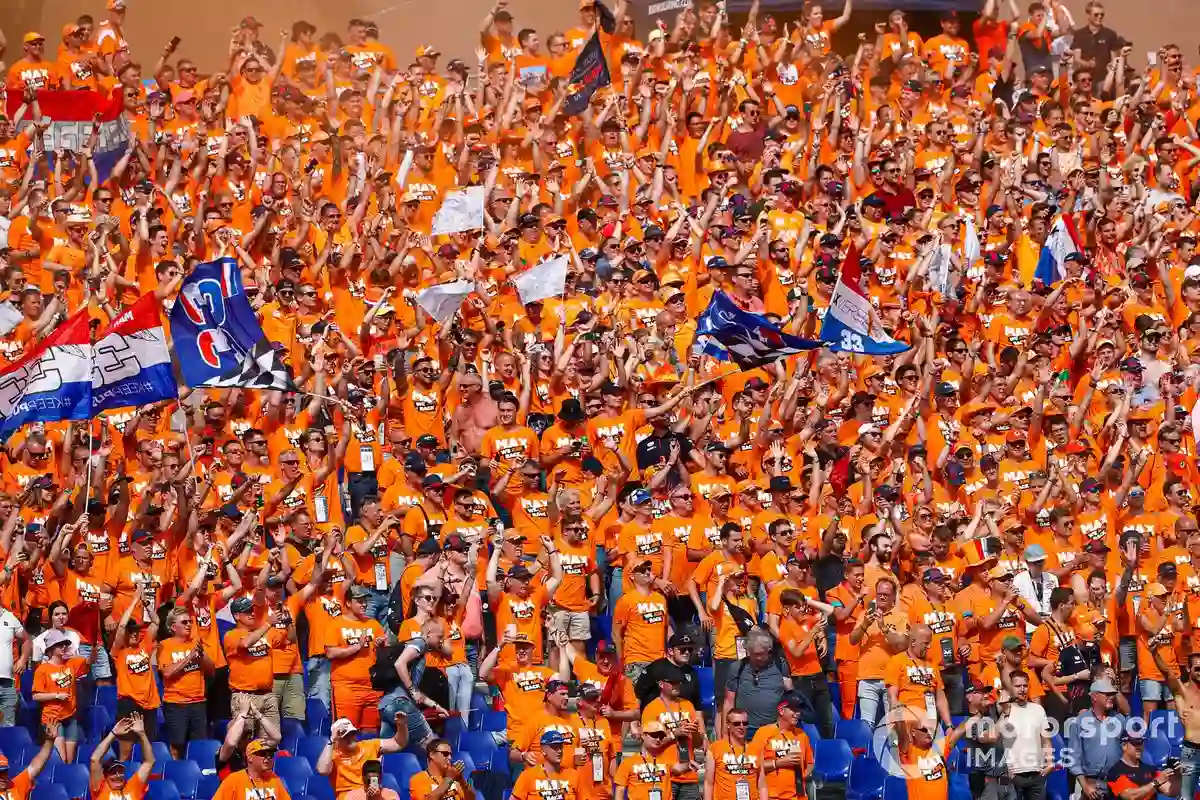
F1 returned to Zandvoort in September 2021, driven largely by the commercial momentum of Max Verstappen’s rise and the so-called “Orange Army” of Dutch fans who turn the grandstands into a sea of orange every August. Now, after five editions, 2026 is confirmed as the circuit’s last scheduled race — Zandvoort exits the calendar for 2027. Consequently, this weekend carries genuine farewell significance, and the organisers have built the event around that emotional weight.
For 2026, Zandvoort hosts an F1 Sprint weekend for the first time in its history. That means Friday is reduced to a single practice session and Sprint Qualifying, Saturday features the Sprint race itself plus full Grand Prix qualifying, and Sunday hosts the main 72-lap race. This compresses the on-track learning time significantly, which matters enormously at a circuit as technical as Zandvoort.
Championship Picture Entering Round 14
The 2026 title fight has tightened considerably. Kimi Antonelli still leads the drivers’ championship after Austria, but George Russell’s victory at the Red Bull Ring cut the Mercedes teammate’s advantage to 40 points. Meanwhile, Lewis Hamilton has climbed to third for Ferrari, putting all three drivers — plus Max Verstappen, who finished second in Austria — firmly inside the conversation heading into the Dutch dunes.
| Pos | Driver | Team | Points | Gap |
|---|---|---|---|---|
| 1 | Kimi Antonelli | Mercedes | 171 | Leader |
| 2 | George Russell | Mercedes | 131 | -40 |
| 3 | Lewis Hamilton | Ferrari | — | Climbing fast |
| 4 | Max Verstappen | Red Bull Racing | — | 2nd in Austria |
In the constructors’ standings, Mercedes has pulled clear at the top with 302 points — a 98-point cushion over Ferrari in second on 204. McLaren sits third and continues applying pressure with consistent podium finishes from Lando Norris and Oscar Piastri, while Red Bull Racing holds fourth on 115 points. Furthermore, Mercedes’ double-podium habit through the season has made the constructors’ battle considerably more one-sided than the drivers’ fight at the front. Read the full F1 2026 championship standings for the complete breakdown across all ten teams.
“Russell converted pole position into his second Grand Prix victory of the season, holding off Verstappen in a tense finish as Antonelli completed the podium.”
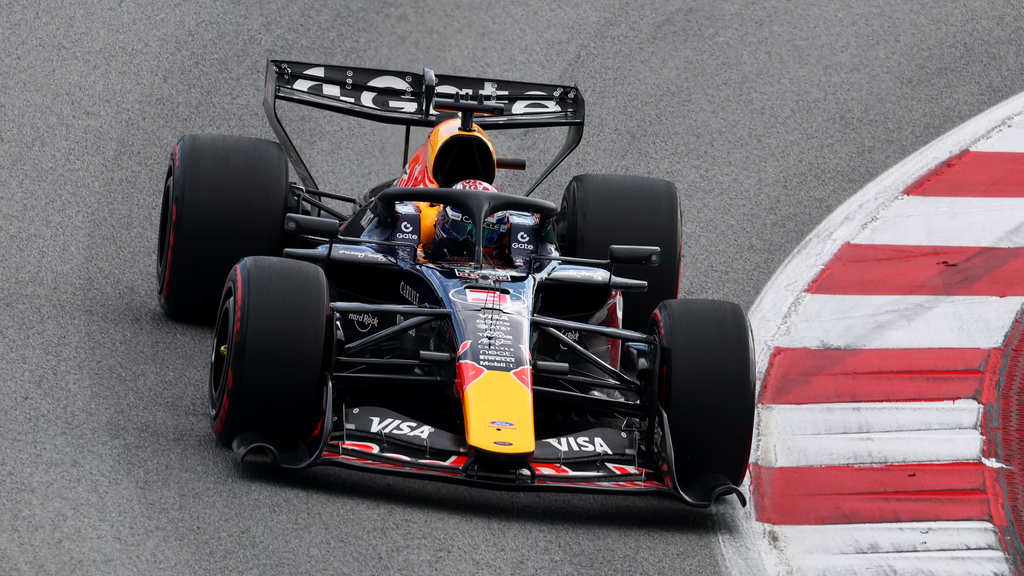
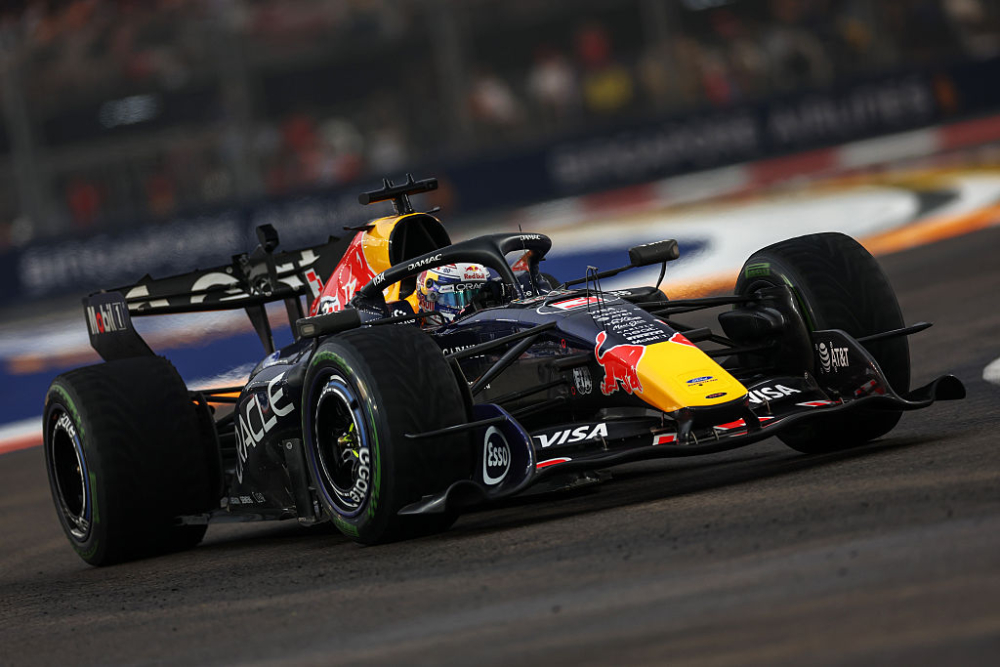
— Austrian Grand Prix race summary, 2026For Verstappen specifically, Zandvoort is more than just another round. As the home favourite and the driver most responsible for the circuit’s return to the calendar in the first place, a strong result here would matter enormously to both the championship fight and the farewell narrative. However, Max crashed out of Q3 in Austria, a reminder that the margins at the front of this grid are razor-thin in 2026’s new technical era. Our piece on Verstappen’s F1 career traces how he became the face of this race.
Full Weekend Schedule — Sprint Format
All times below are Central European Summer Time (CEST / UTC+2), as Zandvoort is in the Netherlands. For BST (UK), subtract one hour. For ET (US East), subtract six hours. For IST (India), add three and a half hours.
Because this is a Sprint weekend, there is only one free practice session instead of the usual three. Friday’s single FP1 session becomes especially important — teams have far less time to find a working setup before Sprint Qualifying locks in Saturday’s grid. Read our guide to how F1 qualifying and Sprint formats work for the full breakdown.
21 August
21 August
22 August
22 August
23 August
The Sprint race covers 24 laps and runs roughly 30 minutes with no mandatory pit stops. The top eight finishers score points, with the winner taking eight. Since the Sprint grid is decided entirely by Friday’s Sprint Qualifying, every minute of track time that weekend genuinely counts. For full timezone conversions and broadcast details, see our guide to watching F1 live.
Circuit Zandvoort — Corner by Corner
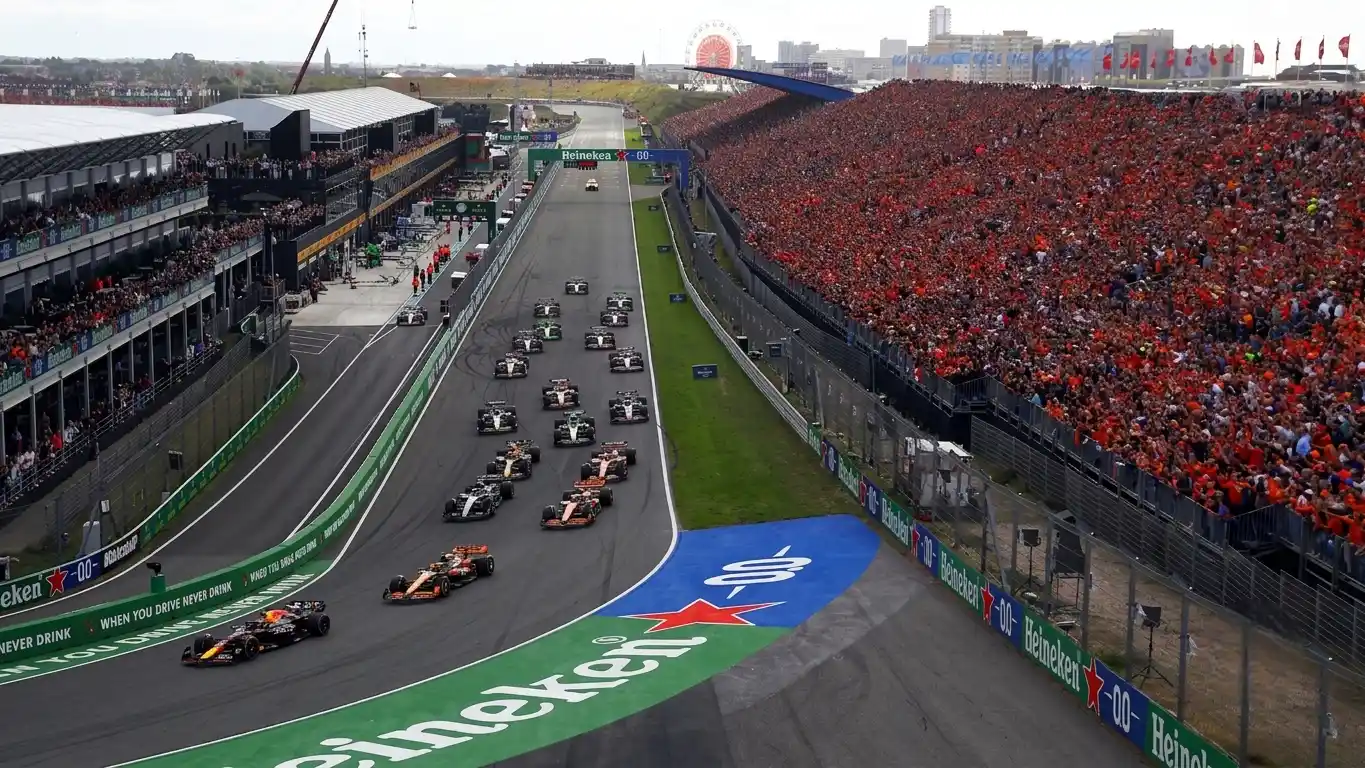
Zandvoort is unlike anywhere else on the calendar. The lap swoops and flows through coastal sand dunes, creating what drivers consistently describe as a “rollercoaster” feel. Unlike the flat street circuits that dominate much of the modern calendar, elevation change here is constant, and the track surface camber works with the cars rather than against them in several key corners.
Tarzanbocht — Turn 1
The opening corner is named Tarzanbocht, a wide, banked hairpin that has produced some of the circuit’s most famous overtaking moments since F1’s return. It is the most reliable passing zone on the lap because the long approach straight allows a genuine run, combined with banking that lets drivers carry serious speed through the apex side by side. Gilles Villeneuve’s famous three-wheeled lap from decades past remains part of circuit folklore here.
Hugenholtzbocht — Turn 3
This banked corner was widened and reprofiled into a parabolic shape for F1’s 2021 return specifically to allow two cars to run side by side at matching speed. Consequently, it has become one of the more technically demanding sections of the lap — drivers carry significant lateral load through here, and getting the entry wrong compromises the following sector substantially.
Arie Luyendijkbocht — Turn 14, The Final Corner
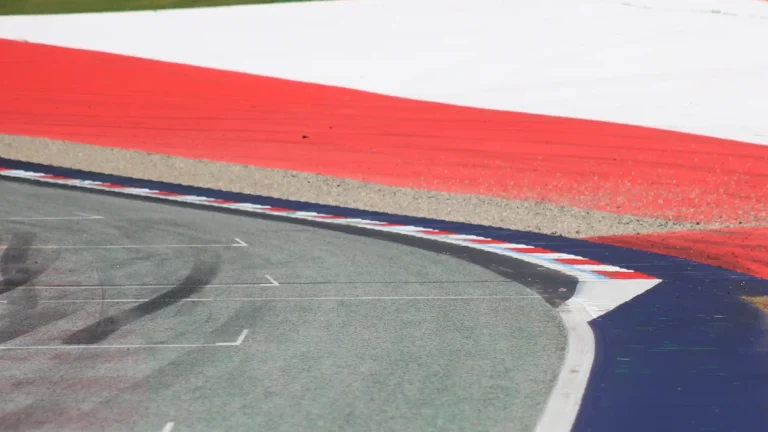
The most famous engineering feature of the modern circuit. The final corner is banked at 18 degrees, which actually exceeds the banking angle of the equivalent corner at the legendary Indianapolis Motor Speedway. This allows drivers to carry remarkable minimum speed onto the start-finish straight, which has a direct knock-on effect for DRS overtaking attempts into Tarzanbocht on the following lap. For more on how banking and downforce interact, our downforce explainer covers the underlying physics.
Zandvoort has two DRS zones, but the main straight into Tarzanbocht is genuinely the only reliable overtaking opportunity on the lap. The second zone, on the approach to the final sector, helps marginally but rarely produces a clean pass on its own.
Zandvoort’s width — particularly through the middle sector — is genuinely tight by modern F1 standards. Combined with minimal run-off in several corners, this punishes small errors far more severely than wider, modern street circuits.
At just 4.259 km, Zandvoort ranks among the shortest circuits on the calendar. This compact length means fans positioned trackside see cars pass far more frequently than at longer venues like Spa or Silverstone. Lewis Hamilton holds the current race lap record at the circuit, set at 1:11.097 during a previous visit — a benchmark this weekend’s qualifying runners will be chasing hard given the Sprint format compresses practice time. For broader context on how circuits are designed and rated, see our guide to how laps are counted in racing.
Tyre Strategy and the Overtaking Problem
Zandvoort presents a genuine strategic puzzle. The narrow track width and limited DRS opportunities mean track position is worth more here than at almost any other circuit on the calendar. Consequently, teams have historically prioritised qualifying performance and early pit-stop timing over aggressive late-race tyre gambles, because overtaking once a driver is stuck in dirty air is exceptionally difficult.
Pirelli typically brings its harder compound range to Zandvoort given the abrasive, sandy track surface and the high lateral loads through the banked corners. A one-stop strategy has been the dominant approach in recent editions, with the undercut at Tarzanbocht proving more valuable than attempting to pass on pure pace later in a stint. Our explainer on the undercut and overcut in F1 covers exactly why track position matters so much here.
Because the circuit is so narrow and DRS opportunities are limited to essentially one zone, a driver who loses track position through an early pit stop often cannot recover it through pace alone. This means qualifying position correlates more strongly with final race result at Zandvoort than at most other 2026 venues. Teams that nail Friday’s single practice session and Sprint Qualifying typically carry that advantage straight through to Sunday.
Furthermore, weather adds another layer of complexity. Zandvoort’s coastal location means conditions can shift quickly — a sudden North Sea shower has disrupted qualifying sessions in previous editions, and teams must build contingency planning for wet-weather Sprint Qualifying into their preparation given the reduced practice time available this year.
Championship Contenders to Watch
Kimi Antonelli — Defending the Lead
Antonelli arrives at Zandvoort still leading the championship despite a quieter Austrian weekend that saw teammate Russell take victory. The rookie-turned-title-contender has shown consistent points-scoring across the season, and a circuit that rewards clean qualifying laps over outright straight-line speed could suit his measured approach. However, the compressed Sprint weekend practice time removes some of the margin for error he has previously relied on.
George Russell — Momentum on His Side
Russell’s Austrian win has clearly shifted momentum his way, cutting the championship gap to 40 points. His pole-to-win conversion in Spielberg, even amid a yellow-flag investigation that ultimately cleared him, demonstrated race-craft under pressure. Zandvoort’s emphasis on qualifying position plays directly into Mercedes’ current form advantage.
Lewis Hamilton — Climbing at the Right Time
Hamilton’s move into third in the standings, despite a fifth-place finish in Austria, reflects Ferrari’s broader consistency through the season. Hamilton has previously described Ferrari’s fix to fully catch Mercedes as still “a while” off, but Zandvoort’s technical, low-speed-heavy middle sector has at times favoured Ferrari’s chassis characteristics in recent seasons. Our all-time greats list places Hamilton’s championship pedigree in full context.
Max Verstappen — The Home Crowd Factor
No driver carries more weight at this circuit than Verstappen. The Dutchman’s connection to Zandvoort’s return to the calendar is well documented, and a strong result in what may be the final running of his home race would resonate deeply with the orange-clad grandstands. His Austrian crash from Q3 is a reminder that 2026’s tighter margins have made even the championship’s most decorated current driver vulnerable to mistakes. Read about Red Bull Racing’s 2026 campaign for the team’s broader season context.
“The Zandvoort track swoops and flows through the sand dunes, creating a rollercoaster-like feel to the lap.”
— Formula1.com circuit guideBeyond the top four, McLaren’s Lando Norris and Oscar Piastri remain firmly in constructors’ contention and cannot be discounted from individual race wins. Both have scored consistently through 2026, and McLaren’s third-place constructors’ position reflects genuine pace across a range of circuit types. Furthermore, the narrow midfield battle behind the top teams means a strong Zandvoort weekend could meaningfully reshape positions five through ten in the drivers’ standings.
Dutch Grand Prix 2026 Predictions
Given Zandvoort’s emphasis on track position and Mercedes’ current form, the smart money points toward another strong Mercedes weekend — though the compressed Sprint schedule introduces more variance than usual. Russell’s momentum from Austria, combined with Mercedes’ constructors’ dominance this season, makes the silver cars the favourites for both Sprint pole and Sunday’s Grand Prix pole position.
Russell’s Austrian pole-to-win conversion and Mercedes’ constructors’ lead make him the favourite for Saturday’s qualifying, with Antonelli the closest threat from the same garage.
Track position dominance at Zandvoort favours whichever Mercedes driver starts highest. However, Verstappen’s home-race motivation and Hamilton’s recent form make a non-Mercedes win genuinely plausible.
Therefore, the most likely outcome is a Mercedes one-two or a tight Mercedes-Ferrari-Red Bull battle for the podium, with the championship gap between Antonelli and Russell narrowing further regardless of which Mercedes driver finishes ahead. Moreover, given the historic farewell context of this race, expect heightened emotional stakes from Verstappen and the home crowd — a factor that has occasionally produced surprise results at emotionally charged venues throughout F1 history. Check our upcoming F1 race schedule to see how the title fight develops after Zandvoort.
Frequently Asked Questions
Final Word: A Farewell Worth Watching
The 2026 Dutch Grand Prix arrives carrying more significance than a typical mid-season round. A confirmed farewell, a first-ever Sprint format, and a championship fight that has tightened to within 40 points combine to make this one of the most consequential weekends left on the 2026 calendar. Track position will matter more here than almost anywhere else this season, which puts a premium on every single session — practice, Sprint Qualifying, the Sprint itself, and Saturday’s main qualifying — before a single lap of Sunday’s Grand Prix is run.
Whether Mercedes extends its current dominance, Ferrari’s late-season form continues to build, or Verstappen produces a defining result in front of his home crowd, Zandvoort’s narrow dunes and banked corners are guaranteed to test every team’s adaptability. Furthermore, regardless of who wins, the emotional weight of watching this circuit’s current F1 chapter close will be felt throughout the weekend — by the drivers, the teams, and especially the orange-clad grandstands that helped bring this race back to the calendar in the first place.
Sources & Further Reading
All schedule details, circuit specifications, and championship standings in this article are drawn from official Formula 1 sources, FIA documentation, and established motorsport publications. Key external references: