Street Circuit vs Permanent Circuit in F1: Key Differences Explained
How public roads and purpose-built tracks change grip, setup, barriers, overtaking, tires, strategy, event construction and the risks drivers accept every lap.
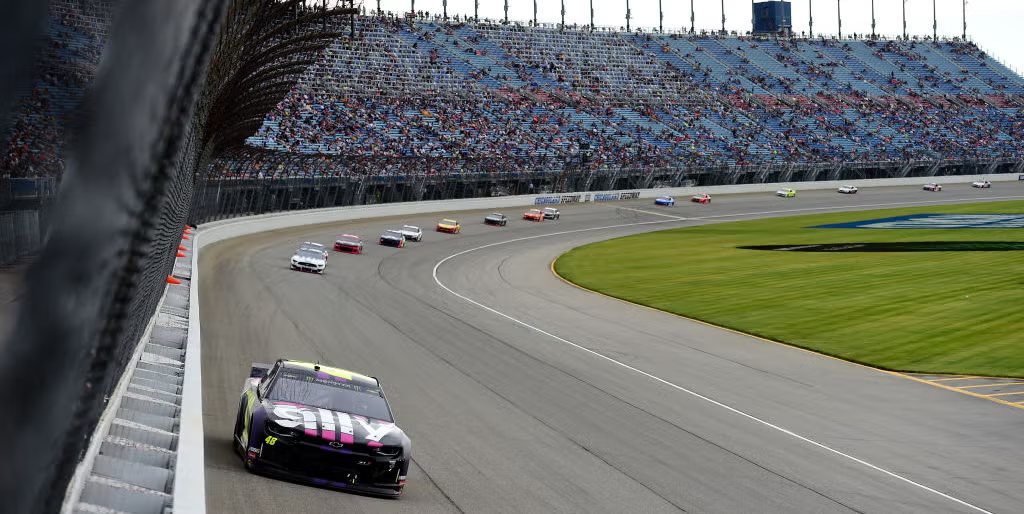
A street circuit uses public roads or temporary paved areas converted for racing. A permanent circuit is a dedicated motorsport facility. Street tracks usually have close walls, changing grip and limited runoff. Permanent tracks generally provide wider layouts, stable surfaces and purpose-built safety infrastructure.
The street circuit vs permanent circuit debate is not simply about walls versus grass. Each format changes the entire race weekend.
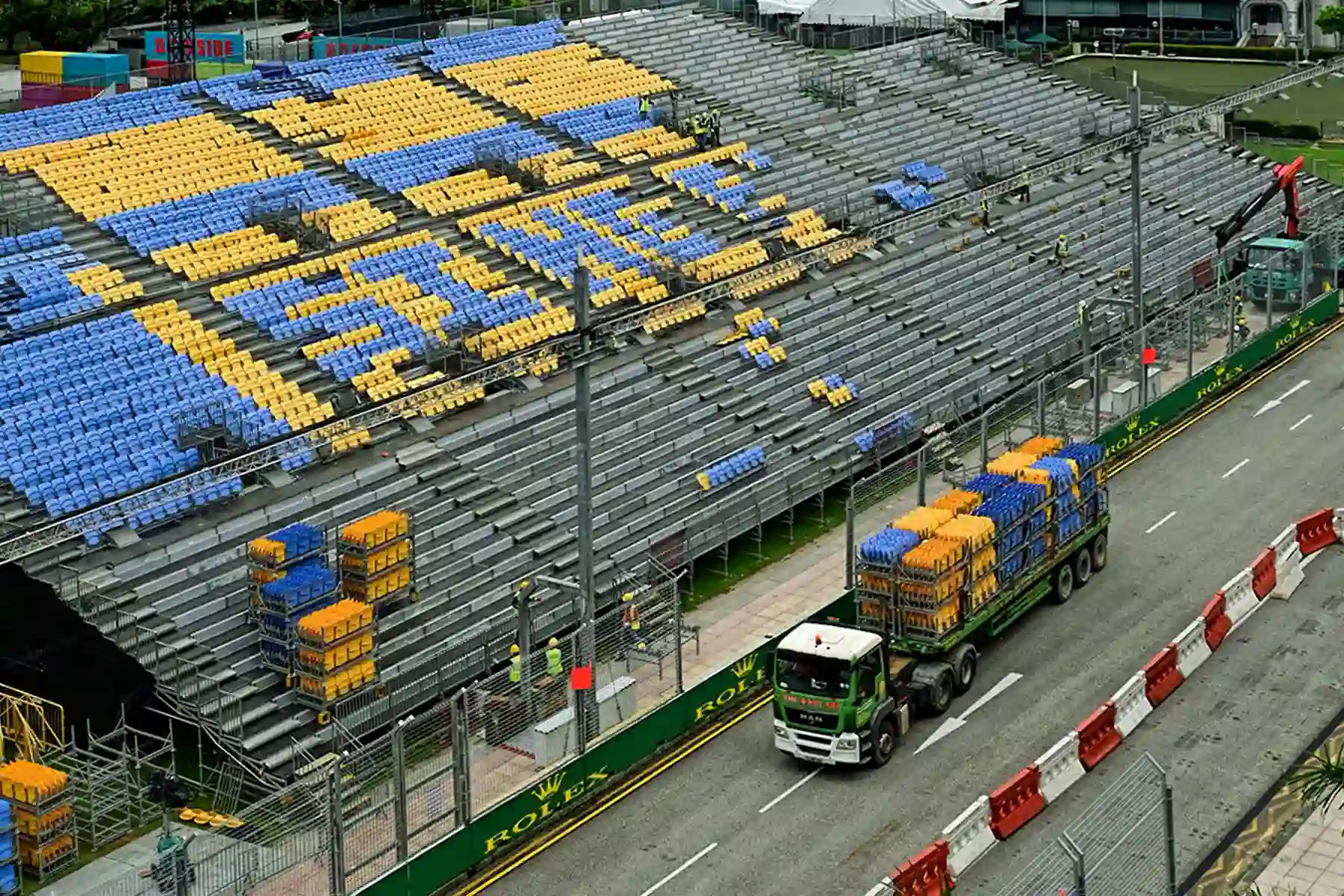
Street tracks begin as roads, parking areas or city spaces. Crews then add barriers, fencing, curbs, lighting, marshal posts and temporary grandstands.
Permanent circuits begin with racing as their main purpose. Designers can shape corner radius, runoff, pit entry and spectator areas around competition.
However, modern Formula 1 includes several hybrids. Singapore has public-road sections and permanent pit buildings.
Miami is temporary, yet it sits inside a controlled stadium complex. Melbourne uses roads through Albert Park rather than a dense downtown grid.
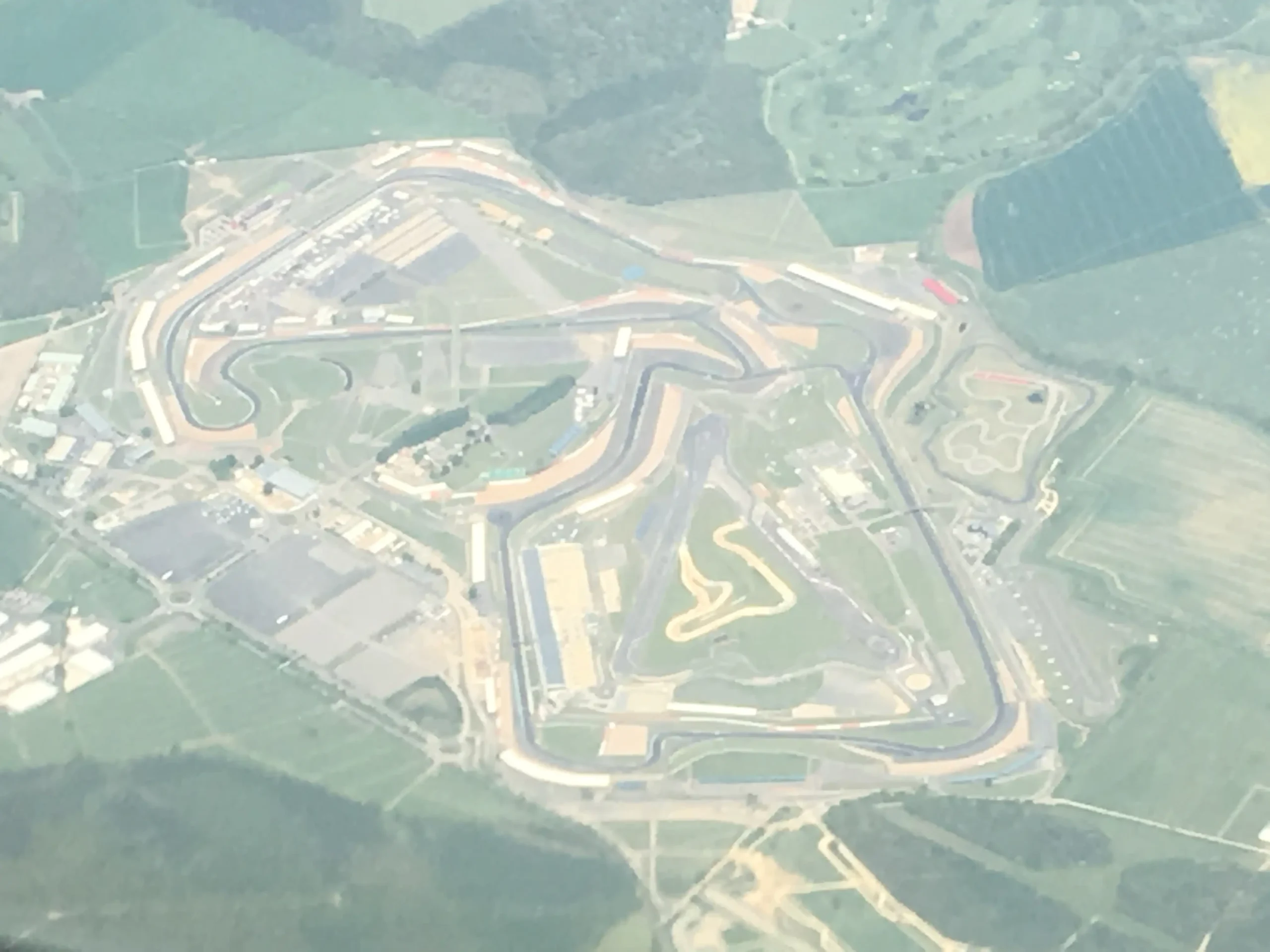
Therefore, the categories form a spectrum. Monaco sits near the pure street-circuit end, while Silverstone represents the traditional permanent track.
The differences reach the car as well. Street circuits often require higher ride height and softer suspension.
Meanwhile, permanent tracks can support stiffer platforms and greater high-speed aerodynamic load.
Qualifying also changes value. One grid position can be decisive when passing space is limited.
Strategy responds to the same geometry. A Safety Car may reduce pit loss, while a narrow layout can make fresh tires less useful.
This guide compares the two circuit types across design, safety, setup, tires, overtaking, operations and fan experience.
What Is an F1 Street Circuit?
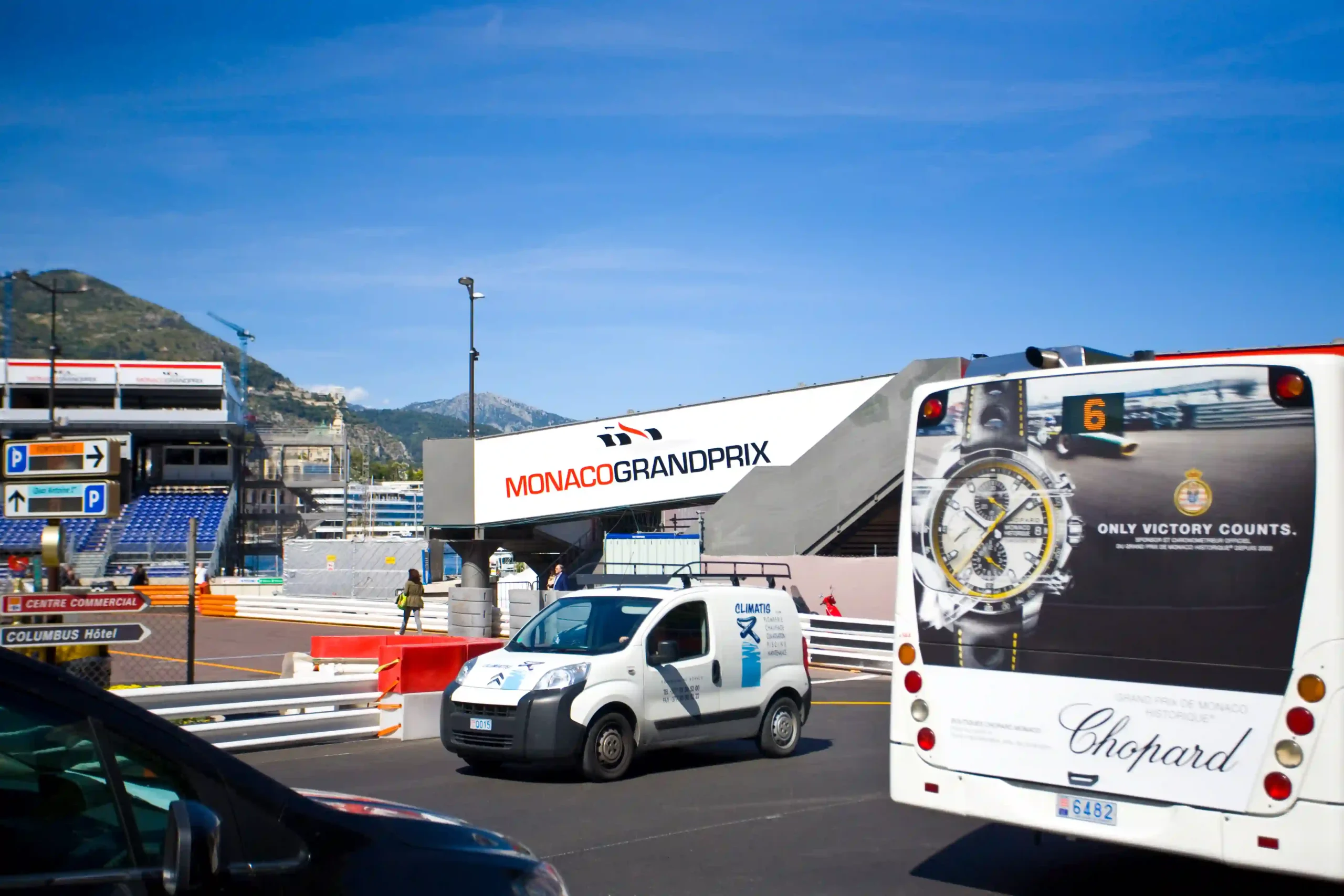
An F1 street circuit is a temporary racing venue built mainly from public roads or urban paved areas. Organizers close the route, install FIA-approved barriers and fencing, create controlled pit and paddock zones, and return much of the area to normal use after the event.
The official Formula 1 glossary describes street circuits as public roads in a city or park that close temporarily for racing.
Monaco is the clearest example. The circuit runs through Monte Carlo and La Condamine around the harbor.
Baku uses a very different street-track formula. Its layout combines a long, wide waterfront straight with an extremely narrow old-city section.
Singapore races around Marina Bay at night. Public roads connect with permanent event infrastructure.
Las Vegas uses major city roads, including a long section of the Strip. Therefore, it produces much higher average speeds than Monaco.
What Makes a Circuit a Street Circuit?
The defining feature is the normal function of the surface. The route serves public or urban use outside the race event.
Barriers and race systems arrive temporarily. Some pit buildings, lighting or service roads may remain permanent.
Are All Street Circuits in City Centers?
No. Melbourne runs through Albert Park, while Miami surrounds a stadium complex.
Both create a temporary race venue. However, their surroundings differ from Monaco’s dense urban streets.
Why Does Formula 1 Use Street Tracks?
They place the sport inside major destinations. The skyline becomes part of the event’s identity.
Moreover, city races can reach fans who may not travel to a remote permanent circuit.
What Is a Permanent F1 Circuit?
A permanent F1 circuit is a dedicated motorsport facility with a fixed racing surface, permanent pit buildings, race-control systems, medical facilities, service roads and spectator areas. It can host racing, testing and other events throughout the year.
Silverstone, Suzuka, Monza and Circuit of The Americas are purpose-built or permanently developed race venues.
Spa-Francorchamps began from public roads. However, the modern 7.004-kilometer circuit operates as a permanent closed facility.
History therefore complicates classification. A track’s origin may differ from its current operation.
Does Permanent Mean the Layout Never Changes?
No. Permanent tracks often receive new corners, resurfacing and safety upgrades.
Silverstone has changed repeatedly since 1950. Yet its racing surface remains part of a dedicated facility.
Can Permanent Tracks Host Other Racing?
Yes. They often run national championships, endurance races, motorcycles, track days and testing.
This year-round use helps maintain infrastructure. It also puts more rubber and wear into the surface.
Are Permanent Circuits Always Purpose-Built From Day One?
No. Silverstone developed from a former airfield. Spa evolved from an older road course.
The modern classification concerns how the venue functions now, not only how it began.
Street Circuit vs Permanent Circuit: Quick Comparison
| Feature | F1 Street Circuit | F1 Permanent Circuit |
|---|---|---|
| Normal use | Public road, park road, parking area or city space | Dedicated motorsport facility |
| Construction | Large temporary build before each event | Infrastructure remains in place year-round |
| Surface | Often bumpy, patched and shaped for road drainage | Usually laid and maintained for racing |
| Barriers | Walls and debris fencing sit close to the racing line | More space for runoff, gravel and layered barriers |
| Track width | Controlled by existing streets and structures | Can be designed around racing lines and overtaking |
| Grip evolution | Often begins low and changes rapidly | More predictable, though weather and support races still matter |
| Car setup | Higher ride height, softer suspension, traction focus | Stiffer platform and aero efficiency where the layout permits |
| Overtaking | Can be limited by width, but Baku and Las Vegas are exceptions | Usually more line choice and purpose-built braking zones |
| Incident recovery | Limited access can require Safety Car or red flag | Service roads and runoff can support quicker recovery |
| Spectator setting | City landmarks, temporary stands and close urban atmosphere | Permanent grandstands, viewing banks and established access |
The important exception: street tracks are not always slow, and permanent tracks are not always easy to pass on. Baku is a high-speed street circuit, while Suzuka is a permanent track where overtaking can remain difficult.
How Public Roads Become a Formula 1 Circuit
Organizers inspect and repair the road, secure drains and street furniture, install barriers and fencing, build marshal posts, create pit and paddock areas, add timing and communication systems, test medical access, and obtain FIA approval before cars run.
A street circuit is a major engineering project hidden inside a temporary event.
The work begins long before race week. Designers map road crown, drainage, intersections, buildings and underground services.
Crews then repair weak asphalt and remove hazardous street furniture. Covers, drains and access panels need secure treatment.
Next, workers install concrete barriers, energy-absorbing systems and debris fencing. Every opening must support controlled access.
Why Does the Build Take So Long?
The track is only one part. Organizers also need power, television compounds, medical centers and crowd routes.
Meanwhile, the city must continue operating. Therefore, installation often happens in stages.
What Happens After the Race?
Temporary fencing, stands and barriers come down. Roads reopen after safety checks and cleaning.
Some hardware remains stored locally for the next event. Permanent pit buildings may stay active year-round.
Why Are Street Events Expensive to Organize?
Temporary equipment must be installed, inspected and removed every year. Road closures also affect transport and business access.
In addition, night events need large lighting systems. Singapore turned darkness into part of the spectacle, but the infrastructure is substantial.
How Layout Design Differs
Permanent circuits begin with open land or a controlled site. Designers can choose where the racing line should go.
Street circuits must work around existing roads, buildings, bridges and intersections.
Street Layouts Inherit the City Grid
Many street tracks contain 90-degree corners because city blocks create them.
These corners test braking and traction. However, repeated right angles can reduce rhythm.
Baku breaks that pattern with its long waterfront acceleration zone and fast final sector.
Permanent Layouts Can Shape Corner Sequences
Suzuka’s Esses were designed as a connected sequence. Silverstone’s Maggotts-Becketts complex creates rapid direction changes.
That freedom allows natural elevation, camber and corner progression.
Why Are Street Circuits Usually Narrower?
Buildings, sidewalks and harbor edges define the available space.
Organizers cannot simply move a hotel or historic wall. Therefore, some sections remain exceptionally tight.
Monaco’s hairpin also demonstrates another limit. Modern F1 cars need extreme steering lock to turn through it.
Why Do Permanent Tracks Have More Runoff?
Dedicated land creates space outside the corner. Designers can place gravel, asphalt and barriers farther from the racing line.
Street tracks often have no equivalent space. The wall becomes the practical circuit boundary.
Why Street Circuits Are Bumpier and Lower Grip
Public roads are built for normal traffic, drainage and utility access rather than low, stiff racing cars. They contain crowns, patches, painted lines, drain covers and surface changes. Permanent tracks use racing-focused paving and can control smoothness more closely.
Roads need to shed rain toward drains. Therefore, they often rise at the center and fall toward the edges.
A Formula 1 car crosses that crown while braking or turning. The load changes beneath the tires.
Painted road markings can also change grip. White lines and crosswalk paint become especially difficult when wet.
Why Does Grip Start Low?
Normal traffic does not lay racing rubber in the Formula 1 line. Dust, oil and city residue remain on the surface.
Practice sessions clean the road and deposit rubber. Consequently, lap times can improve quickly.
Do Permanent Circuits Always Have High Grip?
No. A new resurfacing can be slippery, oily or unusually smooth.
Wind can carry sand onto desert circuits. Rain can also wash away rubber.
Still, permanent facilities usually provide a more controlled baseline.
What Is Track Evolution?
Track evolution is the change in grip as cars clean and rubber the surface.
It exists everywhere. However, it can be more dramatic on a temporary street circuit.
This is one reason qualifying timing matters. A later lap may gain from a cleaner, faster surface.
Our guide to grip in motorsport explains the tire-surface relationship.
Concrete Walls, Runoff and FIA Grade 1 Safety
Street circuits are less forgiving because barriers sit close and recovery space is limited. However, both types must meet FIA Grade 1 standards for Formula 1. Safety depends on speed, barrier design, runoff, sightlines, medical access and the specific corner.
Formula 1 does not license a street track simply because the city wants a race.
The FIA reviews the layout, barriers, debris fencing, medical facilities, pit lane and operational systems.
Permanent circuits must meet the same Grade 1 requirement. The solution, though, can look different.
Why Do Street Circuits Use Concrete Barriers?
Concrete provides a strong, compact boundary where space is limited.
Modern installations may add energy-absorbing elements at high-risk points. Debris fencing protects spectators and officials.
Why Are Mistakes More Expensive?
A driver cannot run wide across grass and rejoin. Even a small lock-up can damage a front wing.
Moreover, contact may block the track. Race Control then needs a Safety Car or red flag.
Permanent Runoff Gives Drivers More Recovery Options
Asphalt runoff can slow a car while allowing control. Gravel can trap the car and absorb energy.
However, more runoff does not remove risk. High-speed permanent corners can create very large impact energy.
Our guides to gravel traps and what causes racing crashes cover those safety tradeoffs.
How F1 Car Setup Changes Between Circuit Types
Street-track setups usually prioritize traction, compliance, steering response and stability over bumps. Teams often raise ride height and soften suspension. Permanent-track setups can use a stiffer aerodynamic platform, although the final choices depend on corner speed and straight length.
The label “street circuit” does not automatically mean maximum downforce. Baku needs straight-line efficiency.
Likewise, permanent Monaco-style setups do not exist because no permanent track copies Monaco’s exact demands.
Engineers therefore start with the surface and corner profile rather than the category name.
Street bumps and crowns often require more clearance to protect the floor.
Softer settings help the tires follow uneven asphalt and curbs.
Monaco needs maximum load, while Baku trades downforce against its long straight.
Tight corners require rapid response and, at Monaco, exceptional steering lock.
Repeated low-speed stops increase heat, while walls can restrict clean airflow.
Teams tune power delivery for low-speed exits and changing grip.
Why Raise the Car on a Street Circuit?
The floor produces much of the car’s downforce. It also sits close to the road.
A sharp bump can cause bottoming or disturb airflow. Therefore, extra ride height protects stability.
Why Use Softer Suspension?
A stiff car can skip across bumps. The tire then loses contact and grip.
Softer settings improve compliance. However, they can weaken aerodynamic platform control.
Do Street Circuits Always Use Maximum Downforce?
No. Monaco and Singapore lean toward high downforce.
Baku requires a compromise because the main straight rewards low drag. Las Vegas also emphasizes straight-line speed.
Our guides to downforce, bottoming out and car handling explain the setup effects.
Tire Warm-Up, Degradation and Track Evolution
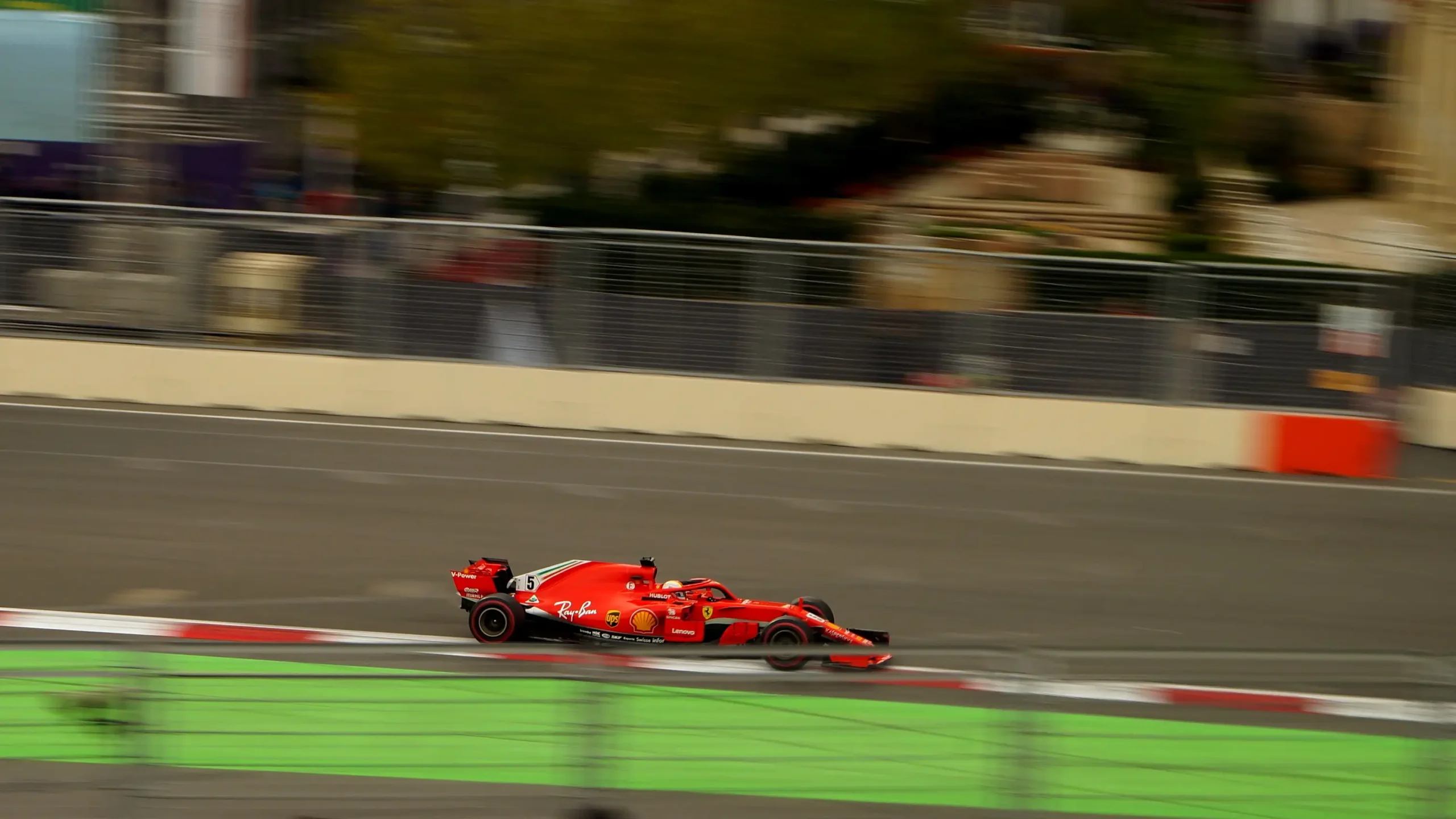
Street circuits often begin the weekend with a green surface. Tire warm-up can therefore become difficult.
However, low-speed corners create traction demand. Rear temperatures may rise even when the fronts remain cool.
Why Can Front-Tire Warm-Up Be Difficult?
Slow corners generate less sustained aerodynamic load than fast bends.
The front tires may not receive enough energy before a qualifying lap. Drivers then weave and brake aggressively.
Do Street Circuits Always Have Low Tire Wear?
No. Surface roughness, heat and corner count can increase wear.
Singapore’s humidity and repeated traction events create a different demand from smooth, cool Las Vegas asphalt.
Permanent Circuits Can Load Tires More Heavily
Long high-speed corners produce sustained lateral force. Silverstone heavily loads the front-left tire.
Suzuka and Spa also create large aerodynamic loads. Therefore, tire construction and pressure become critical.
Why Do Marbles Matter More Near Walls?
Used rubber collects away from the racing line. At a street circuit, that dirty area may sit directly beside a barrier.
An attacker has less grip and less recovery room at the same time.
Our guide to F1 tire marbles explains the off-line penalty.
Are Permanent Circuits Better for Overtaking?
Permanent circuits often provide more width, several racing lines and purpose-built braking zones. However, the layout matters more than the category. Baku and Las Vegas can produce strong street-circuit overtaking, while fast permanent tracks such as Suzuka may remain difficult for following cars.
Overtaking needs a complete sequence. The following driver must stay close through the previous corner.
Then the car needs traction, acceleration distance and a meaningful braking zone.
Permanent designers can shape those elements together. Street designers must use the roads available.
Why Is Monaco So Difficult?
The track is narrow, and the straights are short. Several corners have only one practical line.
In addition, the cars are long and wide. Even a speed advantage may not create physical space.
Why Is Baku Different?
Baku’s waterfront straight creates a long slipstream opportunity.
The Turn 1 braking zone is also wide. Therefore, cars can arrive side by side or even three abreast.
Why Can Permanent Tracks Still Be Processional?
Fast corner sequences generate dirty air. The trailing car loses front downforce and falls back.
A long straight cannot always recover that loss. Suzuka demonstrates the problem.
How Did the 2026 Rules Change the Passing Tool?
Overtake Mode replaced DRS in 2026. Eligible following drivers receive an additional electrical deployment profile.
The geometry still matters. Extra power cannot create track width or a missing braking zone.
Our guides to slipstreaming and clean and dirty air explain why some straights work better than others.
Why Qualifying Matters More on Street Circuits
Street circuits often restrict overtaking through narrow width, close walls and one dominant racing line. Starting near the front protects track position, reduces traffic exposure and lets a driver control strategy. One qualifying error can therefore define the entire weekend.
Qualifying always matters. However, the penalty for a low grid position changes by circuit.
At Monaco, a faster car can remain trapped behind a slower rival. Tire advantage alone may not solve the problem.
At Silverstone, several braking zones and broader corners provide more recovery opportunities.
Street Qualifying Demands Confidence
Grip improves throughout the session. Drivers must push closer to walls on every run.
A small mistake can end the session and trigger repairs. Therefore, confidence builds gradually.
Traffic Creates Another Risk
Short laps and narrow roads can create congestion. Slow cars preparing tires may block faster laps.
Teams need accurate gap management. Our guide to how F1 qualifying works explains the session format.
Grid Position Shapes the First-Lap Risk
Starting near the front reduces exposure to midfield contact.
However, pole does not guarantee safety. A poor launch can still create a crowded Turn 1.
Read our guide to grid position in racing for the strategic value of starting order.
How Race Strategy Changes
A street circuit can make track position more valuable than fresh tires.
A permanent circuit with several passing zones may reward an aggressive extra stop.
The Undercut Is Powerful When Passing Is Difficult
A driver pits first and uses fresh tires to gain lap time.
If the rival rejoins behind, the position changes without an on-track pass.
However, tire warm-up can weaken the undercut on a smooth street surface.
Overcut Opportunities Depend on Warm Tires
The driver staying out uses tires already at temperature.
If the new tires need time to warm, one extra lap can create an advantage.
A Safety Car Can Transform Pit-Lane Loss
The field slows behind the Safety Car. Consequently, a pit stop costs less relative time.
Street races often encourage teams to consider this possibility because recovery may require neutralization.
Fresh Tires Need Passing Space
A two-stop strategy fails when the driver cannot overtake.
Therefore, teams may extend a one-stop plan even when the tires lose pace.
Our guides to the undercut and overcut and pit-stop strategy explain the timing battle.
Street-track strategy is often a contest between lap time and physical position. The faster tire plan means little when the car rejoins behind a rival it cannot pass.
Why Street Circuits Often Need Safety Cars or Red Flags
Close walls leave less room for damaged cars and debris. Recovery vehicles may also need access to the racing surface. As a result, an incident that local yellow flags could handle at a permanent track may require a Safety Car or red flag on a street circuit.
This is a structural tendency, not a guarantee. A clean street race can run without major neutralization.
Meanwhile, a permanent circuit can produce several Safety Cars after crashes or weather changes.
Blocked Track Space Matters
A stopped car may occupy much of a narrow road. Drivers cannot safely pass at speed.
Debris also stays close to the racing line because there is little runoff.
Recovery Access Is More Complicated
Permanent circuits use service roads behind barriers. Recovery crews can reach many incidents without entering the track.
Street circuits may have fewer access routes. Therefore, Race Control may neutralize the field.
Barrier Repairs Can Cause Red Flags
A heavy impact can move a barrier or damage fencing.
Officials must restore the safety system before racing resumes. A red flag provides the necessary working time.
Our guide to F1 Safety Car and VSC rules explains the neutralization options.
Temporary, Semi-Permanent and Hybrid F1 Circuits
Yes. Singapore combines public roads with permanent pit facilities. Miami is a temporary circuit inside a stadium complex, while Melbourne uses public park roads. Modern venues often mix permanent infrastructure with temporary racing sections.
The street-versus-permanent label is useful. However, it cannot describe every venue precisely.
Singapore
Marina Bay is a temporary street track. Yet it includes a permanent pit complex.
The venue therefore reduces some yearly construction while preserving the city-road character.
Miami
The Miami International Autodrome is temporary. It does not mainly use normal downtown streets.
Formula 1 describes it as a temporary circuit designed to have a permanent feel.
Melbourne
Albert Park uses roads within a public park. The setting offers more space than Monaco.
Therefore, it feels faster and more open than a dense city-center street course.
Spa’s Historical Complication
The original Spa circuit used public roads between towns.
The current shortened layout is a permanent racing facility. History and modern classification therefore differ.
Monaco vs Silverstone: The Clearest Comparison
| Category | Monaco Street Circuit | Silverstone Permanent Circuit |
|---|---|---|
| 2026 length | 3.337 km | 5.891 km |
| Corner character | Slow, tight, bumpy and highly confined | Fast, flowing and aerodynamically demanding |
| Boundary | Armco and concrete barriers close to the car | Runoff, gravel and barriers beyond the track edge |
| Main setup goal | Maximum downforce, traction and mechanical compliance | High-speed balance and aerodynamic efficiency |
| Overtaking | Extremely difficult because of space | Possible in several braking zones |
| Qualifying value | Exceptionally high | Important, but race recovery is more realistic |
| Driver risk | Small errors create immediate wall contact | Higher corner speeds create large loads and impact energy |
| Spectator identity | Harbor, buildings and close city atmosphere | Permanent grandstands, open views and motorsport campus |
Monaco Tests Precision
The circuit offers almost no rest. Drivers thread the car between barriers for 19 corners.
In 2026, Straight Mode was not used there for safety reasons. The wings remained in their maximum-downforce configuration.
Silverstone Tests Commitment
Silverstone’s fast sequences load the car and driver heavily.
Maggotts and Becketts reward rhythm. Brooklands creates a major braking and overtaking opportunity.
Which Is Harder?
Monaco punishes small placement errors. Silverstone punishes lost confidence at much higher speed.
Therefore, the difficulty is different. A complete Formula 1 driver must master both.
Baku, Singapore and Las Vegas Show Why Street Tracks Differ
Street circuits do not share one performance profile.
Baku rewards low drag. Singapore demands downforce, traction and physical endurance.
Las Vegas combines cold night conditions with long straights and heavy braking.
Baku: The Setup Compromise
The old-city section needs downforce and confidence. The waterfront straight rewards top speed.
Consequently, teams must decide where they can afford to lose lap time.
Singapore: The Traction and Endurance Test
The Marina Bay surface is bumpy, and the climate is humid.
Repeated braking and acceleration create heat. Track evolution also changes rapidly under the lights.
Las Vegas: A High-Speed Street Circuit
The layout proves that a street circuit can resemble Monza in average-speed character.
However, the road surface and night temperatures create very different tire behavior.
Advantages and Disadvantages of F1 Street Circuits
Street-Circuit Advantages
- Distinctive city setting and recognizable landmarks
- Close barriers create an intense driver challenge
- Rapid grip evolution adds uncertainty
- Incidents can produce strategic variation
- The event reaches fans inside a major destination
Street-Circuit Disadvantages
- Road width can restrict overtaking
- Temporary construction is complex and expensive
- Road closures disrupt local transport
- Recovery access and runoff are limited
- One racing line may become dominant
Advantages and Disadvantages of Permanent F1 Circuits
Permanent-Circuit Advantages
- Purpose-built width and corner geometry
- Permanent medical, pit and race-control facilities
- More runoff and recovery-road options
- Year-round racing and testing activity
- Established spectator access and viewing areas
Permanent-Circuit Disadvantages
- Some venues sit far from major cities
- Large runoff can reduce the visual consequence of mistakes
- A poor purpose-built layout can still produce weak racing
- High-speed corners create severe tire and impact loads
- Atmosphere depends heavily on crowd and circuit history
Which Circuit Type Produces Better Formula 1 Racing?
Neither type wins automatically. Permanent circuits usually offer more design freedom and overtaking space. Street circuits often create greater tension and strategic uncertainty. Race quality depends on corner sequence, width, tire behavior, passing zones and the competitive field.
A well-designed permanent circuit can combine several racing lines with high-speed challenge.
A well-designed street circuit can create long straights, heavy braking and dramatic consequences.
However, a poor version of either type can produce a procession.
Permanent Tracks Usually Offer More Natural Raceability
Designers control entry width, apex shape and runoff. They can connect a clean exit to a long straight.
That freedom gives permanent tracks an advantage. It does not guarantee success.
Street Tracks Create Pressure That Permanent Tracks Cannot Copy
The wall remains visible in the driver’s peripheral vision. There is no harmless extra meter.
Consequently, qualifying laps feel more dramatic. Strategy also carries greater track-position pressure.
The Best Calendar Needs Both
Formula 1 should test different skills. Monaco and Baku ask questions that Silverstone cannot.
Silverstone and Suzuka demand speeds and corner combinations that city roads cannot safely provide.
Variety gives the championship technical depth.
Street Circuit vs Permanent Circuit in F1 FAQs
What is the difference between a street circuit and a permanent circuit in F1?
A street circuit uses public roads or temporary paved areas. A permanent circuit is a dedicated racing facility with fixed track and infrastructure.
Are street circuits harder than permanent circuits?
Street tracks are less forgiving because walls sit close. Permanent tracks can be harder at high speed. The challenge is different rather than universally greater.
Why is qualifying so important on F1 street circuits?
Narrow width and limited overtaking make track position valuable. Starting near the front also reduces traffic and first-lap incident exposure.
Can an F1 circuit be partly street and partly permanent?
Yes. Singapore uses public roads with permanent pit facilities, while Miami is a temporary venue designed to feel permanent.
Conclusion: Street and Permanent Circuits Test Different F1 Skills
The street circuit vs permanent circuit in F1 comparison begins with normal use.
A street circuit converts public roads or urban space into a temporary racing venue.
A permanent circuit operates as a dedicated motorsport facility throughout the year.
However, modern Formula 1 includes hybrids. Singapore, Miami and Melbourne sit between simple definitions.
Street surfaces are usually bumpier because they serve traffic and drainage needs.
Consequently, teams often raise ride height and soften suspension.
Permanent tracks offer a more controlled surface. Engineers can use a stiffer platform when the layout supports it.
Street barriers sit close to the racing line. Small errors therefore create immediate damage.
Permanent circuits usually provide more runoff and recovery access.
Yet higher corner speeds can produce greater loads and severe impacts.
Overtaking depends on geometry rather than the label. Baku and Las Vegas prove that street tracks can race well.
Suzuka proves that a permanent circuit can remain difficult for passing.
Qualifying usually carries extra value on narrow street layouts.
Track position can outweigh tire pace when cars cannot pass.
Safety Car timing also changes strategy. A neutralized pit stop may transform the race order.
Street events deliver city atmosphere and close visual drama.
Permanent facilities provide purpose-built corners, established spectator areas and year-round use.
Neither format is automatically better. Each can produce a classic race or a procession.
The best Formula 1 calendar includes both. Drivers should master walls, bumps, high-speed sweepers and open braking zones.
That contrast is the real value of the two circuit types.
Sources and Verification
This article was checked against official FIA and Formula 1 material available on July 23, 2026. This is a static source list and contains no interactive verification feature.