What Does an F1 Team Principal Do?
The team principal must connect racing, engineering, finance, drivers, sponsors and politics while accepting responsibility for everything that reaches the track.
An F1 team principal leads the team, sets its direction, manages senior people and drivers, oversees performance, represents the organization and answers to its owners or board.
An F1 team principal is the public boss of a Formula 1 racing team.
However, the job is much broader than standing on the pit wall.
The principal connects the factory, race team, drivers, sponsors, owners and governing bodies.
They set priorities and choose the people trusted to deliver them.
A technical director controls the engineering organization.
A sporting director manages regulations and race operations.
Race engineers focus on one car and driver.
Meanwhile, the team principal oversees the complete system.
The principal does not design every aerodynamic part.
They also do not calculate every pit stop.
Instead, they create the structure where specialists can make strong decisions.
That includes hiring department leaders and defining responsibility.
Moreover, the principal must protect cooperation between two drivers and two garages.
They may approve long-term driver contracts.
They can also decide whether a difficult partnership should end.
Money creates another major responsibility.
The team must develop the car without breaking the FIA financial rules.
Formula 1’s 2026 cost-cap framework uses a $215 million base limit.
Yet the principal still balances spending across upgrades, staffing and facilities.
Race weekends add live pressure.
The principal follows strategy, reliability and operational performance.
However, specialists normally handle the detailed calls.
The principal becomes involved when a decision affects both cars or the wider organization.
Team orders provide the clearest example.
A sporting or strategy group may identify the need.
Nevertheless, the principal carries responsibility for the policy and consequences.
The role also reaches beyond the team.
Team principals meet the FIA, Formula One Management and rival teams.
They discuss sporting, technical and financial rules.
In 2026, team principals joined FIA meetings on regulation refinements after the new rules entered competition.
Media work is another daily requirement.
The principal explains poor races and celebrates good ones.
They also protect sponsors and the team’s reputation during controversy.
Therefore, the role combines management, negotiation and motorsport knowledge.
So, what does an F1 team principal do? The principal makes sure hundreds of specialists move toward one competitive goal.
F1 Team Principal Responsibilities at a Glance
The principal leads strategy, people, drivers, budgets, external relations and accountability while delegating detailed engineering and race operations to specialists.
The title sounds like one job.
In reality, it combines several senior leadership roles.
| Responsibility | What the Principal Does | What the Principal Usually Delegates |
|---|---|---|
| Sporting direction | Sets targets and approves high-level race policy | Detailed strategy models and live calculations |
| Technical leadership | Appoints senior engineers and approves priorities | Car design, simulation and component development |
| Driver management | Shapes lineup, contracts and team-order policy | Daily engineering communication and coaching |
| Financial control | Aligns sporting ambition with available resources | Accounting, reporting and cost-cap documentation |
| People management | Builds culture and chooses department leaders | Daily management inside each department |
| External relations | Represents the team with FIA, FOM and rivals | Specialist legal, technical and regulatory work |
| Commercial leadership | Protects sponsors, owners and brand reputation | Sales campaigns and partner activation |
| Accountability | Answers for the team’s overall performance | Individual technical and operational tasks |
The Principal Sets Direction
The team needs a clear target.
Therefore, the principal defines whether the priority is winning now or rebuilding for later.
The Principal Builds the Leadership Group
No team boss can personally manage every engineer.
Instead, they recruit trusted technical, sporting and commercial leaders.
The Principal Protects Decision Quality
James Vowles has described the role as viewing the organization from above.
The principal asks questions without removing responsibility from specialists.
The Principal Accepts the Result
A failed upgrade may originate in one department.
However, the public accountability normally reaches the team principal.
A strong team principal does not make every decision. The principal creates the people, process and culture that produce better decisions.
Is the Team Principal the Boss of the Whole F1 Team?
Usually, yes in sporting terms. However, the principal may report to a CEO, manufacturer board, team owner or investment group.
The team principal is generally the highest-profile operational leader.
Yet corporate authority differs between constructors.
Some Principals Are Also Chief Executives
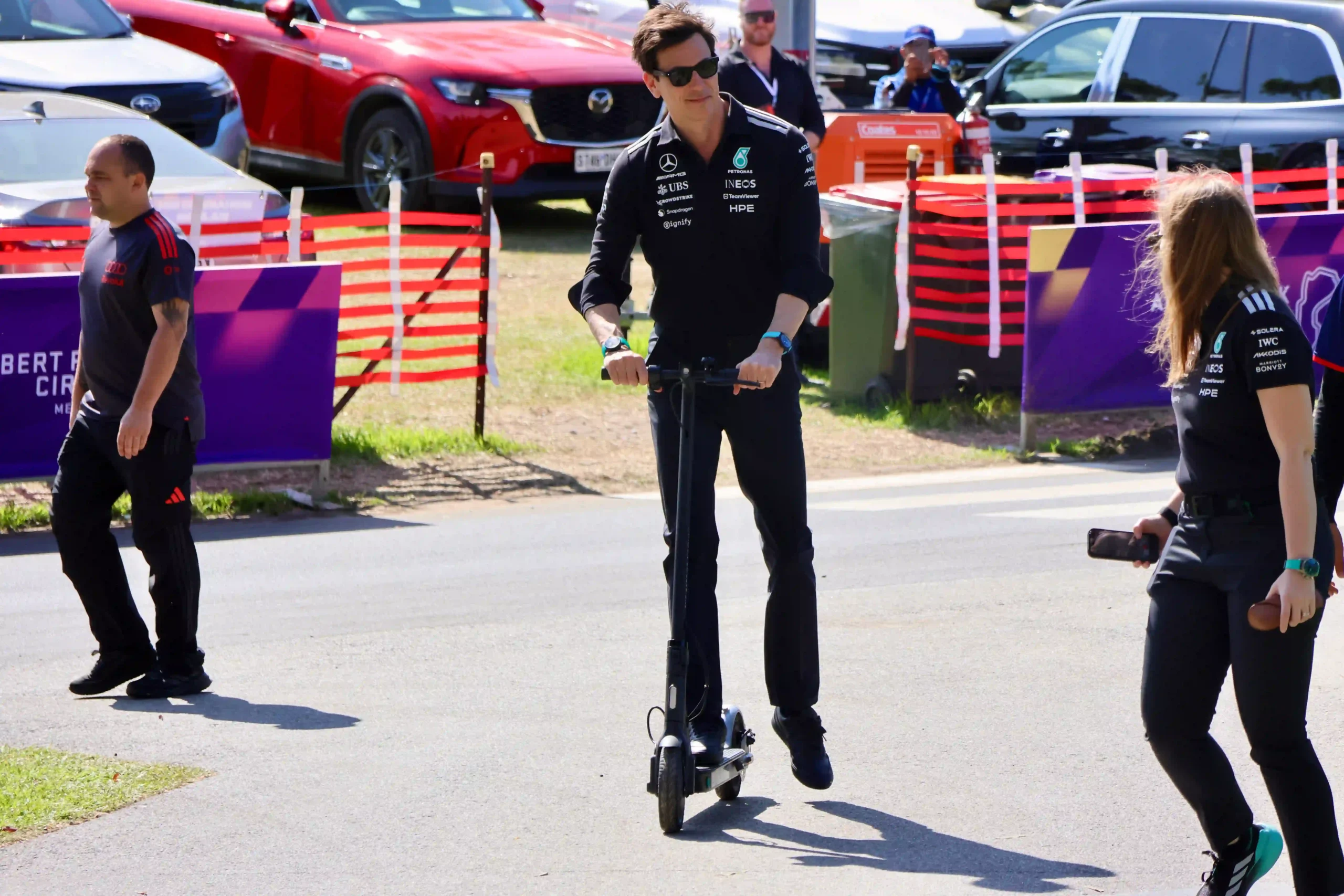
Toto Wolff combines Team Principal and CEO duties at Mercedes.
He also owns a share of the team.
Some Principals Report to a Racing CEO
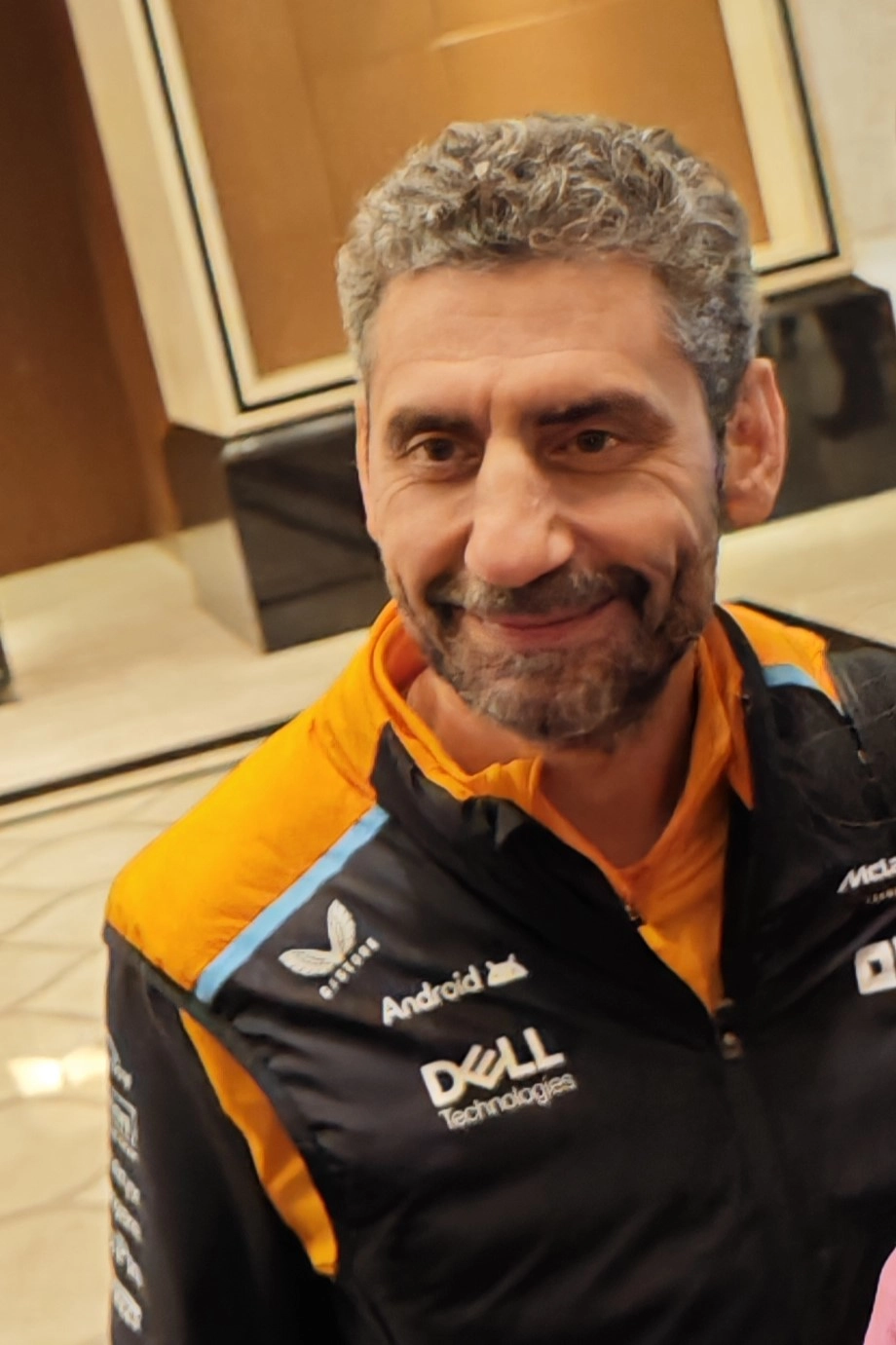
Andrea Stella leads McLaren’s F1 team under McLaren Racing CEO Zak Brown.
Therefore, the sporting boss and corporate boss are different people.
Some Principals Combine Technical Authority
Adrian Newey became Aston Martin’s Team Principal for 2026.
He also retained his Managing Technical Partner responsibilities.
Some Teams Use an Unusual Leadership Structure
Alpine entered 2026 with Flavio Briatore and Managing Director Steve Nielsen leading the operation.
Nielsen reports to Briatore rather than carrying a conventional team-principal title.
The Owner Can Overrule Senior Management
Team owners control capital and board appointments.
Consequently, they can replace the principal or change the long-term plan.
Read our guide to the 2026 Formula 1 teams.
Who Leads Every Formula 1 Team in 2026?
The 2026 grid includes 11 teams, with several leadership changes linked to Red Bull, Aston Martin, Audi, Cadillac and Racing Bulls.
The current lineup shows how varied the role can be.
Engineering, strategy, finance and mechanics all provide possible routes.
| Team | 2026 Leader | Background or Structure |
|---|---|---|
| McLaren | Andrea Stella | Former performance engineer and race engineer; reports to CEO Zak Brown |
| Mercedes | Toto Wolff | Team Principal, CEO and shareholder with racing and investment experience |
| Red Bull Racing | Laurent Mekies | Engineer, former FIA official and former Ferrari/Racing Bulls executive |
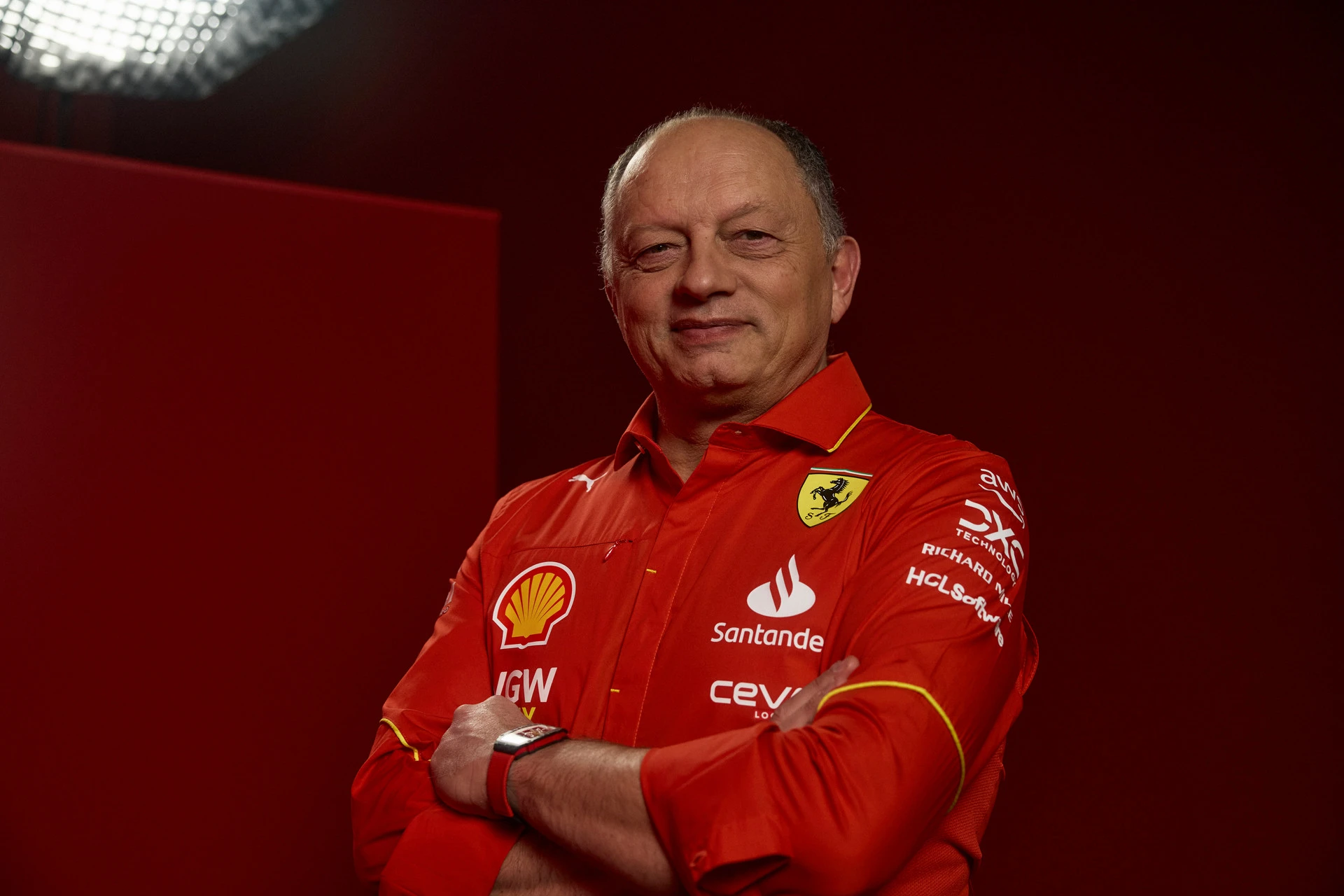
| Ferrari | Fred Vasseur | Engineer and long-time team founder and manager |
| Williams | James Vowles | Engineer and former championship-winning strategy leader |
| Racing Bulls | Alan Permane | Long-serving race engineer and sporting director |
| Aston Martin | Adrian Newey | Team Principal and Managing Technical Partner |
| Haas | Ayao Komatsu | Performance engineer, race engineer and trackside engineering director |
| Audi | Jonathan Wheatley | Former mechanic, chief mechanic and sporting director |
| Alpine | Flavio Briatore and Steve Nielsen | Executive-adviser and managing-director structure rather than a conventional principal |
| Cadillac | Graeme Lowdon | Experienced team founder and motorsport executive leading the new entry |
Current-status note: This table reflects official Formula 1 information available on July 25, 2026. Senior titles can change during a season.
Mercedes Has the Longest-Serving Current Boss
Wolff has led Mercedes since 2013.
His combined CEO and ownership position gives him unusual corporate authority.
Red Bull Began a New Era
Laurent Mekies replaced Christian Horner during 2025.
Consequently, 2026 became Red Bull’s first season starting under another principal.
Aston Martin Expanded Newey’s Role
Newey arrived as Managing Technical Partner in 2025.
The team then added Team Principal duties for 2026.
Audi and Cadillac Added Manufacturer Scale
Jonathan Wheatley led Sauber into its Audi identity.
Meanwhile, Graeme Lowdon guided Cadillac’s debut as the eleventh team.
Alpine Shows Why Titles Need Context
The work still exists even without a conventional title.
Therefore, fans should study authority rather than relying only on labels.
What Does a Team Principal Do at the Factory?
The principal reviews performance, approves priorities, meets department leaders, manages owners and sponsors, and makes long-term staffing and investment decisions.
Most team-principal work happens away from television cameras.
The factory determines whether the next race brings progress.
Performance Reviews Identify Structural Problems
A slow car may have several causes.
The principal must separate one bad weekend from a deeper weakness.
Upgrade Priorities Need Senior Agreement
Engineers propose parts and development paths.
However, production time and cost-cap resources remain limited.
Current and Future Cars Compete for Attention
Late-season development can improve championship position.
Meanwhile, switching early may strengthen the next project.
Infrastructure Decisions Carry Long-Term Risk
Wind tunnels, simulators and factory expansions cost major sums.
Therefore, owners and senior executives expect a clear return.
Our history of racing simulators explains one critical development tool.
Board Meetings Translate Racing Into Business
The principal reports results, risks and resource needs.
A manufacturer board may care about brand impact as much as points.
Recruitment Shapes the Next Several Seasons
Senior engineers often have long notice periods.
Consequently, one hiring decision may not affect the car immediately.
What Does the Team Principal Do During a Grand Prix Weekend?
The principal monitors the whole team, supports senior decisions, manages external communication and steps in when an issue affects both cars or the wider organization.
The principal travels with the race team to most events.
However, their exact location differs between teams.
Friday Focuses on Information
Practice reveals pace, tire behavior and reliability.
The principal asks whether the program is delivering useful answers.
Saturday Raises Sporting Pressure
Qualifying can expose traffic and operational mistakes.
The principal may review whether procedures need immediate change.
Read our guide to F1 qualifying.
Sunday Requires Organization-Wide Awareness
The principal follows both cars rather than one driver.
They watch strategy, reliability, penalties and team interaction.
Detailed Calls Remain With Specialists
Race engineers and strategists process live data.
Therefore, the principal should avoid unnecessary interference.
Major Conflicts Reach the Principal
Two drivers may need the same pit lap.
A team-order decision may also carry championship consequences.
Media Duties Continue During the Race
Broadcasters often interview principals from the pit wall.
Those answers must inform viewers without revealing strategy.
Post-Race Work Starts Immediately
The principal meets engineers, drivers, FIA officials and media.
One difficult incident can create several parallel conversations.
Does the Team Principal Make Race Strategy Decisions?
Usually not lap by lap. Strategy engineers and trackside leaders make detailed calls, while the principal may approve policy or settle conflicts involving both cars.
Formula 1 strategy moves too quickly for one executive to calculate alone.
Teams use dedicated specialists and factory support.
Strategists Model the Options
They compare tires, gaps, weather and rival behavior.
Thousands of simulated outcomes can support one pit call.
Race Engineers Add Driver-Specific Information
A driver may report tire loss or damage.
That information can change the preferred window.
The Principal Sets Team-Level Policy
The team may prioritize maximum constructor points.
Alternatively, it may support one driver in a championship battle.
Double-Stack Decisions Need Wider Coordination
Both cars can need tires during a Safety Car.
The team then balances pit-lane delay against track position.
Read our guide to how racing pit stops work.
Undercut and Overcut Calls Remain Technical
Fresh tire speed and traffic determine success.
Our guide to the undercut and overcut explains the calculation.
The Principal Owns the Outcome
A correct delegation does not remove accountability.
After a failure, the principal must explain the team’s process.
How a Team Principal Manages F1 Drivers
The principal normally has major influence, but owners, CEOs, manufacturers, sponsors and driver academies may also shape the final lineup.
Drivers are employees, athletes and major commercial assets.
Therefore, managing them requires more than judging lap time.
Contracts Require Long-Term Forecasting
A team must predict future performance and market value.
Signing too early can create risk, while waiting can lose the driver.
Two Drivers Need Equal Operational Support
The team wants both cars scoring points.
However, championship situations can create priority.
Team Orders Need Clear Rules
Drivers should know the policy before a crisis.
Unexpected instructions can damage trust.
Conflict Must Be Managed Privately
Teammates can collide or criticize each other.
The principal protects accountability without creating a public feud.
Driver Feedback Can Influence Technical Direction
Experienced drivers often identify development weaknesses.
Nevertheless, the principal must prevent one preference from overwhelming objective data.
Reserve and Junior Plans Support Continuity
A team needs emergency cover and future options.
Academy programs also create commercial and sporting value.
A Principal Can Support or End a Career
Performance, conduct and contract clauses all matter.
However, the final authority may sit with a board or owner.
See the 2026 F1 drivers and our guide to Formula 1 driver earnings.
How Involved Is a Team Principal in F1 Car Design?
Usually not. The principal appoints technical leaders, approves resources and challenges direction, while engineers and designers create the car.
Technical involvement depends on background.
Adrian Newey naturally carries more design authority than a finance-trained boss.
The Technical Director Owns the Engineering Organization
This leader coordinates aerodynamics, design and vehicle performance.
The principal makes sure that organization supports the team’s strategy.
Principals Ask High-Level Questions
Why is correlation weak?
Why did the upgrade miss its target? Those questions can reveal process problems.
Resource Allocation Shapes Technical Output
Aerodynamic testing and manufacturing capacity are limited.
Therefore, choosing which concepts to pursue becomes a leadership decision.
The Principal Must Resist Short-Term Panic
One poor race can trigger pressure for change.
However, random direction changes can slow development further.
Technical Trust Matters
Senior engineers need freedom to solve problems.
The principal should challenge without taking over their expertise.
Car Cost Extends Beyond Visible Parts
Research, production and logistics all consume resources.
Read our guide to the cost of a Formula 1 car.
How the Team Principal Manages the Cost Cap
The principal carries leadership responsibility, while finance and legal specialists prepare detailed compliance work. Formal accountability depends on the team’s corporate structure.
The FIA introduced financial regulations in 2021.
The goal is long-term stability and closer competition.
The 2026 Base Limit Is $215 Million
The headline cap increased as more costs moved inside the framework.
Therefore, it cannot be compared directly with earlier base figures.
Important Costs Remain Excluded
Driver pay and the three highest-paid staff salaries are excluded.
The latter group often includes the team principal and chief technical officer.
Every Upgrade Has an Opportunity Cost
Money spent on one package cannot be spent twice.
Consequently, development schedules need financial discipline.
Crashes Can Damage the Plan
Replacement parts consume production and budget.
A difficult run of accidents may delay performance work.
Finance Teams Track Compliance
Specialists classify costs and prepare reporting.
The principal ensures racing decisions respect those limits.
The FIA Audits Competitors
The Cost Cap Administration reviews compliance and can investigate suspected breaches.
Penalties can damage both sporting results and reputation.
The Principal Balances Today Against Tomorrow
A current-season upgrade may protect championship money.
However, future regulations may offer a larger competitive opportunity.
Hiring, Firing and Building an F1 Team Culture
The principal creates clear responsibility, hires strong leaders, rewards honest review and ensures departments cooperate instead of protecting their own interests.
Formula 1 teams employ hundreds of people.
The principal cannot know every detail, but culture affects every detail.
Senior Appointments Set the Organization’s Shape
A technical director can influence several car generations.
Therefore, recruitment requires patience and background checks.
Clear Responsibility Prevents Political Confusion
Two executives should not believe they own the same decision.
Ambiguous authority slows the team.
Honest Review Must Be Safe
Engineers need to report mistakes early.
A blame culture encourages people to hide risks.
Success Can Create Complacency
Winning teams may trust old methods for too long.
The principal must protect standards without destroying confidence.
Poor Results Can Create Staff Turnover
Rivals recruit proven people aggressively.
Consequently, retention and career development matter.
Diversity Expands the Talent Pool
Teams compete for rare technical skills.
Broader recruitment can improve both capacity and perspective.
The Principal Sets the Emotional Temperature
Public panic travels through the factory.
Calm honesty gives departments space to solve the problem.
How Team Principals Work With the FIA and F1 Commission
The principal represents the team’s sporting and commercial interests while technical, legal and financial specialists support detailed regulation discussions.
Formula 1 rules develop through negotiation.
Teams, the FIA, Formula One Management and power-unit manufacturers all contribute.
The F1 Commission Discusses Championship Policy
It considers sporting, technical and financial changes.
Proposals then follow the FIA’s formal approval process.
Team Representatives Defend Competitive Interests
A rule can benefit one car concept and hurt another.
Therefore, every team studies consequences closely.
The Principal Needs Diplomatic Skill
Today’s rival may support tomorrow’s proposal.
Open conflict can weaken future negotiations.
2026 Required Active Rule Refinement
The FIA held meetings with team principals, FOM and power-unit manufacturers.
Those discussions addressed lessons from the new technical package.
Protests and Appeals Need Senior Approval
Legal and sporting teams assess the case.
The principal then considers cost, evidence and reputation.
Stewards Remain Independent
A principal can present evidence or criticism.
However, they do not control the officials’ decision.
Read our guide to what the FIA does.
Sponsors, Media and the Public Face of the Team
The principal represents hundreds of employees and protects the team’s relationship with fans, sponsors, owners and the championship.
Modern Formula 1 teams are global brands.
The team principal must explain the organization in public.
Press Conferences Create Accountability
Journalists ask about drivers, strategy and performance.
The principal must answer without exposing confidential details.
Broadcast Interviews Reach Millions
A pit-wall interview can happen during a tense race.
Therefore, the principal needs concise and controlled communication.
Sponsors Expect Access and Stability
Partners invest in exposure and reputation.
A public scandal can reduce the value of that relationship.
Manufacturers Protect Wider Brands
Ferrari, Mercedes, Audi and Cadillac connect racing with road-car identity.
Consequently, the principal represents more than the competition department.
Social Media Accelerates Every Story
One quote can spread before the full interview appears.
The principal must communicate clearly enough to survive short clips.
Good Communication Does Not Replace Performance
Strong media work can protect morale.
However, only results create lasting credibility.
How a Team Principal Handles an F1 Crisis
The principal gathers facts, protects safety, assigns responsibility, communicates with stakeholders and decides whether the team needs operational or personnel changes.
Formula 1 crises can develop quickly.
A double retirement, driver collision or regulation breach can dominate the weekend.
Safety Comes First
A serious crash requires medical and operational attention.
Public messaging should wait until reliable facts exist.
The Principal Creates One Internal Picture
Technical, sporting and communications groups may hold different information.
The principal makes sure they work from the same facts.
Drivers Need Private Management
Public blame can damage cooperation.
Therefore, the principal separates immediate emotion from formal review.
Sponsors and Owners Need Direct Updates
Major stakeholders should not learn critical facts from social media.
Fast internal communication protects trust.
The FIA May Require Evidence
Sporting and technical investigations create deadlines.
Legal specialists support the principal’s response.
Long-Term Action Must Match the Cause
A single human error may not justify restructuring.
Repeated process failure may require new leadership.
The Principal Must Accept Public Pressure
Fans and media seek a visible answer.
The team boss often absorbs that pressure so specialists can continue working.
Crash investigations must consider technical, operational and human factors.
Team Principal vs. CEO, Owner and Technical Director
The team principal leads the racing operation. A CEO may control the wider business, although one person can hold both titles.
Team Principal
- Leads sporting performance
- Manages drivers and senior race staff
- Represents the team in the paddock
- Sets operational priorities
- Accepts public accountability
CEO or Owner
- Controls wider corporate strategy
- Represents shareholders or manufacturer
- Approves major investment
- Appoints senior leadership
- May oversee several racing programs
Team Principal vs. Team Owner
The owner controls equity and ultimate corporate power.
The principal may own shares, but ownership is not required.
Team Principal vs. Technical Director
The technical director leads car design and development.
The principal leads the organization containing that department.
Team Principal vs. Sporting Director
The sporting director manages regulations, procedures and FIA interaction.
The principal decides how that work supports the wider team.
Team Principal vs. Race Engineer
The race engineer runs one driver’s trackside program.
The principal oversees both cars and the complete organization.
Team Principal vs. Managing Director
A managing director may control daily operations.
At Alpine, Steve Nielsen performs that role under Briatore’s executive leadership.
Titles Can Overlap
Wolff combines team-principal and CEO authority.
Newey combines team-principal and technical-partner authority.
Works Teams, Customer Teams and Independent Owners
The principal’s job changes with the team’s ownership model.
Every structure creates different pressures.
A Works Team Represents a Manufacturer
Mercedes, Ferrari and Audi connect chassis, brand and power-unit interests.
Therefore, the principal manages relationships across a large company.
A Customer Team Buys a Power Unit
It controls its chassis while depending on an external supplier.
The principal negotiates technical and commercial cooperation.
An Independent Team Protects Investor Value
Owners may focus on competitive growth and franchise valuation.
Facility investment must support both aims.
A New Team Builds Everything at Once
Cadillac needed staff, systems, suppliers and FIA readiness.
Lowdon’s job therefore extended beyond normal race management.
A Historic Team Carries Different Pressure
Ferrari and Williams have powerful identities.
Fans compare current leadership with championship eras.
Explore our histories of Ferrari and the most successful F1 teams.
How to Become an F1 Team Principal
There is no required degree. Successful principals usually combine deep motorsport experience with leadership, financial awareness, negotiation and communication.
No direct graduate route leads to the role.
Current principals demonstrate several possible pathways.
Engineering Is a Common Route
Stella, Mekies, Vasseur, Vowles, Permane, Newey and Komatsu built technical careers.
That background helps them challenge performance decisions.
Strategy Can Develop Organization-Wide Thinking
Vowles led strategy at championship-winning teams.
The role taught him to balance information across both cars.
Mechanics Can Rise Through Operations
Wheatley began as a junior mechanic.
He advanced through chief mechanic and sporting leadership roles.
Finance and Investment Can Lead to Ownership
Wolff developed business and investment experience.
His route shows that technical design is not mandatory.
Team Founders Learn Every Department
Vasseur and Lowdon helped build racing organizations.
That experience develops commercial and operational breadth.
Communication Must Match Technical Credibility
A principal speaks to engineers, owners and journalists.
They must change language without changing facts.
Leadership Experience Matters More Than Job Title
Senior candidates need evidence of hiring and decision-making.
Moreover, they must show calm judgment during failure.
International Experience Is Valuable
Formula 1 crosses cultures, time zones and legal systems.
Strong diplomacy helps inside both teams and governing meetings.
The Career Usually Takes Decades
Every current boss spent years building responsibility.
Therefore, aspiring leaders should focus on the next credible step.
Building a motorsport career requires progressive responsibility across racing organizations.
How Much Do F1 Team Principals Earn?
There is no public standard. Pay varies with team size, ownership, shareholding, bonuses and combined CEO or technical duties.
Formula 1 teams rarely publish executive contracts.
Therefore, precise salary rankings often rely on unsupported estimates.
Ownership Can Matter More Than Salary
A principal with equity can gain from rising team value.
That makes annual pay only one part of compensation.
Bonuses Can Reward Championships
Senior executives may receive performance incentives.
However, exact structures remain confidential.
Combined Roles Change the Package
A CEO-team principal carries wider corporate responsibility.
A technical-partner role can also alter compensation.
The Cost Cap Excludes Top Executive Pay
The salaries of the three highest-paid staff members are excluded.
Consequently, the principal’s pay does not normally consume capped development spending.
Public Estimates Need Caution
One number may mix salary, bonuses and ownership value.
Responsible reporting should identify which figure is being discussed.
Historic Team Principals Who Shaped Formula 1
Jean Todt, Ron Dennis, Frank Williams, Ross Brawn and Toto Wolff belong among the leaders associated with sustained championship success.
The role evolved as Formula 1 became a global industry.
Earlier bosses often owned and operated their teams directly.
Enzo Ferrari Built a Complete Racing Identity
Ferrari linked competition with road-car production.
The founder’s authority reached every part of the organization.
Colin Chapman Combined Design and Ownership
Lotus innovation reflected Chapman’s technical control.
Modern structures usually divide those responsibilities more widely.
Frank Williams Led Through Persistence
Williams grew into a championship-winning constructor.
Its success showed the power of long-term technical partnerships.
Ron Dennis Built McLaren Into a Technology Business
He imposed strong operational standards.
Moreover, he expanded the organization beyond the race team.
Jean Todt Rebuilt Ferrari
Todt coordinated Michael Schumacher, Ross Brawn and Rory Byrne.
The result was one of Formula 1’s most dominant periods.
Ross Brawn Connected Engineering and Management
Brawn GP won both 2009 championships in its only season.
Brawn later led the Mercedes team before Wolff’s era.
Toto Wolff Led the Turbo-Hybrid Dynasty
Mercedes won consecutive team titles from 2014 through 2021.
Wolff’s business and sporting authority became a modern model.
Read our collection of the best F1 drivers and famous racing drivers.
A Team Principal’s Typical Working Cycle
Before the Season
The principal checks staffing, car readiness and financial planning.
They also set expectations with owners and drivers.
Between Grands Prix
Factory meetings dominate the schedule.
Recruitment and sponsor duties continue alongside car development.
During the Race Weekend
The principal monitors both cars and the wider team.
Major sporting or political issues may require intervention.
After the Race
Honest review begins before the paddock closes.
Read our guide to the Formula 1 debrief.
During Regulation Changes
The principal balances current performance with future investment.
They also represent the team during rule discussions.
Common Myths About F1 Team Principals
“The Team Principal Owns the Team”
Not always. Some principals own shares.
Others report to investors, boards or manufacturers.
“The Principal Decides Every Pit Stop”
Usually false. Strategy specialists handle the live detail.
The principal sets policy and resolves major conflicts.
“The Principal Designs the Car”
Usually false. Technical departments design the car.
The principal appoints leaders and approves resources.
“The Principal Only Works at Races”
False. Factory, board and sponsor work fills the calendar.
Race weekends reveal only one part of the role.
“A Former Driver Is the Best Choice”
Not necessarily. Current bosses come from many backgrounds.
Leadership matters more than one career path.
“Loud Leadership Creates Better Results”
False. Public drama can damage trust.
Clear responsibility and calm review usually produce stronger systems.
“The Team Principal Can Ignore the Cost Cap”
False. Financial compliance affects every development plan.
The FIA can investigate and penalize breaches.
“Changing the Principal Makes the Car Faster Immediately”
False. Leadership changes take time.
Recruitment, facilities and car concepts may need several seasons.
F1 Team Principal FAQs
What does an F1 team principal do?
The principal leads the organization, manages senior people and drivers, sets priorities and carries responsibility for performance.
Does an F1 team principal own the team?
Not necessarily. Some own shares, while others are employees reporting to a CEO, board or manufacturer.
Does the team principal decide when an F1 driver pits?
Usually not personally. Strategists and engineers handle live calls, while the principal sets policy and resolves major conflicts.
How do you become an F1 team principal?
Build senior motorsport leadership experience through engineering, strategy, operations, finance, mechanics or team management.
Conclusion: The Team Principal Builds the System That Wins
So, what does an F1 team principal do?
The principal leads the complete racing organization.
That role begins with direction.
A team must know whether it is chasing wins or rebuilding.
The principal turns that ambition into priorities.
They choose the senior people trusted to deliver it.
A technical director leads car development.
A sporting director manages rules and operations.
Race engineers focus on individual drivers.
Strategy specialists model the Grand Prix.
The team principal connects those groups.
They do not need to perform every technical task.
However, they must understand whether the structure works.
Factory leadership consumes much of the job.
The principal reviews performance and development.
They approve major staffing and investment choices.
They also balance the current car against future projects.
One upgrade can help the next race.
A new facility may help several seasons later.
The principal must understand both timescales.
Race weekends create a different challenge.
The principal follows two cars and hundreds of details.
Yet detailed calls remain with specialists.
A good leader avoids unnecessary interference.
They step in when the issue affects the whole team.
Team orders provide a clear example.
Two drivers may want the same position.
The championship may favor one of them.
The principal sets the policy and accepts the consequences.
Driver management continues away from the circuit.
Contracts require long-term judgment.
A young prospect may offer future value.
An experienced champion may offer immediate results.
The principal also manages conflict and confidence.
Public blame can damage cooperation.
Therefore, difficult conversations often happen privately.
Car development depends on strong technical leadership.
The team principal usually does not design the car.
Instead, they hire the people who do.
They approve resources and challenge weak processes.
They also protect engineers from random direction changes.
Financial discipline shapes every choice.
The 2026 cost cap uses a $215 million base figure.
More costs sit inside the framework than before.
Therefore, old and new headline limits are not directly comparable.
Finance specialists prepare compliance work.
However, the principal must keep the sporting plan realistic.
Crashes, urgent production and failed upgrades all consume resources.
The team cannot spend the same money twice.
People remain the greatest long-term asset.
Senior engineers can influence several generations of cars.
Recruitment therefore needs patience.
Retention matters as much as hiring.
A winning culture encourages honest reporting.
Staff should identify problems before they become failures.
A blame culture creates silence instead.
The principal sets that emotional standard.
External politics adds another responsibility.
Team principals work with the FIA and Formula One Management.
They also negotiate with rival teams and power-unit manufacturers.
Rules affect every competitive plan.
In 2026, principals joined meetings to refine the new regulations.
That work shows how leadership extends beyond one constructor.
Media and sponsors create constant public pressure.
The principal represents hundreds of employees.
They must explain poor performance without exposing confidential details.
They must also protect partner trust during controversy.
One careless quote can become a global headline.
Crisis management tests every skill at once.
A driver collision creates sporting and personal problems.
A technical failure creates safety and performance questions.
A financial breach creates legal and reputational risk.
The principal gathers facts and assigns responsibility.
They then communicate one clear response.
The 2026 grid demonstrates that no single career path exists.
Stella rose through engineering and race engineering.
Vowles developed through strategy.
Wheatley started as a mechanic.
Wolff brought business and investment experience.
Vasseur and Lowdon built racing organizations.
Newey arrived through world-leading car design.
Each route created a different leadership style.
Corporate structures also vary.
Wolff combines Team Principal and CEO duties.
Stella reports to McLaren Racing CEO Zak Brown.
Newey combines sporting and technical authority.
Alpine uses Briatore and Nielsen without a standard principal title.
Therefore, authority matters more than the label.
Historic leaders prove the same point.
Enzo Ferrari combined ownership and racing control.
Chapman combined design and team leadership.
Dennis built a technology organization.
Todt assembled Ferrari’s championship structure.
Brawn connected engineering and management.
Wolff combined ownership, business and sporting leadership.
The strongest principals build systems rather than personalities.
They give experts freedom and demand accountability.
They understand when to intervene.
They also understand when to step back.
Winning still depends on the car and drivers.
However, those assets need a stable organization.
The principal creates that stability.
They connect racing, engineering, finance and business.
They protect the team’s long-term direction.
They answer when performance fails.
They also ensure success can be repeated.
That is the complete Formula 1 team principal role.
Sources and Fact-Checking
This article was checked against official Formula 1 and FIA information available on July 25, 2026. Team titles and corporate authority vary, so the current lineup is dated. This is a static source list with no interactive verification feature.