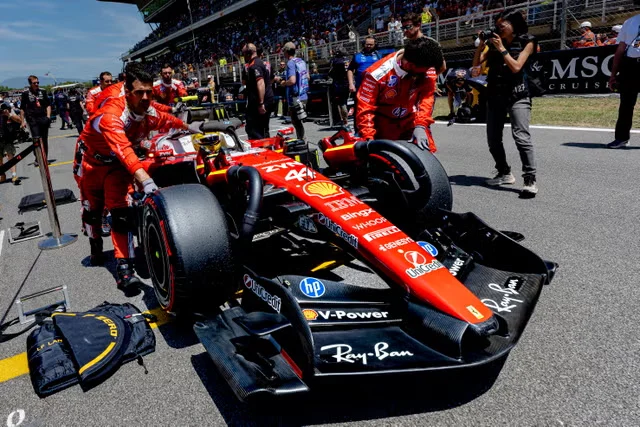
What Is A Formation Lap In F1? Formula 1 Formation Lap Explained
What is a formation lap in F1? A formation lap is the lap immediately before the race start. Drivers leave the grid, warm their tyres and brakes, check clutch feel, manage engine temperatures, then return to their starting grid positions before the red lights go out.
The formation lap looks calm on TV. However, inside the cockpit it is a final systems check before the most chaotic seconds of the Grand Prix.

What is a formation lap in F1 is a key beginner question because the race does not start when cars first leave the grid. That first lap is preparation, not racing.
Formula 1 calls it the lap from the grid immediately before the race. Drivers use it to bring tyres and brakes closer to the right operating temperature. Then the field reforms on the starting grid.
The formation lap F1 procedure connects directly with what Formula 1 is, Grand Prix racing, F1 qualifying, and pole position.
It also matters because the start can decide the race. A poor launch can ruin track position before Turn 1. Therefore, teams treat the formation lap as a controlled final rehearsal.
What Is A Formation Lap In Formula 1?
A Formula 1 formation lap is the warm-up lap before the start. It is also sometimes called the warm-up lap or parade lap.
The cars leave their grid slots in qualifying order. They complete one lap of the circuit, then stop again in their correct starting positions. After that, the standing start procedure begins.
It is not a sightseeing lap. Drivers check radio, clutch bite point, brakes, tyres, steering feel, throttle response, and engine behaviour. Meanwhile, engineers watch data from the pit wall.
Race analyst view: A clean formation lap does not win the race. However, a messy one can lose it before the lights go out.
Why Is The Formation Lap Important In F1?
The formation lap prepares the car and driver for launch. Tyres need heat for grip. Brakes need heat for response. The power unit also needs controlled temperatures.
Cold tyres spin more easily. Cold brakes can feel weak or inconsistent. As a result, the driver uses the lap to build confidence before the standing start.
Drivers also test the clutch bite point. That is the point where clutch engagement begins to move the car. A poor bite point can cause wheelspin or bog the engine down.
This is why the formation lap links with grip, brake balance, flat spots, and car handling.
Formation Lap Rules Explained
The FIA starting procedure includes countdown signals before the formation lap. The grid procedure uses 10-minute, five-minute, three-minute, one-minute, and 15-second signals.
When the formation lap begins, cars leave the grid. At the end of the lap, they return to their grid slots and keep their engines running.
Once all cars have stopped, the red start lights appear. The race starts when all red lights are extinguished. The exact moment after the final red light is controlled by the starter.
| Stage | What Happens | Why It Matters |
|---|---|---|
| Grid countdown | Teams clear equipment and prepare cars | Keeps the grid safe before cars move |
| Formation lap | Drivers warm tyres, brakes, and systems | Prepares car and driver for launch |
| Return to grid | Cars stop in starting slots | Sets up the standing start |
| Race start | Red lights go out | The Grand Prix begins |
Why Do F1 Drivers Weave During The Formation Lap?
Drivers weave to put energy into the tyres. The side-to-side movement scrubs the tyre surface and helps build temperature.
They also brake hard and accelerate in short bursts. This warms the brakes and helps the driver feel the pedal before Turn 1.
However, drivers cannot treat the lap like a race. They must stay controlled, avoid contact, and respect the order. A mistake here can cause a penalty, pit-lane start, or retirement.
For more start-related context, read our guides on jump start in F1, drive-through penalties, racing flags, and F1 flags.

What Happens If A Car Stalls On The Formation Lap?
If a car has a problem before the start, the driver must signal clearly. In modern F1, this can lead to an aborted start or an extra formation lap.
If an extra formation lap happens, the field goes around again. Under FIA rules, each completed extra formation lap procedure shortens the race distance by one lap.
A driver who causes the extra formation lap may have to enter the pit lane and start from there. Therefore, a small mechanical or clutch issue can destroy a race plan.
This also explains why pit-lane starts matter. Formula 1 notes that a delayed formation lap can force a driver to start from the pit lane if they cannot regain position in time.
Can A Formation Lap Happen Behind The Safety Car?
Yes. If track conditions are unsuitable, formation laps may take place behind the Safety Car. This usually happens in heavy rain or poor visibility.
When that happens, drivers follow the Safety Car in grid order. FIA rules require them to stay no more than 10 car lengths apart during that phase.
The Race Director can later choose a standing start or a rolling start, depending on conditions. Therefore, wet weather can change the race start completely.
This connects with the safety car, F1 marshals, the FIA, and delta time.
Does The Formation Lap Count As A Race Lap?
The normal formation lap does not count as racing before the start lights. The race starts when the start signal is given.
However, extra formation lap procedures can shorten the scheduled race by one lap. Safety-car formation laps can also affect the total remaining race distance.
That is why fans sometimes see fewer racing laps after a start problem. The lap before racing can still change the official distance.
Final Verdict
A formation lap in F1 is the final preparation lap before the race start. Drivers warm tyres and brakes, check clutch bite, manage temperatures, then return to the grid.
It may look slow, but it carries pressure. A driver must build grip, avoid mistakes, hold position, and arrive ready for the start.
For beginners, the answer is simple. The formation lap is the warm-up lap before lights out. For serious fans, it is the last technical and mental checkpoint before the Grand Prix explodes into Turn 1.
FAQs About Formation Lap In F1
What is a formation lap in F1?
It is the lap before the race start where drivers warm tyres and brakes before reforming on the grid.
Why do F1 drivers weave during the formation lap?
They weave to help warm the tyres and prepare grip for the race start.
Can drivers overtake during the formation lap?
Generally, no. Passing is only allowed in specific cases, such as when a car ahead is delayed.
What happens after the formation lap?
Cars stop in their grid slots. Then the red lights sequence begins, and the race starts when the lights go out.
Can drivers pit during the formation lap?
Yes, but doing so usually means starting from the pit lane under the relevant rules.