Iowa NASCAR 2026 Preview: Short-Oval Favorites & Predictions
A detailed pre-race read on the drivers best positioned for Iowa’s 0.875-mile oval, from proven winners and short-track specialists to sleepers, tire-management threats and Chase bubble drivers.
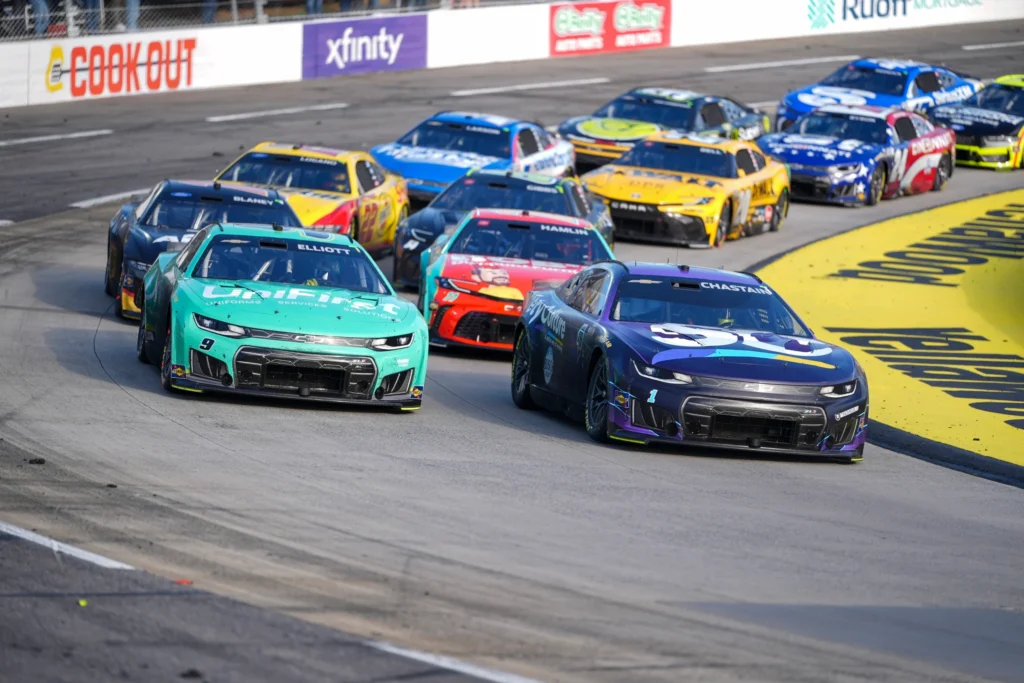
Iowa NASCAR 2026 arrived with a field that had only two Cup races of track-specific history to study, but enough short-oval evidence to build a serious favorite list. Ryan Blaney won the inaugural Cup race at Iowa in 2024. William Byron answered in 2025. Christopher Bell had already won twice at the track in the NASCAR Xfinity Series, while Denny Hamlin, Joey Logano and Kyle Larson brought the kind of flat-track and restart skill that tends to matter when the racing line gets narrow.
This preview is intentionally based on the information available entering the Aug. 9, 2026 Iowa weekend. It is a pre-race analysis, not a rewrite using hindsight. That distinction matters because the Cup Series had just completed Indianapolis, the Chase cutline was tightening and Goodyear had completed a May tire test at Iowa with Tyler Reddick, Austin Dillon and Noah Gragson. The goal here is to explain who looked strongest before the green flag, why they looked strong, and which drivers had the profile to surprise.
Who Was the Favorite to Win NASCAR at Iowa in 2026?
Ryan Blaney was our narrow pre-race favorite for the 2026 Iowa Corn 350. The case was built on his 2024 Iowa Cup win, repeated short-flat-oval speed, Team Penske’s strength on similar tracks and his ability to protect track position on late restarts. Christopher Bell and Denny Hamlin were the closest challengers.
The temptation with Iowa is to treat the previous winner as an automatic favorite. That is too simple. Iowa is still a young Cup venue, and the sample is tiny. What mattered more entering 2026 was the combination of track history, recent short-track form, current-season speed and how each team handled races where clean air and restarts could become more valuable than raw long-run pace.
Blaney checked more boxes than anyone. He won the 2024 Iowa Cup race after leading 201 laps, then returned in 2025 and finished fourth while leading 29 laps. The No. 12 team also arrived in 2026 with another Phoenix win already on the résumé. Phoenix is not Iowa, but the skill overlap is obvious: controlled corner entry, rotation without abusing the rear tires, disciplined restarts and a car that remains predictable when traffic changes the aero balance.
Bell was the cleaner “analytics” alternative. He had two Xfinity wins at Iowa and has long been one of NASCAR’s best drivers on shorter, flatter ovals. Hamlin carried the most complete short-track résumé in the field and entered Iowa as the Cup points leader. Byron was the defending Iowa winner. Logano had just won at North Wilkesboro and finished third at Indianapolis. Reddick had direct 2026 Goodyear test mileage at Iowa. Larson had championship-level ceiling even while entering the weekend in a rough patch.
World of Speed Iowa 2026 Pre-Race Top Five
1. Ryan Blaney — best blend of Iowa proof, Team Penske short-track execution and 2026 flat-track performance.
2. Christopher Bell — elite short-track car control, two prior Iowa Xfinity wins and a strong history on technical ovals.
3. Denny Hamlin — points leader, proven short-track closer and one of the safest bets to score stage points even without the perfect race.
4. William Byron — defending Iowa winner with Hendrick speed and a track-position profile that fits this race.
5. Joey Logano — rising form, North Wilkesboro win and the kind of restart aggression that can turn Iowa into a Penske race.
This ranking is analysis, not sportsbook odds. If you are looking for pure betting markets, prices can move sharply after practice and qualifying. Iowa is especially sensitive to that because a driver who qualifies on the front row and shows strong 20-lap speed can become far more attractive than a pre-weekend model suggests. For broader NASCAR viewing context, see our how to watch NASCAR guide, and for a season-level reference keep the 2026 NASCAR points standings open through the regular-season run-in.
Why Iowa Speedway Rewards Short-Oval Specialists
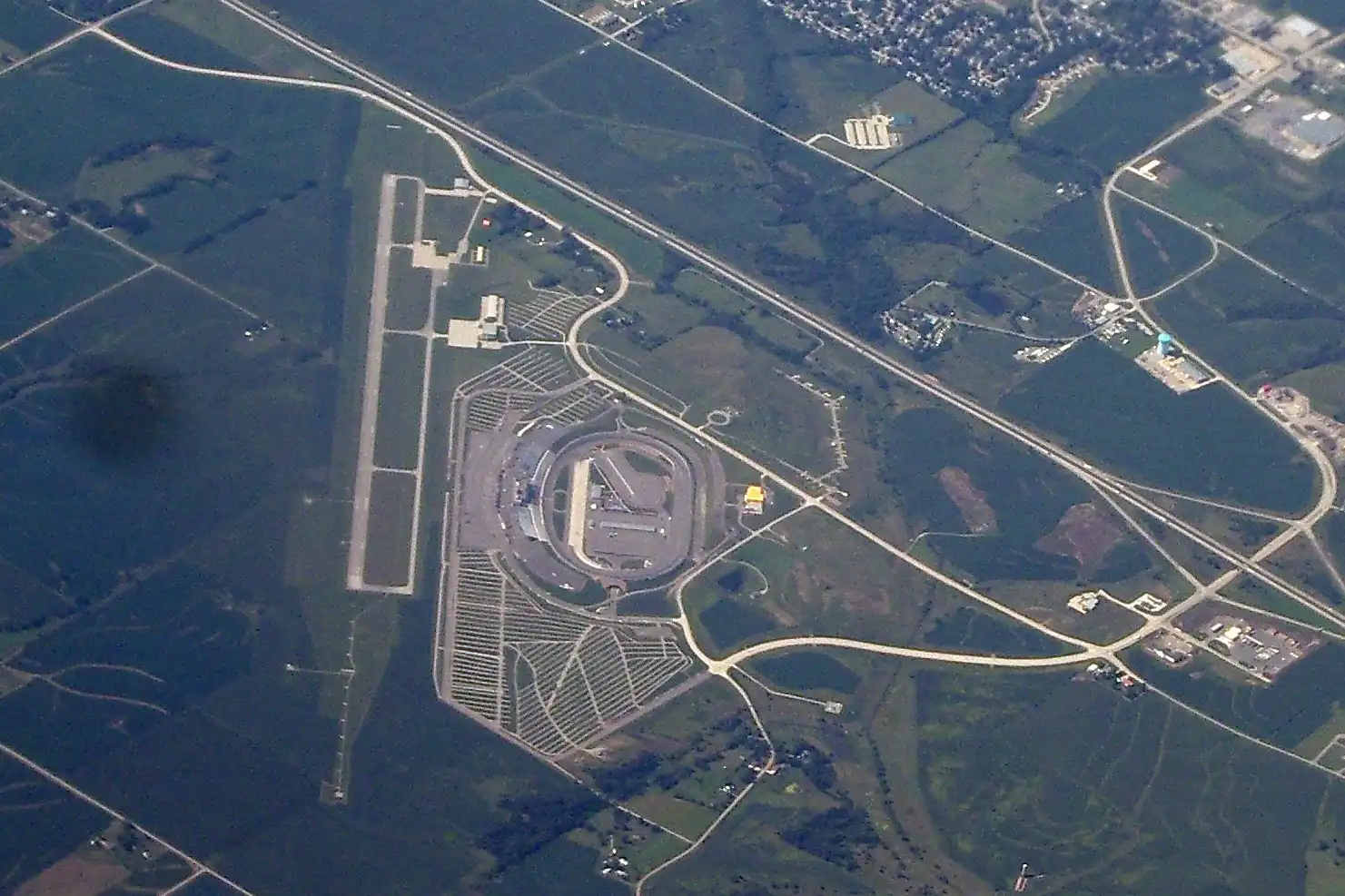
Iowa Speedway is a 0.875-mile paved oval in Newton, Iowa. That alone makes it a short track by modern Cup standards, but the layout is not a copy of Martinsville, Richmond or North Wilkesboro. NASCAR lists progressive banking in the turns, and the track carries enough speed that a driver cannot simply bully the center of the corner and live with the consequences. Momentum matters.
The first challenge is entry. A driver who charges the corner too hard can overload the right-front tire and create center-corner understeer. A driver who backs up entry too much may protect the tires but give away the lane. The ideal car rotates with minimal steering input, allows the driver to pick up throttle early and keeps the rear tires underneath the car on exit. That sounds simple. At Iowa, it is a moving target as rubber builds and traffic changes the available air.
The second challenge is lane evolution. Progressive banking should help the outside line, but the Cup car’s aero sensitivity can still make the preferred groove powerful. If the bottom remains dominant, qualifying gains value. If the track widens, long-run balance becomes more important because drivers can search for clean air and protect tires. That is why Saturday practice matters so much. The fastest single lap may not be the most useful number; 15-, 20- and 25-lap averages often tell the better story.
The third challenge is traffic. On a track under one mile, leaders reach lapped cars quickly. A contender can lose the nose behind a slower car, burn the right front trying to force a pass, then spend ten laps recovering. The best short-track drivers do not only pass faster. They manage the race better. They know when to take the lane, when to sit behind a car for two corners and when to protect the tires for a later restart.
Iowa combines short-track traffic with intermediate-style momentum. That mix favors drivers who can rotate the center without killing corner exit. It is also why results from Phoenix, Richmond, New Hampshire and North Wilkesboro can be useful clues without being direct copies.
For a deeper look at the basics of short-oval technique, World of Speed’s archive on how to handle a short oval track car is useful. You can also revisit our explainer on what grip means in racing and the guide to car handling for the vocabulary behind loose, tight and balanced race cars.
Iowa NASCAR 2026 Favorites: The Seven Drivers to Beat
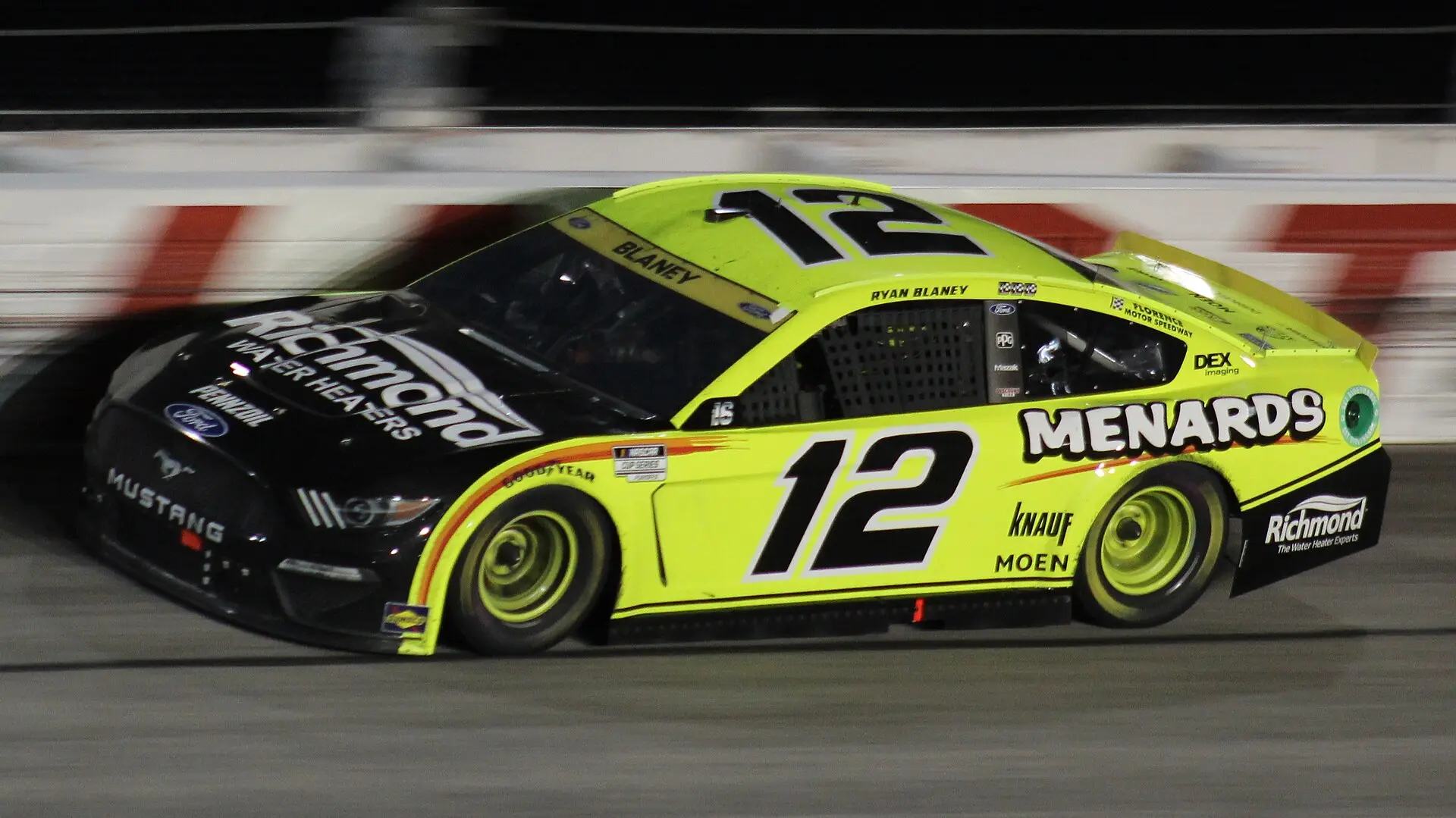
1. Ryan Blaney — The Benchmark Pick
Blaney’s case begins with proof. He won the first Cup race at Iowa in 2024 and was competitive again in 2025. That matters because Iowa’s Cup notebook was still thin entering 2026. Teams had only two race weekends of modern Cup data, so a driver who had already found a successful rhythm deserved extra weight.
Blaney also fits the broader track profile. Team Penske has repeatedly been strong on flatter ovals, and Blaney had already won Phoenix in March 2026. The No. 12 team had enough pace to sit third in points before Iowa despite a damaging Indianapolis result. On a race where the final 70 laps could be decided by lane choice and pit-road execution, Blaney was the driver we trusted most to turn a good car into a win.
2. Christopher Bell — The Short-Track Technician
Bell’s Iowa record began before Cup. He won Xfinity Series races at the track in both 2018 and 2019. That experience does not guarantee Cup success, but it reinforces what the eye already says: Bell is comfortable on technical ovals where the car must rotate and the driver has to move around as the track changes.
He also entered the 2026 Iowa weekend safely inside the Chase picture in 10th place, 129 points above the cutline. That position gave the No. 20 team freedom to race for stage wins and the trophy rather than protect a fragile points margin. Bell was the kind of driver who could become the favorite after practice if his long-run numbers jumped off the sheet.
3. Denny Hamlin — The Points Leader With a Short-Track Resume
Hamlin arrived at Iowa leading the Cup standings with 886 points, 84 ahead of Tyler Reddick. More important for this specific race, he has spent much of his career building one of the strongest short-track records in the garage. Iowa’s size, restart frequency and corner-entry demands all land inside his wheelhouse.
The concern was less about speed than conversion. Indianapolis had exposed another late-restart moment where Hamlin controlled the race but did not close it out. Iowa can create the same pressure. A dominant 300 laps mean less if a caution resets the field with 25 to go. Still, the No. 11 was one of the safest top-five calls on the board.
4. William Byron — The Defending Winner
Byron’s 2025 Iowa win was not a fluke. He started second, led 141 laps and controlled enough of the race to prove that Hendrick Motorsports understood the track. He also carried earlier Iowa experience from Xfinity and Trucks, where he had won at the venue before reaching Cup.
The 2026 context was mixed. Byron was only 12th in points entering Iowa, but still sat 88 points above the Chase cutline and held a 100% projected Chase probability in NASCAR’s pre-Iowa check-in. That meant he could attack. If the No. 24 unloaded with similar balance to 2025, there was no reason to treat the defending winner as anything less than a front-line threat.
5. Joey Logano — Momentum Meets Track Fit
Logano’s pre-Iowa trend was hard to ignore. He had just won at North Wilkesboro, then finished third at Indianapolis and climbed to 13th in points. NASCAR’s own pre-Iowa analysis highlighted Iowa, Richmond and New Hampshire as favorable tracks for Logano to strengthen his Chase position.
This is the type of race where Logano can outperform raw speed. He is aggressive without being random on restarts, understands how to defend the preferred lane and usually gives crew chief Paul Wolfe useful information when the track evolves. If Iowa turned into a track-position fight, the No. 22’s ceiling rose quickly.
6. Tyler Reddick — The Tire-Test Wild Card
Reddick had the most interesting information advantage in the field. He participated in Goodyear’s May tire test at Iowa alongside Austin Dillon and Noah Gragson. Test mileage does not mean race-weekend dominance because teams do not control the tire selection process and conditions change, but it gives a driver extra reference points for entry speed, lane development and degradation.
Reddick also entered Iowa second in the standings with 802 points. Earlier in the season he had won the first three points races, proving the No. 45 team could dominate when the setup window aligned. His 2025 Iowa result was only 22nd, so the track-specific history was weaker than Blaney or Byron. The test kept him firmly in the favorite tier anyway.
7. Kyle Larson — The Ceiling Pick
Larson was the hardest favorite to rank. He was the defending Cup champion and one of the sport’s most versatile drivers, but his pre-Iowa form was messy. NASCAR’s Chase check-in noted that he had three finishes of 34th or worse in the previous four races and had dropped to eighth in points.
That slump made him risky, not irrelevant. Larson’s ability to search for grip is exactly what becomes valuable if Iowa develops a second lane. If practice showed the No. 5 running competitive lap averages higher on the track, he could go from “high-variance favorite” to legitimate winner candidate in one session.
If qualifying became the separator, it was also worth reviewing the mechanics behind how racing drivers qualify and what pole position means. On a short oval, the difference between starting third and 23rd can shape the entire first stage.
Best Iowa NASCAR 2026 Sleeper and Dark-Horse Picks
Chase Briscoe, Brad Keselowski, Ryan Preece and Austin Cindric were the strongest sleeper profiles. Briscoe finished second at Iowa in 2025, Keselowski finished third, Preece finished fifth and Cindric brought Team Penske’s flat-track strength while fighting to protect the final Chase position.
Chase Briscoe — Too Good at Iowa to Ignore
Briscoe should not have been priced or discussed like a deep sleeper after 2025. He started on pole, led 81 laps and finished second to Byron. Entering Iowa 2026, he was seventh in points and coming off a fourth-place Indianapolis finish. That combination made him more “second-tier favorite” than lottery ticket.
Brad Keselowski — Experience and a 2025 Podium
Keselowski finished third at Iowa in 2025 and led 68 laps. He also carried older Xfinity success at the track. The problem was points position: he entered Iowa 19th, 50 points below the Chase cutline. That urgency could push RFK Racing toward aggressive stage strategy. It also made a clean, conservative top-10 day less useful than it would be for a driver safely inside the top 16.
Ryan Preece — The Cutline Attacker
Preece was 17th entering Iowa, 38 points below Austin Cindric for the final Chase spot. He had also finished fifth at Iowa in 2025. That is exactly the kind of profile we like in a sleeper: demonstrated track fit plus a championship incentive to chase stage points. A driver in that position cannot wait until Lap 300 to become aggressive.
Austin Cindric — The Penske Multiplier
Cindric sat 16th in points with a 38-point cushion over Preece. His Iowa history was less impressive than Blaney’s, but the Team Penske ecosystem mattered. If Blaney and Logano unloaded fast, Cindric was likely to benefit from the same organizational setup direction. The No. 2 did not need to dominate; a top-eight day with strong stages could be enormous for his Chase position.
Best top-10 sleeper
Chase Briscoe. His 2025 Iowa performance was too strong to dismiss as a one-off.
Best cutline upside
Ryan Preece. Fifth in 2025 and desperate for points entering the final four regular-season races.
Best strategy wildcard
Brad Keselowski. Experienced, proven at Iowa and in a points position that encouraged aggressive calls.
Best team-based sleeper
Austin Cindric. Penske’s short-track package gave him a credible path to outperform expectation.
For context on why a surprise top-five can matter so much at a track like Iowa, see our guide to how racing championships are scored. The difference between ninth and fourth is not only five finishing positions; stage points and cutline swings can change the entire complexion of the regular-season run.
Tire Strategy, Restarts and Pit Road: How Iowa Could Be Won
Goodyear’s May 2026 tire test added an extra layer to Iowa. Austin Dillon, Noah Gragson and Tyler Reddick represented the three manufacturers during a two-day test. Reddick specifically said he hoped Goodyear would continue the trend toward a softer tire with more degradation. That is important because tire falloff usually improves strategic variety. If old tires lose meaningful pace, teams can trade track position for fresh rubber. If falloff is minimal, clean air becomes stronger.
The first decision point is the stage break. Iowa’s Cup race is 350 laps with stage endings at 70 and 210. Stage 1 is short enough that teams can prioritize track position. Stage 2 is long enough to expose the true balance of the car. By the final stage, the crew chief has enough information to decide whether the race is best won with tires, fuel, clean air or restart control.
Two-tire calls are always tempting on a short oval because the time saved on pit road can move a driver several rows forward. Blaney’s 2024 win included a bold two-tire strategy. But the move only works if the car is balanced enough to defend while the tires equalize. A loose car on two tires can lose the gained track position in five laps.
Late cautions are the biggest threat to a dominant car. With 20 laps remaining, the leader may face the worst decision in the race: stay out and protect first place, or pit for fresh tires and accept traffic. The answer depends on the number of cars on the lead lap, lane preference, tire falloff and how many competitors pit. There is no universal rule.
Pit-road execution also has outsized importance because green-flag laps disappear quickly. A four-second delay is a much larger percentage of a 24-second lap than of a 90-second road-course lap. That is why a slow right-rear change or blocked pit exit can turn a top-three car into a mid-pack traffic problem before the next caution.
For fans who want the mechanics behind those calls, our explainer on how pit stops work in racing covers the time-versus-tire tradeoff. The guide to how laps are counted is also useful at a track where leaders catch traffic quickly, while how racing flags work explains the caution and restart signals that can reset the entire strategy.
Iowa’s 2026 Chase Stakes: Why the Bubble Changed the Race
The 2026 championship format made Iowa more important than a normal midsummer race. NASCAR brought back The Chase in a modified form. The top 16 drivers in points after the regular season advance; there is no automatic “win and you’re in” rule. Wins pay 55 points, but the field is still built from the standings. That puts more value on stage points and reduces the chance that a driver can ignore three bad races because of one victory.
Entering Iowa, Denny Hamlin led with 886 points. Tyler Reddick was second at 802, and Ryan Blaney was third at 766. Those three were already secure. The real pressure sat around the cutline. Shane van Gisbergen was 15th at 537 points and Austin Cindric 16th at 518. Ryan Preece was 38 points below the cutline, Erik Jones 44 back, Brad Keselowski 50 back and Michael McDowell 76 back.
That gap changes behavior. Cindric did not need to win Iowa, but he could not afford a 30th-place finish. Preece and Keselowski needed more than quiet top-15 days; they needed stage points and meaningful gains. The leaders had the luxury of racing for the trophy. The bubble drivers had to balance aggression against the risk of a DNF.
| Driver | Pre-Iowa Position | Points | Gap to Cutline | Race Meaning |
|---|---|---|---|---|
| Denny Hamlin | 1st | 886 | +406 | Protect No. 1 seed, race for win |
| Tyler Reddick | 2nd | 802 | +322 | Close 84-point lead gap |
| Ryan Blaney | 3rd | 766 | +286 | Rebound from Indianapolis |
| Austin Cindric | 16th | 518 | +38 | Defend final Chase spot |
| Ryan Preece | 17th | 480 | -38 | Attack stage points |
| Brad Keselowski | 19th | 468 | -50 | Needs major gain |
This is where Iowa became a championship race before The Chase even began. If you want to follow the broader season movement, our Cup standings coverage is the best internal reference. For a wider look at how standings logic works across motorsport, see how championships are scored across the full season.
What the 2024 and 2025 Iowa Cup Races Told Us
Two Cup races are not enough to create a stable predictive model, but they are enough to establish patterns. Blaney’s 2024 win immediately showed that Team Penske could control long portions of a race at Iowa. Byron’s 2025 win showed that Hendrick Motorsports had answered. More importantly, several drivers reappeared near the front: Blaney, Byron, Briscoe, Keselowski and others showed that Iowa can reward both organizational speed and track-specific confidence.
In 2025, Byron led 141 laps and won. Briscoe led 81 and finished second. Keselowski led 68 and finished third. Blaney finished fourth, and Ryan Preece climbed from 33rd to fifth. That last result is a reminder not to overrate qualifying as destiny. Starting position matters, but a balanced car can move forward if the race develops multiple lanes and the team executes clean stops.
Bell’s prior Xfinity record adds another layer. He won at Iowa in 2018 and 2019. Blaney won Xfinity there in 2015 and Trucks in 2012. Byron won Xfinity in 2017 and Trucks in 2016. These older results come from different cars and different eras, so they should not be treated like direct model inputs. They still matter as evidence that the drivers understand the shape of the place.
For a broader history lens, our archive on NASCAR’s roots explains how oval-racing culture developed, while who won the NASCAR race is useful for tracking recent Cup winners across the season.
What Practice and Qualifying Were Most Likely to Tell Us
The single most important Saturday number was not necessarily the pole time. Iowa rewards repeatability. We wanted to see who could hold lap time over 15 to 25 laps without a sharp falloff. A car that ranks sixth on one-lap speed but first on 20-lap average can be the better race pick.
Second, we wanted to compare driver comments with the lap chart. If a driver says the car is “free in” but still runs strong long-run averages, the team may have a manageable problem. If the driver says the car is “plowing center” and the falloff is steep, the crew chief may need a larger setup swing.
Third, pit-stall selection matters. The pole winner gets the first pit-stall choice. On a short oval, a clean entry or exit can save small chunks of time repeatedly. Those gains can become positions after several stops. That is why understanding grid position in racing and pole position is more than trivia.
Finally, practice tells us whether the outside lane is alive. If drivers can run competitive lap times one groove above the bottom, the race becomes less dependent on restarts and more dependent on tire management. If everyone is glued to the same lane, qualifying and clean air become bigger pieces of the prediction.
Final Iowa NASCAR 2026 Predictions
| Prediction | Pick | Reason |
|---|---|---|
| Winner | Ryan Blaney | Iowa winner, Penske short-track strength, Phoenix 2026 win |
| Runner-up | Christopher Bell | Elite short-track fit and two prior Iowa Xfinity wins |
| Third | Denny Hamlin | Points leader with deep short-track experience |
| Top-five value | William Byron | Defending Iowa winner, 141 laps led in 2025 |
| Momentum pick | Joey Logano | North Wilkesboro win, third at Indianapolis |
| Sleeper | Chase Briscoe | Second at Iowa in 2025 with 81 laps led |
| Deep sleeper | Ryan Preece | Fifth in 2025 and urgent Chase situation |
| High-variance threat | Kyle Larson | Elite ceiling, but poor recent finishing form entering Iowa |
Winner prediction: Ryan Blaney. The choice was close. Bell had the better pure “short-track technician” argument, Hamlin had the stronger season position and Byron was the defending winner. Blaney won the pick because Iowa already matched his style twice, Team Penske’s flat-track package had delivered again at Phoenix and his restart discipline is exactly what this race can demand late.
The biggest threat to that pick was a long green-flag final run. If Iowa developed major tire falloff and the race stayed green for 80-plus laps, Bell, Reddick or Larson could become more dangerous. If the finish became a 20-lap sprint after a caution, Blaney and Logano moved up our board. That is the core Iowa prediction problem: the same car can look average in one race shape and brilliant in another.
Iowa NASCAR 2026 Preview FAQ
Conclusion: Iowa Was Built for a Small Group of Complete Oval Racers
The 2026 Iowa Corn 350 looked like a race for drivers who could combine short-track patience with intermediate-track momentum. That is why Blaney, Bell, Hamlin, Byron and Logano sat at the top of our board. None needed a gimmick to win. Each had a realistic path through outright speed, restart control, tire management or track position.
Our final lean was Blaney because his Iowa-specific proof was stronger than anyone else’s entering the weekend. Bell was close enough to flip the pick if practice showed superior long-run pace. Hamlin offered the safest stage-point floor. Byron had the defending-winner argument. Logano had momentum. Briscoe, Preece and Keselowski were the names most likely to make a “favorites-only” preview look too conservative.
Most important, Iowa was never a race to predict from one statistic. The 0.875-mile oval punishes weak balance, but it also punishes slow pit stops, poor restart lanes and bad timing. The best prediction was the driver-and-team combination most likely to stay adaptable for 350 laps. That was the logic behind the Blaney pick.
Sources
This preview uses official pre-race information available entering Iowa weekend. It deliberately avoids using the eventual 2026 race outcome to justify the prediction.