Formula 1 Qualifying Explained:
How Q1, Q2 & Q3 Set the Grid
One hour, three knockout sessions, and a single lap that can decide a Grand Prix before a single race lap is driven. Here is exactly how Formula 1 qualifying works, why it matters so much, and what happens when the rain falls or the rulebook gets tested.
Formula 1 Qualifying Explained:
Q1, Q2 & Q3
How three knockout sessions decide the entire starting grid.
Formula 1 qualifying decides who starts where on Sunday. However, the format itself often confuses newcomers watching their first Grand Prix weekend. Three sessions. Shrinking grids. A single lap that can separate a driver from a podium chance before the race even begins.
This guide breaks down exactly how F1 qualifying works in 2026 — the Q1, Q2, and Q3 knockout format, how pole position gets decided, what happens during sprint weekends, the penalties that can rearrange a grid overnight, and how rain changes everything. Whether you are watching your first session or your hundredth, this is the complete picture.
What Is Formula 1 Qualifying?
Formula 1 qualifying is the session that decides the starting grid for Sunday’s Grand Prix. Drivers compete purely against the clock. Therefore, the fastest lap time — not position on track — determines who lines up where.
Every standard Grand Prix weekend runs the same knockout format. It is officially called knockout qualifying, and it has been the standard since 2006. The session is split into three parts: Q1, Q2, and Q3. Drivers get eliminated after each part, and the field shrinks until only ten cars remain for the final shootout.
Qualifying matters enormously because Formula 1 cars are notoriously difficult to overtake in. As a result, starting position often shapes the entire outcome of a race weekend. A driver who qualifies poorly may spend fifty laps fighting through traffic instead of racing for position naturally. Meanwhile, the pole-sitter often controls the race from the very first corner.
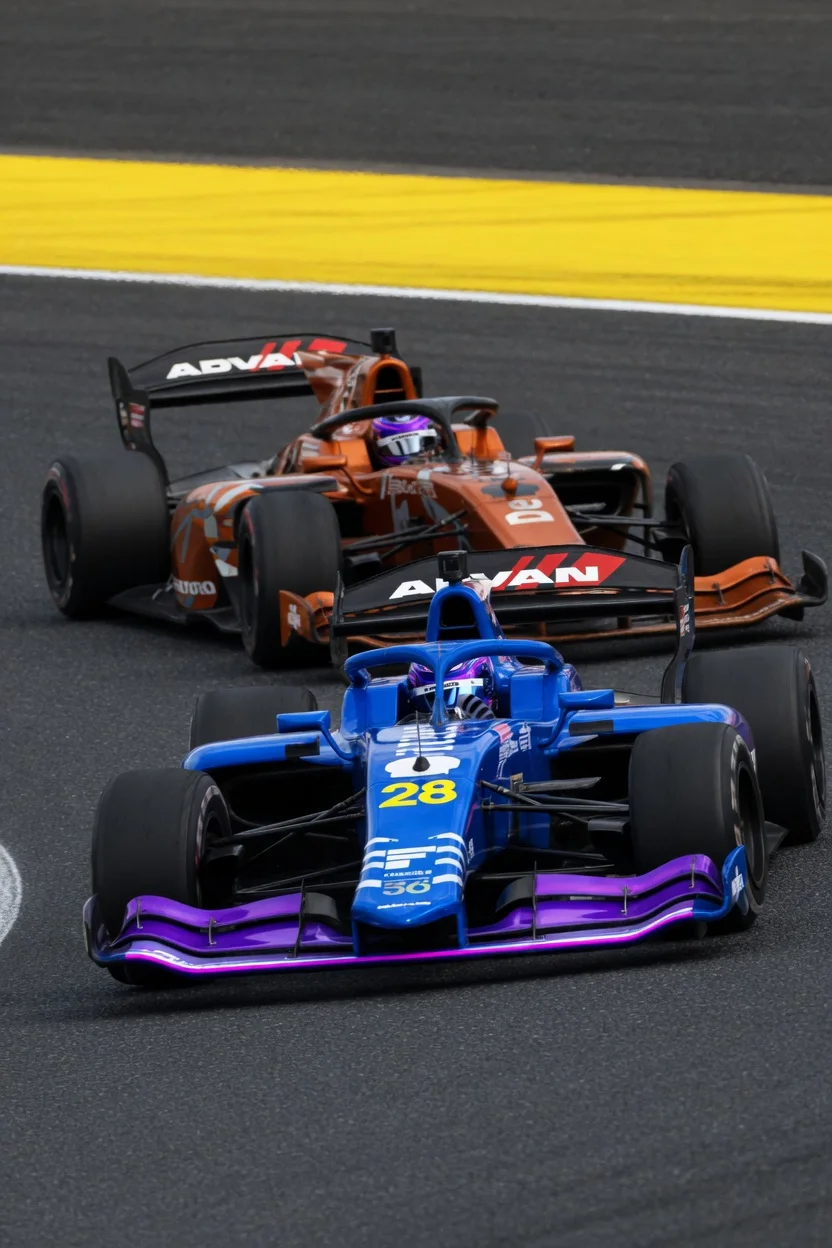
Qualifying is where a car’s true potential gets exposed. There is nowhere to hide on a single lap — no strategy, no traffic, just you against the clock.
The Q1, Q2, Q3 Knockout Format Explained
The knockout format replaced the older single-session system in 2006. Since then, it has become one of the most recognisable structures in modern motorsport. Each part eliminates a fixed number of drivers, building tension as the field narrows toward the final ten.
How elimination actually works lap by lap
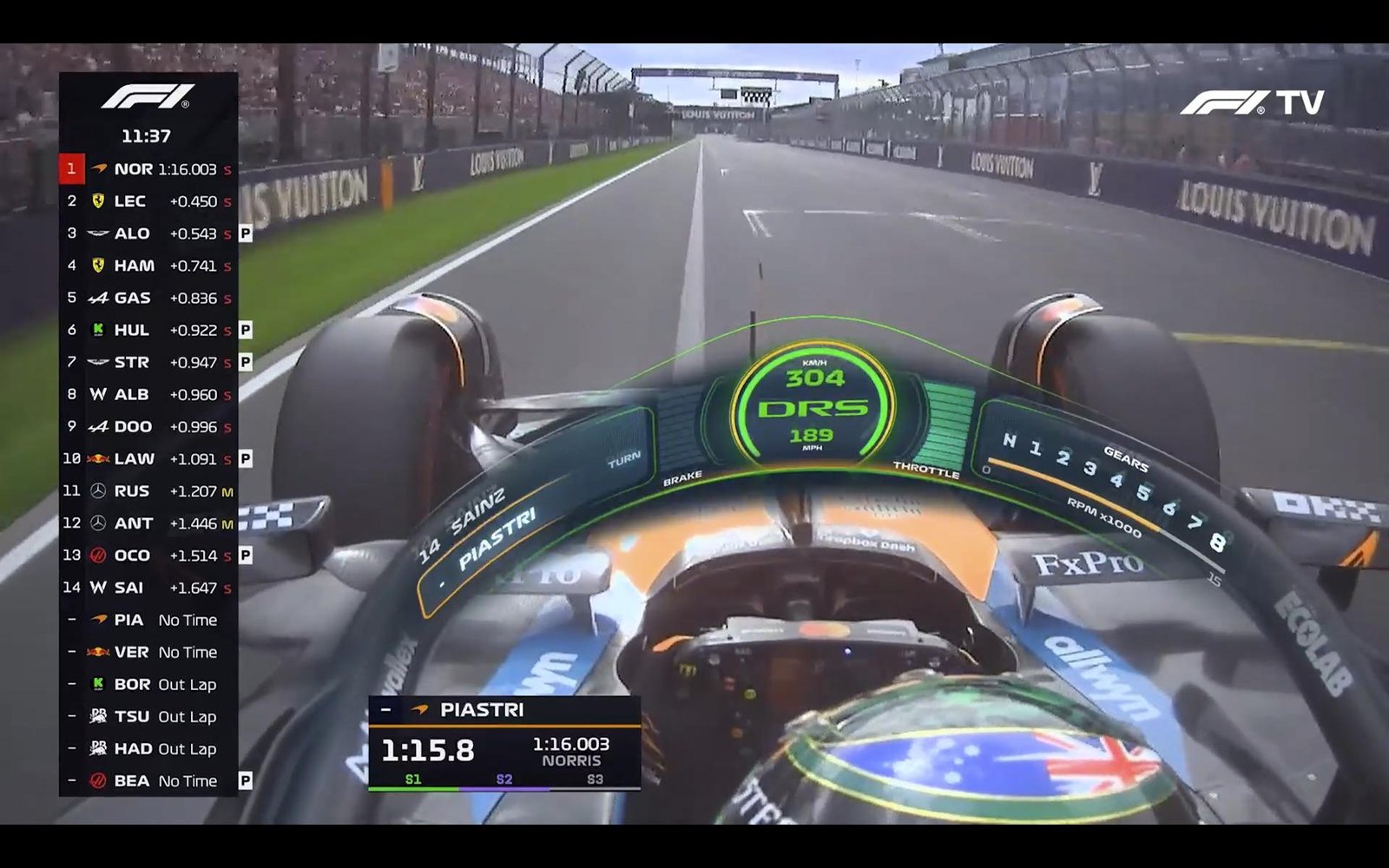
Each segment runs as a continuous session rather than individual timed runs. Consequently, drivers can attempt multiple laps within the allotted window. Teams typically send cars out late in each segment to benefit from improving track conditions, which often creates a frantic final few minutes as times tumble.
Drivers who fail to set a representative time, due to a red flag or mechanical issue, may still be eliminated based on their best lap from earlier in the session. Therefore, banking an early lap is considered essential, even on tracks where conditions improve significantly later.
| Session | Duration | Cars at Start | Cars Eliminated | Resulting Grid Positions |
|---|---|---|---|---|
| Q1 | 18 minutes | 20 | 5 | 16th – 20th |
| Q2 | 15 minutes | 15 | 5 | 11th – 15th |
| Q3 | 12 minutes | 10 | 0 | 1st – 10th (Pole Decided) |
Track temperature drops as the session progresses, particularly under floodlights or in cooler evening air. Lower temperatures generally improve tyre grip and aerodynamic performance. As a result, most genuine pole attempts happen in the closing two or three minutes of Q3, creating one of the most tense moments in any F1 weekend. Understanding what downforce actually does helps explain why track temperature swings matter so much on a single lap.
How Pole Position Is Decided
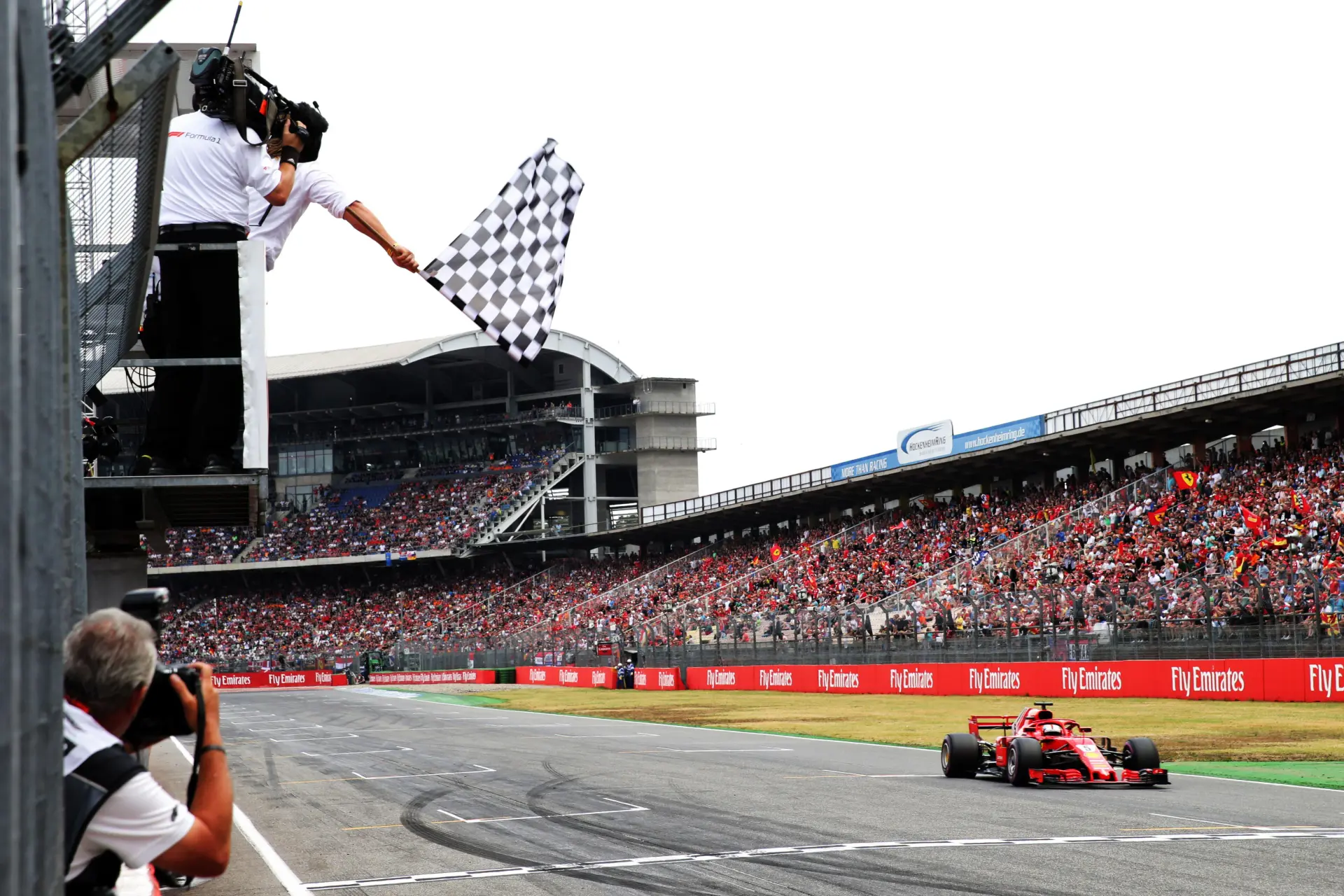
Pole position goes to whichever driver sets the single fastest lap time during Q3. There is no averaging, no combined times, and no bonus for consistency. Only the quickest lap counts, regardless of when it happens within the twelve-minute window.
If two drivers somehow set identical lap times to the available precision, the driver who set that time earliest in the session is awarded the better grid position. However, this scenario is extremely rare given modern timing precision down to the thousandth of a second.
Why pole position is worth fighting for
Pole position grants the driver a clean view of the racing line into the first corner. Consequently, pole-sitters statistically convert their starting spot into a race win far more often than any other grid position. Moreover, starting at the front avoids the chaos of midfield traffic during the opening laps, where contact and lost positions are most common.
Track layout affects how valuable pole truly is. At circuits with limited overtaking opportunities, such as street circuits favoured by certain teams, pole position can be almost decisive. Meanwhile, at tracks with long straights and heavy braking zones, the gap between pole and second can matter far less by the chequered flag. Our deeper explainer on what pole position actually means covers the historical context in more detail.
Standard qualifying does not award championship points directly. However, pole position does occasionally pay a single bonus point in certain formats, though this varies by season regulation. The biggest impact remains indirect — better grid slots translate into better race results, which is where the meaningful points come from. See how the F1 points system works for the full breakdown.
Sprint Qualifying and the Sprint Shootout
Several rounds each season use a sprint weekend format. On these weekends, a separate qualifying session — called the Sprint Shootout — determines the grid for Saturday’s shorter sprint race, while traditional qualifying still sets the grid for Sunday’s Grand Prix.
The Sprint Shootout mirrors the knockout structure but compresses the timing significantly. Sessions are shorter, and the format uses SQ1, SQ2, and SQ3 labels instead of Q1, Q2, and Q3, though the elimination pattern works identically.
This means a driver’s Friday qualifying lap effectively shapes two separate events across the weekend. Therefore, sprint weekends place extra value on a single strong qualifying lap, since it influences both the sprint grid indirectly through track position and the main race grid directly.
Qualifying Rules, Track Limits & Grid Penalties
Setting the fastest lap does not always guarantee a driver keeps their grid position. Several rules exist to enforce fair competition, and breaching them can erase an otherwise perfect qualifying lap.
Track limits during qualifying
Drivers must keep at least part of the car within the track boundaries at all times. If a car exceeds track limits on a lap that sets a new best time, that lap time is deleted entirely. Consequently, what looked like a provisional pole position can vanish within seconds, replaced by a slower, legal lap instead.
Grid penalties from earlier in the weekend
Penalties for unsafe driving, causing a collision, or exceeding component usage limits can be applied after qualifying concludes. These penalties shift a driver backward on the grid by a fixed number of positions, regardless of where they actually qualified. As a result, the official grid published before the race may look noticeably different from the raw qualifying classification.
| Infringement | Typical Penalty | Applied When |
|---|---|---|
| Track limits violation | Lap time deleted | Immediately during session |
| Impeding another driver | 3-place grid penalty | Post-session investigation |
| Excess engine component usage | 5–10 place grid penalty | Applied before race start |
| Parc fermé infringement | Pit lane start | If car setup is altered illegally |
Once qualifying ends, cars enter a regulation known as parc fermé. This restricts teams from making significant setup changes before the race. Minor adjustments like tyre pressures or brake bias within strict limits remain allowed, but altering wing angles or suspension settings is forbidden without accepting a grid penalty. A full breakdown of related terminology lives in our F1 penalty glossary.
What Happens If It Rains During Qualifying?
Rain does not change the structure of qualifying. The session still runs Q1, Q2, and Q3 as normal. However, conditions can transform the entire competitive order, since wet-weather driving rewards different skills than dry-weather pace.
Drivers switch to intermediate or full wet tyres depending on standing water levels. Furthermore, visibility drops significantly behind other cars, making track position during the session itself far more important than usual. A driver caught in spray during their only attempt can lose several tenths instantly.
What happens if qualifying is cancelled entirely
In extreme conditions, race control may suspend or cancel a qualifying session entirely. If this happens before any meaningful running occurs, the grid typically falls back to the championship standings order, or in some cases, practice session times. This outcome is rare but has happened in recent seasons due to severe storms or unsafe track conditions.
Mechanical grip becomes less dominant in the wet, while driver feel and bravery weigh more heavily. As a result, wet qualifying sessions have historically produced some of the most surprising grid orders in F1 history, with underdog teams occasionally outqualifying championship contenders entirely.
Frequently Asked Questions
Qualifying decides far more than just track position.
Three sessions. One shrinking grid. A handful of seconds separating pole position from a midfield scrap. Formula 1 qualifying compresses an entire weekend of preparation into roughly an hour of pure, unfiltered speed — and the results echo through every lap of Sunday’s race.
Whether conditions are bone dry or pouring with rain, the format stays consistent, even as the competitive order shifts dramatically. For full Grand Prix coverage and the latest qualifying results, our live Formula 1 qualifying hub updates throughout every race weekend. For the next event on the 2026 calendar, when is the next F1 race has the full schedule.