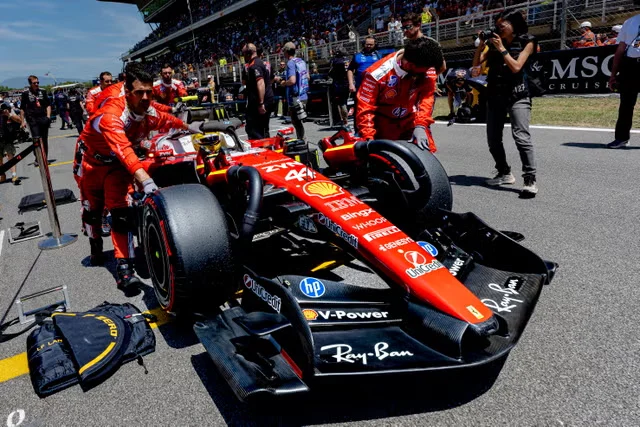
How Much Do F1 Drivers Earn? Salary, Bonuses and Sponsorship Explained
The headline salary is only the starting point. Wins, points, championships, endorsements, image rights and business ventures can change a driver’s total income dramatically.
Formula 1 pay ranges from comparatively modest rookie contracts to more than $70 million in annual salary and bonuses for leading champions. Sponsorships, endorsements and businesses can add millions more.
Formula 1 does not publish an official driver payroll.
Teams keep contract values private. Therefore, every public salary table should be treated as an informed estimate.
The best estimates combine financial filings, legal documents, media reports and paddock sources.
Forbes estimated that Formula 1’s ten highest-paid drivers earned $363 million in salary and bonuses during 2025.
Max Verstappen led that ranking with estimated on-track compensation of $76 million.
His figure included a $65 million base salary and $11 million in performance bonuses.
Lewis Hamilton followed at an estimated $70.5 million during his first Ferrari season.
However, Hamilton’s wider commercial income went much further. Forbes estimated $30 million in off-track earnings during the 12 months ending May 2026.
That pushed his total athlete earnings to an estimated $100 million for the period.
Lando Norris demonstrated the power of incentives. His estimated 2025 salary was $18 million.
However, bonuses of $39.5 million lifted his on-track total to $57.5 million after his championship season.
Oscar Piastri offered another example. Forbes estimated a $10 million salary and $27.5 million in bonuses.
These figures show why base salary alone can be misleading.
A driver’s contract may reward points, podiums, victories, Sprint results and championship position.
Meanwhile, personal sponsorships can add another revenue stream.
Drivers may sign deals with clothing, watch, technology, travel and lifestyle brands.
However, team contracts restrict conflicting sponsors. A Ferrari driver cannot freely promote a direct rival to a Ferrari partner.
Formula 1 prize money does not go directly to drivers.
Instead, teams receive commercial payments. A driver earns through the contract negotiated with that team.
Driver salaries are also excluded from the Formula 1 cost cap.
Consequently, a team can pay a star driver without reducing the regulated car-development budget.
Tax, management fees and personal expenses reduce take-home income.
Yet no universal net-salary figure exists because drivers live, work and race across several jurisdictions.
So, how much do F1 drivers earn in real terms? The answer depends on performance, market value and commercial power.
Latest Complete F1 Driver Earnings Estimates
Forbes estimated Max Verstappen’s 2025 on-track earnings at $76 million, ahead of Lewis Hamilton at $70.5 million and Lando Norris at $57.5 million.
The table below uses Forbes’ completed 2025 season estimates.
It separates guaranteed salary from estimated bonuses. Endorsements and other off-track income are excluded.
| Rank | Driver | Estimated Salary | Estimated Bonuses | Estimated On-Track Total |
|---|---|---|---|---|
| 1 | Max Verstappen | $65 million | $11 million | $76 million |
| 2 | Lewis Hamilton | $70 million | $0.5 million | $70.5 million |
| 3 | Lando Norris | $18 million | $39.5 million | $57.5 million |
| 4 | Oscar Piastri | $10 million | $27.5 million | $37.5 million |
| 5 | Charles Leclerc | $30 million | $0 | $30 million |
| 6 | Fernando Alonso | $24 million | $2.5 million | $26.5 million |
| 7 | George Russell | $15 million | $11 million | $26 million |
| 8 | Lance Stroll | $12 million | $1.5 million | $13.5 million |
| 9 | Carlos Sainz | $10 million | $3 million | $13 million |
| 10 | Kimi Antonelli | $5 million | $7.5 million | $12.5 million |
Important: These are estimates, not audited team disclosures. Most F1 contracts remain confidential, and figures can vary by methodology.
The Highest Salary Did Not Produce the Highest Total
Hamilton held the largest estimated base salary at $70 million.
However, Verstappen’s bonuses lifted him above Hamilton in total on-track compensation.
Championship Performance Can Transform Pay
Norris and Piastri earned more in bonuses than salary.
Therefore, a successful season can multiply a driver’s contracted base amount.
The Top Ten Are Not the Grid Average
The $363 million total covers only the highest-paid ten drivers.
It should not be divided by the full grid and presented as an official average salary.
Lower-Grid Figures Are Less Certain
Public reporting becomes thinner outside the leading contracts.
Rookie and smaller-team estimates can differ sharply between publications.
F1 salary lists are useful when they show methodology and label estimates. A precise figure without a source is usually less trustworthy than a transparent range.
How an F1 Driver Salary Is Structured
An F1 contract usually combines a guaranteed retainer with performance bonuses. It may also include image-rights terms, sponsor appearances, options, expenses and termination clauses.
Formula 1 drivers are not normally paid like hourly employees.
The team purchases a season of elite performance, development work and commercial appearances.
| Contract Element | How It Works | Why It Matters |
|---|---|---|
| Base salary or retainer | Guaranteed compensation for the contract period | Provides stable income regardless of individual race results |
| Points bonus | Payment linked to championship points | Rewards consistent scoring throughout the season |
| Podium or win bonus | Payment for selected race results | Can become large at a competitive team |
| Championship bonus | Major incentive for winning a title | Can transform total annual compensation |
| Commercial duties | Team sponsor appearances and promotional work | Connects driver value to the team’s partners |
| Image rights | Rules governing use of the driver’s name and likeness | Controls advertising, merchandise and media campaigns |
| Options and clauses | Renewal, exit, performance and buyout conditions | Determine contract length and negotiating leverage |
| Expenses and benefits | Travel, accommodation, medical and support arrangements | Changes the driver’s real economic package |
The Base Salary Buys More Than Race Starts
A Formula 1 driver attends engineering meetings and simulator sessions.
Moreover, the driver supports factory development and sponsor commitments.
Contracts Cover the Full Year
Dividing annual pay by the number of Grands Prix creates a misleading “per-race salary.”
The driver works during testing, training, media days and technical preparation.
Guaranteed Money Reflects Risk
A veteran champion offers known performance and commercial value.
Therefore, that driver can demand a larger guaranteed amount.
Young Drivers Often Accept More Incentive-Based Pay
A rookie has less negotiating power.
Consequently, the team may offer a smaller retainer with bonuses for points and results.
Contract Language Can Be More Valuable Than a Headline Number
A lower salary with achievable bonuses may outperform a larger fixed deal.
Meanwhile, a buyout clause can decide whether a driver can change teams.
How F1 Driver Bonuses Work
Many F1 contracts include performance incentives for points, podiums, wins or championships. Exact bonus amounts are private and vary by driver and team.
Bonuses align the driver’s pay with the team’s sporting success.
However, there is no standard Formula 1 bonus schedule.
Points Bonuses Reward Consistency
A driver can earn for every championship point or for reaching defined totals.
This structure benefits drivers at midfield teams where victories are unrealistic.
Podium Bonuses Mark Breakthrough Results
A smaller team may attach a major reward to a podium.
That result can also increase future contract value.
Win Bonuses Can Be Significant
A race victory brings sporting and commercial exposure.
Therefore, leading drivers can negotiate strong incentives for each Grand Prix win.
Championship Bonuses Are Often the Largest
Forbes estimated that Norris’s 2025 title included a $10 million championship bonus.
His wider performance incentives raised the total bonus figure to $39.5 million.
Sprint Results May Be Included
A modern contract can define separate Sprint rewards.
However, the wording differs. Fans should not assume every Sprint win triggers the same payment.
Pole Position and Fastest-Lap Clauses Are Possible
Teams can negotiate almost any measurable incentive.
Nevertheless, public evidence is limited because contracts remain private.
Team Performance Can Affect Bonuses
A driver may receive an incentive tied to the Constructors’ Championship.
That structure rewards cooperation with the teammate and engineering group.
How Much Do F1 Drivers Earn From Sponsorships?
Yes. Drivers can earn from personal endorsements, ambassador agreements, appearances, licensing and businesses. Team-sponsor conflicts often limit which brands they can accept.
Sponsorship income sits outside the team salary.
However, the driver cannot treat the racing suit as unrestricted advertising space.
Team Sponsors Control Major Categories
An F1 team may have official partners in watches, drinks, clothing and technology.
Consequently, the driver’s personal deal cannot normally conflict with those brands.
Personal Endorsements Use the Driver’s Own Profile
A famous driver can appear in advertising away from team activity.
The contract defines whether team clothing, cars or logos may appear.
Hamilton Sets the Commercial Benchmark
Forbes estimated Hamilton earned $30 million off track during the year ending May 2026.
His partnerships, appearances and businesses helped create an estimated $100 million total.
Most Drivers Earn Far Less Off Track
Global fame, championships and cultural reach shape sponsorship value.
Therefore, Hamilton’s commercial portfolio should not be treated as a normal grid figure.
Helmet Deals Can Have Special Visibility
The driver’s helmet offers a personal branding surface.
Yet team and FIA rules still influence logo placement and campaign use.
Social Media Creates Measurable Value
Brands consider reach, engagement and audience geography.
A driver can therefore improve commercial power without changing race results.
Appearances Carry Their Own Price
Sponsor events may include interviews, customer meetings or product launches.
Some duties sit inside the team contract, while personal appearances can be paid separately.
Image Rights, Merchandise and Business Income
Image-rights clauses control how a team, sponsor or commercial partner may use the driver’s name, photograph, signature, helmet and personal brand.
A Formula 1 driver’s identity has commercial value beyond driving.
Therefore, contracts carefully divide team rights from personal rights.
The Team Needs Promotional Access
Teams sell sponsorships using their drivers’ visibility.
A driver must usually attend campaigns and permit approved use of their image.
The Driver Protects Personal Brand Value
A star may operate clothing, media or investment businesses.
The contract prevents the team from using that personal brand without agreed limits.
Merchandise Revenue Is Contract-Specific
Drivers may receive royalties or separate licensing payments.
However, no universal Formula 1 percentage exists.
Personal Logos Can Become Valuable Assets
Initials, race numbers and helmet designs can support merchandise.
As a result, intellectual-property ownership matters during a team change.
Business Ventures Can Outlast Racing
Production companies, fashion lines and investments can continue after retirement.
Therefore, commercial planning becomes part of long-term career management.
Do F1 Drivers Receive Prize Money?
No direct prize purse is paid to the race winner or World Champion. Formula 1 commercial payments go to teams, while drivers earn bonuses through private contracts.
Formula 1 differs from sports that announce a winner’s check.
The driver receives trophies and championship recognition rather than direct Formula 1 prize money.
Commercial Payments Go to Constructors
Team revenue is linked to the sport’s commercial agreements.
Constructors’ performance influences those distributions.
Drivers Convert Success Into Contract Money
A win can activate a bonus.
Moreover, sustained success improves leverage for the next negotiation.
Championships Create Sponsorship Value
A title increases media exposure and demand.
Therefore, the financial impact can exceed the formal team bonus.
“Prize Money” Is Often Used Too Loosely
Articles sometimes describe a driver’s bonus as prize money.
That language hides the important difference between F1’s team payments and private compensation.
Our guide to racing championship scoring explains how points create the sporting result.
Are Driver Salaries Included in the F1 Cost Cap?
No. Driver salaries and retainers are excluded from the Formula 1 team cost cap. The 2026 financial framework therefore does not impose a direct driver-pay ceiling.
Formula 1 introduced its cost cap in 2021.
The system limits selected spending connected with designing and racing the car.
The 2026 Base Cap Rose to $215 Million
Formula 1 increased the headline limit after changing which costs sit inside the framework.
However, the larger number does not include driver salary.
Teams Can Spend for a Competitive Driver Advantage
A star driver can improve results, feedback and sponsorship appeal.
Consequently, wealthy teams can still compete aggressively in the driver market.
The Exclusion Protects Contract Freedom
Drivers and teams negotiate according to market value.
No league-wide maximum salary appears in the current cost-cap structure.
A Future Salary Cap Has Been Discussed
Ideas have included a combined driver allowance.
Nevertheless, the current rules do not impose that system.
Driver Pay Does Not Reduce Development Spending
A $60 million salary does not consume $60 million of the regulated cost cap.
Therefore, salary and car-development budgets must be analyzed separately.
Read our guide to how much an F1 car costs.
How Much Does a Rookie F1 Driver Earn?
Rookie salaries are usually far below champion-level contracts. Public estimates range from below $1 million for some new drivers to several million for highly valued prospects at leading teams.
There is no official rookie pay scale.
A driver’s academy support, Super Licence status and negotiating leverage all matter.
A Leading-Team Rookie Can Earn More
Kimi Antonelli joined Mercedes with unusual backing and expectation.
Forbes estimated his 2025 base salary at $5 million and bonuses at $7.5 million.
Smaller Teams Can Offer Lower Guaranteed Pay
A rookie may accept a modest salary to secure a rare seat.
Performance incentives then create upside.
Academy Funding Changes the Negotiation
A team may have funded the driver’s junior career.
Therefore, the first F1 contract can reflect earlier investment and long-term options.
Rookie Pay Is Not a Measure of Talent Alone
Team finances, sponsor support and timing shape the figure.
A lower-paid rookie can still outperform a veteran.
The Second Contract Is Often the Major Jump
Once a driver proves points-scoring ability, risk falls.
Consequently, the next negotiation can multiply guaranteed pay.
How Much Do Reserve and Test Drivers Earn?
Reserve-driver pay is rarely disclosed. Contracts may combine a retainer with simulator work, testing, sponsor duties and racing in another championship.
A reserve driver must remain ready for an immediate call-up.
However, the role varies greatly between teams.
Some Reserves Are Established Race Winners
An experienced former F1 driver can demand a stronger retainer.
The team values proven feedback and emergency readiness.
Young Reserves May Be Academy Drivers
The contract can form part of a development program.
Therefore, salary may be bundled with testing and another racing campaign.
Simulator Duties Can Be Extensive
Drivers may work overnight during Grand Prix weekends.
They test setup changes and help correlate factory tools with track data.
Testing Creates Additional Value
Previous-car tests and rookie practice sessions build team knowledge.
A driver who provides clear feedback becomes more useful than a simple backup.
Public Salary Ranges Are Unreliable
Many online figures repeat each other without documentation.
Therefore, a precise reserve salary should be treated cautiously unless a filing or direct source supports it.
Read our history of racing simulators.
What Is Inside an F1 Driver Contract?
Deals can last one season or several years. Options, performance clauses and exit conditions often matter more than the public end date.
Teams usually announce contract length without publishing financial details.
Even the stated duration may include options rather than fully guaranteed seasons.
Team Options Give the Constructor Control
A team may hold the right to extend the deal.
The option usually requires notice by a specified date.
Driver Options Protect Career Flexibility
A driver may gain an exit if the team misses performance targets.
However, the exact conditions are private.
Buyout Clauses Price a Team Change
Another team may need to pay compensation.
Consequently, a driver’s market value includes both salary and release cost.
Termination Clauses Protect Both Sides
Contracts can address misconduct, licence loss and failure to perform duties.
They may also define payments after early termination.
Injury and Suspension Terms Are Contract-Specific
There is no universal rule that every missed race reduces salary.
Insurance and guaranteed-pay language determine the result.
Confidentiality Protects Negotiating Positions
Teams do not want rivals to know their maximum offer.
Drivers also protect endorsement and image-rights arrangements.
See the current Formula 1 drivers and 2026 F1 teams.
How Tax Changes an F1 Driver’s Take-Home Pay
There is no single F1 tax rate. Liability depends on residence, citizenship, contract structure, income source and the countries where work is performed.
Gross salary is not the same as spendable income.
Drivers compete internationally and may have companies managing image rights or sponsorships.
Residence Is Only One Factor
Several drivers live in Monaco.
However, residency alone does not explain the final tax bill.
Citizenship Can Create Special Rules
French nationals living in Monaco face different treatment under the France-Monaco arrangements.
Other drivers may retain obligations in their home country.
Race Locations Can Matter
Some countries tax income connected with work performed inside their borders.
Therefore, a global racing schedule can create several filings.
Sponsorship Income May Be Treated Differently
Salary, appearance fees and image-rights income can follow different tax rules.
The driver’s legal structure also matters.
Agent and Adviser Fees Reduce Net Income
Management, legal and accounting services carry costs.
No standard F1 commission rate is publicly established.
Tax note: This article provides general motorsport context, not personal tax advice. A driver’s real liability requires professional analysis of individual facts.
What Expenses Do F1 Drivers Pay?
A headline salary does not reveal the full economic package.
Teams cover many race-related costs, but personal arrangements vary.
Race Travel Is Usually a Team Function
Flights, hotels and ground transport for official duties are commonly organized by teams.
However, personal guests and private travel may sit outside that support.
Physical Support Can Be Team-Funded or Personal
Drivers work with trainers, physiotherapists and nutrition specialists.
The contract determines who pays and whether staff travel with the driver.
Insurance Is Complex
Elite motorsport creates unusual injury and income risks.
Specialist insurance can therefore become a significant private cost.
Management and Legal Work Are Essential
Agents negotiate salary, options and sponsor conflicts.
Lawyers protect image rights and business ventures.
Private Aviation Is Not a Salary Requirement
Some drivers use private aircraft for scheduling efficiency.
Others use team travel or commercial flights. Lifestyle reporting should not be confused with contract pay.
The Super Licence Has an Annual Cost
FIA licence fees sit outside the headline salary estimate.
Whether the team reimburses them depends on the contract.
What Is a Pay Driver?
They can. A driver may bring sponsorship or family-backed funding while also receiving salary, bonuses or expenses from the team.
“Pay driver” is often used too casually.
Nearly every modern driver brings some commercial value.
Funding Does Not Eliminate Ability
A driver still needs an FIA Super Licence.
Moreover, the driver must operate the car safely and support development.
Sponsors Can Support a Seat
A company may increase its team partnership because of a driver.
The driver can then improve the team’s overall financial package.
Salary and Sponsorship Can Coexist
The team may pay a retainer while receiving larger commercial backing.
Therefore, “paid” and “pay” are not always opposites.
Results Determine Long-Term Survival
Funding can open the door.
However, sustained weak performance can reduce sponsor and team interest.
Our guide to becoming a professional racing driver covers the funding ladder.
Do Formula 2 and Formula 3 Drivers Earn Salaries?
Most junior drivers do not receive F1-style salaries. Many must fund their seats through families, sponsors or driver academies, although selected prospects receive support or retainers.
The financial direction often reverses below Formula 1.
Instead of receiving millions, a junior may need to raise millions to continue.
Teams Sell Race Programs
Junior categories have major car, engine, tire and travel costs.
Drivers or their backers commonly fund those expenses.
Academies Can Cover the Budget
Red Bull, Ferrari, Mercedes and other programs support selected prospects.
However, support levels and repayment terms remain private.
Sponsor Income Often Pays Racing Bills
A junior’s sponsorship may not become personal profit.
Instead, it keeps the driver on the grid.
Prize Money Is Limited Compared With Costs
Winning a feeder championship can create career value.
Yet the immediate cash reward rarely matches the total season budget.
Reaching F1 Changes the Business Model
An F1 contract turns the driver from a funded competitor into a valuable employee and commercial asset.
That transition explains the huge financial gap between F2 and Formula 1.
What Determines an F1 Driver’s Market Value?
Salary reflects speed, results, development feedback, age, contract availability, commercial appeal, team finances and the number of rival teams seeking the driver.
Sporting Value
Pace, consistency, racecraft and championships determine expected points.
Technical Value
Feedback and simulator quality help the team develop a faster car.
Commercial Value
Fan reach and sponsor appeal increase revenue beyond race results.
Champions Carry Proven Value
A title winner has succeeded under pressure.
Therefore, teams pay more for a known championship ceiling.
Scarcity Increases Salary
Only a few drivers can lead a title campaign.
When several teams need one, bidding power increases.
Age Affects Contract Length
A young star offers many future seasons.
An experienced champion offers immediate performance and feedback.
Commercial Reach Can Separate Similar Drivers
Two drivers may produce similar lap times.
The larger global audience can still justify a stronger package.
Timing Shapes Negotiating Power
A driver entering free agency before a major regulation change can attract interest.
Meanwhile, a long-term contract can prevent a bidding contest.
Team Performance Changes Bonus Potential
A smaller salary at a winning team can produce larger bonuses.
Norris and Piastri’s 2025 estimates illustrate that effect.
Read our profiles of Red Bull Racing and Ferrari.
How F1 Driver Pay Grew Into a Global Sports Business
Formula 1 drivers have always carried risk and star power.
However, the sport’s commercial scale has changed dramatically.
Early Drivers Often Combined Racing With Other Work
In the championship’s first decades, professionalism varied.
Prize arrangements and appearance money could matter more than a modern guaranteed salary.
Television Increased Driver Value
Global broadcasts turned champions into international celebrities.
Sponsors then paid more for driver visibility.
Manufacturer Teams Raised the Market
Major automotive companies treated star drivers as both athletes and brand ambassadors.
Consequently, leading salaries moved into eight figures.
Modern Social Media Expanded Personal Brands
Drivers now communicate directly with millions of fans.
That audience creates sponsorship and merchandise opportunities outside television.
The Cost Cap Redirected Competitive Spending
Teams cannot spend without limit on every engineering category.
However, driver salaries remain outside the cap. Elite talent is therefore one area where teams can spend freely.
Formula 1’s Business Growth Supports Larger Pay
Higher team valuations, sponsorship demand and commercial revenue strengthen the driver market.
Forbes reported that the top ten’s 2025 on-track earnings rose 15 percent from 2024.
How to Read F1 Salary Reports Correctly
Teams and drivers rarely publish full contracts. Reporters therefore use filings, legal documents, media reports and industry sources to estimate compensation.
Check Whether Bonuses Are Included
One article may list base salary only.
Another may include wins and championship payments. The figures are not directly comparable.
Check the Currency
Reports may use dollars, pounds or euros.
Exchange rates can create apparent differences.
Check the Season
A driver’s salary can change after an extension.
Therefore, an old article may no longer describe the current contract.
Check Whether Endorsements Are Included
Forbes’ F1 ranking excludes off-track earnings.
Its global athlete ranking includes sponsorships and businesses.
Do Not Confuse Net Worth With Annual Income
Net worth estimates attempt to value accumulated assets.
Salary measures compensation during a period. They answer different questions.
Avoid False Precision
A claim such as “$21,384,627” suggests audited knowledge.
Rounded estimates are more honest when contracts are private.
What Does an F1 Driver Earn Per Race, Week or Lap?
These calculations create entertaining headlines.
However, they do not describe the contract accurately.
Per-Race Pay Ignores Year-Round Work
A driver trains and develops the car between events.
Therefore, dividing salary by 24 Grands Prix understates the job.
Bonus Timing Is Uneven
A championship bonus may arrive after the final race.
It cannot be assigned meaningfully to one lap.
Sponsorship Income Follows Different Schedules
Brands may pay by campaign, quarter or appearance.
Consequently, weekly figures can vary.
A Useful Calculation Must State Its Assumptions
Fans can divide estimated annual pay for comparison.
However, the result should be labeled a mathematical average, not an actual payroll rate.
F1 Earnings Compared With Other Motorsport
Formula 1 provides the highest ceiling in circuit racing.
Yet other series can pay leading drivers well.
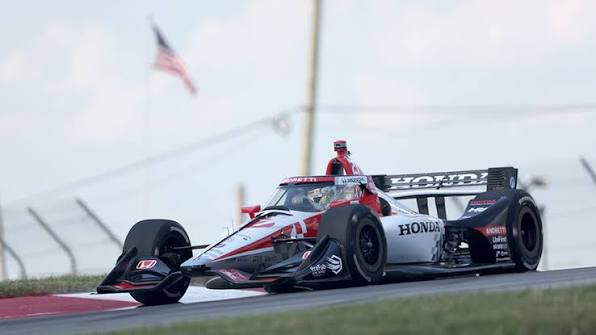
IndyCar
Top drivers can earn salaries, bonuses and sponsor income.
However, team budgets and global commercial reach are smaller than Formula 1.
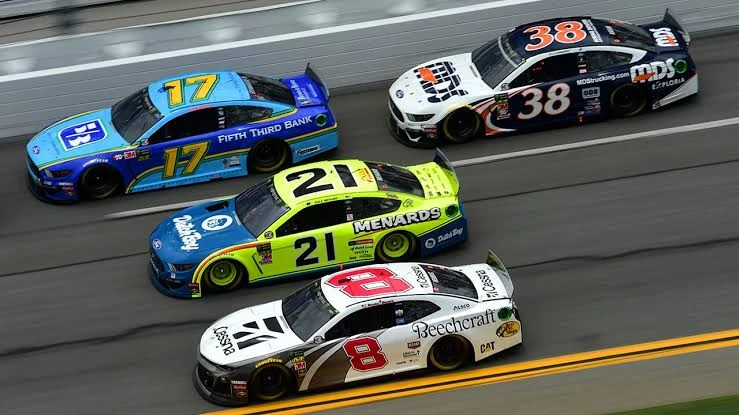
NASCAR
Leading Cup drivers combine team pay, race success and endorsements.
The largest names can build powerful U.S. commercial brands.
MotoGP
Factory stars command substantial contracts.
Nevertheless, Formula 1’s biggest salaries remain higher in most public estimates.
Formula E
Professional drivers receive salaries, but the financial ceiling is lower.
Its teams also operate under a different cost structure.
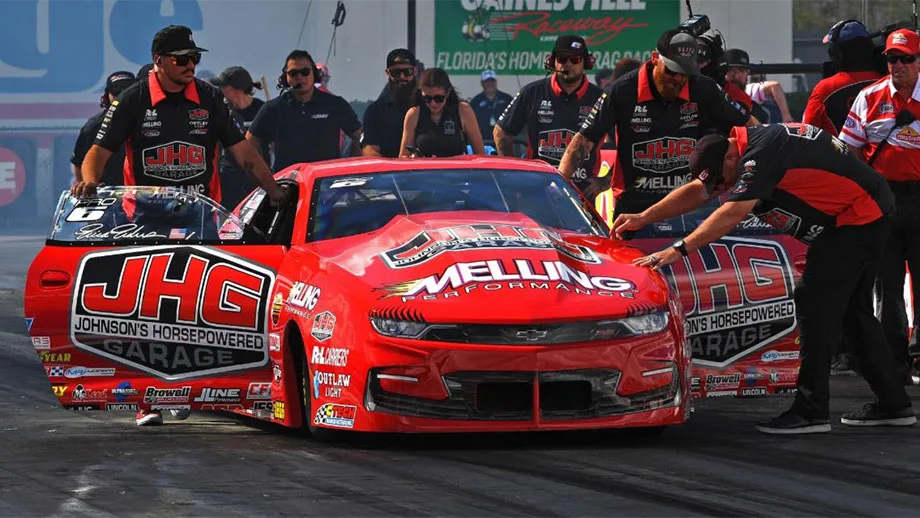
NHRA
Drag-racing income depends heavily on team ownership, sponsors and prize structures.
Read our guide to NHRA driver earnings.
F1 Driver Earnings FAQs
How much do F1 drivers earn?
Champions can earn tens of millions in salary and bonuses. Rookies and smaller-team drivers generally earn much less.
Who was the highest-paid F1 driver in 2025?
Forbes estimated Verstappen’s on-track compensation at $76 million, including $65 million in salary and $11 million in bonuses.
Do F1 drivers receive prize money?
Prize money goes to teams. Drivers receive private contract bonuses for wins, points and championships.
Are F1 driver salaries included in the cost cap?
No. Driver salaries and retainers are excluded from the current Formula 1 team cost cap.
Conclusion: F1 Earnings Combine Sport, Risk and Global Celebrity
The question how much do F1 drivers earn has no single number.
Formula 1 does not publish an official salary list.
Teams and drivers negotiate private contracts.
Therefore, responsible reporting must label every public figure as an estimate.
The latest complete benchmark comes from the 2025 season.
Forbes estimated that the ten highest-paid drivers earned $363 million on track.
That figure included salaries and performance bonuses.
It excluded endorsements, personal appearances and business income.
Max Verstappen led the estimate at $76 million.
His base salary was estimated at $65 million.
Performance bonuses added another $11 million.
Lewis Hamilton had the largest estimated base salary.
Forbes placed his Ferrari salary at $70 million.
A smaller bonus raised the on-track total to $70.5 million.
Hamilton also showed how sponsorship changes the picture.
Forbes estimated $30 million in off-track earnings during the year ending May 2026.
That produced an estimated $100 million total across racing and business.
However, Hamilton is an exceptional global commercial figure.
His sponsorship income should not be treated as a normal driver amount.
Lando Norris showed the power of bonus clauses.
His estimated 2025 salary was $18 million.
His estimated bonuses reached $39.5 million.
Therefore, performance more than tripled the base figure.
Oscar Piastri followed a similar pattern.
His estimated $10 million salary became $37.5 million after bonuses.
These examples reveal the basic Formula 1 pay structure.
The team provides a guaranteed retainer.
The contract then adds rewards for points, podiums, wins and championships.
Not every deal includes the same triggers.
A midfield driver may receive a large points bonus.
A champion may negotiate major payments for race victories.
Sprint, pole and fastest-lap clauses are possible.
However, public evidence remains limited.
Contracts also cover commercial work.
Drivers attend sponsor events and advertising shoots.
They appear in team campaigns and customer programs.
Their image helps the team sell partnerships.
Personal sponsorship sits beside those duties.
A driver can promote brands outside the team relationship.
However, category conflicts limit the available deals.
A team watch partner may block another watch brand.
A clothing partner may restrict fashion campaigns.
Therefore, commercial freedom depends on contract language.
Image rights create another layer.
The team needs permission to use the driver’s face and name.
The driver protects personal logos, helmet designs and businesses.
Merchandise royalties can add income.
Yet no standard royalty percentage exists across Formula 1.
Prize money causes frequent confusion.
Formula 1 does not hand a direct winner’s check to the driver.
Commercial payments go to teams.
The driver’s financial reward comes from the private contract.
A race win can activate a bonus.
A championship can create a much larger bonus.
Success also increases future salary and sponsorship value.
The cost cap shapes the market as well.
The 2026 framework has a $215 million base limit.
However, driver salaries and retainers are excluded.
Therefore, a team can pay a leading driver outside the regulated car budget.
There is no current F1 driver salary cap.
That exclusion makes elite drivers one of the few unrestricted performance investments.
Rookie contracts sit at the other end of the market.
Some first-year drivers receive low seven-figure or smaller estimated salaries.
Highly valued prospects at leading teams can earn more.
Antonelli’s estimated 2025 salary was $5 million.
Bonuses raised his estimated total to $12.5 million.
Most rookies do not begin with that level of team support.
The second contract often creates the largest jump.
A proven driver brings lower risk and stronger negotiating power.
Reserve and test-driver earnings are harder to measure.
Those agreements may combine simulator work and testing.
A junior may also race in another championship.
An experienced reserve may receive a stronger retainer.
Precise public salary ranges are rarely supported.
Therefore, unsupported numbers should be treated cautiously.
Taxes further complicate the answer.
Drivers live and work across several countries.
Residence, citizenship and income source can all matter.
Race locations may create additional obligations.
Image-rights income can follow different rules from salary.
Management and legal costs also reduce net income.
Consequently, nobody can calculate universal take-home pay from a gross salary table.
Expenses vary by contract.
Teams usually organize travel for official race duties.
Personal guests and lifestyle travel can remain private costs.
Trainers, physiotherapists and advisers may be team-funded or driver-funded.
Insurance creates another specialist expense.
The annual FIA Super Licence fee also sits outside most headline estimates.
The phrase “pay driver” needs careful use.
A driver can bring sponsorship and still receive a salary.
Funding does not remove talent.
Every F1 race driver must hold a Super Licence.
However, commercial support can influence which qualified driver gets the seat.
Below Formula 1, the economics often reverse.
Many Formula 2 and Formula 3 drivers pay for race programs.
Families, sponsors and academies fund the campaign.
Junior sponsorship may cover racing costs rather than personal income.
Reaching Formula 1 changes the driver into a paid sporting and commercial asset.
Market value then depends on several factors.
Raw pace creates sporting value.
Consistency produces championship points.
Technical feedback supports car development.
Fan reach attracts sponsors.
Age affects long-term potential.
Contract availability creates scarcity.
Team performance determines bonus opportunity.
A lower guaranteed salary at a winning team can become a larger total.
A larger salary at a struggling team may deliver fewer incentives.
That is why salary rankings need context.
They must state whether bonuses are included.
They must state the currency and season.
They must separate endorsements from team pay.
They must also avoid confusing annual income with net worth.
Ultimately, Formula 1 pay reflects more than driving speed.
It prices sporting performance, technical knowledge and commercial reach.
The highest-paid drivers combine all three.
They score points and lead development.
They also attract fans and global brands.
That combination can produce annual earnings above $70 million.
For a rare commercial superstar, total income can reach nine figures.
For a rookie, the first contract may be far smaller.
Yet even that seat provides the opportunity to build future value.
So, how much do F1 drivers earn?
The honest answer is a wide range.
Base salary sets the floor.
Bonuses reward results.
Sponsorship rewards fame.
Image rights protect the personal brand.
Taxes and expenses determine what remains.
Every figure tells only one part of the full Formula 1 earnings story.
Sources and Methodology
This article was checked against reporting and official Formula 1 material available on July 25, 2026. Salary figures are estimates because contracts are private. The source list is static and contains no interactive verification feature.