What Is an Unsafe Release in F1? Pit Lane Penalties Explained
How teams decide when to release a car, why pit-lane near misses matter, and how FIA penalties differ for traffic danger and unsafe mechanical conditions.
An unsafe release in F1 occurs when a team sends a car from its garage or pit box in a way that endangers another driver, another car, or pit-lane personnel. It can also mean releasing a car in an unsafe mechanical condition, such as with a wheel that is not secured correctly.
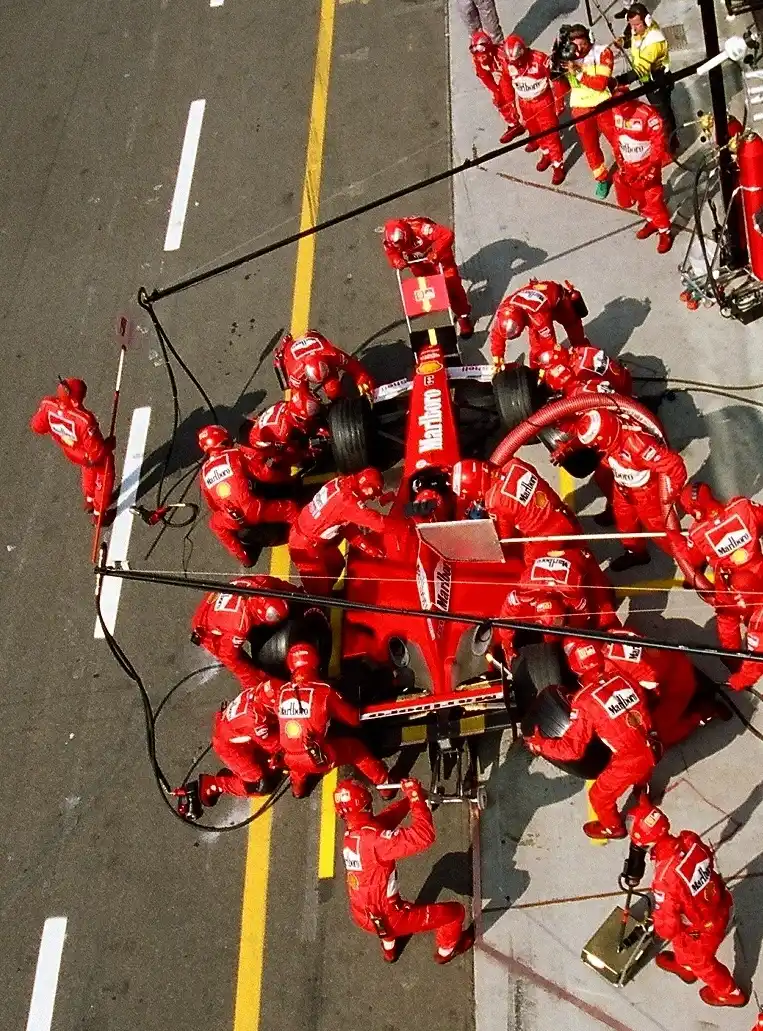
A Formula 1 pit stop may last less than two seconds, but the final decision can change an entire race. The car must leave quickly. It must also leave safely.
That balance creates the unsafe-release rule. A team cannot send its driver into the path of an approaching car. It also cannot release a car with a loose wheel, damaged component, or another dangerous fault.
However, not every tight pit-lane moment earns the same penalty. Contact, risk level, session type, evidence, and mechanical condition all matter. The FIA stewards examine the full sequence before deciding a punishment.
The current 2026 regulations make an important distinction. One rule covers a release that endangers pit-lane traffic or personnel. Another covers a car released in an unsafe condition. Those categories can lead to different sanctions.
This guide explains how an unsafe release happens, who controls the release, how stewards investigate, why penalties vary, and what famous cases teach fans about pit-lane safety.
What Does Unsafe Release Mean in Formula 1?
Unsafe release means a car has left its garage or pit-stop position when it was not safe to do so. The danger may come from another car approaching in the fast lane, nearby mechanics, equipment, or a mechanical problem on the released car. Contact is not required for a penalty.
The simplest example is a car leaving its pit box directly in front of another driver. The approaching car may need to brake, swerve, or stop to avoid contact.
A collision makes the danger obvious. However, a near miss can also be an unsafe release. The rule focuses on the risk created, not only the final outcome.
The second category concerns the condition of the released car. A wheel may not be fitted correctly. A component may remain loose. Equipment may still be attached.
Therefore, an unsafe release is broader than a pit-lane crash. It covers the team’s decision to send the car and the condition of that car at the moment it leaves.
The official Formula 1 glossary describes the term as releasing a car when it is not safe, including situations that endanger others. That fan-friendly definition matches the core purpose of the FIA rule.
Important: A safe release is not defined by whether contact happened. A driver who brakes hard and avoids a crash may provide the strongest evidence that the release created danger.
What Do the 2026 FIA Rules Say About Unsafe Releases?
The 2026 Formula 1 Sporting Regulations place pit-lane safety in Article B1.6.2. The rule defines when the car is considered released and separates two forms of danger.
First, a car must not be released in a way that could endanger pit-lane personnel or another driver. It also must not be released when damage to another car is likely.
Second, a car must not be released in an unsafe condition. This wording normally concerns a dangerous mechanical state rather than traffic positioning.
The distinction matters because the rules prescribe specific consequences for the unsafe-condition category. Traffic endangerment remains subject to the stewards’ wider incident and penalty powers.
| 2026 Rule Category | Typical Example | Main Risk | Possible Consequence |
|---|---|---|---|
| Released in a way that endangers others | Car moves into the path of pit-lane traffic | Collision, evasive action, danger to mechanics | Time penalty, grid drop, fine, or another steward sanction |
| Released in an unsafe condition during practice or qualifying | Wheel or component is not secured correctly | Part detachment or loss of control | Grid-position penalty considered appropriate by stewards |
| Released in an unsafe condition during Sprint or race | Car leaves with an unsafe mechanical fault | Danger over multiple racing laps | Stop-and-go penalty under the 2026 rule |
| Driver continues knowing the car is unsafe | Driver ignores a clear wheel or component problem | Extended danger to the field and personnel | Additional penalty |
The regulations also define the release moment precisely. In 2026, a car leaving after a pit stop is considered released after its rear axle passes the position previously occupied by the front axle.
That detail helps stewards identify the exact moment of commitment. Before that point, a team may still stop the car inside the box. After it passes, the release has occurred.
Each team must also provide a clear means of showing when the car was released. The system must be visible from above and from the front.
Moreover, each competitor receives a pit-stop camera for 2026. It must be installed directly above the designated stop position and remain operational during Sprints and races.
These cameras add a consistent overhead view. Consequently, stewards can examine the car, mechanics, neighboring boxes, and lane traffic from one useful angle.
The rule is built around preventable risk. The stewards do not need to prove that a crash was inevitable. They need to decide whether the release created an unreasonable danger at that moment.
How Is an F1 Pit Lane Organized?
Understanding an unsafe release requires understanding the pit lane. It is not one open road. It contains working areas, traffic lanes, garages, and marked stopping positions.
The lane closest to the garages is called the inner lane in the 2026 regulations. Cars stop and teams work in their designated areas beside it.
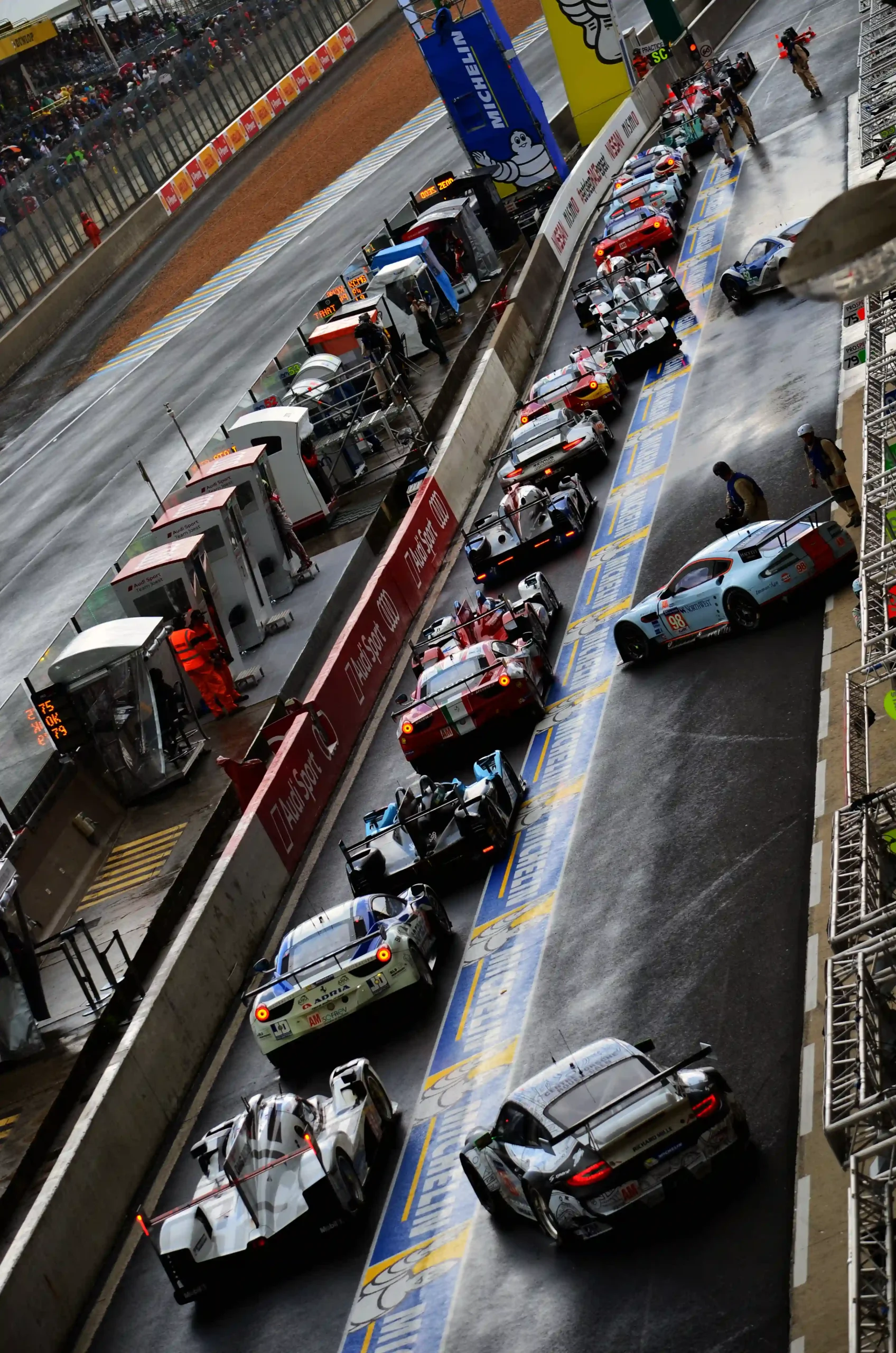
The fast lane is farther from the garages. Cars travel through it on the way to pit exit. Teams cannot leave equipment there during normal running.
The transition between the pit box and fast lane creates the danger point. A released car moves sideways while another car may be traveling straight ahead.
Inner or Working Area
- Closest to team garages
- Contains designated pit-stop positions
- Mechanics service the car here
- Cars accelerate away after the stop
- Personnel and equipment create limited visibility
Fast Lane
- Main route through the pits
- Used by cars entering and leaving
- Approaching cars usually have priority
- Speeds are limited but still substantial
- Side-by-side running can become dangerous
The default 2026 pit-lane speed limit is 80 kilometers per hour, or about 50 mph. However, the Race Director may change it for safety and circuit layout.
That speed may appear low beside racing speed. Yet it is extremely fast near mechanics, tire stacks, jacks, and narrow garage openings.
Some pit lanes are tighter than others. Neighboring stop positions may overlap the comfortable release window. Therefore, a release that looks simple on television can involve several moving cars and crews.
Our guide to how pit stops work in racing explains the broader sequence. The guide to an F1 pit stop covers the Formula 1 procedure in more detail.
Who Tells an F1 Driver When to Leave the Pit Box?
The team controls the release through a coordinated system involving wheel-gun signals, jack operators, sensors, software, the crew chief, and a traffic observer. When the tires are secure and the lane is clear, the driver receives a visual release signal. A human override can stop the sequence.
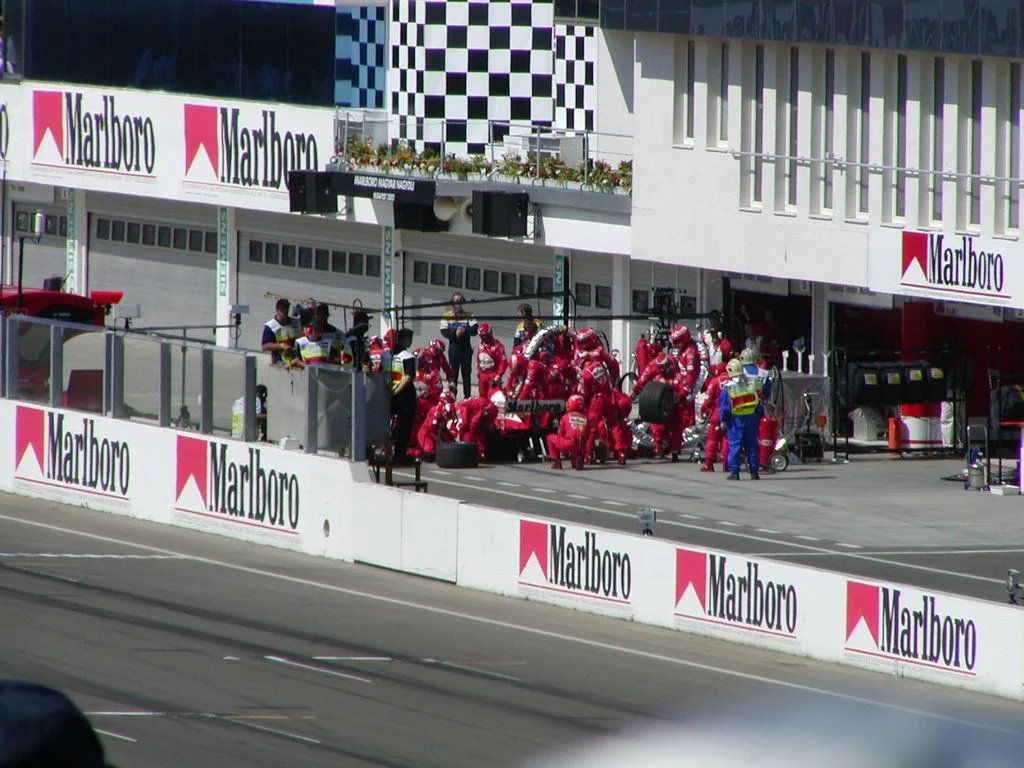
A modern pit stop includes more than four wheel changes. Every mechanic’s task feeds into the final release decision.
Wheel-gun operators confirm that each wheel nut has been fitted. Jack operators must know the car can be lowered. The release controller must know the fast lane is clear.
Many teams use lights rather than a traditional hand-held lollipop. Red tells the driver to remain stopped. Green signals that the car may leave.
However, the system is not completely independent. A crew member monitors traffic and can override the automatic sequence.
Formula 1’s official pit-stop explanation notes that teams use a reference marker upstream of the box. If an approaching car has passed that marker, the crew chief should hold the release.
The marker represents the minimum safe gap. It accounts for the approaching car’s speed and the time needed for the stopped car to accelerate.
How the Release Light Receives Information
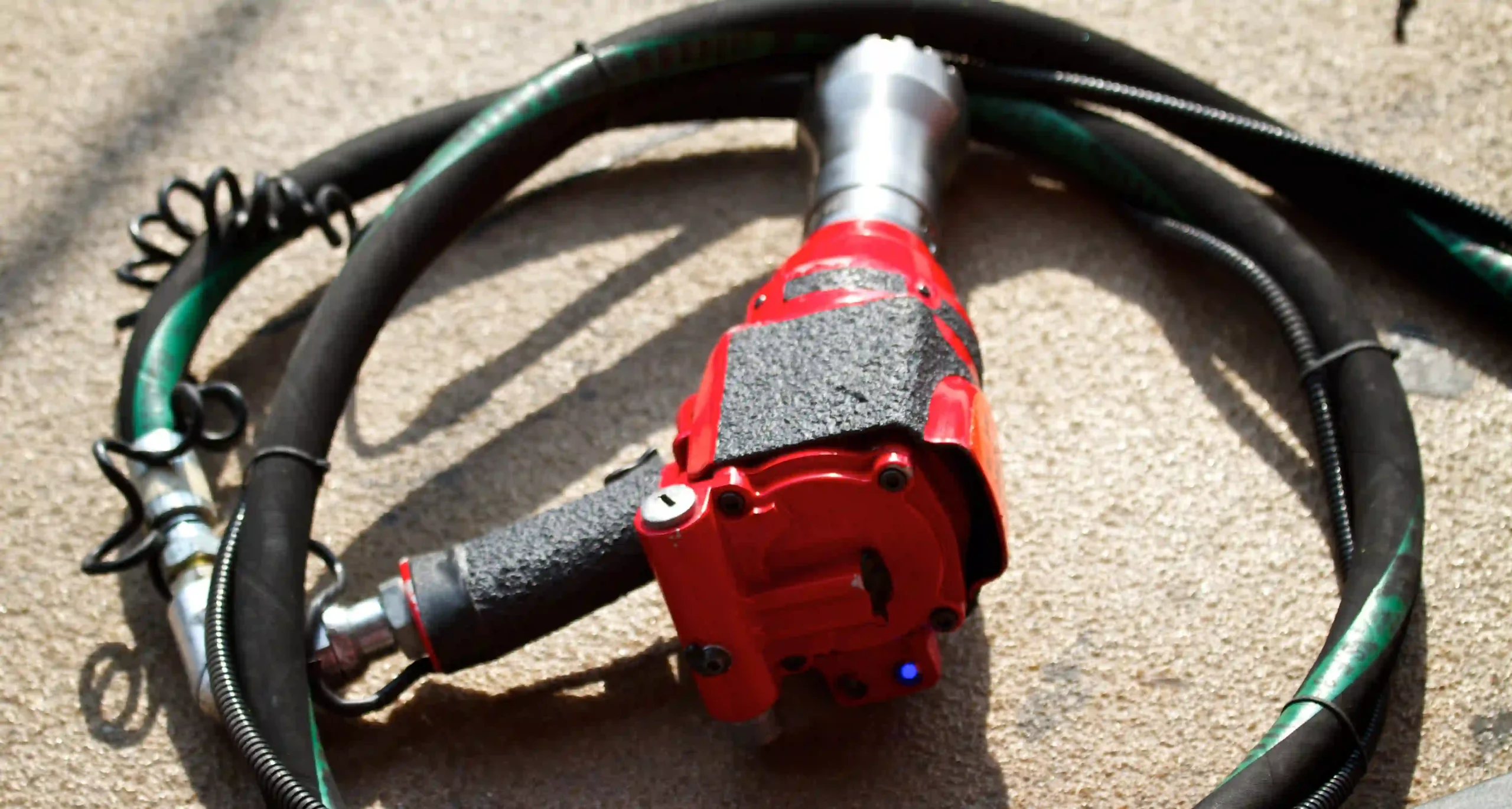
Each wheel gun can communicate completion status. Sensors may monitor nut position and tightening torque. When all four corners report correctly, the system can prepare to release.
The front and rear jack operators also participate. The car should not drop until the wheel work is finished.
Meanwhile, a traffic observer watches the fast lane. This person decides whether another car is inside the danger window.
The final signal may be generated through software, but human judgment remains essential. Software can confirm mechanical tasks. It cannot always interpret a crowded pit lane perfectly.
Can the Driver Ignore a Green Light?
Yes. The driver remains responsible for controlling the car. If an obvious danger appears, the driver can stay stopped or brake immediately.
Still, the driver’s view is limited. The cockpit sits low, and mechanics surround the car. The driver may not see a car approaching from behind until the release begins.
Therefore, the team carries the main practical responsibility for the decision. The driver relies heavily on the signal and radio information.
A driver who recognizes an unsafe mechanical condition has another duty. Continuing to drive knowingly can bring an additional penalty under the 2026 rules.
How Does an Unsafe Release Happen in F1?
An unsafe release usually begins with time pressure. A team wants to beat a rival out of the pits. The difference between success and failure may be less than one second.
The crew may complete the wheel change correctly. However, an approaching car can enter the release window just as the green signal appears.
Alternatively, a sensor may report that a wheel is secure when it is not. Human confirmation may also be incorrect.
Pit-Lane Traffic Arrives at the Wrong Moment
The most familiar case involves two cars. One is stationary in its box. The other is moving along the fast lane.
If the stopped car leaves too early, the moving car must brake or take evasive action. Contact may occur between wheels or sidepods.
This risk becomes greater during Safety Car periods. Many drivers pit on the same lap, filling every box and lane.
A red-flag restart can create the same problem. The field may enter or leave the pits together, reducing the normal gaps.
Double-Stacking Compresses the Team’s Timing
Double-stacking means both team cars stop one after another. The second driver waits behind the first or arrives as the first car leaves.
The team must clear the first car quickly. However, releasing it into traffic can trade a slow stop for a penalty or collision.
The approaching teammate also adds pressure. A delayed release may block the team’s own second car and cost several positions.
Neighboring Pit Boxes Overlap
Teams are placed side by side. A car leaving one box can pass close to mechanics working in the next box.
At narrow venues, there may be little room to turn. Consequently, a safe traffic gap may still create danger for neighboring personnel.
This is why stewards examine more than the two cars. They also consider mechanics, tools, tires, and the path used to reach the fast lane.
Mechanical Confirmation Is Wrong
A wheel nut can be cross-threaded or only partly secured. A sensor may detect torque without confirming the nut traveled to the correct position.
After several high-profile 2018 incidents, Formula 1 discussed systems that measure both torque and nut position. The goal was to reduce false “complete” signals.
A hose, jack, or tool can also remain attached. The car may leave the box before every mechanic is clear.
Communication Breaks Down
The release controller may misjudge the approaching car. The traffic signal may fail. A radio call may arrive late.
In 2021, Kimi Raikkonen said an issue with Alfa Romeo’s traffic-light system contributed to his collision with Nikita Mazepin in Hungary.
Technology can reduce errors. However, it also creates new failure modes. Teams therefore maintain human override procedures.
What Is the Penalty for an Unsafe Release in F1?
An unsafe-release penalty depends on the danger, outcome, session, and rule category. Recent traffic cases have produced five- or 10-second penalties and team fines. Under the 2026 regulations, a car released in an unsafe mechanical condition during a Sprint or race receives a stop-and-go penalty.
There is no single penalty for every situation. The phrase “unsafe release” covers incidents with very different risk levels.
A release that forces another driver to brake may receive five seconds. Contact that damages another car may receive 10 seconds or more.
During practice or qualifying, a team fine is common for a traffic-related release. A grid penalty may apply when the car itself was released in an unsafe condition.
The 2026 rules are stricter for mechanical danger in a Sprint or race. They specify a stop-and-go penalty when the car was released in an unsafe condition.
| Penalty Type | How It Works | When It May Be Used | Race Impact |
|---|---|---|---|
| Five-second penalty | Served at a later stop or added to elapsed time | Lower-severity traffic endangerment or near miss | Can cost several positions in a close field |
| 10-second penalty | Served at a stop or added to race time | Greater danger, contact, or stronger consequence | Often removes points or a strong finish |
| Drive-through | Driver passes through pit lane without stopping | Serious stewarded infringement | Usually costs around 20 seconds or more |
| Stop-and-go | Driver stops for the required time without service | Specified for unsafe mechanical condition in a 2026 Sprint or race | One of the most damaging in-race penalties |
| Grid drop | Driver loses starting positions | Unsafe mechanical release during practice or qualifying | Compromises the next Sprint or race start |
| Team fine | Competitor pays a financial sanction | Practice, qualifying, or cases where sporting effect is limited | No direct time loss, but creates accountability |
Does the Driver or Team Receive the Penalty?
The answer depends on the session and regulation. A race time penalty appears on the driver’s result, even when the team controlled the release.
A financial fine is imposed on the competitor. That is the Formula 1 team, not an individual mechanic.
Grid penalties also affect the driver’s starting position. However, the underlying error may still belong to the crew or release system.
This can feel unfair to drivers. Yet the car and team compete as one entry. Sporting penalties often affect the result regardless of who pressed the button.
Can an Unsafe Release Cause Disqualification?
Disqualification is possible under the stewards’ broad authority, but it is not the standard unsafe-release penalty. Most cases receive time, grid, stop-and-go, or financial sanctions.
A severe case could become more serious if a team ignored instructions, concealed evidence, or continued with a dangerous car. The full facts would determine the outcome.
Therefore, fans should not assume every loose wheel creates automatic disqualification. The published steward decision remains the controlling document.
Can the Penalty Be Applied After the Race?
Yes. Stewards may investigate after the checkered flag. Time can then be added to the official result.
This may change points, podium positions, and championship standings. A driver can cross the line in one place and be classified lower.
The team may also request a review when significant new evidence becomes available. Kimi Antonelli’s 2025 Australian Grand Prix case showed how new camera views can reverse a decision.
Is a Loose Wheel an Unsafe Release in F1?
A car released with an improperly secured wheel can be judged to have left in an unsafe condition. In a 2026 Sprint or race, the regulation specifies a stop-and-go penalty. The driver must also stop or return safely, because continuing while knowing the car is unsafe can trigger an additional penalty.
A loose wheel is among the most dangerous pit-stop failures. An F1 wheel and tire carry substantial mass and energy. If detached at speed, they can strike another car or person.
The danger begins before complete detachment. A loose wheel can damage suspension, steering, brakes, or bodywork. The driver may lose control while trying to return to the pits.
That is why the 2026 regulations treat unsafe mechanical condition separately. The standard is not whether the wheel actually falls off. It is whether the car was unsafe when released.
The team should warn the driver immediately. The driver must slow down and follow instructions. Continuing at racing speed can make the original mistake far more dangerous.
How Wheel Guns Try to Prevent the Problem
Modern wheel guns use sensors and electronic feedback. The system can check tightening torque and, in some designs, the nut’s position.
Torque alone may not prove correct attachment. A cross-threaded nut can resist movement and produce a misleading reading.
Position information adds another check. If the nut has not traveled far enough, the system should withhold confirmation.
However, no system eliminates human error completely. The wheel-gun operator, tire handler, jack operator, and release controller must all complete the sequence correctly.
Why Teams Cannot Simply Slow Every Pit Stop
A conservative stop may reduce risk, but pit-stop speed is part of competition. One extra second can lose track position.
Therefore, the objective is not to remove speed. It is to build a process that remains reliable at speed.
Teams practice hundreds of stops. They train muscle memory, communication, and response to unusual situations.
The fastest crews are not merely quick. They are repeatable. A record stop has little value if the next release is unsafe.
How Do FIA Stewards Investigate an Unsafe Release?
Stewards review pit-lane cameras, onboard video, overhead footage, timing data, radio messages, release-light evidence, car position, and the approaching driver’s reaction. They assess whether the release created danger, whether contact occurred, and whether the driver or team could reasonably have avoided the incident.
The first evidence usually comes from live television and the FIA pit-lane camera system. Race control can note the incident immediately.
Stewards then examine several angles. A side view may show the gap. An overhead view may show whether the released car crossed into the fast lane.
Onboard footage reveals the driver’s view. It can also show braking, steering, and evasive action by the approaching car.
Team radio explains what the driver was told. Release-light data can establish when the signal changed.
Timing and GPS data show relative speed and distance. These measurements help separate a close but controlled release from one that created danger.
Why Contact Is Not the Only Evidence
A driver who avoids contact may brake heavily. That reaction can prove the release was unsafe.
Conversely, light contact does not automatically prove the released car was fully responsible. The moving driver’s line and speed also matter.
The stewards ask whether the release could endanger another driver or personnel. They do not simply count damaged parts.
Why Camera Angle Can Change the Decision
The 2025 Australian Grand Prix provided a useful example. Antonelli initially received a five-second penalty after being judged to have entered Nico Hulkenberg’s path.
Mercedes submitted a Right of Review request with previously unavailable video. The new views showed Antonelli remained clear and checked his mirror before moving farther into the lane.
The stewards removed the penalty. Antonelli returned to fourth place, and the championship points were adjusted.
This case shows that stewarding is evidence-based. A television angle can make the gap look smaller or larger than it was.
Can Teams Appeal or Request a Review?
Some decisions may be challenged through the procedures available under the FIA International Sporting Code. The precise route depends on the penalty and regulation.
A Right of Review requires a significant and relevant new element that was unavailable when the original decision was made.
It is not a simple second opinion. The team must first show that the new evidence meets the review threshold.
Once accepted, the stewards reconsider the incident. They can uphold, change, or remove the original penalty.
Famous and Recent Unsafe Release Examples in F1
Real incidents show why penalties vary. Some involve a near miss. Others involve contact, mechanical danger, or new evidence that changes the decision.
| Event | Incident | Penalty or Outcome | Lesson |
|---|---|---|---|
| 2025 Miami Sprint — Oliver Bearman | Released into Nico Hulkenberg’s path, forcing braking and evasive action | Five-second penalty; fell from P8 to P14 | A near miss can be enough without contact |
| 2025 Miami Sprint — Max Verstappen | Left the box and hit Kimi Antonelli’s Mercedes | 10-second penalty; classified P17 | Contact and consequence can increase severity |
| 2025 Australian GP — Kimi Antonelli | Initially judged to have been released into Hulkenberg’s path | Five seconds, later removed after Right of Review | Additional camera evidence can reverse a ruling |
| 2025 Qatar GP — Oliver Bearman | Botched stop followed by unsafe release | 10-second penalty; later retired | Mechanical and release errors can combine |
| 2022 Dutch GP — Carlos Sainz | Released in front of Fernando Alonso during Safety Car pit traffic | Five-second penalty; dropped from fifth to eighth | Congested stops create difficult release windows |
| 2021 Hungarian GP — Kimi Raikkonen | Collided with Nikita Mazepin during a crowded pit sequence | 10-second penalty | A release-system error can still carry sporting cost |
| 2018 Bahrain GP — Kimi Raikkonen | Car left before the rear-left operation was complete and struck a mechanic | Major safety review followed the incident | Pit release protects mechanics as well as rival cars |
2025 Miami Sprint: Two Different Levels of Danger
Miami produced two unsafe-release penalties in one Sprint. Bearman was released into Hulkenberg’s path, forcing the Sauber driver to brake and avoid him.
The stewards gave Bearman five seconds. He lost the final points-paying position and fell to 14th.
Verstappen’s incident involved contact with Antonelli. He received 10 seconds and ended the Sprint classified 17th.
The pair provides a clear comparison. Both releases were unsafe. However, contact and consequence supported different sanctions.
2025 Australia: Why New Evidence Matters
Antonelli crossed the line fourth on his F1 debut. A five-second unsafe-release penalty initially moved him to fifth.
Mercedes then presented roll-hoop and helicopter footage. The stewards concluded that the car had sufficient room and did not create the originally assumed danger.
The penalty was removed. Antonelli returned to fourth, and Mercedes gained the associated championship points.
This was not proof that unsafe-release rules are unclear. Instead, it showed why the correct camera angle matters.
2022 Zandvoort: Avoiding Action Still Led to a Penalty
Sainz was released as Alonso approached during a Safety Car pit sequence. Alonso had to slow, while Sainz also reacted near neighboring personnel.
The stewards applied five seconds. Sainz finished fifth on the road but was classified eighth.
He disputed the decision because he believed he had acted to avoid danger. However, the penalty focused on the release that created the situation.
2021 Hungary: A Traffic-Light System Failure
A red-flag restart caused most of the field to pit together. Raikkonen left the Alfa Romeo box into Mazepin’s path.
The cars collided, and Mazepin’s Haas suffered terminal suspension damage. Raikkonen continued but received a 10-second penalty.
Raikkonen later pointed to the traffic-light release system. The explanation showed the cause, but it did not remove the sporting consequence.
2018: The Safety Crisis That Changed the Conversation
Formula 1 recorded several unsafe releases in the opening 2018 weekends. The most serious involved Raikkonen striking a Ferrari mechanic in Bahrain.
The mechanic suffered a broken leg. Other teams also experienced incorrectly fitted wheels during the same period.
The FIA responded by studying release systems, wheel-gun sensors, and the balance between automation and human control.
That period remains important because it demonstrated the human cost of a release error. Pit-stop performance cannot come before mechanic safety.
Unsafe Release vs. Pit-Lane Speeding
Unsafe release and speeding are separate offences. A driver can obey the speed limit and still leave the box unsafely.
Pit-lane speeding concerns the car’s measured speed. The 2026 default limit is 80 km/h unless the Race Director sets another figure.
During practice and qualifying, speeding normally creates a financial penalty based on each kilometer per hour over the limit, subject to a cap.
During a Sprint or race, speeding can bring a five-second, 10-second, drive-through, or stop-and-go penalty.
An unsafe release concerns position, timing, danger, or mechanical condition. Therefore, a driver can receive both penalties from one pit visit.
Unsafe Release vs. Causing a Collision
An unsafe release begins with the team sending the car. Causing a collision focuses on the driver’s conduct after the cars are moving.
In many pit-lane cases, the release itself is the central offence. The driver may have little time to react.
However, a driver can make the situation worse by steering aggressively or refusing to yield. Stewards can then consider additional responsibility.
The categories are not mutually exclusive. One event can involve an unsafe release, a collision, and another pit-lane infringement.
Published decisions explain which regulation was used. Fans should read the exact wording rather than relying only on the television caption.
Why Unsafe Release Risk Changes Pit-Stop Strategy
Pit-stop strategy is usually discussed through tires and gaps. However, pit-lane traffic can decide whether a stop gains or loses positions.
A team may call a driver in at the perfect tire moment. If several rivals pit together, the release window becomes difficult.
Holding the car costs time. Releasing it into danger risks a penalty. The crew must choose within fractions of a second.
Safety Car Periods Create the Greatest Congestion
A Safety Car reduces the time lost by pitting. Therefore, many teams enter the pits together.
Cars can arrive nose to tail. Every team performs a stop while drivers pass through the fast lane.
The release controller must track several cars, not one. A rival may also stop immediately ahead or behind.
Consequently, teams sometimes hold the driver even after the car is ready. A slow but safe release is better than a penalty.
The Undercut Can Increase Pressure
An undercut depends on leaving the pits ahead of a rival. Every tenth of a second matters.
The crew may feel pressure to release at the edge of the safe gap. However, a five-second penalty destroys the value of a two-tenth gain.
This is why elite teams measure release performance separately from stationary pit-stop time. A fast wheel change does not guarantee a fast total stop.
Our guide to the undercut and overcut in F1 explains how pit timing changes track position.
Double-Stacking Can Protect or Damage Both Cars
Double-stacking lets both drivers use a Safety Car opportunity. Yet the second driver may wait while the first stop is completed.
A cautious hold for the first car increases the delay for the second. An aggressive release may expose the first car to traffic.
Teams plan spacing before the stop. The second driver may slow slightly on track to create room without breaking delta rules.
Even with preparation, pit-lane traffic remains unpredictable. Another team’s slow stop can suddenly block the intended path.
The pit crew is solving two races at once. It races the stopwatch inside the box and manages moving traffic outside it. The release decision connects those two problems.
How Do F1 Teams Avoid Unsafe Releases?
Teams use layers of protection rather than one signal. Mechanical sensors, visual checks, software logic, traffic observation, and driver response all contribute.
Clear Responsibility
One person must own the final release decision. Too many independent commands can create confusion.
The crew also needs a clear abort signal. If any wheel operator reports a problem, the car should remain on the jacks.
Wheel-Gun Redundancy
Torque and position sensors provide different information. Using both reduces the chance of a false confirmation.
Teams also review every unusual wheel-gun trace. A slow or inconsistent reading may reveal a developing equipment problem.
Traffic Markers and Dedicated Observers
A fixed marker helps the release controller judge distance. The observer knows that a car beyond the marker is too close.
However, the marker is not universal for every situation. Relative speed, neighboring mechanics, and the released car’s acceleration also matter.
Camera and Data Review
Teams study pit-stop footage after every session. They measure stationary time, release delay, and the gap to traffic.
The required 2026 overhead pit-stop camera strengthens this process. It also gives FIA officials a consistent evidence source.
Practice Under Failure Conditions
Crews do not only practice perfect stops. They also rehearse stuck nuts, dropped cars, missing tires, and aborted releases.
A mechanic must know when to stop the sequence. Hesitation can allow the car to leave before the problem is understood.
Driver Awareness
Drivers watch the light, mirrors, and mechanics. They also listen for an immediate radio warning.
If the car feels wrong, the driver should stop safely. A vibration, steering pull, or warning message may indicate an unsecured wheel.
The safest response protects more than the result. It protects the crew, other drivers, marshals, and spectators.
Why Unsafe Release Penalties Sometimes Look Inconsistent
Fans often compare two incidents and expect identical penalties. However, small factual differences can change the decision.
One approaching driver may brake lightly. Another may need emergency evasive action. Contact may occur in one case but not another.
The released car may remain in the inner lane or cross fully into the fast lane. Mechanics may also be placed at risk.
Session type matters. A five-second race penalty has no meaning in practice. Therefore, a financial or grid sanction may be more suitable.
The mechanical-condition rule also has prescribed consequences in 2026. That makes it different from an ordinary traffic release.
Evidence quality can create another difference. Clear overhead video may support one conclusion, while a blocked angle leaves uncertainty.
Finally, stewards consider outcome without relying on outcome alone. Damage can increase severity, but avoiding a crash does not make the original release safe.
What Happened With Pit-Lane Releases in 2026?
Pit-lane congestion remained a visible issue in 2026. During Belgian Grand Prix qualifying on July 18, Oscar Piastri reported several apparent unsafe releases while waiting in the lane.
The official Formula 1 report presented the comment as a driver observation. It did not, by itself, establish a breach or confirm a penalty.
This distinction matters. Drivers often use strong language over the radio during busy sessions. The stewards still need evidence before acting.
The 2026 rules also introduced a required overhead pit-stop camera for each team during Sprints and races. This provides a clearer record of the release point and surrounding activity.
Therefore, the modern approach combines prevention and enforcement. Teams receive better tools to review stops, while officials gain better evidence.
Common Unsafe Release Misunderstandings
“No Contact Means No Penalty”
Incorrect. A driver who brakes or swerves to avoid contact may still have been endangered.
“The Driver Always Chooses When to Leave”
Not usually. The team’s release system and traffic observer provide the signal. The driver can still stop for obvious danger.
“Every Unsafe Release Is a Five-Second Penalty”
No. Penalties depend on session, severity, evidence, and whether the car was mechanically unsafe.
“A Loose Wheel Is the Same as a Traffic Near Miss”
No. Both are unsafe releases, but the 2026 rules treat unsafe mechanical condition as a distinct category.
“Only Another Driver Can Be Endangered”
No. Pit-lane personnel and neighboring mechanics are specifically protected by the rule.
“The Green Light Removes Driver Responsibility”
No. The team controls the signal, but the driver must still react to visible danger and mechanical warnings.
Unsafe Release in F1 FAQs
What is an unsafe release in F1?
An unsafe release happens when a team sends a car from its garage or pit box in a way that endangers another driver, car, or pit-lane personnel. It also includes releasing a mechanically unsafe car.
What is the penalty for an unsafe release in F1?
It depends on the case. Traffic incidents may bring five or 10 seconds, a grid penalty, or a team fine. A mechanically unsafe release during a 2026 Sprint or race normally brings a stop-and-go penalty.
Who is responsible for an unsafe release in Formula 1?
The team controls the release signal, while the driver controls the car. Stewards decide whether the sporting penalty affects the driver, the team, or both.
Is a loose wheel considered an unsafe release in F1?
Yes. A car leaving with an improperly secured wheel can be judged to have been released in an unsafe condition, even if the wheel does not fully detach.
Conclusion: What Fans Should Remember About an Unsafe Release in F1
An unsafe release in F1 is not simply a pit-lane collision. It is a decision or failure that creates avoidable danger when a car leaves its garage or pit box.
The danger may involve another driver, another car, mechanics, equipment, or the mechanical condition of the released car.
The 2026 FIA regulations separate traffic endangerment from an unsafe mechanical condition. That distinction explains why penalties do not always look the same.
A near miss may bring five seconds. Contact may bring 10 seconds or another sanction. A mechanically unsafe car in a Sprint or race faces the stronger stop-and-go rule.
Teams control the release through wheel-gun signals, sensors, jacks, software, traffic observers, and a final visual command. However, the driver must still react to obvious danger.
Stewards examine cameras, radio, timing, car position, and evasive action. Contact helps show consequence, but contact is not required.
The most important lesson is simple. A pit stop is not complete when the last wheel nut is tightened. It is complete when the car rejoins without putting anyone at unreasonable risk.
That is why unsafe-release rules matter. Formula 1 rewards speed, but the pit lane can only function when every team respects the same safety margin.
Sources and Verification
This article was checked against official FIA and Formula 1 material available on July 19, 2026. The latest published FIA regulations and event-specific steward decisions remain the controlling sources.