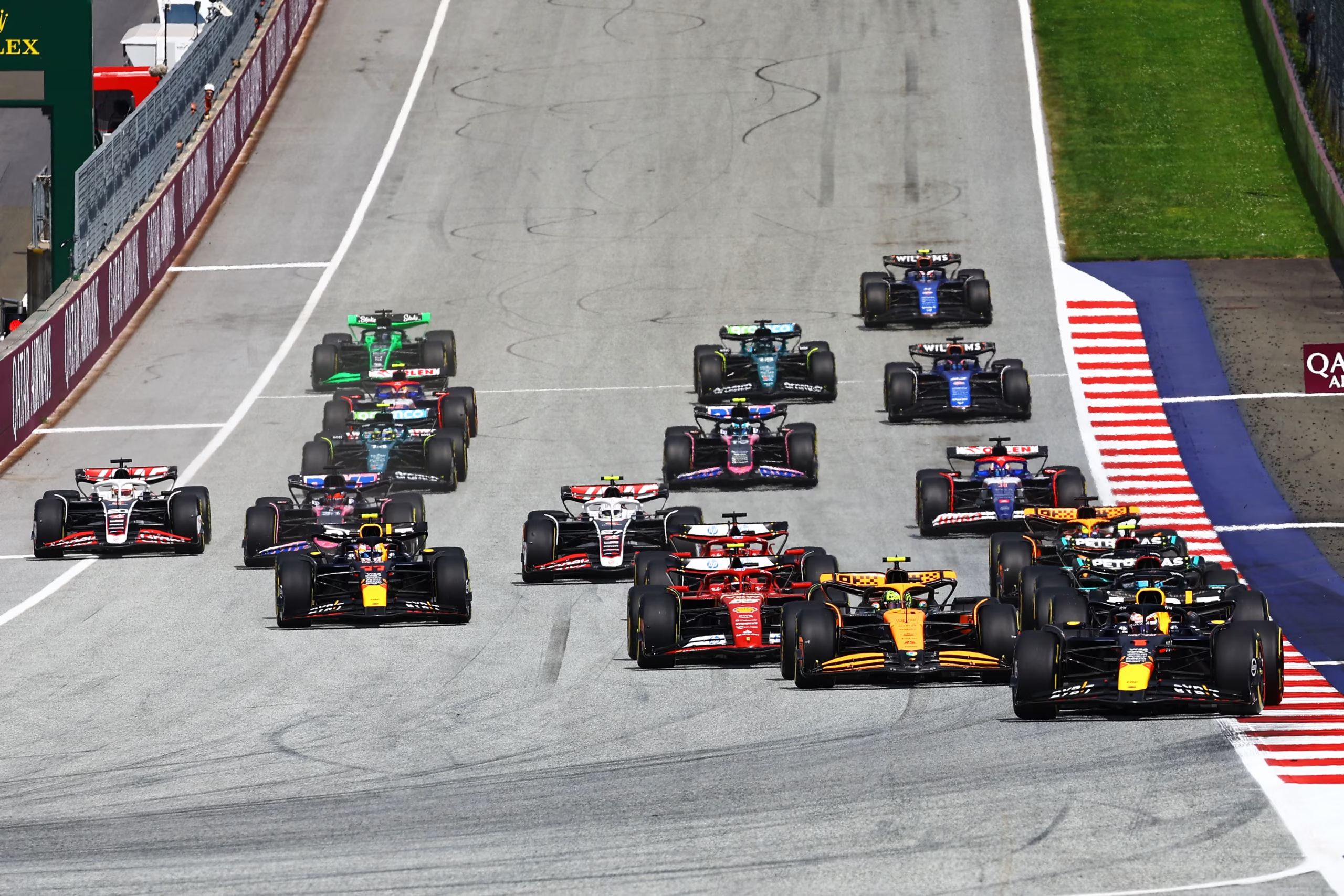
Austrian Grand Prix 2026 Preview:
Predictions, Favorites, Weather & Key Storylines
Hamilton carries Barcelona momentum to Spielberg. Verstappen brings his biggest upgrade package to his home circuit. Antonelli needs a response after his first DNF. And Styrian thunderstorms could throw everything wide open. Here is everything you need to know before Sunday’s lights out.
Austrian GP 2026: Full Preview, Predictions & Weather
Hamilton, Antonelli, Verstappen and the Styrian weather — everything you need before Sunday.
The Austrian Grand Prix 2026 arrives at exactly the right moment to completely reshape the championship conversation. Two weeks ago in Barcelona, Lewis Hamilton ended a near-two-year wait for a race win by converting a three-stop Ferrari strategy into the 106th victory of his career — and his first ever in red. Meanwhile, championship leader Kimi Antonelli suffered a power unit failure with three laps remaining, retiring from the race lead. The gap between them shrank from 66 points to 41 in a single afternoon.
Now Formula 1 heads to the Red Bull Ring in Spielberg, Austria, for Round 8 of the 2026 season. The stakes could not be higher. Antonelli needs to re-establish control. Hamilton needs to show Barcelona was genuine pace, not just strategic brilliance. Max Verstappen brings Red Bull’s most significant upgrade package of the year to their home circuit. And Lando Norris, the defending Austrian Grand Prix winner, needs to find his first 2026 victory.
This preview covers every angle: the circuit’s key characteristics, the verified weather forecast, team-by-team form, race strategy options, our predictions, the full session schedule and how to watch. Everything you need before 3pm local on Sunday, June 28.
Championship Context: Why Austria Matters So Much
Six weeks ago, Kimi Antonelli was running away with the 2026 Formula 1 title. The 19-year-old Mercedes driver won four consecutive races, stretched his lead to 66 points over Lewis Hamilton, and looked genuinely unstoppable. However, Barcelona changed everything in the space of a single evening.
Antonelli’s Mercedes suffered an electrical shutdown with three laps remaining while running in second place. Simultaneously, Hamilton converted Ferrari’s three-stop strategy into his first race win for the Scuderia. Consequently, the championship gap dropped to 41 points — still meaningful, but no longer comfortable. Moreover, George Russell, who took pole position in Barcelona and finished second, now sits just nine points behind Hamilton in third place on 106 points.
Therefore, Austria arrives as the first genuinely pivotal round of the 2026 season. Furthermore, McLaren’s Lando Norris (73 points) and Oscar Piastri (68 points) remain mathematically in contention with 16 races remaining after this weekend. As a result, Spielberg could see as many as five drivers genuinely fighting for a win from which multiple championship scenarios could emerge.
| Pos | Driver | Team | Points | Gap to Leader |
|---|---|---|---|---|
| 1 | Kimi Antonelli | Mercedes | 156 | — |
| 2 | Lewis Hamilton | Ferrari | 115 | -41 |
| 3 | George Russell | Mercedes | 106 | -50 |
| 4 | Charles Leclerc | Ferrari | 75 | -81 |
| 5 | Lando Norris | McLaren | 73 | -83 |
| 6 | Oscar Piastri | McLaren | 68 | -88 |
| 7 | Max Verstappen | Red Bull | 55 | -101 |
| 8 | Pierre Gasly | Alpine | 41 | -115 |
| 9 | Isack Hadjar | Red Bull | 34 | -122 |
| 10 | Liam Lawson | Racing Bulls | 28 | -128 |
For the full, continuously updated championship picture and our complete round-by-round tracker, see our F1 2026 championship standings hub. For everything that happened in Barcelona two weeks ago, read our Spanish Grand Prix 2026 race recap.
Red Bull Ring Circuit Guide: Fast, Short, Unforgiving
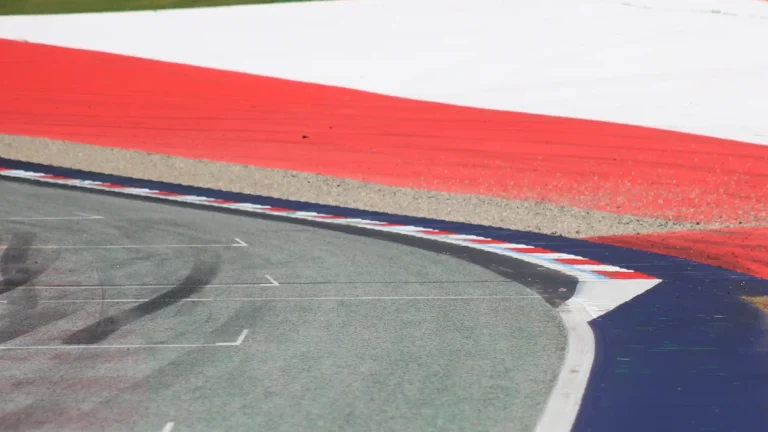
The Red Bull Ring sits in a natural bowl carved into the Styrian hills of central Austria, at an altitude of approximately 700 metres above sea level. At just 4.318 km, it is one of the shortest circuits on the Formula 1 calendar. However, do not let the compact dimensions mislead you. The Red Bull Ring consistently produces some of the season’s most intense racing — and some of its most dramatic moments.
Officially, the circuit has 10 corners. Nevertheless, only seven of them require meaningful braking from the drivers. Therefore, cars spend a large proportion of each lap at full throttle, which places a heavy premium on straight-line speed, traction out of slow corners, and — critically under the 2026 hybrid power unit regulations — the overall efficiency of the new 50/50 electrical and combustion systems. Three consecutive DRS activation zones stretch from the main straight all the way to Turn 4, creating a chain of overtaking opportunities that few other tracks on the calendar can match.
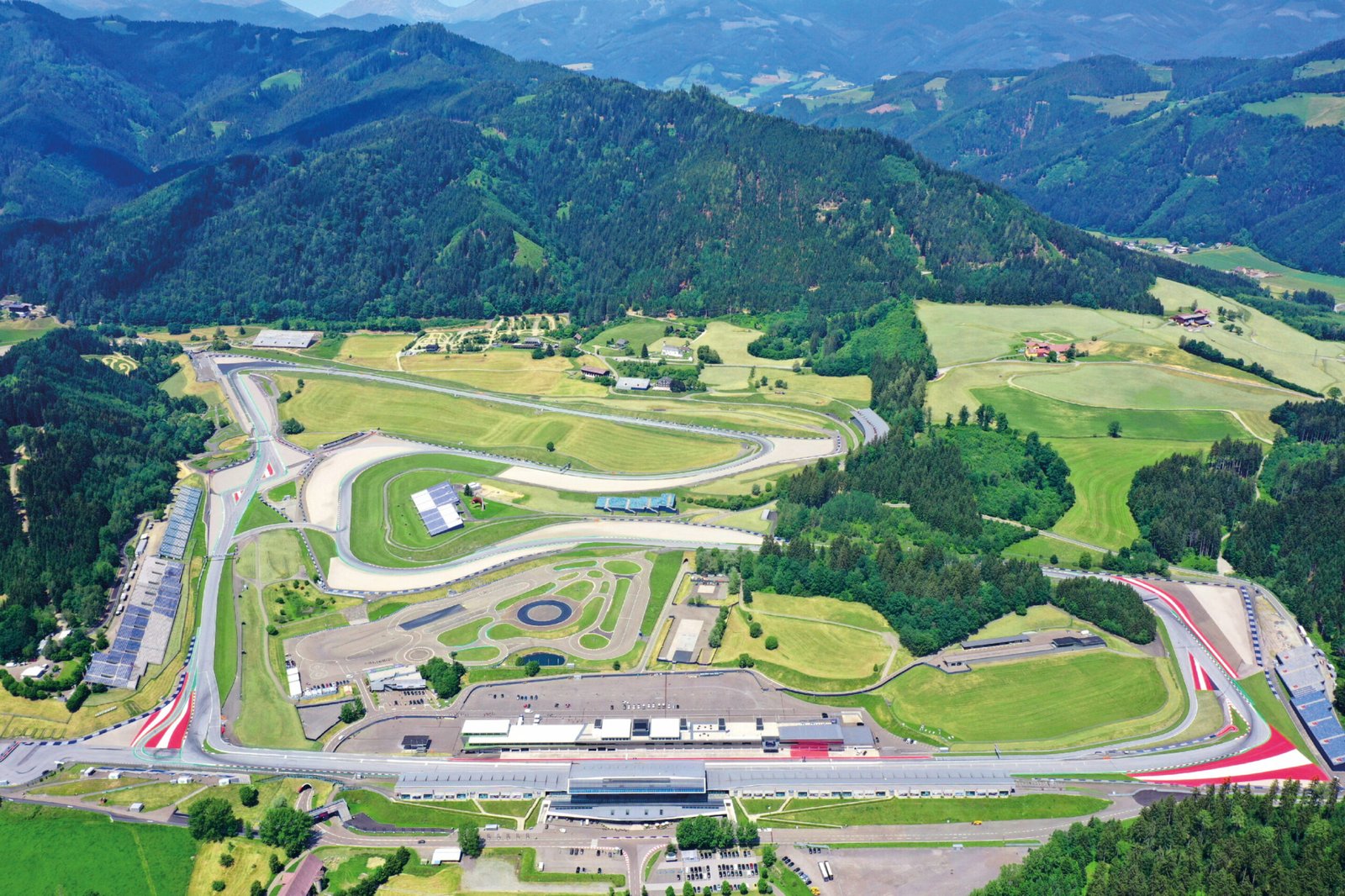
Austrian GP 2026 Circuit Facts
Key Corners and Historic Flashpoints
The uphill run to Turn 3 is the circuit’s most dramatic braking zone. Drivers arrive at high speed, brake hard on the crest of the hill, and fight for position on the exit. This corner has produced more F1 flashpoints than almost any other section on the calendar. Lewis Hamilton and Nico Rosberg famously collided here on the final lap in 2016. Max Verstappen muscled past Charles Leclerc in a controversial battle for victory in 2019. Furthermore, the 2024 Verstappen-Norris clash at Turn 3 saw both drivers lose the win they had appeared to be heading for. In addition, Turn 3 is the opening DRS activation point, which makes it simultaneously an attack zone and the primary defence battleground.
Turn 4 serves as the third and final DRS activation point on the circuit, providing the most consistent overtaking opportunity of the lap. Cars arrive at extraordinary speed after a long straight and the braking zone is long enough to allow a properly timed dive down the inside. Moreover, the Turns 9 and 10 complex — the downhill sweep towards the pit straight — rewards cars with strong mechanical grip and allows drivers to carry unusual amounts of corner speed onto the main straight, gaining a tow advantage that sets up overtaking opportunities into Turn 1 on the following lap.
The Red Bull Ring’s three consecutive DRS zones mean a pursuing driver can potentially attempt overtaking moves at three different points in a single lap — an unusual luxury. Consequently, cars that qualify outside the top three have a far better chance of recovering positions in the race than at street circuits like Monaco or Hungary. For a full explanation of how the system works, see our what is DRS in F1 guide, and for a broader look at how aerodynamic grip shapes racing here, our downforce explainer is essential reading.
The circuit’s elevation changes — a steep climb from the start-finish straight to Turn 3, followed by a sweeping descent through Turns 4 to 10 — create aerodynamic challenges that teams must account for in their setup balance. Furthermore, the altitude affects engine cooling and air density, which adds complexity to fuel consumption calculations and power unit management. For more on how F1 engineers approach the balance between brake balance and mechanical grip at a circuit like this, our glossary section covers both in detail.
Austrian GP 2026 Weather Forecast: Heat and Alpine Storms
Styrian summer weather is one of Formula 1’s most unpredictable variables. The region’s alpine geography — sitting several hundred metres above the Austrian plains — creates conditions where blue skies and 30-degree heat can give way to violent electrical storms inside a single session. As a result, rain is never a distant prospect at the Red Bull Ring in late June.
For the 2026 Austrian Grand Prix, forecasters expect highs of around 30°C throughout the weekend. However, the current forecast suggests a meaningful risk of electrical storms — particularly on Friday during FP1 and FP2, and on Saturday during qualifying. Race day Sunday looks marginally drier on current modelling, but isolated afternoon showers remain possible. Historically, rain probability on Austrian Grand Prix race day sits around 40%, which is high enough to fundamentally influence strategic planning for every team on the grid.
Friday, June 26
Saturday, June 27
Sunday, June 28
If rain arrives during qualifying, it could thoroughly scramble the starting grid and open doors for teams — particularly Red Bull and McLaren — who have shown strong adaptability to mixed conditions in 2026. Furthermore, a wet race would make the C5 soft compound the only viable tyre option in the early laps, dramatically compressing strategy windows and significantly increasing the probability of a Safety Car. As a result, any team dismissing the weather forecast as irrelevant is dangerously underestimating what Spielberg has produced historically.
In a wet qualifying session, drivers who commit to soft compound tyres on a drying track can jump four or five positions on the grid in a single lap. In a dry-to-wet race, timing the switch to intermediate tyres within a two-lap window is worth roughly 20 seconds of pace — more than a full pit stop’s worth of advantage. Teams that read changing conditions fastest — consistently Ferrari and Mercedes in recent seasons — gain disproportionate strategic advantage. For more on how racing flags and Safety Car procedures work in wet conditions, and what the Virtual Safety Car means for strategy, our explainers cover both in full.
Team-by-Team Contender Analysis for Austria
Four teams can genuinely win at the Red Bull Ring in 2026. However, each arrives carrying very different momentum, very different engineering questions, and very different championship pressures. Here is a direct, analytical read of where each stands heading into Friday’s opening practice session.
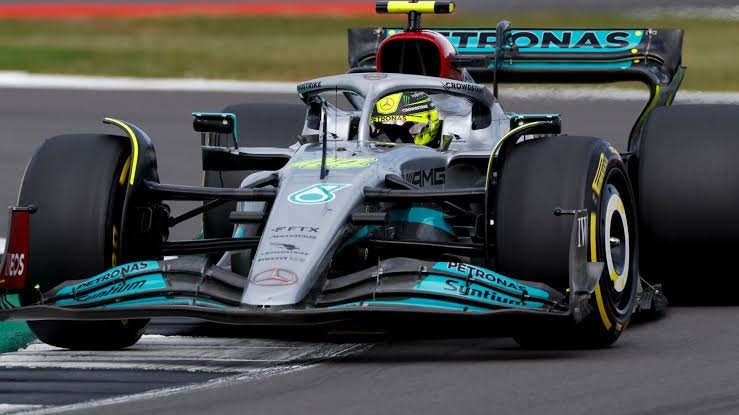
Mercedes holds the fastest package on raw pace metrics across seven rounds. Antonelli’s Barcelona DNF was a mechanical failure — not a performance gap — which means the Silver Arrows should arrive in Spielberg as qualifying favourites. However, the Russell–Antonelli internal dynamic creates genuine strategic tension. Russell took pole and finished second in Spain, while Antonelli retired from the lead. How Mercedes manages their two championship contenders at a circuit with heavy overtaking opportunities will be the key subplot to watch.
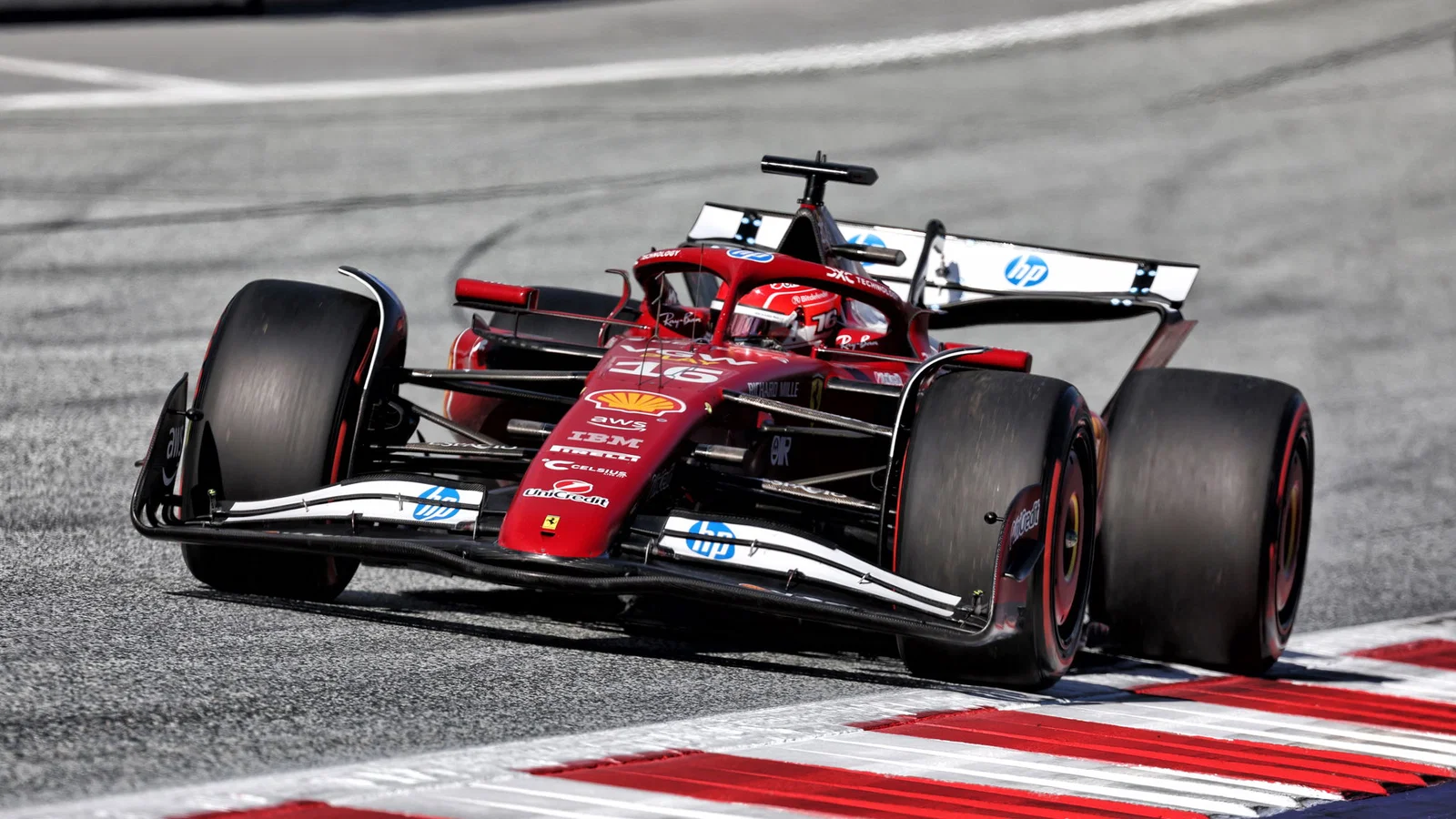
Barcelona proved Ferrari’s strategic execution is genuinely world-class. Moreover, Hamilton arrives in Austria with his confidence completely restored after his first win in Ferrari red. The critical question is whether the SF-26’s race pace — rather than strategic cleverness — can match Mercedes at a circuit that heavily rewards power-unit efficiency on long straights. Leclerc arrives on a DNF in Spain and needs a strong result urgently to keep his title challenge alive. Furthermore, Ferrari’s history at the Red Bull Ring is positive, with Charles Leclerc winning here in 2022.
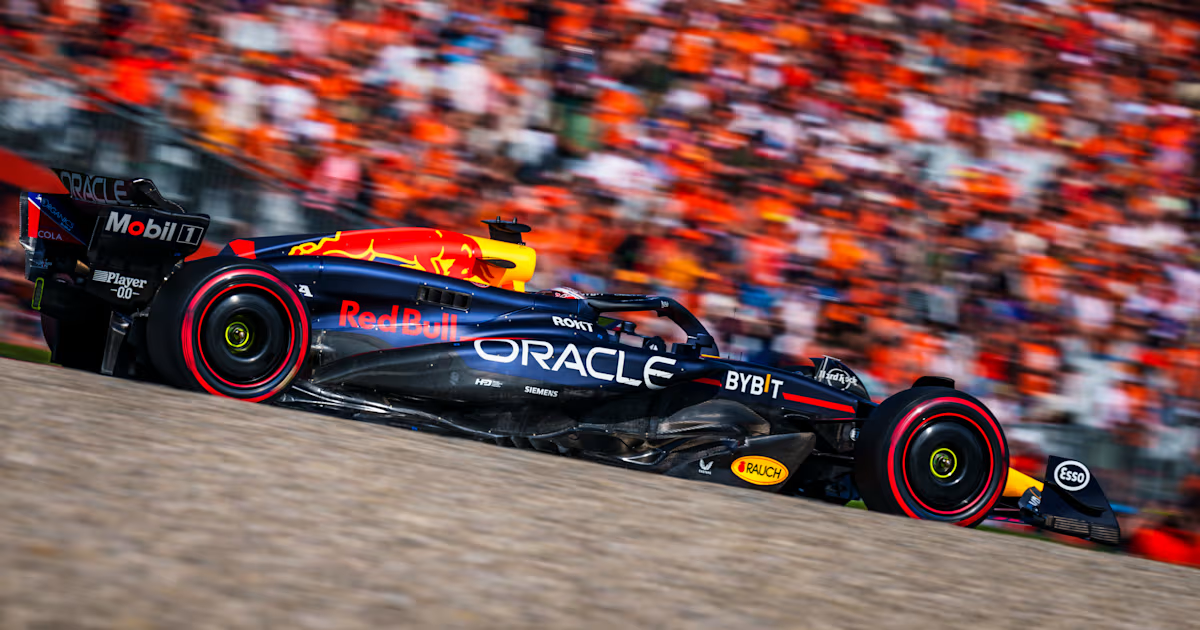
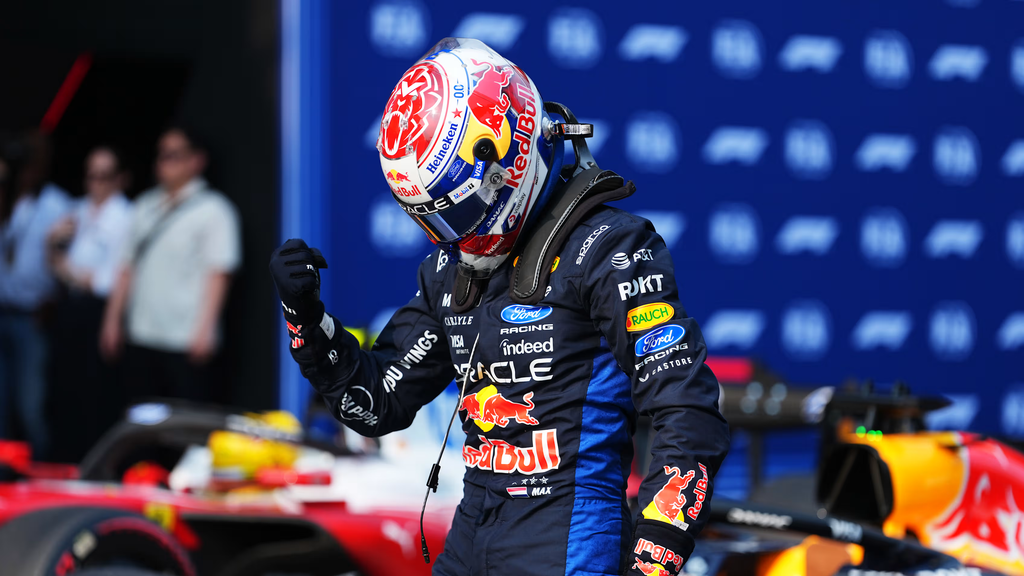
Red Bull’s 2026 season has been a painful departure from their recent era of dominance. The RB22 has been overweight and underpowered relative to Mercedes and Ferrari through seven rounds. However, Austria brings their second major upgrade of the season — focused specifically on weight reduction and aerodynamic refinement. Team principal Laurent Mekies has been transparent that it will not be sufficient to fight for wins immediately, but Verstappen at his home circuit with 100,000 orange-clad fans in the grandstands is a force multiplier that statistics struggle to fully capture.
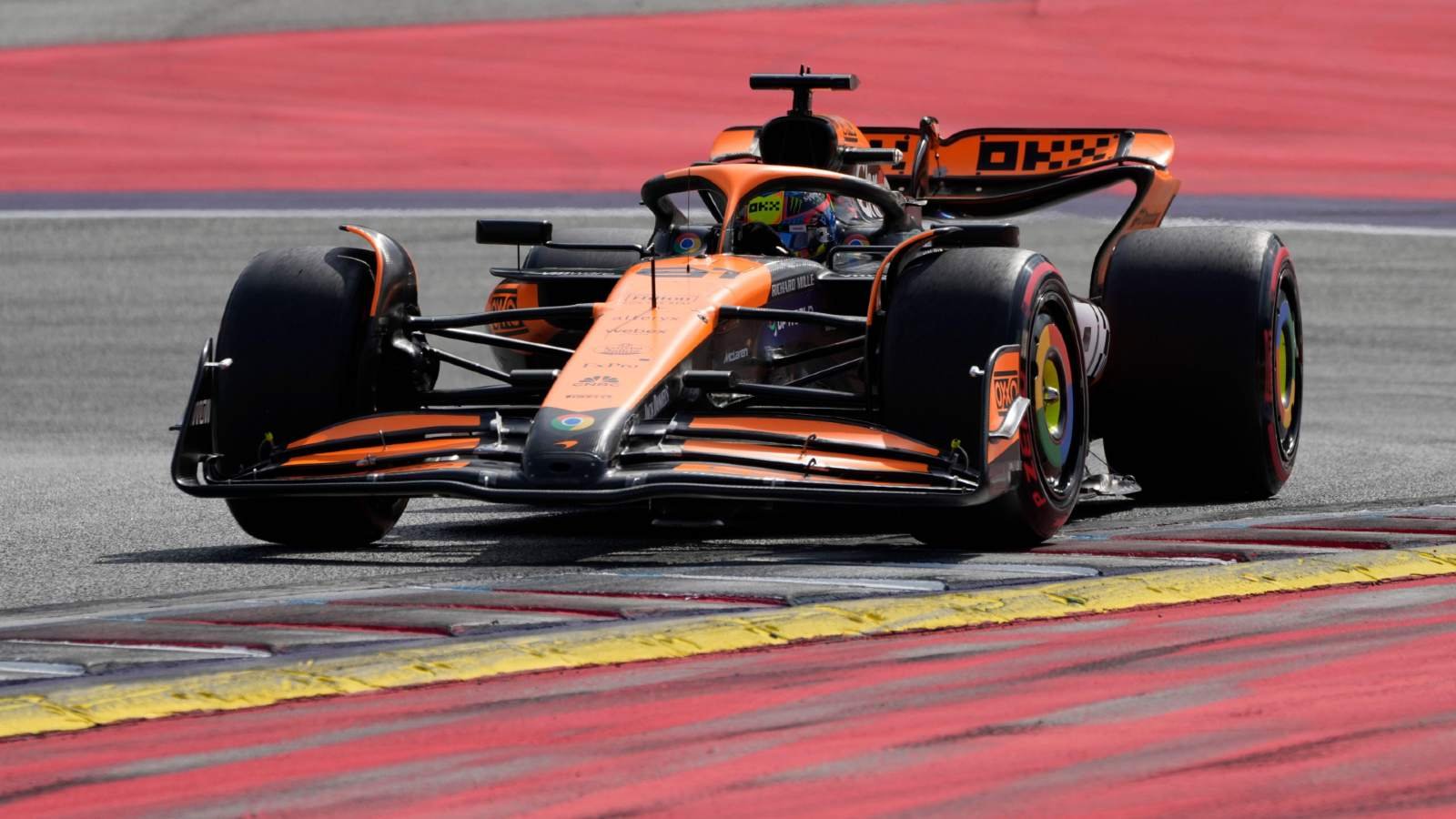
Lando Norris returns to a circuit where he won in 2025, and McLaren’s improving form in Barcelona — Norris finished third after a strong drive from fourth on the grid — suggests the MCL60 is heading in the right direction. Moreover, the Red Bull Ring’s overtaking-friendly layout and flowing high-speed corners have historically suited McLaren’s setup philosophy. A front-row qualifying position is possible, particularly if rain disrupts Saturday’s session. Consequently, a Norris or Piastri win cannot be dismissed, even if it would require Mercedes and Ferrari to stumble.
Verstappen and the Home Circuit Factor
It is worth dwelling on Verstappen’s record at Spielberg. He has won here four times (2018, 2019, 2021, 2023) and has consistently found a way to contend even when Red Bull lacked outright pace. Furthermore, the Red Bull Ring’s circuit characteristics — heavy braking zones, rapid elevation changes, and high-speed corners — have traditionally aligned with his aggressive driving style.
“There is no doubt that the Austrian package alone will not be enough. But what is important is that we continue to get closer — that we don’t talk anymore about four tenths.”
Red Bull’s upgrade in Austria will focus primarily on reducing the RB22’s excess weight — a problem that has cost them in acceleration, tyre management, and braking performance throughout 2026. If the package delivers even half of what the team expects, Verstappen in the top four would represent a significant swing in the championship narrative heading into the summer break. For more on Verstappen’s history with the team, see our Red Bull Racing team profile and our full Verstappen career profile.
Ones to Watch Beyond the Top Four
Beyond the title contenders, several drivers deserve attention. Pierre Gasly in Alpine has scored points in three of the last four races, and Austria’s setup demands have historically suited Alpine’s philosophy. Additionally, Isack Hadjar has delivered consistently composed drives in the second Red Bull and could benefit from the upgrade package more than expected. Moreover, Carlos Sainz at Williams faces an unusual preparation disruption — Luke Browning will take over his car for FP1 as part of a pre-announced practice driver programme, potentially affecting Sainz’s setup work ahead of qualifying.
Race Strategy at the Red Bull Ring: What Actually Wins Here
Pirelli has nominated the C3, C4 and C5 compounds for the 2026 Austrian Grand Prix — designated as the Hard, Medium and Soft respectively. These are the three softest compounds in Pirelli’s 2026 range, which signals that tyre degradation will be a significant performance factor throughout the race distance. Furthermore, the Red Bull Ring’s kerb-riding demands score extremely high in circuit complexity ratings, with Turns 3, 6 and the Turns 9–10 exit punishing any car that strays from the optimal line.
The Standard One-Stop Strategy
In normal dry conditions, the standard strategic approach at the Austrian Grand Prix is a one-stop race. Teams typically run medium compound tyres for the opening stint, then switch to hard compound for the final and longest stint. The typical split falls around 25–30 laps on the medium followed by 40–45 laps on the hard, though the exact pit window shifts considerably depending on Safety Car timing and tyre degradation rates observed in practice.
Pirelli tyre compounds available in Austria 2026: C5 SOFT C4 MEDIUM C3 HARD
Why the Undercut Is Less Decisive Here Than Elsewhere
Given the Red Bull Ring’s three consecutive DRS zones make on-track overtaking relatively straightforward, the undercut — pitting early to gain position through fresher tyres — is less dominant here than at circuits where track position is almost impossible to recover once lost, such as Monaco or Hungary. Therefore, teams may hold out longer before pitting in order to maximise the stint length and avoid unnecessary time loss in the pit lane.
Nevertheless, a car running on 10-lap-old hard compound tyres versus one on fresh medium will typically lose roughly 1.5–2 seconds per lap at the Red Bull Ring — sufficient to swing a race in just four or five laps. Consequently, the pit stop window between laps 18 and 32 remains the most strategically active period of the race. For a full explanation of the undercut and overcut concepts, see our undercut and overcut in F1 explainer. For the mechanics of a pit stop itself, our pit stops in racing guide covers every element.
The Red Bull Ring’s combination of high-speed corners, significant elevation change, and busy overtaking zones historically produces above-average Safety Car frequency. In four of the last six Austrian GPs, at least one Safety Car or Virtual Safety Car was deployed during the race. Therefore, teams with multiple strategic options — particularly Ferrari after their Barcelona three-stop execution — carry a meaningful advantage over those locked into a single-stop plan. A well-timed Safety Car can make a two-stop strategy effectively free, exactly as Hamilton’s Barcelona win demonstrated. For more on how Safety Cars and VSC procedures affect race strategy, our full explainer breaks down every scenario.
For those new to Formula 1 strategy concepts, our glossary section covers essential terms including what a pit stop is, what a Grand Prix is, and how the ERS energy recovery system affects performance at power-limited circuits like Spielberg.
Austrian Grand Prix 2026 Predictions: Our Top Five
This is the section where we make a concrete call. The 2026 Austrian Grand Prix is genuinely open in a way that few rounds this season have been. Moreover, the combination of Red Bull’s upgrade, the weather uncertainty, and the championship pressure on every leading driver makes prediction harder than usual. Nevertheless, here is our honest, analytical top five based on form, circuit characteristics, tyre behaviour, and the engineering developments confirmed before the weekend.
| Pred. | Driver | Team | Rationale | Confidence |
|---|---|---|---|---|
| 1 | Kimi Antonelli | Mercedes | Mercedes holds the fastest package on raw pace. Antonelli’s Barcelona DNF was mechanical, not a performance gap. Championship leaders who suffer shock retirements historically bounce back with dominant weekends. Additionally, Spielberg does not present specific weaknesses for the W16’s setup. | Favourite |
| 2 | Lewis Hamilton | Ferrari | Barcelona momentum is real and significant. Ferrari’s strategy execution has been exceptional. Furthermore, Hamilton’s record at the Red Bull Ring includes a 2016 win, and a driver with his experience on a circuit he understands is always dangerous. However, Austria’s power-unit efficiency demands may expose a small gap to Mercedes over a full race distance. | Strong |
| 3 | George Russell | Mercedes | Russell took pole position in Barcelona and has been one of the most consistent qualifiers of the 2026 season. Moreover, the Red Bull Ring’s smooth, high-speed corners suit his driving style. A podium here is a floor, not a ceiling — a win is possible if strategy or weather create the opportunity. | Very Likely |
| 4 | Lando Norris | McLaren | Defending Austrian GP winner. McLaren’s improving form across the last three rounds and the circuit’s overtaking-friendly layout give Norris a genuine top-four floor. Furthermore, if rain disrupts qualifying and creates a mixed-grid start, Norris becomes a serious win contender. | Possible |
| 5 | Max Verstappen | Red Bull | Home circuit, upgrade package, four previous wins here, and a sea of orange fans. Red Bull are still realistically 0.3–0.4 sec/lap off Mercedes and Ferrari even after Austria’s update, according to team principal Mekies. Nevertheless, a shock win is possible if rain scrambles the grid and Verstappen maximises every advantage available at a track he understands better than anyone on the grid. | Wildcard |
Championship Impact Scenarios From Austria
The championship arithmetic makes Austria the most consequential round since the season opener. Consider three scenarios:
- Antonelli wins, Hamilton second: Gap holds at ~41 points. The championship narrative stabilises and Antonelli re-establishes psychological control heading into Britain and Belgium.
- Hamilton wins, Antonelli finishes second or lower: The gap drops to between 14 and 30 points depending on exact positions. Suddenly Ferrari is the championship story and Mercedes is under genuine pressure in consecutive rounds for the first time all year.
- Verstappen wins, Antonelli and Hamilton off-podium: Red Bull announces their return as a title threat, the standings compress dramatically, and what was a two-horse race becomes a three-way fight. Mathematically this is unlikely, but Spielberg has produced exactly this kind of result multiple times.
For a full breakdown of how championship points are distributed across each finishing position, see our F1 points system explained guide. For a broader perspective on what makes a driver truly great at tracks like this, our best F1 drivers of all time feature puts Austria’s history in long context.
Austrian Grand Prix 2026 Full Weekend Schedule
The 2026 Austrian Grand Prix follows a traditional three-practice format. There is no Sprint Race at Spielberg this year. Two free practice sessions run on Friday, a third practice and qualifying both take place on Saturday, and the race starts at 3pm local time on Sunday, June 28. Note that Williams’ Carlos Sainz is replaced by Luke Browning for FP1 only, as part of a pre-arranged practice driver programme.
| Session | Date | Local Time (CEST) | UK (BST) | US Eastern (EDT) |
|---|---|---|---|---|
| Free Practice 1 | Fri 26 June | 13:30 | 12:30 | 07:30 |
| Free Practice 2 | Fri 26 June | 17:00 | 16:00 | 11:00 |
| Free Practice 3 | Sat 27 June | 12:30 | 11:30 | 06:30 |
| Qualifying | Sat 27 June | 16:00 | 15:00 | 10:00 |
| 🏁 Austrian Grand Prix | Sun 28 June | 15:00 | 14:00 | 09:00 |
UK: Sky Sports F1 carries every live session exclusively. Free highlights on Channel 4 after the chequered flag.
USA: Apple TV+ now holds US F1 broadcast rights for 2026, having replaced ESPN. Every session streams live on the platform’s dedicated F1 channel.
Global: Check your local sports broadcaster. For a comprehensive guide by country and region, see our F1 live stream and broadcast guide and our F1 qualifying times guide.
For the complete 2026 Formula 1 race calendar with session times for every remaining round, see our full F1 2026 schedule. For information on where the next F1 race after Austria will be held, our next F1 race guide is updated after every round.
Verified Sources & Authoritative Reading
Austrian Grand Prix 2026 — Frequently Asked Questions
The verdict before lights out at Spielberg
The 2026 Austrian Grand Prix is the first round of the season where every leading driver arrives carrying something that could genuinely be lost or won. Antonelli needs to prove the championship lead is under his control, not just the product of mechanical misfortune finally hitting his rivals. Hamilton needs to demonstrate Barcelona was genuine pace, not a strategy performance that will not repeat itself at a very different kind of circuit. Verstappen needs to show that Red Bull’s upgrade is a meaningful step forward, not a press release. And McLaren need a circuit where their improving package finally converts into a win.
The Red Bull Ring will settle all of those questions faster than any press conference could. Seventy-one laps of compressed, brutal racing at a circuit where history has repeatedly rewritten the championship narrative. The Styrian mountains will be watching. So will we. Lights out Sunday, 3pm local time — do not miss it.