Richmond NASCAR 2026: Full Schedule, Start Time, TV Coverage & Streaming Guide
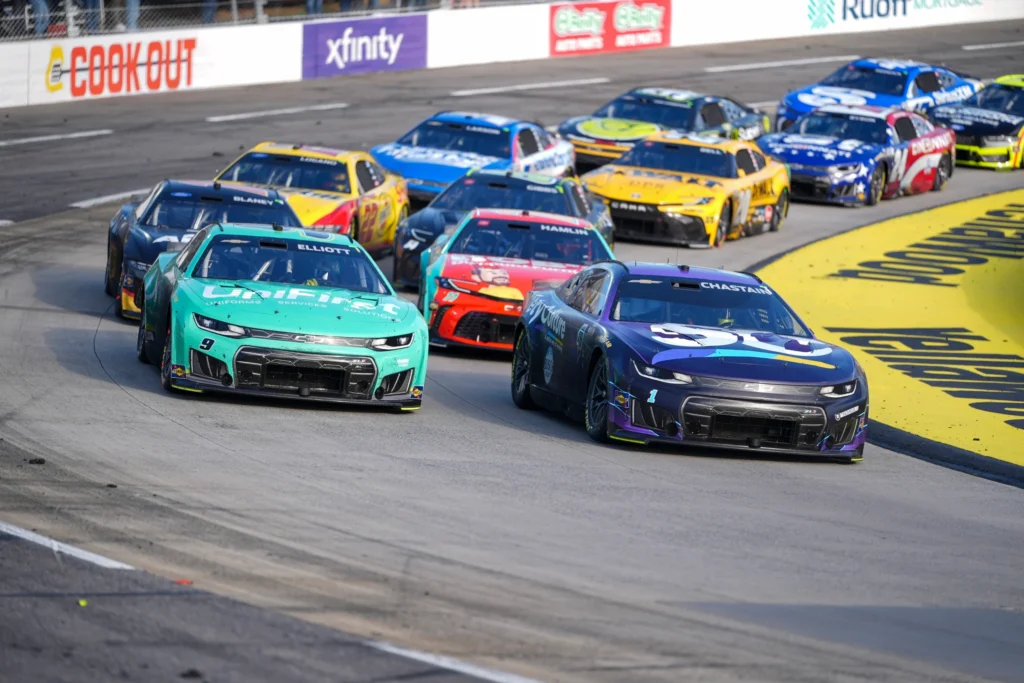
The Cook Out 400 returned to Richmond Raceway for another Saturday-night showdown. Here is the verified weekend schedule, race start time, USA Network coverage, streaming options, Truck Series support race and track guide.
Richmond NASCAR 2026 brought the Cup Series back to one of America’s most demanding short tracks for a two-night August weekend.
The official NASCAR schedule placed the Cook Out 400 on Saturday, August 15, with a 7:00 p.m. ET start on USA Network. The NASCAR Craftsman Truck Series opened the national-series racing on Friday, August 14 at 7:30 p.m. ET on FS1.
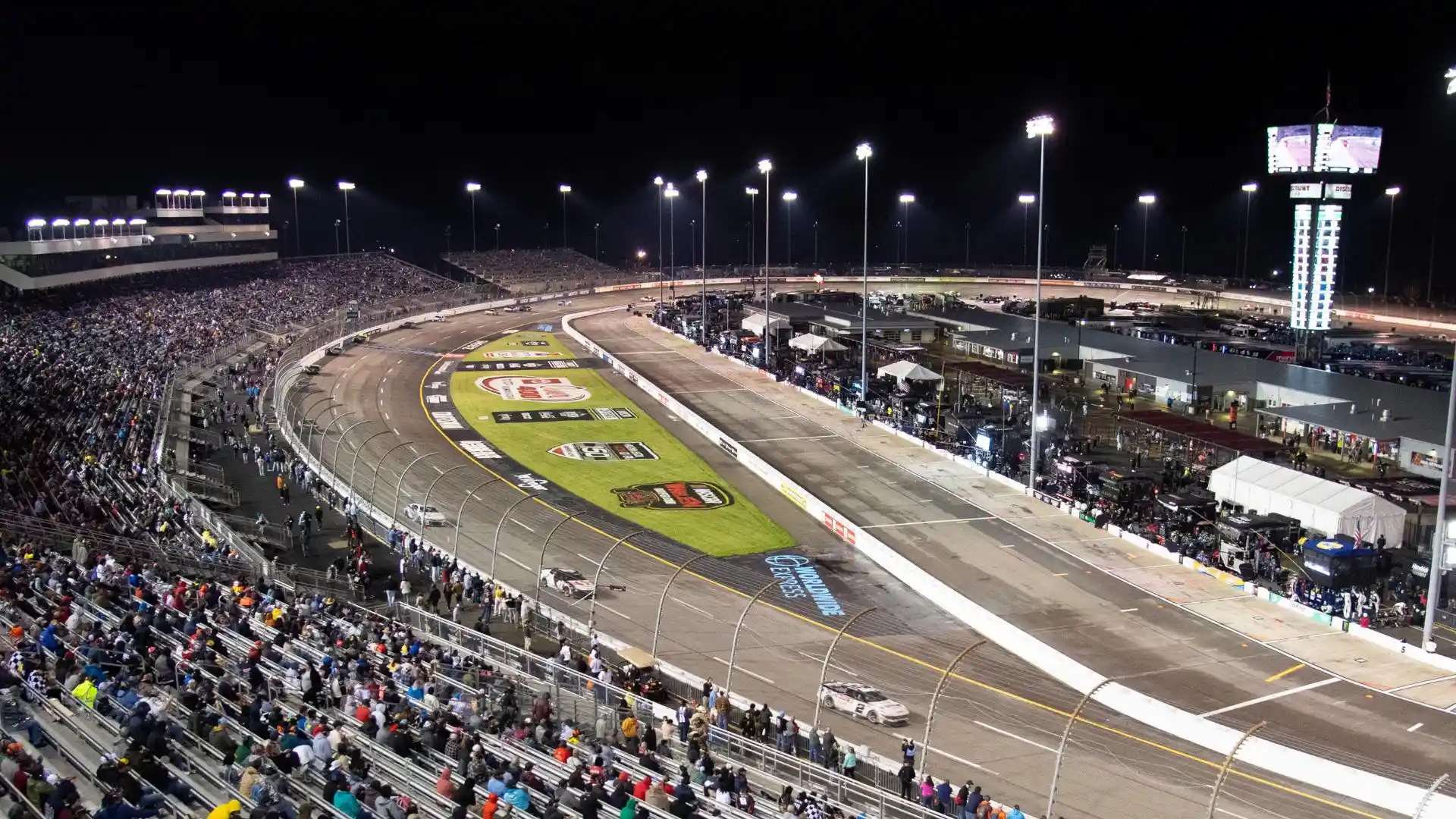
Richmond Raceway’s 0.75-mile D-shaped oval looks simple on paper, but tire management and traffic make it one of the hardest places to stay fast for an entire run. The Cup race covers 400 laps and 300 miles.
Richmond NASCAR 2026 Quick Schedule and Viewing Guide
The Cook Out 400 was scheduled for Saturday, August 15 at 7:00 p.m. ET. USA Network carried the U.S. television broadcast. The race distance was 400 laps, equal to 300 miles around Richmond Raceway’s 0.75-mile oval.
| Session | Date | Time (ET) | TV / coverage |
|---|---|---|---|
| Cup practice & pole qualifying block | Friday, Aug. 14 | 3:30–5:30 p.m. | MRN listed live radio coverage; TV assignments may vary by session. |
| Black’s Tire 250 presented by BTS Rewards | Friday, Aug. 14 | 7:30 p.m. | FS1 |
| Cook Out 400 | Saturday, Aug. 15 | 7:00 p.m. | USA Network |
NASCAR’s official 2026 start-time release and Richmond Raceway both list the Cup race at 7:00 p.m. ET. Some third-party event pages show 7:30 p.m., which appears to reflect a later green-flag estimate or older schedule data. For a viewer, the safe time is the official 7:00 p.m. ET broadcast start.
For more NASCAR basics, read our car-racing guide, how to watch NASCAR and 2026 NASCAR points standings.
Full Richmond NASCAR 2026 Weekend Schedule
The national-series weekend ran across Friday and Saturday, with the Truck Series on Friday night and the Cup Series on Saturday night.
The schedule gave fans two straight evenings of racing under the lights. That format fits Richmond particularly well because August daytime temperatures can be high, while night racing also gives the track a classic short-track atmosphere.
Friday, August 14: Cup practice, qualifying and Truck Series
MRN’s published calendar listed NASCAR Cup Series practice and pole qualifying coverage from 3:30 p.m. to 5:30 p.m. ET.
The official NASCAR start-time release then listed the Craftsman Truck Series race at Richmond for 7:30 p.m. ET on FS1.
| Friday event | Time ET | Series | Key note |
|---|---|---|---|
| Practice & Pole Qualifying | 3:30–5:30 p.m. | NASCAR Cup Series | Combined broadcast window listed by MRN. |
| Black’s Tire 250 presented by BTS Rewards | 7:30 p.m. | Craftsman Truck Series | Official national-series start time; FS1. |
Practice mattered at Richmond because tire falloff can create a large gap between a car that is fast for one lap and a car that remains stable over 30 or 40 laps.
Qualifying matters for a different reason. Clean air helps at the start, but Richmond is not a place where pole alone guarantees control. Long-run balance usually matters more once the first stint develops.
Our qualifying explainer and pole-position guide explain how the grid is set.
Saturday, August 15: Cook Out 400 race day
Richmond Raceway’s official event page listed the Cook Out 400 at 7:00 p.m. ET.
NASCAR’s national-series start-time release matched that 7:00 p.m. time and assigned the race to USA Network.
| Saturday event | Time ET | Coverage |
|---|---|---|
| Cook Out 400 broadcast / race window | 7:00 p.m. | USA Network |
| Radio | Race window | MRN / SiriusXM NASCAR Radio |
| Race distance | 400 laps | 300 miles |
Viewers should be tuned in before 7:00 p.m. ET. Pre-race coverage can include driver introductions, command timing and grid information before the field takes the green flag.
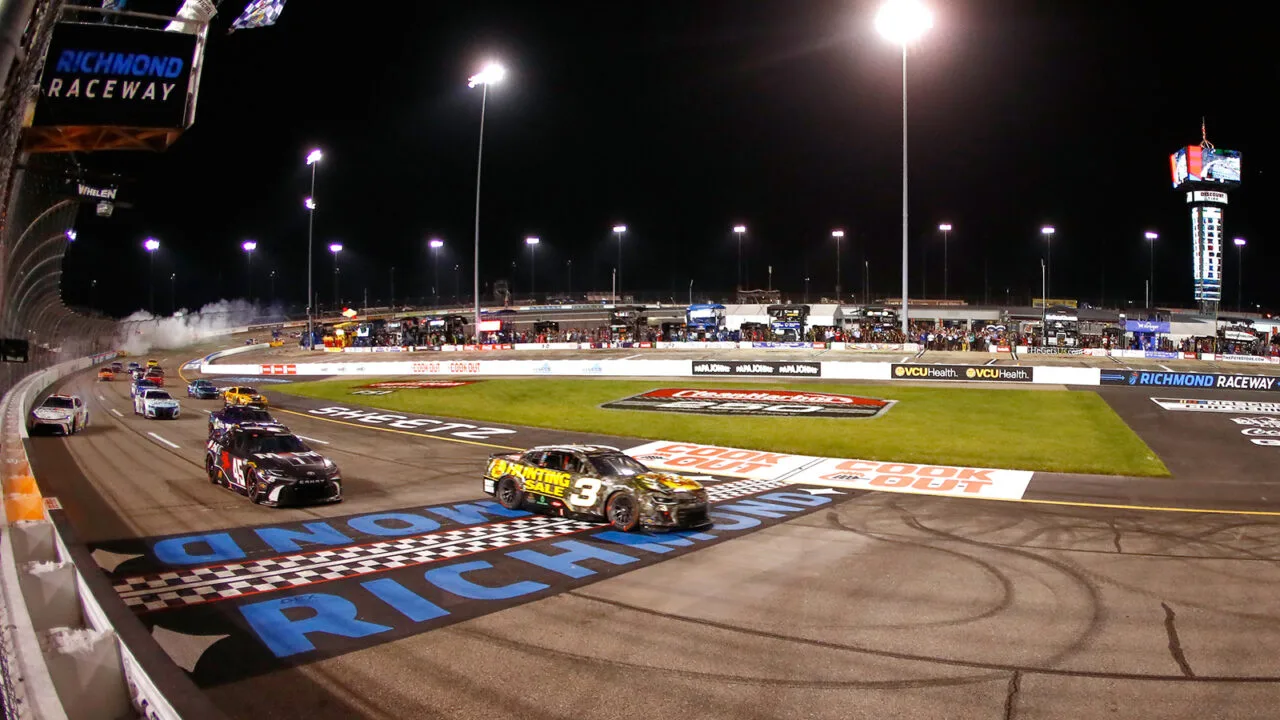
What Time Did the 2026 Cook Out 400 Start?
The official NASCAR schedule listed the Richmond Cup race for 7:00 p.m. ET on Saturday, August 15, 2026. That converts to 6:00 p.m. CT, 5:00 p.m. MT and 4:00 p.m. PT.
| U.S. time zone | Official race time |
|---|---|
| Eastern | 7:00 p.m. |
| Central | 6:00 p.m. |
| Mountain | 5:00 p.m. |
| Pacific | 4:00 p.m. |
The race took place in Richmond, Virginia, so Eastern Time is the local time zone.
For U.S. viewers, this is a straightforward Saturday-night race. There is no need to convert from a foreign time zone or an unusual Sunday start.
Why some sites listed 7:30 p.m.
Some non-official race pages published 7:30 p.m. ET for Richmond.
However, NASCAR’s official 2026 start-time announcement and Richmond Raceway both listed 7:00 p.m. ET. Therefore, 7:00 p.m. is the correct time to use for a viewing guide.
The actual green flag can come after the listed broadcast time because NASCAR schedules include pre-race ceremonies and pace laps.
Richmond NASCAR 2026 TV Coverage and Streaming Guide
The 2026 Cook Out 400 aired on USA Network in the United States. NASCAR’s official NBC/USA viewing guide listed Richmond at 7:00 p.m. ET on USA.
USA Network
USA Network carried the Cup race as part of NBC Sports’ second-half NASCAR package.
This means viewers needed a TV package that includes USA Network. Unlike an NBC broadcast-network race, this was a cable-channel event.
Streaming USA Network
Fans without traditional cable can watch USA Network through live-TV streaming services that carry the channel.
Common options include YouTube TV, Hulu + Live TV, Fubo, Sling Blue and DIRECTV STREAM. Channel availability can vary by package and region, so viewers should confirm USA Network before subscribing.
NBC Sports’ authenticated digital platforms can also provide access when the viewer’s TV provider includes the required channel.
What about Peacock?
NASCAR’s own 2026 viewing guide says Peacock directly simulcasts selected Cup races that air on NBC.
Richmond was assigned to USA Network, not NBC. Therefore, viewers should not assume the Cook Out 400 was included as a standard Peacock simulcast simply because NBC Sports holds the rights.
If your priority is Richmond specifically, choose a service that explicitly lists USA Network in your local channel package. That is more reliable than assuming an NBC-branded streaming product carries every USA Network NASCAR race.
MRN and SiriusXM NASCAR Radio
Motor Racing Network provides radio coverage for Richmond, and SiriusXM NASCAR Radio also carries NASCAR race programming.
Radio is useful when traveling, working or following the race from the grandstands.
It can also be valuable during pit cycles because the broadcast team explains strategy that may be difficult to understand from one camera angle.
Richmond Raceway Track Guide
Richmond Raceway is a 0.75-mile D-shaped asphalt oval. The turns carry 14 degrees of banking, the frontstretch has 8 degrees and the backstretch has 2 degrees.
Richmond sits between a classic short track and a larger speedway.
It is short enough for heavy traffic and frequent lapping, but its D-shaped layout gives drivers enough speed to create multiple racing lines.
Track dimensions
| Track feature | Verified specification |
|---|---|
| Length | 0.75 mile |
| Shape | D-shaped oval |
| Turns | 14° banking |
| Frontstretch | 8° banking |
| Backstretch | 2° banking |
| Cup race distance | 400 laps / 300 miles |
Why tire management matters
Richmond’s surface rewards drivers who can control wheelspin and keep the right-rear tire alive.
A car can be fastest early in a run and then fade badly if the driver uses too much rear grip.
This is one reason practice averages matter more than the single fastest lap.
Our grip explainer and car-handling guide show how that balance develops.
Multiple grooves
Richmond can develop more than one usable line as the race progresses.
The lower groove usually provides the shortest distance, while the higher line can create momentum and cleaner corner exits.
That allows drivers to change lines when they catch slower traffic.
Braking and throttle discipline
Richmond is not simply a flat-out oval.
Drivers must manage entry speed, rotate the car through the middle and apply throttle without spinning the rear tires.
That balance makes torque delivery and throttle control especially important.
Passing traffic
Leaders encounter lapped cars regularly over 400 laps.
That can create opportunities for a trailing car to close a gap or force the leader into a less favorable groove.
Our slipstream guide explains the aerodynamic side of following another car, although Richmond’s passing is often driven more by tire condition and corner exit than pure drafting.
What Else Was Happening During Richmond NASCAR Weekend?
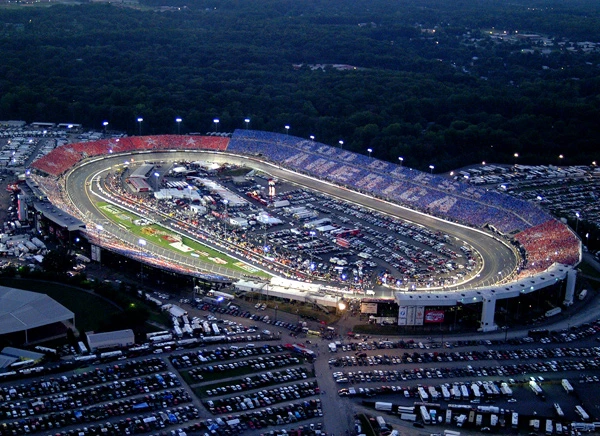
Richmond Raceway celebrated a major milestone in 2026: the venue’s 80th anniversary season.
The track also entered race week with strong demand. Richmond Raceway announced in July that all 1,028 sellable camping spaces had been reserved for the August weekend.
Camping sold out before race week
The sellout covered tent, RV and Turn 3 camping inventory.
That matters because Richmond’s camping scene contributes to the atmosphere long before the Cup cars take the green flag.
Friday Truck Series race
The Black’s Tire 250 presented by BTS Rewards gave fans a full national-series race on Friday night.
The Truck Series race was scheduled for 7:30 p.m. ET on FS1.
Because Trucks and Cup cars use different packages, the support race does not perfectly predict Saturday. However, it can show how the track surface changes under night conditions.
Playoff pressure
Richmond sat near the end of the regular season, before New Hampshire and Daytona.
That made the Cook Out 400 an important opportunity for drivers still trying to secure a playoff position.
At a short track, one strong night can change the points picture quickly.
For the latest championship context, see our NASCAR points standings and championship scoring guide.
What Fans Should Know Before Watching Richmond
Do not judge the race by Stage 1 alone
Richmond conditions can change as the sun sets and rubber builds on the track.
A car that struggles early can improve after adjustments on pit road.
Watch pit-road execution
A clean stop can gain multiple positions because the field is often tightly packed.
A loose wheel, speeding penalty or slow tire change can destroy a strong night.
Our pit-stop explainer covers the basics.
Expect cautions to reshape strategy
Short tracks naturally create more traffic and more opportunities for contact.
A caution can allow teams to take fresh tires, change the fuel plan or stay out for track position.
Read our racing flags guide and Safety Car explainer for more context.
Richmond Compared With Other NASCAR Short Tracks
Richmond is often grouped with Bristol and Martinsville, but it races differently from both.
Richmond vs. Martinsville
Martinsville is tighter and slower, with heavy braking into nearly flat corners.
Richmond carries more speed and gives drivers more room to change lines.
Richmond vs. Bristol
Bristol’s steep banking creates far more vertical load and much higher corner speed.
Richmond’s flatter layout places more emphasis on mechanical grip and throttle control.
Why Richmond feels unique
It combines short-track traffic with a larger-track rhythm.
That is why the venue can produce long green runs, strategic racing and late contact in the same event.
For a broader look at different race formats, see how car racing works.
How to Follow the Race Beyond the TV Broadcast
NASCAR live timing
NASCAR’s digital platforms provide live leaderboard information during race weekends.
Timing data helps viewers track gaps, pit cycles and drivers who are gaining positions even when they are not on camera.
Our race timing guide explains what those numbers mean.
NASCAR Tracks app at the venue
Richmond Raceway promotes the NASCAR Tracks app for ticket access, schedule updates, maps and at-track features.
The track says the app also offers scanner and in-car or turn-camera functions at the venue, subject to connectivity.
Social and post-race coverage
NASCAR’s official channels normally publish race highlights, interviews and updated standings after the event.
If you miss the live race, use official recap and results pages rather than relying only on short social clips.
Why the Richmond Night Race Matters on the 2026 Calendar
Richmond arrives at a point in the season when the regular-season picture is becoming urgent. Drivers without a victory have fewer chances to change their playoff outlook, while established contenders want bonus points and momentum before the postseason.
That changes how teams approach the final stage. A driver safely inside the playoff picture may accept a strong points result. A driver who needs a win can take a much bigger strategic risk.
Tire calls can become aggressive late
If a caution appears late, crew chiefs have to choose between fresh tires and track position. Staying out can preserve the lead, but a car on older tires may be vulnerable during the restart.
Pitting gives the driver grip, but the car can restart several rows deeper. Richmond’s multiple grooves make that decision especially difficult because passing is possible, yet never guaranteed.
Long green runs expose weak setups
A car can survive ten laps with poor balance. It is much harder to hide a weak setup over a long green-flag run.
As tires wear, the driver begins to fight corner-entry stability, center rotation and rear traction. That is why Richmond often rewards teams that prioritize a balanced car rather than chasing only qualifying speed.
Night conditions can shift the balance
Track temperature usually falls after sunset. More grip can appear, and the preferred lane may change as rubber builds.
Teams must therefore avoid overreacting to afternoon practice conditions. The race car needs to work later in the evening when the most important laps are completed.
Short-track traffic makes every pit cycle risky
Because the lap is only three quarters of a mile, leaders catch the back of the field quickly. A mistimed green-flag stop can place a fast car directly into heavy traffic.
That can erase several seconds before the pit cycle is complete. Crew chiefs therefore watch not only fuel and tire life but also where the car will re-enter the track.
Richmond NASCAR 2026 Viewer Checklist
For the Cup race, the most important number was 7:00 p.m. ET on Saturday. Viewers using a streaming service needed to confirm that USA Network was included in their package before race time.
Fans attending in person had a different priority: arrive early enough to clear traffic, enter the grounds and find seats before driver introductions. Richmond’s camping sellout showed that demand around the venue was strong throughout the weekend.
Before the race
Check NASCAR and Richmond Raceway for weather or schedule adjustments. Short-track weekends can move quickly if rain affects practice or qualifying, so the official digital schedule should remain the final reference.
Also remember that the listed race time is the official broadcast or event start window. The exact green flag can follow after pre-race ceremonies and pace laps.
During the race
Watch tire falloff, pit cycles and lap traffic rather than focusing only on the leader. At Richmond, a driver running fifth can become the strongest car after a fresh-tire stop, while an early leader can fade as the run develops.
That is what makes the Cook Out 400 different from a straightforward high-speed oval race. The fastest car can change several times over 400 laps.
Richmond NASCAR 2026 FAQs
Conclusion: Richmond NASCAR 2026 Was Built for Saturday-Night Short-Track Racing
The key Richmond NASCAR 2026 information was simple: the Cook Out 400 was scheduled for Saturday, August 15 at 7:00 p.m. ET on USA Network.
The race covered 400 laps and 300 miles around Richmond Raceway’s 0.75-mile D-shaped oval.
Friday also gave fans a full national-series program. The Cup practice and pole-qualifying block was listed by MRN from 3:30 to 5:30 p.m. ET, while the Black’s Tire 250 presented by BTS Rewards started at 7:30 p.m. ET on FS1.
For cord-cutters, the important channel was USA Network. A live-TV streaming service that carries USA was the most direct option. Peacock’s automatic simulcast schedule applied to selected NBC races, so Richmond viewers needed to confirm USA access.
Richmond remained one of NASCAR’s most technical short tracks. Four hundred laps place a premium on tire management, pit execution and traffic management rather than one-lap speed alone.
The weekend also arrived with strong fan demand. All 1,028 sellable camping spaces had been reserved before race week, reinforcing the importance of the Saturday-night event during Richmond’s 80th anniversary season.
For viewers at home, the safest plan was to be on USA Network by 7:00 p.m. ET and follow NASCAR’s official digital channels for live timing, weather or schedule changes.