Monaco Formula 1 Live:
Race Stream, Timing, Updates & Full Grand Prix Guide
Your complete companion to the Monaco Grand Prix 2026 — how and where to watch live, real-time sector timing, pit strategy breakdowns, circuit guide, and race coverage from lights out to chequered flag.
Monaco Formula 1 Live: Race Stream, Timing & Full Grand Prix Guide
How to watch, live timing, race strategy, circuit guide and full coverage from Monte Carlo.
The crown jewel of motorsport is here. The Monaco Grand Prix is the most prestigious, demanding, and glamorous street race on the Formula 1 calendar — 78 laps through the narrow, barrier-lined streets of Monte Carlo, where the world’s best drivers are pushed to their absolute limits surrounded by superyachts, casino lights, and a global audience of over 40 million. There is no circuit like it, and there never will be.
This page is your complete live coverage hub for Monaco Formula 1 2026. Whether you need to know where to stream the race legally and in HD, how to follow live sector timing, how pit strategy works on a circuit with almost no overtaking, or what each corner actually demands from a driver — it is all here. The race is today, Sunday June 7, 2026. Lights out at 15:00 CEST. Read on for everything you need to follow it in full.
Watch Monaco Formula 1 Live: Complete Streaming Guide 2026
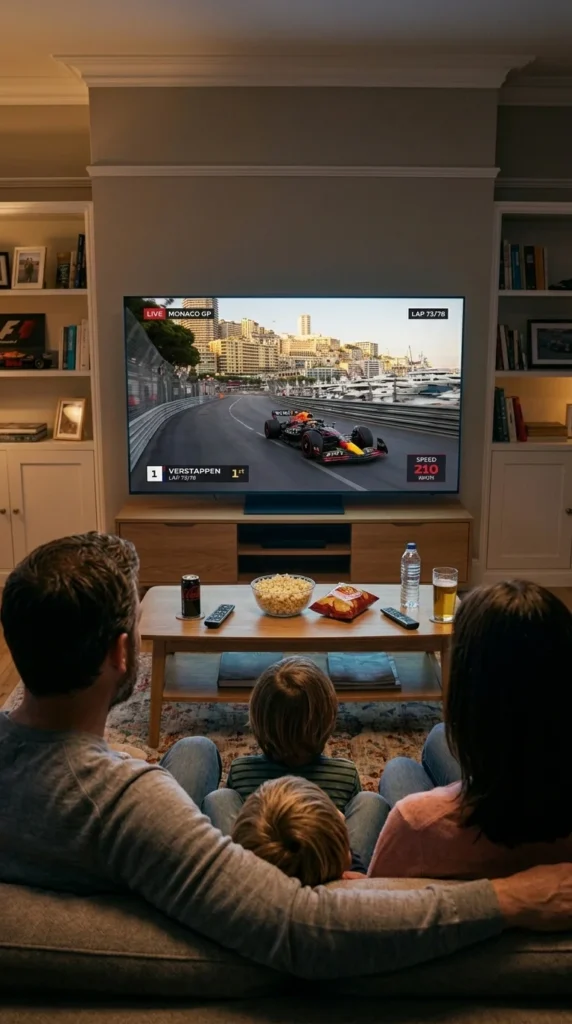
Securing a reliable, legal, and high-quality stream is the single most important thing you can do before the formation lap begins. Formula 1’s broadcast rights are distributed across several world-class platforms depending on your location — and the difference between a legal stream and an unofficial one is the difference between watching in 4K with full team radio and missing the race-deciding moment because a pirate stream collapsed at the restart.
Handling Geo-Restrictions When Travelling
If you are outside your home country during race weekend, geo-blocking may prevent you from accessing your paid streaming subscription. A premium VPN reroutes your connection to your home country, restoring access to your legal, paid service — this is the correct and accepted workaround for international travel. Ensure your streaming app is fully updated before the session begins. Using a tablet or second screen alongside your main TV for live timing data is the gold standard for modern F1 viewing.
Unauthorized third-party streams carry malware risks, intrusive advertising, extreme latency, and — most frustratingly — they collapse without warning exactly when the critical action happens. The race-deciding moment at Monaco often happens within a five-lap window. A stream that drops during the pit phase under a safety car cannot be recovered. Always use your paid, legal broadcaster. For a full breakdown of every legal option: how to watch F1 live online.
Monaco GP 2026 Race Schedule & Weekend Format
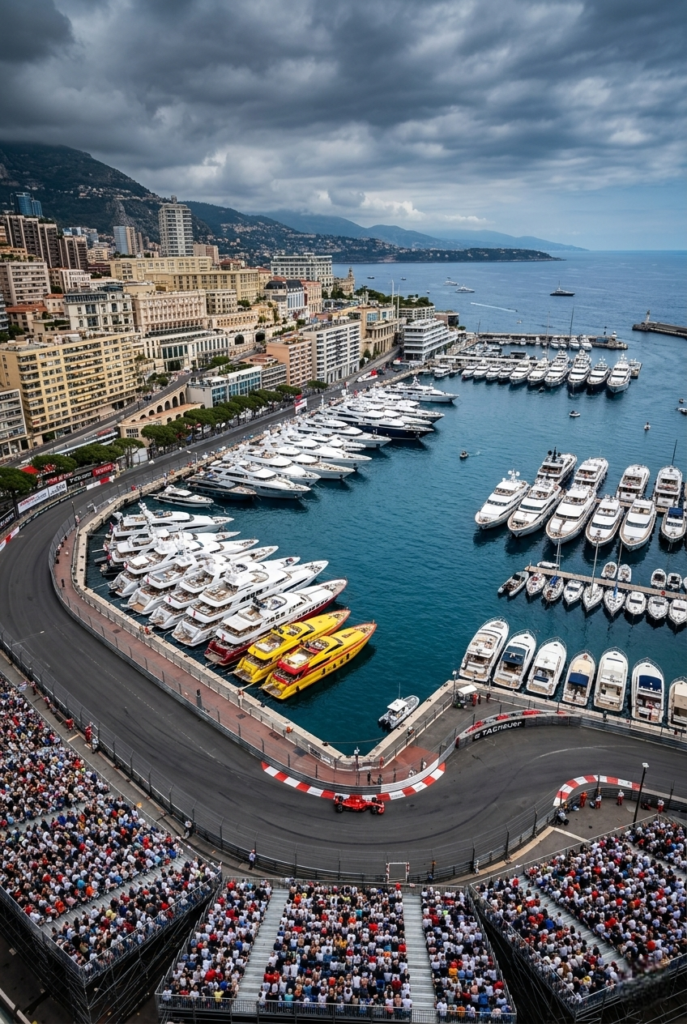
The 2026 Monaco Grand Prix is Round 6 of the FIA Formula 1 World Championship. The event runs across a standard three-day format from Friday June 5 through Sunday June 7, with F2, F3, and the Porsche Supercup running as support series throughout the weekend.
Global Start Times — Race Day Sunday
| Time Zone | FP1 (Friday) | Qualifying (Sat) | 🏁 Grand Prix (Sun) |
|---|---|---|---|
| Monaco / Europe (CEST) | 13:30 | 16:00 | 15:00 |
| London (BST) | 12:30 PM | 3:00 PM | 2:00 PM |
| New York (EDT) | 7:30 AM | 10:00 AM | 9:00 AM |
| Los Angeles (PDT) | 4:30 AM | 7:00 AM | 6:00 AM |
| Dubai (GST) | 3:30 PM | 6:00 PM | 5:00 PM |
| Mumbai (IST) | 5:00 PM | 7:30 PM | 6:30 PM |
| Singapore / KL (SGT) | 7:30 PM | 10:00 PM | 9:00 PM |
| Tokyo (JST) | 8:30 PM | 11:00 PM | 10:00 PM |
| Sydney (AEST) | 9:30 PM | 12:00 AM (Sun) | 11:00 PM |
Monaco is Round 6. After today’s race, the next round is the Canadian Grand Prix in Montreal. For the full remaining 2026 calendar with dates, circuits, and broadcast times, see our F1 2026 complete schedule. Championship standings update immediately after the chequered flag — track them live at our F1 2026 standings page.
Monaco Grand Prix Live Race Coverage & Strategy
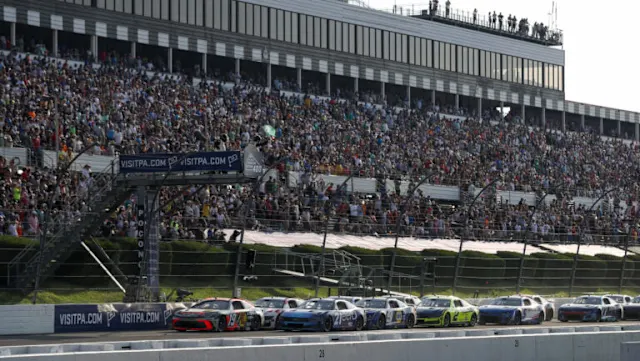
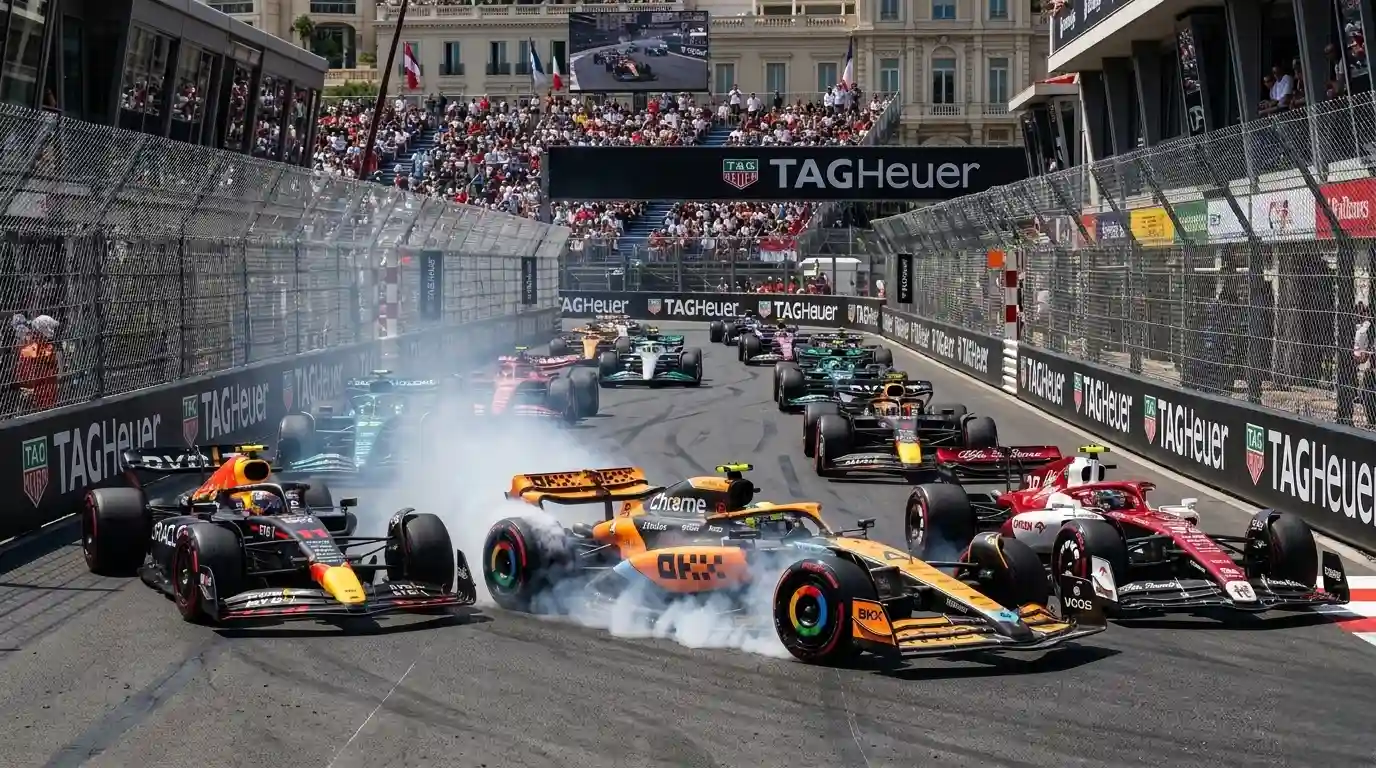
When the five red lights extinguish at 15:00 CEST, the psychological pressure of practice and qualifying ends and the raw tactical reality of the Monaco Grand Prix begins. The grid formation on the narrow Pit Straight is a masterclass in tension — engineers, mechanics, celebrities, and TV crews crowding a space that barely accommodates the cars themselves. Twenty drivers in some of the most powerful machinery ever built, separated by centimetres, are about to accelerate into the tightest Turn 1 in Formula 1.
The Start: Why Sainte Dévote Changes Everything
The run down to Turn 1 — Sainte Dévote — is historically one of the most volatile zones in all of motorsport. Twenty wide, high-downforce single-seaters funnel at full speed into a sharp right-hand bend with no room for error. Early contact, broken front wings, and immediate race neutralization under the safety car are consistent features of Monaco race starts. The driver who survives Turn 1 in the same position they started has already done something most of the field has failed to do.
Once the opening chaos settles, the race morphs into an intricate strategic chess match. Because on-track passing is nearly impossible at Monaco — there simply isn’t room — team strategists rely entirely on the pit stop window to gain positions. Understanding the two strategic tools available is essential for following the race intelligently:
- The Undercut: Pitting early to bolt on fresh rubber, using the clean-air speed advantage to set faster laps before the car ahead responds. At Monaco, where following another car closely is nearly impossible, the undercut is the primary weapon. See our full overcut and undercut explainer.
- The Overcut: Staying out on older tyres when the car ahead pits, banking enough time on the lap-time delta to emerge ahead when you finally stop. The overcut requires confidence that your tyres won’t fall off a cliff — which at Monaco, on a relatively smooth street surface, is more viable than at high-tyre-stress tracks like Bahrain.
Safety Cars and the Monaco Wildcard
With Armco barriers sitting within inches of the racing line, the safety car probability in Monte Carlo is the highest on the calendar. A single contact anywhere — a wheel touching a barrier at La Rascasse, a mechanical failure in the Tunnel exit — can trigger an immediate Virtual Safety Car or full Safety Car deployment that completely upends whatever tyre strategy teams had planned. The safety car at Monaco is not a secondary consideration. It is the primary strategic wildcard every team is planning for from the formation lap.
Managing Pirelli tyre thermal degradation on the softest compounds is the other constant pressure. Drivers must balance pushing hard enough to maintain gaps while keeping tyre slip angles minimal to prevent the surface from overheating and graining on the public asphalt. Our pit stop strategy guide explains the degradation dynamics that govern every call the pit wall makes on Sunday afternoon.
“At Monaco you don’t race the other cars. You race the barriers, the tyres, and the clock. The other cars just happen to be there.”
Monaco is worth 25 points to the winner plus one point for fastest lap. At Round 6 of 24, every position matters — and Monaco’s unique character means teams that have struggled on power circuits (Miami, Bahrain, Jeddah) can suddenly threaten the front. The championship scoring system means a strategic victory from third on the grid can be worth more than pole at the next street circuit. Results update live at our F1 2026 standings page immediately after the chequered flag.
F1 Monaco Live Timing, Leaderboard & Lap Tracker
To truly understand a race where overtaking is rare, you have to look beyond the TV broadcast and into the timing data. The same telemetry metrics the team principals stare at from the pit wall are available to fans through F1’s official Live Timing portal and the F1 app — and at Monaco, where a gap of 0.5 seconds can represent either total safety or strategic crisis, those numbers tell a more complete story than the race director’s camera cut ever will.
Why Timing Data Dominates the Monaco Narrative
By watching sector-by-sector time slips, you can spot a driver dropping into “clean air” after their pit stop long before the commentator mentions it. You can see a car beginning to catch the train ahead five laps before the pit wall makes the call to bring them in. You can identify exactly when a tyre has gone from peak grip into the degradation window — which at Monaco typically becomes visible as a 0.3–0.5 second sector loss before it shows up as a gap change on the leaderboard. Understanding how race timing works is the single biggest upgrade to your race viewing experience.
| Sector | From → To | Strategic Significance | Fan Tracking Benefit |
|---|---|---|---|
| Sector 1 | Sainte Dévote → Casino Square | Measures pure traction and high-speed uphill commitment. Engine deployment is critical here on the 2026 hybrid units. | Identifies who is extracting maximum power — and who is nursing a damaged front wing from the start. |
| Sector 2 | Mirabeau → Tunnel entry | Tests extreme low-speed mechanical grip and maximum steering lock through the Grand Hotel Hairpin. The slowest point in F1. | Reveals underlying chassis balance and rear tyre health. A driver losing time here is running out of rear grip. |
| Sector 3 | Chicane → Pit Straight | High-speed directional changes through the Swimming Pool section and the tight La Rascasse / Anthony Noghes sequence. | Spots mistakes, wall clips, fading rear traction, or a driver pushing too hard trying to set up an overtake into Turn 1 next lap. |
| Interval Gaps | Car-to-car distance | Shows live distance between cars to the thousandth of a second. At Monaco, the undercut threshold is approximately 20–23 seconds of gap to the car behind before pitting is safe. | Predicts undercut and overcut vulnerability windows — the single most important number to track all race. |
F1 App (official): Live timing, track position map, driver telemetry overlays, and team radio — free with limited features, full access with F1 TV Pro subscription. F1 TV Pro: Full data suite including tyre compounds, pit stops, gap history graphs. Sofascore / LiveTiming.formula1.com: Web-based alternatives for fans who can’t access the official app. Pair any of these with your main broadcast on a second screen for the complete Monaco data experience. For more on how to read the data, see our how race timing works guide.
Monaco GP Qualifying: The Most Important Session of the Weekend
It is the most quoted axiom in the Monaco paddock: qualifying here is 90% of the race weekend. Because the circuit is so narrow that wheel-to-wheel passing is a rare anomaly, securing the front rows on Saturday afternoon is not just an advantage — it is effectively the race result in draft form. The driver who qualifies on pole at Monaco starts with an enormous statistical advantage that no amount of Sunday strategy can consistently overcome.
The Pressure of a Single Flying Lap
During Monaco qualifying, drivers must abandon all conservative instincts. They skim their tyres against Armco barriers at over 150 mph, dancing on the absolute edge of disaster for a single lap that might define their entire weekend. Traffic management becomes a genuine nightmare — with twenty cars trying to find clean air on a 3.337 km circuit, engineers face immense pressure to launch their drivers into the precise window where the track is clear and the tyre is at its thermal peak.
The F1 qualifying format splits into Q1, Q2, and Q3 — the same structure as every other circuit, but with a completely different character at Monaco. One yellow flag, one traffic encounter, one moment of brake lock-up can end a qualifying session before it begins. Understanding how racing drivers qualify at street circuits specifically is essential context for following Saturday’s session.
| Session | Cars | Duration | Monaco Specific Challenge |
|---|---|---|---|
| Q1 | 20 Cars | 18 minutes | Maximum congestion — 20 cars fighting for clean air on 3.337 km. Highest probability of yellow flags. Bottom 5 eliminated. |
| Q2 | 15 Cars | 15 minutes | Track evolution begins — rubber laid by Q1 improves grip significantly. Times drop sharply in final minutes. Next 5 eliminated. Tyre rule locks Q3 starters’ Sunday compound. |
| Q3 | 10 Cars | 12 minutes | Maximum performance required. Track at peak grip in final 90 seconds. A single wall clip or yellow flag ruins a pole bid that took an entire season to set up. |
Track Evolution and Why the Last Lap Always Wins
Monte Carlo’s streets are public roads used by normal traffic for 360 days a year. When F1 cars arrive for the first practice session, the asphalt is dusty, low on rubber, and slow. As the weekend progresses and high-performance tyres lay down rubber compound lap after lap, grip levels skyrocket — which is why the absolute fastest times at Monaco are almost always set in the final ninety seconds of Q3, on a fully evolved track, with the car on its last new set of qualifying softs.
Historically, the pole position advantage at Monaco is greater than at any other circuit on the calendar. The pole sitter converts that front grid slot into victory far more consistently here than anywhere else. In the modern hybrid era (2014–2026), the pole sitter has won or finished on the podium from Monaco pole at an extraordinary rate. For the full picture of how grid position affects race outcomes, our explainer covers the aerodynamic and strategic reasons in detail.
Saturday’s qualifying session (June 6, 16:00 CEST) set the grid for today’s race. Check our F1 2026 standings for the starting grid, pole time, and Q3 classification. Full qualifying analysis is in our Formula 1 qualifying news section. For a deeper read on what the grid means for race strategy today, see our piece on how drivers qualify at street circuits.
Monaco GP Circuit Guide: Track Layout & Every Corner Explained
The Circuit de Monaco is a historic layout that has remained remarkably unchanged since its inception, standing as a glorious anachronism against modern, wide Formula 1 machinery. At 3.337 km, it is the shortest circuit on the F1 calendar. It is also the slowest — average lap speeds are around 160 km/h, compared to over 250 km/h at Monza. Yet it demands more of a driver’s full concentration, spatial awareness, and raw commitment than any other circuit on earth. There is nowhere to breathe here. Every corner matters.
Circuit length: 3.337 km · Race distance: 78 laps · 260.286 km · Corners: 19 · Average speed: ~160 km/h · Current lap record: Lewis Hamilton, 1:12.909 (2021, Mercedes) · First race: 1929 (pre-World Championship) · First F1 World Championship round: 1950 · DRS zones: 1 (main straight, post-Anthony Noghes) · Pirelli compounds 2026: C3, C4, C5 (softest selection of the year). For more technical context, see our explainer on what grip means in F1 and how the soft compounds behave at Monaco specifically.
Monaco GP History & Legacy: The Soul of Motorsport
To look at the Monaco Grand Prix is to look at the very soul of motorsport history. Long before the official Formula 1 World Championship began in 1950, race cars were tearing through these exact streets — the first Monaco Grand Prix took place in 1929, when William Grover-Williams won in a Bugatti Type 35. Nearly a century later, the circuit is essentially the same. The roads are narrower than any other F1 venue. The walls are closer. The consequences of error are more immediate. That is precisely why winning here elevates a driver from Grand Prix winner to motorsport immortal.
The Greatest Monaco Drivers — Historical Record
| Driver | Wins | Era | Notable Achievement |
|---|---|---|---|
| Ayrton Senna | 6 | 1984–1993 | 5 consecutive wins 1989–1993. Widely considered the greatest Monaco driver of all time. His 1984 drive — charging from 9th to catch Alain Prost before the rain-shortened race — remains the most discussed single performance in Monaco history. |
| Graham Hill | 5 | 1963–1969 | Nicknamed “Mr. Monaco.” Five wins through the 1960s established his singular identity as the master of Monte Carlo in the era of front-engined BRM machinery. |
| Michael Schumacher | 5 | 1994–2001 | Five victories across his Ferrari and early career years. Also remembered for the controversial 2006 qualifying incident at La Rascasse that cost him pole position. |
| Lewis Hamilton | 3 | 2008–2021 | Holds the current lap record (1:12.909, 2021). Three victories and considered among the most naturally gifted Monaco drivers of the modern era. |
| Alain Prost | 4 | 1984–1988 | Four wins including the famous 1984 victory where rain stopped a race Senna was catching him in. Prost’s tactical intelligence made him particularly lethal at Monaco. |
In the modern era, Max Verstappen and Charles Leclerc — Monaco’s hometown hero — have each added their names to the winners list. Leclerc’s 2024 victory in front of his home crowd was an emotional moment that defined his season. For the full story of the legendary drivers who have shaped this race’s history, see our museum’s Famous Race Car Drivers exhibit and the Mario Andretti profile — who raced Monaco in an era when the consequences of a mistake here were genuinely life-threatening.
Engineering Evolution — The Lap Time Story
The same streets that Juan Manuel Fangio navigated at around 1 minute 50 seconds in the 1950s are now covered in 1 minute 12 seconds by Lewis Hamilton’s 2021 Mercedes. That is nearly 38 seconds faster on an identical layout — a testament to tyre technology, braking performance, aerodynamic downforce, and the power of hybrid systems. The 2026 power unit regulations, which mandate a 50/50 split between internal combustion and electrical power, bring a new dimension to the Monaco power delivery story — massive torque from the electric motor is available instantly at the exit of the Grand Hotel Hairpin, which is transforming the fastest sectors on track this weekend. For more on how the power units work, see our ERS in F1 explainer.
There are legitimate debates every year about whether Monaco belongs on a modern F1 calendar — the circuit is too narrow for contemporary car dimensions, overtaking is nearly impossible, and the racing is often processional once the top three have settled. Those criticisms are valid. What they miss is that Monaco tests a completely different set of driver skills than any other venue. The concentration required to lap at 160 km/h average with millimetre margins for 78 laps, on public streets, in front of the largest poolside audience in sport — that is a unique form of motorsport pressure that no other circuit replicates. Winning here still means something different. It always will. See our World of Speed museum mission for how we think about preserving and celebrating exactly this kind of motorsport heritage.
Monaco Formula 1 Live — FAQ
Monaco 2026 — Keep this page open all day
The Monaco Grand Prix is the race that separates F1 from every other motorsport on earth. No circuit demands more from a driver. No weekend rewards strategy, patience, and precision more ruthlessly. And no result carries more weight in the history books than a Monaco victory.
Whether you are watching the formation lap right now or reading this before the race, keep this page bookmarked throughout Sunday. Live timing links, broadcast reminders, race updates, and the final classified result will all be covered here at World of Speed as they happen. The chequered flag falls at approximately 17:00 CEST. Full race result and analysis will be published within 30 minutes.
Race well, Monaco. The barriers are waiting.