What Is DRS In F1? Formula 1 Drag Reduction System Explained
What is DRS in F1? DRS means Drag Reduction System. It was a Formula 1 overtaking aid that opened a movable flap on the rear wing in specific zones. By reducing drag, DRS helped a following car gain straight-line speed and attack the car ahead.
DRS looked simple from the outside. However, it sat at the centre of modern F1 overtaking, aerodynamics, race strategy, and fan debate for 15 seasons.

What Is DRS In F1 is one of the most searched Formula 1 questions because the system changed how overtaking looked on TV.
DRS stands for Drag Reduction System. It allowed a driver to open part of the rear wing on selected straights. Therefore, the car produced less drag and gained straight-line speed.
The DRS in F1 topic connects directly with what Formula 1 is, downforce, slipstreaming, and clean air.
Official Formula 1 now describes DRS as a system used previously in F1. That is because the traditional rear-wing DRS system was replaced in 2026 by active aero and overtake-related systems.
What Does DRS Stand For In F1?
DRS stands for Drag Reduction System. The name tells you the job. It reduces aerodynamic drag.
In racing terms, drag is the air resistance that slows a car down. Downforce helps a car corner, but it usually comes with drag. DRS reduced that drag on straights.
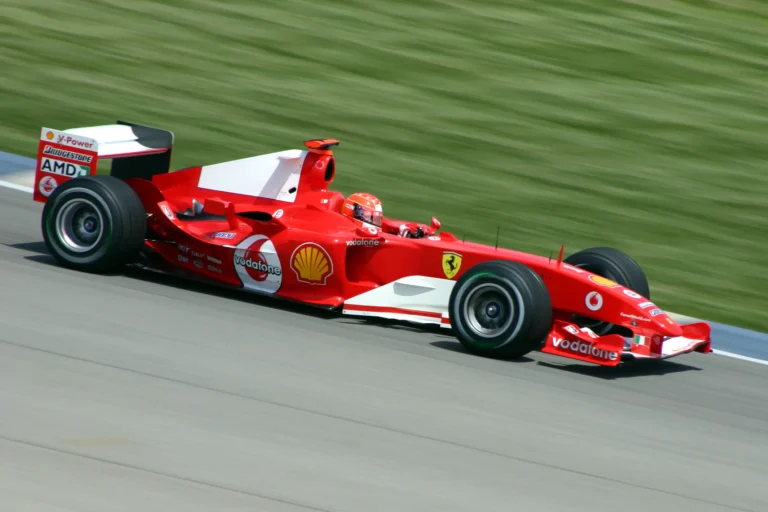
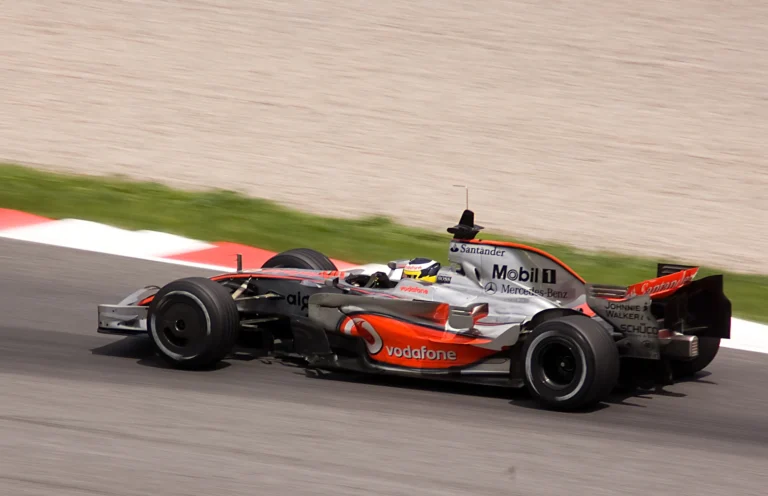
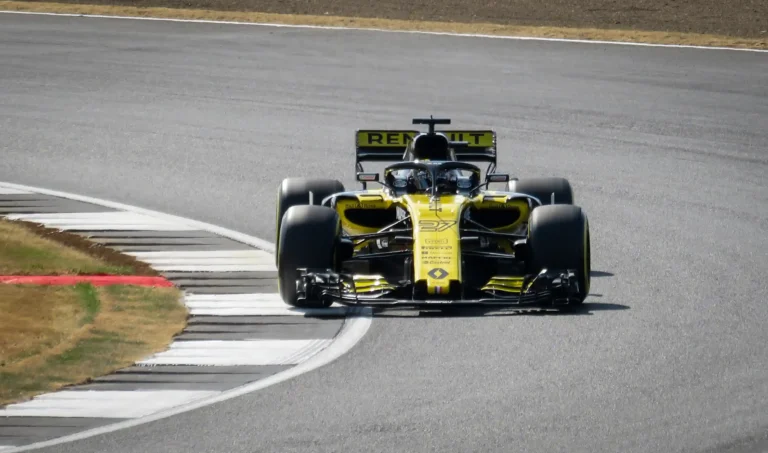
The system opened a flap in the rear wing. When closed, the rear wing helped create downforce. When open, the wing produced less drag, so the car moved faster down the straight.
Race analyst view: DRS was not magic power. It was aero efficiency used as a controlled overtaking tool.
How DRS Worked In Formula 1
DRS worked through a movable rear-wing flap. When the driver pressed the DRS button, the flap opened inside an allowed zone.
That opening changed airflow over the rear wing. As a result, drag dropped and straight-line speed increased. The car did not gain engine power. It wasted less energy pushing through air.
When the driver braked or left the zone, the flap closed again. Therefore, the rear wing returned to its high-downforce position before corner entry.
This is why DRS was tied to F1 DRS, rear wing endplates, diffusers, and aerodynamic airflow concepts.
Formula 1 DRS Rules Explained
Traditional DRS was restricted during races. A driver usually needed to be within one second of the car ahead at the DRS detection point.
The car also had to be in a DRS activation zone. These zones were usually placed on long straights where overtaking was possible.
DRS was not available in wet conditions. Race Control could also disable it when conditions were unsafe, such as heavy rain, poor visibility, or debris.
| DRS Element | What It Meant | Why It Mattered |
|---|---|---|
| Detection Point | Where the gap to the car ahead was measured | Decided whether DRS was available |
| Activation Zone | Where the rear-wing flap could open | Gave straight-line speed advantage |
| One-second rule | Driver had to be close enough to the car ahead | Limited DRS to attacking situations |
| Wet restriction | DRS could be disabled in unsafe conditions | Protected drivers from low-downforce risk |
What Are DRS Zones And Detection Points?
A DRS zone was the part of the track where the rear-wing flap could open. A detection point came before that zone.
The detection point measured whether the following car was close enough. If the gap was under one second, the driver could activate DRS in the next zone.
Some circuits had one DRS zone. Others had two or three. However, the number depended on circuit layout, straight length, braking zones, and the FIA’s race-by-race decisions.
This is why DRS often changed race strategy. A driver could deliberately stay close before the detection line, then attack with DRS on the straight.

How DRS Changed F1 Race Strategy
DRS made overtaking easier, but it did not make passing automatic. The attacking driver still needed tyre grip, traction, braking confidence, and timing.
On some tracks, DRS created close fights. On others, it produced easy passes. Meanwhile, at certain races, several cars could sit in a “DRS train.”
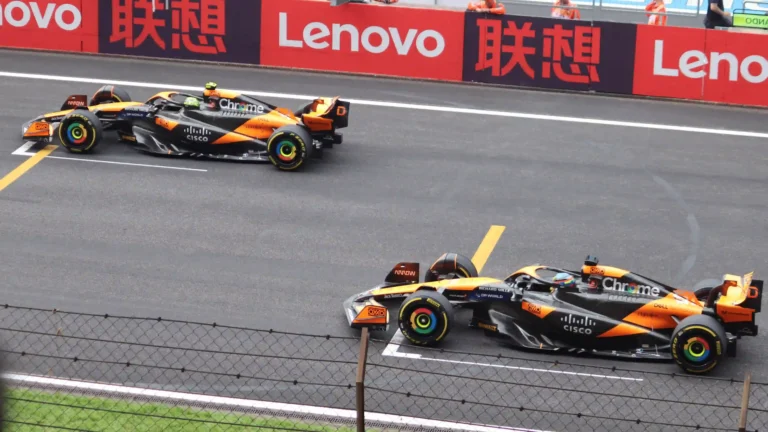
A DRS train happened when multiple cars were all within one second of each other. The first car had no DRS. The cars behind did, but they often could not gain enough advantage because each car also received DRS from the car ahead.
That is why DRS worked closely with overcut and undercut strategy, pit stops, delta time, and race timing.
DRS Vs Slipstream Vs ERS
DRS, slipstream, and ERS all help speed. However, they work in different ways.
DRS reduced drag by opening the rear wing. Slipstream used the disturbed air behind another car to reduce resistance. ERS deployed electrical energy from the hybrid system.
So, DRS was aerodynamic. Slipstream was airflow positioning. ERS was power-unit energy. A driver could use more than one at the same time on a straight.
For deeper context, read our guides on ERS in F1, Energy Store, ECU, and slipstreaming.
Is DRS Still Used In F1?
Traditional DRS is not the same system in the 2026 regulations. Formula 1 says DRS was replaced by active aero and overtake mode.
With active aero, front and rear wing angles can change in specified high-speed sections. Unlike previous DRS, drivers do not need to be within one second of a car ahead to open the wings.
The FIA also explains that 2026 active aero replaced the old rear-wing DRS with moveable front and rear wings. These allow drivers to switch between low-drag straight-line mode and high-downforce cornering mode.
Therefore, DRS remains important as a Formula 1 term. However, modern 2026 F1 uses a broader active-aerodynamics concept.
Why Did Some Fans Dislike DRS?
Some fans disliked DRS because it could feel artificial. A driver with DRS could sometimes pass too easily on a straight.
However, supporters argued that DRS solved a real problem. F1 cars created dirty air, and following closely through corners was difficult. DRS gave the chasing driver a way to fight back.
The best races used DRS as help, not a guarantee. Poorly balanced DRS zones could make overtakes too easy or too hard.
Final Verdict
DRS in F1 means Drag Reduction System. It opened a rear-wing flap to reduce drag, increase straight-line speed, and help overtaking.
Traditional DRS worked only in specific zones and race conditions. During races, drivers usually needed to be within one second of the car ahead at the detection point.
For beginners, the answer is simple. DRS was F1’s rear-wing overtaking aid. For serious fans, it was a controlled aerodynamic weapon that shaped attacks, defence, strategy, and debate until active aero replaced it in 2026.
FAQs About DRS In F1
What is DRS in F1?
DRS means Drag Reduction System. It opened a rear-wing flap to reduce drag and increase straight-line speed.
What does DRS stand for in Formula 1?
DRS stands for Drag Reduction System.
When could drivers use DRS?
During races, drivers usually needed to be within one second of the car ahead at a detection point and inside an activation zone.
Did DRS reduce downforce?
Yes. Opening the rear-wing flap reduced drag and also reduced rear-wing downforce.
Is DRS the same as ERS?
No. DRS was aerodynamic. ERS is an electrical energy recovery and deployment system.
Is DRS still used in F1?
Traditional DRS was replaced in 2026 by active aero and overtake-related systems.