Why Is Baku So Chaotic in Formula 1?
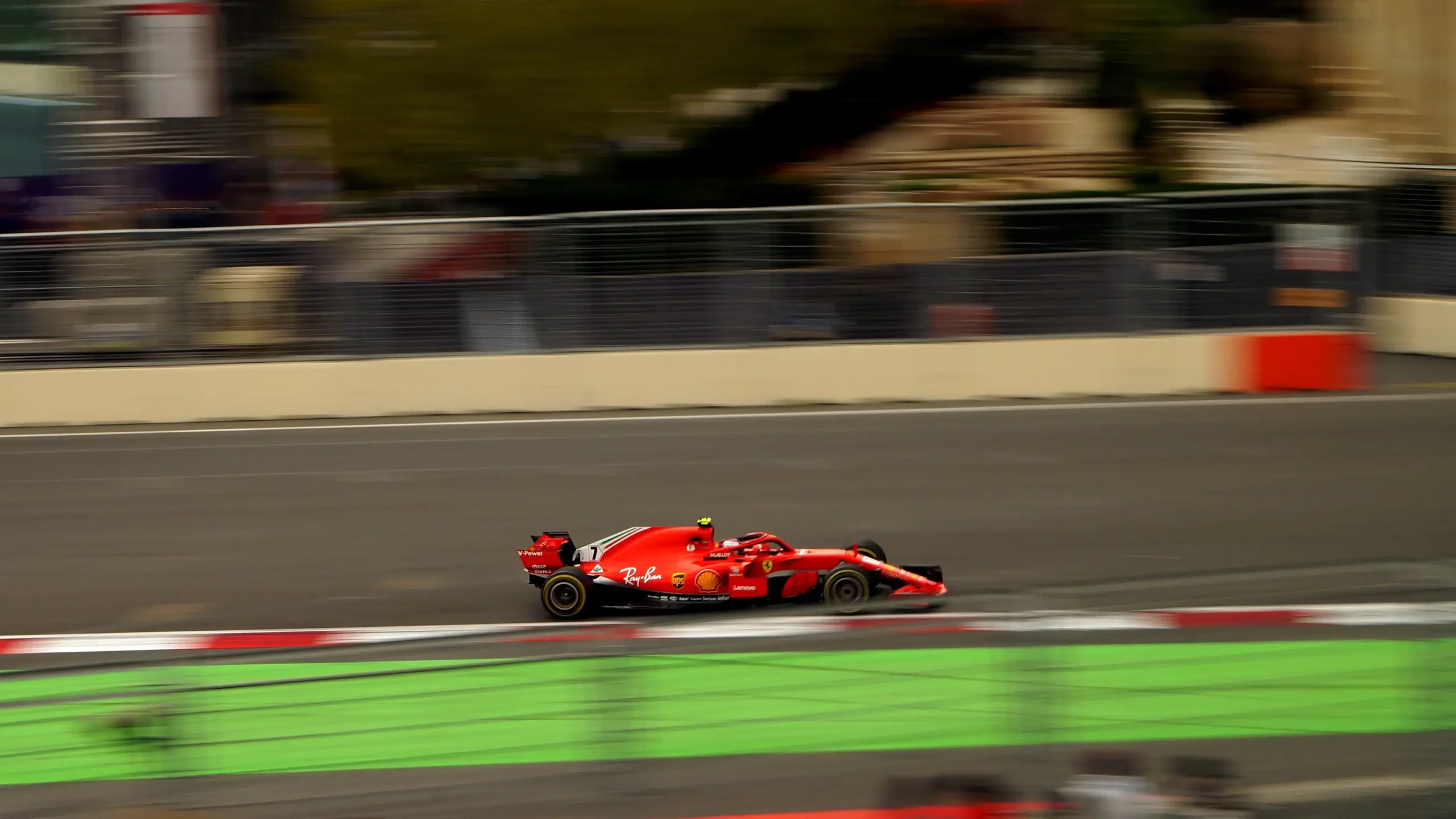
Baku combines Monaco-style walls with Monza-style speed. That contradiction creates cold tires, huge braking zones, sudden restarts and races that can change in seconds.
Baku is chaotic because it combines one of F1’s longest flat-out sections with slow corners, cold tires and concrete walls. The narrow Castle Section, heavy braking zones, strong slipstream and frequent restarts allow one small incident to reshape the entire race.
Baku looks like two Formula 1 circuits forced into the same six-kilometer lap.
The first half contains slow 90-degree corners and narrow streets. The middle squeezes past ancient fortress walls.
Then the circuit opens into a 2.2-kilometer full-throttle run beside the Caspian Sea.
Therefore, teams must prepare one car for two opposite jobs. It needs downforce in the Old City and low drag on the straight.
The current Baku City Circuit measures 6.003 kilometers. It contains 20 turns and requires 51 race laps.
Cars have reached 378 km/h, or about 235 mph. However, the tightest Castle Section measures only 7.6 meters wide.
That contrast explains much of the chaos. Drivers arrive from extreme speed and immediately enter low-grip braking zones.
Meanwhile, the long straights cool the tires. A Safety Car can make that problem worse before a restart.
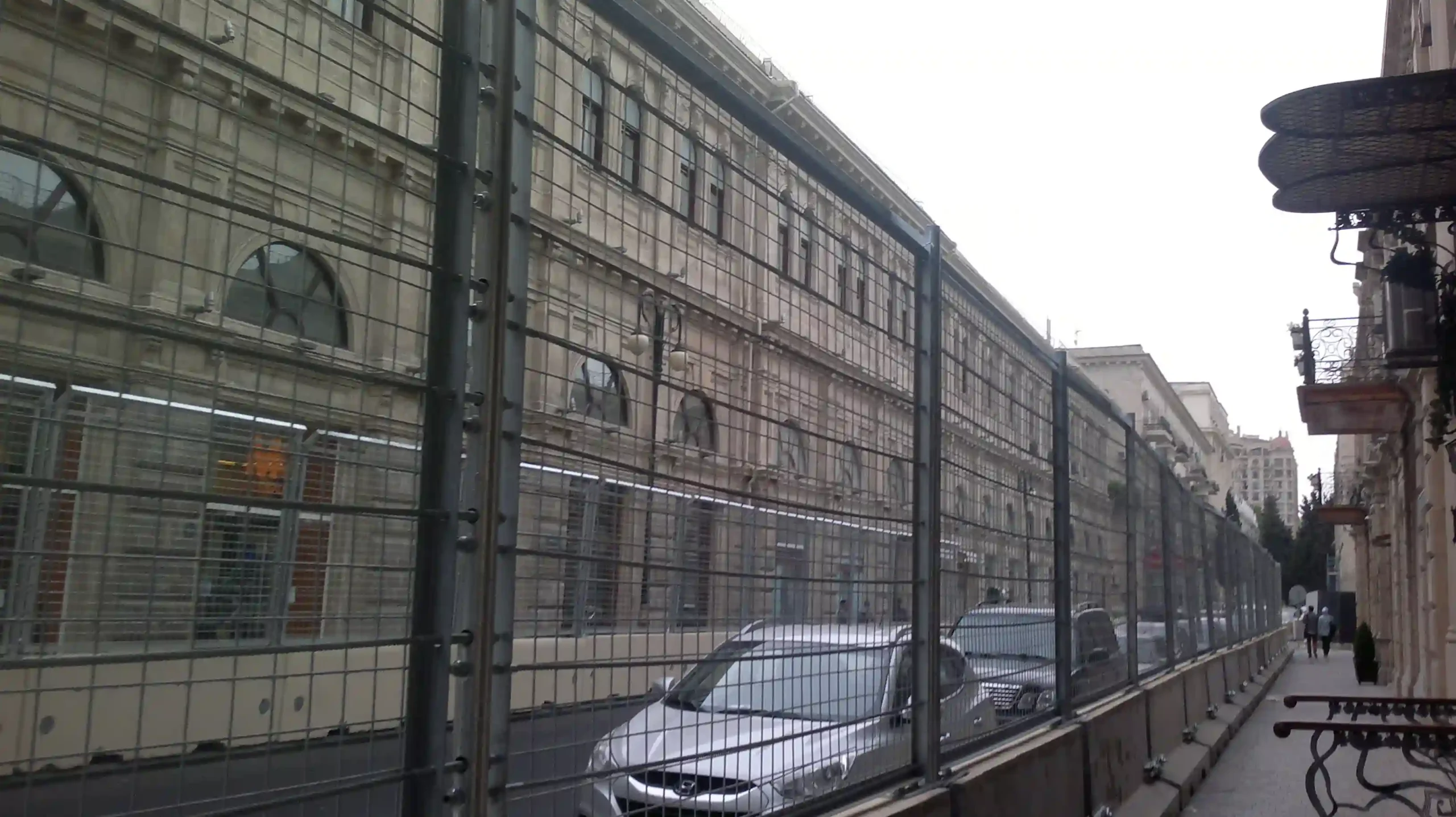
The barriers add another threat. One broken front wing can scatter debris and trigger a neutralization.
Moreover, Baku’s wind changes quickly near buildings and the waterfront. A braking reference can move between laps.
The history supports the reputation. The 2017 race featured three Safety Cars, a red flag and contact between title rivals.
In 2021, tire failures removed Lance Stroll and race leader Max Verstappen. Lewis Hamilton then ran off at the standing restart.
The 2025 qualifying session produced a Formula 1 record six red flags. It lasted longer than the previous year’s Grand Prix.
Max Verstappen then won the 2025 race, while championship leader Oscar Piastri crashed on the opening lap.
The 2026 Azerbaijan Grand Prix remains upcoming. It will run from Thursday, September 24, through Saturday, September 26.
The Short Answer: Baku Magnifies Small Problems
Baku gives drivers little margin while creating unusually large speed differences. A lock-up, puncture or restart mistake can bring out a Safety Car. The long straight then lets cars attack immediately, so one incident often creates several more.
Chaos does not appear because the circuit is random.
Instead, the layout connects several risk factors. Each one makes the next problem more likely.
Why Baku Can Be Calm Before It Explodes
Some Baku races contain long strategic phases.
However, the field remains close enough for one incident to reset everything. The final ten laps can outweigh the previous forty.
Why the Leader Is Never Completely Safe
A large gap can disappear under a Safety Car.
Moreover, the leader controls the restart on cold tires. A small hesitation gives the cars behind a powerful tow.
Baku is chaotic because the circuit stores risk. Long quiet periods build tire, brake and strategic tension. A neutralization releases all of it at once.
Baku Is a Street Circuit With Superspeedway Behavior
Baku combines very narrow corners with a waterfront straight where cars exceed 350 km/h. Monaco has similar walls but little slipstreaming. Monza has similar speed but much more runoff. Baku combines both dangers.
Most street circuits emphasize mechanical grip and downforce.
Baku also demands those qualities. Yet its final sector rewards the smallest possible aerodynamic drag.
The First Half Resembles a Traditional Street Track
Turns 1 through 7 contain several right-angle corners.
Drivers brake hard, rotate the car and accelerate from low speed. Concrete barriers define the edge.
The Middle Sector Becomes Extremely Narrow
The road climbs toward Icherisheher, Baku’s historic Old City.
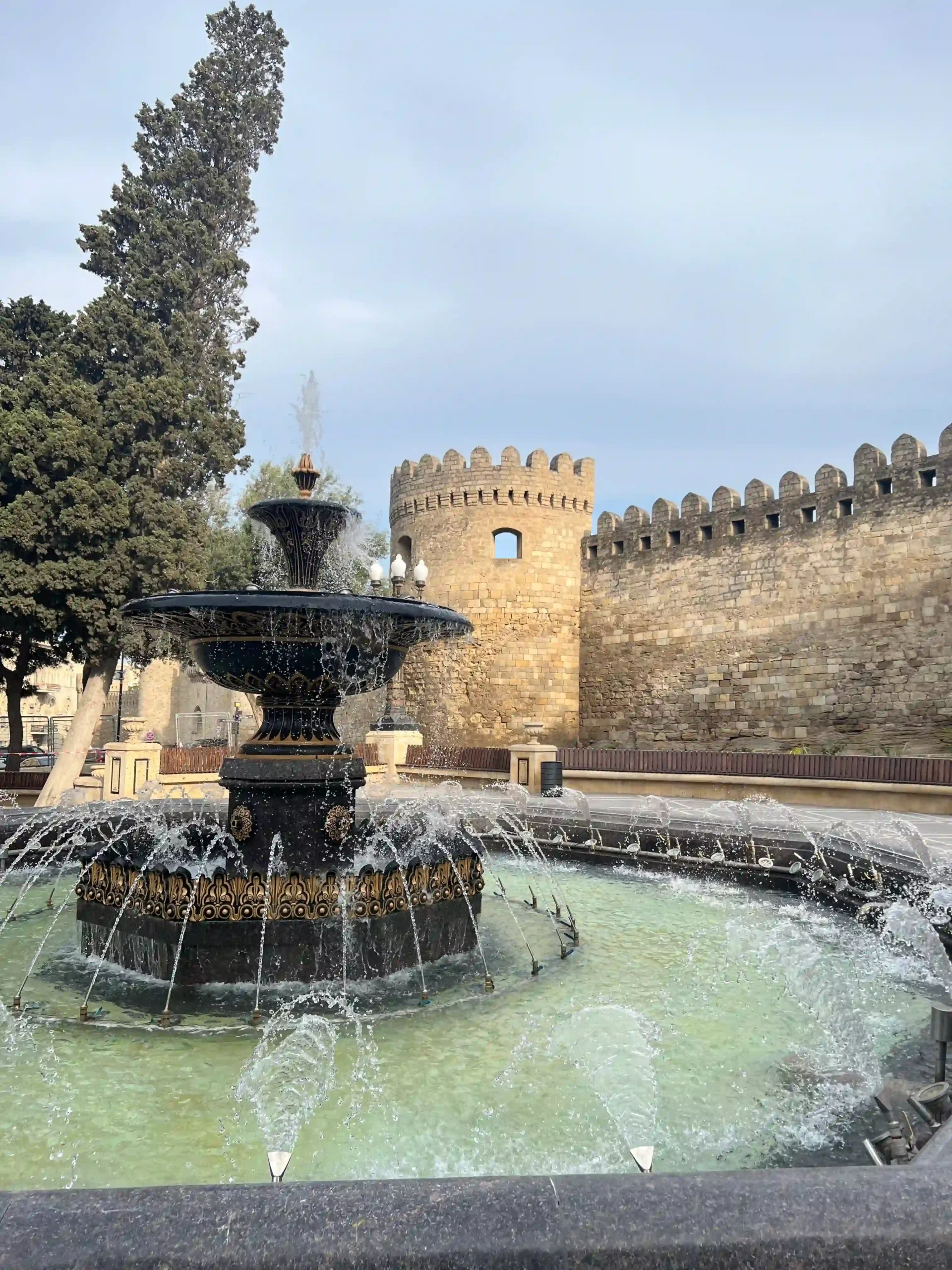
Turns 8 through 10 pass beside fortress walls. There is no meaningful runoff.
The Final Sector Behaves Like One Long Straight
After Turn 16, the remaining bends are largely flat out.
Consequently, cars stay at full throttle for an extended period. Slipstream and electrical deployment become decisive.
Why This Creates Mixed Performance
A car may dominate the technical middle sector yet become vulnerable before Turn 1.
Meanwhile, a low-drag car can defend on the straight but lose time through the Castle Section.
Street-Circuit Qualities
- Close walls and narrow racing lines
- Slow 90-degree corners
- Low-grip public roads
- Heavy braking and traction zones
- High value placed on qualifying
High-Speed Qualities
- 2.2-kilometer full-throttle section
- Speeds above 350 km/h
- Strong slipstream effect
- Low-drag wing choices
- Large overtaking speed differences
Why the Baku Castle Section Is So Difficult
The tightest passage near Turns 8 to 10 measures about 7.6 meters wide. The road climbs beside the Old City walls, leaving no runoff and almost no room to correct a mistake.
The Castle Section is Baku’s most recognizable technical feature.
Cars approach uphill after a sequence of slow corners. The driver must place the front wheel within centimeters of the barrier.
Turn 8 Begins the Compression
The road turns sharply left and narrows.
A driver who misses the apex cannot simply open the steering. The outside wall blocks the normal recovery path.
The Hill Changes the Braking Feel
Climbing helps slow the car.
However, the road surface and steering angle reduce stability. Drivers must brake and rotate almost together.
Visibility Is Limited
The fortress walls and fencing restrict the view.
Therefore, the driver commits before seeing the complete exit. Confidence matters as much as measured grip.
Why One Crash Can Stop Qualifying
A damaged car may block most of the road.
Marshals also need space to recover it safely. Consequently, even a single-car incident can produce a red flag.
The Section Punishes Modern Car Size
Formula 1 cars are long and wide.
That size leaves little room to rotate at Turn 8. The rear wheel may clip the inside while the front approaches the outside wall.
Why Baku’s Main Straight Creates Huge Position Changes
The full-throttle section from Turn 16 to Turn 1 is about 2.2 kilometers long. It includes several gentle bends and runs beside the Caspian Sea, allowing a following car to gain a powerful slipstream.
Baku’s “main straight” is not one perfectly straight line.
Instead, Turns 17 through 20 form gentle kinks that modern F1 cars take flat out.
The Exit of Turn 16 Starts the Overtake
Drivers need clean traction from the final real corner.
A small slide delays acceleration. That loss continues for more than two kilometers.
The Slipstream Builds for Several Seconds
A following car enters the low-pressure wake.
It needs less energy to push through the air. Therefore, the speed advantage grows before Turn 1.
Three Cars Can Arrive Side by Side
The Turn 1 approach is wide compared with the Castle Section.
Drivers can choose inside, middle or outside lines. However, only one line creates the best exit.
Why Defending Is Difficult
The leading driver can cover the inside once.
Yet a second attacker may use the opposite side. The long tow also makes early defensive movement risky.
Why Top Speed Is Not the Only Number
Baku officially lists Valtteri Bottas at 378 km/h in 2016.
Nevertheless, acceleration and deployment matter more than one peak reading. The car must reach speed early enough to attack.
Our guides to slipstreaming and Formula 1 top speed explain these effects.
Why Drivers Lock Up So Often in Baku
The long straights cool the tires before heavy braking zones. Drivers then brake from very high speed on a bumpy street surface. Wind, low downforce and front-tire temperature can change the available grip from lap to lap.
Turn 1 looks simple on a circuit map.
In reality, it combines maximum speed, strong slipstream and a slow left-hand corner.
Cold Front Tires Reduce Braking Grip
The front tires lose surface temperature on the straight.
When the driver applies maximum pressure, one wheel may stop rotating. The car then slides beyond the apex.
Low Downforce Reduces Stability
Teams trim the wings for the straight.
However, less aerodynamic load makes the car more sensitive under braking. The rear can move as speed falls.
The Road Surface Is Not Perfectly Smooth
Public streets contain bumps and surface joins.
A tire can briefly unload over a bump. Consequently, the brake pressure that worked last lap may cause a lock-up now.
Turn 3 Creates Another Major Trap
Drivers accelerate from Turn 2 and gain tow.
The next braking zone arrives quickly. An attack can become an escape-road visit within a few meters.
Turn 15 Is Difficult for a Different Reason
The road falls downhill toward a left-hander.
Gravity and limited visibility make the corner easy to misjudge. Several qualifying crashes have occurred there.
Read our guides to brake balance, out-braking and flat spots.
Why Baku Requires a Difficult Aerodynamic Compromise
Teams generally use a low-to-medium-downforce package. Low drag protects speed on the 2.2-kilometer straight, while enough wing remains necessary for braking stability, traction and the narrow middle sector.
Baku does not allow a perfect setup.
Engineers must choose which part of the circuit will hurt less.
More Wing Helps the Castle Section
Extra downforce improves front response and rear stability.
It also helps the car stop at Turns 1 and 3. However, the drag penalty remains for most of the final sector.
Less Wing Helps Attack and Defense
A trimmed car reaches a higher speed.
Therefore, it can pass more easily and resist the tow. Yet it becomes nervous in slow corners.
Mechanical Grip Still Matters
Many Baku corners are too slow for maximum aerodynamic load.
Suspension, differential settings and tire behavior determine traction. Wheelspin then damages the long straight that follows.
Ride Height Must Handle Bumps
A low car creates strong floor performance.
However, Baku’s surface can make it bottom out. Teams need clearance without losing too much efficiency.
Brake Cooling Must Avoid Overreaction
Several stops are severe.
Yet the long straights provide cooling airflow. Oversized ducts can add drag and overcool the brakes before a restart.
Low enough for speed but stable enough for braking and traction.
Balanced to avoid understeer without making the rear nervous.
Compliant over bumps but controlled through direction changes.
Enough for heavy stops without losing temperature on straights.
Managed across the long final section and defensive laps.
Critical because several slow exits lead into acceleration zones.
Our guides to downforce, wing angle and car handling explain the compromise.
How Wind Changes the Baku City Circuit
Baku is known as the City of Winds.
The waterfront and urban canyons expose cars to changing wind direction.
A Headwind Changes Braking Distance
A headwind adds aerodynamic resistance.
The car slows more strongly before Turn 1. Therefore, a driver may brake later than expected.
A Tailwind Removes Stability
A tailwind reduces the airspeed over the wings.
The car then produces less downforce at the same ground speed. Braking becomes more difficult.
Crosswinds Move the Car
A gust can push the car sideways on the waterfront.
Moreover, the effect may disappear near a building. Drivers must correct without creating tire scrub.
Wind Changes the Slipstream
The wake moves with the air.
Consequently, a following driver may need to position the car slightly off-center to gain the strongest tow.
Why Qualifying Becomes Unpredictable
One gust can turn a safe lap into a lock-up.
Since the walls are close, the consequence is often a red flag rather than a small time loss.
Why Tire Warm-Up and Tire Failures Matter in Baku
Baku’s long straights remove heat, while slow corners create less sustained tire energy than fast sweepers. After a Safety Car or pit stop, drivers can reach major braking zones before the tires return to their ideal temperature.
Tire behavior often sits behind Baku’s visible drama.
A driver may blame the brakes, but the first cause can be insufficient tire grip.
Front Tires Need Energy for Braking
The front axle does most of the stopping work.
If the tire surface is cool, the wheel locks earlier. That problem appears immediately at Turn 1.
Rear Tires Need Traction Temperature
Slow corner exits demand controlled wheel torque.
Cold rears spin easily. However, excessive wheelspin overheats the surface and damages the next corners.
Safety Cars Create a Difficult Balance
Drivers weave and brake to generate temperature.
Yet they must remain within restart rules. The leading car also wants to prevent rivals from preparing a perfect launch.
The 2021 Failures Changed the Race
Lance Stroll suffered a left-rear failure on the main straight.
Later, race leader Max Verstappen experienced a similar failure and crashed. Both drivers escaped injury.
What the Investigation Found
Pirelli reported no production or quality defect.
It also found no fatigue or delamination. The analysis focused on the operating conditions of the tires.
Why Baku Makes a Failure Especially Dangerous
The car may be above 300 km/h when pressure disappears.
Concrete walls line the straight. Therefore, the driver has little time or space to recover.
Why Baku Qualifying Becomes Chaotic
Drivers push close to the walls while tire temperature and wind keep changing. A blocked car is difficult to recover from the Castle Section or Turn 15, so crashes often stop the session.
Qualifying rewards maximum risk.
At Baku, that risk appears beside concrete rather than wide runoff.
Drivers Need the Final Track Evolution
Public roads gain grip throughout the session.
Therefore, teams want to run late. A red flag can prevent the entire field from completing its best lap.
Tow Positioning Adds Traffic
A slipstream can improve straight-line speed.
However, drivers also need clean air through the technical sector. Finding both conditions is difficult.
The 2021 Session Produced Four Red Flags
Several drivers crashed during qualifying.
The interruptions established Baku’s reputation as a session where timing matters as much as pure pace.
The 2025 Session Set a Formula 1 Record
Qualifying contained six red flags.
Three appeared in Q1, one in Q2 and two in Q3. The session lasted one hour and 58 minutes.
Why One Red Flag Creates Another
Drivers leave the pits with limited time remaining.
They push immediately on tires that may not be ready. Consequently, the restart can produce another crash.
Our guides to F1 qualifying, pole position and grid position explain the stakes.
Where Drivers Overtake at the Azerbaijan Grand Prix
Baku offers more passing opportunities than most street circuits.
However, each opportunity begins several corners earlier.
Turn 1 Is the Main Passing Zone
The attacker uses slipstream and electrical deployment.
Heavy braking then creates a large speed reduction. The wide entry supports side-by-side racing.
Turn 3 Rewards a Strong Turn 2 Exit
The following car gains another tow.
However, the braking zone is shorter. A late move often ends in the escape road.
Restarts Increase the Speed Difference
The leader may struggle to warm tires.
Meanwhile, the following car gains a tow immediately. The first lap after a Safety Car can therefore produce several attacks.
The Castle Section Does Not Support Normal Passing
Drivers usually run single file through Turns 8 to 10.
An attempted move would block both cars. Patience is essential until the road widens.
Overtake Mode Changes the 2026 Battle
Overtake Mode replaced DRS under the 2026 regulations.
Eligible following drivers receive additional electrical deployment. Baku’s long flat-out section gives that energy time to create speed.
Why the Defender Still Has a Chance
The leading car can deploy energy and cover the inside.
Furthermore, the attacker must stop the car on cold or worn tires. Straight-line speed does not guarantee the corner.
Read more about ERS and clean and dirty air.
Why Baku Strategy Can Collapse in One Lap
Teams begin with a tire plan.
However, they must also prepare for Safety Cars, red flags and unusual restarts.
The One-Stop Race Is Often the Baseline
Degradation can be moderate when drivers avoid sliding.
Therefore, teams often target one planned stop. Track position remains valuable.
The Undercut Depends on Tire Warm-Up
Fresh tires offer better grip after they reach temperature.
At Baku, the out-lap contains long cooling sections. An undercut can fail before the tires become ready.
The Overcut Can Use Warm Tires
A driver staying out retains temperature.
However, a Safety Car can trap the car on old tires. The strategy carries both opportunity and danger.
A Neutralization Reduces Pit-Lane Loss
The field travels slowly behind the Safety Car.
Consequently, a pit stop costs less relative time. Teams may delay stops while waiting for an incident.
Why Waiting Is Risky
The expected Safety Car may never arrive.
Old tires then lose pace, while rivals control the gap. Baku’s reputation can tempt teams into overthinking.
Red Flags Reset More Than the Field
Teams may change tires during a stoppage under the applicable rules.
The restart also removes previous gaps. A safe lead becomes a short sprint on cold tires.
Our guides to pit stops and undercut and overcut strategy cover the calculations.
Why Baku Restarts Produce So Much Drama
Safety Cars cool the tires and compress the field. The leader then accelerates toward a long straight where several cars gain slipstream. Heavy braking at Turn 1 converts small restart differences into side-by-side attacks.
A restart combines the circuit’s largest risks.
Cold tires, close cars and high speed all appear at the same time.
The Leader Controls the Timing
The leader chooses when to accelerate after the Safety Car leaves.
However, accelerating too early provides a long tow. Waiting too long can bunch the field dangerously.
The Cars Behind Build Momentum
A following driver watches the leader and the car ahead.
One hesitation creates an accordion effect. Contact can occur before the racing line even reaches Turn 1.
A Standing Restart Is Even More Unpredictable
Tire temperature falls during a red flag.
Drivers then launch from the grid and brake at Turn 1. A switch error or lock-up can remove a championship contender.
Debris Can Create a Second Neutralization
Restart contact often leaves carbon fiber on the road.
Therefore, one Safety Car can lead directly to another. The 2017 race demonstrated that cycle.
Our guides to Safety Car and VSC rules and red flags explain the procedures.
Why the 2017 Azerbaijan Grand Prix Became an Instant Classic
The race featured three Safety Cars, one red flag, teammate contact, a collision between Lewis Hamilton and Sebastian Vettel, a loose headrest and an unlikely Daniel Ricciardo victory from 10th on the grid.
The first Azerbaijan Grand Prix established Baku’s modern reputation.
It produced almost every form of race disruption in one afternoon.
The Opening Lap Created Immediate Damage
Valtteri Bottas and Kimi Räikkönen made contact.
Bottas fell to the back after repairs. He later recovered to finish second.
Hamilton and Vettel Collided Behind the Safety Car
Vettel believed Hamilton had brake-tested him.
He drove alongside and made deliberate contact. The stewards issued a ten-second stop-and-go penalty.
The Force India Teammates Hit Each Other
Sergio Pérez and Esteban Ocon fought near the front.
Their contact damaged both cars and left debris. Another Safety Car followed.
A Red Flag Reset the Race
Officials stopped the event to clear the circuit.
Teams repaired damaged cars. The restart then produced another reshuffle.
Hamilton Lost the Lead Because of His Headrest
The headrest became loose after the stoppage.
Hamilton had to pit for a replacement. That unexpected stop removed him from victory contention.
Ricciardo Won After Falling to 17th
Debris in his brake duct caused an early pit stop.
However, the Safety Cars returned him to contention. He then passed two Williams cars into Turn 1.
Lance Stroll Took a Surprise Podium
The Williams rookie finished third.
Bottas passed him for second only meters before the line. The result showed how Baku rewards survival and timing.

Why the 2021 Azerbaijan Grand Prix Was So Dramatic
Lance Stroll and race leader Max Verstappen suffered high-speed tire failures. The race was red-flagged, and Lewis Hamilton then ran off at Turn 1 after accidentally changing his brake setting during the two-lap restart.
The 2021 race demonstrated how quickly a championship can turn.
Verstappen appeared set to win until his left-rear tire failed on Lap 46.
Stroll’s Failure Gave the First Warning
His Aston Martin crashed near the pit entry.
The Safety Car compressed the field. Yet no clear warning appeared before Verstappen’s later failure.
Verstappen Crashed From the Lead
The Red Bull moved sharply into the wall on the main straight.
The race stopped with only a few laps remaining. Verstappen lost a likely victory.
The Standing Restart Created Another Twist
Hamilton launched strongly beside Sergio Pérez.
However, he accidentally activated a brake setting that shifted the balance forward. He locked up and ran into the Turn 1 escape road.
Pérez Converted the Opportunity
The Red Bull driver held the lead.
He won ahead of Sebastian Vettel and Pierre Gasly. Neither main title contender scored.
Why the Race Defines Baku
The first 45 laps did not decide the result.
Instead, a tire failure and one restart error changed everything. Baku’s entire reputation fits inside those final minutes.
What the 2025 Weekend Added to Baku’s Reputation
Max Verstappen won from pole for Red Bull Racing. George Russell finished second, while Carlos Sainz earned his first Williams podium in third.
The latest completed Azerbaijan Grand Prix took place on September 21, 2025.
Verstappen led all 51 laps and won in 1:33:26.408.
Qualifying Was More Chaotic Than the Race
The six red flags created a Formula 1 record.
Max Verstappen remained precise and took pole. Carlos Sainz and Liam Lawson completed an unusual top three.
Piastri’s Weekend Collapsed
The championship leader crashed in qualifying.
During the race, he jumped the start, triggered anti-stall and fell to last. He then crashed at Turn 5 on Lap 1.
The Safety Car Created an Early Reset
Piastri’s crash neutralized the race.
However, Verstappen controlled the restart and remained unchallenged.
Sainz Delivered a Surprise Williams Podium
Williams combined strong straight-line speed with clean execution.
The result again showed why Baku can create opportunities outside the normal leading group.
Lawson Produced a Career-Best Result
He finished fifth after defending from several faster cars.
The long straight did not guarantee a pass. Braking accuracy and deployment still mattered.
| 2025 Azerbaijan GP Detail | Result |
|---|---|
| Race winner | Max Verstappen, Red Bull Racing |
| Second place | George Russell, Mercedes |
| Third place | Carlos Sainz, Williams |
| Pole position | Max Verstappen, 1:41.117 |
| Fastest race lap | Max Verstappen, 1:43.388 |
| Qualifying red flags | Six, a Formula 1 record |
| Race retirement | Oscar Piastri, Lap 1 |
What Is Current for the 2026 Azerbaijan Grand Prix?
The 2026 Azerbaijan Grand Prix runs from Thursday, September 24, through Saturday, September 26. The race starts Saturday at 3:00 p.m. local time, or 7:00 a.m. Eastern Time.
As of July 24, 2026, the Baku race remains upcoming.
Therefore, the 2025 event is the latest completed Azerbaijan Grand Prix.
Why the Race Is on Saturday
Formula 1 moved the event one day earlier after a promoter and government request.
The change accommodates a national day. Every session now runs from Thursday through Saturday.
The Official 2026 Circuit Figures
| 2026 Baku Detail | Official Figure |
|---|---|
| Weekend dates | September 24–26, 2026 |
| Race start | Saturday, 3:00 p.m. local / 7:00 a.m. ET |
| Circuit length | 6.003 km |
| Number of laps | 51 |
| Race distance | 306.049 km |
| Listed race-lap record | 1:43.009, Charles Leclerc, 2019 |
How the 2026 Cars May Change Baku
The new cars are smaller and use active aerodynamics.
Straight Mode reduces drag on designated sections. Therefore, the final sector remains critical.
Overtake Mode Replaces DRS
Eligible following cars receive extra electrical deployment.
Baku gives that assistance more time to work than most circuits. However, braking grip still decides the move.
The Contract Now Runs Through 2030
Formula 1 extended the Azerbaijan Grand Prix agreement in 2025.
That deal keeps Baku on the calendar through the 2030 season.
Current status: No 2026 Azerbaijan Grand Prix result existed when this article was updated. The race is scheduled for Saturday, September 26.
Why Baku Produces Surprise Podiums and Midfield Opportunities
Baku rewards more than raw downforce.
Power-unit efficiency, braking confidence and straight-line speed can elevate a midfield car.
Safety Cars Remove Normal Gaps
A slower car may rejoin the leaders after a neutralization.
Track position then becomes valuable because passing still requires risk.
Low Drag Can Hide Corner Weakness
A car may lose time in the Castle Section.
However, it can recover on the long straight. That tradeoff creates unusual competitive orders.
Drivers Can Defend With Precision
The attacker needs a large speed advantage.
A defender who exits Turn 16 well and brakes accurately can hold position for many laps.
Strategy Creates Windows for Smaller Teams
A well-timed stop under a Safety Car saves time.
Moreover, red flags may provide a tire change. Opportunity comes from reacting faster than larger rivals.
Examples From Baku History
Lance Stroll reached the 2017 podium.
Sebastian Vettel and Pierre Gasly completed the 2021 podium. Carlos Sainz gave Williams a podium in 2025.
Is Baku More Chaotic Than Monaco or Singapore?
The three circuits punish mistakes differently.
Therefore, “most chaotic” depends on what type of risk matters.
Baku vs. Monaco
Monaco is narrower overall and much harder for overtaking.
However, Baku adds a 2.2-kilometer tow and speeds above 350 km/h. That creates larger position changes after incidents.
Baku vs. Singapore
Singapore is hotter and more physically demanding.
Baku is faster and creates more restart danger. Its straight can turn a small gap into a three-car braking battle.
Why Monaco Produces Less Race Reordering
A Safety Car compresses the field in Monaco.
However, passing remains extremely difficult afterward. Baku gives drivers a realistic attack into Turn 1.
Why Singapore Creates More Attrition
Marina Bay has more corners and greater heat.
Nevertheless, Baku’s tire cooling and extreme speed make failures and restarts more sudden.
Common Myths About Baku F1 Chaos
“Every Baku Race Is Chaotic”
False. Some races remain controlled and strategic.
However, the layout keeps the potential for sudden disruption alive.
“The Castle Section Causes All the Incidents”
False. Turn 1, Turn 3 and Turn 15 also create crashes.
The highest-speed failures often occur on the main straight.
“Baku Uses a Pure Monza Setup”
False. Teams reduce drag but still need stability and traction.
The technical middle sector punishes an excessively small wing.
“The Main Straight Is One Straight Line”
False. It includes several gentle kinks.
Modern Formula 1 cars take them flat out, so the section behaves like a straight.
“A Safety Car Always Helps the Leader”
False. It removes the leader’s gap and cools the tires.
The following cars then gain a tow at the restart.
“High Top Speed Guarantees an Overtake”
False. The attacker must still stop the car at Turn 1.
Brake temperature, tire grip and positioning decide whether the pass works.
Why Is Baku So Chaotic in Formula 1? FAQs
Why is Baku so chaotic in Formula 1?
Its long straight, narrow Castle Section, cold tires, heavy braking and close walls allow one incident to trigger Safety Cars, restarts and rapid position changes.
How narrow is the Baku Castle Section?
The tightest passage near Turns 8 to 10 measures about 7.6 meters wide.
How long is the Baku main straight?
The full-throttle section from Turn 16 to Turn 1 measures about 2.2 kilometers.
Why is tire warm-up difficult in Baku?
Long straights cool the tires, while slow corners create limited sustained energy. Drivers can reach major braking zones before the rubber is fully ready.
Conclusion: Baku Is Chaotic by Design, Not by Accident
Understanding why Baku is so chaotic in Formula 1 begins with the circuit’s contradiction.
The lap combines narrow public roads with exceptional straight-line speed.
The Baku City Circuit measures 6.003 kilometers.
It contains 20 corners and a 2.2-kilometer full-throttle section.
Therefore, teams need both street-circuit grip and low drag.
No setup delivers both without compromise.
The Castle Section adds the smallest margin.
Its tightest point measures about 7.6 meters.
Drivers must guide a modern Formula 1 car uphill between ancient walls.
A small mistake can block the circuit.
That blockage often produces a red flag.
The main straight creates the opposite problem.
Cars can exceed 350 km/h and build a strong slipstream.
Consequently, several drivers may reach Turn 1 together.
They then brake on tires cooled by the long flat-out run.
Wind and bumps make that braking point less predictable.
Low-downforce setups reduce stability even further.
Tire warm-up connects many of Baku’s incidents.
Cold fronts lock under braking.
Cold rears spin on slow-corner exits.
Safety Cars make both problems worse.
Drivers must prepare the tires while following restart rules.
The leader then faces a long straight with the field compressed behind.
That is why restarts create immediate attacks.
Baku’s history repeatedly proves the pattern.
The 2017 race featured three Safety Cars and a red flag.
Lewis Hamilton and Sebastian Vettel collided behind the Safety Car.
Force India teammates also made contact.
Daniel Ricciardo still recovered from 17th to win.
The 2021 race produced a different form of chaos.
Lance Stroll and Max Verstappen suffered high-speed tire failures.
A red flag created a two-lap standing restart.
Hamilton then ran off at Turn 1 after a brake-setting mistake.
The 2025 weekend added a modern record.
Qualifying produced six red flags.
The session lasted one hour and 58 minutes.
During the race, championship leader Oscar Piastri crashed on Lap 1.
Max Verstappen controlled the remaining race from pole.
Carlos Sainz still delivered a surprise podium for Williams.
That result explains another Baku quality.
The circuit creates opportunities outside the normal front-running order.
Straight-line speed can hide weaknesses elsewhere.
A well-timed Safety Car can erase a large gap.
A precise defender can hold a faster car behind.
The 2026 race will continue the same test.
It runs from September 24 through Saturday, September 26.
The new cars use active aerodynamics and Overtake Mode.
However, the fundamental challenge remains unchanged.
Drivers must carry maximum speed toward minimum space.
Teams must predict interruptions without relying on them.
The leader must control restarts while warming the tires.
Every competitor must remain precise beside concrete walls.
Baku does not guarantee chaos every year.
Instead, it creates the conditions where chaos can develop faster than anywhere else.
That is why the Azerbaijan Grand Prix remains one of Formula 1’s most unpredictable races.
Sources and Fact-Checking
This article was checked against official Formula 1, Baku City Circuit and Pirelli reporting available on July 24, 2026. This is a static source list and contains no interactive verification feature.