British Grand Prix 2026 Strategy Analysis:
Tyres, Degradation, Pit Stops & Race Pace
Pirelli’s hardest compounds, the brutal Maggotts-Becketts-Chapel tyre loads, and how the returning Sprint format reshapes every pit window at Silverstone.
British GP 2026 Strategy:
Tyres, Degradation & Pit Stops
Pirelli’s hardest compounds and how the Sprint format reshapes every pit window.
Pirelli has nominated its three hardest 2026 compounds for Silverstone — the C1 as hard, C2 as medium, and C3 as soft. A two-stop strategy using hard and medium rubber is the theoretical fastest route, though a disciplined one-stop remains genuinely viable for cars that protect the front-left tyre through the brutal Maggotts-Becketts-Chapel sequence.
The 2026 British Grand Prix returns to a format Silverstone hasn’t hosted since 2021: a full Sprint weekend. That single change rewires almost every strategic assumption teams normally bring to the Home of British Motorsport. Instead of three practice sessions to dial in tyre behaviour, teams get exactly one hour of free practice before parc fermé locks the cars down for Sprint Qualifying.
Furthermore, Silverstone remains one of the most physically demanding circuits on tyres anywhere in the world. The combination of sustained high-speed cornering through Maggotts, Becketts and Chapel, paired with predominantly right-hand corners that load the front-left tyre relentlessly, makes this the single toughest tyre test most teams will face all season. This analysis breaks down every layer of that challenge — the compounds, the degradation curves, the pit windows, and what it all means for the title fight.
The 2026 British Grand Prix Weekend — What’s Different
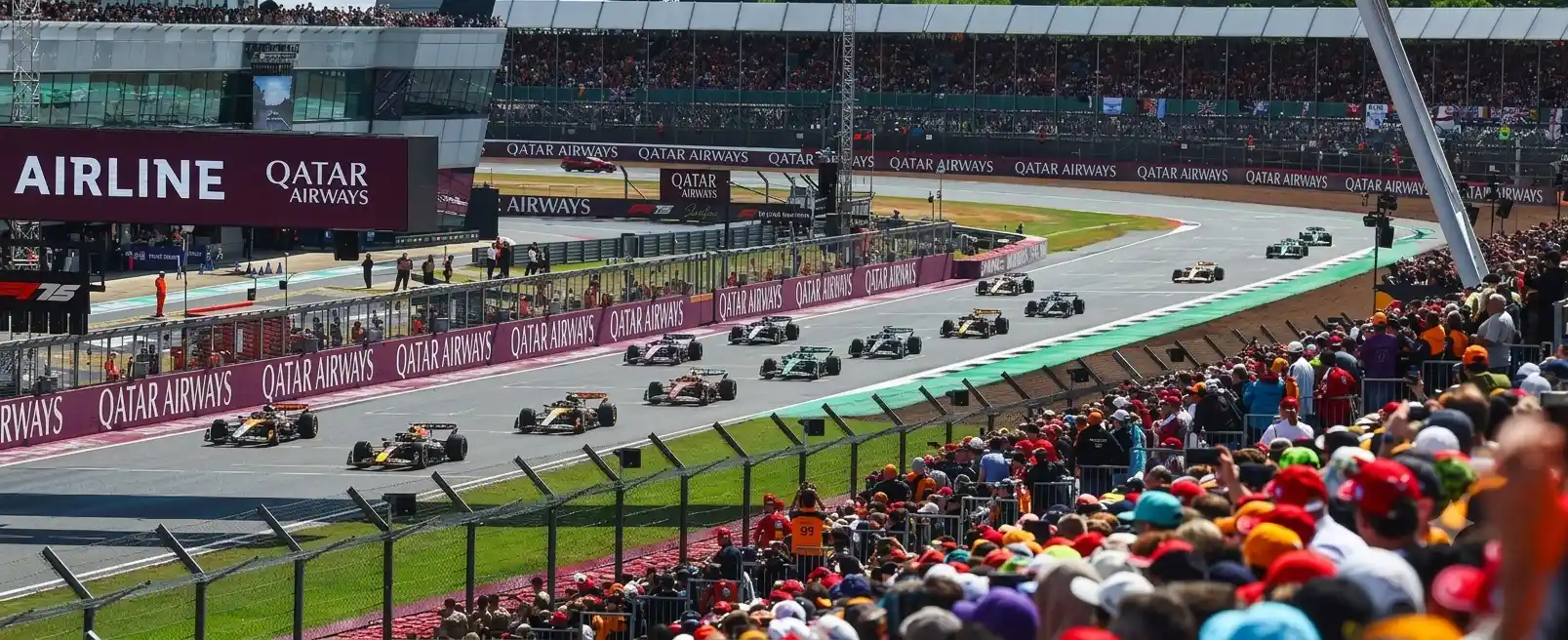
The 2026 British Grand Prix runs at Silverstone from Thursday 2 July through Sunday 5 July, arriving as Round 9 of the 22-race season. For the first time since 2021, Silverstone hosts a Sprint weekend — meaning the conventional three-day practice rhythm is compressed dramatically. Teams get a single one-hour free practice session on Friday before the cars go into parc fermé conditions ahead of Sprint Qualifying that same afternoon.
That compression matters enormously for strategy. Normally, three practice sessions allow engineers to run every compound across a representative range of fuel loads, building a genuinely reliable degradation model before race day. With a Sprint weekend, that luxury disappears. Teams must extrapolate from a single 60-minute window — a serious challenge at a circuit already notorious for punishing tyres harder than almost anywhere else on the calendar. Understanding how qualifying format changes affect strategy is essential context for why this weekend carries extra risk.
Silverstone’s significance goes beyond logistics, however. It has hosted the FIA Formula One World Championship every single year since the series began in 1950 — longer than any other circuit on Earth. The blend of flat-out sweepers and brutal braking zones makes it, in the words of many engineers, the most complete tyre and chassis test in motorsport.
Full Sprint Weekend Schedule — All Session Times
The compressed Sprint format means five competitive sessions across three days, rather than the standard three practice sessions plus qualifying and race. This is the schedule every team and every strategist is working against this weekend.
With only one free practice session, teams cannot build a full tyre degradation model before Sprint Qualifying locks the car setup. Any compound behaviour misjudged in that single hour carries through the entire weekend — including Sunday’s Grand Prix. For a deeper explanation of how this format compares to the standard weekend, see our guide on how race weekend formats are structured.
3 July
3 July
4 July
4 July
5 July
All times above are BST (UTC+1). For ET (US East), subtract 5 hours. For IST (India), add 4.5 hours. For AEST (Australia East), add 9 hours. The full session-by-session breakdown with every global timezone is available on our dedicated British Grand Prix 2026 schedule page. Channel 4 carries the race live and free-to-air in the UK; Sky Sports F1 covers the entire weekend.
Pirelli’s 2026 British Grand Prix Tyre Compounds
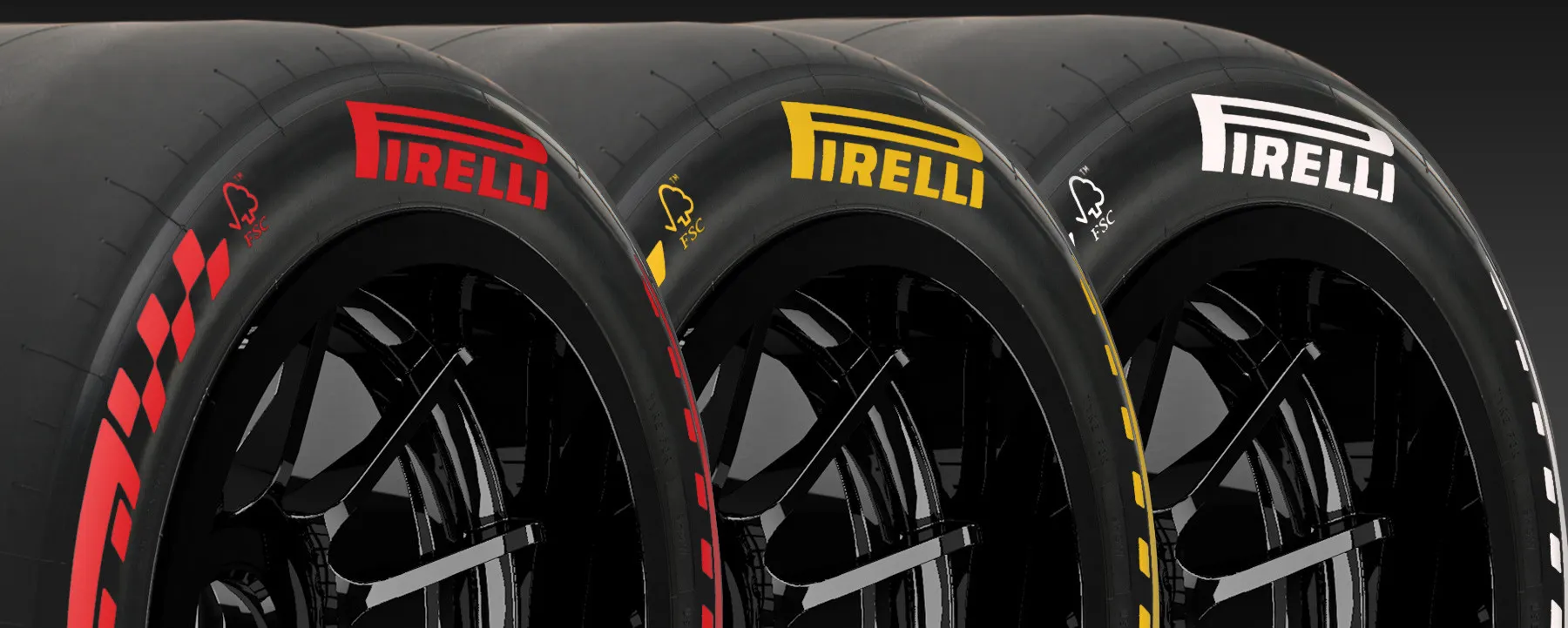
Pirelli has confirmed its choice for Silverstone: the C1 as the P Zero hard, C2 as the P Zero medium, and C3 as the P Zero soft — the three hardest compounds in the entire 2026 range. This is consistent with the selection Pirelli has used at Silverstone in recent seasons, and the logic behind it hasn’t changed: Silverstone simply punishes tyres harder than almost any other circuit on the calendar.
The choice comes down to lateral load. Through the legendary Maggotts-Becketts-Chapel complex, drivers carry speeds in excess of 280 km/h while generating cornering forces that regularly exceed 5g — figures comparable to Spa-Francorchamps and Suzuka, the only other circuits that subject tyres to similarly extreme sustained lateral stress. Bringing softer compounds to a track generating these forces would risk severe blistering and unpredictable structural failures, which is precisely why Pirelli consistently nominates its hardest range here.
| Compound | Pirelli Designation | Typical Use | Relative Pace |
|---|---|---|---|
| ● SOFT | C3 | Qualifying, Sprint, short race stints | Fastest, highest wear |
| ● MEDIUM | C2 | Race stint flexibility, opening stint option | Balanced |
| ● HARD | C1 | Long stints, one-stop strategy backbone | Slowest, most durable |
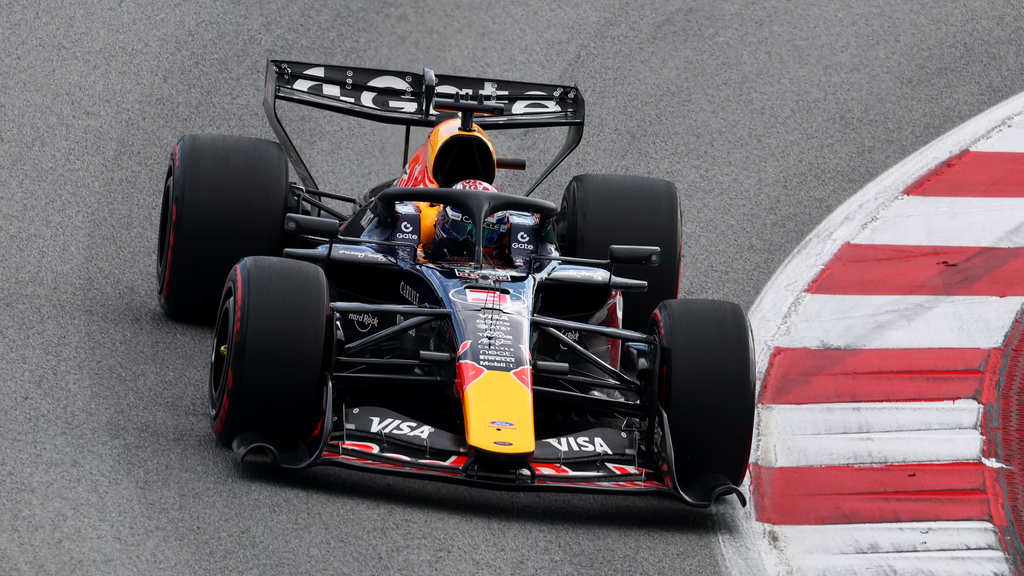
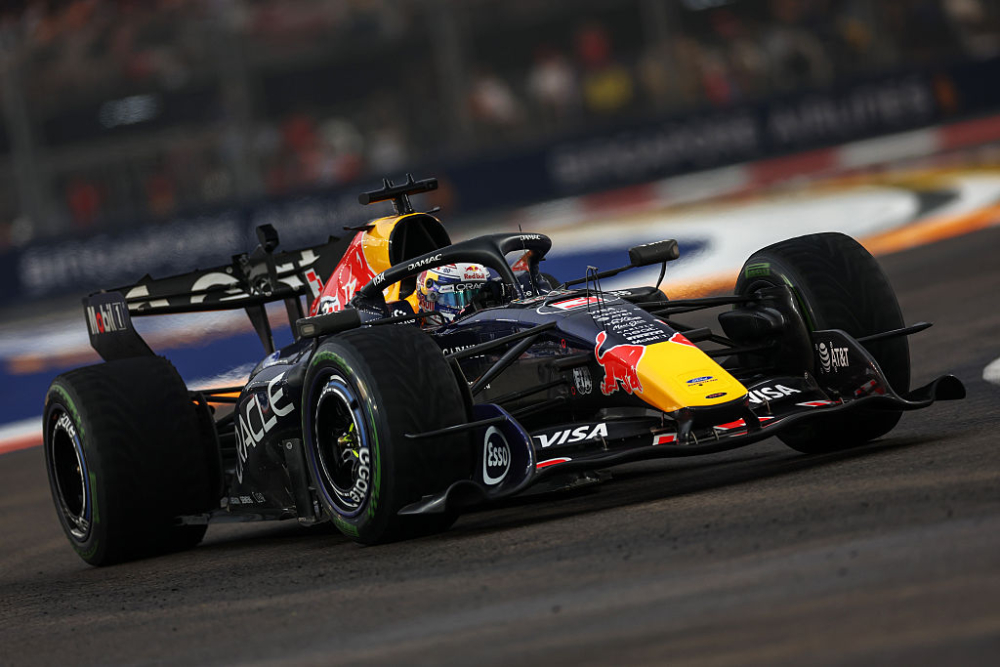
Silverstone is dominated by right-hand corners, which means the front-left tyre carries the heaviest and most sustained load throughout the lap. Engineers monitor front-left degradation more closely here than at almost any other venue, and it’s typically the limiting factor that determines when a driver must pit — regardless of how the other three tyres are performing. To understand the broader principle, our explainer on oversteer and understeer in F1 covers how tyre wear changes a car’s handling balance through a stint.
Tyre Degradation at Silverstone — Why It’s So Severe
Tyre degradation at Silverstone is driven almost entirely by lateral energy, not by braking or traction forces as at many other circuits. On Pirelli’s own internal scale, Silverstone scores at the maximum grade for lateral stress and tyre energy, while braking and traction stress remain comparatively moderate. That distinction shapes everything about how teams approach the weekend.
The corner sequence from Turns 10 through 14 — Maggotts, Becketts and Chapel — is the single biggest factor. Drivers take this complex essentially flat-out, transitioning through a rapid left-right-left combination that loads each tyre in turn at sustained high speed. There is no moment of relief through this section; the tyre surface temperature climbs continuously, and the rubber compound begins to lose its peak grip window progressively faster than the driver can manage through throttle modulation alone.
Additionally, Copse — the long, committed right-hander immediately after the pit straight — generates enormous front-axle loading at the very start of the lap. Drivers barely lift the throttle here even at racing speed, meaning the front-left tyre begins working hard from the very first corner of every single lap. By the time a stint reaches 20-25 laps, that cumulative front-left wear is typically the factor that forces a pit stop, well before the rear tyres show comparable degradation.
Lateral forces and tyre stress achieve the maximum grade at Silverstone, while traction and braking forces remain moderate — a profile shared with only Spa-Francorchamps and Suzuka anywhere on the calendar.
— Pirelli Technical Tyre Preview, British Grand PrixPit Stop Strategy: One-Stop vs Two-Stop at Silverstone
A two-stop strategy has been the most common approach at Silverstone in recent seasons, and it remains the theoretical fastest route for 2026 according to Pirelli’s pre-event simulations. The quickest theoretical sequence runs soft-medium-soft: starting on the C3 soft, switching to the C2 medium for the middle stint, then returning to a fresh soft for the final laps. However, this approach demands two clean pit stops and carries genuine risk if track position is compromised by traffic or a poorly timed Safety Car.
A one-stop strategy remains a realistic alternative, particularly for drivers and cars that manage front-left degradation well. Typically this involves starting on the medium compound and switching to the hard for a long final stint, sacrificing some outright pace for the track position advantage of avoiding a second stop. Historically, one-stop strategies have worked at Silverstone when track temperatures stay moderate and a driver can nurse the front axle through the high-speed sequence without dropping significant lap time.
Furthermore, the returning Sprint format adds a layer of complexity rarely seen at this circuit. Teams now arrive at Sunday’s Grand Prix having already raced the cars hard in Saturday’s Sprint — meaning tyre allocation management across the weekend becomes critical. Drivers who push too hard in the Sprint risk arriving at the Grand Prix with fewer fresh sets of the harder compounds, narrowing their strategic options before the race has even started.
| Strategy | Compound Sequence | Pit Stops | Risk Profile |
|---|---|---|---|
| Two-Stop (Fastest) | Soft → Medium → Soft | 2 | Highest pace, exposed to traffic loss |
| Two-Stop (Conservative) | Medium → Hard → Medium | 2 | Balanced pace and durability |
| One-Stop | Medium → Hard | 1 | Track position gain, front-left risk |
| Aggressive Three-Stop | Soft → Soft → Soft → Soft | 3 | Used opportunistically under Safety Car |
An undercut — pitting before a rival to gain track position on fresher tyres — is particularly effective at Silverstone because of how quickly fresh-tyre grip translates into lap time through the high-speed sections. A driver who undercuts successfully through Maggotts-Becketts on out-laps can gain over a second versus a rival still on degraded rubber. The opposite play, the overcut, works when track position matters more than outright pace and clean air allows a driver to extend their stint. Our full explainer on undercut and overcut strategy in F1 breaks down exactly when each tactic pays off.
How Weather Complicates Strategy
British summer weather is notoriously unreliable, and Silverstone’s exposed, former-airfield layout means rain can arrive with little warning. A wet or mixed-conditions session can invalidate an entire pre-race strategy model within minutes, forcing teams toward reactive, lap-by-lap decision-making rather than the pre-planned stint lengths calculated before the weekend. Consequently, strategists always build contingency plans around a Safety Car or weather intervention — and at Silverstone, that contingency planning is taken more seriously than almost anywhere else on the calendar. For more on how teams handle these scenarios, see our guide on what a Safety Car means for race strategy.
Race Pace Comparison — Who Has the Edge at Silverstone
Race pace at Silverstone is measured differently than qualifying pace. A car that excels over a single lap through Maggotts-Becketts may not necessarily protect its tyres well enough to sustain that pace across a 25-lap stint. Engineers therefore weight long-run data far more heavily than headline practice times when building their race strategy model — particularly given the reduced practice running this Sprint weekend provides.
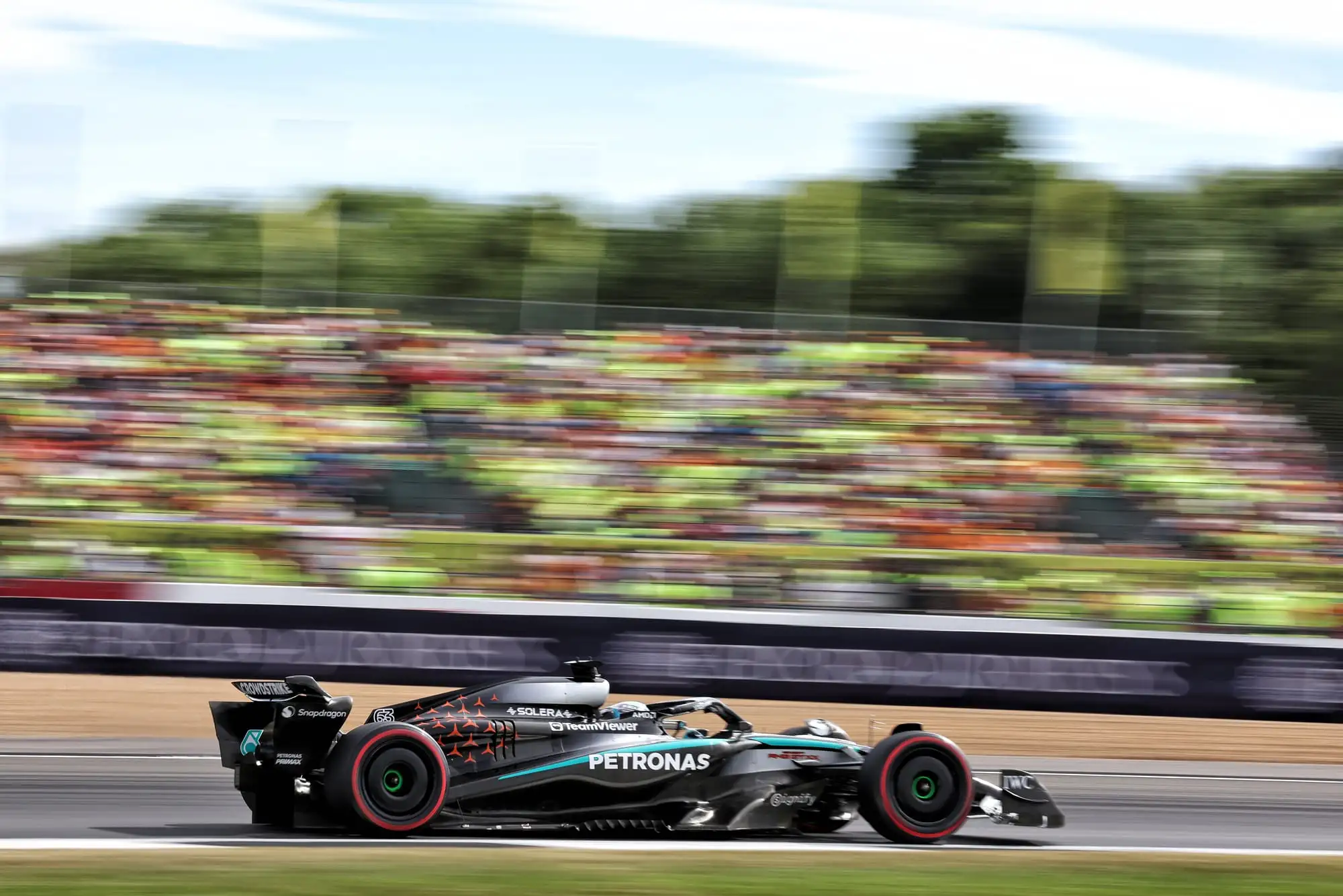
Following the Austrian Grand Prix, Mercedes arrives at Silverstone holding a commanding advantage in both championships. Their cars have shown strong tyre management through high-speed corners all season, which historically translates well to Silverstone’s lateral-load-dominated profile. However, Ferrari’s recent pace — including Lewis Hamilton’s win earlier this season — suggests they cannot be discounted, particularly with Hamilton’s exceptional personal record at this circuit driving him on home soil.
Furthermore, dirty air remains a persistent factor through the Maggotts-Becketts complex specifically. A car running in the wake of another loses front-end downforce precisely where it’s needed most — through the fastest, most committed corners on the lap. This makes overtaking through the complex itself extremely difficult, pushing most genuine passing opportunities toward the braking zone into Stowe or the final corner onto the pit straight. Our explainer on what causes incidents in motor racing covers how dirty air and high-speed following distances contribute to contact risk.
Championship Context Heading Into Silverstone
The British Grand Prix arrives with the title fight tightening at the front. Kimi Antonelli leads the 2026 Drivers’ Championship with 171 points after the Austrian Grand Prix, but George Russell’s victory at the Red Bull Ring cut that advantage to 40 points. Lewis Hamilton sits third on 125 points, just six behind Russell, after a five-stop strategy — sorry, fifth-place finish — at the Red Bull Ring. With Hamilton racing in Ferrari red at his home circuit, the strategic calculus around his weekend carries extra weight beyond pure points.
| Pos. | Driver | Team | Points | Gap to Leader |
|---|---|---|---|---|
| 1 | Kimi Antonelli | Mercedes | 171 | Leader |
| 2 | George Russell | Mercedes | 131 | -40 |
| 3 | Lewis Hamilton | Ferrari | 125 | -46 |
| 4 | Oscar Piastri | McLaren | 80 | -91 |
| 5 | Lando Norris | McLaren | 79 | -92 |
| 6 | Charles Leclerc | Ferrari | 79 | -92 |
| 7 | Max Verstappen | Red Bull | 73 | -98 |
In the Constructors’ Championship, Mercedes has extended its lead to 302 points — a commanding 98-point gap over Ferrari in second. That dominance reinforces why Mercedes’ tyre management approach is the benchmark every rival is trying to match at Silverstone. For the complete, continuously updated standings, visit our 2026 F1 Championship standings page. To understand exactly how these positions translate into title math, our breakdown of the F1 points system explains the scoring in full.
Why Silverstone Specifically Matters for the Title Fight
Silverstone’s brutal tyre demands have historically rewarded cars with strong rear stability and front-axle management — qualities that don’t always correlate with raw single-lap pace. Therefore, a driver who has struggled at lower-degradation circuits earlier in the season can genuinely close the gap here if their car protects tyres well through sustained lateral load. Conversely, a driver who has built their championship lead through outright speed rather than tyre management could see that advantage tested for the first time all year.
Frequently Asked Questions
The Bottom Line: How Silverstone Will Be Won in 2026
The 2026 British Grand Prix sits at the intersection of two demanding factors: a circuit that punishes tyres harder than almost any other on the calendar, and a Sprint format that strips away the practice time teams would normally use to perfect their degradation models. That combination rewards preparation over improvisation — the teams who arrive with the most accurate simulation data, built from limited track time, will hold a genuine advantage before a wheel is even turned in anger.
Expect the two-stop soft-medium-soft sequence to remain the headline strategy for the fastest cars, but don’t discount a bold one-stop from a driver willing to nurse the front-left through Maggotts-Becketts for 30-plus laps. With Mercedes’ championship advantage and Ferrari’s home-soil motivation both in play, Silverstone 2026 has the ingredients for one of the most strategically unpredictable races of the season.
Follow World of Speed throughout the British Grand Prix weekend for live strategy updates, post-race analysis, and full championship implications as the 2026 season heads into its second half.
Formula1.com — Official British Grand Prix 2026 Hub — Official race weekend information and history.
F1Technical.net — Pirelli Compound Selection for Austria & Silverstone — Technical breakdown of the 2026 tyre nominations.
Silverstone Circuit — Official 2026 British GP FAQ — Confirmed schedule, dates and weekend format.
Formula1.com — Pirelli Strategy Guide for the British Grand Prix — Official tactical and pit stop analysis.
RacingNews365 — 2026 Championship Standings After Austria — Verified points standings ahead of Silverstone.