Hungarian Grand Prix 2026 Practice Results: FP1, FP2, FP3 Times & Team Pace Analysis
Full classifications from all three practice sessions, the key incidents, and what the numbers really say about Ferrari, McLaren, Mercedes and Red Bull.
The Hungarian Grand Prix 2026 practice results produced three different session leaders and a much tighter competitive picture than Friday initially suggested. Charles Leclerc led FP1, Lewis Hamilton topped FP2, and Lando Norris set the fastest practice lap in FP3. Ferrari controlled Friday. However, McLaren answered on Saturday, while Mercedes stayed close enough to remain a genuine qualifying threat.
The raw times tell only part of the story. Practice laps come with unknown fuel loads, different engine modes, varied tire preparation and traffic. Therefore, the most useful reading comes from patterns across all three sessions. Ferrari showed immediate balance. McLaren improved sharply overnight. Mercedes found strong one-lap speed in FP3. Meanwhile, Red Bull remained competitive but never looked fully comfortable.
Hungarian Grand Prix 2026 Practice Results: The Weekend in One View
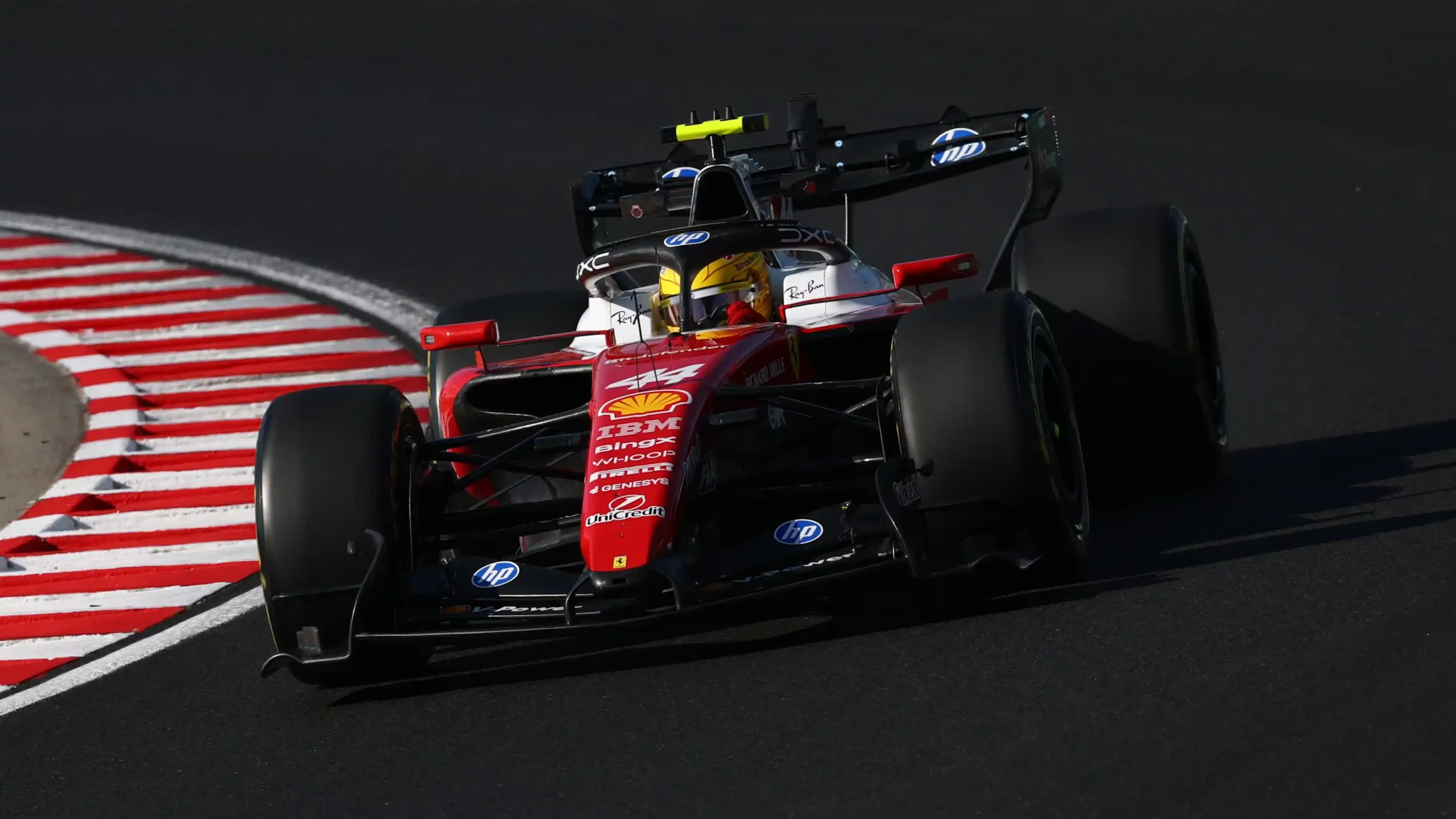
Ferrari opened the weekend with the cleanest baseline. Leclerc was quickest in FP1, despite a late mechanical problem that stopped his car near the pit entry. Hamilton then led a Ferrari one-two in FP2. That result mattered because FP2 offered the most representative Friday track conditions and included both qualifying simulations and longer race runs.
McLaren’s Friday picture was less direct. Norris finished only 11th in FP1 after his best attempt was compromised. Oscar Piastri did not drive in that session because Leonardo Fornaroli used his car. However, Norris climbed to third in FP2. McLaren then led FP3 through Norris, with Piastri fifth.
Mercedes also followed an upward curve. George Russell sat fifth in both Friday sessions. Kimi Antonelli missed FP1 while Frederik Vesti completed the rookie running. Antonelli was only 13th in FP2, yet he jumped to third in FP3. That improvement suggested Mercedes found a better balance overnight.
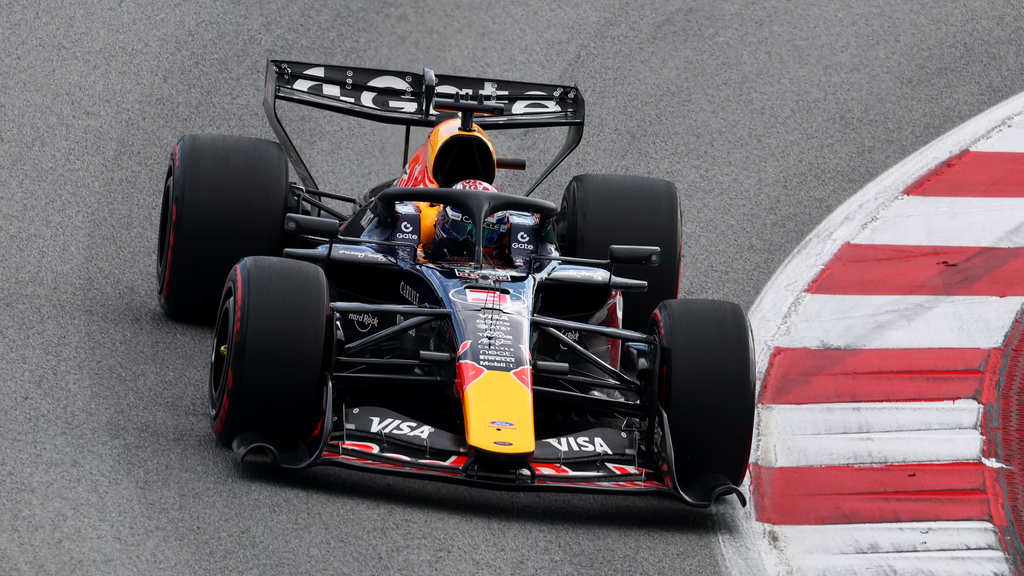
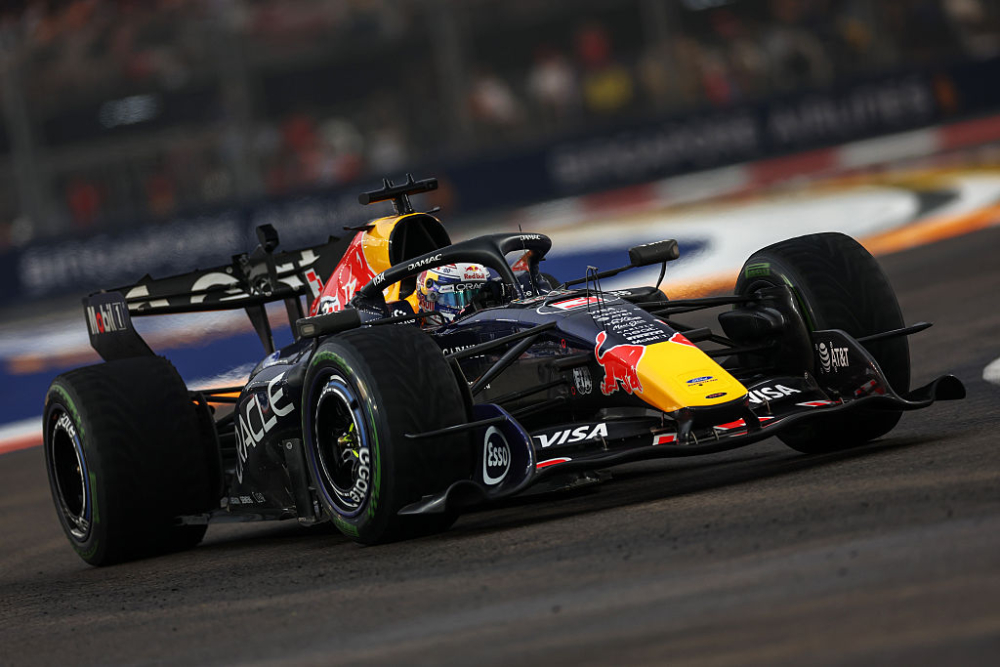
Red Bull looked fast enough to stay in the lead fight, although the RB22 appeared less settled than the Ferrari. Verstappen finished second in FP1, fourth in FP2 and seventh in FP3. Isack Hadjar added fourth, sixth and eighth across the three sessions. Consequently, Red Bull’s average position looked solid, but its Saturday peak lagged behind McLaren, Ferrari and Mercedes.
Hungarian Grand Prix 2026 FP1 Results and Analysis
Charles Leclerc set the opening benchmark at 1:19.075. Max Verstappen finished 0.484 seconds behind, while Lewis Hamilton took third. Ferrari therefore placed both cars in the top three, although Leclerc’s late mechanical issue prevented a completely clean session.
FP1 also included five rookie drivers. Frederik Vesti replaced Kimi Antonelli at Mercedes. Leonardo Fornaroli drove Oscar Piastri’s McLaren. Ryo Hirakawa took Oliver Bearman’s Haas seat, Paul Aron ran for Franco Colapinto at Alpine, and Colton Herta replaced Valtteri Bottas at Cadillac.
Lance Stroll caused the session’s red flag after a left-rear suspension failure pitched the Aston Martin into a spin at Turn 3. His upgraded car stopped on track, and the damage later ruled him out of FP2. That cost Aston Martin valuable comparison data on a weekend featuring major revisions.
| Pos | Driver | Team | Time/Gap | Laps |
|---|---|---|---|---|
| 1 | Charles Leclerc | Ferrari | 1:19.075 | 19 |
| 2 | Max Verstappen | Red Bull Racing | +0.484s | 25 |
| 3 | Lewis Hamilton | Ferrari | +0.543s | 23 |
| 4 | Isack Hadjar | Red Bull Racing | +0.922s | 25 |
| 5 | George Russell | Mercedes | +0.991s | 21 |
| 6 | Gabriel Bortoleto | Audi | +1.285s | 30 |
| 7 | Frederik Vesti | Mercedes | +1.392s | 24 |
| 8 | Nico Hulkenberg | Audi | +1.548s | 29 |
| 9 | Arvid Lindblad | Racing Bulls | +1.685s | 28 |
| 10 | Liam Lawson | Racing Bulls | +1.791s | 28 |
| 11 | Lando Norris | McLaren | +1.949s | 26 |
| 12 | Esteban Ocon | Haas | +1.976s | 24 |
| 13 | Fernando Alonso | Aston Martin | +2.475s | 20 |
| 14 | Pierre Gasly | Alpine | +2.629s | 29 |
| 15 | Alexander Albon | Williams | +2.744s | 28 |
| 16 | Leonardo Fornaroli | McLaren | +2.815s | 29 |
| 17 | Ryo Hirakawa | Haas | +2.926s | 25 |
| 18 | Sergio Perez | Cadillac | +3.014s | 22 |
| 19 | Paul Aron | Alpine | +3.093s | 28 |
| 20 | Colton Herta | Cadillac | +4.043s | 28 |
| 21 | Lance Stroll | Aston Martin | +4.396s | 11 |
| 22 | Carlos Sainz | Williams | +4.659s | 23 |
What FP1 revealed about Ferrari
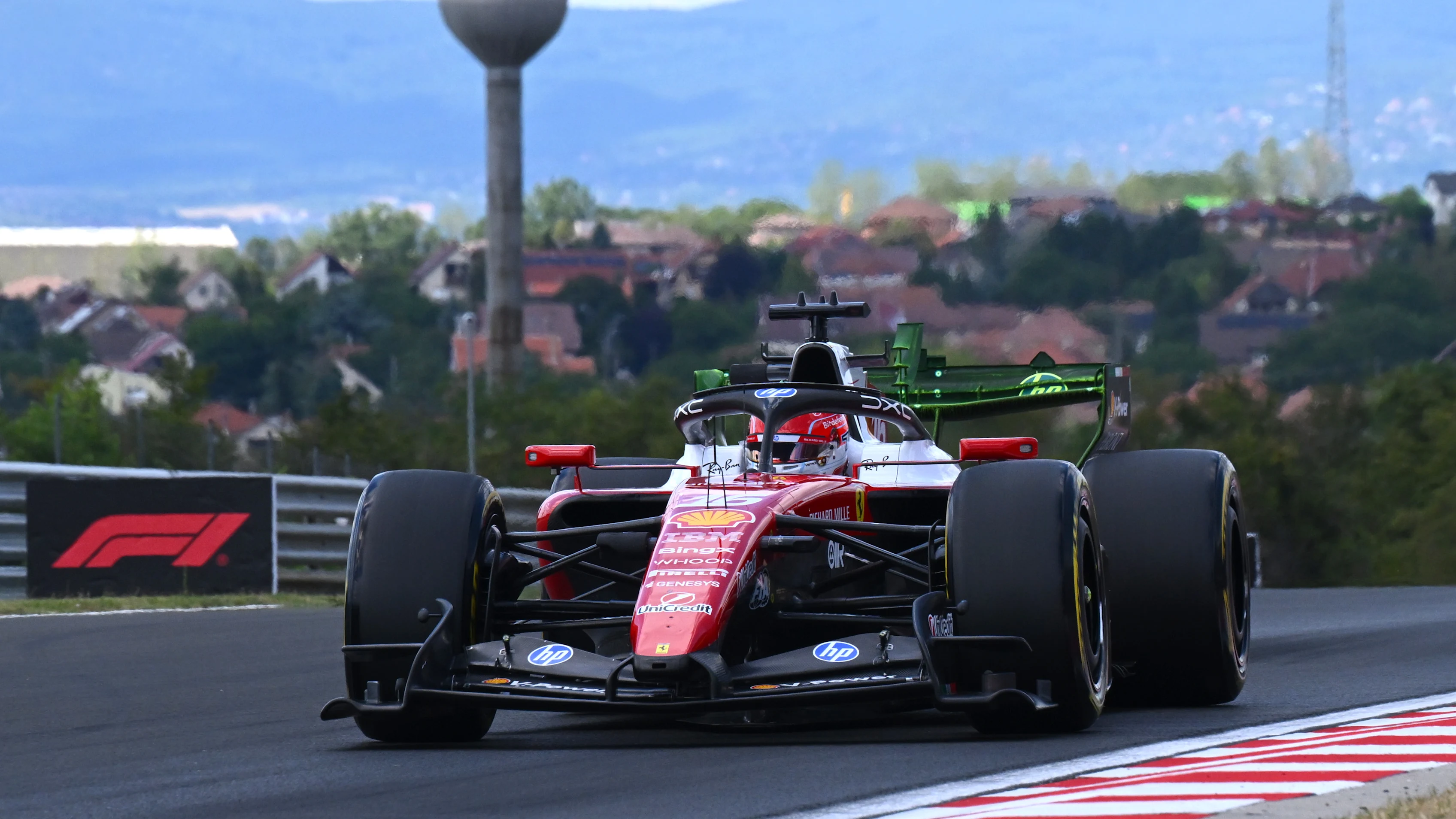
Leclerc’s half-second margin looked impressive. However, the exact difference overstated Ferrari’s advantage because several rivals did not complete clean soft-tire laps. Norris abandoned a promising attempt after running wide at Turn 11. In addition, different run plans made the lower half of the classification difficult to compare.
Still, Ferrari’s early balance was real. Both drivers reached competitive times quickly, and Leclerc looked comfortable through the medium-speed sequence. At the Hungaroring, that matters. The circuit links corners together, so one unstable entry can damage an entire sector.
Why the Leclerc stoppage mattered
The late issue did not erase Leclerc’s pace. Yet it reduced Ferrari’s long-run sample. Engineers lost several laps that could have helped confirm tire degradation and cooling behavior. Moreover, any mechanical problem creates extra checks before the next session.
Ferrari recovered strongly in FP2, which reduced the concern. Nevertheless, the stoppage remained an important reminder that practice performance must include reliability as well as lap time.
Red Bull’s mixed but competitive start
Verstappen’s second place kept Red Bull near the front. Even so, his complaints about downshifts suggested the car was not operating cleanly. Hadjar’s fourth place was encouraging, and it placed both Red Bulls inside the top four.
That pattern suggested the underlying package had pace. However, the drivers still needed a better operating window. On this track, a small balance problem becomes expensive because the car spends so much time cornering.
Hungarian Grand Prix 2026 FP2 Results: Hamilton Leads Ferrari One-Two
Lewis Hamilton produced Friday’s fastest lap with a 1:18.729. Leclerc followed at 0.148 seconds, while Norris took third for McLaren. Verstappen and Russell completed the top five.
FP2 carried more analytical value than FP1. All regular drivers returned, apart from Stroll, whose Aston Martin remained under repair. Teams also completed qualifying simulations and switched toward longer runs late in the hour.
Wind complicated the session. Several drivers complained about balance, particularly under braking and through the final sector. Franco Colapinto then crashed at the final corner, causing a red flag and interrupting soft-tire runs.
| Pos | Driver | Team | Time/Gap | Laps |
|---|---|---|---|---|
| 1 | Lewis Hamilton | Ferrari | 1:18.729 | 26 |
| 2 | Charles Leclerc | Ferrari | +0.148s | 30 |
| 3 | Lando Norris | McLaren | +0.499s | 30 |
| 4 | Max Verstappen | Red Bull Racing | +0.692s | 27 |
| 5 | George Russell | Mercedes | +0.933s | 30 |
| 6 | Isack Hadjar | Red Bull Racing | +1.071s | 20 |
| 7 | Liam Lawson | Racing Bulls | +1.312s | 29 |
| 8 | Oscar Piastri | McLaren | +1.372s | 28 |
| 9 | Nico Hulkenberg | Audi | +1.396s | 30 |
| 10 | Arvid Lindblad | Racing Bulls | +1.524s | 29 |
| 11 | Gabriel Bortoleto | Audi | +1.745s | 27 |
| 12 | Esteban Ocon | Haas | +1.828s | 26 |
| 13 | Kimi Antonelli | Mercedes | +1.964s | 30 |
| 14 | Pierre Gasly | Alpine | +2.087s | 24 |
| 15 | Oliver Bearman | Haas | +2.221s | 28 |
| 16 | Alexander Albon | Williams | +2.244s | 33 |
| 17 | Carlos Sainz | Williams | +2.697s | 31 |
| 18 | Valtteri Bottas | Cadillac | +2.713s | 31 |
| 19 | Fernando Alonso | Aston Martin | +2.990s | 24 |
| 20 | Sergio Perez | Cadillac | +3.063s | 28 |
| 21 | Franco Colapinto | Alpine | +3.802s | 11 |
Hamilton’s lap changed the qualifying conversation
Hamilton’s 1:18.729 was not merely a headline time. He also looked more comfortable than many rivals in the changing wind. Leclerc stayed close, which strengthened the conclusion that Ferrari had a broadly competitive car rather than a single standout lap.
A Ferrari one-two in FP2 usually carries weight. However, it did not guarantee pole. McLaren’s upgraded car was improving, and Mercedes had not yet shown Antonelli’s full potential. Therefore, Ferrari ended Friday as the benchmark, not as an unbeatable favorite.
McLaren’s real position was stronger than P3 and P8
Norris finished third, half a second from Hamilton. Piastri was eighth after returning to the car. The split between them looked large, but it reflected different session execution as much as pure pace.
McLaren’s upgraded package appeared to need more setup work. Once the team completed that work overnight, FP3 showed a clear step. Consequently, FP2 should be read as a development session rather than a final verdict.
Colapinto’s crash and Alpine’s lost data
Colapinto lost the rear at the final corner and hit the barrier. The impact ended his session after only 11 laps. Alpine therefore lost both qualifying and long-run information on one side of the garage.
Gasly also reported an abnormal front-end feeling. Together, those issues left Alpine with a difficult Friday. The team faced not only repair work but also limited confidence in its setup direction.
Hungarian Grand Prix 2026 FP3 Results: Norris Takes the Fastest Practice Time
Lando Norris led final practice with a 1:17.939. Hamilton finished only 0.117 seconds behind, while Antonelli was 0.129 seconds off the top. Leclerc followed in fourth, and Piastri completed the top five.
The first three drivers were separated by only 0.129 seconds. That compressed gap transformed the qualifying outlook. Ferrari remained strong, but McLaren and Mercedes had moved into the same performance window.
FP3 was interrupted when Sergio Perez stopped near Turn 2. He reported an engine loss and a major braking problem. The red flag shortened everyone’s final preparation, while Perez ended the session without a representative lap.
| Pos | Driver | Team | Time/Gap | Laps |
|---|---|---|---|---|
| 1 | Lando Norris | McLaren | 1:17.939 | 20 |
| 2 | Lewis Hamilton | Ferrari | +0.117s | 22 |
| 3 | Kimi Antonelli | Mercedes | +0.129s | 16 |
| 4 | Charles Leclerc | Ferrari | +0.352s | 24 |
| 5 | Oscar Piastri | McLaren | +0.499s | 22 |
| 6 | George Russell | Mercedes | +0.602s | 18 |
| 7 | Max Verstappen | Red Bull Racing | +0.717s | 14 |
| 8 | Isack Hadjar | Red Bull Racing | +1.004s | 17 |
| 9 | Liam Lawson | Racing Bulls | +1.149s | 23 |
| 10 | Nico Hulkenberg | Audi | +1.221s | 24 |
| 11 | Gabriel Bortoleto | Audi | +1.399s | 22 |
| 12 | Pierre Gasly | Alpine | +1.784s | 20 |
| 13 | Arvid Lindblad | Racing Bulls | +1.956s | 6 |
| 14 | Franco Colapinto | Alpine | +2.116s | 30 |
| 15 | Esteban Ocon | Haas | +2.356s | 18 |
| 16 | Oliver Bearman | Haas | +2.373s | 14 |
| 17 | Fernando Alonso | Aston Martin | +2.454s | 17 |
| 18 | Lance Stroll | Aston Martin | +2.994s | 20 |
| 19 | Valtteri Bottas | Cadillac | +3.360s | 15 |
| 20 | Carlos Sainz | Williams | +3.467s | 17 |
| 21 | Alexander Albon | Williams | +3.574s | 13 |
| 22 | Sergio Perez | Cadillac | No time | 1 |
Norris delivered McLaren’s overnight answer
Norris improved twice near the end. His final 1:17.939 avoided the slide that had affected an earlier attempt through the last corner. That clean execution mattered because the final sector can decide a Hungaroring lap.
McLaren also placed Piastri fifth. Therefore, the team entered qualifying with both cars inside the leading group. Norris looked like the immediate pole threat, while Piastri still had time to find.
Antonelli’s jump was one of FP3’s biggest signals
Antonelli moved from 13th in FP2 to third in FP3. The difference was too large to explain through track evolution alone. Mercedes had clearly improved the car, the tire preparation, or both.
Russell also finished sixth. That gave Mercedes two cars within 0.602 seconds of Norris. Although Russell’s gap was larger, Antonelli’s lap proved the car could challenge at the front.
Red Bull slipped behind the Saturday leaders
Verstappen finished seventh, 0.717 seconds off the pace. Hadjar was eighth, just over one second behind. Both cars remained inside the top eight, yet neither joined the final fight for P1.
Hadjar also described the car as undriveable late in the session. That radio message matched the classification. Red Bull still had qualifying potential, but its balance looked less predictable than Ferrari’s or McLaren’s.
Hungarian GP 2026 Team Pace Analysis
Practice analysis must start with a warning: teams do not publish fuel loads or full engine settings. Therefore, exact race-pace rankings cannot be stated as fact. However, consistent patterns across three sessions still reveal useful direction.
Best all-round Friday
Ferrari topped FP1 and FP2, placed both cars in the top four of FP3, and showed immediate confidence. Its main concern was Leclerc’s FP1 mechanical issue.
Strongest Saturday ceiling
Norris led FP3 and set the weekend’s fastest practice lap. McLaren’s improvement suggested strong setup development overnight.
Close enough to threaten
Antonelli’s P3 in FP3 put Mercedes into the pole discussion. Russell remained consistent, although he did not match Antonelli’s final peak.
Competitive but unsettled
Both cars repeatedly reached the top eight. However, balance complaints and the weaker FP3 positions reduced confidence.
Ferrari: the most convincing average across the weekend
Ferrari’s strength came from repetition. Leclerc led FP1, Hamilton led FP2, and both remained competitive in FP3. This is more meaningful than one isolated fastest lap.
The SF-26 appeared especially effective through the connected middle sector. Moreover, Hamilton’s comfort in FP2 suggested the car’s balance survived changing wind. That trait usually helps over a race stint because the driver can protect the tires without constantly correcting the car.
Still, Ferrari did not dominate FP3. Norris beat both cars, and Antonelli split the leading group. Consequently, Ferrari looked like the safest front-running bet, but not the only one.
McLaren: the sharpest development curve
McLaren’s practice weekend improved session by session. Norris moved from 11th to third and then first. Piastri returned from his FP1 absence to finish eighth and fifth.
That trend suggested McLaren extracted more from its updated package as the weekend progressed. In addition, Norris’s final FP3 lap showed the car could rotate cleanly through the last corner without sacrificing traction onto the straight.
For race pace, McLaren remained difficult to judge from public timing alone. However, the car’s ability to improve over repeated runs is positive. The Hungaroring punishes rear-tire overheating, so a stable platform becomes more valuable as stints develop.
Mercedes: qualifying threat with an uneven Friday
Mercedes looked ordinary in FP2, especially through Antonelli’s 13th place. However, the team’s Saturday recovery was substantial. Antonelli ended only 0.012 seconds behind Hamilton and 0.129 behind Norris.
Russell did not find the same final margin. Yet his consistent top-six presence suggested a solid baseline. Mercedes therefore looked capable of challenging for the first two rows, especially if Antonelli repeated his FP3 preparation.
Red Bull: pace hidden behind balance issues
Red Bull never disappeared from the front half of the field. Verstappen ran second, fourth and seventh. Hadjar finished fourth, sixth and eighth. Those positions show a car with clear speed.
However, the trend moved backward as the weekend progressed. Complaints about downshifts, drivability and balance added weight to the timing picture. Therefore, Red Bull appeared more dependent on last-minute setup gains than its main rivals.
Audi and Racing Bulls led the midfield
Nico Hulkenberg placed inside the top 10 in every session. Gabriel Bortoleto also showed strong pace, especially in FP1. Audi therefore delivered the most consistent midfield profile.
Racing Bulls also impressed. Liam Lawson finished 10th, seventh and ninth. Arvid Lindblad reached ninth and 10th before a power-unit issue limited him to six laps in FP3. Their pace looked strong enough for a serious Q3 attempt.
Aston Martin, Williams, Alpine, Haas and Cadillac faced disrupted programs
Aston Martin brought a heavily revised car, but Stroll’s suspension failure damaged the program. Alonso completed useful laps, yet the team lacked a clean two-car comparison until FP3.
Williams struggled near the bottom of the charts. Sainz finished last in FP1, 17th in FP2 and 20th in FP3. Albon also remained outside the top 15 throughout the weekend. The team appeared short of grip in the circuit’s linked corners.
Alpine lost time through Colapinto’s FP2 crash and Gasly’s balance complaints. Haas stayed in the lower midfield. Cadillac suffered further disruption when Perez stopped in FP3, while Bottas did not reach the top 15.
What the Practice Results Meant for Qualifying
Norris entered qualifying with the fastest single lap. Hamilton and Antonelli were close enough that track evolution could reverse the order. Leclerc also remained within 0.352 seconds, while Piastri and Russell stayed inside six tenths.
That created a six-driver lead group across four teams. Verstappen sat just outside it in FP3, although his earlier sessions showed enough speed to recover. The main qualifying question was whether Red Bull could stabilize the car before parc fermé.
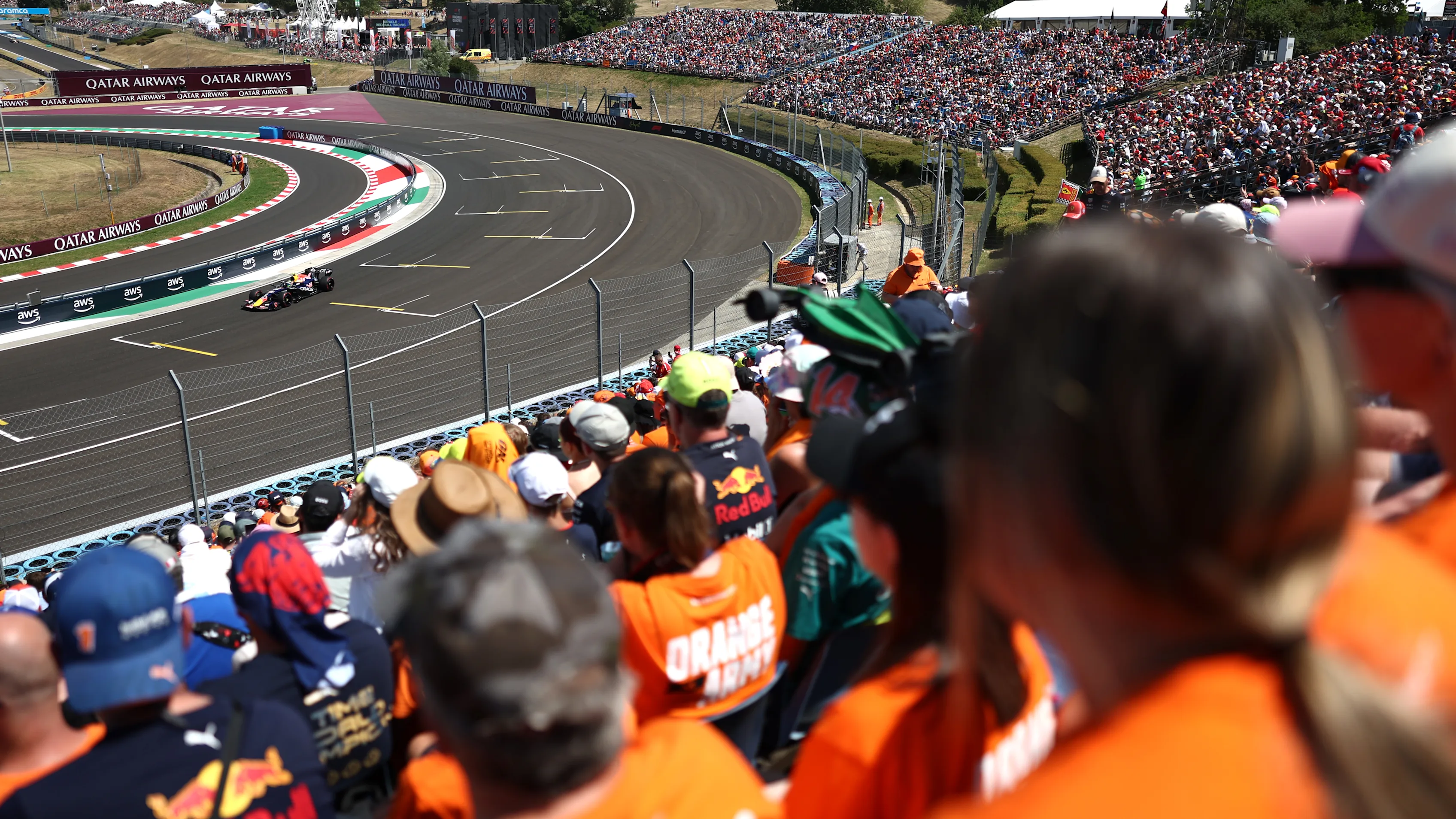
Track position matters heavily at the Hungaroring. Overtaking is difficult because the circuit’s corners follow one another with little recovery time. Therefore, teams were likely to favor qualifying performance even if that reduced some race-stint comfort.
Tire preparation was likely to decide the front rows
The top three in FP3 were separated by 0.129 seconds. At that margin, the out-lap becomes critical. Drivers need enough front-tire temperature for Turn 1 without overheating the rears before the final sector.
Ferrari showed the best Friday control. McLaren found the best Saturday lap. Mercedes produced the biggest late jump. Consequently, the pole fight looked more open than the FP2 Ferrari one-two suggested.
Traffic remained a major Hungaroring risk
The circuit is short and narrow. Slow cars preparing laps can interfere with drivers already pushing. Verstappen and Leclerc both encountered traffic in FP1, while several drivers struggled to create clean gaps.
Qualifying would make that problem worse. Every driver would target the same late-session track evolution. Therefore, release timing from the garage could become as important as raw pace.
Hungarian Grand Prix 2026 Practice Results FAQ
Who was fastest in Hungarian Grand Prix practice 2026?
Lando Norris set the fastest lap across the three practice sessions. His FP3 time was 1:17.939. Charles Leclerc led FP1, while Lewis Hamilton topped FP2.
Who topped FP1 at the Hungarian Grand Prix 2026?
Charles Leclerc topped FP1 with a 1:19.075 for Ferrari. Max Verstappen finished second, 0.484 seconds behind. Lewis Hamilton was third.
Who topped FP2 at the Hungarian Grand Prix 2026?
Lewis Hamilton led FP2 with a 1:18.729. Leclerc was second by 0.148 seconds, completing a Ferrari one-two. Norris finished third.
Who topped FP3 at the Hungarian Grand Prix 2026?
Lando Norris led FP3 with a 1:17.939. Hamilton was 0.117 seconds behind, while Antonelli was only 0.129 seconds off the fastest time.
Conclusion: What Fans Should Take from Hungarian GP Practice
The Hungarian Grand Prix 2026 practice results point to a genuine four-team contest. Ferrari delivered the strongest overall Friday. McLaren produced the fastest Saturday lap. Mercedes moved into contention through Antonelli, while Red Bull stayed close despite clear balance concerns.
Norris ended practice with the fastest time, but Ferrari’s repeated speed made Hamilton and Leclerc serious threats. Antonelli’s FP3 pace added another variable. Meanwhile, Verstappen’s Red Bull remained difficult to dismiss, even after a weaker final session.
The most important lesson is simple. No team owned every phase of the weekend. Therefore, qualifying preparation, traffic management and tire temperature were likely to decide the front rows. For race pace, Ferrari and McLaren carried the strongest evidence, but the public data could not reveal exact fuel-corrected gaps.
Sources and Verification
- Formula 1 official FP1 classification
- Formula 1 official FP2 classification
- Formula 1 official FP3 classification
- FIA Free Practice 3 classification document
Verification note: Session positions, times, gaps and lap counts were checked against Formula 1’s official classifications. FP3 was cross-checked with the FIA classification. Team-pace judgments are analytical interpretations of public session data and reported incidents; teams do not publish fuel loads or complete engine-mode information.