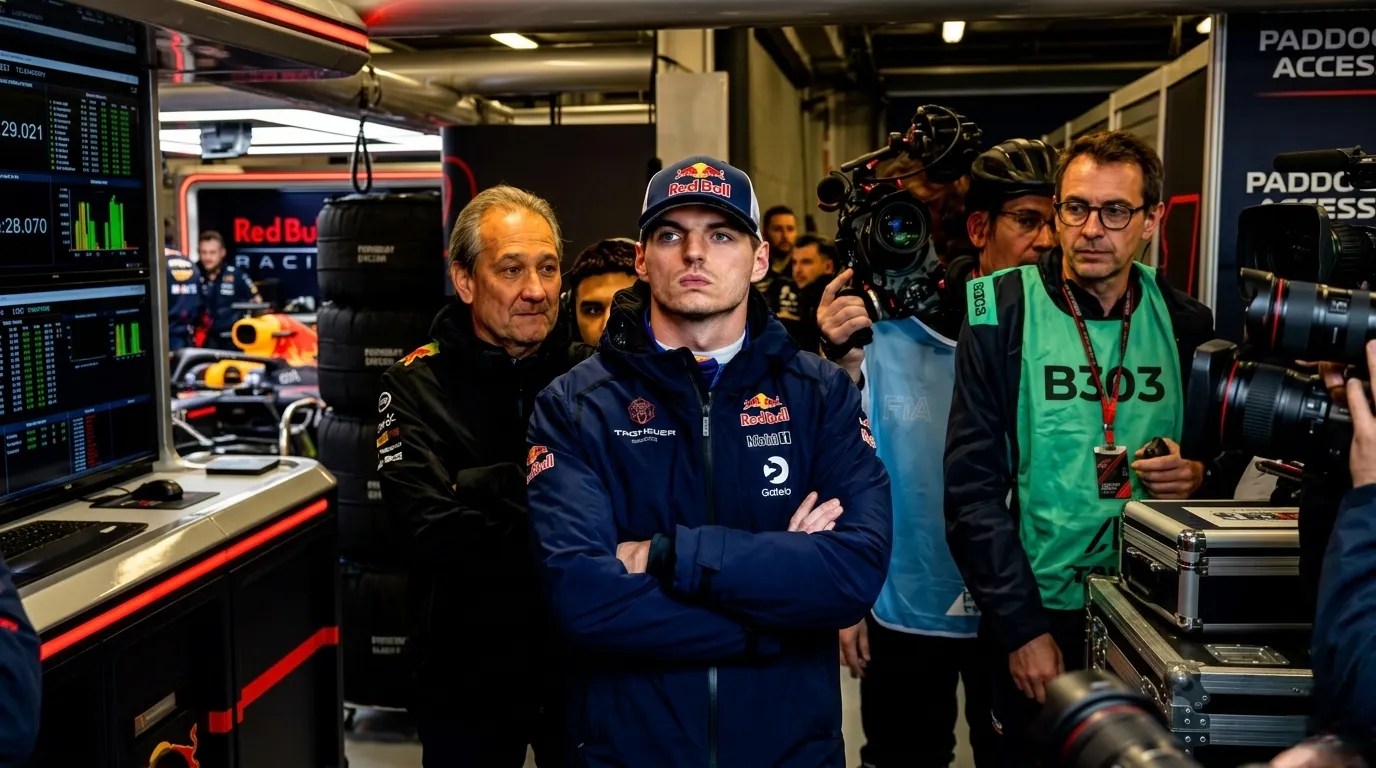
Verstappen Loses Certain Victory at Nürburgring
in Cruel Late-Race Collapse
For 21 hours, the #3 Mercedes-AMG GT3 looked unbeatable. Then, with less than four hours to go, a driveshaft failure turned a five-minute lead into a heartbreaking retirement.
Verstappen Loses Certain Victory at Nürburgring
in Cruel Late-Race Collapse
A five-minute lead, 21 hours of flawless driving, and a driveshaft failure that ended it all in the final hours.
Max Verstappen lost a near-certain Nürburgring 24 Hours victory after a late mechanical failure ended his commanding GT3 endurance debut with less than four hours of the race remaining. The four-time Formula 1 world champion had shared a dominant run in the #3 Mercedes-AMG GT3 with Dani Juncadella, Jules Gounon, and Lucas Auer, building a lead of around five minutes before a driveshaft failure brought the car to a crawl on the Nordschleife.
This is the story of how that lead was built lap by lap through the night, how it disappeared in the space of a few seconds, and why the Nürburgring 24 Hours remains the race that humbles even the fastest drivers in the world.
What Happened: The Short Version
The Nürburgring Nordschleife builds legends and breaks them in equal measure. Few weekends have illustrated that better than this one. As dawn broke over the Eifel mountains, the race appeared decided. Verstappen’s #3 Mercedes-AMG GT3 had been at the front for the better part of a day, and by Sunday afternoon the gap to second place had stretched to roughly five minutes — a margin that, in a 24-hour race, normally means the result is all but confirmed.
Then, with under four hours on the clock, a violent vibration ran through the chassis as the car powered through one of the Nordschleife’s high-speed sections. Telemetry flagged a sudden spike in component stress. Within moments, the team identified the cause: a terminal driveshaft failure that immobilized the car in clean air, far from any contact or driver error. The #3 crawled back toward the pits, and the sister Mercedes-AMG swept through to take over the lead it would hold to the finish.
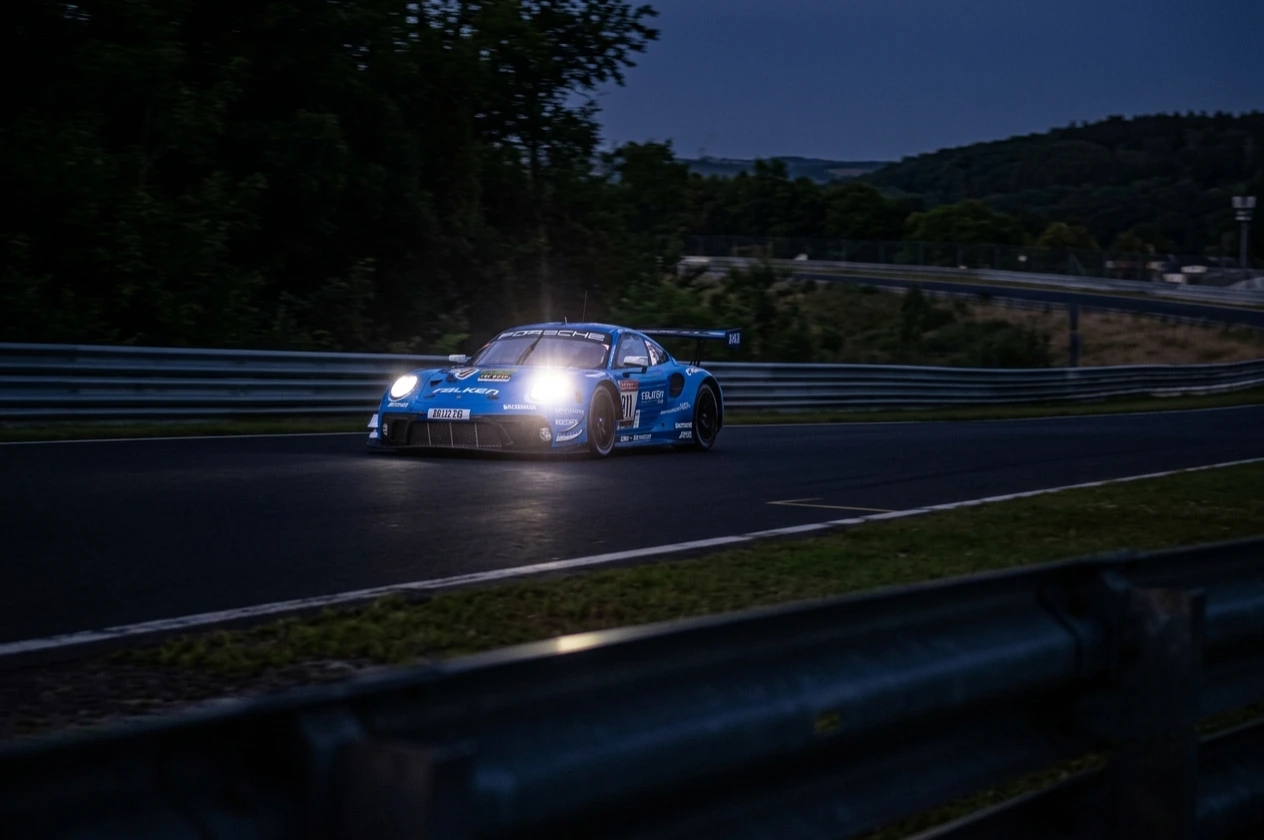
With a five-minute lead and fewer than four hours remaining, the #3 Mercedes-AMG GT3’s driveshaft failed in a high-speed section of the Nordschleife. The car lost power immediately and could not be repaired on track, ending what had been a 21-hour run at the front of the field.
Verstappen Looked Unstoppable for Most of the Race
From the green flag, the #3 Verstappen Racing Mercedes-AMG GT3 set a blistering pace. Verstappen shared the cockpit across the 24-hour distance with three endurance racing heavyweights: Dani Juncadella, Jules Gounon, and Lucas Auer. Between them, the four drivers handled the extreme demands of overnight running on one of the most unforgiving circuits in motorsport, and Verstappen in particular drew praise for adapting to the Nordschleife with the composure of a veteran specialist rather than a Formula 1 driver on his GT3 debut.
The race turned decisively in the dead of night, around 1:30 am, when Verstappen made a sensational move to pass Maro Engel and take the overall lead. He followed that with a double stint in freezing track conditions, pulling away from the field with a level of control that made the car look, for long stretches, untouchable.
By Sunday afternoon, the #3 car held a lead of around five minutes. Fans and analysts alike had begun treating the result as a formality.
That command held through traffic, through changeable weather, and through the physical grind that defines the second half of any 24-hour race. The car maintained what looked like an ironclad hold on the top spot, and the margin kept growing rather than shrinking — usually the clearest sign in endurance racing that a result is secure.
A Timeline of the Final Hours
This is what made the eventual outcome so painful to watch. None of it had anything to do with how Verstappen or his co-drivers were driving. The car had absorbed everything the Nordschleife had thrown at it — traffic, weather, the physical and mental toll of night driving — and come through clean. The only thing that beat the #3 Mercedes-AMG GT3 in the end was the track itself, working on a single component until it gave way.
The Moment Everything Fell Apart
With less than four hours remaining, the mood in the pit lane shifted from quiet confidence to outright alarm in a matter of seconds. The #3 Mercedes-AMG was running through one of the Nordschleife’s high-speed sections when a violent vibration ran through the chassis. In the garage, telemetry screens flagged a sudden, critical spike in component stress — the kind of signal that, on this car, on this track, after this many hours, meant only one thing.
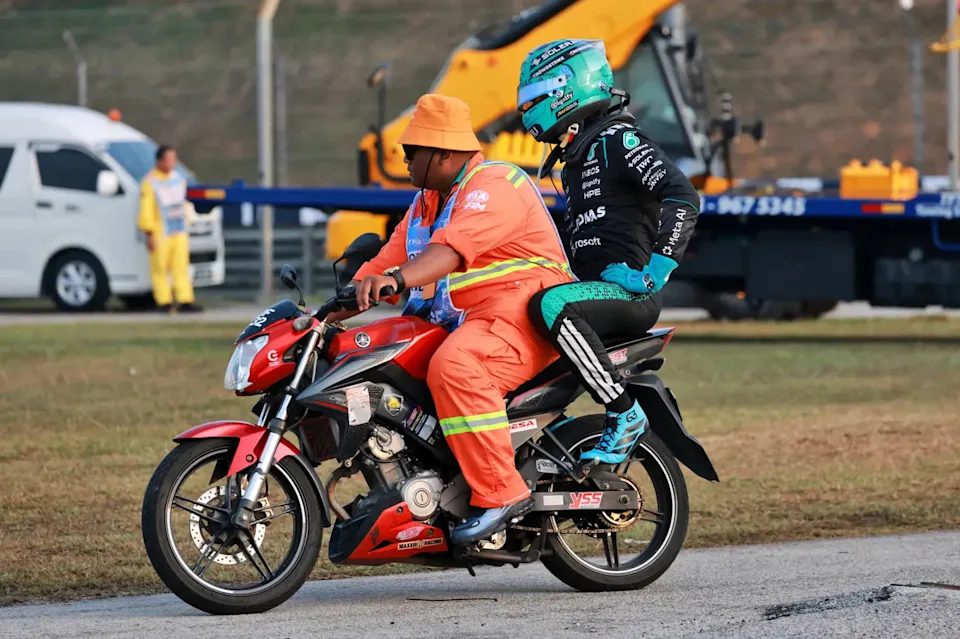
The team quickly confirmed it: a terminal driveshaft failure. The component gave way completely, immobilizing the car in clean air, with no contact, no driver error, and no warning beyond the vibration itself. The radio, which had carried twenty-one hours of calm, professional updates, fell silent. The driver eased the car onto the grass and crawled it back toward the pits, but by then there was nothing to be done — the damage was terminal, and the car had no way of continuing competitively.
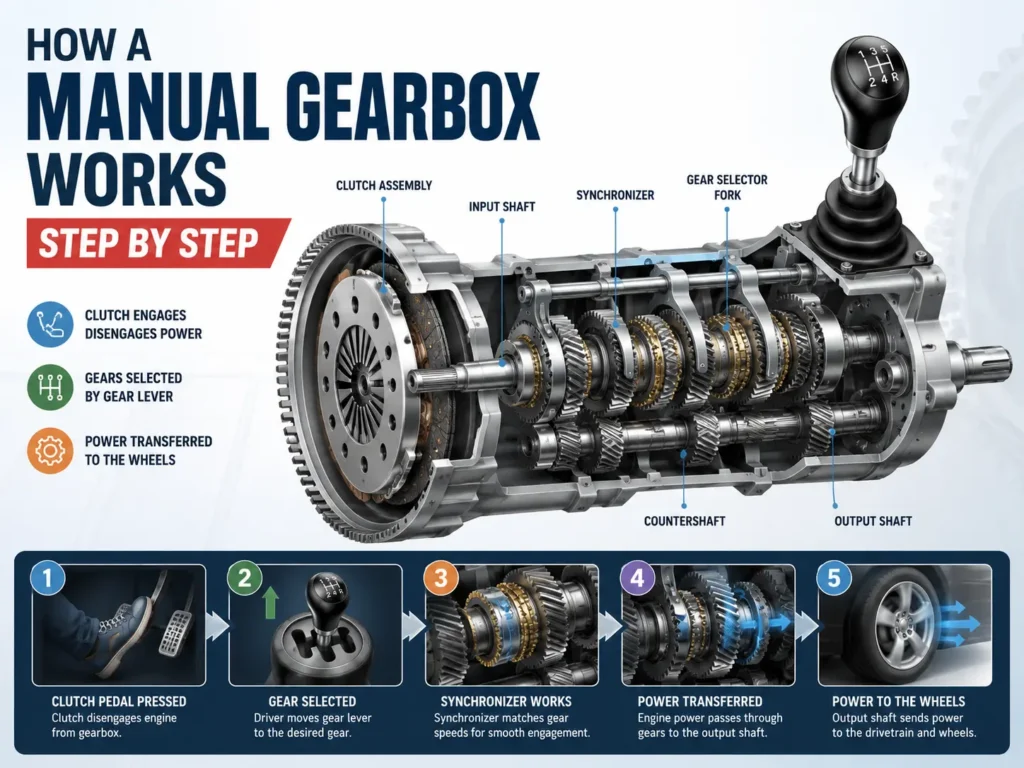
A driveshaft transmits power from the gearbox to the wheels. When it fails completely, the car loses drive to that wheel entirely — there’s no partial function to nurse home. Unlike a puncture or a brake issue, it isn’t something that can be managed by slowing down; the car simply stops being able to drive itself competitively, regardless of how it’s handled from the cockpit.
What made it so jarring was the contrast. One moment, the #3 Mercedes-AMG was cruising in clean air with a five-minute cushion, looking as composed as it had at any point in the previous twenty hours. The next, a single failed component had turned a calculated victory lap into a retirement. No amount of skill in the cockpit could change what had happened mechanically — the failure had already occurred before the driver even registered the vibration.
A Cruel Ending After Hours of Perfection
The #3 car limped through the final sectors in front of a sold-out crowd estimated at 200,000 spectators across the Nordschleife’s grandstands and viewing areas. For almost an entire day, the car had performed without a single significant issue — no major accidents, no punctures, no penalties, none of the usual attrition that thins out the field in this race. That run of clean reliability made the ending feel even more abrupt.
| Stage | Status | Result |
|---|---|---|
| Hours 1–21 | Leading | #3 Mercedes-AMG GT3 builds and extends the overall lead |
| Sunday afternoon | ~5 min lead | Lead over the field reaches roughly five minutes |
| <4 hours to go | Failure | Driveshaft fails; car loses drive in a high-speed section |
| Final hours | Retired | Sister Mercedes-AMG GT3 inherits and holds the lead to the finish |
The car’s retirement from the lead handed the position to the sister Mercedes-AMG GT3, which moved through to take over at the front. For the Verstappen Racing crew, the shift from quiet confidence to devastation happened almost instantly — there was no slow fade, no gradual loss of pace to process. One lap the car was leading comfortably; a few laps later, it was parked, and the race for victory was over for the #3 entry entirely.
Why the Nürburgring 24H Is So Brutal on Cars and Drivers
The Nürburgring Nordschleife has earned its reputation as the ultimate test of car and driver over a single lap. Over a 24-hour race, that reputation compounds. The track offers almost no forgiveness for a mechanical weakness, and the layout itself works against every component on the car in different ways throughout the lap.
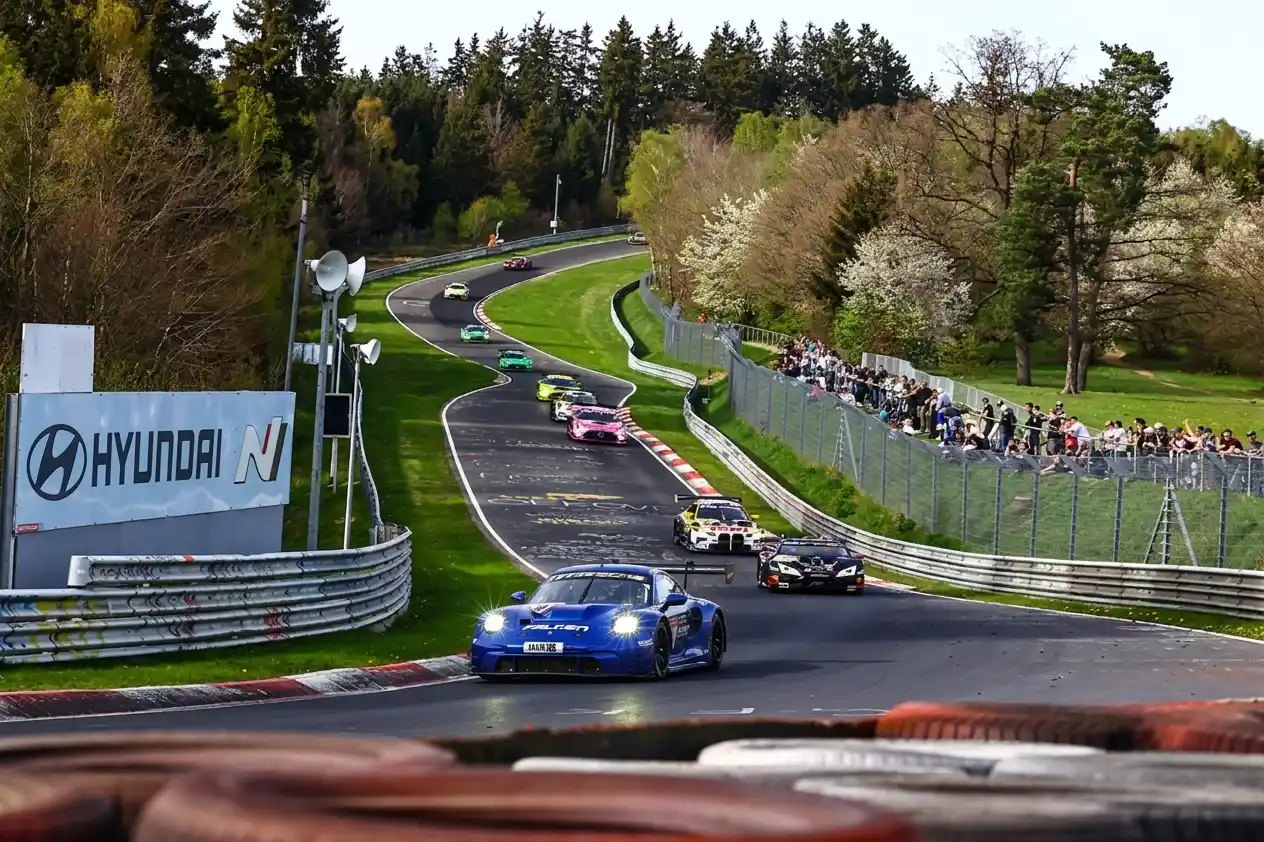
- Fuchsröhre: a high-speed dip that compresses the car violently at the bottom of the valley, loading suspension and drivetrain components repeatedly over every lap.
- Caracciola-Karussell: the banked, bumpy corner that shakes the entire chassis and everything bolted to it.
- Döttinger Höhe: a long, full-throttle straight that subjects engines, gearboxes, and driveshafts to prolonged top-speed strain.
Multiply each of those forces by the roughly 25 laps a competitive GT3 car will complete in 24 hours, and the cumulative load on components like driveshafts becomes enormous. A minor structural defect that would never surface in a sprint race has 24 hours and well over 150 km per lap of pounding to find its limit. The Nordschleife doesn’t need a car to make a mistake — it just needs one part to be marginally weaker than the rest, and it will find it.
The Nordschleife’s nickname comes from its combination of dense forest, blind crests, and a layout that offers drivers almost zero margin for error — a reputation that long predates this race and applies as much to reliability as it does to driving.
This is the context that makes the #3 car’s retirement so significant. It wasn’t a story about a driver pushing too hard, or a strategic miscalculation, or a moment of bad luck in traffic. It was a story about the single most demanding endurance circuit in the world finding the one weak point in an otherwise faultless run — and that’s precisely the kind of outcome the Nürburgring 24 Hours has produced again and again over its history.
Verstappen’s Reaction After the Loss
Following the official retirement, Verstappen’s frustration was visible but controlled. He had spent months preparing for the race, including extensive simulator work aimed at mastering the unique challenges of GT3 traffic on a circuit very different from anything he drives in Formula 1. Watching that preparation translate into a near-certain win, only to see it dissolve in the closing hours, was clearly difficult to process in the moment.
When he spoke to media afterward, Verstappen remained composed. He praised the performance of his three co-drivers — Juncadella, Gounon, and Auer — and acknowledged the unpredictable nature of the circuit itself. The result didn’t diminish the respect the team had earned from hardened endurance racing veterans over the course of the weekend; if anything, the manner of the loss highlighted just how dominant the run had been before the failure struck.
For a four-time Formula 1 world champion making his Nürburgring 24 Hours debut, leading for 21 hours and building a five-minute lead is itself a remarkable result — regardless of how the race ultimately ended. The mechanical failure doesn’t change what the run demonstrated about Verstappen’s adaptability to GT3 endurance racing.
Every driver with a long career in motorsport eventually collects a result like this one — a race where everything went right except the one thing that mattered most. For Verstappen, this Nürburgring 24 Hours becomes that race: a dominant, near-flawless run that the result sheet will record as a retirement, and a performance that those who watched it will remember for very different reasons.
Frequently Asked Questions
One last thought on this result
Endurance racing has a way of stripping a result down to its simplest truth: survival is the first requirement, and speed only matters if the car is still running at the flag. The #3 Mercedes-AMG GT3 had every other box ticked — pace, strategy, driver execution across four different drivers and every condition the Nordschleife could produce over a day and a night. None of that was enough once a single component reached its limit.
For Verstappen, the takeaway isn’t really about what went wrong. It’s about what the run proved was possible — a Formula 1 champion, on his Nürburgring 24 Hours debut, leading one of the most demanding endurance races in the world for 21 hours straight. The result sheet says retirement. Everyone who watched it knows it was something closer to a win that the Nordschleife simply didn’t allow to happen.