NASCAR’s Mexico City Race Marks
Historic International Expansion
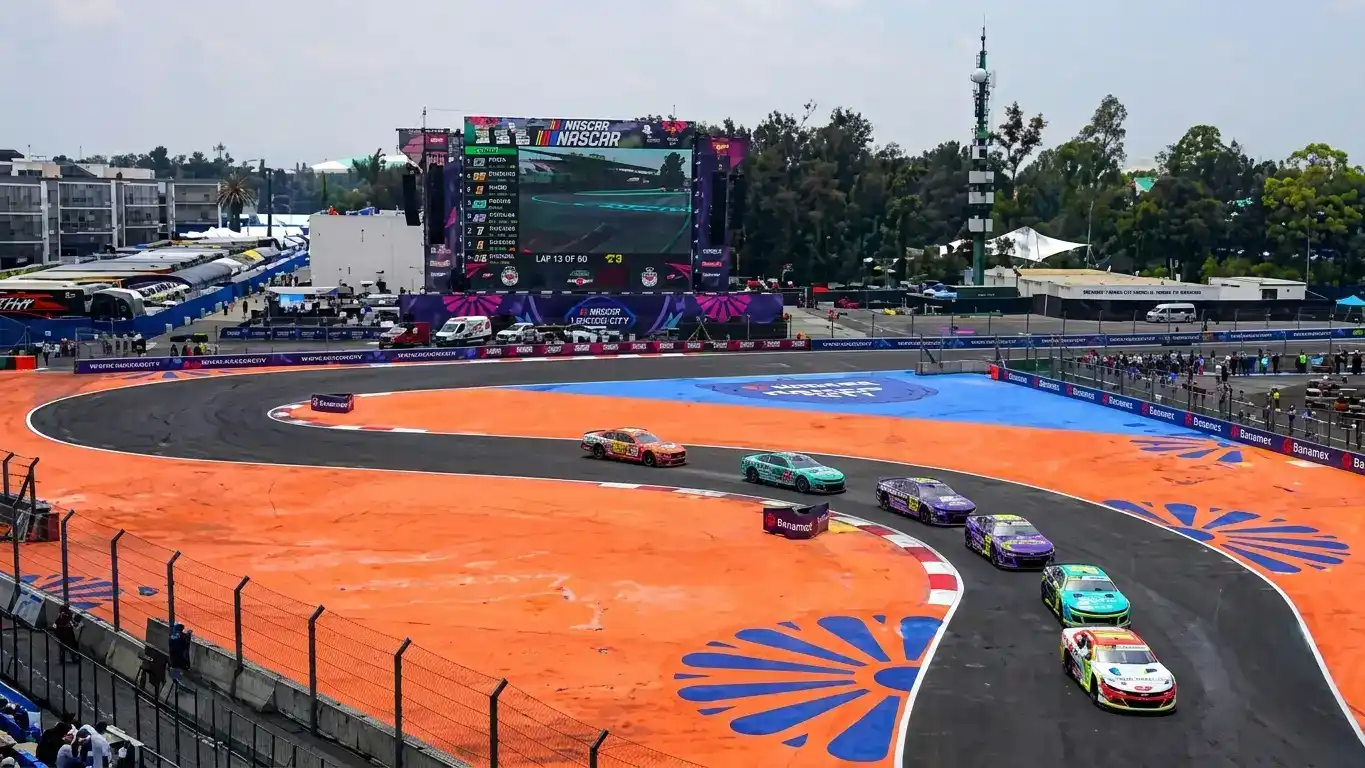
The NASCAR Cup Series contested its first modern-era points race outside the United States at the Autódromo Hermanos Rodríguez — a milestone that signals a clear shift in the sport’s global ambitions.
NASCAR’s Mexico City Race
Marks Historic Expansion
The Cup Series contested its first modern-era international points race at the Autódromo Hermanos Rodríguez.
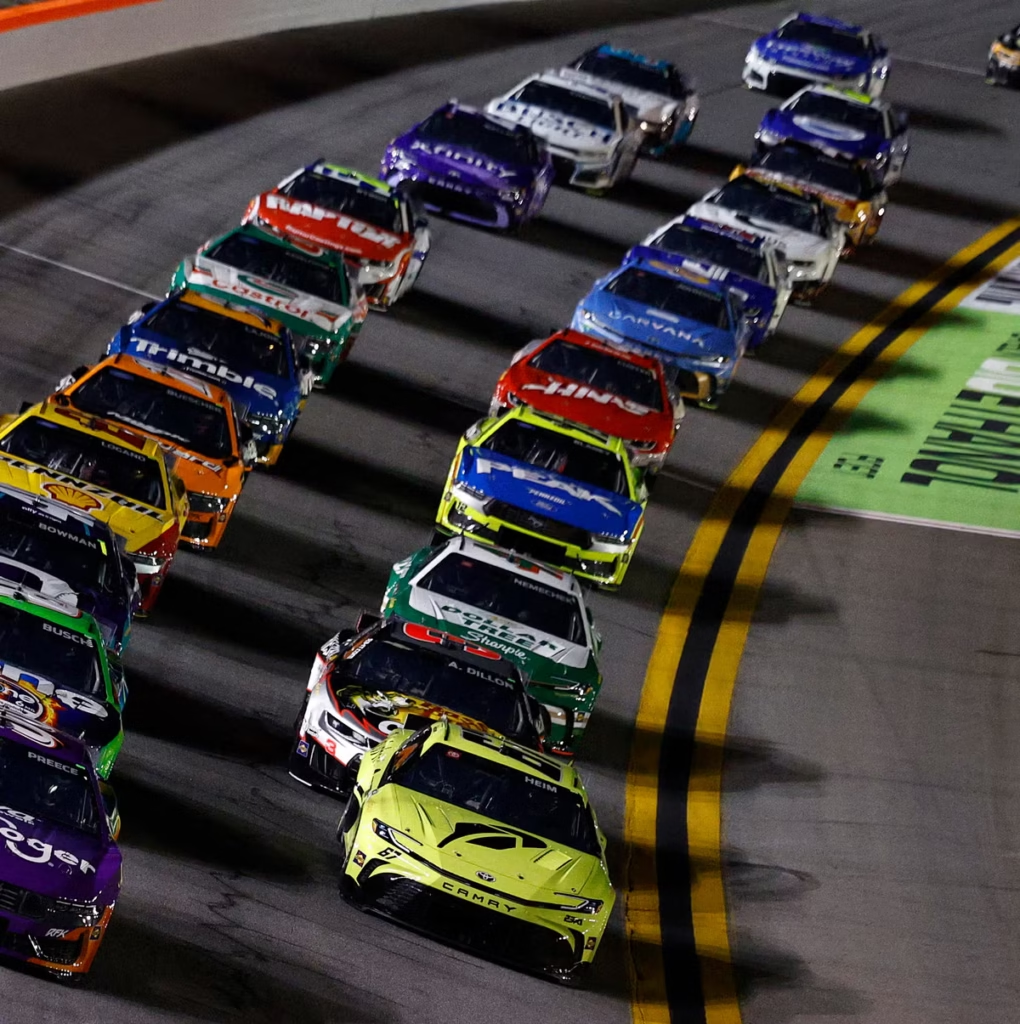
The NASCAR Cup Series made history in Mexico City — staging its first modern-era full points race outside American borders at the Autódromo Hermanos Rodríguez in June 2026. Moreover, an estimated 90,000 fans packed the storied venue, making it one of the best-attended NASCAR events in recent years by raw headcount.
Furthermore, this was not a novelty exhibition or a non-points showcase. It counted fully toward the Cup Series championship standings. Consequently, every team entered this weekend with the same competitive intensity they bring to Daytona or Talladega. The sport has crossed a line it has been approaching for years — and the Mexico City event may prove to be the most significant calendar addition since NASCAR first raced on the streets of Chicago.
The Story at a Glance
NASCAR’s Mexico City race in 2026 is not simply another round on a busy calendar. It represents the first time since the early 1990s — when NASCAR held non-points international events in Japan and Australia — that the premier stock car series has committed to a full international championship round. This time, however, the stakes are entirely real. Championship points, playoff implications, and manufacturer performance data all rode on what happened at the Autódromo Hermanos Rodríguez.
Therefore, the significance is threefold. First, it validates NASCAR’s stated global expansion strategy after years of quiet conversations with international promoters. Second, it puts stock car racing in front of a passionate Mexican motorsport audience that has historically followed Formula 1 — the country has hosted F1 Grands Prix at this same circuit since 2015. Third, it creates a commercial template. If Mexico City succeeds, the door opens to further international dates in Europe and South America.
What Happened — The Full Picture
NASCAR announced the Mexico City date in late 2025, confirming it as a full points round for the 2026 Cup Series season. The decision came after three years of negotiations with the Autódromo Hermanos Rodríguez’s operating company and the Mexican government — the latter reportedly offered significant logistical support and infrastructure investment to make the event viable.
However, the technical challenges were genuine. Adapting Next Gen stock cars to a 2,240-metre altitude required engine tuning adjustments that teams had never previously needed to address for a points race. Moreover, the 4.304 km road course layout at the Autódromo — familiar to Formula 1 engineers but entirely new territory for NASCAR teams — meant setup data from previous events offered almost no transferable reference. Consequently, the practice sessions were as intense as any team can remember for a road course event.
The Race Itself
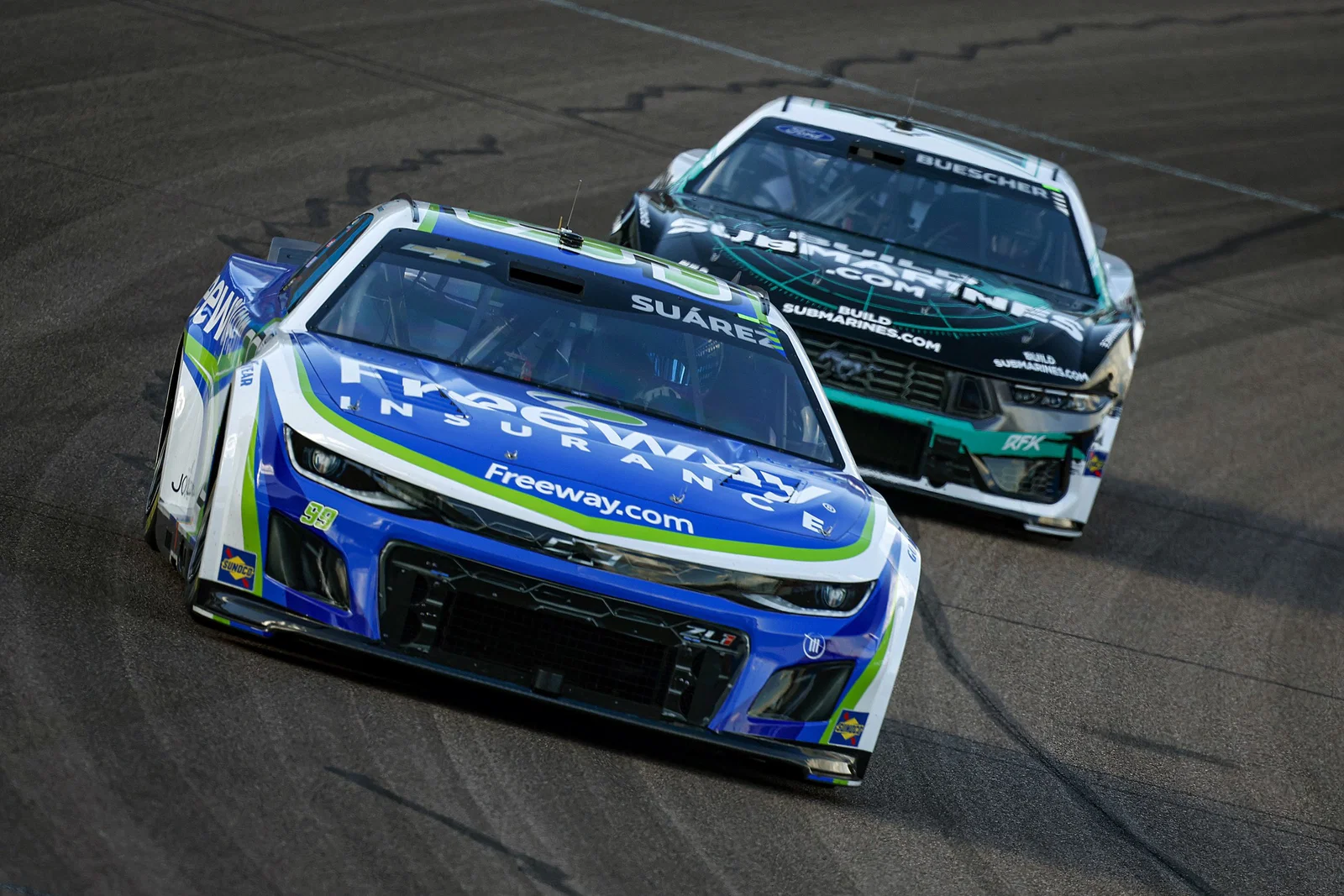
The race delivered exactly what a debut international event needed to — close competition, genuine strategy battles, and a result that sent a clear message to the paddock. The thin air at altitude affected fuel consumption and tyre degradation differently from any oval or road course the teams had previously managed, forcing live strategy adjustments throughout the event.
Pit stop sequencing became the defining tactical battleground. Teams that committed to a two-stop strategy early found themselves with degraded tyres in the final segment, while several one-stop gamblers caught the field napping. Furthermore, the stadium section of the Autódromo — the venue’s signature indoor stretch where fans pack both sides of the barriers — generated an atmosphere that several drivers described as unlike anything they had previously experienced in a NASCAR race environment.
Venue: Autódromo Hermanos Rodríguez, Mexico City · Circuit Length: 4.304 km · Altitude: 2,240 m · Attendance: ~90,000 · Championship Status: Full points round · Series: NASCAR Cup Series 2026
How the Championship Picture Changed
Because the race carried full points — including bonus points for stage wins and leading laps — the Mexico City result shifted the playoff standings meaningfully. Teams that had managed conservative strategies at previous road courses came into the Autódromo weekend with specific playoff bubble anxiety. As a result, the aggression levels on track were calibrated differently from a typical mid-season road course round.
In addition, several drivers who had struggled at the Chicago Street Course in previous seasons found the Autódromo’s smoother surface and more defined braking zones easier to adapt to. This created a slightly different hierarchy than the road course specialists had anticipated — another reminder that in NASCAR, circuit character matters as much as driver discipline.
The Autódromo Hermanos Rodríguez — A Legendary Venue
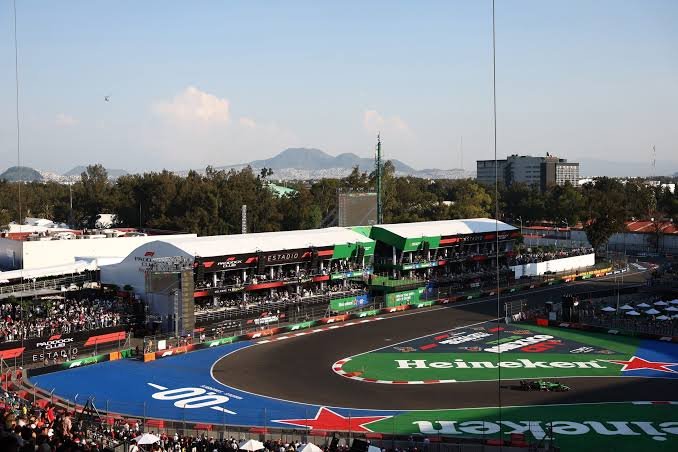
The Autódromo Hermanos Rodríguez is named after brothers Ricardo and Pedro Rodríguez — two of Mexico’s most celebrated racing drivers of the 1960s. The circuit opened in 1959 and hosted Formula 1 Grands Prix from 1963 through 1992, before a lengthy absence and major renovation that returned it to the F1 calendar from 2015 through 2023. Therefore, it arrived at the 2026 NASCAR event with more motorsport heritage than almost any other venue the Cup Series has visited.
Circuit Characteristics That Matter for NASCAR
- Altitude: At 2,240 metres above sea level, Mexico City is the highest-altitude circuit on the NASCAR calendar by a significant margin. Engine air density is reduced by roughly 25% compared to sea-level venues — teams must recalibrate fuel maps and manage thermal loads differently.
- Stadium Section: The renowned indoor stadium stretch passes through the Foro Sol baseball stadium, creating a tunnel-like environment with massive crowd noise. No other circuit on any major racing calendar offers this feature.
- Peraltada Corner: The long, sweeping final corner — a near-180° arc — is one of the most demanding in world motorsport. Formula 1 drivers historically described it as among the bravest corners on the calendar. NASCAR stock cars tackle it at different speeds but with significantly more mechanical grip from their tyres.
- Smooth Asphalt: The resurfaced Autódromo provides unusually clean traction compared to older American road circuits — a factor that shaped tyre strategy throughout the race.
Length: 4.304 km (2.674 miles) · Corners: 17 · Longest Straight: 1.1 km (Recta del Río) · Altitude: 2,240 m above sea level · Lap Record (F1): 1:17.774 — Valtteri Bottas, 2021 · Surface: Resurfaced asphalt · Capacity: 90,000+ (stadium sections)
What They Said — Paddock Reaction
Reaction from within the NASCAR paddock was overwhelmingly positive — though several team personnel were candid about the technical difficulties the event presented. Furthermore, the atmosphere in Mexico City generated a level of genuine enthusiasm that several veterans of the sport described as unexpected in its intensity.
“The crowd noise coming through that stadium section — I’ve never heard anything like it in a stock car. That’s what international racing looks like when you get it right.”
NASCAR president Steve Phelps set the broader context in his pre-race remarks to international media. “Mexico City is the first chapter,” Phelps said from the Autódromo paddock on the morning of race day. “We have more than 40 million NASCAR fans in Mexico. Bringing the Cup Series here isn’t a experiment — it’s what our fans have deserved for a long time.”
“The altitude made everything harder — the car felt different, the braking was different, the strategy was different. That’s exactly why this race matters. It tested everyone in a way that no American track can.”
Moreover, team principals were measured but broadly positive when discussing the logistical complexity of the event. “Getting the cars here, getting the equipment ready, dealing with the altitude tuning — it was the most demanding preparation we’ve done for a single race in years,” said one senior crew chief on background. “But the outcome was worth it. This is what the sport needs to be doing.”
Multiple crew chiefs, speaking on background after the event, flagged altitude-related engine management as the primary technical learning from the weekend. Specifically, the reduced air density affected turbo response timing in ways that pre-event simulation had not fully predicted. Consequently, several teams plan to share data through the NASCAR technical working group ahead of any future Mexico City date — a sign that the paddock views this as a recurring event rather than a one-off.
What Happens Next — NASCAR’s International Road Map
The Mexico City race was designed from the start as a proof of concept. Moreover, NASCAR has been transparent that the outcome — commercially, operationally, and in terms of fan reception — would directly inform decisions about international expansion beyond 2026. Based on the first event’s success on all three measures, the direction of travel is clear.
Confirmed & Reported International Conversations
In a statement released after the Mexico City race, NASCAR confirmed: “We are actively evaluating additional international opportunities for the 2027 season and beyond. Mexico City demonstrated that our sport translates powerfully to global audiences when given the right venue and platform. We will have more to announce in the coming months.” The statement stopped short of confirming specific locations but was notably more assertive than previous communications on the topic.
In addition, the Mexico City event drew television audiences in markets where NASCAR has historically had minimal penetration. Ratings in Mexico itself significantly exceeded projections. Furthermore, the digital and streaming numbers across Latin America suggested an audience that had been waiting for exactly this kind of local-adjacent racing event. As a result, the commercial case for returning to Mexico City in 2027 is already being built from strong data rather than optimistic projection.
Frequently Asked Questions
Primary Sources & References
- NASCAR.com — Official Series Results, Schedule & Standings
- Autódromo Hermanos Rodríguez — Official Circuit Website
- Motorsport.com — NASCAR Cup Series News & Analysis
- The Race — NASCAR International Expansion Reporting
- Racer Magazine — NASCAR Cup Series In-Depth Coverage
- Jayski — NASCAR News Aggregator & Schedule Data
- Sporting News — NASCAR Race Results & Standings
- Sports Illustrated — NASCAR Cup Series Analysis
A note on this story
NASCAR’s Mexico City race is a developing story with multiple threads — championship implications, international expansion plans, and the operational learnings from a genuinely unprecedented event — all evolving simultaneously. This article covers the confirmed facts from the weekend and the verified statements made by NASCAR officials and drivers in public settings.
As NASCAR makes further announcements about the 2027 international calendar, this article will be updated with confirmed dates, venues, and official commentary. For live race updates and breaking NASCAR news, follow worldofspeed.org/nascar.