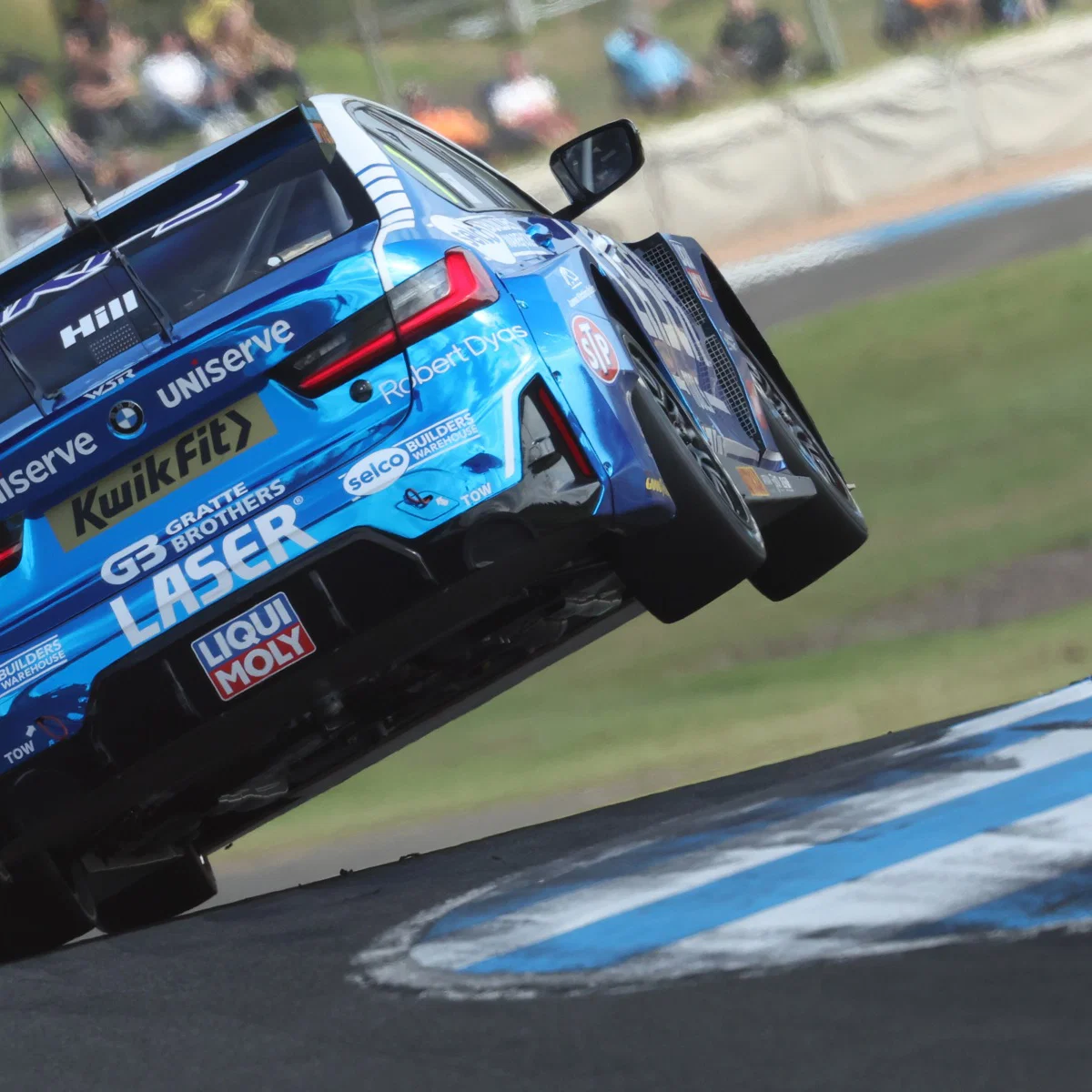
Knockhill BTCC 2026 Strategy Analysis: Turbo Boost, Tyres & Track Position
Knockhill turns the BTCC rulebook into a tactical puzzle. The circuit’s short lap, B-Circuit Turbo Boost allocation, Goodyear tyre rules and new Saturday Qualifying Race mean drivers can lose a weekend before Sunday’s first green flag if they spend performance in the wrong places.
At Knockhill, strategy begins with one uncomfortable fact: the lap is so short that every tool has to be used with purpose. A wasted Turbo Boost deployment, a poor tyre decision or one grid position lost in qualifying can follow a driver through all three Sunday races.
The 2026 regulations make that even more important. Knockhill is classified as a B Circuit for TOCA Turbo Boost, so the allocation is different from most venues. Championship position shapes Saturday’s boost allowance, and race position then shapes the Sunday race allocation.
Meanwhile, the new Saturday Qualifying Race now sets the grid for Race 1 and awards drivers’ points. That means qualifying, boost management and track position are no longer separate subjects. They are one continuous strategy.
What Is the Best Strategy for BTCC at Knockhill?
The best strategy is to protect track position first, then use Turbo Boost only where it can change a position or defend one. A front-row start reduces the need to burn boost in traffic. Tyre choices should then be planned around the race where a driver is most exposed to overtaking or must attack. The Saturday Qualifying Race is crucial because its finishing order sets Sunday’s Race 1 grid.
Knockhill rewards efficiency rather than raw aggression. A driver who spends every available boost deployment immediately may gain one place, but later become vulnerable at the Hairpin. Likewise, a driver who saves everything can finish with unused performance that never helped.
The correct approach is to identify the laps where the car is close enough to attack. On other laps, the driver should use slipstream, braking and positioning rather than the button.
The same principle applies to tyres. The faster compound has value only when the driver has enough clear track to use it. A soft tyre trapped behind a slower car can waste its best phase.
For the basics, see our car racing guide, grip explainer and handling guide.
How TOCA Turbo Boost Works at Knockhill in 2026
Knockhill is one of three B Circuits in the 2026 BTCC rules, alongside Brands Hatch Indy and Silverstone. The higher a driver sits in the relevant championship or race order, the less TTB they receive and the higher the minimum speed required before activation. Drivers from eighth place onward receive the largest listed allocation.
TOCA Turbo Boost is a push-to-pass style system. It is separate from the championship’s base engine boost limits. The extra performance is managed by the common Cosworth electronics package.
This distinction matters because 2026 also introduced Closed Loop Boost Scrutineering. CLBS monitors whether the engine exceeds its permitted base boost level. TTB, by contrast, is the regulated extra boost available to the driver for competition.
BTCC’s official 2026 guidance says CLBS enforces legal engine boost in real time. TOCA Turbo Boost is a separate system that deliberately provides extra power for overtaking and competition. A driver can use TTB legally and still need to keep the base engine within the CLBS limit.
2026 Knockhill Turbo Boost allocation
| Position | Minimum activation speed | Qualifying boost seconds per lap | Qualifying Race boost laps | Knockhill Sunday boost laps |
|---|---|---|---|---|
| 1st | 140 km/h | 1 sec | 1 | 4 |
| 2nd | 135 km/h | 3 sec | 2 | 5 |
| 3rd | 130 km/h | 5 sec | 3 | 6 |
| 4th | 125 km/h | 7 sec | 4 | 7 |
| 5th | 120 km/h | 9 sec | 5 | 8 |
| 6th | 115 km/h | 11 sec | 6 | 10 |
| 7th | 110 km/h | 15 sec | 8 | 12 |
| 8th+ | 105 km/h | 20 sec | 10 | 14 |
The gap between first and eighth is enormous in strategic terms. On a 24-lap race at Knockhill, the leader in the relevant allocation bracket can have boost available on only four laps, while the eighth-place category has 14.
That is more than three times as many boosted laps. Therefore, a championship leader may have the best car and still face repeated attacks from drivers with much more deployment available.
Why the minimum speed matters at Knockhill
A higher minimum speed means the boost cannot be activated as early in the acceleration phase. At Knockhill, that can matter on the run out of slower corners.
The driver with a lower activation threshold can access the extra power sooner. That makes a larger difference when the car is accelerating uphill or out of a low-speed corner than it would on a long straight where both cars are already well above the threshold.
This is one reason the eighth-place bracket can be particularly dangerous. It combines more boost laps with a lower minimum speed.
Five-second gap between deployments
The 2026 rules also increase the minimum time between deployments to five seconds. That prevents a driver from effectively carrying one deployment through the end of a lap and immediately activating again into the next.
At a short circuit, that matters. Knockhill’s lap is around 50 seconds for a competitive BTCC car, so five seconds is a meaningful chunk of the lap.
For the basic powertrain context, see our turbo vs naturally aspirated engine guide and horsepower explainer.
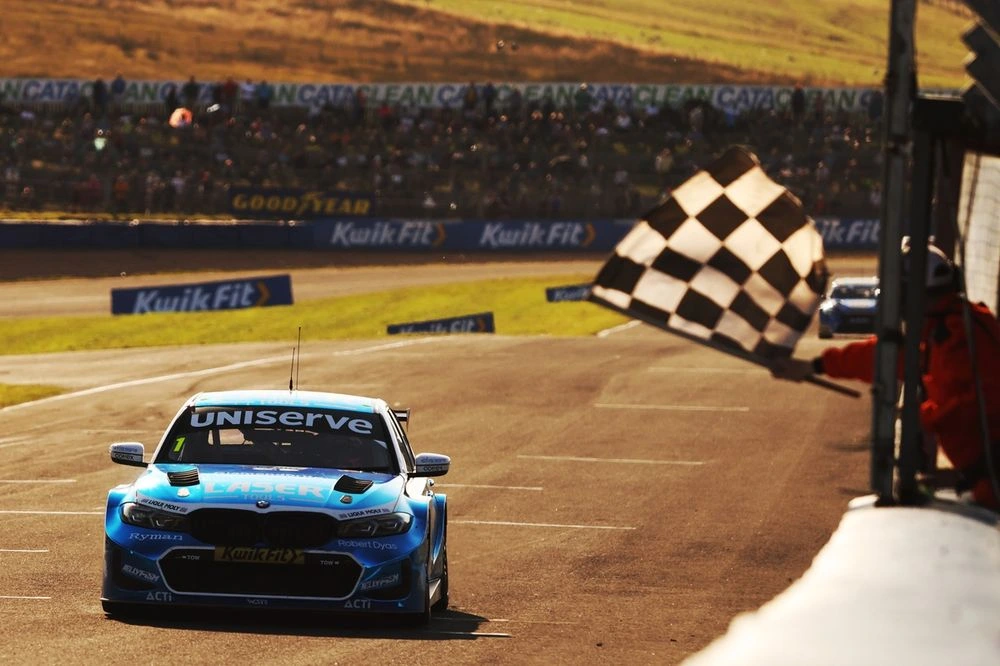
When Should a Driver Use Turbo Boost at Knockhill?
The simple answer is not “on every straight.” The best TTB lap is one where the driver is close enough to complete an attack or under enough pressure to prevent a pass.
Best attacking use: exit before a major braking zone
The ideal attacking deployment begins when the car is close to the one ahead and can carry the speed advantage into a braking opportunity.
At Knockhill, the Hairpin is the clearest overtaking zone. Therefore, boost should help the driver arrive there close enough to force the defender to cover the inside.
That does not always mean the pass happens immediately. A driver can use boost to make the car ahead defend, compromise its line, and then attack on the next sequence.
Best defensive use: break the tow
Defending is not simply about covering the inside line. If a driver can use TTB to create a small gap before the next braking zone, the car behind may never get close enough to attempt a move.
This is especially valuable when the defender has fewer boost laps. Spending one at the right moment can be better than spending two later while already under attack.
Our slipstream explainer shows why even a small speed difference can change the braking contest.
Do not waste boost in traffic
A driver trapped behind two cars may activate boost and still have nowhere to go. The extra acceleration then becomes wasted energy rather than position gain.
That is why track position and boost strategy are inseparable. The cleaner the air in front, the easier it is to convert extra power into lap time.
Knockhill BTCC 2026 Tyre Strategy
The 2026 BTCC rules confirm Goodyear’s standard-and-option strategy remains at most events, while the Option tyre is not permitted in the Saturday Qualifying Race. The exact Knockhill 2026 compound nomination should be taken from the official event tyre bulletin. In the most recent Knockhill event, 2025, Goodyear nominated soft and medium slicks, with the soft acting as the quicker race tyre and the medium creating a strategic contrast.
It is important not to turn last year’s allocation into a false 2026 fact. The official 2026 regulations define how the tyre system works, but compound nominations can be event-specific.
What is already certain is that Knockhill puts unusual loads into the tyre. Goodyear’s own event analysis describes the circuit as “acrobatic” because of high kerb usage and dramatic elevation changes.
Why the soft tyre can be so powerful here
A softer compound reaches grip quickly. At Knockhill, that helps on cold starts and restarts because the driver needs immediate traction through the first few corners.
It also helps a driver attack a slower car before the tyre advantage fades. That is exactly what happened in previous Knockhill races, where drivers on soft tyres moved through cars using the medium compound.
Why the medium can still be the right choice
The medium tyre is not simply “slower.” It can provide a more stable performance window over a full race.
A driver starting near the front may prefer consistency if passing opportunities are limited. The strategy is then to protect track position while rivals on a faster tyre use their peak grip trying to overtake.
However, 2025 provided a warning. Tom Ingram’s soft-shod Hyundai moved past front-row BMWs on the medium tyre and controlled Race 2. That result showed how quickly a compound difference can turn track position into vulnerability.
Top finishers face tyre constraints
The 2026 key rules state that the top finishers in Race 1 must use the hardest compound available to them in Race 2. That adds another layer.
A driver who wins Race 1 may start Race 2 with the best track position but a tyre disadvantage. Meanwhile, a rival from behind can have a more aggressive compound and more Turbo Boost.
That combination is exactly why a BTCC lead is difficult to defend. The rules deliberately give following cars tools to attack.
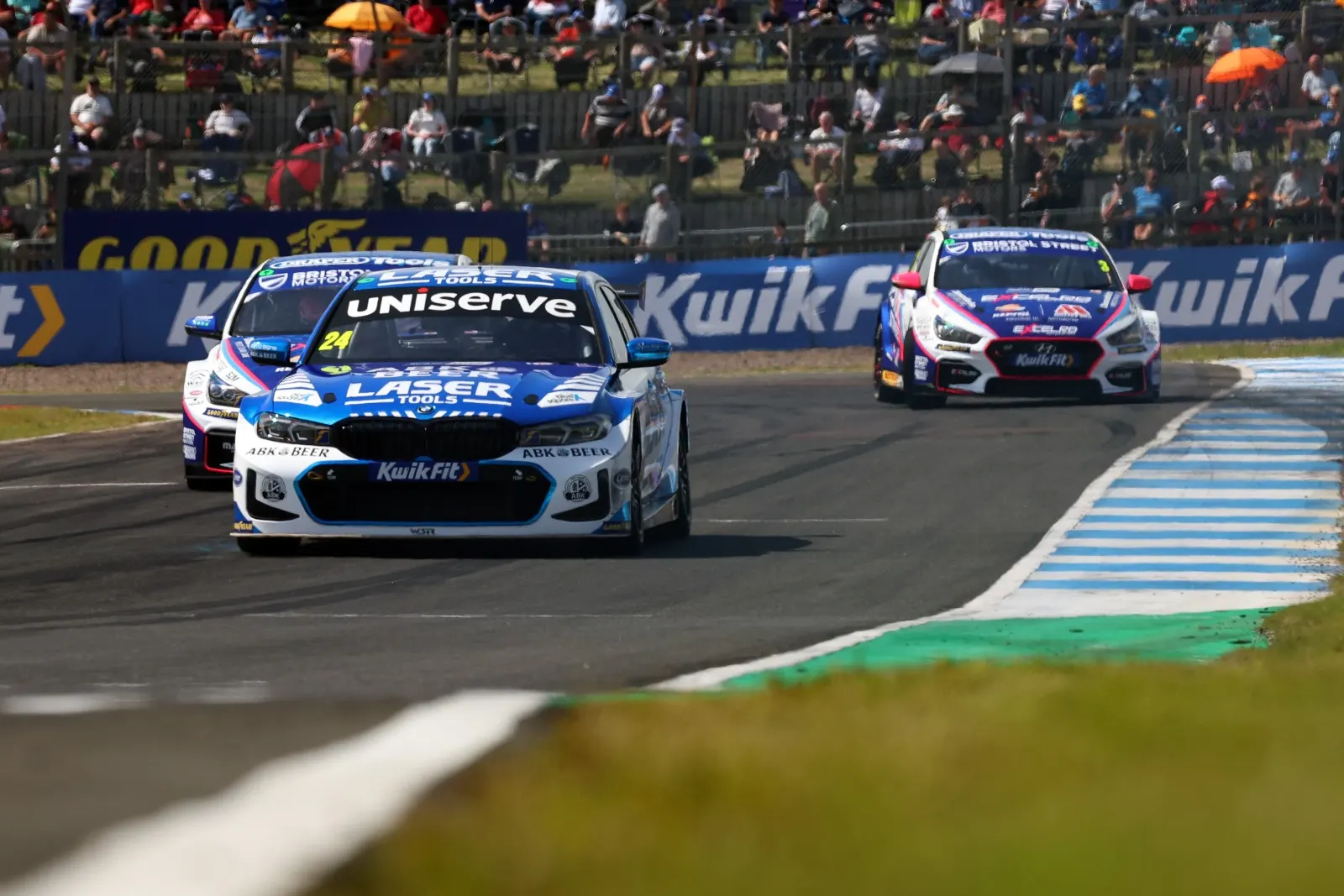
Why Track Position Matters More at Knockhill Than at Most BTCC Circuits
Knockhill’s lap is only 1.27 miles, and the most obvious passing opportunity is the Hairpin. A driver starting near the front avoids midfield contact, dirty air and the need to spend limited Turbo Boost laps recovering positions. That makes qualifying and the Saturday Qualifying Race unusually valuable.
On a longer circuit, a faster car can sometimes use several distinct braking zones to work past slower traffic. Knockhill gives the driver fewer obvious opportunities.
That does not mean overtaking is impossible. BTCC regularly produces side-by-side racing here. It means the cost of being out of position is higher.
Track position protects the tyre
A car running in clear air can use the ideal line and manage the front tyres more effectively.
A car in traffic has to brake off-line, run closer to the car ahead and repeatedly change direction to search for a move. That adds temperature to the tyres.
Therefore, a driver can have a nominally faster compound but still overheat it while trying to pass.
Track position protects boost allocation
A driver in second place may not need to use TTB if the leader is within reach through normal slipstream.
A driver in tenth may need several boosted laps simply to recover to seventh. The same number of deployments therefore has different value depending on where the car starts.
For race-order fundamentals, see our grid-position guide and pole-position explainer.
Midfield contact is the hidden strategic cost
The further back a title contender starts, the more cars they must survive before strategy can even matter.
One tap can bend steering, damage bodywork or puncture a tyre. That is why a championship leader with limited boost still values a clean top-six qualifying position.
Our crash analysis guide explains why crowded braking zones create these incidents.
How the 2026 Qualifying Race Changes Knockhill Strategy
The Saturday Qualifying Race is one of the biggest strategic changes in recent BTCC history. Its finishing order sets the grid for Sunday’s Race 1.
It also awards Drivers’ Championship points. Therefore, a poor Saturday can hurt twice: the driver loses points and starts Sunday’s opening race from a worse position.
Qualifying becomes a race-start problem
Traditional qualifying is about one clean lap. The 2026 format adds a second stage where the driver must convert grid speed into race position.
At Knockhill, the Qualifying Race is 17 laps. That is long enough for tyre temperatures and boost usage to matter, but short enough that there is little time to recover from an early mistake.
Option tyres are banned in the Qualifying Race
TOCA’s official rules state that the option tyre cannot be used. Only the event’s standard dry slick or wet tyre is permitted.
That removes one variable but increases the importance of boost and racecraft. Drivers cannot simply select a faster option compound to create the difference.
Championship position affects Saturday boost
The championship leader receives the smallest TTB allowance during Saturday qualifying and the Qualifying Race.
That is deliberate. It makes the title leader work harder for track position and gives lower-ranked drivers a better chance to move forward.
For a championship leader such as Sutton entering Knockhill, the key is minimizing loss rather than forcing every move. Finishing the Qualifying Race inside the first few rows can be strategically stronger than risking contact for one extra position.
Best Overtaking and Defensive Tactics at Knockhill
Duffus Dip: win the sequence, not the corner
Duffus Dip is more about placement than an obvious pass. A driver who forces the car ahead into a compromised line can create an opportunity later.
Because the track drops away, the car is light over the crest. An over-aggressive move can destabilize both cars and cost more than it gains.
The Chicane: pressure creates mistakes
The Blackcircles Chicane rewards confidence over the kerbs. A driver under pressure may take less kerb to protect the car.
The attacker can then carry more speed through the sequence and close the gap for the next braking zone.
The Hairpin: the primary passing point
The Hairpin is the clearest place to convert TTB into a position. The driver needs three things: proximity, a strong exit from the previous section and confidence under braking.
A late move without those ingredients often becomes contact. The better attack begins one or two corners earlier.
Defending the Hairpin
A defender can cover the inside, but doing so compromises exit speed. That can expose the car on the following straight.
Therefore, the smartest defense sometimes uses boost before the braking zone and keeps the normal racing line instead of parking the car on the inside.
Safety Car Strategy: Why Saving Boost Can Pay Off
The 2026 rules allow boost to be deployed on the first lap after the Safety Car. That creates a powerful restart opportunity.
A driver who has saved TTB can attack immediately while rivals are still bringing tyres back into the working window.
Why restarts matter at a short track
A Safety Car removes any gap built before the caution. At Knockhill, the field then restarts nose-to-tail on a short lap.
The leader must manage the restart point correctly. Drivers behind then need to decide whether to spend boost immediately or save it for the Hairpin.
Our Safety Car guide and flags guide cover the general procedure.
Tyre temperature is part of the restart
A Safety Car slows the field and can cool the tyres. A soft compound may return to grip more quickly, while a harder tyre can take longer.
This means the best restart car is not always the car with the most boost. It is the car that combines tyre temperature, traction and deployment timing.
Championship Strategy: Why the Leaders Face the Hardest Knockhill Weekend
The TTB system deliberately reduces the performance aid available to leading drivers. That makes championship management a central part of Knockhill strategy.
A driver leading the standings cannot approach Saturday like someone eighth or lower. They have less boost in qualifying, fewer boost laps in the Qualifying Race and then a restricted Race 1 allocation.
Ash Sutton: protect the floor
Sutton entered Knockhill as the championship leader. That means he faces the smallest boost allowance among the title contenders if the order remains unchanged entering the weekend.
His best strategy is therefore to minimize the number of places lost in qualifying. If he starts near the front, he can protect points without spending boost simply to recover.
Tom Ingram and Dan Cammish: attack the allocation gap
Drivers immediately behind the leader receive slightly more TTB. That is not enough to guarantee an overtake, but it can create one extra attacking opportunity.
The challenge is using it without destroying the tyres. A driver who repeatedly attacks in traffic can overheat the front axle and become slower later.
Drivers eighth and lower become dangerous spoilers
The full B-Circuit allocation gives them 14 boosted race laps and the lowest listed minimum activation speed.
That makes midfield drivers capable of attacking championship contenders even if their normal pace is slightly slower.
This is why the title leaders cannot treat every car behind as irrelevant. At Knockhill, a driver outside the title battle may have the biggest strategic weapon.
For season-long context, see our championship scoring guide.
What 2025 Knockhill Taught Us About 2026 Strategy
Last year’s results are not a prediction, but they provide useful evidence about how this circuit reacts to tyre and boost differences.
WSR locked out the top three in 2025 qualifying. Jake Hill then won twice. The BMW’s rear-wheel-drive traction was particularly effective out of Knockhill’s slower corners.
However, Tom Ingram’s Race 2 victory showed that tyre strategy could overpower starting position. Ingram ran the soft tyre and passed front-row BMWs using the medium compound.
The lesson is not “always choose soft.” The lesson is that a tyre advantage becomes most valuable when combined with enough track position to exploit it.
Ingram also said after the weekend that his team had nailed the tyre strategy. He noted that having two tyres they could genuinely race on made a major difference.
That remains the core Knockhill principle for 2026: the best strategy is the one that connects boost, tyre and track position rather than treating them as separate decisions.
My Ideal Knockhill Strategy by Starting Position
Starting P1–P3
Protect the inside line only when necessary. Save TTB for defending after restarts or against a faster tyre car. Do not overuse the front tyres early.
The biggest risk is turning a good grid position into unnecessary contact.
Starting P4–P8
This is the most flexible strategic zone. The driver is close enough to attack the leaders but may also have more boost than them.
Use the first few laps to identify which cars are on the weaker tyre strategy. Then spend boost where the compound difference can be converted into a pass.
Starting P9 or lower
The full TTB allocation becomes valuable, but patience matters. Burning boost through the midfield without clear overtaking opportunities wastes the advantage.
The correct plan is to pick off cars one at a time, protect the tyres and retain several deployments for the second half of the race.
Knockhill BTCC 2026 Strategy FAQs
Conclusion: At Knockhill, Strategy Is About Spending Performance at the Right Time
Knockhill is too short for lazy strategy. Every tenth matters, every grid position matters, and every TTB deployment has to earn something.
The 2026 rules make the circuit even more tactical because Knockhill is a B Circuit. The championship leaders receive the smallest boost allocation and the highest minimum activation speeds, while drivers from eighth onward receive 14 boosted race laps and the lowest threshold.
Tyres add another layer. The option tyre remains part of BTCC strategy at most events, but it cannot be used in the Saturday Qualifying Race. That forces teams to think about Sunday’s three rounds before they even know where Race 1 will begin.
Track position then ties everything together. A driver near the front can save boost, protect the tyres and control the line. A driver in the midfield may have more boost but spend it simply escaping traffic.
The Hairpin will remain the obvious passing point, but the winning move often begins earlier. A driver has to get the exit, use the tow, deploy TTB at the correct moment and still leave enough tyre to finish the race.
That is why the best Knockhill strategy is not “maximum attack.” It is controlled aggression. Use the performance when it can change the race, and save it when it cannot.
Sources
- BTCC — 2026 key rules and regulations, TTB allocation and tyre rules
- BTCC — 2026 Closed Loop Boost Scrutineering and overboost Q&A
- BTCC — 2026 Qualifying Race regulations
- BTCC — Knockhill circuit and 2026 timetable
- BTCC / Goodyear — 2025 Knockhill tyre strategy reference
- BTCC — 2025 Knockhill Race 2 tyre-strategy example