Biggest Formula 1 Rule Changes in History
From flat floors and turbo bans to hybrid power, Halo, cost control and active aero, the rulebook has repeatedly redrawn the world’s fastest racing cars.
The defining changes include new engine formulas, the 1983 ground-effect ban, the 1994 driver-aid ban, the 2009 aero reset, the 2014 hybrid era, Halo, the cost cap, the 2022 ground-effect return and the 2026 active-aero package.
Formula 1 never stands still because its rulebook never stands still.
Every generation begins with an idea of what the cars should be. Engineers then push that idea toward its absolute limit.
Eventually, speed, cost, safety or racing quality forces another rewrite. Therefore, regulation change is not a side story in F1.
It is the mechanism that shapes the entire championship. The biggest Formula 1 rule changes in history altered far more than bodywork.
Some changes replaced complete engine philosophies. Others removed technologies that had become too powerful or too expensive.
Several rules arrived after tragedy. Meanwhile, others aimed to improve overtaking, control spending or attract manufacturers.
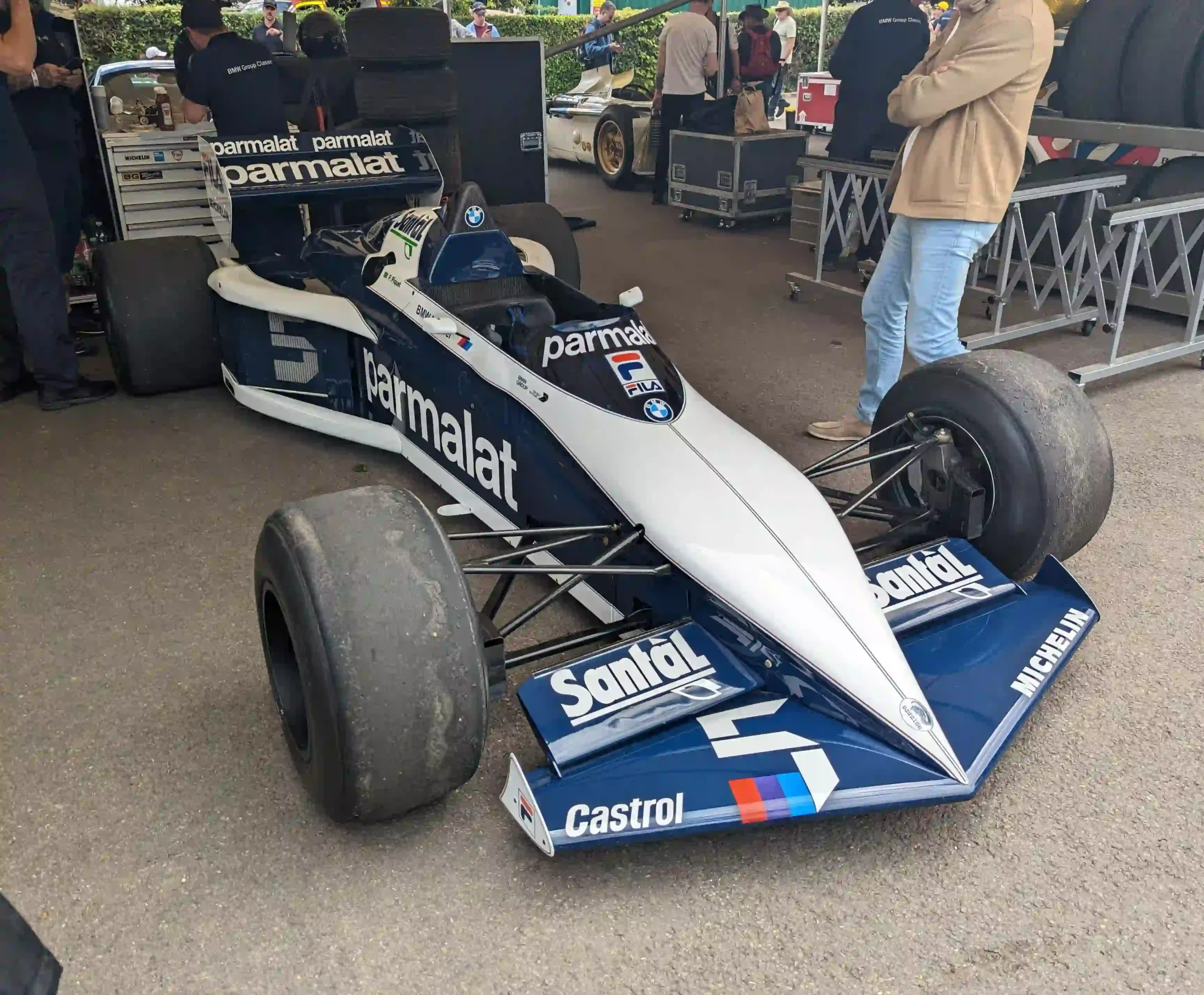
The 1983 flat-floor rule ended the first ground-effect age overnight. Brabham answered with the arrow-shaped BT52.
Six years later, turbo engines disappeared. Then the 1994 ban removed active suspension, traction control and anti-lock braking.
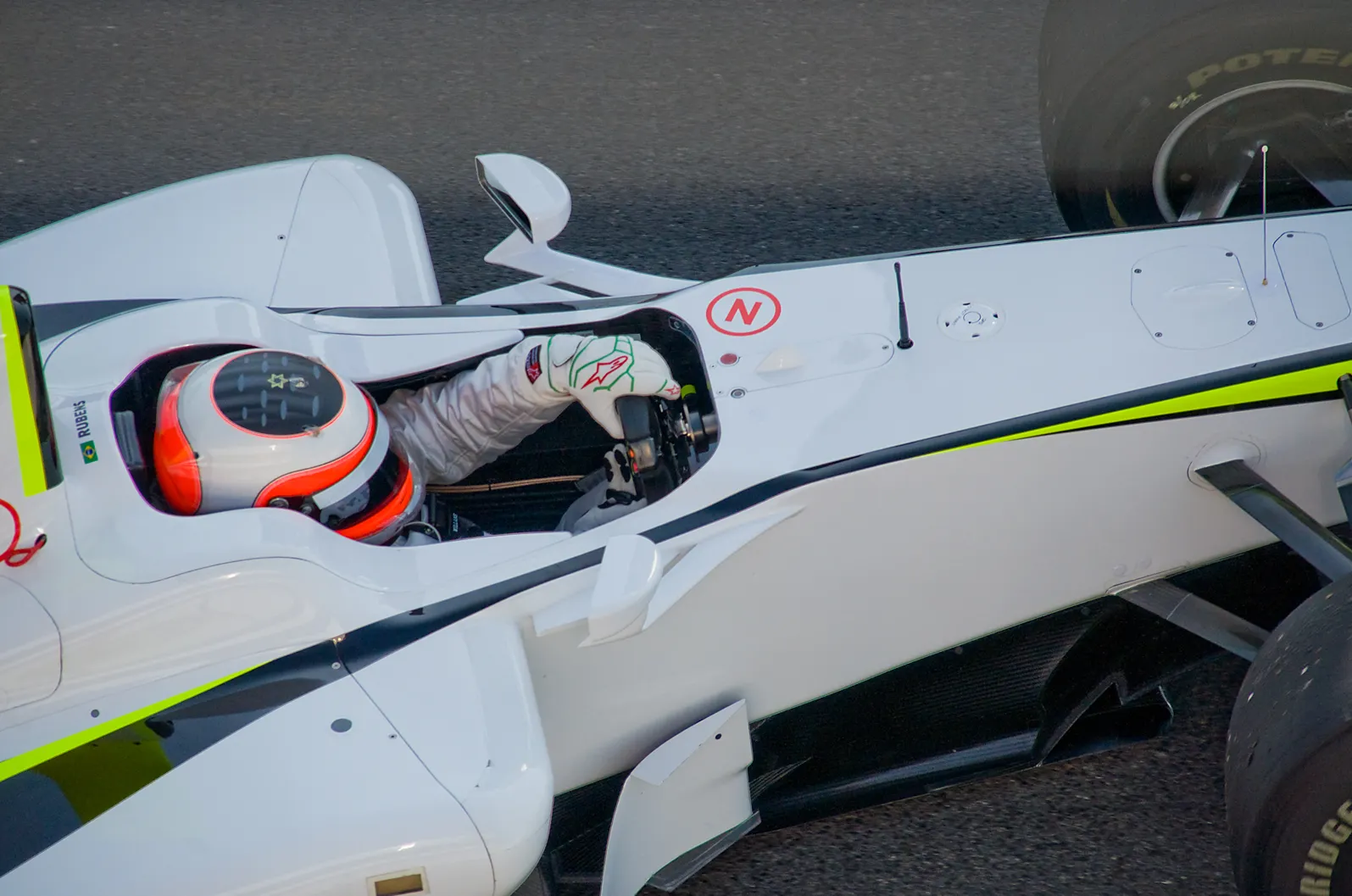
The 2009 reset changed wings, tires and energy recovery. Brawn GP found the famous double-diffuser opening and won both titles.
In 2014, F1 traded V8 engines for V6 turbo hybrids. The change made efficiency and energy recovery central performance factors.
Halo became mandatory in 2018. The cost cap followed in 2021, creating F1’s first enforceable financial rulebook.
Ground effect returned in 2022. For 2026, active front and rear wings arrived alongside fully sustainable fuel and stronger electrical power.
This guide ranks and explains the regulations that transformed car design, safety and race strategy. It also covers the experiments that failed.
The Direct Answer: The Biggest Rules Changed F1’s Core Performance Formula
There is no single answer. The 1983 floor rule transformed aerodynamics, 1994 changed electronics and safety, 2014 transformed power units, and 2021 changed how teams could spend.
The largest rule changes force every team to rethink the same basic question. Where will the next second of lap time come from?
A minor amendment closes one loophole. However, a major reset changes the route to performance for the entire grid.
The biggest Formula 1 rule changes in history share four features. They affect many car systems at once.
They also create a new competitive order. In addition, they produce new driving or strategic demands.
Finally, their effects last beyond one season. That is why the 1983, 1994, 2009, 2014, 2022 and 2026 changes matter so much.
Technical Rules
These define dimensions, materials, aerodynamics, engines, energy systems and safety structures.
Sporting Rules
These control race weekends, qualifying, points, penalties, starts, restarts and team operations.
Financial Rules
These limit selected spending and create reporting, audit and penalty systems.
The most important reset is not always the one with the largest visual change. The cost cap altered development behavior even though the cars looked similar.
Who Decides Formula 1 Rule Changes?
The FIA governs the championship and publishes the technical, sporting and financial regulations. F1, teams, manufacturers and working groups help develop proposals through the sport’s governance process.
Formula 1 rules do not come from one designer or one team. The FIA leads the regulatory process.
Technical working groups study safety, performance and feasibility. Meanwhile, the F1 Commission discusses major sporting and commercial effects.
The World Motor Sport Council approves major changes. Emergency safety action can move faster when a clear danger appears.
Technical directives also clarify how the FIA will interpret existing wording. Therefore, a directive can close a design route without rewriting every article.
Teams constantly test the boundary. That tension between invention and enforcement drives many of the biggest Formula 1 rule changes in history.
For a closer look at the governing body, read what the FIA does.
Formula 1 Rule Changes Timeline
| Year | Major Change | Why It Mattered |
|---|---|---|
| 1950 | 4.5-liter naturally aspirated or 1.5-liter supercharged formula | Established the first World Championship engine framework. |
| 1961 | 1.5-liter naturally aspirated maximum | Cut engine capacity and reduced power. |
| 1966 | 3.0-liter naturally aspirated formula | Restored major power and encouraged new engine layouts. |
| 1983 | Flat bottoms required | Ended skirt-sealed full ground effect. |
| 1989 | Turbo engines banned | Moved F1 to 3.5-liter naturally aspirated engines. |
| 1994 | Active suspension and driver aids banned | Returned more control to the driver and passive chassis. |
| 1998 | Cars narrowed and grooved tires introduced | Reduced mechanical grip and controlled speed. |
| 2005 | One tire set intended to last qualifying and race | Changed strategy and raised major safety debate. |
| 2009 | New wings, slick tires and KERS | Reset aerodynamics and introduced modern energy recovery. |
| 2010 | Race refueling banned | Forced cars to carry the full race fuel load. |
| 2011 | DRS introduced | Created a regulated overtaking aid. |
| 2014 | V6 turbo-hybrid power units | Made efficiency and electrical recovery central. |
| 2018 | Halo mandatory | Added frontal cockpit protection. |
| 2021 | Cost cap introduced | Created enforceable financial limits. |
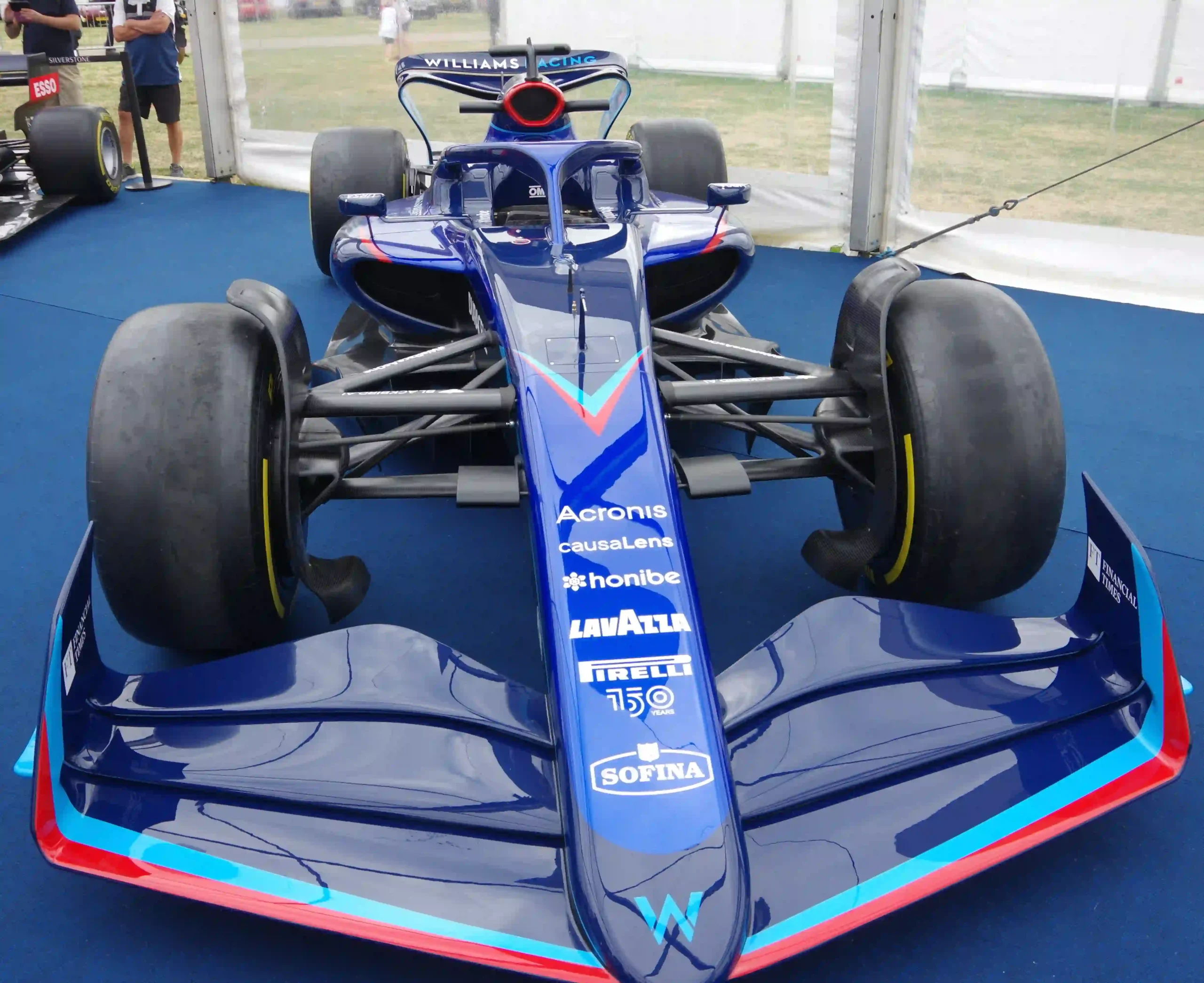
| 2022 | Ground-effect floors and 18-inch tires | Targeted closer racing and reduced wake sensitivity. |
| 2026 | Active aero and new power units | Combined smaller cars, sustainable fuel and greater electric power. |
1. Engine Formulas Defined Each Early Era
The first championship allowed 4.5-liter naturally aspirated or 1.5-liter supercharged engines. Later formulas moved through 2.5 liters, 1.5 liters and then 3.0 liters.
Early Formula 1 was organized around engine capacity. The formula told manufacturers what type of power unit could compete.
In 1950, teams could use a large naturally aspirated engine or a smaller supercharged unit. This produced very different design philosophies.
The 1954 Formula Reduced Capacity
The new rules allowed 2.5-liter naturally aspirated engines. A 750cc supercharged alternative also existed.
However, naturally aspirated designs became the practical route. Maserati, Mercedes and Ferrari built distinct solutions around the same limit.
The 1961 Formula Cut Power Sharply
F1 moved to 1.5-liter naturally aspirated engines. British teams strongly opposed the smaller formula.
Ferrari adapted quickly and dominated 1961 with the 156. Consequently, the rule change also shifted competitive power.
The 1966 Formula Doubled Capacity
The maximum rose to 3.0 liters for naturally aspirated engines. Teams could also use 1.5-liter supercharged power.
Many constructors were not ready. Therefore, the first seasons featured mixed and improvised engine packages.
Why Engine Formulas Matter
An engine rule changes weight, cooling, fuel use and chassis packaging. It also changes which manufacturers see value in joining.
That is why engine formulas belong among the biggest Formula 1 rule changes in history. Read more about basic layouts in how car engines work and turbo versus naturally aspirated engines.
2. Wing Rules Turned Aerodynamics Into F1’s Main Development War
Formula 1 cars began using wings in the late 1960s. Early designs often sat high above the chassis.
Some were mounted directly to suspension components. Failures then created serious danger.
High Movable Wings Were Restricted
The governing body acted after structural failures and crashes. Wings moved lower and became more tightly regulated.
That did not end aerodynamic development. Instead, it moved innovation toward bodywork, sidepods and the floor.
Movable Aero Became a Recurring Debate
For decades, rules generally demanded fixed aerodynamic devices. Teams still searched for flexible parts that changed shape under load.
The FIA introduced tests and stricter wording. Consequently, wing flexibility remains an enforcement battle.
Downforce Changed Every Other System
Higher downforce increased cornering speed and tire load. It also demanded stronger suspension and better brakes.
Aerodynamic regulation therefore became the central language of modern F1 design. See how downforce works.
3. The 1983 Ground-Effect Ban Rebuilt the Entire Car
Skirt-sealed ground-effect cars produced extreme cornering speeds and could lose downforce suddenly. The 1983 rules required flat bottoms between the axles.
Lotus introduced a successful ground-effect concept with the 78 in 1977. The Lotus 79 then demonstrated its full potential.
Venturi tunnels under the car accelerated air and lowered pressure. Sliding skirts helped seal the floor edges.
The Cars Became Extremely Fast in Corners
Rivals copied the idea. Suspension became very stiff because stable ride height was vital.
However, a skirt failure could remove downforce suddenly. Drivers also endured severe vertical loads.
The Flat-Floor Rule Arrived Late
For 1983, the FIA required a flat underside. Teams lost the deep tunnels that defined previous cars.
Brabham had to abandon its planned design. Gordon Murray produced the BT52 in a matter of weeks.
The Shape of F1 Changed Overnight
The BT52 used a narrow front and rearward weight distribution. Its BMW turbo engine became a major advantage.
Nelson Piquet won the championship. Therefore, one of the biggest Formula 1 rule changes in history created an immediate design classic.
Modern floor terminology is explained in the F1 diffuser guide.
4. The 1989 Turbo Ban Ended F1’s First Boosted Era
Turbo power had become extremely high and expensive. The FIA first restricted boost and fuel, then required naturally aspirated engines from 1989.
Renault introduced turbo power to Formula 1 in 1977. Reliability was poor at first.
However, the potential soon became clear. By the mid-1980s, every leading team used a turbo engine.
Qualifying Power Became Extraordinary
Special engines and high boost produced immense short-run output. Exact figures vary because teams guarded their data.
Nevertheless, power levels and development costs became difficult to control. The FIA responded with boost and fuel limits.
Natural Aspiration Returned in 1989
Turbo engines were then outlawed. The new maximum was 3.5 liters for naturally aspirated power.
Honda built a V10 for McLaren. Ferrari used a V12, while Ford supplied V8 engines.
The Ban Did Not End Innovation
Engine architecture became a competitive choice. Manufacturers searched for the best balance of power, weight and fuel use.
The V10 eventually became the dominant layout. For sound and layout context, see V6, V8, V10 and V12 engines compared.
5. The 1994 Driver-Aid Ban Changed the Car and the Driver’s Role
Active suspension, traction control, anti-lock braking and several other electronic driver aids were prohibited. Semi-automatic gearboxes remained legal.
The Williams FW15C represented the electronic peak of 1993. Active suspension held the car at an ideal aerodynamic attitude.
Traction control managed wheelspin. Anti-lock braking and other systems reduced the driver’s workload.
The FIA Wanted to Reduce Cost and Automation
Critics believed software had become too important. The governing body also faced difficulty policing increasingly complex electronics.
Therefore, major driver aids disappeared for 1994. Teams returned to passive suspension and less automated control.
Williams Lost Its Stable Aero Platform
The FW16 evolved from cars built around active ride control. Passive suspension exposed a much narrower aerodynamic window.
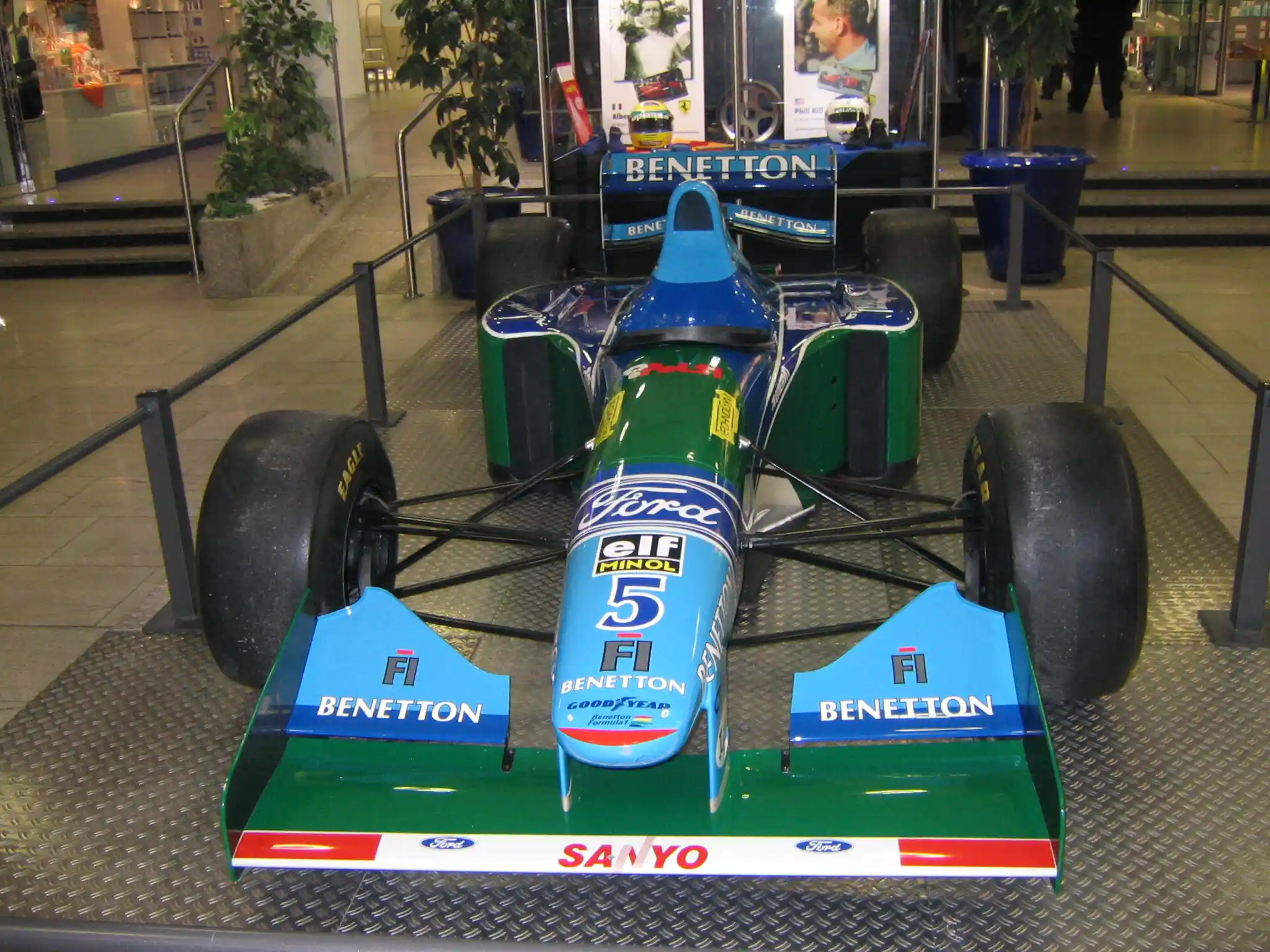
Meanwhile, Benetton adapted well. Michael Schumacher won the Drivers’ Championship after a turbulent season.
Refueling Returned at the Same Time
In-race refueling was allowed again. That changed fuel tank size, pit strategy and car weight.
As a result, 1994 combined technical simplification with a major strategic change. Few seasons began with a larger rule shock.
6. Imola 1994 Accelerated a New Safety Rulebook
The FIA accelerated circuit revisions, barrier testing, cockpit protection, crash standards, medical procedures and car-performance reductions after the 1994 San Marino Grand Prix.
Roland Ratzenberger and Ayrton Senna died during the 1994 San Marino Grand Prix weekend. Their deaths changed F1’s safety direction.
Immediate measures targeted circuits and car performance. Longer-term work created a much stronger safety system.
Circuit Risks Were Mapped and Reduced
The FIA identified high-risk corners and pushed modifications. Tire-barrier standards also became mandatory.
Pit-lane speed limits were tightened. Moreover, temporary changes reduced speed at several venues.
Cockpit Protection Improved
Higher cockpit sides and larger headrests arrived. Static load tests and stronger survival-cell standards followed.
Front, side and rear impact testing became more demanding. The carbon-fiber survival cell became the center of safety development.
Wheel Tethers and HANS Followed
Wheel tethers arrived in 1999. HANS became mandatory in Formula 1 for 2003.
Later rules added stronger side-impact structures, improved helmets and frontal cockpit protection. Read more about the HANS device and the F1 monocoque.
The Safety Rulebook Never Stopped Evolving
Modern F1 safety comes from many linked standards. No single device explains the survival improvements.
Therefore, the post-Imola program ranks among the biggest Formula 1 rule changes in history, even though it arrived in stages.
7. The 1998 Narrow-Car and Grooved-Tire Rules Reduced Grip
The FIA wanted to reduce cornering speed. Cars became narrower, while dry tires used grooves to lower the available contact area.
For 1998, car width fell from two meters to 1.8 meters. Grooved dry tires also replaced slicks.
The front tires initially used three grooves. Rear tires used four, and the front later gained a fourth groove.
The Rules Changed Mechanical Grip
Grooves reduced the continuous rubber area contacting the track. Drivers had less mechanical grip than a comparable slick could provide.
Meanwhile, narrower cars changed suspension and aerodynamic packaging. The whole platform required redesign.
Teams Recovered Performance Quickly
Engineers regained lost speed through aerodynamics, tires and chassis work. This is a recurring F1 pattern.
Rules can reduce performance briefly. However, development often restores it within a few seasons.
The Tire War Became a Development Battle
Bridgestone and Michelin later competed directly. Tire construction and compounds became championship-level performance factors.
That era ended when F1 moved toward a single supplier. The grooved tire itself disappeared after 2008.
8. The 2005 One-Tire Rule Showed the Risk of Forcing Durability
The rule aimed to reduce costs and slow cars by requiring one set to last qualifying and the race. Safety concerns and strategic problems led to a reversal for 2006.
In 2005, drivers generally had to complete qualifying and the race on one set of dry tires. Changes were allowed for damage or safety reasons.
The idea rewarded durability. It also discouraged short, aggressive tire stints.
The Rule Changed Driving Style
Drivers managed wear across an entire Grand Prix. Teams designed setups around long-life performance.
However, worn tires could create safety concerns. The tradeoff became harder to defend after failures.
Indianapolis Exposed a Larger Tire Problem
Michelin teams could not safely race at full speed through the banked final corner in 2005. Only six Bridgestone-equipped cars started.
The event involved construction and circuit-load issues, not simply the one-set rule. Nevertheless, it intensified pressure on tire regulation.
Tire Changes Returned in 2006
F1 restored normal race tire changes. Therefore, the one-set experiment lasted only one season.
It remains a warning. A cost or spectacle rule can create unintended safety consequences.
9. The 2009 Reset Changed Wings, Tires and Energy Recovery
F1 introduced wider front wings, narrower rear wings, cleaner bodywork, slick tires and optional KERS. The double-diffuser loophole then shaped the championship.
The 2009 rules aimed to reduce wake turbulence and improve overtaking. Bodywork became simpler.
The front wing grew wider and lower. Meanwhile, the rear wing became narrower and taller.
Slick Tires Returned
Grooved tires disappeared after 11 seasons. Slicks restored a larger continuous contact patch.
Therefore, mechanical grip increased while the rules tried to cut aerodynamic reliance.
KERS Introduced Modern Energy Recovery
Kinetic Energy Recovery Systems captured braking energy. Drivers could release an 80-horsepower boost for a limited period.
Some teams used batteries. Williams explored a flywheel system, though it did not race that year.
The Double Diffuser Found a Loophole
Brawn, Toyota and Williams interpreted the diffuser wording creatively. Their designs fed airflow into a second volume.
Rivals protested. However, the concept was declared legal.
Brawn GP Produced a Historic Upset
Jenson Button won six of the first seven races. Brawn then secured both championships in its only season.
The result made 2009 one of the clearest examples of regulations resetting the order.
10. The 2010 Refueling Ban Changed Car Size and Race Strategy
The ban reduced cost and pit-lane risk. Cars then had to begin the Grand Prix with enough fuel to reach the finish.
Refueling had returned in 1994. It became a central strategic tool for 16 seasons.
Teams could run lighter stints and vary pit timing. However, fuel rigs added cost and fire risk.
Cars Needed Much Larger Fuel Cells
From 2010, the car carried the race fuel at the start. Chassis length and packaging changed.
Drivers also managed a large weight swing. The car felt very different on lap one and near the finish.
Pit Stops Became Tire Stops
Teams no longer waited for fuel delivery. Wheel changes became the main time limit.
Consequently, pit crews chased increasingly fast tire-stop times.
Strategy Moved Toward Tire Degradation
Undercuts and overcuts replaced many fuel-window calculations. Track position became more dependent on tire life.
The modern pit sequence is explained in how racing pit stops work.
11. DRS Introduced a Regulated Overtaking Aid in 2011
DRS reduced rear-wing drag for an eligible following driver. The aim was to offset the difficulty of passing in turbulent air.
The Drag Reduction System opened a flap in the rear wing. It operated in defined zones under specific conditions.
During races, a driver usually needed to be within one second at the detection point. Practice and qualifying rules were broader at first.
DRS Changed Defensive Racing
A following car gained straight-line speed. Therefore, the leading driver had fewer tools to resist on a long straight.
Critics called some passes artificial. Supporters argued that DRS corrected an aerodynamic disadvantage.
The Rule Lasted 15 Seasons
DRS became familiar across the sport. Circuits added one, two or more zones.
For 2026, it was replaced by active aero and electrical Overtake Mode. Read the technical background in the F1 DRS guide.
12. The 2014 Hybrid Formula Rewrote the Powertrain
F1 replaced 2.4-liter naturally aspirated V8s with 1.6-liter turbocharged V6 power units using two energy-recovery systems, direct injection and strict fuel limits.
The 2014 change was much larger than an engine swap. It created an integrated power unit.
The internal-combustion engine worked with the MGU-K, MGU-H, battery and control electronics.
Efficiency Became a Performance Measure
Cars could use no more than 100 kilograms of fuel in the race. Fuel flow also faced a maximum rate.
Therefore, teams had to produce lap time through efficiency. Waste heat and braking energy became valuable resources.
Electrical Power Increased Dramatically
The new systems supplied far more energy than the earlier KERS package. Deployment lasted much longer through the lap.
Brake-by-wire also managed the changing rear braking contribution. The driver experienced a new control problem.
Mercedes Established a Long Competitive Era
Mercedes understood the package exceptionally well. The team won eight consecutive Constructors’ Championships from 2014 through 2021.
That dominance showed why power-unit rules can shape an entire decade.
The Formula Attracted Road-Relevant Engineering
Turbocharging, direct injection and energy recovery aligned with wider automotive development. However, cost and complexity drew criticism.
The complete system is covered in the F1 ERS guide.
13. Halo Made Cockpit Protection Mandatory in 2018
Halo became mandatory in 2018 after years of FIA research into frontal cockpit protection.
Open cockpits left the driver’s head exposed to wheels, cars and large debris. Helmets alone could not stop every threat.
The titanium Halo added a structural barrier around the cockpit opening. It also served as a secondary roll structure.
The Rule Faced Strong Aesthetic Criticism
Many fans disliked the appearance. Some drivers also defended the tradition of open-cockpit racing.
However, real crashes quickly changed the discussion. Charles Leclerc’s 2018 Spa incident provided early evidence.
Later Accidents Strengthened the Case
Romain Grosjean’s Bahrain crash, Lewis Hamilton’s Monza collision and Zhou Guanyu’s Silverstone rollover showed different protection roles.
Consequently, Halo became one of the least disputed modern safety rules.
The system is explained fully in the Formula 1 Halo guide.
14. The 2021 Cost Cap Created a Financial Rulebook
The cap aimed to improve financial sustainability and reduce the spending gap between the largest teams and smaller competitors.
Before 2021, technical rules limited parts and testing. However, they did not create one enforceable overall spending limit.
The Financial Regulations changed that. Teams now submit detailed reporting to the FIA Cost Cap Administration.
The 2021 Baseline Was $145 Million
The level was linked to a defined season length and adjusted for additional events. Several major costs were excluded.
Driver salaries, marketing and the highest-paid staff roles did not all sit inside the cap. Therefore, the number did not equal total team spending.
Penalties Can Affect Performance
Breaches can bring fines or sporting sanctions. Aerodynamic testing reductions can directly slow future development.
This makes finance part of sporting compliance. The accounting department now influences competitive risk.
Aero Testing Also Uses a Sliding Scale
Lower-ranked teams receive more wind-tunnel and CFD allowance. Champions receive less.
Consequently, F1 combines spending control with development handicapping. That makes the cost cap one of the biggest Formula 1 rule changes in history.
15. The 2022 Rules Brought Back Ground Effect for Closer Racing
The rules moved more downforce beneath the car because underfloor tunnels were expected to retain performance better in another car’s wake.
The 2022 package was designed around closer following. F1 wanted cars to lose less grip in turbulent air.
Large underfloor tunnels replaced the previous flat central floor concept. Bargeboards disappeared.
The Wings Became Simpler
The front and rear wings used new shapes. Their wake was designed to move airflow differently behind the car.
Wheel covers also returned. Meanwhile, teams lost many small aerodynamic devices.
Eighteen-Inch Tires Arrived
Pirelli replaced 13-inch wheels with 18-inch rims. Sidewalls became much lower.
Therefore, tire behavior and suspension demands changed together.
Porpoising Became the Unexpected Problem
Several cars bounced violently as the floor loaded and stalled. Drivers raised health and safety concerns.
The FIA introduced monitoring and later floor-related changes. This showed how a new rule can produce problems beyond simulation.
The Competitive Order Shifted
Red Bull became the leading force, while Mercedes struggled with bouncing and floor performance.
The reset again proved that regulation understanding can matter more than previous form.
Sporting Rules Also Changed How F1 Weekends Work
Not every major change altered the car. Sporting rules transformed qualifying, points and race operations.
Knockout Qualifying Arrived in 2006
Q1, Q2 and Q3 replaced earlier formats. The system created regular elimination and a final pole-position shootout.
It survived because viewers could understand the stakes. Read how F1 qualifying works.
Parc Fermé Limited Setup Changes
Once qualifying began, teams lost freedom to rebuild the setup before the race. This forced compromise between one-lap and race performance.
Consequently, qualifying decisions gained strategic weight. See the F1 parc fermé guide.
The Points System Expanded
The top eight began scoring in 2003. The modern top-10 scale arrived in 2010.
Sprints later added extra championship points. Read how racing championships are scored.
Safety Car and Red-Flag Procedures Evolved
Restarts, lapped-car handling and race suspension rules continue to change. These details can decide championships.
For more context, see F1 Safety Car and VSC rules and red-flag procedures.
Track Limits Became Digitally Enforced
More cameras and timing loops made boundary policing more exact. However, consistency remains a major debate.
The rule is explained in the F1 track-limits guide.
Rule Changes That Failed or Disappeared Quickly
Double points in 2014, elimination qualifying in 2016 and the one-tire rule in 2005 are among the clearest short-lived experiments.
Not every regulation improves the sport. Some solve one problem while creating several new ones.
The Brabham Fan Car Lasted One Race
The BT46B used a rear fan that extracted air beneath the car. Niki Lauda won its only race in Sweden in 1978.
Brabham withdrew it after intense political pressure. The wider rulebook then closed the concept.
Double Points Distorted the 2014 Finale
Abu Dhabi awarded twice the normal points. The idea aimed to keep the title fight alive.
Fans criticized the artificial weighting. Therefore, the rule disappeared after one season.
Elimination Qualifying Failed in 2016
Drivers were eliminated at short timed intervals. The format often left the track empty during key moments.
F1 quickly returned to the familiar knockout system. The experiment lasted only two Grands Prix.
Some Loopholes Win Before They Are Closed
Double diffusers, blown diffusers, mass dampers and Mercedes DAS all exploited available wording.
Regulators later restricted or banned them. However, the advantage had already influenced competition.
Mercedes DAS is explained in the Dual Axis Steering guide.
16. The 2026 Rules Combine Active Aero, New Energy and Sustainable Fuel
The new cars are smaller and lighter, use active front and rear wings, remove the MGU-H, rely more heavily on electrical power and run on fully sustainable fuel.
The 2026 package is one of the broadest resets F1 has attempted. It changes chassis, aerodynamics, power units and safety together.
Unlike earlier cycles, the aerodynamic rules directly support the new energy requirements.
The Cars Became Smaller
The maximum wheelbase fell from 3,600 millimeters to 3,400. Overall width dropped from 2,000 to 1,900 millimeters.
The FIA also targeted a 30-kilogram weight reduction compared with the previous generation baseline.
Active Aero Replaced DRS
Front and rear wing elements move between Corner Mode and Straight Mode. The low-drag setting is available at defined points.
Unlike old DRS, active aero primarily supports energy efficiency. It is not limited to a following driver.
Overtake Mode Provides the Passing Aid
An eligible following car receives extra electrical deployment. The leading car’s deployment also tapers at high speed.
Therefore, the speed difference comes from energy rather than one rear-wing flap.
The MGU-H Disappeared
The complex heat-energy recovery device was removed. The MGU-K became much more powerful.
Electrical output rose sharply, moving the power split closer to equal combustion and electric contributions.
Fully Sustainable Fuel Became Mandatory
The fuel must meet advanced sustainability requirements. It is designed to avoid new fossil carbon entering the atmosphere.
This supports manufacturer relevance and F1’s environmental goals.
Safety Tests Became Stronger
The front impact structure gained a two-stage concept. Side intrusion and roll-hoop standards also increased.
Therefore, 2026 is not only a performance reset. It is also a major safety revision.
Rules Were Adjusted After Preseason Testing
On February 28, 2026, the FIA confirmed amendments after Barcelona and Bahrain tests. Compression-ratio enforcement and energy management remained active technical subjects.
This is normal during a major reset. Real running exposes issues that simulation cannot fully predict.
The current package is covered in the F1 2026 regulations guide.
Ranking the Biggest Formula 1 Rule Changes in History
| Rank | Rule Change | Why It Ranks So High |
|---|---|---|
| 1 | 1994 driver-aid ban and safety transformation | Changed electronics, driving, strategy and the long-term safety system. |
| 2 | 2014 V6 turbo-hybrid formula | Created a new powertrain philosophy and shaped an eight-year team dynasty. |
| 3 | 1983 flat-bottom rule | Ended full ground effect and forced complete chassis redesigns. |
| 4 | 2026 active-aero and power-unit reset | Changes nearly every major performance system at once. |
| 5 | 2021 cost cap | Introduced financial compliance as a competitive rule. |
| 6 | 2022 ground-effect return | Reworked the car around wake reduction and underfloor downforce. |
| 7 | 2009 aero reset, slicks and KERS | Created new car proportions and opened the hybrid path. |
| 8 | 1989 turbo ban | Ended one engine age and created the V8, V10 and V12 contest. |
| 9 | 2018 Halo mandate | Closed a major cockpit-protection weakness. |
| 10 | 2010 refueling ban | Changed chassis size, pit stops and race strategy. |
The order is subjective. However, each item changed F1 beyond one isolated component.
That broader impact is the best test for judging the biggest Formula 1 rule changes in history.
What Formula 1 Could Change Next
Future rules will continue balancing performance, safety, cost and entertainment. Those goals often conflict.
Car Weight Will Remain a Major Target
Hybrid systems and safety structures add mass. Drivers regularly ask for lighter, more agile cars.
However, reducing weight without weakening safety is difficult. Sustainable technology also requires hardware.
Active Aero Will Face Its Own Loopholes
Teams will optimize every legal movement and transition. The FIA will monitor load behavior and system control.
Consequently, future amendments may tighten flexibility or activation rules.
Cost Control Will Grow More Detailed
Financial regulations must adapt to inflation, facilities and new technology. Auditing will become more sophisticated.
The key challenge is preserving innovation without restoring unlimited spending.
Safety Research Will Continue
Proximity warnings, barrier systems and driver-extraction methods remain active areas. Every serious accident creates new data.
Formula 1’s strongest safety lesson is simple. Progress cannot stop after one successful rule.
Common Myths About F1 Rule Changes
“The FIA Changes Rules Only to Stop One Team”
False. A dominant design can accelerate debate, but rules usually address wider safety, cost or competition goals.
“Banned Technology Was Always Illegal”
False. Many systems were legal when raced. They became prohibited in later regulations.
“Ground Effect Was Completely Absent Until 2022”
False. Earlier flat-floor cars still used pressure differences beneath the floor. The 2022 rules simply returned large shaped tunnels.
“The Fan Car Was Disqualified”
False. The Brabham BT46B won its only race and was then withdrawn.
“The Cost Cap Covers Every Dollar”
False. Financial regulations contain important exclusions and adjustments.
“Halo Was Introduced After One Crash”
False. It followed years of research and several different accident studies.
“The 2026 Active Aero System Is Just DRS on Both Wings”
False. Active aero primarily supports energy efficiency, while Overtake Mode provides the proximity-based passing aid.
“Rules Always Make the Cars Slower”
False. Some changes target faster cars, while engineers often recover lost speed quickly.
Formula 1 Rule Changes FAQs
What are the biggest Formula 1 rule changes in history?
The leading examples are the 1983 flat-floor rule, 1994 driver-aid ban, 2009 reset, 2014 hybrid formula, 2018 Halo, 2021 cost cap, 2022 ground-effect return and 2026 active-aero package.
Why did Formula 1 ban ground effect in 1983?
Cornering speeds had risen sharply, while skirt and ride-height failures could remove downforce suddenly. The FIA required flat bottoms.
What changed after the 1994 San Marino Grand Prix?
The FIA accelerated circuit changes, barrier testing, cockpit protection, crash standards, wheel retention and medical procedures.
What are the biggest F1 rule changes for 2026?
The rules introduced smaller cars, active front and rear wings, stronger electrical power, Overtake Mode, no MGU-H and fully sustainable fuel.
Conclusion: Formula 1’s History Is Written in Regulation Changes
The biggest Formula 1 rule changes in history did more than alter measurements. They changed what teams valued.
Early engine formulas defined the championship through capacity and induction. Constructors built entire identities around those limits.
Wings then moved aerodynamics to the center of performance. Ground effect pushed that search beneath the car.
The 1983 flat-floor rule ended the first tunnel era. Brabham’s BT52 showed how quickly clever engineers could respond.
The 1989 turbo ban created another complete reset. V8, V10 and V12 engines then competed under one naturally aspirated formula.
In 1994, F1 removed active suspension and other driver aids. Refueling also returned.
That season then became a safety turning point after Imola. Circuit standards, cockpits and crash tests improved rapidly.
The 1998 rules reduced car width and introduced grooved tires. Teams soon recovered much of the lost performance.
The 2005 one-tire rule lasted only one season. It proved that durability rules can create difficult safety tradeoffs.
For 2009, F1 rewrote wings, restored slick tires and introduced KERS. Brawn GP then exploited the double-diffuser wording.
Refueling disappeared in 2010. DRS arrived one year later as a regulated passing aid.
The 2014 power-unit rules changed Formula 1’s technical identity. Efficiency and energy recovery became central to lap time.
Halo followed in 2018. Real accidents soon demonstrated why cockpit protection mattered more than appearance.
The 2021 cost cap was different. It regulated spending rather than airflow or horsepower.
Ground-effect tunnels returned in 2022. The goal was better following and less wake-sensitive downforce.
Then the 2026 package changed almost everything at once. Active aero supports a far larger electrical contribution.
Overtake Mode replaced DRS as the proximity tool. Sustainable fuel also became mandatory.
Not every experiment succeeded. Double points, elimination qualifying and the one-tire rule disappeared quickly.
However, failed rules also teach the sport. They show which incentives create genuine racing and which feel artificial.
The rulebook will keep changing because teams keep finding performance. That is Formula 1’s central cycle.
Engineers exploit the wording. The FIA studies the outcome. A new formula then opens another technical race.
That cycle explains the biggest Formula 1 rule changes in history. Each one closed an era and started another.
Sources and Fact-Checking
This article was checked against official FIA and Formula 1 material available on July 30, 2026. Historical rankings are editorial judgments, while dates and technical details follow the cited official material.